Volume: 15 Issue: 2 April 2017
FULL TEXT
Transplant renal vein thrombosis usually occurs early after surgery with a reported prevalence of 0.1% to 4.2%. It is a devastating event that ultimately leads to graft loss in almost all cases. There are many predisposing factors related to donor, recipient, surgery, and immunosuppression, with mechanical factors being considered the most common causes of transplant renal vein thrombosis. The clinical manifestations of acute renal vein thrombosis are nonspecific and are not dissimilar to the features of urine leak, urinary obstruction, or severe acute rejection. The diagnosis of transplant renal vein thrombosis depends on a high index of clinical suspicion and duplex ultrasonographic scans. Although venography remains the criterion standard, this procedure is invasive and nephrotoxic, due to use of ionizing contrast agents and also due to exposure to ionizing radiation. There are 2 therapies that have been described in the literature for salvaging a renal allograft with transplant renal vein thrombosis: thrombolytic therapy and surgical thrombectomy. The usual end result is renal allograft nephrectomy because the diagnosis is almost always too late.
Key words : Allograft, Kidney, Vascular complications
Introduction
Renal transplant offers the best option for treatment of patients with endstage renal disease.1 Despite advances in kidney transplant, postoperative vascular complications are major challenges, occurring in 1% to 10% of transplanted patients.2-6 The most common vascular complications include transplant renal artery stenosis, renal graft arterial or venous thrombosis, and arterial injury, including arteriovenous fistulas, intrarenal pseudoaneurysms, arterial dissection, and arterialcalyceal fistulas.5-7
Transplant renal vein thrombosis (TRVT) of an allograft has a dramatic clinical presentation and is one of the main causes of early graft dysfunction after renal transplant, with a reported prevalence of 0.1% to 4.2 % of all transplants.2,8-11 Transplant renal vein thrombosis events lead to graft loss and nephrectomy in almost all cases.5,12-14 The prevalence of TRVT is higher in deceased-donor than in livingdonor transplant. This may be because livingdonor transplant procedures are usually done under more favorable conditions and are not usually subjected to ischemic injury.2,10
Causes of transplant renal vein thrombosis
The pathogenesis of this devastating complication is often multifactorial and
includes donor factors, recipient factors, technical issues during transplant
surgery (operative factors), and immunosuppression.
When considering donor risk factors, use of a donor’s right kidney is associated with the development of renal graft thrombosis,8,9,14,15 due to the short vein and long artery of the right kidney. The short renal vein can be easily compressed postoperatively by the kidney swelling due to ischemic damage, acute tubular necrosis, or urinary obstruction. The right kidney is more difficult to position, especially if multiple renal arteries are present and the long artery can be easily kinked.8,9
Multiple graft vessels have been also implicated in renal graft thrombosis in some studies,15 although refuted in others.13,14 In addition, prolonged ischemia time12 and vascular injuries have been found to be donor risk factors for renal graft thrombosis.13 The prolonged ischemia time could potentiate thrombogenicity of the endothelium, or a resulting acute tubular necrosis with graft edema could lead to decreased perfusion and thrombosis.12
Older age of donors is associated with an increased risk of graft thrombosis.16-19 This is probably because donor hypotension together with ischemiareperfusion injury may cause the activation of a procoagulant surface from cytokines and the recipient’s immune response with atherosclerotic vessels.20
Recipient-related risk factors include extremes of age,12,15,16,21 which may call for more complex surgical procedures, especially with atherosclerotic vessels predisposing to a higher incidence of thrombosis, and variations in vessel sizes between the donor and recipient, especially with pediatric transplant procedures. Other recipientrelated risk factors include pretransplant dialysis modality,22,23 in which peritoneal dialysis is associated with more graft thrombosis than hemodialysis, due to elevated plasma procoagulant factors, hypercoagulable states, including antiphospholipid antibody syndrome, antithrombin deficiency, mutation of factor V Leiden, and the prothrombin gene.8,12,22,24,25 Perioperative hemodynamic status,11,26 in which hypotension and dehydration could predispose to acute kidney injury, hypoperfusion, and thrombosis, and primary renal disease such as membranous nephropathy11,22,26-28 have also been identified as risk factors for venous graft thrombosis.
A variety of technical issues have also been implicated as risk factors of TRVT, including kinking of the graft vein, a long vein, wide disparities in vessel size, and injury to the vascular endothelium during surgical manipulation.8,11,12,23,24,26
The following mechanical causes are considered the most common causes of TRVT: a kink in the renal vein, compression by hematomas or lymphoceles, anastomotic stenosis, and extension of an underlying deep venous thrombosis.10,23,28-31 In our experience, compression of the renal vein by the renal artery is another risk factor, especially in contralateral transplant procedures (right kidney into the left iliac fossa and left kidney into the right iliac fossa).
Regarding immunosuppression, TRVT can also be triggered by administration of prothrombotic drugs such as cyclosporine, OKT3 antibody, high doses of pulsed methyl prednisolone, and antithymocyte/antilymphocyte globulin.21,32-34
Cyclosporine can increase the risk of graft thrombosis, based on different effects of the drug on hemostatic factors, namely, enhancement of thromboxane A2 release, thromboplastin generation, platelet aggregation, factor VIII activity, and decreased thrombomodulin activity, hence downregulation of the protein C anticoagulant pathway.35,36 Calcineurin inhibitors may also induce hypofibrinolysis by increasing the expression of plasminogen activator inhibitor.32
Clinical manifestations of transplant renal vein thrombosis
The typical clinical presentation is usually rapid onset of oliguria or anuria,
hematuria with worsening graft function, and a painful swollen graft, which may
progress to rupture, hemorrhage, and shock.8,9,13,15,25
Chronic vein thrombosis is usually asymptomatic. However, thrombocytopenia may occur after a few hours as a consequence of platelet sequestration in the thrombus.24
Clinical diagnosis may be easy in cases of acute renal vein thrombosis, although not specific, with diagnosis perhaps confused with the occurrence of a urologic complication or acute rejection, the 2 most frequent complications during the early postoperative period. Transplant renal vein thrombosis may be complicated by pulmonary embolism, especially when it is associated with and related to the extension of deep vein thrombosis of lower limb veins.8,24
Diagnosis of transplant renal vein thrombosis
The diagnosis of TRVT is usually based on a highly suspicious clinical
presentation, triggering assessment using duplex ultrasonography. The clinical
diagnosis can be difficult in cases of chronic vein thrombosis, as it is
initially asymptomatic.24
Conventional grayscale ultrasonography with color and spectral Doppler is used immediately posttransplant for early detection of complications and evaluation of the renal allograft; it also allows calculation of resistive index and pulsatile index, which may predict early and longterm outcomes of noncomplicated renal transplants (Figure 1).7,36,37-41 It is noninvasive and is an easily available tool that avoids use of ionizing radiation and iodinated contrast media. It is generally considered safe in the hands of a trained and skilled operator.31
Conventional grayscale ultrasonography has limited application, especially with increasing renal volume and a dark/edematous cortex in the early phase, transitioning to a smaller kidney with echogenic cortex as the disease progresses. Because the vascular anastomoses are deep in the recipient’s pelvis, thrombus in the renal vein is rarely seen on conventional ultrasonographic imaging.40
Duplex ultrasonography characteristically reveals reversed arterial diastolic flow (ie, the arterial waveform positive during systole and negative during diastole), a spikelike systolic component, and nonvisualization of the renal vein (Figure 2). Reversed or absent diastolic flow is a sign of extremely high vascular resistance in small intrarenal or large extrarenal vessels.7,37,39,42-45 This high vascular resistance indicates graft dysfunction and correlates with increased risk of graft loss.39
The reversed diastolic waveform was described (in the main or segmental renal arteries), when retrograde blood flow occurred at any time point during the diastole, regardless of whether antegrade flow has happened. There are 3 typical shapes of reversed diastolic waveforms: type 1 or “transient” waveform (Figure 3A), in which the reversed diastolic waveform returns to baseline before end diastole; type 2 or “plateau” waveform (Figure 3B), in which a flat reversed flow remains relatively constant throughout diastole; and type 3 or “inverted M” waveform (Figure 3C), in which reversed flow throughout diastole has middiastolic deceleration.39
A finding of isolated reversed or absent diastolic arterial flow is sensitive and not pathognomonic and nonspecific to TRVT and may also be seen in an array of causes (Figure 4), such as severe acute rejection, severe acute tubular necrosis, hematoma, and vascular kink.39,40,44 Acute rejection and acute tubular necrosis are the most common causes of reversed diastolic flow, whereas TRVT remains an uncommon cause of reversed diastolic flow.37,39,46
Previous studies have described a plateaulike or inverted M waveform associated with TRVT, whereas reversal of flow that is limited to the early diastole has been seen with severe rejection or acute tubular necrosis of the graft.47 However, this observation was not confirmed by Lockhart and associates,39 who showed that all 3 waveform types could be present in TRVT patients, and reversed diastolic waveform types were not specific for any cause. The entire diastole flow waveforms (plateau-like and inverted M shapes) represent higher vascular resistance and are associated with a higher rate of graft loss than transient waveform morphologies.37,39,48,49
The diagnostic capability of ultrasonography is influenced by the patient’s body habitus, the availability of suitable acoustic windows, and the operator’s skill.44 Although angiography remains the criterion standard for the diagnosis of renal vascular pathology, it is invasive and associated with significant nephrotoxicity. Other investigations, such as nuclear medicine scintigraphy or magnetic resonance angiography, offer excellent alternatives to the criterion standard with no nephrotoxicity and a greater sensitivity than ultrasonography.41,50-52
Magnetic resonance imaging is now considered a reliable tool for evaluation of renal allografts andthe diagnoses of most complications. Magnetic resonance angiography is increasingly used to screen for vascular abnormalities in renal allografts (Figure 5).41,51,53 Due to fear of nephrogenic systemic fibrosis after gadoliniumbased contrast agents in patients with decreased glomerular filtration rate, imaging modalities have been developed to view the vessels without intravenous contrast.41,44
Limitations of magnetic resonance imaging include the inability to image patients with pacemakers, greater cost, lack of portability, and prolonged examination time, which is not suited to these critically ill patients.44
Management of transplant renal vein thrombosis
Two strategies are available for treating venous thrombosis of renal allograft:
thrombolytic therapy and surgical thrombectomy. The surgical management of
vascular complications must include surgical exploration of the allograft.54
Successful emergency surgical thrombectomy has been reported in the early posttransplant period. Operative interventions can facilitate better evaluation of the cause of thrombosis and can allow for the correction of technical complications and without too many technical difficulties caused by fibrosis.11,55,56
Thrombolytic therapy is usually the treatment of choice for TRVT occurring in the late transplant period.57-60 Surgical thrombectomy has risks associated with anesthesia and postoperative infection in an immunosuppressed state,54 but thrombolytic treatment can cause lifethreatening hemorrhage, especially in the perioperative period, and may lead to clot migration when lytic therapy is initiated.55,61 However, this is not the case in every patient; there are reports of successful thrombolytic therapy in the early posttransplant period.54
Combined percutaneous mechanical thrombectomy and localized catheterdirected thrombolysis have been tried safely and effectively in TRVT, notably after the second week after transplant with subacute or chronic TRVT and also in acute TRVT when prolonged thrombolysis has failed or is contraindicated.55,57,59,62,63
The success rate for these interventions is variable among different studies, which are either case or cohort studies. Unfortunately, there are no large randomized controlled studies of sufficient power to assess the relative efficacy of different management approaches. Moreover, the longterm outcomes after salvage procedures need to be determined.
Preventive strategies
Because graft thrombosis is difficult to treat and graft loss is the usual
outcome, development of preventive strategies is of paramount importance. First,
technical issues seem to play a major role; therefore, meticulous surgical
techniques regarding renal retrieval, renal vein repair, and anastomosis and
placement of kidney may hold considerable importance in avoidance of TRVT.
Sufficient training in the techniques of vascular anastomosis and graft recovery
is critical, to avoid multiple attempts during the operation and the subsequent
iatrogenic vascular trauma. A long renal vein is considered a risk factor of
thrombosis in our experience; we routinely shorten the long renal vein at the
time of transplant to prevent kinking and subsequent thrombosis. We prefer
ipsilateral transplant (right to right and left to left) whenever possible and
also in cases of short renal vessels (eg, livingdonor transplant procedures) to
avoid compression of the renal vein by the renal artery.
Attention to intravascular volume status in patients undergoing renal transplant is recommended. Transesophageal Doppler has been used to monitor the fluid balance during the procedure because it has been more accurate than measurement of central venous pressure.64-67 Meticulous clinical assessment and duplex ultrasonography monitoring during the early posttransplant period followed by timely intervention may result in successful salvage of a renal allograft.54,56
Some transplant centers have used strict protocols for postoperative monitoring of the renal allograft to allow prompt, early diagnosis of any complications. Such protocols include an hourly measurement of urine output, daily duplex ultrasonography scanning, and daily measurements of serum creatinine and electrolyte levels.54 This proactive surveillance approach posttransplant may lead to an early diagnosis, thus allowing salvage of the renal allograft.
Lowdose aspirin and low-molecular-weight heparin may also have benefits in preventing renal vein thrombosis in high-risk patients, especially in recipients with hypercoagulable profiles or those who received kidneys with more than 1 renal artery.68
Conclusions
Patients who are at high risk for TRVT should be identified and followed postoperatively to allow prompt diagnosis and prophylactic measures. A meticulous postoperative protocol is critical to graft and patient survival. A coordinated multidisciplinary team approach is crucial in improving successful outcomes regarding such complex and urgent situations. The prevention of TRVT by careful attention to predisposing factors, including technical details of surgery procedures, is always more effective than treatment of this dreadful complication, since it may be too late to salvage a renal allograft once TRVT has been established.
References:
- US Renal Data System. USRDS 2011 Annual Data Report: Atlas of Chronic Kidney Disease and End-Stage Renal Disease in the United States. Bethesda, MD: National Institutes of Health, National Institute of Diabetes and Digestive and Kidney Diseases; 2011.
- Osman Y, Shokeir A, Ali-el-Dein B, et al. Vascular complications after live donor renal transplantation: study of risk factors and effects on graft and patient survival. J Urol. 2003;169(3):859-862.
CrossRef - PubMed - Eufrasio P, Parada B, Moreira P, et al. Surgical complications in 2000 renal transplants. Transplant Proc. 2011;43(1):142-144.
CrossRef - PubMed - Harraz AM, Shokeir AA, Soliman SA, et al. Toward a standardized system for reporting surgical outcome of pediatric and adolescent live donor renal allotransplantation. J Urol. 2012;187(3):1041-1046.
CrossRef - PubMed - Pillot P, Bardonnaud N, Lillaz J, et al. Risk factors for surgical complications after renal transplantation and impact on patient and graft survival. Transplant Proc. 2012;44(9):2803-2808.
CrossRef - PubMed - Ghazanfar A, Tavakoli A, Augustine T, Pararajasingam R, Riad H, Chalmers N. Management of transplant renal artery stenosis and its impact on long-term allograft survival: a single-centre experience. Nephrol Dial Transplant. 2011;26(1):336-343.
CrossRef - PubMed - Granata A, Clementi S, Londrino F, et al. Renal transplant vascular complications: the role of Doppler ultrasound. J Ultrasound. 2015;18(2):101-107.
CrossRef - PubMed - Merion RM, Calne RY. Allograft renal vein thrombosis. Transplant Proc. 1985;17(2):1746-1750.
PubMed - Bakir N, Sluiter WJ, Ploeg RJ, van Son WJ, Tegzess AM. Primary renal graft thrombosis. Nephrol Dial Transplant. 1996;11(1):140-147.
CrossRef - PubMed - Fathi T, Samhan M, Gawish A, Donia F, Al-Mousawi M. Renal allograft venous thrombosis is salvageable. Transplant Proc. 2007;39(4):1120-1121.
CrossRef - PubMed - Dimitroulis D, Bokos J, Zavos G, et al. Vascular complications in renal transplantation: a single-center experience in 1367 renal transplantations and review of the literature. Transplant Proc. 2009;41(5):1609-1614.
CrossRef - PubMed - Penny MJ, Nankivell BJ, Disney AP, Byth K, Chapman JR. Renal graft thrombosis. A survey of 134 consecutive cases. Transplantation. 1994;58(5):565-569.
CrossRef - PubMed - Sanni A, Wilson CH, Wyrley-Birch H, et al. Donor risk factors for renal graft thrombosis. Transplant Proc. 2007;39(1):138-139.
CrossRef - PubMed - Amezquita Y, Mendez C, Fernandez A, et al. Risk factors for early renal graft thrombosis: a case-controlled study in grafts from the same donor. Transplant Proc. 2008;40(9):2891-2893.
CrossRef - PubMed - Jones RM, Murie JA, Ting A, et al. Renal vascular thrombosis of cadaveric renal allografts in patients receiving cyclosporine, azathioprine and prednisone triple therapy. Clin Transplant. 1988;2:122-126.
- Domagala P, Kwiatkowski A, Wszola M, et al. Complications of transplantation of kidneys from expanded-criteria donors. Transplant Proc. 2009;41(8):2970-2971.
CrossRef - PubMed - Luna E, Cerezo I, Collado G, et al. Vascular thrombosis after kidney transplantation: predisposing factors and risk index. Transplant Proc. 2010;42(8):2928-2930.
CrossRef - PubMed - Englesbe MJ, Punch JD, Armstrong DR, Arenas JD, Sung RS, Magee JC. Single-center study of technical graft loss in 714 consecutive renal transplants. Transplantation. 2004;78(4):623-626.
CrossRef - PubMed - Luna E, Cubero JJ, Hernandez Gallego R, et al. Evolution of suboptimal renal transplantations: experience of a single Spanish center. Transplant Proc. 2006;38(8):2394-2395.
CrossRef - PubMed - Irish A. Renal allograft thrombosis: can thrombophilia explain the inexplicable? Nephrol Dial Transplant. 1999;14(10):2297-2303.
CrossRef - PubMed - Smith JM, Stablein D, Singh A, Harmon W, McDonald RA. Decreased risk of renal allograft thrombosis associated with interleukin-2 receptor antagonists: a report of the NAPRTCS. Am J Transplant. 2006;6(3):585-588.
CrossRef - PubMed - Palomar R, Morales P, Rodrigo E, et al. Venous graft thrombosis in patients on peritoneal dialysis before transplantation. Transplant Proc. 2007;39(7):2128-2130.
CrossRef - PubMed - Gang S, Rajapurkar M. Vascular complications following renal transplantation. JNRT. 2009;2(1):122-132.
- Ponticelli C, Moia M, Montagnino G. Renal allograft thrombosis. Nephrol Dial Transplant. 2009;24(5):1388-1393.
CrossRef - PubMed - Khan SA, Al-Huneini MN, Al-Mula Abed YW-A, Mohammed SM, Al-Riyami DA. Acute allograft renal vein thrombosis: A case report. Oman Med J. 2014;29(5).
CrossRef - Gruber SA, Chavers B, Payne WD, et al. Allograft renal vascular thrombosis--lack of increase with cyclosporine immunosuppression. Transplantation. 1989;47(3):475-478.
CrossRef - PubMed - Hernandez D, Rufino M, Armas S, et al. Retrospective analysis of surgical complications following cadaveric kidney transplantation in the modern transplant era. Nephrol Dial Transplant. 2006;21(10):2908-2915.
CrossRef - PubMed - Ramirez PJ, Gohh RY, Kestin A, Monaco AP, Morrissey PE. Renal allograft loss due to proximal extension of ileofemoral deep venous thrombosis. Clin Transplant. 2002;16(4):310-313.
CrossRef - PubMed - Guirguis N, Budisavljevic MN, Self S, Rajagopalan PR, Lazarchick J. Acute renal artery and vein thrombosis after renal transplant, associated with a short partial thromboplastin time and factor V Leiden mutation. Ann Clin Lab Sci. 2000;30(1):75-78.
PubMed - Koester BH, Koveker GB, Potsch B, Becker HD. [Hereditary thrombophilia as a cause of recurrent transplant thromboses]. Chirurg. 1993;64(10):809-812.
PubMed - Muradali D, Chawla T. Organ Transplantation. In: Rumack CM, ed. Diagnostic Ultrasound. Philadelphia, PA: Mosby; 2011:639Y706.
- Verpooten GA, Cools FJ, Van der Planken MG, et al. Elevated plasminogen activator inhibitor levels in cyclosporin-treated renal allograft recipients. Nephrol Dial Transplant. 1996;11(2):347-351.
CrossRef - PubMed - Abramowicz D, Pradier O, Marchant A, et al. Induction of thromboses within renal grafts by high-dose prophylactic OKT3. Lancet. 1992;339(8796):777-778.
CrossRef - PubMed - Cherney DZ, Zaltzman JS. Mycophenolate mofetil causing deep venous thrombosis in a renal transplant patient with factor V Leiden. Nephrol Dial Transplant. 2001;16(8):1702-1704.
CrossRef - PubMed - Vanrenterghem Y, Roels L, Lerut T, et al. Thromboembolic complications and haemostatic changes in cyclosporin-treated cadaveric kidney allograft recipients. Lancet. 1985;1(8436):999-1002.
CrossRef - PubMed - Garcia-Maldonado M, Kaufman CE, Comp PC. Decrease in endothelial cell-dependent protein C activation induced by thrombomodulin by treatment with cyclosporine. Transplantation. 1991;51(3):701-705.
CrossRef - PubMed - Kaveggia LP, Perrella RR, Grant EG, et al. Duplex Doppler sonography in renal allografts: the significance of reversed flow in diastole. AJR Am J Roentgenol. 1990;155(2):295-298.
CrossRef - PubMed - Aschwanden M, Thalhammer C, Schaub S, Wolff T, Steiger J, Jaeger KA. Renal vein thrombosis after renal transplantation--early diagnosis by duplex sonography prevented fatal outcome. Nephrol Dial Transplant. 2006;21(3):825-826.
CrossRef - PubMed - Lockhart ME, Wells CG, Morgan DE, Fineberg NS, Robbin ML. Reversed diastolic flow in the renal transplant: perioperative implications versus transplants older than 1 month. AJR Am J Roentgenol. 2008;190(3):650-655.
CrossRef - PubMed - Low G, Crockett AM, Leung K, et al. Imaging of vascular complications and their consequences following transplantation in the abdomen. Radiographics. 2013;33(3):633-652.
CrossRef - PubMed - Inci MF, Ozkan F, See TC, Tatli S. Renal transplant complications: diagnostic and therapeutic role of radiology. Can Assoc Radiol J. 2014;65(3):242-252.
CrossRef - PubMed - Brown ED, Chen MY, Wolfman NT, Ott DJ, Watson NE, Jr. Complications of renal transplantation: evaluation with US and radionuclide imaging. Radiographics. 2000;20(3):607-622.
CrossRef - PubMed - Sebastia C, Quiroga S, Boye R, Cantarell C, Fernandez-Planas M, Alvarez A. Helical CT in renal transplantation: normal findings and early and late complications. Radiographics. 2001;21(5):1103-1117.
CrossRef - PubMed - Sadej P, Feld RI, Frank A. Transplant renal vein thrombosis: role of preoperative and intraoperative Doppler sonography. Am J Kidney Dis. 2009;54(6):1167-1170.
CrossRef - PubMed - Elsayes KM, Menias CO, Willatt J, Azar S, Harvin HJ, Platt JF. Imaging of renal transplant: utility and spectrum of diagnostic findings. Curr Probl Diagn Radiol. 2011;40(3):127-139.
CrossRef - PubMed - Saarinen O, Salmela K, Ahonen J, Edgren J. Reversed diastolic blood flow at duplex Doppler. A sign of poor prognosis in renal transplants. Acta Radiol. 1994;35(1):10-14.
CrossRef - PubMed - Gao J, Ng A, Shih G, et al. Intrarenal color duplex ultrasonography: a window to vascular complications of renal transplants. J Ultrasound Med. 2007;26(10):1403-1418.
CrossRef - PubMed - Mazuecos A, Garcia T, Alonso F, et al. Value of reversed diastolic flow in Doppler sonography of renal transplant. Transplant Proc. 1997;29(1-2):167-168.
CrossRef - PubMed - Kribs SW, Rankin RN. Doppler ultrasonography after renal transplantation: value of reversed diastolic flow in diagnosing renal vein obstruction. Can Assoc Radiol J. 1993;44(6):434-438.
PubMed - Noone TC, Semelka RC, Chaney DM, Reinhold C. Abdominal imaging studies: comparison of diagnostic accuracies resulting from ultrasound, computed tomography, and magnetic resonance imaging in the same individual. Magn Reson Imaging. 2004;22(1):19-24.
CrossRef - PubMed - Browne RF, Tuite DJ. Imaging of the renal transplant: comparison of MRI with duplex sonography. Abdom Imaging. 2006;31(4):461-482.
CrossRef - PubMed - Patel NH, Jindal RM, Wilkin T, et al. Renal arterial stenosis in renal allografts: retrospective study of predisposing factors and outcome after percutaneous transluminal angioplasty. Radiology. 2001;219(3):663-667.
CrossRef - PubMed - Liu X, Berg N, Sheehan J, et al. Renal transplant: nonenhanced renal MR angiography with magnetization-prepared steady-state free precession. Radiology. 2009;251(2):535-542.
CrossRef - PubMed - Harraz AM, Shokeir AA, Soliman SA, et al. Salvage of grafts with vascular thrombosis during live donor renal allotransplantation: a critical analysis of successful outcome. Int J Urol. 2014;21(10):999-1004.
CrossRef - PubMed - Melamed ML, Kim HS, Jaar BG, Molmenti E, Atta MG, Samaniego MD. Combined percutaneous mechanical and chemical thrombectomy for renal vein thrombosis in kidney transplant recipients. Am J Transplant. 2005;5(3):621-626.
CrossRef - PubMed - Renoult E, Cormier L, Claudon M, et al. Successful surgical thrombectomy of renal allograft vein thrombosis in the early postoperative period. Am J Kidney Dis. 2000;35(5):E21.
CrossRef - PubMed - Schwieger J, Reiss R, Cohen JL, Adler L, Makoff D. Acute renal allograft dysfunction in the setting of deep venous thrombosis: a case of successful urokinase thrombolysis and a review of the literature. Am J Kidney Dis. 1993;22(2):345-350.
CrossRef - PubMed - Modrall JG, Teitelbaum GP, Diaz-Luna H, Berne T. Local thrombolysis in a renal allograft threatened by renal vein thrombosis. Transplantation. 1993;56(4):1011-1013.
PubMed - Lee G, Watson CW, Mammen KJ, Phillips-Hughes J, Morris PJ. Successful selective thrombolysis of a spontaneous transplant renal vein thrombosis. BJU Int. 1999;83(7):869-870.
CrossRef - PubMed - Krishnaswamy S. Successful thrombolysis of renal allograft venous thrombosis – A case report. Indian J Transplant. 2014;8:57-59.
CrossRef - Chiu AS, Landsberg DN. Successful treatment of acute transplant renal vein thrombosis with selective streptokinase infusion. Transplant Proc. 1991;23(4):2297-2300.
PubMed - Ismail H, Kalicinski P, Drewniak T, et al. Primary vascular thrombosis after renal transplantation in children. Pediatr Transplant. 1997;1(1):43-47.
PubMed - Zilinska Z, Chrastina M, Trebaticky B, et al. Vascular complications after renal transplantation. Bratisl Lek Listy. 2010;111(11):586-589.
- Marik PE, Baram M, Vahid B. Does central venous pressure predict fluid responsiveness? A systematic review of the literature and the tale of seven mares. Chest. 2008;134(1):172-178.
CrossRef - PubMed - Wakeling HG, McFall MR, Jenkins CS, et al. Intraoperative oesophageal Doppler guided fluid management shortens postoperative hospital stay after major bowel surgery. Br J Anaesth. 2005;95(5):634-642.
CrossRef - PubMed - Pearse R, Dawson D, Fawcett J, Rhodes A, Grounds RM, Bennett ED. Early goal-directed therapy after major surgery reduces complications and duration of hospital stay. A randomised, controlled trial [ISRCTN38797445]. Crit Care. 2005;9(6):R687-693.
CrossRef - PubMed - National Institute for Health and Care Excellence website. CardioQ-ODM oesophageal doppler monitor. https://www.nice.org.uk/guidance/mtg3. Accessed February 1, 2017.
- Alkhunaizi AM, Olyaei AJ, Barry JM, et al. Efficacy and safety of low molecular weight heparin in renal transplantation. Transplantation. 1998;66(4):533-534.
CrossRef - PubMed

Volume : 15
Issue : 2
Pages : 123 - 129
DOI : 10.6002/ect.2016.0060
From the 1Nephrology Unit, Internal Medicine Department, Faculty of Medicine,
Menoufia University, Egypt; the 2Faculty of Health and Science, Institute of
Learning and Teaching, University of Liverpool, Liverpool, United Kingdom; the
3Royal Liverpool University Hospital, Liverpool, Liverpool, United Kingdom; and
the 4Sheffield Teaching Hospitals, Sheffield, United Kingdom
Acknowledgements: The authors declare that they have no sources of funding for
this study, and they have no conflicts of interest to declare.
Corresponding author: Khaled El Zorkany, Nephrology Unit, Internal Medicine
Department, Faculty of Medicine, Menoufia University, Menoufia, Egypt
Phone: +20 100 2827630, +20 120 1050094
E-mail: Khaledelzorkany1979@yahoo.com
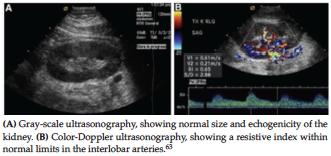
Figure 1. Normal Ultrasonographic Findings of a Transplanted Kidney
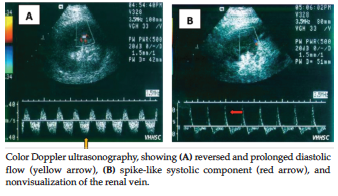
Figure 2. Thrombosis of the Transplanted Renal Vein
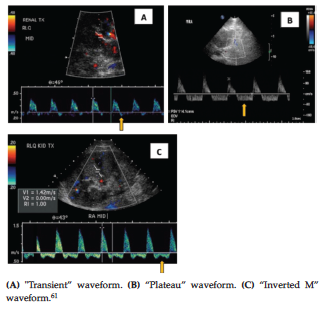
Figure 3. Reversed Diastolic Waveform Morphology
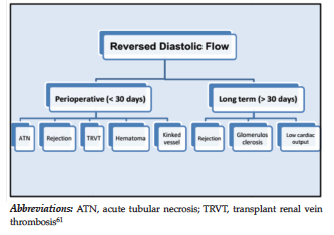
Figure 4. Differential Diagnosis of Reversed Diastolic Flow in Transplanted Kidney (in order of most common)
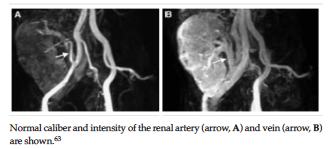
Figure 5. Maximum Intensity Projection Magnetic Resonance Images of a Transplanted Kidney Obtained During Arterial (A) and Venous (B) Phase