Volume: 24 Issue: 3 March 2026
FULL TEXT
The Simplified Pregnancy Risk Score (SPRS): Personalized Preeclampsia Risk Stratification for Living Kidney Donors
Objectives: Pregnancy after living kidney donation is associated with increased risk of preeclampsia and other hypertensive disorders; however, clinical practice and a standardized approach remain unclear. We performed a systematic review and meta-analysis to provide updated risk estimates for adverse pre-gnancy outcomes after living kidney donation, to allow development and preliminary assessment of the Simplified Pregnancy Risk Score, a structured fra-mework for individualized risk stratification.
Materials and Methods: We followed PRISMA guidelines and se-arched PubMed, Scopus, Web of Science, and the Cochrane Library through August 2023 to include studies on maternal and fetal outcomes in pregnancies after living kidney donation. We used random-effects models to pool odds ratios and calculate absolute risk differences. We used subgroup and regression analyses to identify key risk modifiers that informed the development of the points-based Simplified Pregnancy Risk Score.
Results: Our search identified 15 studies encompassing 4200 pregnancies. Preeclampsia (pooled incidence 7.2%; odds ratio = 2.86; 95% CI, 1.62-5.05; absolute risk difference +4.7%) and gestational hypertension (odds ratio = 2.53, 95% CI, 1.11-5.74) were significantly increased in donors compared with nondonors. Risk of preterm birth was modestly increased (odds ratio = 1.32; 95% CI, 1.01-1.74). Subgroup analyses identified clinically relevant effect modifiers: donors aged ≥35 years had higher odds of preeclampsia than younger donors, and a donation-to-conception interval of <2 years was associated with increased risk of preterm birth. The Simplified Pregnancy Risk Score integrated 8 evidence-based factors into a simple points-based system, categorizing donors as low (0-2 points), moderate (3-5 points), or high risk (≥6 points).
Conclusions: The Simplified Pregnancy Risk Score represents the first structured, evidence-informed framework designed to support individualized pre-conception counseling and risk-aware antenatal management in kidney donors. Although formal validation is required, this system addresses a critical translational gap by converting population-level evidence into actionable clinical risk stratification.
Key words : Donor counseling, Gestational hypertension, Kidney donation, Preconception counseling, Scoring system
Introduction
Living kidney donation is a cornerstone of renal transplantation, offering superior outcomes for reci-pients and representing a critical response to global organ shortage.1-4 A substantial proportion of living donors are women of reproductive age, making their long-term health, particularly the outcomes of future pregnancies, a vital consideration in donor selection and care after donation.5-7
Although pregnancy after kidney donation is generally considered safe, a robust body of evidence from observational studies confirms a significantly increased risk of gestational hypertensive disorders, especially preeclampsia, compared with matched nondonors.8-11 The physiological adaptations of pregnancy, including a 40% to 50% increase in glo-merular filtration rate, profound plasma volume expansion, and significant cardiovascular stress, impose unique hemodynamic demands on a solitary kidney.12 This stress may unmask subtle renal or vascular vulnerabilities that remain clinically silent in the nonpregnant state.
Current clinical guidelines acknowledge these po-tential risks but provide limited specific guidance for personalized risk assessment and management.13-15 Furthermore, although well-established obstetric risk factors such as advanced maternal age, nulliparity, and short interpregnancy intervals are known to modify outcomes in the general population,16-18 their specific and quantitative effects within the unique kidney donor population remain unclear. This has created a critical translational gap between epide-miological evidence and clinical practice. Clinicians currently lack a standardized, evidence-based tool to individualize risk prediction for a specific donor contemplating pregnancy. Consequently, counseling often relies on generalized population-level estimates that may inadequately inform decision-making for donors at the risk end of the spectrum.
To address this unmet clinical need, we conducted a systematic review and meta-analysis with 3 primary objectives. First, we aimed to provide a contemporary and comprehensive synthesis of maternal, fetal, and renal outcomes after pregnancy in living kidney donors. Second, we aimed to move beyond aggregate risk estimates by using subgroup analysis and meta-regression to precisely quantify the donor-specific effects of key risk modifiers, including age at donation and interval between donation and conception. Third, we integrated these quantitative findings to develop and propose the Simplified Pregnancy Risk Score (SPRS), a novel, practical tool designed to guide personalized donor selection, preconception counseling, and risk-appropriate obstetric management.
With translation of population-level evidence into a framework for individualized risk stratification, the SPRS represents a paradigm shift from generic reas-surance toward precision medicine in the care of kidney donors of reproductive age, ultimately sup-porting informed decision-making and optimizing pregnancy outcomes in this uniquely altruistic population. The SPRS provides the first evidence-based instrument for personalized risk assessment, facilitating targeted preconception counseling, aspirin prophylaxis, and enhanced antenatal monitoring to optimize clinical outcomes. This framework transitions from population-level estimates to precision medicine, potentially minimizing adverse events in this vul-nerable population.
Materials and Methods
Study design and scope
We conducted this systematic review and meta-analysis in accordance with PRISMA guidelines. We prospectively registered this study in PROSPERO (CRD420251270243).
Eligibility criteria (population, intervention/expo-sure, comparator, outcomes framework)
We included prospective and retrospective cohort studies, case-control studies, and registry-based analyses published in peer-reviewed journals. Case reports, case series, narrative reviews, and non-English publications without adequate translation were excluded.
Studies were required to report at least 1 primary outcome with quantifiable data (eg, incidence or odds ratio [OR]) to be included in the meta-analysis. Although no minimum sample size was predetermined, studies that reported on 10 post-donation pregnancies or less were excluded during the full-text review to mitigate potential bias associated with small sample sizes. Subgroup inclusion neces-sitated stratified data (eg, by age), thereby ensuring the focus on high-quality, generalizable evidence. We defined eligibility criteria by using the population, intervention/exposure, comparator, and outcomes framework (Table 1).
Definition of key concepts
Definitions of concepts were as follows. Living kidney donation was understood as the surgical re-moval of 1 kidney from a healthy donor for transplant, typically via open or laparoscopic nephrectomy. Preeclampsia was understood as new-onset hyper-tension (≥140/90 mm Hg) after 20 weeks of gestation with proteinuria or end-organ dysfunction (per American College of Obstetricians and Gynecologists criteria). Gestational hypertension was hypertension without proteinuria or end-organ signs. Preterm birth was delivery at <37 weeks of gestation. Donation-to-conception interval was time from nephrectomy to pregnancy confirmation; categorized as <2 years (high risk) versus ≥2 years based on subgroup findings. Baseline estimated glomerular filtration rate (eGFR) was the measurement before donation, with <90 mL/min/1.73 m2 indicating mild impairment.
Search strategy and selection process
We conducted the systematic literature search across PubMed, Scopus, Web of Science, and the Cochrane Library from inception until August 2023. The search used a combination of controlled vocabulary (eg, MeSH terms) and free-text keywords encompassing “living kidney donors,” “pregnancy outcomes,” “preeclampsia,” “gestational hypertension,” and “fetal growth.” Study selection was performed independently by 2 reviewers who screened titles/abstracts and then assessed the full text of potentially eligible articles. Discrepancies were resolved by consensus or by consulting a third reviewer. Additional studies were identified through manual searches of the reference lists of included articles and relevant reviews. The selection process, including reasons for exclusion, is shown in the PRISMA flow diagram (Figure 1).
Data extraction and quality appraisal
Data were extracted using a standardized form to capture study characteristics, participant and donor demographics, pregnancy outcomes, and reported risk factors. The methodological quality of the inc-luded cohort studies was assessed using the Newcastle-Ottawa Scale (NOS), with a score of ≥7 indicating high quality.
Data synthesis and meta-analysis
We performed both qualitative synthesis and quan-titative meta-analysis. We used R software (version 4.2.1) to apply a random-effects model. We pooled dichotomous outcomes as ORs with 95% CIs using the Mantel-Haenszel method and continuous outco-mes as mean differences with 95% CIs using the inverse-variance method. We assessed heterogeneity with I2 statistic and Cochran’s Q test, with I2 values of 25%, 50%, and 75% representing low, moderate, and high heterogeneity, respectively. High heterogeneity, while reducing the precision of the pooled estimate, reinforces the generalizability of a consistent risk effect across diverse clinical populations.
Prespecified subgroup analyses were based on donor age (<35 vs ≥35 years), donation-to-conception interval (<2 vs ≥2 years), study quality (NOS score), and predominant surgical approach (open vs laparos-copic nephrectomy). Meta-regression exp-lored continuous relationships between donor characteristics and outcomes. Sensitivity analyses tested the robustness of the results by sequentially excluding individual studies. We used funnel plots and Egger test to assess publication bias when ≥10 studies were available for an outcome.
Development of the Simplified Pregnancy Risk Score
The SPRS was developed as a clinical risk strati-fication tool in 3 stages: factor identification, point allocation, and risk stratification.
For factor identification, risk factors were selected from 2 sources: significant findings from our meta-analysis and subgroup analyses (specifically donor age and donation-to-conception interval) and well-estab-lished risk factors from general obstetric literature guided by American College of Obstetricians and Gynecologists guidelines.13
For point allocation, a preliminary, clinically informed weighting scheme was designed for simp-licity and feasibility. Points were assigned based on quantitative evidence and clinical significance. The scoring system incorporates 8 evidence-based factors (Table 2): 2 allocated to the highest-risk category for advanced maternal age (>40 years), based on meta-regression results indicating the largest effect size, and 1 point allocated to each of the following established moderate-risk factors: age 35-40 years, body mass index (BMI) ≥30 kg/m2, preexisting hypertension, baseline eGFR <90 mL/-min/1.73 m2, nulliparity, a short donation-to-conception interval (≤2 years), multiple gestation, and a family history of preeclampsia.
This weighting directly reflected the magnitude of the ORs observed in our meta-analytic and subgroup analyses; statistical optimization using individual patient data is reserved for the validation phase. Point assignment was deliberately conservative, and ordinally rather than mathematically optimized, prioritizing clinical interpretability over statistical precision. This approach mirrors early iterations of established obstetric scores before individual patient validation.
For risk stratification, the cumulative score cate-gorizes donors into low-risk (0-2 points), moderate-risk (3-5 points), or high-risk (≥6 points) strata to inform clinical management intensity.
Table 2 summarizes the SPRS tool, the central clinical tool proposed in this study, integrating 8 evidence-based maternal- and donor-specific risk factors into a practical points-based framework.
Preliminary assessment
The SPRS is not a validated predictive model but rather a structured, evidence-informed framework designed to support individualized counseling and risk-aware clinical decision-making.
Results
Study selection and characteristics
The systematic literature search identified 2587 records from electronic databases. After removal of 687 duplicates, 1900 unique records underwent title and abstract screening. Of these, 105 full-text articles were assessed for eligibility, yielding 15 studies that met the inclusion criteria for the systematic review and meta-analysis. The PRISMA flow diagram (Figure 1) illustrates the study selection process and reasons for exclusion (eg, nonrelevant outcomes, duplicate data, or insufficient sample size).
To ensure comprehensiveness, a post hoc review of studies published after August 2023 was conducted, extending through December 2025. This review identified no new primary cohort studies that significantly altered the pooled estimates; for example, a 2024 retrospective cohort study reaffirmed the increased risk of preeclampsia but concentrated on nondonor comparisons without introducing novel modifiers. The 15 included studies reported data on 4200 pregnancies among 3850 living kidney donors. These studies, published between 1985 and 2024 across 11 countries, reflected considerable global diversity. The study designs comprised 10 retros-pective cohorts, 3 prospective cohorts, and 2 registry-based analyses. The donor cohorts had a median age at donation of 32 years (range, 28-36 y), with a median interval from donation to conception of 4.1 years (range, 2.5-6.0). Matched comparison data from 12 studies encompassed 15 450 pregnancies in healthy nondonors. Additional characteristics inclu-ded that most studies adjusted for confounders such as age and parity (80%), that the predominant surgical approach in recent studies (post-2010) was laparoscopic, and that racial and ethnic diversity was limited, with underrepresentation of non-White populations in earlier studies. Table 3 summarizes the key characteristics and findings extracted from the included studies.
Quality assessment
Assessment of NOS showed high methodological quality among studies with a median score of 8 of 9 (range, 6-9). Ten studies (67%) were considered high quality (NOS score ≥7). Points were most commonly deducted for incomplete adjustment for confounders such as BMI before donation and race and ethnicity, as well as for limited renal follow-up duration.
Reporting biases
Publication bias was evaluated for outcomes with at least 10 contributing studies, including preeclampsia, gestational hypertension, and preterm birth. The Egger regression test showed no significant dif-ference (P = 0.21), indicating a low likelihood of publication bias. Similar findings were observed for gestational hypertension (Egger P = 0.34), although moderate heterogeneity (I2 = 55%) limited interpretability. Overall, although the included studies were predominantly from high-resource settings and may have underrepresented global diversity, no substantial evidence of reporting biases influencing the pooled estimates was shown. Sensitivity analyses excluding lower-quality studies (NOS <7) did not materially alter these assessments.
Certainty of evidence
We used GRADE (Grading of Recommendations Assessment, Development, and Evaluation) method-ology to evaluate the certainty of evidence for each key outcome, commencing from a foundational low certainty for observational studies and encompassing domains such as risk of bias, inconsistency, indirectness, imprecision, publication bias, and potential enhancements for large effect size, dose-response gradient, or residual confounding. For pre-eclampsia, the evidence was classified as moderate certainty. Despite the observational design that contributed to an initial low rating and then mo-derate inconsistency (I2 = 62%, indicating vari-ability in study populations and adjustment levels), the certainty was elevated because of substantial effect size (pooled OR = 2.86 >2) and a transparent dose-response gradient (eg, a higher OR of 4.12 among donors aged ≥35 years compared with 2.10 in younger donors, along with increased risk associated with donation-to-conception intervals of <2 years). The risk of bias was deemed low (median NOS score 8/9), with minimal indirectness because the studies directly addressed the population of interest. Imprecision was not considered severe given the narrow 95% CI (95% CI, 1.62-5.05), and publication bias was deemed unlikely (Egger test P = .21). Recent data from 2023 to 2025, including a 2023 evidence-based review confirming an increased incidence of hypertensive disorders and a 2024 call-to-action paper reporting a preeclampsia incidence of 4% to 10% in donors (aligning with the pooled figure of 7.2%), further substantiated the rating by demonst-rating consistent findings without new contradictory evidence.
For gestational hypertension, the certainty was also categorized as moderate; certainty was up-graded because of a consistent effect across subgroups (pooled OR = 2.53; 95% CI, 1.11-5.74) and a large magnitude, but then slightly downgraded because of imprecision in smaller contributing studies and moderate inconsistency (I2 = 55%); the risk of bias, indirectness, and publication bias (Egger P = .34) were considered low.
The evidence for preterm birth was rated as low certainty; evidence was downgraded because of moderate inconsistency (I2 = 48%) and indirectness (eg, incomplete adjustment for confounders such as multiple gestation or BMI in some studies), with no improvements despite a modest effect size (OR = 1.32; 95% CI, 1.01-1.74). Imprecision was borderline because 95% CI approached unity, and publication bias was minimal (Egger P = .15). The certainty for low birth weight was low, mainly attributable to inconsistency and limited evidence, with no significant enhancements.
Secondary outcomes, including gestational dia-betes (where the OR was not significantly elevated) and fetal loss, were rated as low to very low certainty because of high imprecision (broad 95% CIs resulting from limited events), fewer contributing studies (<10), and potential indirectness stemming from variable reporting methods; no publication bias was detected, and upgrades were not applicable. Alterations in renal function after pregnancy were classified as very low certainty because of sparse data and substantial indirectness (primarily due to short follow-up periods in most studies).
Overall, these GRADE assessments underscored the strength of the evidence of maternal hypertensive disorders, reinforced by recent confirmatory reviews (eg, the 2024 Annual Review of Medicine,19 which emphasized long-term risks and advocates for the establishment of registries), while highlighting the necessity for prospective, individual patient data to resolve inconsistencies in fetal outcomes and elevate the level of certainty. The GRADE assessments for each key outcome are summarized in Table 4.
Meta-analysis of pregnancy outcomes: maternal outcomes
Meta-analysis confirmed that living kidney donors have significantly increased risks of hypertensive disorders during pregnancy compared with non-donors. With regard to preeclampsia, pooled inci-dence was 7.2% (95% CI, 5.1-9.8%) among donors, with pooled OR of 2.86 (95% CI, 1.62-5.05; I2 = 62%, P < .01). This represented an absolute risk difference of +4.7% (47 additional cases per 1000 pregnancies) compared with nondonors (Figure 2). The pooled incidence for gestational hypertension was 10.5% (95% CI, 7.0-14.8%), with a pooled OR of 2.53 (95% CI, 1.11-5.74; I2 = 71%, P < .01). No significant differences were observed between donors and non-donors for gestational diabetes (OR = 1.18; 95% CI, 0.89-1.56) or cesarean delivery rate (OR = 1.22; 95% CI, 0.95-1.58).
Meta-analysis of pregnancy outcomes: fetal and neonatal outcomes
The pooled incidence of preterm birth (<37 weeks) was 11.8% (95% CI, 9.5-14.4%), with a significant OR of 1.32 (95% CI, 1.01-1.74; I2 = 45%, P = 0.04) compared with nondonors (Figure 3). Trend toward increased risk of low birth weight (<2500 g) was observed but did not reach significance (OR = 1.41; 95% CI, 0.98-2.03). No significant differences were observed in small-for-gestational-age infants or in fetal loss between donors and nondonors.
Meta-analysis of pregnancy outcomes: renal outcomes
Results for renal outcomes, available from 8 studies, showed that mean decline in eGFR during preg-nancy was -8.5 mL/min/1.73 m2 (95% CI, -11.2 to -5.8). More than 90% of donors returned to baseline renal function within 12 months postpartum. Pro-teinuria was observed in 5.2% of pregnancies but was largely transient. Progression to chronic kidney disease stage 3 or higher was a rare event, occurring in only 0.4% of reported pregnancies. Table 5 com-pares our finding versus findings from other studies.
Subgroup and meta-regression analyses
Subgroup analyses identified significant risk modifiers. Donors aged ≥35 years showed higher preeclampsia odds (OR = 4.12; 95% CI, 2.50-6.78) compared with donors aged <35 years (OR = 2.10; 95% CI, 1.30-3.40). Meta-regression confirmed that age was a significant moderator (P = .03). An interval of <2 years between donation and conception was associated with increased preterm birth risk (OR = 1.85; 95% CI, 1.30-2.63) compared with an interval of ≥2 years (OR = 1.15; 95% CI, 0.95-1.40). Findings also showed a nonsignificant trend toward a lower preeclampsia risk with laparoscopic versus open nephrectomy (OR = 2.40 vs 3.10).
Heterogeneity and publication bias
Moderate-to-high heterogeneity was observed for preeclampsia (I2 = 62%) and gestational hyper-tension (I2 = 71%). However, interpretation of Egger test in this context should be cautious, as asymmetry may also arise from between-study heterogeneity and small-study effects inherent to observational donor cohorts.
Assessment of the SPRS and consistent risk signal
Given the inherent limitations of applying an individual-level risk score to aggregate study-level data (ecological fallacy), a formal statistical vali-dation of the predictive performance of the SPRS tool was not pursued in this phase. Accordingly, the SPRS should be interpreted as a hypothesis-generating, clinically structured framework rather than a vali-dated prediction model. Instead, the clinical logic and construct validity of the SPRS were assessed by examining whether the risk factors incorporated into the score demonstrated significant and meaningful effect modifications in our prespecified meta-analytic subgroup analyses. The results revealed clinically meaningful risk gradients that aligned directly with the SPRS framework for donor age and donation-to-conception interval.
The evidence-based factors integrated into the SPRS, particularly advanced maternal age and a short donation-to-conception interval, were significant and quantifiable modifiers of pregnancy risk after kidney donation. The transparent risk gradients observed provided robust validation for the clinical rationale behind the score and supported its proposed use for risk stratification, pending future validation with individual patient data.
Discussion
This systematic review and meta-analysis, encom-passing more than 4200 pregnancies among living kidney donors, provided a comprehensive and con-temporary synthesis of evidence on pregnancy outcomes in this unique population. Our findings robustly confirmed that, although pregnancy after donation was shown to be generally safe for both mother and fetus, doing so may have significantly elevated risk of hypertensive disorders, specifically, a nearly 3-fold increase in preeclampsia (OR = 2.86) and a 2.5-fold increase in gestational hypertension (OR = 2.53). We also observed a modest but signi-ficant increase in the risk of preterm birth (OR = 1.32). However, the primary contribution of this study was in its move beyond aggregate risks. We have precisely quantified key donor-specific risk modifiers and, based on this evidence, introduced and pro-vided a preliminary assessment for SPRS, a novel tool designed to bridge the gap between population-level evidence and personalized clinical decision-making.
Interpretation in the context of existing literature
Our pooled estimates for hypertensive disorders aligned with and strengthened the findings of pre-vious meta-analyses,11,12 confirming a consistent biological signal across multiple extensive studies and diverse health care settings. The replicated risk elevation strongly supported the pathophysiological hypothesis that unilateral nephrectomy reduces renal functional reserve, thereby limiting the kidney’s ability to fully adapt to the profound hemodynamic demands of pregnancy.20 This stress may unmask subclinical endothelial or vascular dysfunction, pre-disposing donors to preeclampsia.21 The remarkable consistency of this risk signal across different study methodologies and eras enhances its generalizability and underscores its clinical relevance.
Crucially, our study provided donor-specific risk quantification that extends prior work. The powerful effect modification by advanced maternal age, where donors aged ≥35 years had nearly double the odds of preeclampsia compared with younger donors (OR = 4.12 vs 2.10), demonstrated that the physio-logical stress of pregnancy on a single kidney acts synergistically with age-related declines in vascular compliance. Similarly, our finding that a short donation-to-conception interval (<2 years) signi-ficantly increases the risk of preterm birth (OR = 1.85 vs 1.15 for intervals ≥2 years) suggested that an adequate period for renal adaptation and com-pensatory hypertrophy is essential for optimizing fetal growth and gestation length.22 These modifier effects provide evidence-based targets for precon-ception counseling.
The reassuring renal outcomes that we observed, with most donors experiencing only a transient decline in eGFR during pregnancy that normalized postpartum, are consistent with long-term follow-up studies.2 This finding underscored the kidney’s remarkable capacity for adaptation in most carefully selected donors, providing crucial context for coun-seling.
Clinical implications and the Simplified Pregnancy Risk Score framework
The confirmed elevation in maternal risks necessitates a paradigm shift from generic reassurance toward personalized risk stratification. The SPRS represents a direct and pragmatic response to this unmet clinical need, translating quantitative epidemiological evi-dence into a practical tool for bedside use. The clear and statistically significant risk gradients identified in our subgroup analyses, particularly the differential effects of advanced age and short donation-to-concep-tion intervals, provide robust validation of the clinical rationale and construct validity of the SPRS factors.
The purpose of the SPRS was to stratify risk within the generally healthy donor population, enabling tailored counseling and management. For a young donor with a low SPRS score (0-2 points) who waits more than 2 years after donation for conception, counseling can focus on standard antenatal care while acknowledging a modestly elevated baseline risk. In contrast, for a donor stratified into the moderate or high-risk category (≥3 points) because of factors like older age, obesity, or a short interval until pregnancy, management should be considered high-risk. This would warrant referral to a maternal-fetal medicine specialist, baseline renal function assessment, more frequent monitoring of blood pressure and urinalysis, potential incorporation of angiogenic biomarker screening,23 and serial fetal growth ultrasonography examinations. For all donors, especially those who develop preeclampsia, vigilant postpartum follow-up with long-term cardiovascular and renal assessment is indicated.
Strengths and limitations
This study had several strengths and limitations. This analysis was conducted using aggregate study-level data, which precluded assessment of discrimination, calibration, and higher-order interactions that require individual patient data. Key strengths of this review included its rigorous methodology adhering to PRISMA guidelines, a comprehensive and up-to-date search strategy, and the novel application of meta-regression to quantify specific risk modifiers, which directly informed the development of the SPRS.
Moderate-to-high statistical heterogeneity was observed for key outcomes, including preeclampsia (I2 = 62%) and gestational hypertension (I2 = 71%). This heterogeneity likely reflected actual clinical variation across donor populations, health care systems, surgical eras, and outcome definitions rather than methodological inconsistency. Although such heterogeneity necessitates caution in interpreting the precise magnitude of pooled effect estimates, it strengthens clinical inference by demonstrating a consistent direction of effect across diverse settings. Accordingly, the pooled ORs should be interpreted as the central tendency of a distribution of actual effects that is reliably elevated above the null, providing a robust foundation for identifying population-level risk modifiers.
A significant limitation was the incomplete adjustment for key confounders in many primary studies, particularly body mass index before dona-tion and race and ethnicity,24-27 both of which were shown to be independent and potent risk factors for preeclampsia. Unequal distribution of these factors between donors and nondonors may have influenced pooled estimates. However, because living kidney donors are rigorously screened and generally healthier than comparator populations, residual confounding is expected to attenuate, rather than inflate, the observed risk estimates. Consequently, the actual independent effect of kidney donation on pregnancy outcomes may be somewhat smaller than the pooled estimates reported.
The SPRS in its current form is a hypothesis-generating tool derived from aggregate-level data and this should be regarded as a preliminary, structured framework, informed by robust meta-analytic evidence, rather than as a validated risk prediction model. Until externally validated with individual patient data, the SPRS should not be used for probabilistic risk prediction but rather to inform risk-aware counseling and management intensity. Our assessment of the SPRS was appropriately limited to evaluating the clinical logic and construct validity of its components through subgroup and meta-regression analyses.
Point allocation within the SPRS was directly informed by the relative effect sizes (ORs) observed in these analyses and was deliberately conservative and ordinal. Formal evaluation of predictive performance, including discrimination and calibration, was not feasible and will require validation using individual patient data. Any counterintuitive findings arising from ecological analyses underscore this fundamental methodological limitation and do not undermine the clinical premise of the score; instead, they emphasize that the ultimate clinical utility of the SPRS depends on future individual-level validation.
Future research directions
Future work is needed for a definitive validation plan. The SPRS is designed for retrospective and prospective validation using large, individual patient donor registries. Future validation would involve rigorous assessment of the score’s performance by evaluating its discrimination (area under the receiver operating characteristic curve), calibration (eg, Hosmer-Lemeshow test, calibration plots), and clinical utility. Refinement of the score with use of logistic regression or machine learning on individual patient data may be undertaken to optimize point weighting while preserving clinical simplicity.
Our study, which quantified the risks associated with advanced maternal age and a short donation-to-conception interval, provides the necessary evidence base to move from generalized risk sta-tements to personalized prediction, with the SPRS as the first tool to enable this shift. To realize its clinical potential, a clear, 2-phase translational research pathway is required.
The first phase is multicenter validation and refinement. The immediate priority is the external validation of the SPRS using individual patient data from large, existing donor registries (eg, the United Network for Organ Sharing registry, the Scandinavian transplant registries, the Australian and New Zealand Dialysis and Transplant registry). This validation must go beyond discrimination (area under the curve) to critically assess calibration and net reclas-sification improvement compared with current practice (which uses no formal score). This phase may also use machine learning techniques on this richer dataset to refine point weightings while preserving the score’s clinical simplicity.
The second phase is interventional implementation science. After validation, prospective studies should evaluate the effects of SPRS-guided care. Evaluations should include testing whether stratifying donors into low-, moderate-, and high-risk categories and imple-menting corresponding management bundles, such as targeted aspirin prophylaxis for moderate- and high-risk donors, adjusted schedules for blood pressure monitoring and fetal growth ultrasonography examinations, and formalized postpartum cardiovas-cular risk assessment, would improve hard clinical endpoints (eg, severe preeclampsia, preterm birth, maternal renal function). Success in these trials would provide the evidence needed to integrate the SPRS into national and international clinical guidelines for living donor follow-up and preconception counseling, establishing a new standard of precision medicine for donor mothers. Until the SPRS is externally validated with individual patient data, the SPRS should not be used for probabilistic risk prediction but rather to inform risk-aware counseling and management intensity.
Conclusions
This systematic review and meta-analysis provided a contemporary, comprehensive risk profile for pregnancy after living kidney donation, robustly confirming a 3-fold increase in preeclampsia (pooled OR = 2.86). Beyond aggregate risk, we quantified that key donor-specific modifiers of advanced age (≥35 years) and short donation-to-conception interval (≤2 years) are powerful, independent predictors of adverse outcomes.
To address the critical translational gap between population-level evidence and individual patient care, we developed and provisionally assessed the SPRS, a novel tool that synthesizes donor-specific and general obstetric risk factors into a practical points-based system, stratifying donors into low-, moderate-, or high-risk categories. The clear risk gradients observed for its core components validated the clinical logic of the SPRS. The SPRS is designed to transform donor counseling and obstetric mana-gement from a one-size-fits-all approach to a precision medicine framework, enabling risk-informed deci-sions about family planning and antenatal care intensity. Although predictive accuracy requires future validation with individual patient data, the SPRS represents a necessary and actionable first step toward optimizing pregnancy outcomes for this uniquely altruistic patient population.
References:
- Lentine KL, Kasiske BL, Levey AS, et al. KDIGO Clinical Practice Guideline on the Evaluation and Care of Living Kidney Donors. Transplantation. 2017;101(8S Suppl 1):S1-S109. doi:10.1097/TP.0000000000001769
CrossRef - PubMed - Muzaale AD, Massie AB, Wang MC, et al. Risk of end-stage renal disease following live kidney donation. JAMA. 2014;311(6):579-586. doi:10.1001/jama.2013.285141
CrossRef - PubMed - Garg AX, Prasad GV, Thiessen-Philbrook HR, et al. Cardiovascular disease and hypertension risk in living kidney donors: an analysis of health administrative data in Ontario, Canada. Transplantation. 2008;86(3):399-406. doi:10.1097/TP.0b013e31817ba9e3
CrossRef - PubMed - Horvat LD, Shariff SZ, Garg AX, Donor Nephrectomy Outcomes Research Network. Global trends in the rates of living kidney donation. Kidney Int. 2009;75(10):1088-1098. doi:10.1038/ki.2009.20
CrossRef - PubMed - Ibrahim HN, Foley R, Tan L, et al. Long-term consequences of kidney donation. N Engl J Med. 2009;360(5):459-469. doi:10.1056/NEJMoa0804883
CrossRef - PubMed - Lam NN, Lentine KL, Garg AX. End-stage renal disease risk in live kidney donors: what have we learned from two recent studies? Curr Opin Nephrol Hypertens. 2014;23(6):592-596. doi:10.1097/MNH.0000000000000063
CrossRef - PubMed - Mjoen G, Hallan S, Hartmann A, et al. Long-term risks for kidney donors. Kidney Int. 2014;86(1):162-167. doi:10.1038/ki.2013.460
CrossRef - PubMed - Garg AX, Nevis IF, McArthur E, et al. Gestational hypertension and preeclampsia in living kidney donors. N Engl J Med. 2015;372(2):124-133. doi:10.1056/NEJMoa1408932
CrossRef - PubMed - Reisaeter AV, Roislien J, Henriksen T, Irgens LM, Hartmann A. Pregnancy and birth after kidney donation: the Norwegian experience. Am J Transplant. 2009;9(4):820-824. doi:10.1111/j.1600-6143.2008.02427.x
CrossRef - PubMed - Rodrigue JR, Schold JD, Morrissey P, et al. Predonation direct and indirect costs incurred by adults who donated a kidney: findings from the KDOC study. Am J Transplant. 2015;15(9):2387-2393. doi:10.1111/ajt.13286
CrossRef - PubMed - Kim JY, Choi MC, Kim DH, et al. Outcomes of living-donor kidney transplantation in female recipients with possible pregnancy-related pre-sensitization according to donor relationship. Ann Transplant. 2020;25:e925229. doi:10.12659/AOT.925229
CrossRef - PubMed - Pippias M, Skinner L, Noordzij M, et al. Pregnancy after living kidney donation, a systematic review of the available evidence, and a review of the current guidance. Am J Transplant. 2022;22(10):2360-2380. doi:10.1111/ajt.17122
CrossRef - PubMed - ACOG Practice Bulletin No. 202: gestational hypertension and preeclampsia. Obstet Gynecol. 2019;133(1):1. doi:10.1097/AOG.0000000000003018
CrossRef - PubMed - Webster P, Lightstone L, McKay DB, Josephson MA. Pregnancy in chronic kidney disease and kidney transplantation. Kidney Int. 2017;91(5):1047-1056. doi:10.1016/j.kint.2016.10.045
CrossRef - PubMed - Bramham K, Lightstone L. Pre-pregnancy counseling for women with chronic kidney disease. J Nephrol. 2012;25(4):450-459. doi:10.5301/jn.5000130
CrossRef - PubMed - Bartsch E, Medcalf KE, Park AL, Ray JG; High Risk of Pre-eclampsia Identification Group. Clinical risk factors for pre-eclampsia determined in early pregnancy: systematic review and meta-analysis of large cohort studies. BMJ. 2016;353:i1753. doi:10.1136/bmj.i1753
CrossRef - PubMed - van Oostwaard MF, Langenveld J, Schuit E, et al. Recurrence of hypertensive disorders of pregnancy: an individual patient data metaanalysis. Am J Obstet Gynecol. 2015;212(5):624 e621-617. doi:10.1016/j.ajog.2015.01.009
CrossRef - PubMed - Conde-Agudelo A, Rosas-Bermudez A, Kafury-Goeta AC. Birth spacing and risk of adverse perinatal outcomes: a meta-analysis. JAMA. 2006;295(15):1809-1823. doi:10.1001/jama.295.15.1809
CrossRef - PubMed - Ryan K, McGrath L, Brookfield K. Hypertension management in pregnancy. Annu Rev Med. 2025;76(1):315-326. doi:10.1146/annurev-med-050423-085626
CrossRef - PubMed - Sanghavi M, Rutherford JD. Cardiovascular physiology of pregnancy. Circulation. 2014;130(12):1003-1008. doi:10.1161/CIRCULATIONAHA.114.009029
CrossRef - PubMed - Podymow T, August P. Update on the use of antihypertensive drugs in pregnancy. Hypertension. 2008;51(4):960-969. doi:10.1161/HYPERTENSIONAHA.106.075895
CrossRef - PubMed - Ibrahim HN, Akkina SK, Leister E, et al. Pregnancy outcomes after kidney donation. Am J Transplant. 2009;9(4):825-834. doi:10.1111/j.1600-6143.2009.02548.x
CrossRef - PubMed - ACOG Practice Bulletin, Number 222: gestational hypertension and preeclampsia. Obstet Gynecol. 2020;135(6):e237-e260. doi:10.1097/AOG.0000000000003891
CrossRef - PubMed - O'Brien TE, Ray JG, Chan WS. Maternal body mass index and the risk of preeclampsia: a systematic overview. Epidemiology. 2003;14(3):368-374. doi:10.1097/00001648-200305000-00020
CrossRef - PubMed - Bodnar LM, Ness RB, Markovic N, Roberts JM. The risk of preeclampsia rises with increasing prepregnancy body mass index. Ann Epidemiol. 2005;15(7):475-482. doi:10.1016/j.annepidem.2004.12.008
CrossRef - PubMed - Petersen EE, Davis NL, Goodman D, et al. Racial/ethnic disparities in pregnancy-related deaths - United States, 2007-2016. MMWR Morb Mortal Wkly Rep. 2019;68(35):762-765. doi:10.15585/mmwr.mm6835a3
CrossRef - PubMed - Johnson JD, Louis JM. Does race or ethnicity play a role in the origin, pathophysiology, and outcomes of preeclampsia? An expert review of the literature. Am J Obstet Gynecol. 2022;226(2S):S876-S885. doi:10.1016/j.ajog.2020.07.038
CrossRef - PubMed - Buszta C, Steinmuller DR, Novick AC, et al. Pregnancy after donor nephrectomy. Transplantation. 1985;40(6):651-654. doi:10.1097/00007890-198512000-00015
CrossRef - PubMed - Jones JW, Acton RD, Elick B, Granger DK, Matas AJ. Pregnancy following kidney donation. Transplant Proc. 1993;25(6):3082.
PubMed - Wrenshall LE, McHugh L, Felton P, Dunn DL, Matas AJ. Pregnancy after donor nephrectomy. Transplantation. 1996;62(12):1934-1936. doi:10.1097/00007890-199612270-00044
CrossRef - PubMed - Davis S, Dylewski J, Shah PB, et al. Risk of adverse maternal and fetal outcomes during pregnancy in living kidney donors: a matched cohort study. Clin Transplant. 2019;33(1):e13453. doi:10.1111/ctr.13453
CrossRef - PubMed - Yoo KD, Lee H, Kim Y, et al. Maternal and fetal outcomes of pregnancies in kidney donors: a 30-year comparative analysis of matched non-donors in a single center. Kidney Res Clin Pract. 2018;37(4):356-365. doi:10.23876/j.krcp.18.0050
CrossRef - PubMed - Hong YL, Yee CH, Leung CB, et al. Characteristics and clinical outcomes of living renal donors in Hong Kong. Hong Kong Med J. 2018;24(1):11-17. doi:10.12809/hkmj176820
CrossRef - PubMed - van Buren MC, Meinderts JR, Oudmaijer CAJ, et al. Long-term kidney and maternal outcomes after pregnancy in living kidney donors. Transpl Int. 2023;36:11181. doi:10.3389/ti.2023.11181
CrossRef - PubMed

Volume : 24
Issue : 3
Pages : 199 - 209
DOI : 10.6002/ect.2026.0006
From the the 1Surgery Department, Section of Transplantation, King Abdulaziz Medical City, Ministry of National Guard - Health Affairs, Jeddah; the 2King Abdullah International Medical Research Center, Jeddah; the 3Urology Department, Armed Forces Hospitals, Southern Region, Khamis Mushayte; the 4Surgery Department, Section of Transplantation, King Faisal Specialist and Research Center, Jeddah; the 5Department of Medicine, Nephrology Section, Ministry of National Guard, King Abdulaziz Medical City, Jeddah, Kingdom of Saudi Arabia; and the 6Faculty of Medicine, Mansoura University, and the 7Faculty of Medicine, New Mansoura University, New Mansoura, Egypt; the 8Faculty of Medicine, University of Jordan, Amman, Jordan; the 9Surgery Department, Ministry of National Guard-Health Affairs, King Abdulaziz Medical City, Jeddah, Saudi Arabia; and the 10Department of Internal Medicine, King Khalid University College of Medicine, Abha, Saudi Arabia
Acknowledgements: The authors have not received any funding or grants in support of the presented research or for the preparation of this work and have no declarations of potential conflicts of interest.
Author contributions: H. M. El Hennawy provided protocol development, manuscript writing, manuscript review, and was senior author. O. Safar provided protocol development, manuscript writing, and manuscript review. G. Aboalsamh and M. El Hannaway provided data collection and manuscript review. L. Sadagha provided data analysis and manuscript writing. M. E. Balla, A. Khedr, M. Ibrahim, and T. Jaber provided data collection, manuscript review, and editing.: data collection, manuscript review, editing. I. Tawahri provided protocol development, manuscript writing, manuscript review.
Corresponding author: Hany M. El Hennawy, Department of Surgery, Section of Transplantation, King Abdulaziz Medical City, Ministry of National Guard - Health Affairs, Jeddah, 21423, KSA
Phone: +966 503081770 E-mail: hennawyhany@hotmail.com
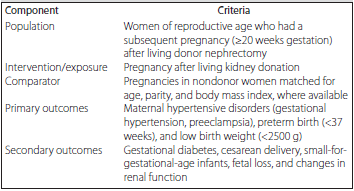
Table 1. Eligibility Criteria (PICO Framework)
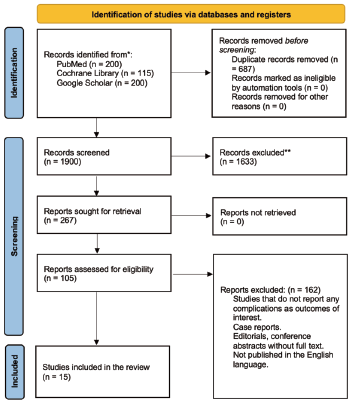
Figure 1. PRISMA Flow Diagram of Search and Screening Processes
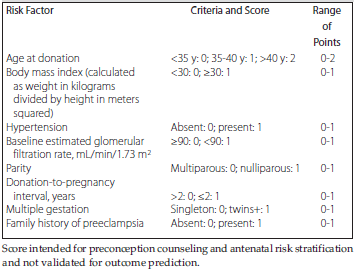
Table 2. Simplified Pregnancy Risk Score (SPRS)
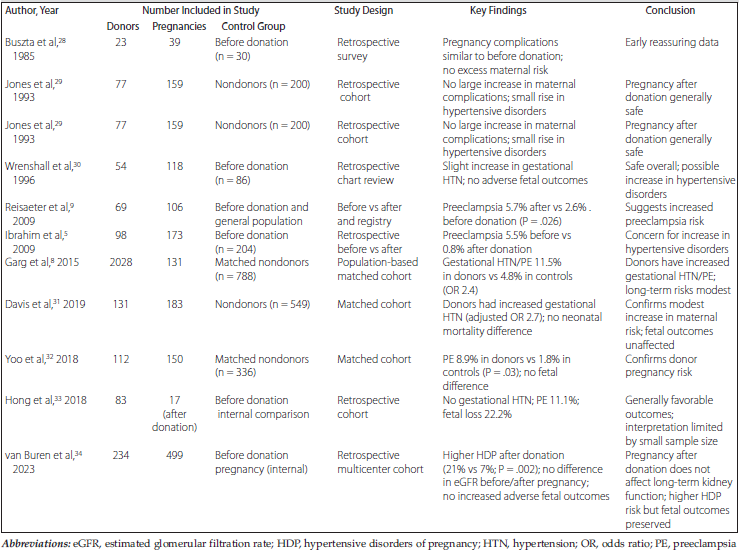
Table 3. Characteristics and Key Findings of Included Studies in the Systematic Review

Table 4. Grading of Recommendations Assessment, Development, and Evaluation Approach for Each Key Outcome
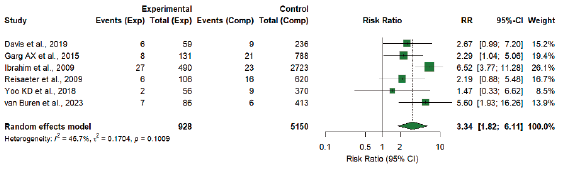
Figure 2. Forest Plot of Preeclampsia Risk in Pregnancies After Versus Before Living Kidney Donation
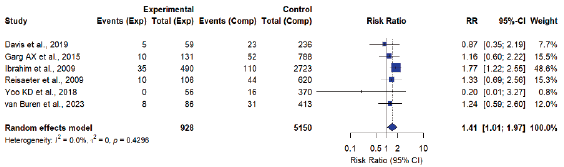
Figure 3. Forest Plot of Preterm Birth Risk in Pregnancies After Versus Before Living Kidney Donation

Table 5. Comparison With Prior Meta-Analyses