Volume: 24 Issue: 2 February 2026
FULL TEXT
Outcomes of Early Postoperative Stay in the Intensive Care Unit and Rehabilitation Requirements in Liver Transplant Recipients With Hepatocellular Carcinoma Versus Decompensated Cirrhosis
Objectives: This study compared early postoperative duration of stay in the intensive care unit and rehabilitation requirements between patients with hepatocellular carcinoma and patients with decom-pensated cirrhosis after liver transplant.
Materials and Methods: Patients were divided into 3 groups: hepatocellular carcinoma with mild-to-mode-rate cirrhosis, hepatocellular carcinoma with severe cirrhosis, and decompensated cirrhosis. We collected data on demographics and etiology, Child-Pugh classification, preoperative blood and biochemical profiles, cardiopulmonary function, and postoperative recovery milestones (eg, extubation time, drain removal, catheter removal, first bowel movement). We also obtained data on quadriceps muscle strength, rehabilitation sessions, and duration of stay in the intensive care unit. We conducted comparative analyses among groups and used linear regression to identify factors influencing stay duration in the intensive care unit.
Results: Our study included 110 liver transplant patients. Preoperatively, the decompensated cirrhosis group had the highest proportion of patients with Child-Pugh class C and disease duration of >3 years. Postoperatively, groups with hepatocellular carcinoma had earlier weaning, catheter, and drain removal compared with the decompensated cirrhosis group, which had longer stays in the intensive care unit and more rehabilitation sessions. Regression analysis showed that preoperative total bilirubin and albumin levels and postoperative drain and catheter removal times were the main determinants of stay duration in the intensive care unit.
Conclusions: Patients with hepatocellular carcinoma had better preoperative conditions, leading to faster postoperative recovery, shorter stays in the intensive care unit, and reduced rehabilitation requirements compared with those with decompensated cirrhosis. Etiology-specific recovery patterns and predictive models support individualized rehabilitation manage-ment.
Key words : Early rehabilitation, Hospitalization, Postoperative recovery
Introduction
Since Thomas Earl Starz conducted the world’s first liver transplant in 1963 and achieved the first successful liver transplant in 1967, liver transplant has evolved into a standard therapy for patients with end-stage liver disease and acute liver failure, saving countless lives.1 By the 1980s, advancements in immunosuppressive medications and transplant techniques extended the scope of liver transplant to include patients with liver cancer.2,3 Many patients with liver cancer have underlying chronic liver disease, making liver transplant a dual-purpose treatment that addresses both conditions.4 The establishment of the Milan criteria in 1996 further refined the criteria for liver transplant eligibility among patients with hepatocellular carcinoma (HCC), enhancing the outcomes for select groups.5 In Europe and the United States, patients with liver cancer account for 16% and 20.9% of all liver transplant cases, respectively.6,7 In China, this pro-portion is as high as 40%8 because more than 50% of hepatocellular carcinoma cases occur in China.9
To date, numerous studies have reported on early rehabilitation treatment of patients with end-stage liver disease following liver transplant; however, research specifically reporting on early rehabilitation of patients with liver cancer posttransplant is relatively scarce. This raises an important question. Are there differences in the early rehabilitation process between patients with end-stage liver disease and patients with liver cancer following liver transplant; To date, no relevant literature has thoroughly explored this issue. Therefore, we aimed to (1) compare early postoperative stay duration in the intensive care unit (ICU) and rehabilitation requirements between patients with HCC and those with decompensated cirrhosis (DC) following liver transplant; (2) quantify the effects of cirrhosis severity within HCC subgroups on rehabilitation needs; and (3) identify preoperative predictors of prolonged ICU stay.
Materials and Methods
All liver grafts in this study were obtained from deceased donors (brain dead donors). No living donor liver transplants were involved. This study strictly adhered to the World Medical Association Declaration of Helsinki and relevant national laws and regulations on organ donation. The protocol was reviewed and approved by the Ethics Committee of Zhongshan Hospital, Fudan University.
Study subjects
In this retrospective study, we included patients who underwent liver transplant and were admitted to the ICU at Zhongshan Hospital, Fudan University, throughout 2023. In China, hepatitis B virus (HBV) is the leading cause of HCC and DC among liver transplant candidates, accounting for 83.8% of HCC cases and 66.2% of DC cases.10 Considering this, we focused on HBV-related cases. This approach not only covers >80% of China’s liver transplant cases but also effectively reduces heterogeneity caused by rare etiologies.
Inclusion criteria
We used the following inclusion criteria: patients who had liver transplant due to HCC or DC, patients who underwent a first-time orthotopic liver transplant, and patients who received postoperative rehabilitation.
Exclusion criteria
We used the following exclusion criteria: patients who had undergone non-primary liver transplant, patients who had liver transplant for other causes, and patients with incomplete data records.
Methods
We collected general demographic and clinical data, including age, sex, cause of liver transplant, and disease duration, and we collected preoperative parameters such as Child-Pugh classification, degree of ascites, complete blood count, coagulation function, hepatorenal function, electrolytes, and C-reactive protein level, along with results of pulmonary function tests and echocardiography. For intraoperative analysis, we focused on intraoperative blood loss and severity of liver cirrhosis. For postoperative metrics, we included time to extubation (hours), time to drain removal (defined as the extraction time of the last drainage tube after liver transplant), time to urinary catheter removal, time to first bowel movement, time to start rehabilitation, quadriceps muscle strength before and after rehabilitation (assessed with the modified Medical Research Council scale scores ranging from 0 to 10),11 number of rehabilitation sessions, and length of ICU stay.
We used postoperative pathology results to categorize patients into 3 groups based on the cause of liver transplant: HCC with mild to moderate cirrhosis (HCC-MC), HCC with severe cirrhosis (HCC-SC), and DC. Subclassification of patients with HCC by cirrhosis severity allowed novel gradient analysis. We compared differences in the collected indicators among these 3 groups. Subsequently, we conducted a stepwise regression analysis with length of ICU stay as the dependent variable and the remaining indicators as independent variables, to identify the primary factors influencing length of ICU stay.
Statistical analyses
We used SPSS version 23.0 software to conduct the statistical analyses. We expressed normally distributed data as mean ± SD and nonnormally distributed continuous data as median (interquartile range). We compared nonnormally distributed data among the 3 groups by using the Wilcoxon rank-sum test with Dunn post hoc tests for pairwise com-parisons. We expressed categorical variables as number (percentage) and used the χ2 test to conduct group comparisons. For regression analysis, we designated length of ICU stay as the dependent variable. Because of skewed distribution, the length of ICU stay underwent natural logarithmic transformation to achieve normality; we confirmed this with the Shapiro-Wilk test (P > .05). We designated the remaining indicators as independent variables. After log-transformation, we performed univariate regression analysis on the entire cohort, selecting variables with P < .05 for inclusion in subsequent multivariable regression analysis. We built the final multivariable model by using stepwise selection. For subgroup analyses, the same regression procedure (univariate screening followed by stepwise multivariable regression) was applied separately to each subgroup.
Results
General results
The study screened 145 patients who underwent liver transplant in 2023 and had complete medical records, of which 110 met the inclusion criteria and were enrolled. Among them, 89 were men (80.91%) and 21 were women (19.09%). The 35 excluded patients included 3 patients who did not have a first-time liver transplant and 32 patients who had transplant due to other causes (4 with polycystic liver, 11 with acute fulminant liver failure, 1 with secondary liver malignancies, 3 with hilar cholangiocarcinoma, 3 with alcoholic cirrhosis, 5 with cholestatic cirrhosis, 3 with autoimmune cirrhosis, 1 with Wilson disease, and 1 with hepatic echinococcosis). The number of patients in each category by cause of liver transplantation was as follows: 27 patients in the HCC-MC group (mean age of 53.37 ± 8.29 y), 43 patients in the HCC-SC group (mean age of 55.49 ± 10.22 y), and 40 patients in the DC group (mean age of 55.23 ± 10.16 years). No significant differences in age were shown among the 3 groups. The proportion of male patients gradually decreased from the HCC-MC group to the HCC-SC group and finally to the DC group. For disease duration, the DC group had the highest proportion of patients with a duration exceeding 3 years, which was significantly different compared with the other 2 groups (Table 1).
Comparison of preoperative laboratory and auxiliary test results
The HCC-MC group had the highest proportion of patients categorized as Child-Pugh A (74.1%) and had no patients classified as Child-Pugh C. In contrast, the HCC-SC group showed less patients classified as Child-Pugh A (55.8%) and more classified as Child-Pugh C (14.0%). The DC group had the lowest proportion of Child-Pugh A (27.5%) and the highest proportion of Child-Pugh C (42.5%), which was significantly different versus both HCC groups. Ascites severity significantly differed among groups (P < .001), with all HCC-MC patients exhibiting only mild or no ascites, whereas moderate-to-massive ascites progres-sively increased from 14.0% in the HCC-SC group to 35% in the DC group.
Preoperative laboratory test results revealed a significant decreasing trend in hemoglobin con-centration, platelet count, and albumin levels and increasing trend in prothrombin time, total bilirubin, and total bile acid levels among patients in the HCC-MC group, HCC-SC group, and DC group. The DC group demonstrated significantly elevated C-reactive protein levels versus both HCC groups (P < .009), with the most pronounced difference observed versus the HCC-SC group. No significant intergroup differences were shown in white blood cell count, globulin level, liver enzyme levels (alanine ami-notransferase, aspartate aminotransferase, alkaline phosphatase, lactate dehydrogenase), renal function (creatinine, blood urea nitrogen, uric acid), or electrolyte levels (sodium, potassium) among the 3 groups. The auxiliary examination results showed no significant differences in preoperative echocar-diography, ejection fraction, and pulmonary function vital capacity among the 3 groups (Table 1).
Intraoperative data comparison
Analyses of intraoperative blood loss showed that the HCC-SC group and the DC group had greater blood loss than the HCC-MC group, but differences were not significant (Table 2).
Postoperative recovery indices
No significant differences were shown in APACHE II scores within 24 hours posttransplant among the 3 groups (P = .872). Median time to extubation was 9 hours for the HCC-MC group, 10 hours for the HCC-SC group, and 12.25 hours for the DC group. Patients in the HCC-MC group had significantly earlier extubation times compared with the other 2 groups (HCC-MC vs HCC-SC difference of P < .05, HCC-MC vs DC different of P < .001).
The time to urinary catheter removal was signi-ficantly shorter in the HCC groups versus the DC group (P < .05) but was not different between the HCC-MC and HCC-SC groups (P = .869). Time to removal of all abdominal drainage tubes showed a trend in difference among the HCC-MC (13 days), HCC-SC (14 days), and DC (16 days) groups, with a significant difference between the HCC-SC group and the DC group (P = .022). No significant differences were shown in the time to first bowel movement posto-peratively among the 3 groups (Table 2 and Figure 1).
Comparison of length of intensive care unit stay
The median length of ICU stay was 10 days for the HCC-MC group, 12 days for the HCC-SC group, and 18 days for the DC group. A significant difference was shown between the HCC-MC group and HCC-SC group versus the DC group. However, no signi-ficant differences were shown between the HCC-MC and HCC-SC groups (Table 2 and Figure 1).
Comparison of rehabilitation treatment
The earliest rehabilitation intervention was initiated on the day of surgery after hemodynamic stability and extubation, whereas some interventions were delayed until 19 days posttransplant due to unstable vital signs. The median time to rehabilitation intervention was day 1 posttransplant for both HCC groups and day 2 posttransplant for the DC group, with no significant differences among the 3 groups (P = .55).
Before treatment, although the median quadriceps muscle strength was the same among the 3 groups, the interquartile ranges differed, indicating different overall distributions. The quadriceps muscle strength for both HCC groups was significantly greater than the DC group (P = .006). No significant differences were shown in quadriceps muscle strength between the 2 HCC groups (P = .984). After treatment, the quadriceps muscle strength of the 3 groups was essentially the same (P = .069). No significant differences in change values of muscle strength were shown among the 3 groups (P = .138). With regard to rehabilitation sessions, both HCC groups had significantly fewer sessions than the DC group (P = .027), whereas no difference existed between HCC-MC and HCC-SC subgroups (P = .689; Table 2).
Regression analysis results
Length of ICU stay served as the dependent variable in the regression analysis and sex, Child-Pugh classification, time to extubation, time to drainage removal, time to urinary catheter removal, platelets, total bilirubin, albumin, degree of ascites, and quadriceps strength before rehabilitation were independent variables. After stepwise regression, 4 independent variables (time to drainage removal, time to urinary catheter removal, total bilirubin, and albumin) were included in the final regression equation (adjusted R2 = 0.331, F value = 14.476, P < .001). In regression analyses with the stepwise method, only time to urinary catheter removal entered the final regression equation for the HCC-MC group (adjusted R2 = 0.184, F value = 6.869, P = .015). For the HCC-SC group, only albumin entered the final regression equation (adjusted R2 = 0.126, F value = 7.042, P = .011). For group DC, both the time to urinary catheter removal and the time to drainage removal were included in the final regression equation (adjusted R2 = 0.359, F value = 11.944, P < .001). Coefficients of the regression equations for each group are listed in Table 3.
Discussion
Liver transplant is a highly curative and life-saving treatment for patients with end-stage liver disease, primary HCC, and fulminant liver failure.12,13 For patients with end-stage liver disease, the Model for End-Stage Liver Disease (MELD) score allocation system serves as an important criterion for asses-sment of liver disease severity and for determination of the priority for liver transplant.14
For patients with HCC undergoing liver transplant, the selected candidates are often those with high likelihood of cure and low risk of recurrence. Currently, the main criteria are based on the Milan criteria: a single tumor no larger than 5 cm in diameter, or up to 3 tumors with each no larger than 3 cm, and no tumor metastasis (especially within the peritoneum or vascular invasion).5 Our hospital uses the Shanghai Fudan criteria, which allow for a single tumor no larger than 9 cm in diameter, or multiple tumors not exceeding 3 with the largest tumor no larger than 5 cm, and total tumor diameter not exceeding 9 cm, without major vascular invasion, lymph node involvement, or extrahepatic metastasis. This standard has been clinically validated over many years by multicenter Shanghai data. Without com-promise to posttransplant survival rates, use of the Shanghai expanded criteria has enabled more HCC patients to benefit from liver transplant, potentially amplifying hope for survival.15
Under both Milan and Shanghai Fudan criteria, patients with HCC classified as Child-Pugh class A or B are generally considered more suitable for liver transplant, since their physical condition and labo-ratory indicators are typically better than those with DC, thus facilitating a relatively swift recovery posttransplant. Our study also showed that patients with HCC were more likely to be classified as Child-Pugh A or B, with a lower proportion as Child-Pugh C, whereas a lower proportion of patients with DC were classified as Child-Pugh A but a higher proportion as Child-Pugh C, with the latter reaching 42.5%. In addition, most patients with HCC had disease durations <3 years, whereas 50% of patients with DC exceeded 3 years. Long-term chronic liver disease can lead to a state of chronic illness, making patients prone to malnutrition,16 edema, muscle weakness,17 sarcopenia,18,19 frailty,20 and hyperbilirubinemia.21 Therefore, these conditions lead to significantly more severe anemia, thrombocyto-penia, hepatic dysfunction, prolonged coagulation time, exacerbated ascites, and muscle weakness in these patients before surgery, which can greatly affect early postoperative recovery.
Among the indicators that we selected to evaluate early recovery, the most important was length of ICU stay. Previous studies have shown that a shorter ICU stay can reduce postoperative sepsis complications and mortality rates in liver transplant recipients.22,23 The length of ICU stay increased progressively from patients with HCC-MC to HCC-SC and was longest in the DC group. This difference in ICU stay was significant when we compared the DC group versus the other 2 groups, indicating that the DC group, due to poorer general preoperative conditions, experienced a slower recovery posttransplant. Com-pared with the HCC-MC group, the HCC-SC had longer length of ICU stay, with a median increase of 2 days. Although the difference was not significant, the finding suggests that HCC patients with severe cirrhosis have a decline in physical function compared with those with mild to moderate cirrhosis, resulting in a prolonged recovery time posttransplant.
Regression analysis showed that, for the overall population, length of ICU stay was primarily influenced by 4 indicators: total bilirubin level, albumin level preoperative, time to drain removal, and time to urinary catheter removal postoperatively. Subgroup regression revealed heterogeneous pre-dictors of length of ICU stay across groups, indicating no universal determinant. However, despite these differences, the regression models for all groups incorporated indicators from the same set of 4 specific factors, implying that these 4 indicatorsmay have a widespread influence on length of ICU stay.
Although liver function may normalize imme-diately posttransplant, rendering bilirubin and albumin less predictive,24 the mainstream viewpoint still considers bilirubin and albumin levels to be significant factors affecting prognosis for liver transplant patients. Hyperbilirubinemia is a key clinical manifestation in liver failure patients.25 Research has shown that elevated bilirubin levels are harmful to the nervous system, particularly affecting the basal ganglia, cerebellum, and brainstem and affecting neurological function.26 Kramer and colleagues found that bilirubin levels in ICU patients were significantly associated with disease prog-ression and prognosis, making this factor a useful predictor for outcomes in critically ill patients, especially those with liver failure.27 Albumin, a common indicator of malnutrition and liver dys-function, has been previously shown to be an independent predictor of poor survival in various cancers with lower serum albumin levels.28,29 Our study revealed that higher preoperative total bilirubin levels and lower albumin levels were associated with longer ICU stays posttransplant, indicating that both bilirubin and albumin are crucial factors influencing liver transplant outcomes. Higher bilirubin levels indicate poorer preoperative liver function, and lower preoperative albumin levels reflect a worse nutritional status; both of these factors synergistically prolong ICU stays after liver transplant.
Early postoperative extubation has been shown to reduce ICU stay duration and associated costs in liver transplant patients.30 Our study indicates that the sooner patients have their urinary catheters and drainage tubes removed postoperatively, the shorter their ICU stay. Early recovery indicators, such as time to extubation, time to urinary catheter removal, time to first bowel movement, and time to drain removal, have multifaceted effects on ICU stay duration. The time to extubation reflects the recovery of posto-perative circulatory function, with earlier extubation indicating faster recovery. In addition, the time to urinary catheter removal and the time to first bowel movement reflect the recovery of the urinary and gastrointestinal systems, respectively. The time to drain removal reflects the recovery time of the transplanted liver. Early removal of these tubes allows patients to get out of bed sooner, promoting physical recovery and thus shortening the length of ICU stay.
Impaired functional recovery after liver transplant is closely related to the patient’s preoperative physical condition, which includes reduced muscle strength and function, sarcopenia, malnutrition, and exercise intolerance, often resulting from a sedentary lifestyle and medication intake.31-33 Up to 70% of liver transplant patients may develop sarcopenia before surgery,34 and up to 43% of patients with DC exhibit physical frailty, such as loss of muscle function.35
Early postoperative rehabilitation can enhance muscle strength, accelerate physical recovery,36 and reduce ICU and total hospital stay durations.37 Our study showed that all 3 patient groups received early rehabilitation intervention. The HCC groups started on a median of day 1 posttransplant, whereas the DC group started at a slightly later median time of day 2. No significant differences in the time to start rehabilitation were shown among the 3 groups. Our rehabilitation treatments included limb strength training, breathing exercises, balance, and gait training. Before the intervention, evaluation of quadriceps muscle strength among the 3 groups revealed consistent median muscle strength but varying interquartile ranges. Patients in the 2 HCC groups exhibited better quadriceps muscle strength compared with the DC group, with significant differences. In contrast, no significant differences were shown in quadriceps muscle strength between the 2 HCC groups. After systematic rehabilitation training, the quadriceps muscle strength of the 3 groups was essentially the same, with no significant differences. This finding highlights the important role of early exercise training in improving muscle strength.
We reported a median number of sessions for the 2 HCC groups of 6, which was significantly fewer than the 9 sessions for the DC group. This finding suggests that patients with DC require more prolonged rehabilitation to meet the discharge criteria from the ICU. With integration of quadriceps strength and rehabilitation session data, although patients with DC had poorer lower limb muscle strength before starting rehabilitation, muscle strength was shown to significantly improve after more prolonged rehabilitation. At the pre-ICU discharge evaluation, quadriceps muscle strength in the DC group was not different compared with the HCC groups.
Notably, we initially thought APACHE-II scores, which mirror acute physiological problems, could predict length of ICU stay and rehabilitation needs. However, even though these results changed per group (HCC-MC < HCC-SC < DC), the difference was not significant (P = .872). In addition, APACHE-II was excluded in the stepwise regression (P > .05). Exclusion may be because APACHE-II focuses on acute physiological issues like blood pressure, heart rate, and acid-base balance38 that can be rapidly corrected with good postoperative care. In contrast, patients with preexisting malnutrition and sarco-penia from long-term chronic liver disease may take longer to recover after surgery.
As anticipated, our study confirmed that preope-rative status affects early recovery after liver transplant. Beyond that, we made 3 novel findings with clinical implications. First, grouping HCC patients by cirrhosis severity (HCC-MC vs HCC-SC) revealed a recovery gradient. Despite similar severe cirrhosis, HCC-SC patients had shorter length of ICU stays (median 12 vs 18 days; P < .01) and required fewer rehabilitation sessions (6 vs 9; P = .027) than DC patients. This finding shows that etiology (malignancy vs end-stage disease) independently predicts outcomes beyond cirrhosis severity. Second, our predictive model for length of ICU stay after liver transplant incorporated multiple preoperative, intraoperative, and postoperative factors. The results demonstrated that posttransplant length of ICU stay correlated not only with preoperative albumin and total bilirubin levels (components of Child-Pugh classification), highlighting the importance of preoperative nutritional support and liver function optimization, but also with postoperative factors such as the time to drain removal and urinary catheter removal, emphasizing the critical role of postoperative management, a multifaceted relationship that has been rarely previously reported. Third, we quantified the rehabilitation resources required for patients with DC to achieve muscle strength levels comparable to other groups, finding demand among patients with DC to be 50% higher. This finding provides the first evidence for resource allocation in liver transplant ICUs, justifying enhanced rehabilitation for this high-need subgroup.
Our study had some limitations. First, included study subjects were not randomly selected, given the retrospective design, which may lead to selection bias and ultimately affect the accuracy of the conclusions. Second, the study relied on historical data, and the conclusions drawn were more descriptive of phenomena rather than explanatory of causal relationships. Third, our sample size was small, particularly when conducting subgroup analyses, possibly affected the statistical power and the reliability of some subgroup findings. Fourth, to ensure homogeneity among the study subjects, this study only selected populations closely related to HBV infection, such as those with post-HBV cirrhosis and HCC, excluding those undergoing liver transplant due to alcoholic cirrhosis, cholestatic cirrhosis, and fulminant hepatic failure. Thus, the results may not be generalizable to these populations.
Conclusions
Compared with patients with HCC, patients with DC experienced significantly prolonged recovery trajectories, characterized by extended ICU stays and longer rehabilitation sessions after liver transplant.
References:
- Busuttil RW, De Carlis LG, Mihaylov PV, Gridelli B, Fassati LR, Starzl TE. The first report of orthotopic liver transplantation in the Western world. Am J Transplant. 2012;12(6):1385-1387. doi:10.1111/j.1600-6143.2012.04026.x
CrossRef - PubMed - Sharma P, Balan V, Hernandez JL, et al. Liver transplantation for hepatocellular carcinoma: the MELD impact. Liver Transpl. 2004;10(1):36-41. doi:10.1002/lt.20012
CrossRef - PubMed - Mazzaferro V, Regalia E, Doci R, et al. Liver transplantation for the treatment of small hepatocellular carcinomas in patients with cirrhosis. N Engl J Med. 1996;334(11):693-699. doi:10.1056/NEJM199603143341104
CrossRef - PubMed - Kim BH, Lee D, Jung KW, Won Y, Cho H. Cause of death and cause-specific mortality for primary liver cancer in South Korea: a nationwide population-based study in hepatitis B virus-endemic area. Clin Mol Hepatol. 2022;28(2):242-253. doi:10.3350/cmh.2021.0355
CrossRef - PubMed - Siegel AB, El-Khoueiry AB, Finn RS, et al. Phase I trial of sorafenib following liver transplantation in patients with high-risk hepatocellular carcinoma. Liver Cancer. 2015;4(2):115-125. doi:10.1159/000367734
CrossRef - PubMed - Adam R, Karam V, Delvart V, et al. Evolution of indications and results of liver transplantation in Europe. a report from the European Liver Transplant Registry (ELTR). J Hepatol. 2012;57(3):675-688. doi:10.1016/j.jhep.2012.04.015
CrossRef - PubMed - Kim WR, Stock PG, Smith JM, et al. OPTN/SRTR 2011 annual data report: liver. Am J Transplant. 2013;13(Suppl 1):73-102. doi:10.1111/ajt.12021
CrossRef - PubMed - Sapisochin G, Bruix J. Liver transplantation for hepatocellular carcinoma: outcomes and novel surgical approaches. Nat Rev Gastroenterol Hepatol. 2017;14(4):203-217. doi:10.1038/nrgastro.2016.193
CrossRef - PubMed - Bertino G, Ardiri A, Malaguarnera M, Malaguarnera G, Bertino N, Calvagno GS. Hepatocellular carcinoma serum markers. Semin Oncol. 2012;39(4):410-433. doi:10.1053/j.seminoncol.2012.05.001
CrossRef - PubMed - Ling S, Jiang G, Que Q, Xu S, Chen J, Xu X. Liver transplantation in patients with liver failure: twenty years of experience from China. Liver Int. 2022;42(9):2110-2116. doi:10.1111/liv.15288
CrossRef - PubMed - Florence JM, Pandya S, King WM, et al. Clinical trials in Duchenne dystrophy. Standardization and reliability of evaluation procedures. Phys Ther. 1984;64(1):41-45. doi:10.1093/ptj/64.1.41
CrossRef - PubMed - John BV, Schwartz K, Scheinberg AR, et al. Evaluation within 30 days of referral for liver transplantation is associated with reduced mortality: a multicenter analysis of patients referred within the VA health system. Transplantation. 2022;106(1):72-84. doi:10.1097/TP.0000000000003615
CrossRef - PubMed - Chen Z, Wang T, Chen C, et al. Transplantation of extended criteria donor livers following continuous normothermic machine perfusion without recooling. Transplantation. 2022;106(6):1193-1200. doi:10.1097/TP.0000000000003945
CrossRef - PubMed - Steenstraten IC, Sebib Korkmaz K, Trivedi PJ, et al. Systematic review with meta-analysis: risk factors for recurrent primary sclerosing cholangitis after liver transplantation. Aliment Pharmacol Ther. 2019;49(6):636-643. doi:10.1111/apt.15148
CrossRef - PubMed - Fan J, Yang GS, Fu ZR, Peng ZH, Xia Q, Peng CH, Qian JM, Zhou J, Xu Y, Qiu SJ, Zhong L, Zhou GW, Zhang JJ. Liver transplantation outcomes in 1,078 hepatocellular carcinoma patients: a multi-center experience in Shanghai, China. J Cancer Res Clin Oncol. 2009;135(10):1403-1412. doi:10.1007/s00432-009-0584-6
CrossRef - PubMed - Riedel AN, Kimer N, Jensen AH, et al. Development and predictive validity of the cirrhosis-associated ascites symptom scale: a cohort study of 103 patients. World J Gastroenterol. 2018;24(15):1650-1657. doi:10.3748/wjg.v24.i15.1650
CrossRef - PubMed - Aamann L, Dam G, Rinnov AR, Vilstrup H, Gluud LL. Physical exercise for people with cirrhosis. Cochrane Database Syst Rev. 2018;12(12):CD012678. doi:10.1002/14651858.CD012678.pub2
CrossRef - PubMed - Lai JC, Dodge JL, Sen S, Covinsky K, Feng S. Functional decline in patients with cirrhosis awaiting liver transplantation: results from the functional assessment in liver transplantation (FrAILT) study. Hepatology. 2016;63(2):574-580. doi:10.1002/hep.28316
CrossRef - PubMed - Lattanzi B, Giusto M, Albanese C, et al. The effect of 12 weeks of β-hydroxy-β-methyl-butyrate supplementation after liver transplantation: a pilot randomized controlled study. Nutrients. 2019;11(9):2259. doi:10.3390/nu11092259
CrossRef - PubMed - Kuo SZ, Lizaola B, Hayssen H, Lai JC. Beta-blockers and physical frailty in patients with end-stage liver disease. World J Gastroenterol. 2018;24(33):3770-3775. doi:10.3748/wjg.v24.i33.3770
CrossRef - PubMed
- Hung HY, Hung WL, Shih CL, Chen CY. Drug-induced liver injury by glecaprevir/pibrentasvir treatment for chronic hepatitis C infection: a systematic review and meta-analysis. Ann Med. 2022;54(1):108-120. doi:10.1080/07853890.2021.2012589
CrossRef - PubMed - Zheng YJ, Pan Y, Li DL, et.al. Efficacy and safety of enhanced recovery after surgery protocol on liver transplantation: a meta-analysis. World J Gastrointest Surg. 2025;17(7):107085. doi:10.4240/wjgs.v17.i7.107085
CrossRef - PubMed - Mor E, Cohen J, Erez E, et al. Short intensive care unit stay reduces septic complications and improve outcome after liver transplantation. Transplant Proc. 2001;33(6):2939-2940. doi:10.1016/s0041-1345(01)02260-6
CrossRef - PubMed - Johnson PJ, Berhane S, Kagebayashi C, et al. Assessment of liver function in patients with hepatocellular carcinoma: a new evidence-based approach-the ALBI grade. J Clin Oncol. 2015;33(6):550-558. doi:10.1200/jco.2014.57.9151
CrossRef - PubMed - Li Y, Liu H, Chen K, et al. Pathological significance and prognostic roles of indirect bilirubin/albumin ratio in hepatic encephalopathy. Front Med (Lausanne). 2021;8:706407. doi:10.3389/fmed.2021.706407
CrossRef - PubMed - Kang W, Yuan X, Zhang Y, et al. Early prediction of adverse outcomes in infants with acute bilirubin encephalopathy. Ann Clin Transl Neurol. 2020;7(7):1141-1147. doi:10.1002/acn3.51077
CrossRef - PubMed - Kramer L, Jordan B, Druml W, Bauer P, Metnitz PG; Austrian Epidemiologic Study on Intensive Care. Incidence and prognosis of early hepatic dysfunction in critically ill patients-a prospective multicenter study. Crit Care Med. 2007;35(4):1099-1104. doi:10.1097/01.CCM.0000259462.97164.A0
CrossRef - PubMed - Königsbrügge O, Posch F, Riedl J, et al. Association between decreased serum albumin with risk of venous thromboembolism and mortality in cancer patients. Oncologist. 2016;21(2):252-257. doi:10.1634/theoncologist.2015-0284
CrossRef - PubMed - Liu X, Meng QH, Ye Y, Hildebrandt MA, Gu J, Wu X. Prognostic significance of pretreatment serum levels of albumin, LDH and total bilirubin in patients with non-metastatic breast cancer. Carcinogenesis. 2015;36(2):243-248. doi:10.1093/carcin/bgu247
CrossRef - PubMed - Mandell, Lezott D, Kam I, Zamudio S. Reduced use of intensive care after liver transplantation: influence of early extubation. Liver Transplant. 2002;8(8):676-681. doi:10.1053/jlts.2002.34379
CrossRef - PubMed - Tome S, Wells JT, Said A, Lucey MR. Quality of life after liver transplantation. A systematic review. J Hepatol. 2008;48(4):567-577. doi:10.1016/j.jhep.2007.12.013
CrossRef - PubMed - Trotter JF. Liver transplantation around the world. Curr Opin Organ Transplant. 2017;22(2):123-127. doi:10.1097/MOT.0000000000000392
CrossRef - PubMed - Lai JC, Sonnenday CJ, Tapper EB, et al. Frailty in liver transplantation: an expert opinion statement from the American Society of Transplantation Liver and Intestinal Community of Practice. Am J Transplant. 2019;19(7):1896-1906. doi:10.1111/ajt.15392
CrossRef - PubMed - Lai JC, Tandon P, Bernal W, et al. Malnutrition, frailty, and sarcopenia in patients with cirrhosis: 2021 practice guidance by the American Association for the Study of Liver Diseases. Hepatology. 2021;74(3):1611-1644. doi:10.1002/hep.32049
CrossRef - PubMed - Tandon P, Montano-Loza AJ, Lai JC, Dasarathy S, Merli M. Sarcopenia and frailty in decompensated cirrhosis. J Hepatol. 2021;75(Suppl1):S147-S162. doi:10.1016/j.jhep.2021.01.025
CrossRef - PubMed - Needham D. Mobilizing patients in the intensive care unit: improving neuromuscular weakness and physical function. JAMA. 2008;300(14):1685-1691.doi:10.1001/jama.300.14.1685
CrossRef - PubMed - Perme C, Chandrashekar R. Early mobility and walking program for patients in ICU: creating a standard of care. Am J Crit Care. 2009;18(3):212-221. doi:10.4037/ajcc2009598
CrossRef - PubMed - Godinjak A, Iglica A, Rama A, et al. Predictive value of SAPS II and APACHE II scoring systems for patient outcome in a medical intensive care unit. Acta Med Acad. 2016;45(2):97-103. doi:10.5644/ama2006-124.165
CrossRef - PubMed

Volume : 24
Issue : 2
Pages : 134 - 143
DOI : 10.6002/ect.2025.0080
From the 1Department of Rehabilitation Medicine, Zhongshan Hospital, Fudan University; the 2Department of Rehabilitation Medicine, Shanghai Geriatric Medical Center; and the 3Shanghai Institute of Rehabilitation with Integrated Western and Chinese Traditional Medicine, Shanghai, China
Acknowledgements: The authors thank the participants for generously sharing their time and data, as well as our colleagues for their valuable collaboration. This work was supported by the Shanghai Municipal Key Clinical Specialty Foundation (shslczdzk02703). The authors have no declarations of potential conflicts of interest.*Xiuli Chen and Yiming Wu contributed equally to this work.
Corresponding author: Guanghua Liu, Department of Rehabilitation Medicine, Zhongshan Hospital, Fudan University, Shanghai, China
E-mail: liu.guanghua@zs-hospital.sh.cn
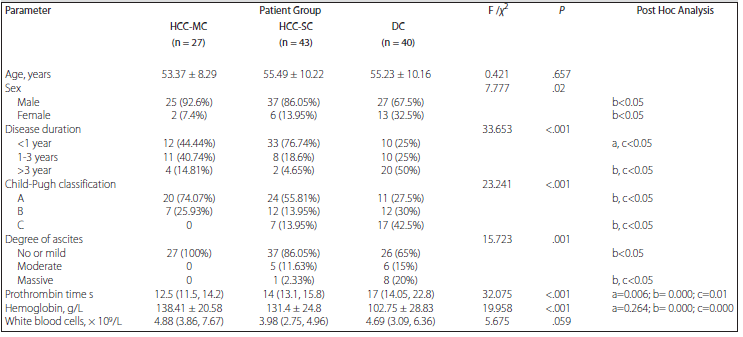
Table 1. Baseline Characteristics and Preoperative Status
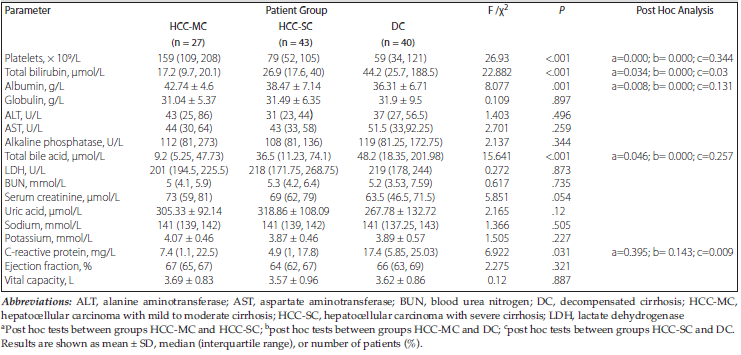
Table 1 (Cont). Baseline Characteristics and Preoperative Status
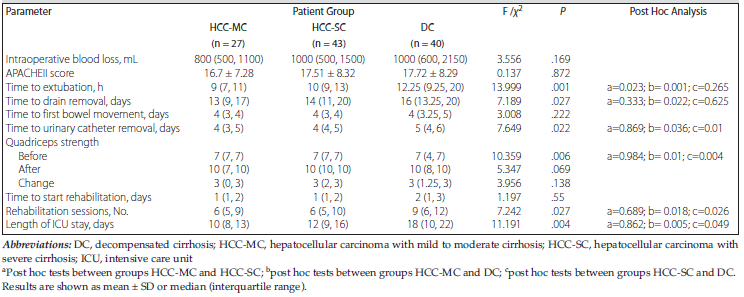
Table 2. Intraoperative and Postoperative Outcomes
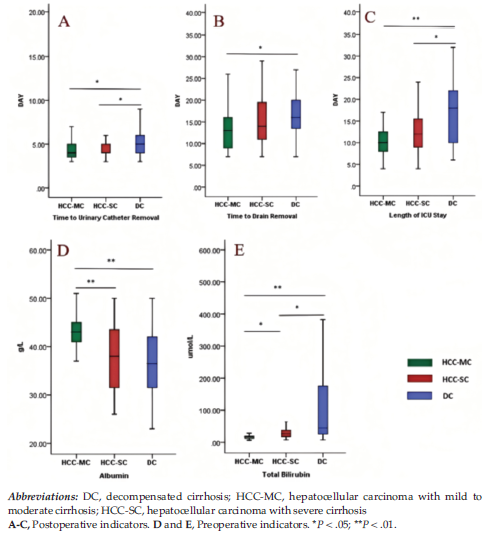
Figure 1. Comparison of Preoperative and Postoperative Indicators Among 3 Groups of Patients
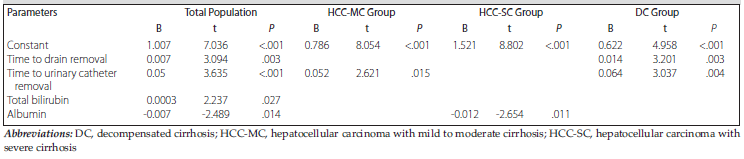
Table 3. Results of Regression Analysis