Volume: 24 Issue: 2 February 2026
FULL TEXT
Unveiling the Evolving Landscape of Randomized Clinical Trials in Transplantation: An Analysis of Output and Trends
Objectives: Randomized controlled trials are conside-red the fundamental basis of evidence-based medi-cine, especially in the field of organ transplantation. Given the increasing demand for organs and the distinct challenges associated with this topic, our aim was to systematically analyze and characterize the randomized controlled trial landscape in solid-organ transplantation and to identify dominant research trajectories and influential thematic areas.
Materials and Methods: Using a bibliometric approach, we extracted randomized controlled trials specific to solid-organ transplantation from the Scopus database. After application of exclusionary criteria, 3581 rando-mized controlled trials were included in our analyses.
Results: A significant emphasis on kidney transplan-tation was observed, with 48.6% of randomized controlled trials addressing kidney transplant. Immunosuppressive strategies, particularly those centered around agents such as tacrolimus, cyclosporine, and mycophenolic acid emerged as dominant research foci.
Conclusions:Our results showed the continual growing significance of immunosuppression in the field of transplant research, indicating that immunosup-pression will continue to be a central focus of study in the foreseeable future. Subsequent to reaching its peak in 2005, we noted a significant consistent yearly reduction in the quantity of randomized controlled trials; this trend necessitates further exploration and discussion, emphasizing the importance of continued rigorous research to drive future advancements in transplantation.
Key words : Bibliometric analysis, Evidence-based medicine, Organ transplantation, Research trends
Introduction
Evidence-based medicine (EBM) has become a critical approach to clinical practice since its concep-tion in 1992.1 Evidence-based medicine involves using the best available evidence to make informed decisions about patient care.2 Randomized cont-rolled trials (RCTs) have been recognized as an important tool in EBM and as the gold standard for evaluating the efficacy and safety of new treatments and medical interventions.3 Randomized controlled trials are essential to medicine and clinical research because they provide rigorous and reliable evidence that can be utilized to support medical practice, advance medical knowledge, guide treatment decisions, improve the quality of health care delivery, and improve patient outcomes.
Organ transplantation is a complex and life-saving procedure that requires meticulous decision-making to ensure optimal outcomes for both
donors and recipients. Randomized controlled trials play a crucial role in evaluating the effectiveness, safety, and overall success of various aspects of organ transplantation, including organ preservation,4,5 surgi-cal techniques,6,7 immunosuppression strategies,8 outcome of interventions,9 cost management,10 posttransplant care,11 and patient education.12 Furthermore, RCTs have already proven instrumental in addressing the challenges posed by the growing demand for organs exceeding the available supply.13 With RCTs recognized as having an indispensable role in shaping the future of transplantation and an influence on clinical practices, understanding the trajectory and influence of RCTs over time is imperative.
In this study, we aimed to investigate the landsca-pe of RCTs in the field of solid-organ transplantation through bibliometric analysis. Bibliometric analysis is a recognized method for studying the evolution and trends within scientific disciplines, providing valuable insights into the current research status, and guiding future research directions.14,15 By examining trends, country contributions, focus areas, and medications of interest, we aimed for this analysis to provide a detailed overview of the current state of research in transplant RCTs.16-20 The findings can offer valuable insights into the prevailing research patterns and highlight areas that warrant further investigation and advancement to enhance our understanding and improve patient outcomes in the field of transplantation. Because our research did not involve human subjects, human data or tissue, or animal research, approval from an ethics committee or institutional review board was not required.
Materials and Methods
Data collection and retrieval methods
On July 17, 2023, we searched solid-organ transplant journals for RCTs in the Scopus database. For journals, we searched the following: American Journal of Transplantation, Clinical Journal of the American Society of Nephrology, Journal of Heart and Lung Transplantation, Nephrology Dialysis Transplantation, Transplantation and Cellular Therapy, Liver Transplantation, Transplantation, Cell Transplantation, Xenotransplantation, Transplanta-tion Reviews, Clinical Kidney Journal, Clinical Transplantation, Transplant International, Current Opinion in Organ Transplantation, Transplant Infectious Disease, Transplantation Direct, World Journal of Transplantation, Pediatric Transplantation, Current Transplantation Reports, Annals of Transplantation, Renal Replacement Therapy, Transplant Immunology, Transplantation Proceedings, Progress in Transplantation, Experimental and Clinical Transplantation, Transplant Research and Risk Management, International Journal of Organ Transplantation Medicine, Saudi Journal of Kidney Diseases and Transplantation, Transplantology, OBM Transplantation, Organ Transplantation, Cellular Therapy and Transplantation, Korean Journal of Transplantation, Transplantologiya, Cell and Organ Transplantology, Indian Journal of Transplantation, Heart, Vessels and Transplantation, Transplantation Reports, and Turkish Journal of Nephrology. We used the key word “randomized controlled trial.” (Figure 1) illustrates the flow diagram of the literature search, selection, and analysis processes.
Data analysis
Using VOSviewer version 1.6.19 and Microsoft Excel, we analyzed annual trends, countries, institutions, journals, co-occurring key words, and articles and generated tables and figures.
To mitigate inconsistencies stemming from diver-se author and institutional nomenclatures, a manual screening protocol was implemented, wherein efforts were made to consolidate data on authors and institutions with substantial publication and citation frequency. The most frequently occurring key words were studied by limiting key words to a minimum of 100 occurrences; we then manually removed the nonspecific key words that implied the study design and demographic data, such as “follow-up studies,” “randomized controlled trials as topic,” “double-blind method,” “middle aged,” “human,” “male,” “female,” or “adult.”
Results
Included studies
A total of 3581 RCTs were included in our study and uploaded to VOSviewer version 1.6.19 and Microsoft Excel.
Annual trends
Notable fluctuations were shown in the quantity of RCT publications. Initially, between 1976 and the early 1990s, the number of RCTs ranged from 1 to 10. However, a significant increase in the number of RCT publications occurred beginning in 1993, which peaked in 2005 at 196 RCTs. Since then, the number of RCT publications has continued to fluctuate, eventually reaching 101 RCTs in 2022, which represented the lowest number of RCTs published in the preceding 20 years (Figure 2).
Countries
Of 144 countries, most of the publications and citations, respectively, were undertaken by the United States (n = 1420, n = 78 384), followed by Germany (n = 580, n = 33 089), United Kingdom (n = 467, n = 26 173), France (n = 402, n = 25 617), and Italy (n = 389, n = 21 642) (Table 1).
Institutions
In terms of the total number of RCT articles in transplantation, the top contributing institutions were Charité–University Medicine Berlin with 151 RCTs, Novartis International AG with 120 RCTs, and University of California, San Francisco, with 102 RCTs (Table 2).
Journals
Most RCTs in transplantation publications were published in Nephrology Dialysis Transplantation
(n = 769), Transplantation Proceedings (n = 660), and Transplantation (n = 622). Transplantation also re-ceived the highest number of citations (n = 44 054), followed by Nephrology Dialysis Transplantation (n = 36 895) and the American Journal of Transplantation (n = 26 996) (Table 3). (Figure 3) shows the top journals publishing RCTs in transplan-tation and their interconnections between the clusters.
Research focus
After we excluded the nonspecific key words (such as humans, female, male), we determined the top 20 most occurring key words on RCTs in transplantation (Table 4). Five of these words occurred more than 1000 times each and included “kidney transplantation,” “immunosuppressive agents,” “graft rejection,” “immunosuppressive treatment,” and “graft survival.”
(Figure 4a) shows a network map illustrating the most frequently encountered key words discussed in RCTs within the domain of solid-organ transplantation, represented through cluster visua-lization. The predominant emphases within these clusters were kidney transplantation, liver transp-lantation, graft outcomes, and immunosuppressive agents. (Figure 4b) shows an overlay map of these key words from 2000 to 2010. Analyses of the medication-related key words revealed that tacrolimus was the most frequently studied medication, followed by cyclosporine and mycophe-nolate mofetil (Figure 5).
Top-cited articles
(Table 5) lists the top-cited articles. “Mycophenolate mofetil for the prevention of acute rejection in
primary cadaveric renal allograft recipients” (Sollinger and colleagues, in Transplantation) was the most cited RCT (n = 1298), followed by “A blinded, randomized clinical trial of mycophenolate mofetil for the prevention of acute rejection in cadaveric renal transplantation” (Tricontinental Mycophenolate Mofetil Renal Transplantation Study Group, in Transplantation; n = 1041). The third most-cited RCT was “A comparison of tacrolimus (FK506) and cy-closporine for immunosuppression after cadaveric renal transplantation” (Pirsch and colleagues; n = 1032), which was also published in Transplantation.
Funding sponsors
We found that 1606 RCTs in transplantation had funding sponsors. The National Institutes of Health was the top funding sponsor of (n = 148) RCTs, followed by the National Cancer Institute (n = 117) and the National Institute of Diabetes and Digestive and Kidney Diseases (n = 107).
Discussion
In 1948, the medical field witnessed the inception of the first RCTs, marking a pivotal moment in the advancement of research methodologies.21 Since then, the number of reported RCTs has exhibited exponential growth.22 Randomized controlled trials hold paramount importance in assessing the effectiveness and safety of new treatments, a principle that also extends to the field of organ transplantation.23
Over the past 3 decades, the annual publication trends of RCTs in transplantation have shown distinct phases of growth and decline. From the 1970s to the early 1990s, few RCTs were published. A notable rise occurred in the mid-1990s, reaching its highest point in 2005 with 196 RCTs, followed by a decrease to the lowest level since 2011 by 2022. This decline, especially given the prior surge in RCTs, necessitates further discussion to understand the underlying causes and implications for the field of transplantation.
Our analysis revealed a low percentage of RCT publications in transplant journals, accounting for only 2.34% of published articles. Similar patterns have been observed in other surgical disciplines, where RCTs make up approximately 3% to 6% of adult surgical literature24 and an even lower percentage in pediatric surgery and otolaryngology (0.7% to 4%).24,25 This low percentage may be attributed to factors such as limited funding, the need for large sample sizes, and challenges in achieving long-term follow-up for outcomes like graft and patient survival. Ethical considerations and the complexity of transplant surgery further complicate the implementation of randomization and blinding techniques.23
The use of RCTs to study transplant patients is facilitated by clearly defined, centralized care of patients at specialized centers and the assistance of transplant networks and registries, making RCTs comparatively simpler than RCTs in other medical fields.23 This framework supports enrollment, data collection, and adherence to standardized protocols.23 Clear clinical endpoints in transplantation help measure and compare results. The unique traits and infrastructure of transplant patients have made conduct of RCTs more feasible and advantageous versus RCTs in other fields.
For our bibliometric analysis, we opted to use Scopus as the primary database because of its inherent advantages. Alongside PubMed and Web of Science, Scopus is widely acknowledged as a preeminent literature database, renowned for its extensive coverage across diverse disciplines.14 With its ability to generate a substantial volume of relevant publications, Scopus emerged as an ideal choice for conducting a comprehensive bibliometric analysis.
Focus of randomized controlled trials in transplantation
Our results showed that kidney transplantation was the primary focus of the transplant RCTs, with 48.6% of the analyzed studies focusing on kidney transplant-related topics. The emphasis on kidney transplantation was reflected in the high frequency of citations for articles pertaining to kidney transplants and the consistent use of associated key words. Although liver and heart transplants were also the focus of RCTs, kidney transplantation received the most attention. Our study also showed frequent refe-rences to immunosuppressive agents and treatments, including tacrolimus, cyclosporine, and mycophenolic acid. These discussions point to the ongoing efforts to enhance immunosuppressive regimens for improved patient outcomes, alongside the importance of graft rejection and survival in the transplant field.
Research trends in transplantation have broa-dened throughout time to include a wide range of issues. Earlier RCTs were largely focused on determining the feasibility and safety of various immunosuppressive drugs, as well as comparing these treatments.26 As the field of transplantation progressed, newer RCTs have discussed different surgical techniques,27 approaches to treatment of rejection,28 and viral prophylaxis and treatment.29 Interest in hepatitis C virus (HCV) started in the early 2000s, with multiple RCTs contributing to understanding the efficacy and safety of different interventions for HCV-infected liver transplant recipients.30 The latest RCTs have shifted their focus toward advanced techniques in organ preservation.31 During the COVID-19 pandemic, several studies focused on understanding the effects of the virus on transplantation. Specifically, research examined topics such as immunosuppression dosage and the humoral response following COVID-19 vaccination.17,32 Anot-her trial investigated the efficacy of additional vaccine doses in transplant recipients.33
Clinical trial tendencies in immunosuppression medications
Immunosuppression is a prominent and extensively discussed topic in organ transplant research, evident in the significant number of RCTs dedicated to this topic. These studies have played a pivotal role in addressing challenges related to immunosuppression and organ rejection by evaluating various treatments, including medication combinations34 and dosages,35 and assessing long-term outcomes such as adverse effects,28 graft survival, and patient survival rates.36 Our study showed that most of the top-cited articles in the transplant field centered on topics related to immunosuppression, indicating a strong emphasis on enhancing the efficacy and safety of immunosup-pressive medication and exploring innovative strategies to mitigate the adverse effects associated with long-term maintenance immunosuppression (Table 5).
Before the introduction of cyclosporine, immuno-suppressive treatments relied on azathioprine and corticosteroids, which had limited efficacy, leading to high rejection rates and poor graft survival within the first year posttransplant.37 However, the landmark RCT in 1981 demonstrated the exceptional outcomes achieved with the use of cyclosporine, marking a significant advancement in transplantation.38 Cyclosporine quickly became the gold standard treatment for solid-organ transplant, supported by evidence provided by these influential trials.39
In the mid-1990s, several RCTs contributed to significant advancements in immunosuppression therapy for transplantation. One notable breakthrough was the emergence of tacrolimus as a potent alternative to cyclosporine; tacrolimus demonstrated remarkable efficacy, particularly in liver transplantation.40 Over time, the effectiveness of tacrolimus gained recognition in kidney, heart, and lung transplantation.41 Tacrolimus has been extensively studied in transplant RCTs, garnering significant attention because of the superior efficacy of tacrolimus in terms of rejection rate and graft survival compared with other commonly used immunosuppressive drugs such as cyclosporine and mycophenolate.42 These findings aligned with our study, in which tacrolimus was the most frequently studied medication in organ transplant RCTs (Figure 5).
Coinciding with the development of tacrolimus, mycophenolate emerged as an important advan-cement in maintenance immunosuppression therapy in the mid-1990s. Randomized controlled trials have supported its widespread adoption, demonstrating the superior effectiveness of mycophenolate com-pared with cyclosporine and azathioprine.43 In the early 2000s, multiple RCTs provided strong evidence for improved outcomes when mycophenolate was combined with tacrolimus in transplantation.44 These findings led to the rapid expansion of mycop-henolate use across the United States, surpassing azathioprine as the predominant adjunct agent by 1997. By 2000, mycophenolate was used in 80% of kidney transplant recipients.
In the late 1990s, the mammalian target of rapamycin (mTOR) inhibitors sirolimus and evero-limus were studied in kidney transplantation.45 However, because of significant issues, including impaired wound healing, proteinuria, and edema, mTOR therapy has not been widely utilized as maintenance therapy in transplantation.37
In the late 2000s, belatacept therapy emerged as the first antibody for long-term immunosuppression in kidney transplantation. The BENEFIT study in 2010 compared belatacept with cyclosporine and found higher rejection rates but improved graft function with belatacept.46 This study marked a shift in transplant strategies, prioritizing reduced drug toxicities over lower rejection rates. Although the use of belatacept is not yet widespread, the agent has gained traction as clinicians seek to minimize long-term complications while maintaining adequate immunosuppression.
Despite some issues, these studies aimed to strike a balance between reducing rejection rates and minimizing long-term toxicities associated with immunosuppressive drugs. Overall, the findings from these RCTs provided crucial evidence sup-porting the efficacy and effectiveness of new approaches in improving transplant outcomes.
The landscape of organ transplant RCTs has changed in recent years, with an emphasis now being placed on individualized immunosuppressive programs. A growing corpus of research has focused on optimizing long-term outcomes by individualizing these regimens for each patient.47 This strategy seeks to strike a delicate balance between achieving ade-quate immunosuppression to prevent transplant rejection and avoiding overimmunosuppression to reduce adverse effects. In this context, RCTs have investigated innovative therapies, such as regulatory T-cell therapy, as prospective avenues to improve transplant success.47 In addition, emphasis has been shown on researching the use of biomarkers48 as noninvasive instruments for assessment of rejection status after transplant. These biomarker-based strate-gies hold great promise for predicting the risk of rejection or allograft injury, enabling targeted interventions, and facilitating customized treatment plans, thereby advancing the field of organ transp-lantation and enhancing patient outcomes overall.
More recently, advanced medications have been tested in clinical trials to assess pharmacokinetics, pharmacodynamics, safety, and tolerability of iscalimab, an anti-CD40 monoclonal antibody.49
Limitations
Despite the valuable insights provided by our bib-liometric analysis, our study had some limitations. First, our study focused solely on RCTs published in specific transplant journals within the Scopus database; thus, we may not have captured the entirety of RCTs conducted in the field of transp-lantation. Furthermore, the analysis primarily focused on quantitative metrics, such as publication counts and citation numbers, without considering the quality or impact of individual studies. In addition, it is worth noting that a specialized transplant journal was established relatively late, leading to most RCTs being published in general medicine and surgery journals.
Conclusions
Our bibliometric study of RCTs in solid-organ transplantation offered substantial insight into the research trends of the field, emphasizing kidney transplantation and the significant impact of immuno-suppression. One important finding is that RCTs are increasingly focusing on immunomodulation, to generate immune tolerance for organ acceptance over the long-term without ongoing immunosuppression, presenting encouraging opportunities for enhan-cement of transplant outcomes. The decline in RCT publications after 2005 raises concerns about changes in research priorities, resource allocation, or challenges involved in conducting such trials. This trend has highlighted the need for more research to comprehend its origins and consequences for evidence-based practices in the field of transplantation. It is crucial to address these changes to uphold the vitality and significance of transplant research. We recommend more funding and support for RCTs to drive progress in the field, enhance patient care, and improve the effectiveness and long-term outcomes of organ transplantation.
References:
- Evidence-Based Medicine Working Group. Evidence-based medicine. A new approach to teaching the practice of medicine. JAMA. 1992;268(17):2420-2425. doi:10.1001/jama.1992.03490170092032
CrossRef - PubMed - Sackett DL, Rosenberg WM, Gray JA, Haynes RB, Richardson WS. Evidence based medicine: what it is and what it isn't. 1996. Clin Orthop Relat Res. 2007;455:3-5.
CrossRef - PubMed - Moher D. CONSORT: an evolving tool to help improve the quality of reports of randomized controlled trials. Consolidated Standards of Reporting Trials. JAMA. 1998;279(18):1489-1491. doi:10.1001/jama.279.18.1489
CrossRef - PubMed - Jiang N, Qian J, Sun W, et al. Better preservation of residual renal function in peritoneal dialysis patients treated with a low-protein diet supplemented with keto acids: a prospective, randomized trial. Nephrol Dial Transplant. 2009;24(8):2551-2558. doi:10.1093/ndt/gfp085
CrossRef - PubMed - Faenza A, Catena F, Nardo B, et al. Kidney preservation with university of Wisconsin and Celsior solution: a prospective multicenter randomized study. Transplantation. 2001;72(7):1274-1277. doi:10.1097/00007890-200110150-00016
CrossRef - PubMed - D'Amico F, Vitale A, Gringeri E, et al. Liver transplantation using suboptimal grafts: impact of donor harvesting technique. Liver Transpl. 2007;13(10):1444-1450. doi:10.1002/lt.21268
CrossRef - PubMed - Millis JM, Melinek J, Csete M, et al. Randomized controlled trial to evaluate flush and reperfusion techniques in liver transplantation. Transplantation. 1997;63(3):397-403. doi:10.1097/00007890-199702150-00012
CrossRef - PubMed - Weiler N, Thrun I, Hoppe-Lotichius M, Zimmermann T, Kraemer I, Otto G. Early steroid-free immunosuppression with FK506 after liver transplantation: long-term results of a prospectively randomized double-blinded trial. Transplantation. 2010;90(12):1562-1566. doi:10.1097/TP.0b013e3181ff8794
CrossRef - PubMed - van der Mast BJ, Balk AH. Effect of HLA-DR-shared blood transfusion on the clinical outcome of heart transplantation. Transplantation. 1997;63(10):1514-1519. doi:10.1097/00007890-199705270-00024
CrossRef - PubMed - Rousseau A, Laroche ML, Venisse N, et al. Cost-effectiveness analysis of individualized mycophenolate mofetil dosing in kidney transplant patients in the APOMYGRE trial. Transplantation. 2010;89(10):1255-1262. doi:10.1097/TP.0b013e3181d75952
CrossRef - PubMed - Cozzi E, Schneeberger S, Bellini MI, et al. Organ transplants of the future: planning for innovations including xenotransplantation. Transpl Int. 2021;34(11):2006-2018. doi:10.1111/tri.14031
CrossRef - PubMed - Murakami M, Fukuma S, Ikezoe M, et al. Effects of structured education program on organ donor designation of nursing students and their families: a randomized controlled trial. Clin Transplant. 2016;30(11):1513-1519. doi:10.1111/ctr.12845
CrossRef - PubMed - Dhar R, Stahlschmidt E, Marklin G. A randomized trial of intravenous thyroxine for brain-dead organ donors with impaired cardiac function. Prog Transplant. 2020;30(1):48-55. doi:10.1177/1526924819893295
CrossRef - PubMed - AlRyalat SAS, Malkawi LW, Momani SM. Comparing bibliometric analysis using PubMed, Scopus, and Web of Science databases. J Vis Exp. 2019;(152)doi:10.3791/58494
CrossRef - PubMed - Hung L, Al-Abdallat H, Rawshdeh A, et al. Decoding the landscape of cytomegalovirus research in liver transplantation: an in-depth analysis. High Yield Med Rev. 2024;2(1). doi:10.59707/hymrCQBQ3107
CrossRef - PubMed - Rawashdeh B, AbuAssi M, Al-Adwan Y, El-Hinnawi A. A bibliometric analysis of the most cited journal articles in kidney transplantation. Cureus. 2023;15(4):e38104. doi:10.7759/cureus.38104
CrossRef - PubMed - Rawashdeh B, AlRyalat SA, Abuassi M, et al. Impact of COVID-19 on abdominal organ transplantation: a bibliometric analysis. Transpl Infect Dis. 2023;25(3):e14027. doi:10.1111/tid.14027
CrossRef - PubMed - Rawashdeh B, El-Hinnawi A, AlRyalat SA, Oberholzer J. Application of robotics in abdominal organ transplantation: a bibliometric analysis. Int J Med Robot. 2023;19(5):e2527. doi:10.1002/rcs.2527
CrossRef - PubMed - Rawashdeh B. Insights and limitations of bibliometric analysis in solid organ transplantation. Prog Transplant. 2024;34(3):67-69. doi:10.1177/15269248241275431
CrossRef - PubMed - Rawashdeh B, Arpali E, Al Abdallat H, Cooper M, Dunn T. Four decades of research productivity and hot spots in pancreas transplantation. Prog Transplant. 2024;34(3):119-129. doi:10.1177/15269248241268719
CrossRef - PubMed - Doll R, Peto R, Clarke M. First publication of an individually randomized trial. Control Clin Trials. 1999;20(4):367-368. doi:10.1016/s0197-2456(99)00015-x
CrossRef - PubMed - Vader JP. Randomised controlled trials: A User's guide. BMJ. 1998;317(7167):1258. doi:10.1136/bmj.317.7167.1258
CrossRef - PubMed - Takemoto SK, Arns W, Bunnapradist S, et al. Expanding the evidence base in transplantation: the complementary roles of randomized controlled trials and outcomes research. Transplantation. 2008;86(1):18-25. doi:10.1097/TP.0b013e31817d4df5
CrossRef - PubMed - Moss RL, Henry MC, Dimmitt RA, Rangel S, Geraghty N, Skarsgard ED. The role of prospective randomized clinical trials in pediatric surgery: state of the art? J Pediatr Surg. 2001;36(8):1182-1186. doi:10.1053/jpsu.2001.25749
CrossRef - PubMed - Karri V. Randomised clinical trials in plastic surgery: survey of output and quality of reporting. J Plast Reconstr Aesthet Surg. 2006;59(8):787-796. doi:10.1016/j.bjps.2005.11.027
CrossRef - PubMed - d’Apice AJ, Becker GJ, Kincaid-Smith P, et al. A prospective randomized trial of low-dose versus high-dose steroids in cadaveric renal transplantation. Transplantation. 1984;37(4):373-377. doi:10.1097/00007890-198404000-00012
CrossRef - PubMed - Wolf JS, Jr., Merion RM, Leichtman AB, et al. Randomized controlled trial of hand-assisted laparoscopic versus open surgical live donor nephrectomy. Transplantation. 2001;72(2):284-290. doi:10.1097/00007890-200107270-00021
CrossRef - PubMed - Flechner SM, Goldfarb DA, Fairchild R, et al. A randomized prospective trial of low-dose OKT3 induction therapy to prevent rejection and minimize side effects in recipients of kidney transplants. Transplantation. 2000;69(11):2374-2381. doi:10.1097/00007890-200006150-00027
CrossRef - PubMed - van Doesum WB, Gard L, Bemelman FJ, et al. Incidence and outcome of BK polyomavirus infection in a multicenter randomized controlled trial with renal transplant patients receiving cyclosporine-, mycophenolate sodium-, or everolimus-based low-dose immunosuppressive therapy. Transpl Infect Dis. 2017;19(3)doi:10.1111/tid.12687
CrossRef - PubMed - Belli LS, Alberti AB, Rondinara GF, et al. Early ribavirin treatment and avoidance of corticosteroids in hepatitis C virus (HCV)-positive liver transplant recipients: interim report of a prospective randomized trial. Transplant Proc. 2001;33(1-2):1353-1354. doi:10.1016/s0041-1345(00)02507-0
CrossRef - PubMed - Moeslund N, Long Zhang Z, Bo Ilkjaer L, et al. High oxygenation during normothermic regional perfusion after circulatory death is beneficial on donor cardiac function in a porcine model. Transplantation. 2022;106(7):e326-e335. doi:10.1097/TP.0000000000004164
CrossRef - PubMed - de Boer SE, Berger SP, van Leer-Buter CC, et al. Enhanced humoral immune response after COVID-19 vaccination in elderly kidney transplant recipients on everolimus versus mycophenolate mofetil-containing immunosuppressive regimens. Transplantation. 2022;106(8):1615-1621. doi:10.1097/TP.0000000000004177
CrossRef - PubMed - Bruminhent J, Setthaudom C, Phornkittikorn P, et al. An additional dose of viral vector COVID-19 vaccine and mRNA COVID-19 vaccine in kidney transplant recipients: a randomized controlled trial (CVIM 4 study). Am J Transplant. 2022;22(11):2651-2660. doi:10.1111/ajt.17151
CrossRef - PubMed - Miller J, Mendez R, Pirsch JD, Jensik SC. Safety and efficacy of tacrolimus in combination with mycophenolate mofetil (MMF) in cadaveric renal transplant recipients. FK506/MMF Dose-Ranging Kidney Transplant Study Group. Transplantation. 2000;69(5):875-880. doi:10.1097/00007890-200003150-00035
CrossRef - PubMed - Faggian G, Forni A, Milano AD, et al. Antithymocyte globulin induction therapy in heart transplantation: prospective randomized study of high vs standard dosage. Transplant Proc. 2010;42(9):3679-3687. doi:10.1016/j.transproceed.2010.06.036
CrossRef - PubMed - Gallagher M, Jardine M, Perkovic V, et al. Cyclosporine withdrawal improves long-term graft survival in renal transplantation. Transplantation. 2009;87(12):1877-1883. doi:10.1097/TP.0b013e3181a76823
CrossRef - PubMed - Pilch NA, Bowman LJ, Taber DJ. Immunosuppression trends in solid organ transplantation: The future of individualization, monitoring, and management. Pharmacotherapy. 2021;41(1):119-131. doi:10.1002/phar.2481
CrossRef - PubMed - Calne RY, White DJ, Evans DB, et al. Cyclosporin A in cadaveric organ transplantation. Br Med J (Clin Res Ed). 1981;282(6268):934-936. doi:10.1136/bmj.282.6268.934
CrossRef - PubMed - Hakala TR, Starzl TE, Rosenthal JT, Shaw B, Iwatsuki S. Cadaveric renal transplantation with cyclosporin-a and steroids. Transplant Proc. 1983;15(1):465-470.
CrossRef - PubMed - Todo S, Fung JJ, Demetris AJ, Jain A, Venkataramanan R, Starzl TE. Early trials with FK 506 as primary treatment in liver transplantation. Transplant Proc. 1990;22(1):13-16.
CrossRef - PubMed - Fung JJ, Starzl TE. FK506 in solid organ transplantation. Ther Drug Monit. 1995;17(6):592-595. doi:10.1097/00007691-199512000-00008
CrossRef - PubMed - Kramer BK, Montagnino G, Del Castillo D, et al. Efficacy and safety of tacrolimus compared with cyclosporin A microemulsion in renal transplantation: 2 year follow-up results. Nephrol Dial Transplant. 2005;20(5):968-973. doi:10.1093/ndt/gfh739
CrossRef - PubMed - Sollinger HW. Mycophenolate mofetil for the prevention of acute rejection in primary cadaveric renal allograft recipients. U.S. Renal Transplant Mycophenolate Mofetil Study Group. Transplantation. 1995;60(3):225-232. doi:10.1097/00007890-199508000-00003
CrossRef - PubMed - Ahsan N, Johnson C, Gonwa T, et al. Randomized trial of tacrolimus plus mycophenolate mofetil or azathioprine versus cyclosporine oral solution (modified) plus mycophenolate mofetil after cadaveric kidney transplantation: results at 2 years. Transplantation. 2001;72(2):245-250. doi:10.1097/00007890-200107270-00014
CrossRef - PubMed - Kovarik JM, Kahan BD, Kaplan B, et al. Longitudinal assessment of everolimus in de novo renal transplant recipients over the first post-transplant year: pharmacokinetics, exposure-response relationships, and influence on cyclosporine. Clin Pharmacol Ther. 2001;69(1):48-56. doi:10.1067/mcp.2001.112969
CrossRef - PubMed - Vincenti F, Charpentier B, Vanrenterghem Y, et al. A phase III study of belatacept-based immunosuppression regimens versus cyclosporine in renal transplant recipients (BENEFIT study). Am J Transplant. 2010;10(3):535-546. doi:10.1111/j.1600-6143.2009.03005.x
CrossRef - PubMed - Brook MO, Hester J, Petchey W, et al. Transplantation Without Overimmunosuppression (TWO) study protocol: a phase 2b randomised controlled single-centre trial of regulatory T cell therapy to facilitate immunosuppression reduction in living donor kidney transplant recipients. BMJ Open. 2022;12(4):e061864. doi:10.1136/bmjopen-2022-061864
CrossRef - PubMed - Mittal S, Page SL, Friend PJ, Sharples EJ, Fuggle SV. De novo donor-specific HLA antibodies: biomarkers of pancreas transplant failure. Am J Transplant. 2014;14(7):1664-1671. doi:10.1111/ajt.12750
CrossRef - PubMed - Espie P, He Y, Koo P, et al. First-in-human clinical trial to assess pharmacokinetics, pharmacodynamics, safety, and tolerability of iscalimab, an anti-CD40 monoclonal antibody. Am J Transplant. 2020;20(2):463-473. doi:10.1111/ajt.15661
CrossRef - PubMed

Volume : 24
Issue : 2
Pages : 101 - 110
DOI : 10.6002/ect.2025.0046
From the 1Division of Transplant Surgery, Medical College of Wisconsin, Milwaukee, Wisconsin, USA; the 2School of Medicine, the University of Jordan, Amman, Jordan; and the 3Department of Surgery, Division of Liver Transplantation and Hepatobiliary Surgery, Weill Cornell Medical College, New York, USA
Acknowledgements: The authors have not received any funding or grants in support of the presented research or for the preparation of this work and have no declarations of potential conflicts of interest.
Corresponding author: Haneen Al-Abdallat, School of Medicine, The University of Jordan, Queen Rania Street, Amman, Jordan, 11942
Phone: +962 770 439365
E-mail: haneenabdalat@gmail.com
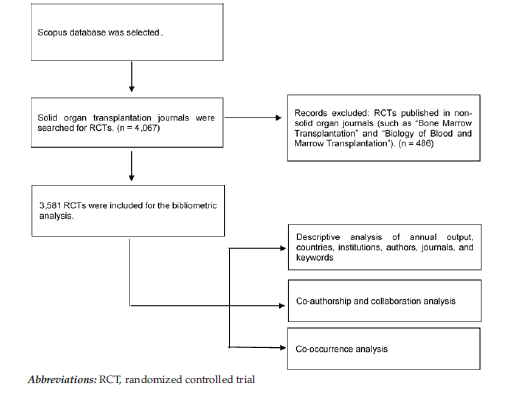
Figure 1.Flow Diagram of Literature Search, Selection, and Analysis Processes of Randomized Controlled Trials in the Field of Solid-Organ Transplantation
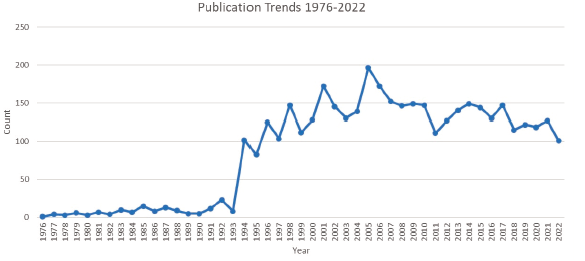
Figure 2.Publication Trends of Randomized Controlled Trials in the Field of Solid-Organ Transplantation, From 1976-2022
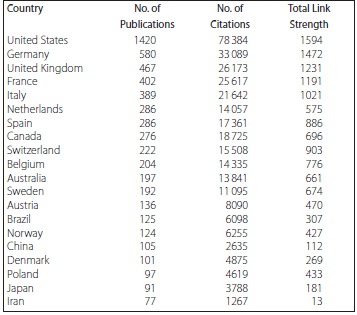
Table 1.Top 20 Contributing Countries According to Number of Randomized Controlled Trial Publications in the Field of Solid-Organ Transplantation
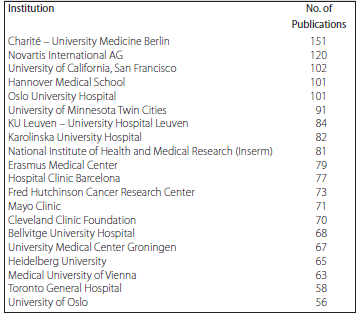
Table 2.Top Contributing Institutions According to Number of Randomized Controlled Trial Publications in the Field of Solid-Organ Transplantation
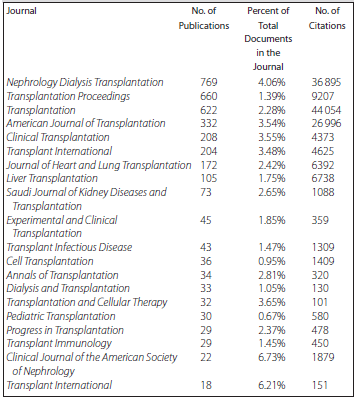
Table 3.Top Journals Publishing Randomized Controlled Trials in the Field of Solid-Organ Transplantation
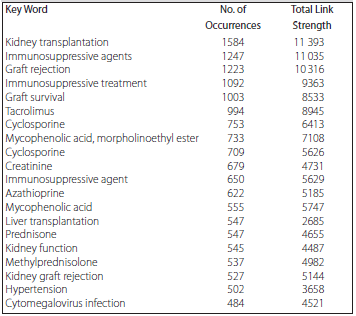
Table 4.Top 20 Most Occurring Key Words in Randomized Controlled Trial Publications in the Field of Solid-Organ Transplantation
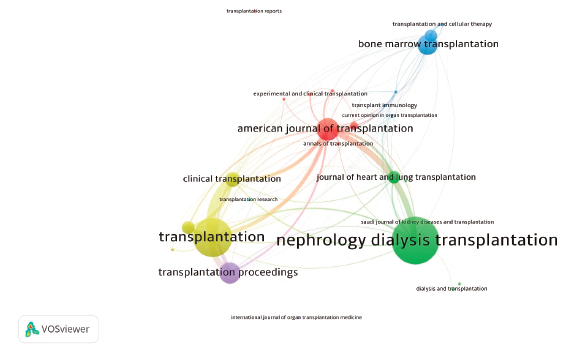
Figure 3.Network Visualization of Top Journals Publishing Randomized Controlled Trials in the Field of Solid-Organ Transplantation and Their Interconnections Between the Clusters
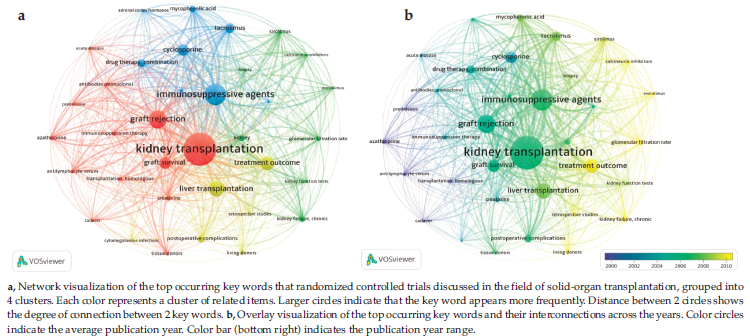
Figure 4.Key Word Network and Overlay Visualization of Randomized Controlled Trials in Solid-Organ Transplantation
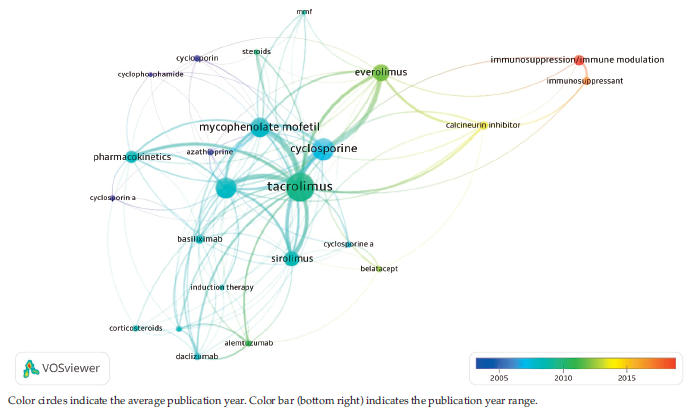
Figure 5.Overlay Cluster Visualization of Medications Discussed in Randomized Controlled Trials in the Field of Solid-Organ Transplantation
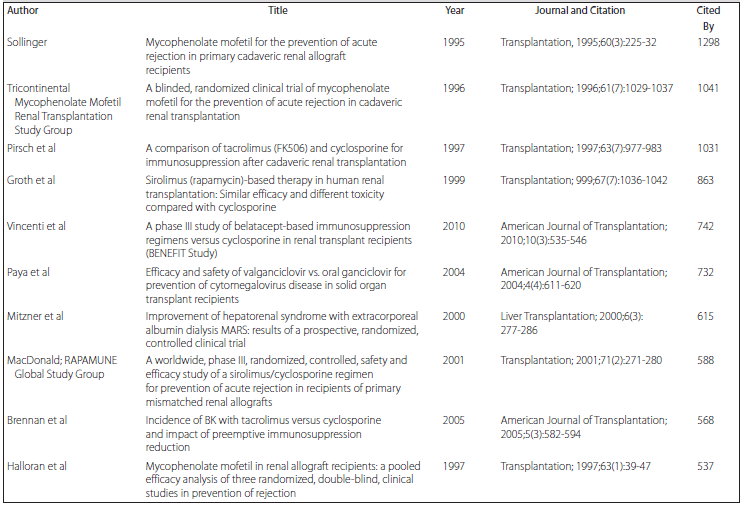
Table 5.Top 10 Cited Randomized Controlled Trials in the Field of Solid-Organ Transplantation