Volume: 24 Issue: 1 January 2026
FULL TEXT
Objectives: Hepatic ischemia-reperfusion injury is a major contributor to posttransplant liver graft dysfunction and postoperative complications. Although rat models are commonly used in hepatic ischemia-reperfusion injury research, standardized durations for ischemia and reperfusion remain undefined. Here, we aimed to identify optimal ischemia and reperfusion durations for a reliable and reproducible experimental hepatic ischemia-reperfusion injury model in rats.
Materials and Methods: We randomly assigned 45 male Wistar rats into groups with 100% hepatic perfusion blockade for 45 or 90 minutes, followed by reperfusion periods of 3, 6, 12, 24, and 48 hours. We evaluated survival rates, histopathologic liver damage (Suzuki scoring) with neutrophilic infiltration, and biochemical parameters. We excluded rats that underwent 90 minutes of ischemia or >6 hours of reperfusion (which experienced high mortality) from further analyses.
Results: The 45-minute ischemia/6-hour reperfusion group exhibited significant liver injury compared with the sham and 3-hour groups, with elevated serum alanine aminotransferase and aspartate ami-notransferase, reduced hepatic ATP, and increased levels of total oxidant status, myeloperoxidase, and tumor necrosis factor-α (P < .05). Histopathological findings confirmed higher vacuolization and neutrop-hilic infiltration in this group. Three-hour reperfusion yielded only mild elevations in myeloperoxidase and tumor necrosis factor-α without significant tissue injury.
Conclusions: The model of 45 minutes of ischemia followed by 6 hours of reperfusion reliably induced hepatic ischemia-reperfusion injury in rats, supported by both biochemical and histological parameters. This standardized model balances reproducibility and animal survivability, offering a robust foundation for future hepatic ischemia-reperfusion injury research.
Key words : Animal experiments, Ischemia-reperfusion injury, Liver graft dysfunction, Liver injury
Introduction
Ischemia-reperfusion injury (IRI) is a phenomenon of diverse causes, with a wide spectrum of potentially critical clinical outcomes. In tissue ischemia, hypoper-fusion is the leading causative factor; any living tissue, proportionate to its need of energy and perfusion, is under IRI risk on ischemia. Organ transplantation, sepsis, trauma, hemorrhagic shock, and acute coro-nary syndrome are the major causes of IRI.1 Ischemia-reperfusion injury, in those conditions, is a complicating negative prognostic factor, such as for cases of posttransplant liver graft dysfunction.2,3
Hypoxia, a key problem, is caused by tissue hypoperfusion. Oxygen, needed for homeostasis and survival, is essential for the electron transport chain in mitochondria to synthesize ATP, which is the main energy source of the cells. Hypoxia causes a cellular energy crisis. In the hypoxic cell of the ischemic tissue, although oxygen and energy deprivation stimulates anaerobic metabolism, not only is it insufficient to compensate in terms of low efficacy and sustaina-bility but also an additional burden with potential of metabolic acidosis and oxidative stress due to metabolites.
Shortness of ATP leads to failure of the Na⁺-K⁺-ATPase pumps (which physiologically concentrate K⁺ intracellularly and Na⁺ extracellularly) on cell membranes and the Ca2⁺-ATPase pumps on endoplasmic reticulum (ER) membranes (which concentrate Ca2⁺ inside the ER). This decreased ATP level results in a series of causes and effects that exponentially deteriorate homeostasis. The increased intracellular Na⁺ concentration causes failure of the Na⁺-H⁺-exchanger pumps of the cell membranes, which use the physiological Na⁺ gradient, and causes the intracellular H⁺ concentration to increase, resulting in cytoplasmic acidosis, causing dysfunction of many critical structural and operational intracellular molecules. The failure of Ca2⁺-ATPase on the ER membrane leads to elevated intracellular Ca2⁺ concentration. Together, the elevated cytoplasmic Na⁺, H⁺, and Ca2⁺ levels lead to a hyperosmolar intracellular environment, drawing water from the extracellular compartment, which leads to cellular swelling. DNA damage, ribosomal detachment from the ER, and protein synthesis impairments are key consequences of cellular ischemia and hypoxia.1
Although ischemic-hypoxic damage had been hypothetically expected to be limited and reversed by restoring the perfusion of an ischemic tissue, this process was discovered to be subject to further damage on reperfusion, increasing the risk of irreversibly severe damage and cellular death.1,2 This phenomenon is known as IRI.
Despite its unclear mechanistic aspects, IRI has been defined to have 2 main components. The further interrelated devastating cascades are trig-gered on tissue reperfusion through severe oxidative stress and inflammation.1-4
In an unfavorable intracellular environment due to ischemia-hypoxia, in addition to protein synthesis impairments, many existing protein molecules (eg, enzymes) lose their function, including the molecules that function as antioxidants. Mitochondrial damage and functional deterioration are cornerstones of the fate of a hypoxic cell, contributing both to oxidative stress and inflammation, through mitochondrial membrane permeability change as a major reactive oxygen species (ROS) source and damage-associated molecular pattern release.2,4
Reperfusion and reoxygenation of a cell of an ischemic tissue will lead to production of higher amounts of free oxygen radicals. Those ROS, which are normally removed by antioxidant enzymatic reactions, overwhelm the impaired antioxidant capacity and accumulate in the previously hypoxic cell on reperfusion. The result is severe oxidative stress.1-4
The xanthine oxidase system, the nitric acid synthase system, and the NADPH oxidase system are widely accepted as main sources of ROS production; however, these pathways may be activated by an initial mitochondrial burst of superoxide formation.1,2,5 The intracellular and extracellular ROS storms in a reper-fused ischemic tissue diversely trigger inflammatory reactions. In addition to direct inflammatory stimuli provoking cellular death pathways, ROS has been suggested to have proinflammatory effects through mitochondrial damage and the leaked mitochondrial contents to the cytoplasm such as mitochondrial DNA (damage-associated molecular patterns).1,2,5
Although the IRI pathogenesis still has points to be elucidated, severe oxidative stress and inflam-mation are pivotal components of the phenomenon. Hepatic IRI (HIRI) is an important clinical concern because HIRI is a major contributor to posttransplant liver graft dysfunction and a determinant of prog-nosis after hepatic surgery of various causes, including transplantation and trauma.1-4 Hepatic IRI is a major focus of clinical and experimental animal research in efforts to analyze, prevent, or overcome this complicating condition.
Because of ethical, medico-legal, and practical issues, rats have been widely used for experimental HIRI models.2,6 However, to date, no controlled study has focused on assessing the optimum, standard durations of ischemia and reperfusion for an ideal HIRI model in rats. The high variety of the expe-rimental models may be an obstacle for clarification of HIRI mechanisms, prevention, and treatment methods.2 We designed this study to assess the optimum lengths of ischemia and reperfusion periods to define a standard HIRI model in rats.
Materials and Methods
The Başkent University Ethical Committee for Experimental Research on Animals (Project no: DA23/14) approved this study. We obtained animals from the Başkent University Production and Research Center (temperature 20 ± 2 °C, humidity 50 ± 10%, and 12-h light/dark cycle). We kept animals at standard conditions and provided a standard rat diet and water ad libitum for at least 1 week before starting experiments. All animals received humane care in compliance with the National Institutes of Health Guide for the Care and Use of Laboratory Animals. Experiments were performed in the Baskent University Faculty of Medicine Research Unit Laboratories.
Study design
Following the pre-experimental power analysis, using Resource Equation,7 we determined to include 45 male Wistar rats. We obtained blood samples and liver specimens of rats in the control group after laparotomy, with no additional procedure (sham group or group S). We then divided the remaining rats into 2 main groups with ischemic times of 45 minutes (group A) and 90 minutes (group B). Groups A and B were randomly allocated into 4 subgroups with reperfusion times of 6, 12, 24, and 48 hours (groups A1-A4 and groups B1-B4, respectively). Sham groups were similarly named. The starting study plan is schematized in Figure 1.
We started experiments with groups B3 (90-min ischemia + 24-h reperfusion) and B4 (90-min ischemia + 48-h reperfusion); however, 7 of the 10 rats in these groups (3 in group B3, 4 in group B4) died in the first 4 hours of their reperfusion periods. Because of low survival rates (40% for group B3, 25% for group B4) and after we assessed every experimental stage by checking for methodological or environmental inconvenience, we continued ischemia-reperfusion experiments with group A rats, which had shorter ischemic time of 45 minutes. However, we obtained survival rates for group A2 (12-h reperfusion) and group A3 (24-h reperfusion) of 40% each. All rats that died in groups A2 and A3 died before reperfusion hour 12. Except for loss of 1 sham rat at hour 2, due to anesthesia, the sham and A1 groups had 100% survival rates. At this midpoint of the study, we concluded that, for rat survival, longer ischemia (90 min) and longer reperfusion times (12, 24, and 48 h) were not practical for a reproducible experimental model (Table 1).
To decide the next step, we examined group S and A1 specimens under light microscope, with hematoxylin and eosin-stained sections revealing a prominent picture in terms of IRI findings: group A1 revealed histopathologic IRI findings, whereas group S did not.
Vacuolization was significantly more prominent in group A1 compared with group S (P = .029). In group A1, the vacuolization score “0” was significantly less frequent than in group S1: no score of 0 was observed in group A1, whereas the vacuolization score was 0 in 100% of group S. Frequency of vacuolization score 1 was 75% in group A1 and 0% in group S.
We also noted significant differences between groups A1 and S regarding neutrophilic infiltration (P = .029). No neutrophilic infiltration score of 0 was observed in group A1, whereas 100% of group S1 had a score of 0 (Table 2).
Thus, considering the mid-study preliminary results, we decided not to use the remaining rats for the experimentally unpractical longer ischemia and reperfusion times with high mortality. In consul-tation with the biostatistician member of the research team and the ethical board, the remaining 15 rats of the suspended groups A4, B1, and B2 were equally distributed to groups S, A1, and a newly assigned group (3-h reperfusion + 45-min ischemia). Thus, our further experiments compared the group S (n = 9 rats), the 3-hour group (45-min ischemia + 3-h reperfusion; n = 5 rats), and the 6-h group (45-min ischemia + 6-h reperfusion; n = 10 rats).
Surgical procedures
We used intraperitoneal ketamine (60 mg/kg) and xylazine (7 mg/kg) for anesthesia. After admi-nistration of intraperitoneal heparin (500 IU), we shaved the abdominal skin. At supine position, we disinfected the abdominal skin with povidone-iodine and covered the rat with sterile clothing, exposing only the surgical site. Through a right subcostal incision, we isolated the portal triad, clamping at the hepatic hilus with a Scanlan Vascu-Statt bulldog clamp. We kept the exposed abdominal surfaces moist with 3 mL of warm saline. We closed the incision with separate scarce full-thickness stitches and kept rats under a radiant heater until the end of the planned ischemic period. At the end of the planned ischemic period, we opened the stitches and removed the clamp to start the reperfusion period. We sutured the abdominal wall anatomically in a continuous manner. One shot of anesthesia was enough until that stage of the operation. At the end of the planned reperfusion period, we anesthetized the rats again. We reopened incisions and performed total hepatectomy, after a blood sample was taken through a cardiac puncture. The rats were eut-hanized via cervical dislocation while under general anesthesia. The same surgeon performed all surgical interventions.
We immediately transferred radiantly sliced liver specimens, including both the central and peripheral regions, in a liquid nitrogen tank to be kept in -80 °C; we retained a slice to keep in 10% formaldehyde solution for light microscopy. We centrifuged blood samples and extracted serum.
Biochemical analyses
We measured serum levels of alanine transaminase (ALT) and aspartate transaminase (AST) with Roche Cobas C701 (Roche Diagnostics, Switzerland) kits by using 2 mL of intracardiac blood. In this system, kits developed for in vitro diagnosis in human (catalog numbers 05850819188 [AST] and 05850797188 [ALT]) were used as previously reported by Fonseca-Gomez and colleagues8 and levels of AST and ALT were automatically determined.
We determined levels of ATP, ROS, total oxidant status (TOS), malondialdehyde (MDA), glutathione (GSH), myeloperoxidase (MPO), tumor necrosis factor-α (TNF-α), and interleukin 6 (IL-6) in liver specimens with enzyme-linked immunosorbent assay (ELISA). Before ELISA, we used 100 mg of each liver tissue finely sliced by a scalpel. We treated tissue slices with 1 mL of cold phosphate-buffered saline and centrifuged at 4 °C and 8000 revolutions/minute for 15 minutes. We collected supernatants for ELISA measurements after determination of the protein concentrations with Bradford assay (cat no number W04-01-50; ABT Laboratory Industry). We used rat ELISA kits specific to ATP (catalog No. E0920Ra), ROS (catalog No. E0304Ra), TOS (catalog No. E1512Ra), MPO (catalog No. E0574Ra), TNF-α (catalog No. E0764Ra), and IL-6 (catalog No. E0135Ra) from Bioassay Technology Laboratory and GSH and MDA from ELK Biotechnology according to manufacturers’ protocols.
Briefly, for Bioassay Technology Laboratory kits, we prepared test standards with changing con-centrations by serial dilutions. We added samples to wells of ready-to-use ELISA plates as a final volume of 40 μL, and 50 μL of the standards were used. We then added 10 μL of anti-ATP, anti-ROS, anti-TOS, anti-MPO, anti-TNFα, or anti-IL-6 antibodies to the samples. Next, we added 50 μL of streptavidin-horseradish peroxidase to each tube, mixed well, and incubated for 60 minutes at 37 °C. After incubation, we washed wells 5 times with washing solution. After the final wash, we added 50 μL of substrate A and B to the wells and incubated plates for 10 minutes at 37 °C in dark conditions. After addition of 50 μL of stop solution, we obtained optical densities (ODs) at 450 nm by using a plate reader (MB-580 full-automatic micro-plate reader; Nanbei). Finally, we created standard curves for ODs and related concentrations of the standards and calculated concentrations of sample analytes after correlating with protein concentrations.
For ELK Biotechnology kits, we applied minor alterations according to the supplier’s instructions. After preparation of the standard solutions, we added 50 μL of the standards or samples to wells and mixed with 50 μL of biotinylated conjugate. We incubated the mixture for 60 minutes at 37 °C. We then washed wells 3 times with 200 μL of washing solution. We then added 100 μL of streptavidin-horseradish peroxidase working solution to the wells and incubated for 60 minutes at 37 °C. After we washed wells another 5 times, we added 90 μL of TMB substrate solution to the wells and incubated for 20 minutes at 37 °C in dark conditions. We then finalized with 50 μL of stop solution and determined ODs at 450 nm. We calculated concentrations of sample analytes by the standard curve created by values of the standard solutions.
Light microscopy
We fixed liver biopsy samples from rats in 10% phosphate-buffered formaldehyde at room tem-perature for 2 days. Liver tissues were sectioned and dehydrated with a graded series of ethyl alcohol and xylene before they were embedded in paraffin blocks. We used a conventional microtome to obtain section thickness of 4 to 5 μm for hematoxylin and eosin stain. A blinded, experienced pathologist evaluated stained tissues under light microscopy. Liver tissues were scored for IRI using Suzuki criteria, which included congestion, vacuolization, and necrosis. In addition to Suzuki scoring criteria, neutrophil infiltration was also evaluated. Histopathological changes were scored semi-quantitatively from 0 (none) to 4 (severe).
Statistical analyses
We used Statistical Package for Social Sciences (SPSS) version 25.0 (IBM Corp) for analyses. We assessed normality of the distribution of variables with the Shapiro-Wilk test. We presented descriptive statistics as mean, SD, median, minimum, and maximum values. For normally distributed variables, we compared 2 groups with t tests; we made comparisons among more than 2 groups with 1-way analyses of variance. For non-normally distributed variables, we used Mann-Whitney U test for comparisons between 2 independent groups and the Kruskal-Wallis test for comparisons among >2 groups. We determined differences with the Dunn Bonferroni test. We presented categorical variables as frequencies and percentages and analyzed relationships between categorical variables with χ2 and Fisher exact tests. P < 0.05 was considered statistically significant.
Results
When the 3 groups were compared, significant differences were shown in serum ALT and AST (P = .011), tissue ATP (P =.001), TOS (P = .011), MPO (P = .015), and TNF-α levels (P = .039) (Table 3). When we compared the 6-h group and the sham group, all those factors were significant (ALT, P = .015; AST, P = .015; ATP, P = .001; MPO, P = .032; TOS, P = .009; and TNF-α, P = .045), with ATP values significantly lower and the remaining values significantly higher in the 6-hour group. Only MPO (P = .011) and TNF-α values (P = .028) were sig-nificantly higher in the 3-hour group compared with the sham group (Table 3).
The rats had significantly lower hepatic ATP content after 6 hours of reperfusion compared with the sham group (P = .001); this difference was not detected in the 3-hour group (P = .99). The 6-hour group had significantly higher hepatic TOS values than the control group (P = .009), but the 3-hour group did not (P = .979) (Table 3).
Although MPO and TNF levels increased sig-nificantly in the 3-hour compared with the sham group (P = .011 for MPO, P = .028 for TNF-α), these parameters also increased significantly in the 6-hour group versus the sham group (P = .032 for MPO, P = .045 for TNF-α). The hepatic GSH, MDA, IL-6, and ROS levels in the 3-hour and 6-hour were not significantly different versus the sham group. However, hepatic MDA levels were significantly higher in the 6-hour versus the 3-hour group (P = .028). The comparison of these 2 groups also showed significantly lower hepatic ATP content in the 6-hour group (P = .008) (Table 3).
Comparison of the Suzuki scores of the hepatic specimens on light microscopy yielded significant differences, with more vacuolization (P = .008) and neutrophil infiltration (P = .023) in the 6-hour group compared with the 3-hour and sham groups. All hepatic specimens of the 6-hour group showed vacuolization to some degree, with no specimens showing vacuolization score of 0. The 6-hour group had a significantly lower frequency of neutrophilic infiltration score 0 than the 3-hour and sham groups. Frequency of neutrophilic infiltration score 2 was significantly higher in the 6-hour group compared with the sham group, although comparisons between the 6-hour and the 3-hour groups and between the 3-hour and the sham group did not reveal any significant differences (Table 4). Hepatic congestion and necrosis did not significantly differ between the groups.
Discussion
Although IRI has been a focus of extensive research for decades, some aspects remain unclear; because IRI continues to have clinical importance, this phenomenon is still an important subject of research.
Without question, HIRI is a negative prognostic factor, as a critical contributor to complications, including in liver surgery. Liver transplant is the leading area of need to define and solve HIRI, because HIRI of any degree is inevitable for transplant cases, increasing the risk of multiple complications as posttransplant graft dysfunction and causing poor outcomes including mortality.2-4
Hepatic IRI is a dynamic process composed of numerous cellular and molecular causes and effects interacting with each other, resulting in continuously changing diverse parameters. Starting with hypoxia and shortness of energy during ischemia, oxidative stress and inflammation on reperfusion form the axis of the flow of the causes and their effects.
Tissue availability and ethical and medico-legal considerations limit the possibilities and extent of direct HIRI research in humans. Rats are among the most widely used specimens for experimental HIRI models.
In their recent review on current status and perspectives on molecular targets and therapeutic intervention strategy in HIRI, Liu and colleagues2 emphasized the inconsistency of the experimental models used, which could cause serious controversy and paradoxical research results. They listed the 91 experimental animal studies and pharmacological strategies to protect livers against HIRI in the literature: 90 used rat or mouse HIRI models of extreme variety. The applied ischemic periods were 15, 30, 40, 45, 60, and 90 minutes in 1.1%, 10%, 1.1%, 7.8%, 59.5%, and 16.8% of the studies; 51% of studies had 6 hours of reperfusion. The remaining 49% had widely diverse reperfusion durations, from minutes to days. The investigators stated the disunity of the HIRI model as an important potential obstacle to defining exact HIRI mechanism and treatment methods.2
Karatzas and colleagues,9 in their review of rodent models of HIRI regarding mainly the ischemia times and the ischemia percentages, reported diversity of HIRI models, with periods of 60, 90, 45, and 30 minutes being the most commonly used ischemic durations, in order of frequencies. Survival rate was the main consideration among most researchers, mostly preferring 45 minutes of ischemia with 70% of perfusion blockade.9
In addition to following ethical guidelines for experimental animals, the main requirements of an ideal experimental model are maximum similarity to the condition to be mimicked, simplicity to be easily reproduced and standardized in accuracy, and tolerability by the animal. We preferred to set a model of warm ischemia with 100% hepatic perfusion blockade, which we believe would more closely mimic the conditions of procedures such as a Pringle maneuver or warm ischemic period of transplant.
To minimize the number of the rats that may die, we decided that only the 45- and 90-minute-periods were ischemia options; these time points were not only roughly the 2 peaks of the curves of past preference frequencies but also divided the time spectrum in the literature to be tested (0-120 minutes) into close lengths.
In addition to 120 minutes of 100% hepatic ischemia being shown as incompatible with life in rats,9 Rokop and colleagues reported 90-minute ischemia to be associated with high mortality, even after 70% hepatic perfusion blockade.10 The high mortality rate in the 90-minute ischemia group in our study supports that data. Such long ischemic periods are not feasible in rats, especially with 100% perfusion blockade.
The duration of ischemia is known to affect the severity of the postreperfusion picture of HIRI.10 In general, the first 2 to 6 hours of reperfusion are defined as the early phase and associated with oxidative stress, whereas hours 6 to 48 hour are defined as the late phase and mainly characterized by inflammation, neutrophil infiltration, and even further ROS production.9,11 We had planned to compare the changes through that period, by comparing the parameters at reperfusion hours 6, 12, 24, and 48. However, the longer reperfusion periods were not tolerated by the rats even after 45 minutes of ischemia, with 60% mortality between reperfusion hours 8 and 12 (Table 1). A period of 6 hours of reperfusion, following 45 minutes of ischemia, was tolerated by all rats of that group (group A1); however, the question was “did group A1 manifest HIRI?”
Relying on the preliminary light microscopy comparison of group A1 and sham group, the answer sounded positive. Suzuki criteria, which we modi-fied by adding the semiquantitative neutrophil infiltration parameter, revealed prominent IRI findings in specimens from group A1.
For an experimental model of 100% blockade of hepatic perfusion, 90-minute ischemia or ≥12-hour reperfusion regardless of the ischemic duration (45 or 90 min) is not feasible because rats cannot tolerate such long periods. The saved rats of those groups that were suspended in our study were distributed to groups A1 (6-h group), the sham group, and the newly formed 45-minute ischemia plus 3-hour reperfusion (3-h) group, to see whether a lower required minimum reperfusion period, enough to represent HIRI, could be set.
Although Fgf21 has been proposed to be a prognostic biomarker of HIRI after liver transplant, a diagnostic marker solely specific to HIRI has not yet been explored.11 The phenomenon is characterized by energy crisis, oxidative stress, and inflammation resulting in hepatic injury. Compared with the sham group, we expected at least 1 positive indicative result for each of those characteristics of expected HIRI findings, to accept a rat to have HIRI.
To our knowledge, this is the first controlled study, with a comparative focus, solely focused on the ischemia and reperfusion durations, aiming to detect the ideal experimental HIRI rat model.
Conclusions
Through the past few decades, despite exponential scientific discoveries and increased data provided by countless research studies, HIRI still is an obscure phenomenon regarding its mechanism, prevention, and treatment. Experimental animal (most of which are rat or mouse) HIRI models are the major research settings. Diversity among these models is a major contributor to unclear understanding. Because HIRI is an extremely dynamic process, including many interactive parameters changing through time, standardizing the ischemia and the reperfusion durations is critical. For 100% portal triad blockade in rats, a model of 45 minutes of ischemia followed by 6 hours of reperfusion was shown to be a reliable, reproducible, and tolerable HIRI model.
References:
- Wu MY, Yiang GT, Liao WT, et al. Current mechanistic concepts in ischemia and reperfusion injury. Cell Physiol Biochem. 2018;46(4):1650-1667. doi:10.1159/000489241
CrossRef - PubMed - Liu J, Luo R, Zhang Y, Li X. Current status and perspective on molecular targets and therapeutic intervention strategy in hepatic ischemia-reperfusion injury. Clin Mol Hepatol. 2024;30(4):585-619. doi:10.3350/cmh.2024.0222
CrossRef - PubMed - Lee EJ, Hwang HJ, Ko JS, Park M. Effects of extracellular calcium concentration on hepatic ischemia-reperfusion injury in a rat model. Exp Clin Transplant. 2024;22(2):120-128. doi:10.6002/ect.2023.0307
CrossRef - PubMed - George J, Lu Y, Tsuchishima M, Tsutsumi M. Cellular and molecular mechanisms of hepatic ischemia-reperfusion injury: the role of oxidative stress and therapeutic approaches. Redox Biol. 2024;75:103258. doi:10.1016/j.redox.2024.103258
CrossRef - PubMed - Martin JL, Gruszczyk AV, Beach TE, Murphy MP, Saeb-Parsy K. Mitochondrial mechanisms and therapeutics in ischaemia reperfusion injury. Pediatr Nephrol. 2019;34(7):1167-1174. doi:10.1007/s00467-018-3984-5
CrossRef - PubMed - Mukherjee P, Roy S, Ghosh D, Nandi SK. Role of animal models in biomedical research: a review. Lab Anim Res. 2022;38(1):18. doi:10.1186/s42826-022-00128-1
CrossRef - PubMed - Charan J, Kantharia ND. How to calculate sample size in animal studies? J Pharmacol Pharmacother. 2013;4(4):303-306. doi:10.4103/0976-500X.119726
CrossRef - PubMed - Fonseca-Gomes J, Costa-Coelho T, Ferreira-Manso M, et al. A small TAT-TrkB peptide prevents BDNF receptor cleavage and restores synaptic physiology in Alzheimer's disease. Mol Ther. 2024;32(10):3372-3401. doi:10.1016/j.ymthe.2024.08.022
CrossRef - PubMed:https://pubmed.ncbi.nlm.nih.gov/39205389/
- Karatzas T, Neri AA, Baibaki ME, Dontas IA. Rodent models of hepatic ischemia-reperfusion injury: time and percentage-related pathophysiological mechanisms. J Surg Res. 2014;191(2):399-412. doi:10.1016/j.jss.2014.06.024
CrossRef - PubMed - Rokop ZP, Zhang W, Ghosh N, et al. Exacerbated ischemia-reperfusion injury in fatty livers is mediated by lipid peroxidation stress and ferroptosis. Surgery. 2024;175(6):1539-1546. doi:10.1016/j.surg.2024.02.001
CrossRef - PubMed - Zabala V, Boylan JM, Thevenot P, et al. Transcriptional changes during hepatic ischemia-reperfusion in the rat. PLoS One. 2019;14(12):e0227038. doi:10.1371/journal.pone.0227038
CrossRef - PubMed

Volume : 24
Issue : 1
Pages : 51 - 58
DOI : 10.6002/ect.2025.0122
From 1Başkent University, Faculty of Medicine, Department of Medical Biology, 2Başkent University, Faculty of Medicine, Department of Pediatric Surgery; 3Başkent University, Faculty of Medicine, Department of Pathology, 4Başkent University, Faculty of Medicine, Department of Biostatistics, and 5Başkent University, Faculty of Medicine, Department of General Surgery, Division of Transplantation, Ankara, Turkey
Acknowledgements: This research was fully supported by Başkent University. The sponsor had no role in the study design, data collection and analysis, decision to publish, or preparation of the manuscript. The authors acknowledge the financial and infrastructural support of Başkent University and have no declarations of potential conflicts of interest.
Corresponding author: Ender Fakıoğlu, Başkent Üniversitesi, Çocuk Cerrahisi, Y. Bahçelievler Mah., Şehit Temel Kuğuoğlu Cad. No: 3o, Ankara, Turkey
Phone: +90 505 800 9623 E-mail: enderf@gmail.com
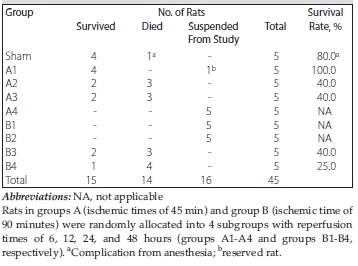
Table 1. Preliminary Survival Rates: Mid-Study Evaluation
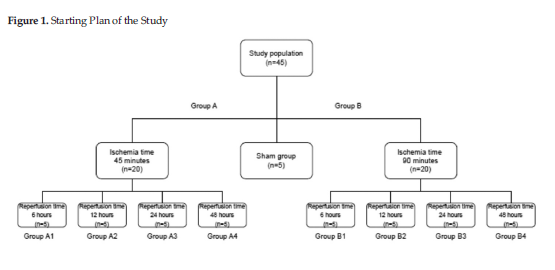
Figure 1. Starting Plan of the Study
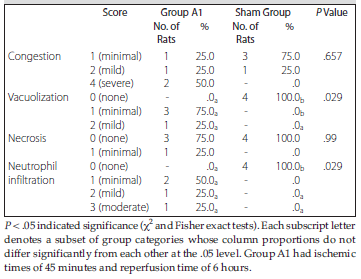
Table 2. Mid-Study Light Microscopy Results (Modified Suzuki Score Comparisons)

Table 3. Biochemical Comparison of 3- and 6-Hour Reperfusion and Sham Groups
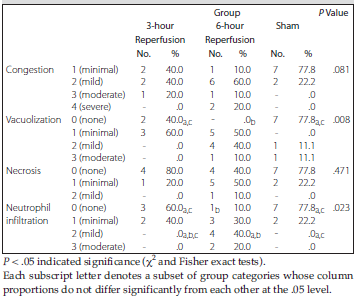
Table 4. Final Light Microscopy Results (Modified Suzuki Score Comparisons)