Volume: 24 Issue: 1 January 2026
FULL TEXT
Pregnancy Outcomes Among Women With Kidney Allografts in Brazil: An Integrative Review
Objectives: Chronic kidney disease can reduce fertility, but fertility may improve after transplant. Posttransplant pregnancy carries risks like preeclampsia, miscarriage, and prematurity. Although pregnancy is an immune-tolerant state, changes in immunosuppressive drugs during pregnancy can increase graft rejection risk. This study evaluated maternal and fetal outcomes in Brazilian kidney transplant recipients with post-transplant pregnancies.
Materials and Methods: We conducted an integrative review of articles from PubMed/Medline databases, analyzing study periods, study design, immunosup-pressive regimens, and the prevalence of preeclampsia and/or eclampsia, preterm births, pregnancy loss, graft rejection, and graft failure within 2 years after pregnancy.
Results: Nine articles were included after we screened titles, abstracts, and full texts, covering studies from 1968 to 2019. Among studies, most patients received azathioprine and steroids, and cyclosporine was the most used calcineurin inhibitor. The overall incidence of preeclampsia was 26.3%. Rates of pregnancy loss varied, with losses higher with graft dysfunction, hypertension, and first-year pregnancies. Preterm birth exceeded 50% in most studies. Graft rejection was 4.7%, with most recipients maintaining functio-ning grafts at 2 years.
Conclusions: The incidence of preeclampsia in most studies included in this review were higher than those reported by other research, possibly due to inadequate control of comorbidities. Pregnancy loss observed in this study was similar to other studies, and overall graft rejection rate was also comparable, although causes
of graft loss were not specified. The occurrence of preeclampsia in most studies of Brazilian transplant pregnancies was higher than in other studies. Other maternal and fetal outcomes were similar to those previously reported.
Key words : Graft survival, Kidney transplantation, Preeclampsia
Introduction
Chronic kidney disease (CKD) negatively affects fertility, leading to decreased libido, ovarian dysfunction, anovulatory vaginal bleeding, amenorrhea, and hyperprolactinemia.1 Chronic kidney disease results in a low incidence of spontaneous conception during dialysis, ranging from 0.9% to 7%.2 Fertility generally improves after kidney transplant, leading to an increase in pregnancy rates.3 Pregnancy after kidney transplant presents several challenges because of the risk of maternal and fetal complications, such as increased rate of preeclampsia, gestational diabetes, pregnancy-induced hypertension, cesarean section rates, miscarriages, prematurity, intrauterine growth restriction, and low birth weight.4-6
According to data from the Brazilian Society of Nephrology, the estimated number of patients with CKD on kidney replacement therapy in 2024 was 172 585, with 19.4% aged 20 to 44 years.7 The overall proportion of women on dialysis during this period was 41%. In 2024, Brazil performed 6261 kidney transplants.8 In this context, many women of repro-ductive age in Brazil receive transplants, since the need for multiple dialysis sessions is no longer needed, and their fertility is reestablished.
This study aimed to evaluate the maternal and fetal outcomes of women who became pregnant after kidney transplant in Brazil through an integrative review of the literature.
Materials and Methods
Data sources and searches
This integrative review was conducted following
the Preferred Reporting Items for Systematic Reviews and Meta-Analyses (PRISMA) guidelines.9 The eligibility criteria were structured around the PICOS framework.10 The population consisted of kidney transplant recipients in Brazil with posttransplant pregnancies. Interventions and comparisons were not conducted in this study. The outcomes evaluated included immunosuppressive therapy during pregnancy, preeclampsia, preterm birth, miscarriage, therapeutic abortion, stillbirth, graft rejection, and graft failure within 2 years after pregnancy. Clinical trials, case reports, case series, case-control, and cohort studies were considered for inclusion. The search strategy involved searching articles in the PubMed/Medline database on July 2, 2025, with the following search syntax: “kidney transplantation” or “renal transplantation” and “Brazil” and “vaginal delivery” or “cesarean” or “abortion” or “miscarriage” or “birth.” Database search results were imported into the Rayyan web app for systematic reviews.11 After removing duplicates, we screened articles based on title and abstracts. The selection of included articles was made after we read the full texts.
Study selection
Two independent reviewers (L.M.C.C. and M.V.S.) screened titles and abstracts to determine eligibility for full-text review. A third author (J.P.S.G.) resolved any discrepancies. Three independent researchers conducted the selection process. We excluded duplicated studies and articles that did not evaluate maternal and/or fetal outcomes in women with posttransplant pregnancies.
Data extraction and main outcomes
Two reviewers (L.M.C.C. and M.V.S.) independently extracted the following data, when available: period of study; study design; number of kidney transplant recipients, pregnancies, and children; immunosup-pressive maintenance therapy during pregnancy; number of cases and prevalence of preeclampsia and/or eclampsia; number of cases and prevalence of preterm births; number of cases and prevalence of pregnancy loss, including miscarriage, therapeutic abortion, and stillbirths; number of cases and prevalence of graft rejection following pregnancies; and number of cases and prevalence of recipients presenting graft failure within 2 years after pregnancy.
Results
The database search returned 33 articles, with 1 duplicate article. After the duplicate was excluded, 32 publications were screened; a further 22 articles were excluded because they did not address maternal and fetal outcomes. Ten articles were eligible for full-text reading, with exclusion of 1 article because the article also did not assess the maternal and fetal outcomes, resulting in inclusion of 9 articles3,12-19 (Figure 1).
All included articles underwent peer review and were published in Portuguese or English. The period of the included studies was from 1968 to 2019. Most included articles were retrospective cohort studies (n = 5; 55.6%), followed by 3 retrospective case-control design studies (33.3%) and 1 case report (11.1%). In general, studies analyzed 290 transplanted women and 365 pregnancies (Table 1).
Immunosuppression
All included studies reported the use of a calcineurin inhibitor (CNI) in the maintenance immunosup-pressive therapy regimen during pregnancy. Among studies that provided absolute numbers, the most prevalent CNI was cyclosporine (n = 170; 62.0%), followed by tacrolimus in 104 patients (38.0%). Most recipients received azathioprine as an antipro-liferative drug. A study by Radaelli and colleagues12 reported that 22 women used mycophenolate and 1 woman received a mammalian target of rapamycin inhibitor, which was replaced with azathioprine when pregnancy was desired or unplanned concep-tion was acknowledged. The use of prednisone was reported in 249 pregnancies.
Maternal outcomes
Data on the prevalence of preeclampsia or eclampsia were available in 8 articles (n = 96 cases), rep-resenting an overall incidence of 26.3%. A higher prevalence of preeclampsia and eclampsia was observed in a retrospective cohort by Dinelli and colleagues,13 which identified 16 cases among 26 pregnancies evaluated. In that study, 64% of women received a kidney from a living donor and 30.8% had known systemic arterial hypertension before pregnancy, increasing to 61.5% of women with known systemic arterial hypertension during pregnancy. All patients included in the study received azathioprine and prednisone, with tacrolimus used in 72% of cases, whereas cyclosporine was used in the others. A lower preeclampsia rate was reported in a retrospective case-control study by Miranda and colleagues,14 with 3 cases among 47 pregnancies.
Data on mode of delivery or other clinical or obstetric conditions were not available for most of the included studies.
Fetal outcomes
Two studies showed the absence of miscarriage, therapeutic abortion, or stillbirth. Among the remaining studies, this outcome rate varied from 1.9% to 43.3%, with the higher rate reported in the study by Radaelli and colleagues.12 High rates were linked to 2 or more risk factors for poor pregnancy outcomes, defined as serum creatinine >1.5 mg/dL or estimated glomerular filtration rate <60 mL/min, urine protein-to-creatinine ratio >0.5, preexisting hypertension, and conception within the first year posttransplant. Rate of prematurity ranged from 17% to 60%, with most rates higher than 50% in most of the included studies.
Graft rejection and graft failure
The effects of pregnancy on graft rejection incidence were discussed in 5 articles. Two articles reported no graft rejection after pregnancy. Most rejection cases were reported by Radaelli and colleagues,12 with an incidence of 12.4%. In that study, most patients were transplanted before 2000 and received cyclosporine and azathioprine as their maintenance immunosup-pressive therapy. Graft survival over 5 years of follow-up was lower in recipients transplanted before 2000 than in those transplanted after 2000. In a later retrospective cohort study by Candido and colleagues15 of 36 kidney transplant recipients, most of whom were on tacrolimus, rejection rate after pregnancy was 6.0%. Seven studies analyzed 2-year postgestation graft failure, with 2 studies16,17 not reporting this outcome. The remaining studies reported a graft failure rate between 1.9% and 21.7%.
Discussion
Pregnancy after kidney transplant involves potential risks for both mother and fetus, requiring careful planning to reduce those risks. Current guidelines recommend that all women of reproductive age be counseled about contraception after transplant and the optimal timing for pregnancy. Women with a transplant should avoid pregnancy during the first year posttransplant. Assessments before pregnancy should include a comprehensive review of clinical conditions, such as identifying the cause of CKD, discussing genetic testing if appropriate, evaluating potential maternal and fetal effects of pregnancy, managing comorbidities effectively, providing vac-cinations, adjusting immunosuppressive therapy as necessary, and assessing immunological risk and graft function.20 Women who are considered the best candidates for pregnancy after transplant are those who have at least 1 year posttransplant, renal function >60 mL/min, little or no proteinuria (<300-500 mg/day), no hypertension or well-controlled hypertension, no recent rejection episodes, and are on low-dose, properly adjusted immunosuppression with discontinuation of potentially teratogenic agents for at least 6 weeks. Adjustment of the im-munosuppressive regimen is crucial to improve maternal and fetal outcomes in posttransplant pregnancies. Tacrolimus, cyclosporine, azathioprine, and steroids are generally considered safe during pregnancy. Among studies in our review, cyclosporine was used in 46.6% of pregnancies and tacrolimus in 28.5%. These drugs had similar side effects and had not been associated with increased teratogenicity. Mycophenolate should be avoided during pregnancy because of its link to serious cranial and cardio-vascular fetal malformations. Azathioprine and steroids are the most commonly used in this study, as well as in other research. Azathioprine is a teratogen in animal models but not in humans.6 Steroids are associated with a high risk of premature rupture of membranes, infectious disease, and gestational diabetes.6 Few studies have explored use of mammalian target of rapamycin inhibitors during pregnancy, but discontinuation of its use in anti-cipation of pregnancy is recommended.6
Hypertensive disorders in pregnancy are defined as systolic blood pressure ≥140 mm Hg and/or diastolic blood pressure >90 mm Hg, including chronic hypertension when it occurs before 20 weeks of gestation, de novo hypertension, and preeclampsia. Preeclampsia is defined as hypertension associated with end-organ damage, including proteinuria, acute kidney injury, elevated liver enzymes, neurologic manifestations, pulmonary edema, hemolysis, or thrombocytopenia. Preeclampsia can progress to eclampsia, characterized by new-onset tonic-clonic seizures, and HELLP (hemolysis, elevated liver enzymes, low platelets) syndrome.20 Pregnancies after transplant have higher rates of hypertension, with a greater incidence of preeclampsia at 14% to 37%, compared with 3% to 5% in the general population.6,20 Incidence of preeclampsia in most studies included in our systematic review was higher than the incidence reported by other studies. We hypothesized that this may result from inadequate control of comorbidities presented by women transplanted in Brazil or perhaps because of more accurate antenatal care, leading to a higher frequency of adequate blood pressure assessment. Preeclampsia is an independent risk factor for adverse pregnancy outcomes, and its early identification and proper treatment can lower the risk of severe complications associated with preeclampsia.21 For women with pregnancy after kidney transplant, we recommend aggressive blood pressure control, aiming for a blood pressure of <130/80 mm Hg.20 For high-risk nontransplant pregnant women, antiplatelet agents such as low-dose aspirin have proven effective in reducing preeclampsia risk. Although no direct evidence for this approach has been shown in female transplant recipients, women are advised that they begin low-dose aspirin (100 mg/day) therapy between 12 and 16 weeks of pregnancy.20 Calcium supplementation (1 g/day) is also recommended for populations with low dietary intake.
The miscarriage and stillbirth rate among solid-organ transplant recipients was shown to range between 8% and 27%, although the true miscarriage rate may be higher because of episodes not noticed by women. Our study showed a combined rate of miscarriage, therapeutic abortion, and stillbirth of 23.8%, similar to rates reported in the literature. Considering the livebirths, a higher prevalence of preterm birth was reported; we showed a rate above 40% in most of the included studies. In a previous study by Al Duraihimh and colleagues22 that analyzed 234 pregnancies in 140 renal transplant recipients across 5 Middle Eastern countries, prevalence of preterm birth was 40.8%, similar to the rates reported in our review. Postnatal growth in such mothers is usually comparable to growth shown in nontransplant mothers.20
Our review showed an overall graft rejection rate of 4.7%, similar to the range of 4.2% to 9.4% reported in previous studies.4,23 A healthy pregnancy is characterized by an immune-tolerant state, indicated by reduced expression of major histocompatibility complex (HLA) molecules on trophoblast cells, the presence of complement regulatory proteins, acti-vation of regulatory T cells, and elevated immune response checkpoints.24 However, changes in the distribution and metabolism of immunosuppressive drugs can increase the risk of rejection in female transplant recipients, making it essential to monitor blood levels of these drugs regularly in pregnant transplant recipients.25 Accurate diagnosis of graft rejection requires a biopsy, and the need for biopsy during pregnancy should be carefully assessed because biopsy is associated with some adverse events. Once diagnosed, treatment of graft rejection during pregnancy is difficult because of limited therapeutic options. Besides rejection, other adverse events can lead to graft failure during pregnancy, such as recurrence of the underlying kidney disease, hypertensive and metabolic disorders, and infectious conditions. In a previous study from Basaran and colleagues,26 which included 8 posttransplant preg-nancies in kidney transplant recipients, no episodes of graft rejection were reported during or after pregnancy, with 1 case of chronic transplant nephropathy that worsened during gestation. The causes of graft loss in the articles included in our review were not detailed.
Contraception is a fundamental aspect of care after solid-organ transplant and should be addressed jointly by the clinical and gynecological teams through the appropriate sharing of relevant clinical information. After transplant, patients should be aware of the possibility of fertility returning and can be supported in making decisions about their reproductive future, receiving appropriate contra-ception if there is no desire for pregnancy.26
Our study had some limitations, the main one being that it was based on previously conducted studies without access to the original databases. In addition, the lack of uniformity in the systema-tization and presentation of results greatly hindered the consistency of interpretations. On the other hand, this study has the potential to provide an overview of pregnancies after kidney transplant in Brazil.
Conclusions
In our study of maternal and fetal outcomes among Brazilian women with kidney transplants, higher rates of preeclampsia were shown, highlighting the need for careful management of comorbidities in this population. The fetal outcomes were consistent with other studies. Graft rejection rates were low in the studies, and most women maintained a functioning graft 2 years after pregnancy.
References:
- Lessan-Pezeshki M. Pregnancy after renal transplantation: points to consider. Nephrol Dial Transplant. 2002;17(5):703-707. doi:10.1093/ndt/17.5.703
CrossRef - PubMed - Shah S, Verma P. Overview of pregnancy in renal transplant patients. Int J Nephrol. 2016;2016:1-7. doi:10.1155/2016/4539342
CrossRef - PubMed - Oliveira LG, Sass N, Sato JL, Ozaki KS, Medina Pestana JO. Pregnancy after renal transplantation – a five-yr single-center experience. Clin Transplant. 2007;21(3):301-314. doi:10.1111/j.1399-0012.2006.00627.x
CrossRef - PubMed - Shah S, Venkatesan RL, Gupta A, et al. Pregnancy outcomes in women with kidney transplant: metaanalysis and systematic review. BMC Nephrol. 2019;20(1):24. doi:10.1186/s12882-019-1213-5
CrossRef - PubMed - Díaz JM, Canal C, Giménez I, et al. Pregnancy in recipients of kidney transplantation: effects on mother and child. Nefrologia. 2008;28(2):174-177.
CrossRef - PubMed - Cabiddu G, Spotti D, Gernone G, et al. A best-practice position statement on pregnancy after kidney transplantation: focusing on the unsolved questions. The Kidney and Pregnancy Study Group of the Italian Society of Nephrology. J Nephrol. 2018;31(5):665-681. doi:10.1007/s40620-018-0499-x
CrossRef - PubMed - Sociedade Brasileira de Nefrologia. Censo Anual Brasileiro de Diálise. 2024. Accessed August 3, 2025. https://www.censo-sbn.org.br/censosAnteriores
CrossRef - PubMed - Associação Brasileira de Transplante de Órgãos. Registro Brasileiro de Transplantes - RBT 2024. Accessed August 3, 2025. https://site.abto.org.br/wp-content/uploads/2025/05/rbt-n4-2024-populacao.pdf
CrossRef - PubMed - Liberati A, Altman DG, Tetzlaff J, et al. The PRISMA statement for reporting systematic reviews and meta-analyses of studies that evaluate health care interventions: explanation and elaboration. PLoS Med. 2009;6(7):e1000100. doi:10.1371/journal.pmed.1000100
CrossRef - PubMed - Richardson WS, Wilson MC, Nishikawa J, Hayward RS. The well-built clinical question: a key to evidence-based decisions. ACP J Club. 1995;123(3):A12-13.
CrossRef - PubMed - Ouzzani M, Hammady H, Fedorowicz Z, Elmagarmid A. Rayyan—a web and mobile app for systematic reviews. Syst Rev. 2016;5(1):210. doi:10.1186/s13643-016-0384-4
CrossRef - PubMed - Radaelli E, Meinerz G, Jacobina LP, et al. Pregnancy after kidney transplantation: 40 years single-center experience. J Bras Nefrol. 2024;46(2):e20230061. doi:10.1590/2175-8239-JBN-2023-0061en
CrossRef - PubMed - Dinelli MI, Ono E, Viana PO, dos Santos AM, de Moraes-Pinto MI. Growth of children born to renal transplanted women. Eur J Pediatr. 2017;176(9):1201-1207. doi:10.1007/s00431-017-2965-1
CrossRef - PubMed - Miranda CT, Melaragno C, Camara NO, Pacheco-Silva A, Medina-Pestana PJ. Adverse effects of pregnancy on renal allograft function. Transplant Proc. 2002;34(2):506-507. doi:10.1016/s0041-1345(02)02612-x
CrossRef - PubMed - Candido C, Cristelli MP, Fernandes AR, et al. Pregnancy after kidney transplantation: high rates of maternal complications. J Bras Nefrol. 2016;38(4):421-426. doi:10.5935/0101-2800.20160067
CrossRef - PubMed - Romão Junior JE, Lopes RP, Teixeira Araújo MR, Abensur H. Consecutive spontaneous triplet and twin pregnancies in a woman after renal transplantation. Transplant Proc. 2019;51(6):1845-1847. doi:10.1016/j.transproceed.2019.04.065
CrossRef - PubMed - Mariano S, de Siqueira Guida JP, de Sousa MV, et al. Pregnancy among women with kidney transplantation: a 20-years single-center registry. Rev Bras Ginecol Obstet. 2019;41(7):419-424. doi:10.1055/s-0039-1688834
CrossRef - PubMed - Keitel E, Bruno RM, Duarte M, et al. Pregnancy outcome after renal transplantation. Transplant Proc. 2004;36(4):870-871. doi:10.1016/j.transproceed.2004.03.089
CrossRef - PubMed - Saber LT, Duarte G, Costa JA, Cologna AJ, Garcia TM, Ferraz AS. Pregnancy and kidney transplantation: experience in a developing country. Am J Kidney Dis. 1995;25(3):465-470. doi:10.1016/0272-6386(95)90110-8
CrossRef - PubMed - Katz-Greenberg G, Afshar Y, Bonn J, et al. Pregnancy after solid organ transplantation: review of the evidence and recommendations. Transplantation. 2025;109(9):1483-1494. doi:10.1097/TP.0000000000005341
CrossRef - PubMed - Piccoli GB, Cabiddu G, Attini R, et al. Risk of adverse pregnancy outcomes in women with CKD. J Am Soc Nephrol. 2015;26(8):2011-2022. doi:10.1681/ASN.2014050459
CrossRef - PubMed - Al Duraihimh H, Ghamdi G, Moussa D, et al. Outcome of 234 pregnancies in 140 renal transplant recipients from five Middle Eastern countries. Transplantation. 2008;85(6):840-843. doi:10.1097/TP.0b013e318166ac45
CrossRef - PubMed - Deshpande NA, James NT, Kucirka LM, et al. Pregnancy outcomes in kidney transplant recipients: a systematic review and meta-analysis. Am J Transplant. 2011;11(11):2388-2404. doi:10.1111/j.1600-6143.2011.03656.x
CrossRef - PubMed - Nelson-Piercy C, Srisawat N, Kashani K, et al. Pregnancy-associated acute kidney injury — consensus report of the 32nd Acute Disease Quality Initiative workgroup. Nat Rev Nephrol. 2025;21(9):633-646. doi:10.1038/s41581-025-00979-6
CrossRef - PubMed - Yo JH, Fields N, Li W, et al. Adverse pregnancy outcomes in solid organ transplant recipients: a systematic review and meta-analysis. JAMA Netw Open. 2024;7(8):e2430913. doi:10.1001/jamanetworkopen.2024.30913
CrossRef - PubMed - Basaran Ö, Emiroglu R, Seçme S, Moray G, Haberal M. Pregnancy and renal transplantation. Transplant Proc. 2004;36(1):122-124. doi:10.1016/j.transproceed.2003.11.011
CrossRef - PubMed

Volume : 24
Issue : 1
Pages : 1 - 6
DOI : 10.6002/ect.2025.0256
From the 1Renal Transplant Research Laboratory, Renal Transplant Unit, Division of Nephrology, Department of Internal Medicine, School of Medical Sciences, University of Campinas - UNICAMP, Campinas, São Paulo, Brazil; and the 2Department of Obstetrics and Gynecology, School of Medical Sciences, University of Campinas - UNICAMP, Campinas, São Paulo, Brazil
Acknowledgements: The authors have not received any funding or grants in support of the presented research or for the preparation of this work and have no declarations of potential conflicts of interest.
Corresponding author: Marcos Vinicius de Sousa, Renal Transplant Unit, Division of Nephrology, School of Medical Sciences, University of Campinas, Rua Tessália Vieira de Camargo 126, Cidade Universitária Zeferino Vaz, 13083-970 Campinas, São Paulo, Brazil
E-mail: marcosnefro@gmail.com
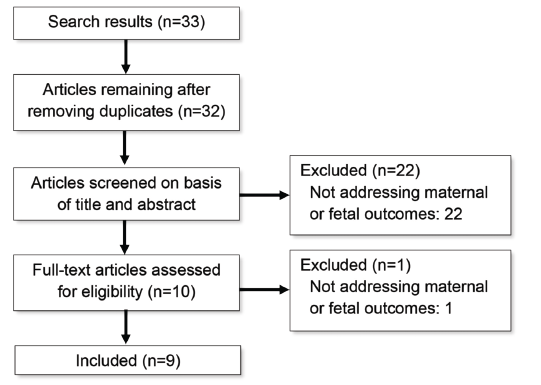
Figure 1. Flowchart of Article Selection
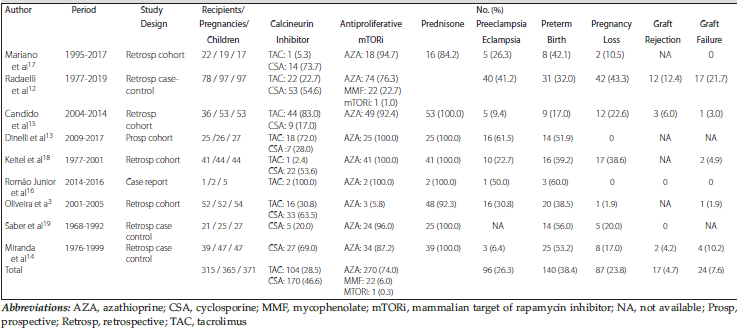
Table 1.Pregnancy Outcomes in Brazilian Women With Kidney Transplant Allografts: Review of Included Studies