Volume: 23 Issue: 7 July 2025
FULL TEXT
Objectives: We evaluated living donor kidney transplant outcomes in older recipients (≥65 years) at Armed Forces Hospitals in the Southern Region from September 2017 to January 2025 and compared results versus younger recipients (<65 years).
Materials and Methods: This was a retrospective analysis of 68 older patients (group A) and 316 younger patients (group B) who received tacrolimus, mycophenolate mofetil, and prednisone, with basiliximab induction in 94.1% of group A and 92% of group B. Retransplant occurred in 5.9% of group A and 7.9% of group B.
Results: Older recipients had longer dialysis durations versus younger recipients (4 vs 2 years; P < .001), longer surgeries (230 vs 180 minutes; P < .001), and longer hospital stays (7.5 vs 6.2 days; P < .001), higher rates of delayed graft function (8.8% vs 0.6%; P < .001), and lower immediate graft function (91.1% vs 97.7%; P = .006). At 1 year in group A and group B, graft survival rates (95.5% vs 97.1%; P = .501) and patient survival rates (95.5% vs 98.1%; P = .545) were similar. However, by 3 years, graft survival was lower in group A (86.7%) versus group B (92%) as was patient survival (85.2% vs 93.6%; P < .001). Graft loss within 3 years occurred in 4.4% of older versus 1.89% of younger recipients, and death with a functioning graft was more common in group A (7.3%) than in group B (2.2%). Group A also had higher rates of complications than group B (infections: 13.2% vs 6.3%; surgical site infections: 5.9% vs 0.6%).
Conclusions: Despite higher risks, group A demon-strated 1-year graft and patient survival rates that were comparable with group B, highlighting feasibility of kidney transplant in well-selected older adults. However, nonadherence was associated with higher infection rates but did not significantly affect
long-term outcomes.
Key words : Immediate graft function, Kidney transplantation, Long-term outcomes, Nonadherence, Patient survival rate
Introduction
The prevalence of end-stage renal disease (ESRD) among older adults is rising, with increasing dialysis rates in patients older than 65 years. In Saudi Arabia, although 25% of dialysis patients are aged ≥55 years, only 13% of kidney transplant recipients fall within this age group.1 Living donor kidney transplant (LDKT) accounts for 80% of transplants nationally, often involving related donors for older recipients.2 Access to transplant remains limited in this population because of donor shortages and comorbidities.
Despite these barriers, transplant offers superior survival and quality of life versus dialysis in older adults.3,4 The Saudi Center for Organ Transplantation reports a growing use of expanded criteria donors for older recipients, albeit with increased risks of delayed graft function (DGF) and acute rejection.1 Although transplant rates remain lower in this age group, evidence suggests that age alone should not preclude candidacy for kidney transplant.4 This study investigated outcomes of LDKT in older recipients in southern Saudi Arabia.
Materials and Methods
Study design
This retrospective study reviewed all LDKT performed between September 2017 and January 2025 at the only transplant center in southern Saudi Arabia. Medical records were examined to assess a wide range of variables, including causes of ESRD, donor-recipient relationships, surgical details, posto-perative complications, rejection episodes, immuno-suppression regimens, medication adherence, and both patient and graft survival at 1 and 3 years. All patients, up to 82 years of age, were managed using stan-dardized protocols. The Institutional Review Board approved the study, and informed consent was obtained from all participants.
Definitions
We defined DGF as the requirement for dialysis within the first week after transplant. Graft loss included a return to dialysis, transplant nephrectomy, renal transplant, or a return to the pretransplant serum creatinine (SCr) level in patients who underwent preemptive transplant. Death with a functioning graft was also considered graft loss. Chronic graft dysfunction was defined as sustained SCr level of ≥2 mg/dL for a period of 3 months or longer.5
Donor evaluation and management
Donor kidney function was assessed using the Cockcroft-Gault formula to estimate creatinine clearance. A single, experienced surgeon performed all living donor nephrectomies laparoscopically to ensure procedural consistency and minimize variation. All donors were ≥18 years old. No donors ≥60 years old were included in our cohort.
Recipient inclusion and evaluation
All recipients aged 65 years and older who received LDKT during the study period were included. All participants in the study underwent transplants from living-related donors, specifically limited to first-degree and second-degree relatives. Each candidate underwent an in-depth pretransplant evaluation, including medical, psychosocial, and financial assessments. Cardiovascular risk and overall func-tional status were critical factors for determination of surgical eligibility. We used imaging studies, such as noncontrast computed tomography scans of the abdomen and pelvis, for assessment of iliac artery calcifications. Routine cardiac evaluations included stress tests, and older recipients also underwent carotid and iliac artery duplex ultrasonography examinations, a cardiology consultation, and, when indicated, cardiac catheterization.
To be eligible, older patients had to be functionally independent, medically stable, and supported by a reliable social network. Infectious disease screening included tests for hepatitis B virus, hepatitis C virus, HIV, cytomegalovirus (CMV), and Epstein-Barr virus. Exclusion criteria for older candidates included dementia, residence in long-term care facilities, frailty or poor functional status, inadequate social support, severe nonrenal organ failure, recent cancer diagnoses, advanced cardiovascular or vascular disease, and life expectancy under 5 years. All included recipients were treated according to standardized clinical protocols, and details of immunosuppression therapy are listed in Table 1.
Surgical approach and posttransplant management
All transplants were performed using a standardized open retroperitoneal technique. Postoperative care included the following robust prophylactic regimen: a first-generation cephalosporin treatment for 24 hours, antifungal therapy (nystatin or fluconazole) for 1 month, and Pneumocystis jirovecii prophylaxis with sulfamethoxazole-trimethoprim for at least 12 months (or dapsone for individuals with sulfa allergies). Depending on the donor-recipient CMV serostatus, CMV prophylaxis with oral valganciclovir (900 mg daily) was administered for 3 to 6 months. Most patients were also initiated on antiplatelet or anti-coagulant therapy after surgery.
Renal allograft function was monitored via SCr levels, and the estimated glomerular filtration rate was calculated using the abbreviated Modification of Diet in Renal Disease formula. Suspected rejection was identified by an unexplained rise in SCr greater than 0.3 mg/dL or a 25% increase from baseline, confirmed through ultrasonography-guided percutaneous kidney biopsy. Major infections required hospital readmission for clinical evaluation and treatment.3,5
Study outcomes and statistical analyses
Primary outcomes included patient survival and uncensored and death-censored graft survival. Secondary endpoints focused on DGF, renal allograft performance, posttransplant complications, and management of these details. We presented con-tinuous variables as means with standard deviations and categorical variables as counts and percentages. Statistical analyses included unpaired t tests for continuous variables and chi-square or Fisher exact tests for categorical variables. We calculated patient and graft survival rates, including actuarial and death-censored survival, by using Kaplan-Meier survival analysis. We used the log-rank test to determine differences between groups, with 2-tailed P < .05 considered statistically significant.3
Declaration of patient consent
Informed consent was obtained from all patients for their participation and for the publication of their data. Patients were assured that identifying infor-mation such as names or initials would not be disclosed. All standard protocols were followed to maintain confidentiality.
Ethics statement
This study adhered to the ethical standards set by the Declaration of Helsinki and was approved by the Armed Forces Hospitals Southern Region Ethics Committee (IRB No. AFHSRMREC/2024/Surgery/-748).
Results
This study compared kidney transplant outcomes in older recipients aged 65 years and older (group A, n = 68) with kidney transplant outcomes in younger recipients under 65 years old (group B, n = 316) during a mean follow-up period of 68 months. Group A had a higher mean age (69.3 vs 41.7 years) and body mass index (29.7 vs 25.5), with significantly longer median dialysis durations (4 vs 2 years; P < .001). Diabetes and hypertension were the lea-ding causes of ESRD in older recipients. All patients received living donor transplants. Donors in group A were older (mean 35 ± 20 years) versus group B (25 ± 7 years; P < .001), and there were fewer male donors in group A (65%) versus group B (vs 75%; P = 0.082). Donor nephrectomies were uniformly performed via laparoendoscopic surgery by a single surgeon. The demographic characteristics of donors and recipients are presented in Table 1.
Immunological matching was similar across groups. Most patients had ≤3 human leukocyte antigen (HLA) mismatches, and nearly all had negative crossmatches. Basiliximab induction was more frequent in group A (94.1%) versus group B (92%; P = .565), but all patients received the same maintenance regimen of tacrolimus, mycophenolate mofetil, and prednisone. Retransplant occurred in 5.9% of the older group and 7.9% of the younger group.
Surgical outcomes differed between groups. Older recipients underwent longer procedures (230 minutes) versus younger recipients (180 minutes; P < .001) and had longer hospital stays (7.5 vs 6.2 days; P < .001). We found that DGF was significantly more common in group A (8.8%) versus group B (0.6%; P < .001), and immediate graft function was lower in group A (91.1%) versus group B (97.7%; P = .006). However, 1-year SCr and estimated glomerular filtration rate levels were similar between groups.
Graft survival at 1 year was excellent in both cohorts, with rates of 95.5% in group A and 97.1% in group B (P = .501). The 1-year patient survival rates were also similar (95.5% in group A vs 98.1% in group B; P = .545). However, by the third year in group A, patient survival declined significantly (85.2%) versus group B (93.6%; P < .001), and graft survival was also lower in the group A (86.7%) versus the group B (92%; P < .16). Graft loss within 3 years was more common in group A (4.4%%) versus group B (1.89%; P = .214), and 7.3% of group A recipients died with a functioning graft, compared with 2.2% of group B recipients (P = .027). Among the older group, the deaths were primarily attributed to cardiac causes in 3 patients, and 1 older recipient died due to sepsis and malignancy. Rates of patient survival and graft survival are shown in Figure 1 and Figure 2.
Posttransplant complications were generally higher in group A. Major infections were nearly twice as common in group A (13.2%) versus group B (6.3%; P = .05), and surgical site infections (SSIs) were 10-fold more frequent in group A (5.9%) versus group B (0.6%; P = .001). Urinary tract infections were also more common in the group A (8.8%) versus group B (3.8%; P = .075). Rates of acute rejection were comparable between groups (4.4% for group A vs 3.8% for group B). Other complications in the older group included peri-allograft abscesses (1.4%) and perinephric hematomas (2.9%). In contrast, lymphoceles were seen only in the younger group (2.2%; P = .612). Chronic allograft nephropathy affected a higher proportion of older recipients (2.9%) versus younger recipients (0.94%). Both groups had similar rates of urine leaks that required reimplant.
In terms of compliance, missed follow-up visits were more frequent among the older group (5.8%; P < .001), whereas younger patients had slightly higher rates of nonadherence to medication regimens (2.5%) versus the older group (1.4%; P = .599). The clinical outcomes for both groups are summarized in Table 2.
Multivariate analysis showed that ischemic heart disease was a strong independent predictor of mortality. There was an association between a higher number of HLA mismatches and an increased risk of acute rejection. However, age, sex, DGF, and donor relationship were not found to be significantly linked to rejection risk.
Discussion
The aging population has led to an increase in ESRD among older adults, who are now the fastest-growing group on kidney transplant wait lists.6 While comorbidities such as cardiovascular disease and diabetes pose risks, kidney transplant offers better survival and quality of life versus dialysis, which also has a higher economic burden on older patients.7,8 Given these factors, there is a need to reconsider transplant eligibility for older adults.
Older transplant recipients may experience challenges such as long wait times, limited organ availability, and allocation systems that often prioritize younger patients, any of which may result in higher mortality rates on the wait list.9,10 Programs such as the Eurotransplant Senior Match pair older donors with older recipients to enhance outcomes. However, kidneys from older donors often yield poorer results in younger recipients, underscoring the need for more personalized allocation strategies.11-13 Age-sensitive allocation and careful patient selection can improve outcomes for older recipients.14,15
For patients aged 65 years and older, kidney transplants offer better survival rates and quality of life versus dialysis, despite age-related immune changes, vascular disease, obesity, and smoking.16,17 Careful pretransplant assessments and robust risk management can enhance positive outcomes. In our study, older recipients achieved survival rates comparable with the survival rates of younger recipients, despite the higher cardiovascular risks associated with older recipients. Matching donors and recipients by age has been shown to improve transplant outcomes, and emerging approaches such as predictive analytics may further enhance donor-recipient matching strategies.18 Pretransplant scre-ening and posttransplant care are crucial for older kidney recipients, as aging significantly affects organ function. Immunosuppression therapy carries risks such as infections and malignancies, which are common causes of death.3,15 Monitoring for infec-tions and cardiovascular issues is critical to preserve kidney function. Kidney transplant for patients aged 60 years and older reduces mortality by 41% to 61%,7 with survival rates for those aged 70 to 74 years surpassing dialysis outcomes.19 Although older patients face higher risks of complications, they experience fewer acute rejections; however, graft loss can still occur in cases of rejection.7,14
Living donor transplants provide the best outcomes, with higher long-term survival rates versus deceased donor transplants.9,20 When a living donor is not available, kidneys from expanded criteria deceased donors are preferred versus the wait list for standard donors.7 In our study, the 1-year graft survival rates were 95.5% for group A and 97% for group B. The 1-year patient survival rates were 95.5% for group A and 98.6% for group B, and graft survival by the third year declined to 86.7% in group A and 92% in group B.
Age-matching between donors and recipients has been shown to improve graft longevity.21 Older recipients often experience greater improvements in quality of life after transplant, particularly in mental health and overall well-being, versus younger patients.22 In our study, most of the older recipients received kidneys from well-matched, younger, biologically related living donors.
Ultimately, age should not be a barrier to transplant. With appropriate screening and perso-nalized care, older patients can achieve outcomes com-parable with the outcomes of younger individuals.23,24
In terms of the implications of nephrectomy on older donors, individuals older than 60 years have been shown to have outcomes comparable to the outcomes of younger donors in terms of operative time, surgical blood loss, and length of hospital stay. However, data on long-term outcomes (≥1 year) of nephrectomy in older donors are limited. Few studies have reported long-term hypertension, proteinuria, or changes in renal function in older donors, and most such studies have been retros-pective by design and have lacked comparison groups, resulting in variability among the studies and methodological limitations.25
Laparoscopic donor nephrectomy is generally a well-tolerated procedure in older donors based on the existing literature.26,27 However, the available studies had limited sample sizes. Our study did not include any donors older than 60 years.
A major concern for older kidney transplant patients is the risk of SSIs, which can delay recovery and negatively affect outcomes. Older adults are more susceptible to SSIs due to immune system changes, diabetes, obesity, and prolonged surgeries, which increased infection risk and increased exposure to drug-resistant bacteria.28-30 Longer hospital stays and higher medical costs are also associated with SSIs.31 Early detection and proactive management are essential. In our study, 3 cases of SSI were reported, including 1 case in a 72-year-old male transplant recipient with diabetes and hypertension who developed a severe infection due to nonadherence to the scheduled posttransplant clinic visits. These examples highlight the manner in which nonad-herence to medical advice can increase the risk of SSIs.
Nonadherence to medication regimens is another significant issue, particularly in older transplant recipients who may face cognitive decline, depression, or lack of support, and such circumstances increase the difficulty with adherence to complex medication regimens.32 Such nonadherence can increase the risk of kidney rejection and treatment failure. In our study, nonadherence to the medication regimen was noted in 1.4% of older patients and 2.5% of younger patients. Missed follow-up appointments were signi-ficantly more common in the older group (5.8%) versus the younger group. These findings highlight the impor-tance of tailored interventions. Implemen-tation of a structured psychosocial scoring system before discharge could help identify high-risk patients, improve adherence, and ultimately enhance transplant outcomes.29,33,34
Ethical considerations in kidney transplant for older patients revolve around balance of the benefits and risks, facilitation of equitable access, and respect of patient autonomy. Kidney transplants can significantly improve survival and quality of life for older adults with ESRD, particularly with organs procured from younger living donors, as is common in countries like Saudi Arabia.18,20,35,36 To enhance transplant success, strategies such as expanded criteria donor kidneys, age matching, dual kidney transplants, and machine perfusion are recommended.37,38 However, the surgical and immunosuppression risks for older patients require careful evaluation.8,35,37 Ethical decisions must prioritize older patients without neglecting younger candidates, especially in regions with organ shortages.
Study limitations
Although this study included a comparison group, differences in patient numbers and its retrospective, single-center design limited the strength of the conclusions. Nevertheless, our findings suggested that kidney transplants from younger living donors can be safe and beneficial for older recipients. As the older population grows, assessment optimization, preparation, and posttransplant care of older candidates are essential.
Future directions
Future research should involve larger, multicenter studies with balanced comparison groups and extended follow-up to assess long-term outcomes, including quality of life, mental health, and independence. Integration of technologies such as telemedicine and medication tracking, along with personalized, multidisciplinary care, may further improve outcomes. Studies involving diverse older populations are also needed to ensure the relevance and applicability of findings and thereby support more individualized and compassionate care.
Conclusions
Kidney transplant significantly improves survival and quality of life for older patients with ESRD, especially with living donors and, ideally, younger relatives. Age alone should not be a contraindication for transplant; instead, careful evaluation, perso-nalized care, and equitable access are key to the achievement of better outcomes. As demand grows, strategies must evolve to support older recipients safely and effectively.
References:
- Hejaili F, Attar B, Shaheen FAM. Trends in deceased donor kidney availability and utilization in the Kingdom of Saudi Arabia. Exp Clin Transplant. 2017;15(4):381-386.
CrossRef - PubMed - Altamimi A, Algahtani S, Leenah A, et al. Outcomes following renal transplantation in elderly: a retrospective cohort study in a single tertiary care center. Med Sci. 2023;27(131):1-8. doi:10.54905/disssi/v27i131/e18ms2709.
CrossRef - PubMed - Farooq U, Al Shraideh Y, Farney AC, et al. Deceased donor kidney transplantation in patients aged 70 and older: Is 70 the new 50? J Gerontol Geriatr Res. 2016;5(4);2016. doi:10.4172/2167-7182.1000324.
CrossRef - PubMed - Hammad E, Broering D, Shah Y, et al. Outcomes of kidney transplantation in older recipients. Ann Transplant. 2023;28:e938692. doi:10.12659/AOT.938692
CrossRef - PubMed - El Hennawy HM, Al Hashemy A, Al Faifi AS, et al. Pediatric renal transplantation in Southern Saudi Arabia. Indian J. Transplant. 2022;16(4):355-360. doi:10.4103/ijot.ijot_118_21
CrossRef - PubMed - Saran R, Li Y, Robinson B, Ayanian J, et al. US Renal Data System 2014 annual data report: epidemiology of kidney disease in the United States. Am J Kidney Dis. 2015;66(1 Suppl 1):Svii, S1-305. doi:10.1053/j.ajkd.2015.05.001 [Erratum in Am J Kidney Dis. 2015 Sep;66(3):545. doi:10.1053/j.ajkd.2015.07.013]
CrossRef - PubMed - Knoll GA. Kidney transplantation in the older adult. Am J Kidney Dis. 2013;61(5):790-797. doi:10.1053/j.ajkd.2012.08.049
CrossRef - PubMed - Coresh J, Astor BC, Greene T, Eknoyan G, Levey AS. Prevalence of chronic kidney disease and decreased kidney function in the adult US population: Third National Health and Nutrition Examination Survey. Am J Kidney Dis. 2003;41(1):1-12. doi:10.1053/ajkd.2003.50007
CrossRef - PubMed - Laging M, Rakké B, Kal-van Gestel J, et al. What Happens to Elderly Patients On the Waiting List for a Renal Transplantation? Transplantation. 2014;98:609-610. doi:10.1097/00007890-201407151-02061
CrossRef - PubMed - Stevens KK, Woo YM, Clancy M, McClure JD, Fox JG, Geddes CC. Deceased donor transplantation in the elderly: are we creating false hope? Nephrol Dial Transplant. 2011;26(7):2382-2386. doi:10.1093/ndt/gfq826
CrossRef - PubMed - Frei U, Noeldeke J, Machold-Fabrizii V, et al. Prospective age-matching in elderly kidney transplant recipients: a 5-year analysis of the Eurotransplant Senior Program. Am J Transplant. 2008;8(1):50-57. doi:10.1111/j.1600-6143.2007.02014.x
CrossRef - PubMed - Voiculescu A, Schlieper G; Hetzel G, et al. Kidney transplantation in the elderly: age-matching as compared to HLA-matching: a single center experience. Transplantation. 2002;73(8):1356-1359. doi:10.1097/00007890-200204270-00032
CrossRef - PubMed - Florit EA, Diekmann F, Budde K, et al. Living donor transplantation: long-term evolution related to age matching. Transplant Proc. 2015;47(8):2346-2350. doi:10.1016/j.transproceed.2015.09.002
CrossRef - PubMed - Ying T, Shi B, Kelly PJ, Pilmore H, Clayton PA, Chadban SJ. Death after kidney transplantation: an analysis by era and time post-transplant. J Am Soc Nephrol. 2020;31(12):2887-2899. doi:10.1681/ASN.2020050566
CrossRef - PubMed - Massie AB, Luo X, Chow EK, Alejo JL, Desai NM, Segev DL. Survival benefit of primary deceased donor transplantation with high-KDPI kidneys. Am J Transplant. 2014;14(10):2310-2316. doi:10.1111/ajt.12830 [Erratum in Am J Transplant. 2015;15(7):2013. doi:10.1111/ajt.13411]
CrossRef - PubMed - Singh P, Ng YH, and Unruh M. Kidney transplantation among the elderly: challenges and opportunities to improve outcomes. Adv Chronic Kidney Dis. 2016;23(1):44-50. doi:10.1053/j.ackd.2015.11.002
CrossRef - PubMed - So S, Au EHK, Lim WH, Lee VWS, Wong G. Factors influencing long-term patient and allograft outcomes in elderly kidney transplant recipients. Kidney Int Rep. 2020;6(3):727-736. doi:10.1016/j.ekir.2020.11.035
CrossRef - PubMed - Fabrizii V, Winkelmayer WC, Klauser R, et al. Patient and graft survival in older kidney transplant recipients: does age matter? J Am Soc Nephrol. 2004;15(4):1052-1060. doi:10.1097/01.asn.0000120370.35927.40
CrossRef - PubMed - Ojo AO, Hanson JA, Meier-Kriesche HU, et al. Survival in recipients of marginal cadaveric donor kidneys compared with other recipients and wait-listed transplant candidates. J Am Soc Nephrol. 2001;12(3):589-597. doi:10.1681/ASN.V123589
CrossRef - PubMed - Saran R, Robinson B, Abbott KC, et al. US Renal Data System 2019 annual data report: epidemiology of kidney disease in the United States. Am J Kidney Dis. 2020;75(1 Suppl 1):A6-A7. doi:10.1053/j.ajkd.2019.09.003
CrossRef - PubMed - Merion RM, Ashby VB, Wolfe RA, et al. Deceased-donor characteristics and the survival benefit of kidney transplantation. JAMA. 2005;294(21):2726-2733. doi:10.1001/jama.294.21.2726
CrossRef - PubMed - Humar A, Denny R, Matas AJ, Najarian JS. Graft and quality of life outcomes in older recipients of a kidney transplant. Exp Clin Transplant. 2003;1(2):69-72.
CrossRef - PubMed - Doyle SE, Matas AJ, Gillingham K, Rosenberg ME. Predicting clinical outcome in the elderly renal transplant recipient. Kidney Int. 2000;57(5):2144-2150. doi:10.1046/j.1523-1755.2000.00066.x
CrossRef - PubMed - Saidi RF, Kennealey PT, Elias N, et al. Deceased donor kidney transplantation in elderly patients: is there a difference in outcomes? Transplant Proc. 2008;40(10):3413-3417. doi:10.1016/j.transproceed.2008.08.127
CrossRef - PubMed - Haberal M, Sert S, Altunkan S, Gülay H, Hamaloğlu E, Bulut O. Kidney transplantation from elderly living donors. Int J Artif Organs 1991;14(6):335-337.
CrossRef - PubMed - Hsu TH, Su LM, Ratner LE, Kavoussi LR. Laparoscopic donor nephrectomy in the elderly patient. Urology. 2002;60(3):398-401. doi:10.1016/s0090-4295(02)01769-7
CrossRef - PubMed - Haberal M, Sert S, Gülay H, et al. Is donor nephrectomy a safe procedure in the elderly? Transplant Proc. 1988;20(5):791-793.
CrossRef - PubMed - Ostaszewska A, Wszola M, Olszewska N, et al. Reoperation in early kidney post-transplant period as a strong risk factor of surgical site infection occurrence. Transplant Proc. 2019;51(8):2724-2730. doi:10.1016/j.transproceed.2019.05.018
CrossRef - PubMed - El Hennawy H, Khattab A, Atta EA, et al. Do we need a predischarge psychosocial evaluation? A case report on peri-allograft abscess in a noncompliant elderly kidney transplant patient. Transplant Proc. 2015;57(3):453-456. doi:10.1016/j.transproceed.2025.02.018
CrossRef - PubMed - Bappa A, Ahmad M, AlShaebi F, Mushtaq R. Skin, subcutaneous tissue, and allograft infection with Mycobacterium fortuitum in a renal transplant recipient. Saudi J Kidney Dis Transplant. 2014;25(6):1248. doi:10.4103/1319-2442.144260
CrossRef - PubMed - Ho D, Lynch RJ, Ranney DN, Magar A, Kubus J, Englesbe MJ. Financial impact of surgical site infection after kidney transplantation: implications for quality improvement initiative design. J Am Coll Surg. 2010;211(1):99-104. doi:10.1016/j.jamcollsurg.2010.02.055
CrossRef - PubMed - De Pasquale C, Pistorio ML, Veroux M, et al. Psychological and psychopathological aspects of kidney transplantation: a systematic review. Front Psychiatry. 2020;11:106. doi:10.3389/fpsyt.2020.00106
CrossRef - PubMed - Chen G, Bell CS, Loughhead P, et al. Exploration of the Stanford integrated psychosocial assessment for transplantation with psychosocial and medical outcomes in kidney and kidney-pancreas transplant recipients. Prog Transplant. 2019;29(3):230-238. doi:10.1177/1526924819854480.
CrossRef - PubMed - Zhu Y, Zhou Y, Zhang L, Zhang J, Lin J. Efficacy of interventions for adherence to the immunosuppressive therapy in kidney transplant recipients: a meta-analysis and systematic review. J Investig Med. 2017;65(7):1049-1056. doi:10.1136/jim-2016-000265
CrossRef - PubMed - Jassal SV, Krahn MD, Naglie G, et al. Kidney transplantation in the elderly: a decision analysis. J Am Soc Nephrol. 2003;14(1):187-196. doi:10.1097/01.asn.0000042166.70351.57
CrossRef - PubMed - Lentine KL, Smith JM, Miller JM, et al. OPTN/SRTR 2021 annual data report: kidney. Am J Transplant. 2023;23(2 Suppl 1):S21-S120. doi:10.1016/j.ajt.2023.02.004
CrossRef - PubMed - Tso PL, Dar WA, Henry ML. With respect to elderly patients: finding kidneys in the context of new allocation concepts. Am J Transplant. 2012;12(5):1091-1098. doi:10.1111/j.1600-6143.2011.03956.x
CrossRef - PubMed - De Rosa P, Muscogiuri G, Sarno G. Expanded criteria donors in kidney transplantation: the role of older donors in a setting of older recipients. ISRN Transplant. 2013;2013(1):1-8. doi:10.5402/2013/301025
CrossRef - PubMed

Volume : 23
Issue : 7
Pages : 445 - 452
DOI : 10.6002/ect.2025.0108
From the 1Surgery Department, Section of Transplantation Armed Forces Hospitals, Southern Region, Khamis Mushayte, Saudi Arabia; the 2King Abdulaziz Medical City, Ministry of National Guard - Health Affairs, Jeddah, Saudi Arabia, the 3Nephrology Department, the 4Urology Department, and the 5Anesthesia Department, Armed Forces Hospitals, Southern Region, Khamis Mushayte, Saudi Arabia; the 6Anesthesia Department, Faculty of Medicine, Mansoura University, Mansoura, Egypt; the 7Nephrology Department, The Kidney Centre Postgraduate Training Institute, Karachi, Pakistan; the 8Department of Internal Medicine, King Khalid University College of Medicine, Abha, Saudi Arabia; and the 9Urology Department, Faculty of Medicine, Al-Azhar University, Cairo, Egypt
Acknowledgements: The authors have not received any funding or grants in support of the presented research or for the preparation of this work and have no declarations of potential conflicts of interest.
Corresponding author: Hany M. El Hennawy, Department of Surgery, Section of Transplantation, Armed Forces Hospitals Southern Region, Khamis Mushayte, 101, KSA; or Transplant Surgery Section, Department of Surgery, King Abdulaziz Medical City, Ministry of National Guard - Health Affairs, PO Box 9515, Jeddah 21423, Saudi Arabia
Phone: +966 50 308 1770
E-mail: hennawyhany@hotmail.com
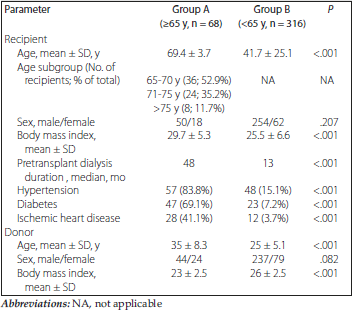
Table 1. Recipient and Donor Demographics

Figure 1. The Cumulative Patient Survival in Both Groups
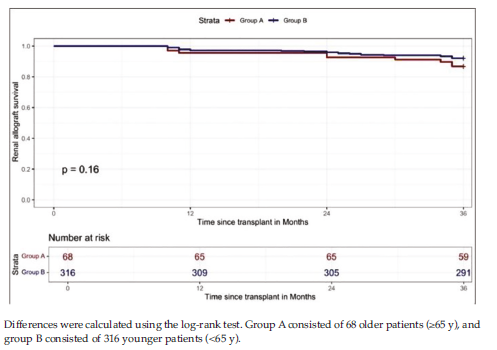
Figure 2. The Cumulative Graft Survival in Both Groups

Table 2. Recipient Outcomes