Volume: 23 Issue: 5 May 2025
FULL TEXT
Objectives: Neurological complications after liver transplant greatly increase patient mortality and morbidity. Our study aimed to assess the prevalence and risk factors associated with neurological complications after liver transplant and to investigate the possibility of creating a predictive model to identify patients more likely to develop these complications.
Materials and Methods: After Institutional Ethics Committee approval, researchers prospectively gathered data on patients who received living donor liver transplant at the Dr. Rela Institute and Medical Centre in Chennai, India, from January 2019 to September 2022. We examined perioperative factors to identify risk factors and evaluated outcomes of interventions in cases involving neurological complications.
Results: Among 569 liver transplant recipients, 42 (7.4%) developed neurological complications. Complications included altered sensorium, convulsions, localized neurological deficits, posterior reversible encephalo-pathy syndrome, and intracranial hemorrhage. Using logistic regression analysis, we identified several independent factors that predicted neurological complications after liver transplant. These factors (odds ratio; 95% CI) were preoperative Model for End-Stage Liver Disease score (1.76; 95% CI, 1.05-2.93), preexisting hepatic encephalopathy (2.49; 95% CI, 1.16-5.33), requirement for vasopressor support for >24 hour from end of surgery (3.08; 95% CI, 1.25-7.58), postoperative sepsis (3.55; 95% CI, 1.51-8.34), early allograft dysfunction (5.37; 95% CI, 2.23-12.93), and duration of intensive care unit stay >6 days (3.55; 95% CI, 1.63-7.75). Utilizing regression coefficients, we created a risk index, named Neurological Compli-cations Post-Liver Transplant score (NC-PoLT). A score ≥4 predicted neurological complications after liver transplant (area under the receiver operating curve of 0.87).
Conclusions: The NC-PoLT scoring index can serve as a tool to identify patients who may be at risk of developing neurological complications after living donor liver transplant. This internally validated metric aids in predicting outcomes and recognizing target groups for preventive strategies. However, an external validation of this score has not yet been conducted.
Key words : Hepatic encephalopathy, Immunosuppression agents, Liver transplant outcomes, Neurotoxicity, Posto-perative complications
Introduction
Liver transplant (LT) is associated with a higher incidence of neurological complications (NC) com-pared with other solid-organ transplants, affecting up to 30% of recipients and greatly affecting post-LT mortality and morbidity.1-3 These complications stem from various factors, including metabolic issues, oxygen deprivation, medications, infections, or organ rejection.4,5
The literature has documented a wide range of NC, including seizures, encephalopathy, posterior rever-sible leukoencephalopathy syndrome (PRES), stroke, meningitis, central pontine myelinolysis (CPM), cerebellar syndromes, headache, neuropsychiatric manifestations, cognitive decline, sleep disturbances, tremors, and peripheral neuropathy. Encephalopathy, typically occurring within 30 days posttransplant, is the most frequent NC after LT.6,7 Posterior reversible leukoencephalopathy syndrome, a clinico-radiolo-gical syndrome characterized by cerebral vasculature dysregulation, results from vasogenic edema, which primarily affects the parieto-occipital regions.8 Encephalopathy can progress from mild alterations in consciousness to delirium and coma. Calcineurin inhibitors (CNIs), used as immunosuppressants after LT, can cause neurotoxicity leading to symptoms such as tremors, headaches, and cerebellar and extrapyramidal features.1 Intracranial hemorrhage (ICH) post-LT, often associated with coagulopathy and acute or chronic hypertension, can have severe consequences. Identifying predictors may help in selecting and exploring preventive treatment options to reduce the risk of post-LT NC. In this study, we analyzed the incidence and risk factors associated with NC in LT recipients.
Materials and Methods
The institutional ethics committee approved this study. Our study included all adult patients (aged >18 years) who underwent living donor liver transplant (LDLT) between January 2019 and September 2022. All LDLT recipients received organ donations from living related donors, and we did not accept living donations from unrelated donors. A prospectively maintained database was used to collect demographic and clinical information. Pediatric LTs, combined liver-kidney transplants, retransplants, acute liver failure cases, and deceased donor LTs were excluded from the analyses.
The information collected included patient age, sex, ethnicity, body mass index, preoperative blood test results (serum sodium, international normalized ratio), etiological factors, Model for End-Stage Liver Disease (MELD) score, comorbidities, preexisting neurological conditions, history of hepatic encepha-lopathy, and admissions to the intensive care unit (ICU) for nontransplant reasons within 1 month before transplant. At our center, ICU admission was determined using the Modified Early Warning Score.9
Collected operative variables included surgery duration, cold and warm ischemia times, blood transfusion, graft-to-recipient weight ratio, reper-fusion syndrome occurrence, blood product trans-fusion details, and vasopressor support requirements. In this study, we defined high blood transfusion as the administration of >6 packed red blood cell units. Reperfusion syndrome was classified according to the definition of Aggarwal and colleagues.10
The primary outcome was the occurrence of NC necessitating intensive care between 7 and 60 days posttransplant. This follow-up period was chosen because postoperative NC most frequently occurs during this time.6,9,11-13 Neurological complications included PRES, ICH, new-onset seizures, unexplained altered sensorium, focal neurological deficits, radicular pain, facial tics, and foot drop. We determined a diagnosis of PRES based on brain magnetic resonance imaging that showed hyperintensities in the occipital and parietal regions, either bilaterally or asym-metrically, in patients with altered conscio-usness.14 In our study, a diagnosis of CPM was made in a patient with any neurological symptom with change of sodium levels of more than 10 mEq/L per day.
We analyzed preoperative, intraoperative, and postoperative events within 7 days of surgery for their association with NC occurring between 7 and 60 days posttransplant. Postoperative events of interest included prolonged mechanical ventilation, early allograft dysfunction (EAD), acute cellular rejection, immunosuppression, perioperative cardiac events, renal replacement therapy, and sepsis. For this study, we defined prolonged mechanical ventilation as the requirement for mechanical ventilation exceeding 96 hours. Sepsis was defined as a systemic inflammatory response with a positive blood culture.15 We determined EAD with the Olthoff criteria.16 We also collected the 90-day mortality rate. This study adhered to the principles of the Declaration of Helsinki (2008) and guidelines for good clinical practice.
Statistical analyses
We summarized categorical variables as frequencies and percentages and continuous variables as medians and interquartile ranges (IQR). We used the X2 test to compare categorical values and the Mann-Whitney U test to compare continuous variables. Binary logistic regression analysis was used to identify independent predictors of NC. Variables yielding P values < .05 in the univariate analysis were chosen for multivariate analysis. In the final multivariable regression model, we deemed variables with P < .05 as independent risk factors. We used regression coefficients from the regression analysis to calculate the scores. We used the receiver operating characteristic (ROC) curve and the area under to evaluate the discriminative performance of the score; an area approaching 1.0 indicated optimal separation of patients with different outcomes. We used the overall model quality in the ROC analysis, which demonstrated the lower bound of the area under the curve (AUC) confidence interval (a value <.5 is no better than random prediction). To account for generalizability errors in the internal validation, we used the bootstrap method and computed and bias-corrected 95% CI results based on 10 000 resamples. We also used the Hosmer-Lemeshow test as another method for internal validation, which reflects a good model if P values were larger. We used MedCalc for Windows version 23.0.2 (MedCalc Software) to obtain the Hosmer-Lemeshow test and ROC curve. We conducted all other statistical analyses with SPSS for Windows version 23 (IBM Corp).
Results
Our analysis included 569 adults who had undergone LDLT. Among this group of adult LDLT recipients, overall occurrence of NC was 7.4% (n = 42 recipients). Of these 42 LDLT recipients with NC, the most frequent manifestation was an unexplained altered mental state, observed in 24 recipients (57%). Other manifestations included new-onset seizures in 8 recipients (19%), PRES in 4 recipients (9%), and ICH in 2 recipients (5%). The remaining 4 recipients (10%) exhibited symptoms such as radicular pain, facial tics, or foot drop (Figure 1).
Compared with LDLT recipients without NC (n = 527), recipients with NC exhibited higher MELD scores (22 [IQR, 17-28] vs 17 [IQR, 12-22]; P < .001] and were more likely to be admitted to the ICU within 60 days before LT (24 recipients [57.1%] vs 157 recipients [29.8%]; P < .001). Recipients with NC (vs recipients without NC) also had a higher occurrence of hepatic encephalopathy before LT (25 [59.5%] vs 193 [36.6%]; P = .005). Factors such as age, sex, body mass index, comorbidities, ethnicity, and etiology were comparable between the groups (Table 1). During the intraoperative period, patients with NC more frequently required ≥2 vasopressor supports than patients without NC (12/42 [28.6%] vs 34/527 [6.5%]; P < .001). Surgery duration, graft-to-recipient weight ratio, cold ischemia time, warm ischemia time, blood transfusion requirements, and incidence of reperfusion syndrome were similar across the groups (Table 2).
Recipients with NC (vs recipients without NC) more often needed extended mechanical ventilation (17/42 [40.5%] vs 30/527 [5.7%]; P < .001), showed increased EAD (17/42 [40.5%] vs 27/527 [5.1%]; P ≤ .001), required vasopressors beyond 24 hours post-LT more frequently (10/42 [23.8%] vs 37/527 [7.0%]; P = .001), and had higher rates of posto-perative continuous renal replacement therapy (9/42 [21.4%] vs 22/527 [4.2%]; P ≤ .001). Recipients with NC also experienced higher sepsis rates (12/42 [28.6%] vs 57/527 [10.8%]), longer ICU stays (11 days [IQR, 8-34 days] vs 6 days [IQR, 5-8 days]; P ≤ .001), extended hospital stays [28 days [IQR, 19-49 days] vs 15 days [IQR, 12-19 days]; P ≤ .001), and increased 30-day mortality rates (6/42 [14.3%] vs 16/527 [3.0%]; P = .003) (Table 3).
Univariate logistic regression analysis revealed that MELD score, preoperative hepatic encepha-lopathy, ICU admission 1 month before LT, need for ≥2 vasopressor support, extended mechanical ventilation, vasopressor support beyond 24 hours post-LT, postoperative immunosuppression, ICU stay duration, and sepsis were significant factors associated with post-LT NC (Table 4). Multivariate analysis identified the following independent predictors of post-LT NC: MELD score (odds ratio [OR] = 1.76; 95% CI, 1.05-2.93), preexisting hepatic encephalopathy (OR = 2.49; 95% CI, 1.16-5.33), requirement for vasopressor support for >24 hours from the end of surgery (OR = 3.08; 95% CI, 1.25-7.58), postoperative sepsis (OR = 3.55; 95% CI, 1.51-8.34), EAD (OR = 5.37; 95% CI, 2.23-12.93), and duration of ICU stay >6 days (OR = 3.55; 95% CI, 1.63-7.75). Using the regression coefficients, we developed a risk index for post-LT NC. The coef-ficients were rounded to the nearest integer and assigned a score. Preoperative MELD score ≥30 and EAD were assigned a score of 2. A score of 1 was assigned to preoperative MELD scores between 20 and 29, preoperative hepatic encephalopathy, vasopressor requirement for >24 hours from the end of surgery, postoperative sepsis, EAD, and ICU stay longer than 6 days (Table 5).
The scores ranged from 0 to 9. Among the study participants, 144 individuals had a score of 0, and none of them exhibited any NC. The frequency of NC increased as the score increased (Figure 2). Patients with a score of 4 demonstrated an NC frequency of 37.8%, those with a score of 5 exhibited an NC frequency of 40%, and scores of 6 or above were associated with a 54.8% NC incidence after LT. This scoring system was designated the Neurological Complications Post-Liver Transplant (NC-PoLT) score. In our study cohort, the NC-PoLT score had an area under the ROC of 0.87 for NC prediction. A score of ≥4 predicted NC with 57% sensitivity and 93% specificity (Figure 3). The overall model quality of the NC-PoLT score for NC prediction was 0.83, representing the lower limit of the confidence interval. Given that a value below 0.5 indicates no improvement over random prediction, the 0.87 value suggests that the NC-PoLT score is a reliable NC predictor.
The bootstrap method yielded an AUC of 0.84 with bias-corrected 95% CI ranging from 0.80 to 0.91, indicating the model’s strong discriminatory capability. A third method to corroborate the effectiveness of the NC-PoLT score is the Hosmer-Lemeshow test, which yielded a P = .69, indicating that the model demonstrated a good fit. The contingency table of the Hosmer-Lemeshow test revealed similar observed and expected counts, further supporting the model’s goodness of fit (Table 6).
Because of the limited sample size, statistical analysis of the individual components of NC was not feasible. However, as shown in (Table 7), PRES was identified in 4 LDLT recipients, with 3 male patients having a mean preoperative MELD score of 26. Eight patients experienced new-onset seizures, 6 of them notably having EAD. The outcome was evenly split, with 4 survivors and 4 fatalities. Unexplained altered sensorium was noted in 24 patients, among whom 17 (70.8%) had a history of preoperative hepatic encephalopathy. In 12 patients with unexplained altered sensorium, switching to alternative CNI showed improvement in 6 patients. In the remaining 12 patients in whom the CNI switch did not occur, 8 (66.6%) demonstrated spontaneous clinical improvement.
Discussion
Recognizing patients who are prone to postoperative neurological issues would provide an opportunity to modify the risk factors and improve prognosis. For patients with unchangeable factors, identifying those at high risk could help to explore alternative measures to reduce NC. We assessed 569 LDLT patients, creating what we believe is the first internally validated predictive model for a large LDLT cohort. Our NC-PoLT model demonstrated strong discrimination with an area under the ROC of 0.87. The model incorporates easily applicable clinical parameters, including preoperative hepatic encephalopathy history, preoperative MELD score, vasopressor requirement for >24 hours from the end of surgery, EAD, sepsis, and ICU stay >6 days. An NC-PoLT score of 4 above predicted post-LT NC with 57% sensitivity and 93% specificity. Early identification of high-risk patients may enable strategies such as CNI modification, sleep-enhancing medications, and extended family visits.17-21
Seizures and headaches are the most commonly observed NCs in the pediatric population.22 Our study conducted on adults identified altered senso-rium as the most prevalent NC, consistent with findings of Derle and colleagues.23 The neurotoxicity associated with immunosuppressants is a recognized cause of NC in both pediatric and adult patients undergoing LT. Although NC linked to immunosup-pression agents is not dose-dependent, the choice of the immunosuppression agent is considered a significant factor. Predictive measures may assist in planning the immunosuppression regimen in advance or facilitate an early switch, if feasible.24 In a study done by Donmez and colleagues involving 50 pediatric patients with NC post-LT, only 4 patients exhibited elevated CNI levels, suggesting an idiosyncratic relationship between CNI and NC. The study further concluded that LT recipients experi-encing seizures should undergo imaging as a matter of urgency, with a preference for magnetic resonance imaging over computed tomography, due to its superior diagnostic capability.25 In such instances, a predictive model such as the NC-PoLT scoring system can provide guidance on the optimal timing for preemptive imaging. In addition, a predictive model can aid in prognosticating outcomes for patient families and in the efficient allocation of resources.
Our study revealed that 7.4% of LDLT recipients (n = 42) experienced postoperative NC. This rate was considerably lower than that reported in other investigations.21,26 This discrepancy might be attributed to the fact that our study included LDLT patients, unlike Balderramo and colleagues.26 In addition, variations in the diagnostic criteria and screening techniques could account for this difference. Patients who developed NC had higher preoperative MELD scores, indicating more severe pre-LT conditions. More patients requiring preo-perative ICU stay for medical reasons in the NC group also reflected the same. A prior history of hepatic encephalopathy was associated with higher postoperative NC in the literature, and our obser-vation supports the same.26 Liver transplant is generally believed to improve cognitive deficits associated with hepatic encephalopathy, and Balder-ramo and colleagues addressed the association between preoperative hepatic encephalopathy and risk of neurotoxicity. This relationship likely stems from the progression of existing functional and morphological damage to astrocytes, blood-brain barrier, and neurotransmitter clearance mechanisms. The use of neurotoxic medications (such as CNI), osmotic shifts during LT, inflammatory mediators released during sepsis, and/or suboptimal graft function may trigger or perpetuate the pathology of hepatic encephalopathy.
Our LDLT recipients with NC exhibited a greater need for vasopressors exceeding 24 hours from the end of surgery, potentially implying the severity of the disease and/or a turbulent intraoperative course. The occurrence of postoperative CPM in LT recipients, as per the literature, is approximately 1%.7,27,28 The planned nature of LDLT, proper optimization of sodium levels to 130 mEq/L, and consistent monitoring have averted unexpected sodium spikes, which might have resulted in no documented CPM cases in our study. The 75th percentile of the sodium change over 48 hours reached 7 and 9 mEq/L in patients with and without NC, respectively.
The observed consequences, such as increased rates of renal replacement therapy and 30-day mortality in patients with higher postoperative NC, may be attributed to risk factors, such as graft dysfunction and sepsis. The association between prolonged ICU stay and NC could be bidirectional. However, it was considered a risk factor in this context because NC typically occurred later in the postoperative period, and most patients experienced an extended ICU stay as the initial event. Despite efforts to provide adequate sunlight exposure in the ICU to support circadian rhythm, ICU stays are known to limit access to natural daylight, potentially contributing to higher NC rates.29 Alternatively, the extended ICU stays observed in this study might have served as a composite indicator of underlying factors, including frailty, infection, suboptimal blood pressure, and kidney injury, which could have led to increased NC. Conversely, delirium is also a well-established risk factor for prolonged ICU stay.30
An additional finding of our study was a higher incidence of NC in patients with sepsis. Sepsis is associated with alterations in normal brain function via 3 mechanisms: neuroinflammation, ischemia, and cellular metabolic stress. Complement system activation affects the blood-brain barrier, and the presence of macro- and microcirculatory dysfunction contributes to ischemia. Autonomic control, arousal, and behavioral responses to stress are particularly susceptible to these pathophysiological changes.31 The liver grafts are intended to mitigate the metabolic and portal hypertension changes that initially manifest. Previous studies have indicated that factors such as preoperative hepatic encepha-lopathy and higher MELD associated with increased postoperative NC may suggest that the changes because of cirrhosis resolve gradually over time.26, 27, 32 Suboptimal liver function resulting from graft dysfunction could lead to insufficient ammonia detoxification and alterations in aromatic acids, potentially predisposing patients to NC, analogous to observations in cirrhotic patients.
We analyzed the maximum tacrolimus concent-rations for 5 consecutive days preceding the onset of NC. The median tacrolimus level over this 5-day period was 7.7 (IQR = 6.2-10.6; 42 × 5 = 210 observations) in patients experiencing NC, which was consistent with our standard postoperative tacrolimus levels. Given the substantial sample size, we did not evaluate tacrolimus levels in patients without NC.
Limitations
A primary limitation of our study was that all NC were aggregated regardless of their location and severity, encompassing a wide spectrum from PRES and ICH to facial tics and foot drop. This broad categorization represents a significant constraint of our study. The low frequency of individual components within NC precluded the statistical analysis of these specific elements. An additional limitation is that, while tacrolimus levels were evaluated in patients experiencing NC prior to the event, similar measurements were not conducted in the unaffected group.
This retrospective study did not employ radiological or other screening protocols for all patients; instead, symptomatic patients were evaluated selectively. Diagnoses of PRES and CPM may have been underreported due to the absence of routine screening, potentially leading to an under-estimation of these conditions in asymptomatic patients. The lack of comprehensive screening, combined with the possibility of overlooking patients in the ward who did not require ICU admission and the potential for patients to seek medical attention at other hospitals post-LT, may have resulted in an underestimation of the frequency of NC in this study. Furthermore, as this was a single-center study, the findings may not be universally applicable to all LT programs owing to variations in protocols. In addition, the application of multivariate analysis using binary logistic regression with 10 variables for an outcome with an incidence of 7.4% may affect the credibility of the statistical tests employed.
Conclusions
The NC-PoLT score is effective in identifying patients who may experience NC after LDLT. This scoring system has undergone internal validation in a substantial cohort of patients. This system offers valuable assistance in predicting outcomes and identifying individuals who could benefit from preventive interventions. However, this score still requires external validation to confirm its broad applicability.
References:
- Senzolo M, Ferronato C, Burra P. Neurologic complications after solid organ transplantation. Transpl Int. 2009;22(3):269-278. doi:10.1111/j.1432-2277.2008.00780.x
CrossRef - PubMed - Leppke S, Leighton T, Zaun D, et al. Scientific Registry of Transplant Recipients: collecting, analyzing, and reporting data on transplantation in the United States. Transplant Rev (Orlando). 2013;27(2):50-56. doi:10.1016/j.trre.2013.01.002
CrossRef - PubMed - Pustavoitau A, Bhardwaj A, Stevens R. Neurological complications of transplantation. J Intensive Care Med. 2011;26(4):209-222. doi:10.1177/0885066610389549
CrossRef - PubMed - Moreno R, Berenguer M. Post-liver transplantation medical complications. Ann Hepatol. 2006;5(2):77-85.
CrossRef - PubMed - Garg RK. Transplantation: neurological complications. MedLink Neurol. 2024. https://www.medlink.com/articles/transplantation-neurologic-complications
CrossRef - PubMed - Kim JM, Jung KH, Lee ST, Chu K, Roh JK. Central nervous system complications after liver transplantation. J Clin Neurosci. 2015;22(8):1355-1359. doi:10.1016/j.jocn.2015.03.006
CrossRef - PubMed - Bronster DJ, Emre S, Boccagni P, Sheiner PA, Schwartz ME, Miller CM. Central nervous system complications in liver transplant recipients--incidence, timing, and long-term follow-up. Clin Transplant. 2000;14(1):1-7. doi:10.1034/j.1399-0012.2000.140101.x
CrossRef - PubMed - Bartynski WS, Boardman JF. Distinct imaging patterns and lesion distribution in posterior reversible encephalopathy syndrome. AJNR Am J Neuroradiol. 2007;28(7):1320-1327. doi:10.3174/ajnr.A0549
CrossRef - PubMed - Subbe CP, Kruger M, Rutherford P, Gemmel L. Validation of a modified Early Warning Score in medical admissions. QJM. 2001;94(10):521-526. doi:10.1093/qjmed/94.10.521
CrossRef - PubMed - Aggarwal S, Kang Y, Freeman JA, Fortunato FL, Pinsky MR. Postreperfusion syndrome: cardiovascular collapse following hepatic reperfusion during liver transplantation. Transplant Proc. 1987;19(4 Suppl 3):54-55.
CrossRef - PubMed - Stracciari A, Guarino M. Neuropsychiatric complications of liver transplantation. Metab Brain Dis. 2001;16(1-2):3-11. doi:10.1023/a:1011698526025
CrossRef - PubMed - Campagna F, Biancardi A, Cillo U, Gatta A, Amodio P. Neurocognitive-neurological complications of liver transplantation: a review. Metab Brain Dis. 2010;25(1):115-124. doi:10.1007/s11011-010-9183-0
CrossRef - PubMed - Saner FH, Gensicke J, Olde Damink SW, et al. Neurologic complications in adult living donor liver transplant patients: an underestimated factor? J Neurol. 2010;257(2):253-258. doi:10.1007/s00415-009-5303-3
CrossRef - PubMed - Fugate JE, Rabinstein AA. Posterior reversible encephalopathy syndrome: clinical and radiological manifestations, pathophysiology, and outstanding questions. Lancet Neurol. 2015;14(9):914-925. doi:10.1016/S1474-4422(15)00111-8
CrossRef - PubMed - Bone RC, Balk RA, Cerra FB, et al. Definitions for sepsis and organ failure and guidelines for the use of innovative therapies in sepsis. The ACCP/SCCM Consensus Conference Committee. American College of Chest Physicians/Society of Critical Care Medicine. Chest. 1992;101(6):1644-1655. doi:10.1378/chest.101.6.1644
CrossRef - PubMed - Olthoff KM, Kulik L, Samstein B, et al. Validation of a current definition of early allograft dysfunction in liver transplant recipients and analysis of risk factors. Liver Transpl. 2010;16(8):943-949. doi:10.1002/lt.22091
CrossRef - PubMed - Chlan L. Effectiveness of a music therapy intervention on relaxation and anxiety for patients receiving ventilatory assistance. Heart Lung. 1998;27(3):169-176. doi:10.1016/s0147-9563(98)90004-8
CrossRef - PubMed - Ghaeli P, Shahhatami F, Mojtahed Zade M, Mohammadi M, Arbabi M. Preventive intervention to prevent delirium in patients hospitalized in intensive care unit. Iran J Psychiatry. 2018;13(2):142-147.
CrossRef - PubMed - Mofredj A, Alaya S, Tassaioust K, Bahloul H, Mrabet A. Music therapy, a review of the potential therapeutic benefits for the critically ill. J Crit Care. 2016;35:195-199. doi:10.1016/j.jcrc.2016.05.021
CrossRef - PubMed - Khan SH, Xu C, Purpura R, et al. Decreasing delirium through music: a randomized pilot trial. Am J Crit Care. 2020;29(2):e31-e38. doi:10.4037/ajcc2020175
CrossRef - PubMed - Van Rompaey B, Elseviers MM, Schuurmans MJ, Shortridge-Baggett LM, Truijen S, Bossaert L. Risk factors for delirium in intensive care patients: a prospective cohort study. Crit Care. 2009;13(3):R77. doi:10.1186/cc7892
CrossRef - PubMed - Erol I, Alehan F, Ozcay F, Canan O, Haberal M. Neurological complications of liver transplantation in pediatric patients: a single center experience. Pediatr Transplant. 2007;11(2):152-159. doi:10.1111/j.1399-3046.2006.00620.x
CrossRef - PubMed - Derle E, Kibaroglu S, Ocal R, et al. Neurologic complications after liver transplant: experience at a single center. Exp Clin Transplant. 2015;13(Suppl 1):327-330. doi:10.6002/ect.mesot2014.p177
CrossRef - PubMed - Derle E, Kibaroglu S, Ocal R, et al. Seizure as a neurologic complication after liver transplant. Exp Clin Transplant. 2015;13(Suppl 1):323-326. doi:10.6002/ect.mesot2014.p176
CrossRef - PubMed - Donmez FY, Guvenc Z, Emiroglu FK, Coskun M, Haberal M. Evaluation of neurological complications in pediatric liver transplant recipients: MRI versus CT. J Child Neurol. 2009;24(6):656-663. doi:10.1177/0883073808329531
CrossRef - PubMed - Balderramo D, Prieto J, Cardenas A, Navasa M. Hepatic encephalopathy and post-transplant hyponatremia predict early calcineurin inhibitor-induced neurotoxicity after liver transplantation. Transpl Int. 2011;24(8):812-819. doi:10.1111/j.1432-2277.2011.01280.x
CrossRef - PubMed - Dhar R, Young GB, Marotta P. Perioperative neurological complications after liver transplantation are best predicted by pre-transplant hepatic encephalopathy. Neurocrit Care. 2008;8(2):253-258. doi:10.1007/s12028-007-9020-4
CrossRef - PubMed - Weiss N, Thabut D. Neurological complications occurring after liver transplantation: role of risk factors, hepatic encephalopathy, and acute (on chronic) brain injury. Liver Transpl. 2019;25(3):469-487. doi:10.1002/lt.25420
CrossRef - PubMed - Abbasoglu O, Goldstein RM, Vodapally MS, et al. Liver transplantation in hyponatremic patients with emphasis on central pontine myelinolysis. Clin Transplant. 1998;12(3):263-269.
CrossRef - PubMed - Lewis MB, Howdle PD. Neurologic complications of liver transplantation in adults. Neurology. 2003;61(9):1174-1178. doi:10.1212/01.wnl.0000089487.42870.c6
CrossRef - PubMed - Mazeraud A, Righy C, Bouchereau E, Benghanem S, Bozza FA, Sharshar T. Septic-associated encephalopathy: a comprehensive review. Neurotherapeutics. 2020;17(2):392-403. doi:10.1007/s13311-020-00862-1
CrossRef - PubMed - Garcia-Martinez R, Rovira A, Alonso J, et al. Hepatic encephalopathy is associated with posttransplant cognitive function and brain volume. Liver Transpl. 2011;17(1):38-46. doi:10.1002/lt.22197
CrossRef - PubMed

Volume : 23
Issue : 5
Pages : 362 - 370
DOI : 10.6002/ect.2025.0062
From the 1Department of Organ Transplant Anaesthesia and Critical Care, Velammal Medical College Hospital & Research Institute, Madurai, India; the 2Department of Liver Anaesthesia and Critical Care, The Institute of Liver Disease and Transplantation, Dr. Rela Institute & Medical Centre, Bharath Institute of Higher Education & Research, Chennai, India; and the 3Department of Hepato-Pancreato-Biliary Surgery and Liver Transplantation, The Institute of Liver Disease and Transplantation, Dr. Rela Institute & Medical Centre, Bharath Institute of Higher Education & Research, Chennai, India
Acknowledgements: The authors have not received any funding or grants in support of the presented research or for the preparation of this work and have no declarations of potential conflicts of interest.
Corresponding author: John S. Christian, Department of Organ Transplant Anaesthesia and Critical Care, Velammal Medical College Hospital & Research Institute, Madurai 625 009, India
Phone: +91 9944911771
E-mail: johnchris.sam@gmail.com
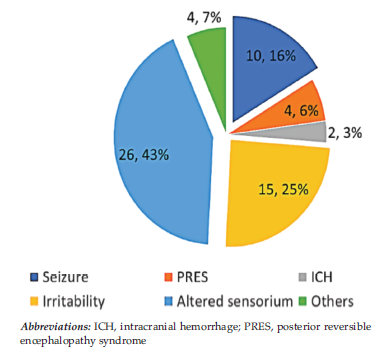
Figure 1.Distribution of Various Neurological Complications After Liver Transplant in Our Cohort
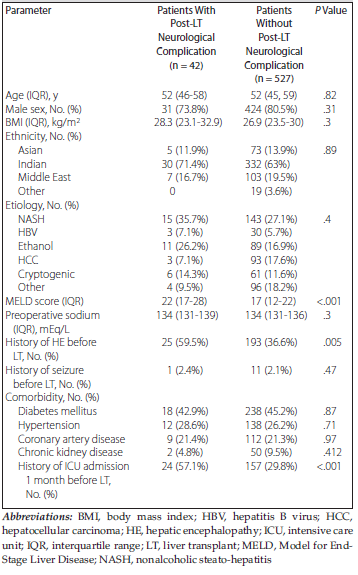
Table 1.Comparison of Preoperative Variables
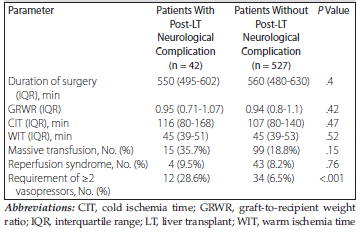
Table 2.Intraoperative Variables Across the Groups
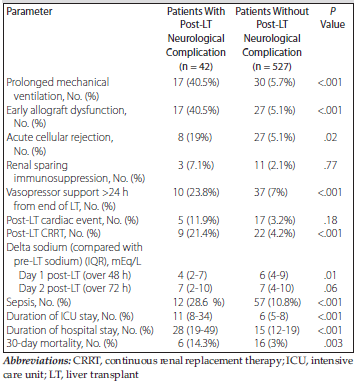
Table 3.Postoperative Variables Across the Groups
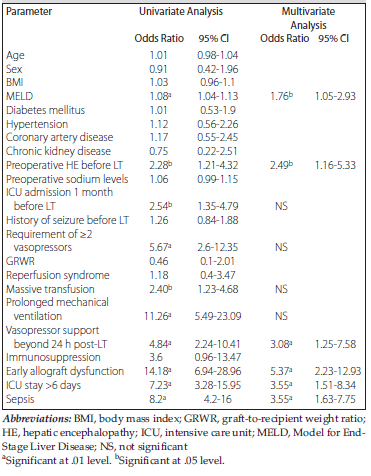
Table 4.Binary Regression Analysis for Postoperative Neurological Complications
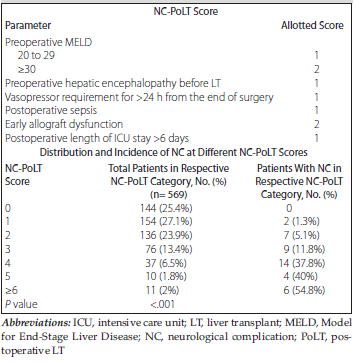
Table 5.Scoring System and Distribution of Scores in the Study Population
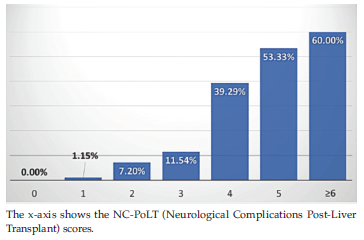
Figure 2.Incidence of Neurological Complications After Liver Transplant in Our Cohort
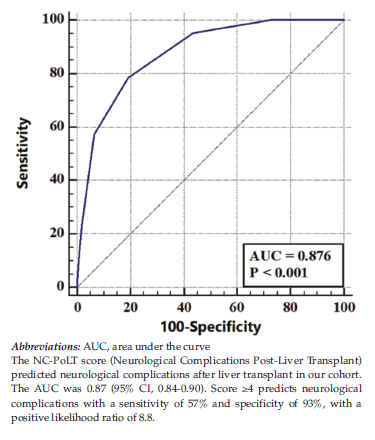
Figure 3.Receiver Operating Characteristic Curve of the NC-PoLT Score for Our Cohort
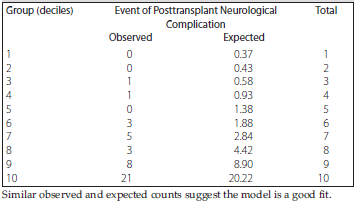
Table 6.Contingency Table for Hosmer-Lemeshow Test for Outcome of Posttransplant Neurological Complication
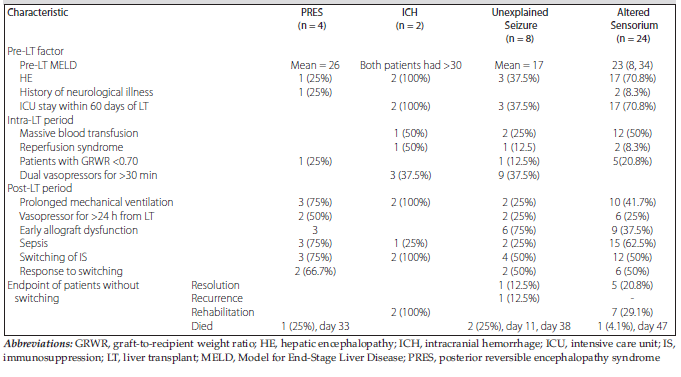
Table 7.Characteristics of Neurological Complications in Our Study Group