Volume: 23 Issue: 5 May 2025
FULL TEXT
Objectives: Portal vein stenosis occasionally occurs as a postoperative complication of a living donor liver transplant. Portal vein stenosis decreases the portal venous blood supply to the liver graft and increases extrahepatic portal venous pressure, which may lead to liver dysfunction, splenomegaly, gastrointestinal bleeding, cytopenia, and ascites.
Materials and Methods: From November 2021 to February 2024, we treated 6 patients at our center who presented with clinical features of bilirubinemia and signs of portal hypertension (cytopenia, ascites) that occurred in the long-term after liver transplant. In all cases, portal vein stenosis was diagnosed by ultrasonography and contrast-enhanced computed tomography. The results of endovascular interventions on the portal vein were assessed.
Results: All patients were treated with percutaneous transhepatic correction of portal vein stenosis with balloon venoplasty. In all cases, an ultrasonography-guided percutaneous approach to the portal vein was performed. Balloon venoplasty was performed in all cases, and no stents were used. No postoperative complications occurred. Signs of portal hypertension and graft dysfunction regressed after an average of 1 month of observation. There were no recurrences during 15 months of follow-up.
Conclusions: Our case series highlighted the importance of considering portal vein stenosis in the differential diagnosis of late-onset portal hypertension or liver graft dysfunction symptoms following liver transplant. The optimal treatment method is endovascular intervention.
Key words : Endovascular intervention, Living donor liver transplantation, Portal hypertension
Introduction
Vascular complications following liver transplant are rare but could lead to graft failure and poor recipient outcomes. Complications that involve the portal vein are less common than hepatic artery complications. Portal vein stenosis (PVS) is an infrequent comp-lication following liver transplant.1 Most of these complications are seen in living donor liver transplants and pediatric liver transplants.2,3 According to the literature, PVS occurs in about 5% of all liver transplants. Portal vein stenosis typically manifests in the location of a portal vein anastomosis, with its proximity to the portal bifurcation being determined by the length of the portal vein stump of the graft (the distance separating the surgical anastomosis and the bifurcation of the graft portal vein). If the graft stump is of a small length that can be considered insignificant, then it is highly probable for stenosis to develop precisely at the bifurcation point of the portal vein.4
Uzbekistan is a developing country in Central Asia. Presently, liver transplant is performed regularly at a single institution in the country.5 The pool of patients with viral cirrhosis is large, so patients often seek liver transplant in other countries (eg, India, Turkey, Russia). Over the past 2 years, we have treated 6 patients who underwent right-lobe living donor liver transplant, with late-onset graft dysfunction and manifestations of portal hypertension. All of these patients were diagnosed with PVS. Our aim was to evaluate the results of treatment of patients with portal hypertension and liver graft dysfunction that occurred in the long-term after living donor liver transplant against the background of PVS.
Materials and Methods
The study was approved by the local ethics com-mittee. The patients provided written informed consent to allow the use of medical data for scientific research while ensuring the anonymity of the patients.
Our center is the single center in the Republic of Uzbekistan where liver transplants are presently performed on a regular basis for citizens of our country. However, the center’s resources are not sufficient to meet the needs of our country. Given this low capacity, citizens may choose to seek transplant care in other countries. All of these patients undergo postoperative observation in our center.
From February 2018 to February 2024, there were 81 living donor liver transplants performed at our center. According to the laws of the Republic of Uzbekistan, only an adult relative of the patient may serve as a donor.6 Consequently, our center has exclusively performed living related liver transplant. The degree of relationship between the donors and the recipients was distributed as follows: 20 brothers, 15 sons, 14 sisters, 12 cousins, 7 fathers, 4 nephews, and 3 aunts. Also, according to the laws of the Republic of Uzbekistan, spouses are allowed to be considered as organ donors, provided that the marriage with the recipient spans more than 3 years. In our work, there were 6 spouses approved as donors.
Among these 81 recipients, 2 (2.5%) developed late-onset clinically significant PVS after transplant. Also, during this period, we treated 4 additional patients who had undergone living donor liver transplant in other countries with similar diagnosis. Thus, a total of 6 patients were observed. Among these patients, the relationship distribution of liver donors was as follows: the donors were the recipients’ brothers in 2 cases, the sister in 1 case, the father in 1 case, the cousin in 1 case, and the son in 1 case. Patient data and treatment outcomes were retrospectively analyzed. This study was approved by the local ethics committee.
Results
There were 4 male and 2 female patients admitted to our center after liver transplant with signs of portal hypertension as well as varying degrees of liver graft dysfunction. Median age was 35.5 years (range, 17-44 years). Median time after living donor liver transplant was 11 months (range, 6-14 mo). Two of these patients underwent liver transplant in our center to treat viral hepatitis B. In both patients, the immunosuppression protocol was standard for our hospital, ie, we use a 2-component regimen of tacrolimus and methylprednisolone. Methylpred-nisolone was canceled after 3 months. In 1 case, the postoperative period was uneventful, so the patient was discharged 21 days after surgery with good graft function. Ultrasonography characteristics of blood flow were normal. At 6 months after transplant surgery, the patient developed an episode of T-cell rejection. This episode was treated with pulse therapy (methylprednisolone 20 mg/kg body wt), and the immunosuppression protocol was also corrected, ie, mycophenolic acid was added. The second patient, whose surgery was performed at our center, developed bile leakage in the early stages after transplant, which was treated without additional interventions. The patient was discharged on postoperative day 30; ultrasonography charac-teristics of blood flow in the graft were also within reference ranges.
The remaining 4 patients underwent liver transplant in other countries; 2 received transplants in India and 1 in Turkey. In 3 cases the cause of liver failure was viral hepatitis B, and in 1 case the cause was Wilson disease. According to the medical records, all the patients were discharged after transplant and had no complications, except for 1 patient who developed a biliary stricture on posttransplant day 7 and required reoperation for a biliodigestive anastomosis.
The clinical presentation differed among patients; in 4 of 6 patients, the main complaint was jaundice and itching. The complaint in the other 2 patients was abdominal swelling (Table 1).
According to the internal protocol of our center, all patients were examined via blood tests and ultrasonography. Signs of liver graft dysfunction were thus diagnosed in 3 (50%) patients. At the same time, ultrasonography criteria for PVS2,7,8 were found in these patients: the ratio of the diameters of the portal vein before narrowing and after narrowing was ≥50%; the blood flow velocity after the site of narrowing was greater than the blood flow velocity before the site of narrowing by a factor >3:1.
If both criteria were present, then computed tomography (CT) with contrast enhancement was indicated for additional examination and confirmation of the diagnosis of PVS. Thus, all patients underwent contrast-enhanced CT (CECT), and PVS was revealed in all cases (Figure 1).
We considered the presence of an established stenosis of the portal vein and the substantial time that has passed since liver transplant, with acknowledgment that the traditional method of re-anastomosis is known to be associated with consi-derable surgical risks. Moreover, based on the global expertise to address such complexities through interventional means, we decided to perform percutaneous-transhepatic angioplasty in all cases.
Percutaneous balloon dilation was technically successful in all 6 patients. No stents were used. The surgery technique has been described previously.7 During retrograde portography, portal vein pressure gradient (PVPG) measurement was performed. The median PVPG was 19.5 mm Hg (range, 18-24 mm Hg) (Table 1). In 1 case, 4 balloons were required (6 mm, 12 mm, 16 mm, and 20 mm) of different diameters and stiffness to resolve the stenosis because the anastomosis site had a very dense connective tissue bridge. In 2 cases, 3 balloons were used (8 mm, 12 mm, and 16 mm). In the remaining 3 cases, 2 balloons were used for initial and final plasty (8 mm and 16 mm). Postprocedure portal venography demonstrated marked improvement in the appearance of the stenosis with a decrease in the gradient across the lesion to 3 mm Hg (Figure 2).
The procedural approach in our study was standardized with respect to sheath sizes and the methodology for sheath removal to mitigate potential hemorrhagic complications. In all cases, we chose either 6-French (F) or 7F sheaths for introduction, depending on anatomical considerations and procedural requirements. Notably, in the patient who required a 20-mm balloon, an initial 7F sheath was used; however, due to the technical demands of the intervention, the 7F sheath was subsequently replaced with an 8-French sheath to accommodate the balloon’s larger diameter.
The sheath and balloon removal process followed a standard protocol across all patients, except the aforementioned case (the patient who required a 20-mm balloon), in which the balloon could not be detached separately and was thus extracted together with the sheath. Importantly, no postprocedural bleeding events were observed in any patient. Hemorrhagic complications were proactively prevented through the application of manual com-pression at the puncture site for 30 minutes, augmented by cooling the area of the puncture site. In addition, a structured ultrasonography surveillance protocol was implemented, which involved imaging assessments immediately after the procedure, as well as at 6 hours and 24 hours, to monitor for potential bleeding or hematoma formation. Hemostatic agents were not administered; instead, prophylactic antipla-telet therapy with acetylsalicylic acid was initiated to reduce the risk of vascular complications on postoperative day 2. No surgical or procedural complications were encountered in any of the cases, further supporting the safety and efficacy of the adopted technique.
In the postoperative period, all patients received antiplatelet therapy for 6 months. Patients also received immunosuppression therapy. Patients were discharged on average within 5 days (range, 4-7 days) after the procedure (Table 1) with unimpeded vascular flow according to Doppler ultrasonography. For the first 3 months after balloon surgery, patients returned to the center for outpatient follow-ups every month. They underwent blood tests and ultrasonography monitoring. In patients with portal hypertension, the clinical manifestations, including thrombocytopenia, regressed within a month (Table 1). In patients with signs of liver graft dysfunction (alanine transaminase and aspartate transaminase levels, bilirubinemia), changes in blood tests regressed within 2 months. During the follow-up, 1 patient died due to chronic graft rejection (noncompliance). Other patients remain alive with good liver graft function.
Discussion
Portal vein stenosis is an uncommon complication after liver transplant. In adult patients, PVS often occurs after living donor liver transplant procedures. When PVS is encountered in the posttransplant setting, it is usually diagnosed in the first few months after liver transplant. For PVS, the clinical presentation includes signs of portal hypertension syndrome and/or signs of graft dysfunction.2 In practice, most patients with PVS do not report any complaints, and the diagnosis of stenosis is an incidental finding detected during routine screening by ultrasonography.1,2 If patients develop any symptoms, such events typically correspond to portal hypertension syndrome. These patients may develop gastrointestinal bleeding, ascites, splenomegaly, and cytopenia. In such cases, the laboratory results in the biochemical panel are inconsistent and, therefore, are not specifically relevant for the diagnosis of PVS.
In our situation, we observed 6 patients from dif-ferent hospitals with late-onset PVS who presented with portal hypertension syndrome and signs of liver graft dysfunction including jaundice and elevated levels of alanine transaminase and aspartate transaminase. Portal hypertension and liver graft dysfunction are common complications in the context of PVS and contribute to substantial morbidity, such as liver graft failure, which in turn can necessitate retransplant. These complications highlight the crucial significance for the medical team to maintain awareness of patients to facilitate prompt action when necessary to treat PVS. It is essential for the medical team to continuously monitor for any potential developments and promptly intervene to ensure optimal care and thereby improve patient outcomes.9,10
The delayed manifestations of PVS remain inadequately described. Challenges in Doppler ultrasonography may hinder the identification of stenoses. The absence of well-defined standards for Doppler ultrasonography may result in discre-pancies in detection across different medical centers. Conversely, specific criteria for size and flow velocity ratios have been defined for the Doppler ultrasonography assessment of PVS.9 Although refinements in Doppler ultrasonography criteria for PVS may enhance detection, the accurate diagnosis of PVS relies on the elements of symptomatic presentation that trigger assessment. Development of PVS in some patients may remain undiscovered until symptoms reach a severe stage, resulting in delayed diagnosis and potential graft loss.
Doppler ultrasonography has a high sensitivity and specificity11 and is the primary method for diagnosis of vascular complications after liver transplant, including portal vein complications. An alternative informative approach involves CECT, which allows the determination of both the severity and extent of PVS.2,12 Also, CECT can confirm a diagnosis that was suspected by ultrasonography examination. Treatment options for portal hypertension resulting from PVS include both palliative treatment and radical interventions. Palliative strategies may entail shunt operations on the portal vein system. However, a drawback of the shunt method is the reduction of portal vein system blood flow, which can lead to vascular obstruction and restenosis, as well as encephalopathy as a com-mon bypass surgery complication. However, radical approaches involve restoration of portal vein blood flow by reconstruction with artificial materials or autografts and endovascular approach. Surgical reconstruction of the portal vein presents challenges such as the necessity for multiple traumatic interventions near the afferent vessels of the graft, near the bile ducts and anastomoses. Access to the portal vein anastomosis may be hindered due to severe adhesions. Also, there is the risk of restenosis. Thus, the risks of such surgeries may compromise the outcome of such interventions.13,14 Previously published studies have suggested a preference for endovascular correction techniques. Endovascular angioplasty, such as percutaneous transhepatic balloon angioplasty or angioplasty including stenting of the portal vein, is recognized as a highly efficient and minimally invasive approach for treatment of portal vein complications including PVS.12,15
In most patients, PVS is initially diagnosed by Doppler ultrasonography examination, CECT, or magnetic resonance angiography.2 In our series, we used ultrasonography criteria for PVS detection followed by CECT for confirmation of the PVS diagnosis.16 Therapeutic intervention was achieved with invasive percutaneous retrograde portography; with this approach, the trans-stenotic PVPG can be measured. Previous reports have indicated that gradients of 5 mm Hg are considered significant.17 In our series, all patients developed significantly high PVPG (≥18 mm Hg).
The treatment of choice for PVS correction is the use of percutaneous transhepatic methods of portal blood flow correction.7,17-20 Zeydanli and colleagues reported on the success of both balloon angioplasty paired with portal vein stenting, followed by antiplatelet therapy.20 A disadvantage of stenting methods is the possibility of stent thrombosis, which may subsequently lead to the need for retransplant. However, when stenting methods are used in conjunction with anticoagulants/antiplatelet agents, the risk of stent thrombosis can be significantly reduced.1,2,19 Percutaneous interventions may also pose a risk of complications, such as bleeding due to injury to liver vessels, as well as hemobilia due to duct injury.2,21
Compared with our results, Schneider and colleagues1 described 2 patients with late-onset PVS manifestations who presented with ascites and esophageal variceal bleeding. However, in that study, 1 patient required placement of a stent in the portal vein following balloon angioplasty due to throm-bosis. In our series, stent placement was not required in any case.
Shibata and colleagues13 reported on 45 diagno-sed cases of PVS discovered at various times after liver transplant. Most of these cases (71%) involved infants originally diagnosed with biliary atresia. Balloon angioplasty was successful in 35 patients. In that study, the authors also assessed the portal vein pressure gradient to evaluate the effectiveness of the balloon angioplasty procedure. Among patients who underwent balloon plasty, short-term recurrent PVS was revealed in 3 patients. The authors of that study noted the use of single balloon dilation, whereas in our study we applied balloons of varying diameters. During the observation period, recurrent stenosis developed in 10 patients after angioplasty. Repeated angioplasty was performed in 7 of these patients. Two patients required shunting surgery, and 1 patient received simple conservative therapy due to graft function being satisfactory. These types of outcomes may be attributed to the high number of infant patients included in the study, as most patients with recurrent stenosis were children. In our study, no late recurrent stenosis was observed, and all of our patients were older than 16 years.
Ko and colleagues21 and Monakhov and colleagues15 have described cases of endovascular correction of PVS for which stenting was performed as the primary procedure. Ko and colleagues have described cases of early-onset PVS,21 whereas all patients in our series presented with late-onset PVS manifestations. Monakhov and colleagues15 have described transmesenteric access to the portal vein for balloon angioplasty with the use of mini-laparotomy. We believe that primary use of stents or invasive techniques, including mini-laparotomy, should only be considered only after exhaustive attempts with balloon angioplasty have failed, as these procedures (ie, stents or other invasive techniques) carry greater surgical risk and a greater risk of subsequent portal vein thrombosis.2
Stent placement is an alternative approach for treatment of PVS after liver transplant.22 However, stent placement is associated with certain drawbacks, including the risk of in-stent thrombosis, restenosis, and long-term dependency on anticoagulation therapy. In addition, stents may pose challenges for future interventions if restenosis occurs. In contrast, balloon angioplasty without stent placement offers the advantage to preserve vascular integrity while effectively relieving stenosis, to reduce the likelihood of thrombosis, and to eliminate the need for permanent intravascular implants. Thereby, balloon angioplasty minimizes the risk of long-term comp-lications while maintaining favorable outcomes in portal vein patency. In our cohort, we intentionally opted against stent placement, to minimize the risks associated with stents and to ensure a safer and more sustainable long-term outcome.
Minimally invasive techniques for the treatment of PVS after liver transplant are also applied in pediatric practice.23 For example, in a previously published study, Karakayali and colleagues descri-bed their use of transhepatic balloon dilation to effectively manage late-onset PVS in pediatric liver transplant recipients, which significantly reduced the pressure gradient without complications, thereby ensuring sustained portal venous patency and preventing recurrence over a mean follow-up period of 43 months.24
Novel technologies are also being introduced to assess blood flow during correction of PVS. For example, in 2020, Hyodo and colleagues reported on 4-dimensional magnetic resonance imaging to evaluate the blood flow characteristics through the portal vein following successful PVS angioplasty using stents.25
We considered the context in which individuals diagnosed with late-onset PVS after liver transplant would be at risk of bleeding as a consequence of manifestations related to portal hypertension and thrombocytopenia, along with the presence of a significant adhesive process within the abdominal cavity, and we suggest that minimally invasive techniques remain the best method for treatment of such patients. As a result, the percutaneous approach holds a notable advantage above a minimally invasive surgical method, ie, cannulation of a branch of the superior mesenteric or inferior mesenteric veins to facilitate portography.15
We have described the first reported experience in Uzbekistan on the endovascular management of late-onset PVS after living donor liver transplant. Although our findings confirm the feasibility and safety of percutaneous balloon angioplasty without stent placement, the limited sample size underscores the need for further data collection. We continue to monitor our patients. and we plan to expand our study to include additional cases in the future. Further research will focus on refinement of treatment protocols, assessment of long-term outcomes, and exploration of advanced imaging techniques to enhance the detection and management of vascular complications after transplant.
Conclusions
Portal vein stenosis is a relatively rare venous complication after liver transplant. Ultrasonography is an important diagnostic tool to assist the clinician, as most asymptomatic cases may progress until PVS is clinically manifested by signs of portal hyper-tension, which in turn could negatively affect the prognosis of graft survival and ultimately patient survival. Percutaneous intervention has been shown to be the preferred treatment modality with a high success rate and low recurrence and/or complication rates. Our findings suggest that percutaneous balloon angioplasty without stent placement is a safe and effective treatment option, potentially reducing the risks associated with stents, such as thrombosis and restenosis. However, further studies with larger cohorts and long-term follow-up are needed to confirm the superiority of this approach and establish optimal management strategies for PVS in liver transplant recipients.
References:
- Schneider N, Scanga A, Stokes L, Perri R. Portal vein stenosis: a rare yet clinically important cause of delayed-onset ascites after adult deceased donor liver transplantation: two case reports. Transplant Proc. 2011;43(10):3829-3834. doi:10.1016/j.transproceed.2011.09.068
CrossRef - PubMed - Semash KO, Dzhanbekov TA, Akbarov MM. Vascular complications after liver transplantation: contemporary approaches to detection and treatment. A literature review. Russ J Transplantol Artif Org. 2023;25(4):46-72. doi:10.15825/1995-1191-2023-4-46-72
CrossRef - PubMed - Alfares BA, Bokkers RP, Verkade HJ, et al. Portal vein obstruction after pediatric liver transplantation: a systematic review of current treatment strategies. Transplant Rev (Orlando). 2021;35(4):100630. doi:10.1016/j.trre.2021.100630
CrossRef - PubMed - Saad WE. Portal interventions in liver transplant recipients. Semin Intervent Radiol. 2012;29(2):99-104. doi:10.1055/s-0032-1312570
CrossRef - PubMed - Semash K, Dzhanbekov T, Akbarov M, et al. Implementation of living donor liver transplantation program in the Republic of Uzbekistan: report of first 40 cases. Clin Transplant Res. 2024;38(2):116-127. doi:10.4285/ctr.24.0013
CrossRef - PubMed - Semash K. Evaluation and management of living donors in the setting of living donor liver transplant program in the Republic of Uzbekistan. Exp Clin Transplant. 2024;22(9):664-674. doi:10.6002/ect.2024.0148
CrossRef - PubMed - Semash K, Djanbekov T, Akbarov M, Usmonov A, Shermatov M, Gaybullaev T. Interventional correction of extrahepatic portal hypertension in patient after liver transplant. The first case report in Uzbekistan. Cent Asian J Med. 2023;1:87-96. https://journals.tma.uz/index.php/cajm/article/view/556
CrossRef - PubMed - Huang TL, Cheng YF, Chen TY, et al. Doppler ultrasound evaluation of postoperative portal vein stenosis in adult living donor liver transplantation. Transplant Proc. 2010:42(3)879-881. doi:10.1016/j.transproceed.2010.02.036
CrossRef - PubMed - Shiba H, Sadaoka S, Wakiyama S, et al. Successful treatment by balloon angioplasty under portography for late-onset stenosis of portal vein after cadaveric liver transplantation. Int Surg. 2013;98(4):466-468. doi:10.9738/INTSURG-D-12-00031.1
CrossRef - PubMed - Glockner JF, Forauer AR. Vascular or ischemic complications after liver transplantation. AJR Am J Roentgenol. 1999;173(4):1055-1059. doi:10.2214/ajr.173.4.10511177
CrossRef - PubMed - Mullan CP, Siewert B, Kane RA, Sheiman RG. Can Doppler sonography discern between hemodynamically significant and insignificant portal vein stenosis after adult liver transplantation? AJR Am J Roentgenol. 2010;195(4):1438-1443. doi:10.2214/AJR.10.4636
CrossRef - PubMed - Gautier SV, Voskanov MA, Monakhov AR, Semash KO. The role of endovascular and endobiliary methods in the treatment of post-liver transplant complications. Russ J Transplantol Artif Org. 2020:140-148. doi:10.15825/1995-1191-2020-4-140-148
CrossRef - PubMed - Shibata T, Itoh K, Kubo T, et al. Percutaneous transhepatic balloon dilation of portal venous stenosis in patients with living donor liver transplantation. Radiology. 2005;235(3):1078-1083. doi:10.1148/radiol.2353040489
CrossRef - PubMed - Carnevale FC, Machado AT, Moreira AM, et al. Midterm and long-term results of percutaneous endovascular treatment of venous outflow obstruction after pediatric liver transplantation. J Vasc Interv Radiol. 2008;19(10):1439-1448. doi:10.1016/j.jvir.2008.06.012
CrossRef - PubMed - Monakhov AR, Mironkov BL, Dzhanbekov TA, Semash KO, Khizroev KM, Gautier SV. Correction of extrahepatic portal hypertension in pediatric patient after liver transplantation. Russ J Transplantol Artif Org. 2017;19(1):47-51. doi:10.15825/1995-1191-2017-1-47-51
CrossRef - PubMed - Ma L, Lu Q, Luo Y. Vascular complications after adult living donor liver transplantation: Evaluation with ultrasonography. World J Gastroenterol. 2016;22(4):1617-1626. doi:10.3748/wjg.v22.i4.1617
CrossRef - PubMed - Cheng YF, Ou HY, Tsang LL, et al. Vascular stents in the management of portal venous complications in living donor liver transplantation. Am J Transplant. 2010;10(5):1276-1283. doi:10.1111/j.1600-6143.2010.03076.x
CrossRef - PubMed - Azzam AZ, Tanaka K. Management of vascular complications after living donor liver transplantation. Hepatogastroenterology. 2012;59(113):182-186. doi:10.5754/hge10453
CrossRef - PubMed - Wei BJ, Zhai RY, Wang JF, Dai DK, Yu P. Percutaneous portal venoplasty and stenting for anastomotic stenosis after liver transplantation. World J Gastroenterol. 2009;15(15):1880-1885. doi:10.3748/wjg.15.1880
CrossRef - PubMed - Zeydanli T, Ozen O, Kesim C, Boyvat F, Karakaya E, Haberal M. Interventional management of portal vein stenosis after liver transplant: single center experience. Exp Clin Transplant. 2024;22(Suppl 1):83-87. doi:10.6002/ect.MESOT2023.O9
CrossRef - PubMed - Ko GY, Sung KB, Yoon HK, Lee S. Early posttransplantation portal vein stenosis following living donor liver transplantation: percutaneous transhepatic primary stent placement. Liver Transpl. 2007;13(4):530-536. doi:10.1002/lt.21068
CrossRef - PubMed - Igus B, Boyvat F, Ozen O, et al. Role of interventional radiology in the management of early vascular complications after liver transplant. Exp Clin Transplant. 2022;20(12):1085-1093. doi:10.6002/ect.2022.0244
CrossRef - PubMed - Karakaya E, Akdur A, Ayvazoğlu, et al. Vascular complications in pediatric liver transplants and their management. Exp Clin Transplant. 2022;20(Suppl 3):72-75. doi:10.6002/ect.PediatricSymp2022.O23
CrossRef - PubMed - Karakayali H, Sevmis S, Boyvat F, et al. Diagnosis and treatment of late-onset portal vein stenosis after pediatric living-donor liver transplantation. Transplant Proc. 2011;43(2):601-604. doi:10.1016/j.transproceed.2011.01.010
CrossRef - PubMed - Hyodo R, Takehara Y, Mizuno T, Ichikawa K, Ogura Y, Naganawa S. Portal vein stenosis following liver transplantation hemodynamically assessed with 4D-flow MRI before and after portal vein stenting. Magn Reson Med Sci. 2021;20(3):231-235. doi:10.2463/mrms.ici.2020-0057
CrossRef - PubMed

Volume : 23
Issue : 5
Pages : 347 - 353
DOI : 10.6002/ect.2025.0027
From the 1National Children’s Medical Center; and the 2V. Vakhidov Republican Specialized Scientific and Practical Medical Center of Surgery, Tashkent, Uzbekistan
Acknowledgements: The authors have not received any funding or grants in support of the presented research or for the preparation of this work and have no declarations of potential conflicts of interest.
Corresponding author: Konstantin Semash, National Children’s Medical Center, Parkent street 294, Yashnabad district, Tashkent, Uzbekistan
E-mail: doctorsemash@gmail.com
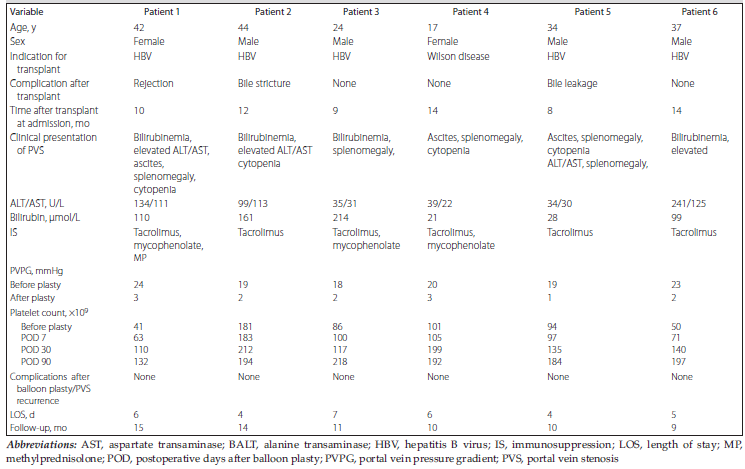
Table 1.Liver Transplant Patient Characteristics
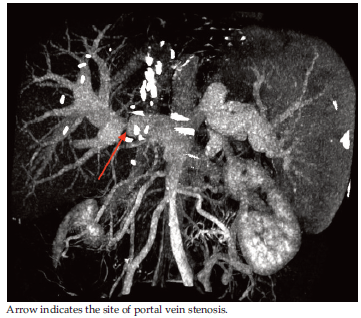
Figure 1.Three-Dimensional Multidetector Helical Computed Tomography
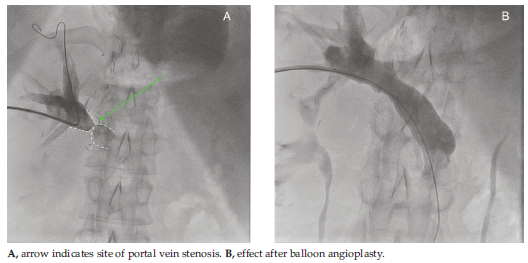
Figure 2.Percutaneous Transhepatic Portography