Volume: 23 Issue: 5 May 2025
FULL TEXT
Objectives: Pneumocystis jirovecii pneumonia, a common pulmonary infection after kidney transplant, cannot be detected by conventional culture methods, and limitations have been shown with lung tissue biopsy, sputum collection, and sample smear staining. Early diagnosis is key as long-term survival is decreased in patients with Pneumocystis jirovecii pneumonia who are not treated in a timely and effective manner.
Materials and Methods: From January 2018 to January 2023, our study enrolled 110 patients with pulmonary infection seen at the First Affiliated Hospital of Xi'an Jiaotong University (China). Of these patients, 46 had confirmed Pneumocystis jirovecii pneumonia per metagenomic next-generation sequencing or conven-tional detection methods. We compared percentages of positive tests, other pathogen species, and other factors between the 2 test methods. Clinical charac-teristics of patients with (n = 46) and without (n = 64) Pneumocystis jirovecii were analyzed retrospectively.
Results: Overall incidence of PJP was 2.3% (46/1977). Among 46 patients diagnosed with Pneumocystis jirovecii pneumonia, average time of onset post-transplant was 7.21 ± 2.55 months; 42 patients were cured, and 4 patients died. Thirty-three patients had mixed pulmonary infections, with Pneumocystis jirovecii and human cytomegalovirus being the most common pathogen combination, and 13 patients had monotypic pulmonary infections. Sixteen patients were Pneumocystis jirovecii positive according to conventional pathogen detection, for a detection
rate of 34.8% (16/46), with significant difference
shown between detection methods (χ2 = 92.0, P < .01). Patients who were treated with tacrolimus had insufficient use of sulfamethoxazole-trimethoprim and previous cytomegalovirus infection, and patients with acute rejection were more likely to develop Pneumocystis jirovecii pneumonia (P < .05).
Conclusions: Metagenomic next-generation sequen-cing showed more advantages in early diagnosis of Pneumocystis jirovecii pneumonia. Precision medicine can be adopted to reduce costs and improve cure rates based on results of metagenomic next-generation sequencing.
Key words : Conventional detection method, Pathogen, Pulmonary infection, Renal transplantation
Introduction
Kidney transplant recipients are immunocompro-mised as a result of long-term immunosuppression and are prone to infectious diseases, especially pulmonary infections, which are among the most common causes of death in kidney transplant recipients.1-3 Pneumocystis jirovecii pneumonia (PJP) is common in organ transplant recipients and AIDS patients.4 Incidence is high at 3 to 6 months after kidney transplant, and characteristics are insidious onset, various manifestations, rapid progression, and difficultly in quick and accurate identification.5 In the past, there has been a lack of specific and efficient diagnosis, delayed treatment, and mortality as high as 90% to 100%, which seriously endangered lives of patients.6 Therefore, early diagnosis of PJP is key for successful treatment.
Metagenomic next-generation sequencing (mNGS) has been used in medical research and clinical diagnosis, such as for the diagnosis of infection types, determination of resistance genes, and prevention and control of infectious diseases.7 This method can rapidly, efficiently, and accurately obtain entire pathogen genomic information by high-throughput sequencing of DNA or RNA in patient samples.8,9 In our study, the clinical data of 46 kidney transplant recipients with PJP were retrospectively analyzed to investigate the clinical value of mNGS for the early diagnosis of PJP and to provide a reference for diagnosis and treatment.
Materials and Methods
Ethics statement
Our study was approved by the Ethics Committee of the First Affiliated Hospital of Xi’an Jiaotong University, China (No. XJTU1AF2023LSK-2022-178), and informed consent was obtained from all participants and/or their legal guardian(s) before enrollment. No executed prisoners were used for any part of this study.
Study population
This was a single-center hospital-based retrospective cohort study conducted at the First Affiliated Hospital of Xi'an Jiaotong University from January 2018 to January 2023. During this period, the hospital completed a total of 1977 kidney transplant procedures, which involved 1201 male patients and 776 female patients with an average age of 48.2 ± 13.9 years (range, 6-66 y), including 1741 deceased donor kidney transplants and 236 living donor kidney transplant. Relationships between living donors and recipients were all lineal relatives, including parents and children (n = 211), brothers (n = 10), sisters (n = 8), and marriage bonds (n = 7). A total of 110 patients were diagnosed with pulmonary infection, for an incidence rate of 5.6% (110/1977). We obtained demographic data, onset time, transplant type, induction and maintenance of immunosuppressive agents, clinical signs and symptoms, computed tomography (CT) presentation, laboratory test results at admission and after treatment, etiology, therapy, complications, hospitalization days, concomitant illness, and treatment outcomes.
Diagnosis of Pneumocystis jirovecii pneumonia
The diagnostic criteria for PJP10-12 were as follows: (1) patients had a history of immunosuppression; (2) patients were HIV negative; (3) Pneumocystis jirovecii was detected in sputum, lung tissue, or bronc-hoalveolar lavage fluid (BALF); (4) patients had fever, dry cough, and progressive dyspnea (most common clinical symptoms of PJP), although some patients may not have fever; and (5) patients had typical chest CT manifestations (Figure 1). Exclusion criteria included the following (1) unable to cooperate to complete the mNGS examination, (2) incomplete clinical data, (3) follow-up was not completed on time, and (4) Pneumocystis jirovecii colonization.
Detection methods
Among study patients, mNGS and conventional pathogen detection were performed immediately after admission (Figure 2). Bronchoalveolar lavage fluid, as a specimen source with high evidence level and the most practical in clinical practice, is widely recommended by major international guidelines; thus, we chose this source for mNGS.
Patients fasted for 3 to 4 hours before surgery; 2% lidocaine local mucosal anesthesia of nasal cavity and airway was used. A fiberoptic bronchoscopy was inserted into the trachea, embedded in the corresponding lesion position, injected with 37 ℃ normal saline, and recovered to the lavage bottle by a negative pressure suction device. In general, the recovery volume should reach 40% to 60% of the injected fluid, the fluid should be immediately sent to the laboratory, and lavage fluid should be checked and analyzed within 2 hours. All BALF samples were used directly for mNGS to extract nucleic acids, construct a library, sequence and compare the results, and determine the pathogenic microorganisms in the sample according to the sequence information.
Low-quality reads and reads less than 14 bp in length were removed (Figure 3, A and B).
For conventional detection, the following methods were used: (1) blood culture, sputum culture, smear, antigen detection, and lung tissue pathology (Figure 3C); (2) BALF staining (periodic acid silver methena-mine staining, Giemsa staining); (3) polymerase chain reaction (PCR); and (4) serological examination for auxiliary diagnosis, including 1,3-β- D-glucan (BDG), galactomannan test, lactate dehydrogenase, procalcitonin, and interleukin 6.
In this study, based on the results of several previous studies,13-15 clinical manifestations, and imaging evidence, we concluded that the combined test of BDG (threshold: 88.6 pg/mL) and BALF mNGS (threshold: 14 reads) could better distinguish Pneumocystis jirovecii infection and colonization.
Statistical analyses
We used SPSS version 26.0 software for statistical analysis. We expressed quantitative data as mean ± SD. We used the independent sample t tests to test whether the data conformed to a normal distribution or the rank sum test to test whether the data did not conform to a normal distribution. We expressed enumeration data as case numbers and performed the χ2 test or the Fisher exact probability test. All statistical analyses in this study were performed bilaterally, and differences between the 2 tests were significant at P < .05.
Results
Comparison of clinical data between patients with and without Pneumocystis jirovecii
We divided the patients into PJP and non-PJP groups based on whether the kidney transplant recipients were diagnosed with PJP. Differences in clinical data, such as sex, age, onset time, transplant type, periope-rative induction protocol, and outcome, were not significant between groups (P > .05). Overall, patients who were treated with tacrolimus, had insufficient use of SMZ-TMP (dosage or usage time), had a history of cytomegalovirus (CMV) infection, or had acute rejec-tion were more likely to develop PJP (P < .05) (Table 1).
Analysis of results of metagenomic next-generation sequencing and conventional detection method
Among 47 patients positive for infection according to mNGS detection of BALF samples, 46 patients had confirmed PJP (BDG > 88.6 pg/mL and BALF mNGS > 14 reads); 1 patient with BDG of 50 pg/mL and mNGS of 8 reads was diagnosed with Pneumocystis jirovecii colonization. Bacterial pathogen types identified by mNGS were more dispersed than those identified by other methods, and there was no obvious aggregation. Common pathogens were Klebsiella pneumoniae, Enterococcus faecium, Pseudomonas aeruginosa, Bacillus coli, E coli, Mycobacterium abscessus, Staphylococcus epidermidis, Streptococcus pneumoniae, creber acid production, Blastomyces albicans, and Candida species. Unlike the distribution of bacterial pathogens, viruses were relatively more concentrated, with 16 cases of combined CMV infection.
Sixteen samples showed positive Pneumocystis jirovecii results according to conventional detection methods, including 11 cases of BALF staining, 2 cases of sputum staining, and 3 cases of lung tissue biopsy; 30 cases were negative, with a sensitivity of 34.78%; however, PJP cannot be completely ruled out even with a negative respiratory sample. Moreover, 16 patients had mNGS values greater than 14 reads. The difference in sensitivity between the 2 detection methods was significant (χ2 = 92.0, P < .05) (Figure 4).
Comparison of results between metagenomic next-generation sequencing and conventional detection method
Patients often have pulmonary infections combined with 1 or more pathogen after kidney transplant; once 2 or more pathogens are detected, the pulmonary infection is considered mixed. Detection of mixed infection in 33 patients was detected by mNGS, with Pneumocystis jirovecii and CMV mixed infections being the most common (16/46, 34.8%); 13 patients had monotypic infections, which was also in accordance with the distribution of mNGS pathogens. Conventional methods also detected mixed infections, with 9 patients with mixed infections and 7 patients with monotypic infections. Compared with conventional methods, mNGS showed more advantages in terms of pathogen type, detection time, sensitivity, specificity, mixed infection diagnosis, and benefit (medicine, costs, side effects, efficacy), especially for the diagnosis of Pneumocystis jirovecii and CMV infection (Table 2).
Patient outcomes
In the PJP group, 42 patients were cured and 4 patients died (cure rate of 91.3%); length of stay was 16.72 ± 5.80 days. During the follow-up period from 1 to 5 years, no secondary infections or relatively serious complications were shown, and graft function was stable. Rate of mortality was not significantly greater in PJP patients compared with other types of pneumonia, further demonstrating the value of mNGS in the early diagnosis of PJP.
Discussion
Kidney transplant is currently recognized as the most effective treatment for end-stage kidney disease. However, PJP after kidney transplant is one of the most serious complications that influences the long-term survival of patients.16 Pneumocystis jirovecii is an important opportunistic fungal infection in an immunocompromised population that may develop through airborne transmission or reactivation of previous infections and has significant morbidity and mortality in solid-organ transplant recipients.17,18
Before universal prophylaxis, the incidence of PJP within 6 months after transplant was nearly 24%; however, with the implementation of universal and standardized prophylaxis programs in most transplant centers, the incidence of PJP has decreased significantly after transplant.19 Pneumocystis jirovecii may be difficult to determine with conventional culture, with errors caused by sampling, staining, pathology, and image reading; thus, early diagnosis rate of PJP has been low in the past.20 Most patients with PJP have cough with little sputum; therefore, obtaining sufficient and satisfactory samples by direct cough or sputum induction by inhalation may be difficult, and the sensitivity of sputum induction is only 30% to 55%, which cannot be applied as a routine treatment.21 In addition, lung tissue biopsy or lung puncture have limitations because of the invasive nature of the operation.22 Moreover, there is a lack of definitive treatment without reliable pathogenic evidence and only passive empirical treatment, which has shortcomings of a broad spectrum and large dose and leads to high cost, side effects, dysbiosis, and poor efficacy. Therefore, a simple, rapid, highly sensitive and specific, com-prehensive detection method is crucial.
Metagenomic next-generation sequencing is less affected by antibiotic exposure. In contrast to traditional microbial culture methods, mNGS does not require purified culture or extraction of nucleic acids directly from clinical samples, sequences, or analyses.23 Pathogenic microorganisms can be rapidly detected in clinical samples and objectively via sequence alignment. Metagenomic next-genera-tion sequencing has advantages of high sensitivity, specificity, and rapid detection, especially for patients with critical conditions or undetermined infections, and the percentage of positive mNGS results is more than 3 times greater than that of traditional methods for the diagnosis of viruses and bacteria in organ transplant recipients.24 Some studies have shown that, in the diagnosis of PJP, mNGS sensitivity is 100% compared with staining (25.0%) and BDG (67.4%).25 However, mNGS also has shortcomings, such as increased hardware requirements, high cost, and difficulties in filtering bacteria, especially for samples with a large number of pathogens, which require an assessment by combining test results with epidemiological and clinical manifestations.
Although mNGS provides a more efficient diagnostic tool, mNGS may not be able to fully distinguish between infection and colonization. To avoid clinical overtreatment and delay of treatment, it is important to identify colonization and infection.26 When mNGS read results are low, the diagnosis of PJP is somewhat questioned, and determining the threshold of mNGS can provide clinicians with more accurate information. At present, many studies have shown that BDG can assist in the diagnosis of PJP, and the value can distinguish between Pneumocystis jirovecii colonization and infection. The higher the value, the greater the possibility of infection, but the cut-off value of the 2 is not conclusive.13 The com-bination of BDG and BALF mNGS can effectively distinguish between Pneumocystis jirovecii infection and colonization and can help guide clinical diagnosis and treatment.13,15 In this study, 1 patient had BDG of 50 pg/mL and BALF mNGS of 6 reads, which was identified as Pneumocystis jirovecii colonization.
In our study, PJP accounted for 41.8% (46/110) of pulmonary infections after kidney transplant and was one of the most common pulmonary infections after kidney transplant. Therefore, the efficacy of treatment for PJP is associated with the overall outcome of pulmonary infections after kidney transplant. In recent years, with the prolonged survival time of transplanted kidneys, the develo-pment of immunosuppressive drugs and the innovation of diagnostic techniques, the incidence of PJP has tended to increase. The incidence of PJP in this study was 2.3% (46/1977), which is consistent with the incidence of PJP after kidney transplant ranging from 0.3% to 2.6% in the literature.17 Only 16 patients were confirmed to be Pneumocystis jirovecii positive by conventional pathogen detection, thus significantly different from confirmation results with mNGS; this finding may be a crucial reason for the high mortality rate of PJP in the past. Although mNGS results were negative for 1 patient, the patient could be diagnosed by lung tissue biopsy, clinical symptoms, abnormal chest CT images, and evidence of the efficacy of empirical anti-PJP treatment, which may be associated with treating for >1 week, missing the optimal sampling time and resulting in a low viral load. Moreover, complete pathogen detection within 3 days of treatment is suggested to reduce the influence of antibiotics.
According to the mNGS results, PJP often results in mixed infection, and treatment of other pathogens is also critical in addition to treatment for Pneumocystis jirovecii. Detection of PJP by mNGS showed mixed infections in 33 patients; among these patients, mixed Pneumocystis jirovecii and CMV infections were the most common (18/46, 39.13%), and 13 patients had monotypic infections, which is also consistent with the distribution of mNGS pathogens. Duan and colleagues identified mixed infection as an independent risk factor for poor prognosis in patients with PJP,27 and Pneumocystis jirovecii with CMV infection aggravated the patient’s condition.28,29 Therefore, once PJP infection occurs together with other pathogens, especially CMV infection, increased attention is needed. Among the 4 patients who died in the PJP group, 3 had mixed infections of PJP with CMV.
No significant differences in clinical data were shown between the PJP group and the non-PJP group (P > .05). In addition, our study showed that patients with insufficient use of SMZ-TMP were more likely to develop PJP (P < .05).This agent is the drug of choice for treatment of PJP, and no drug has been shown to have better results than SMZ-TMP.30 However, SMZ-TMP can cause adverse reactions, such as hepatic and kidney function impairment, allergic rash, and myelosuppression.31 Because of these side effects and poor patient compliance, SMZ-TMP dosage was insufficient for more patients in the PJP group. Consensus is not yet clear on the recommended duration of PJP prophylaxis, especially for patients at high risk of PJP.32 We suggest that treatment duration should be extended to prevent PJP in patients with risk factors. Furthermore, further studies are needed to determine the optimal duration of PJP prophylaxis.
More patients in the PJP group had a history of acute rejection because patients with acute rejection required higher doses of anti-thymocyte globulin therapy, had lower immunity, and were more prone to PJP (P < .05). Pneumocystis jirovecii pneumonia is similar to CMV pneumonia; both are interstitial pneumonia and are closely related to human immune mechanisms.33 Several studies have confirmed that the 2 are closely related, that CMV is an independent risk factor for PJP occurrence, and that CMV infection can accelerate the occurrence of PJP.34,35 The proportion of CMV infection was significantly greater in the PJP group than in the non-PJP group (P < .05).
This retrospective study aimed to evaluate whether mNGS has more advantages than con-ventional pathogen detection for the early diagnosis of PJP. Precision medicine can be adopted to reduce the cost and improve the cure rate based on mNGS results. Although mNGS has more advantages than conventional pathogen detection, it cannot replace this method completely, and combined use of these methods can improve pathogen diagnosis. The patho-genic characteristics of PJP after kidney transplant were further investigated in our study, which pro-vided instructions for the prevention and treatment of infection. Our strategies for the diagnosis, prevention, and treatment of PJP after kidney transplant were shown to be effective and that the therapeutic effect of PJP is comparable to that of non-PJP. For key populations, targeted prevention should be given to reduce the incidence of PJP and improve the effect of transplant.
Our study had some limitations. Infection and colonization are still controversial, the number of patients was limited, and the mNGS detection of samples was limited to BALF, which may cause pathogen omissions. Findings need to be further investigated in the clinic. Furthermore, the aim of our study was to confirm the importance of mNGS in the early diagnosis of PJP; further discussions are needed on the use of anti-infective therapy, immunosup-pressants, and adjuvant therapy.
References:
- Xie D, Xu W, You J, et al. Clinical descriptive analysis of severe Pneumocystis jirovecii pneumonia in renal transplantation recipients. Bioengineered. 2021;12(1):1264-1272. doi:10.1080/21655979.2021.1911203
CrossRef - PubMed - Lee HJ, Kwon HW, Baek JK, Park CH, Seo HK, Hong SK. Risk factors for Pneumocystis pneumonia with acute respiratory failure among kidney transplant recipients. BMC Nephrol. 2023;24(1):31. doi:10.1186/s12882-023-03071-y
CrossRef - PubMed - Zhu X, Xie M, Fan J, et al. Clinical characteristics and risk factors for late-onset Pneumocystis jirovecii pneumonia in kidney transplantation recipients. Mycoses. 2024;67(1):e13688. doi:10.1111/myc.13688
CrossRef - PubMed - Windpessl M, Kostopoulou M, Conway R, et al. Preventing infections in immunocompromised patients with kidney diseases: vaccines and antimicrobial prophylaxis. Nephrol Dial Transplant. 2023;38(Suppl 2):ii40-ii49. doi:10.1093/ndt/gfad080
CrossRef - PubMed - Chen RY, Li DW, Wang JY, et al. Prophylactic effect of low-dose trimethoprim-sulfamethoxazole for Pneumocystis jirovecii pneumonia in adult recipients of kidney transplantation: a real-world data study. Int J Infect Dis. 2022;125:209-215. doi:10.1016/j.ijid.2022.10.004
CrossRef - PubMed - Fishman JA. Prevention of infection caused by Pneumocystis carinii in transplant recipients. Clin Infect Dis. 2001;33(8):1397-1405. doi:10.1086/323129
CrossRef - PubMed - Miller S, Naccache SN, Samayoa E, et al. Laboratory validation of a clinical metagenomic sequencing assay for pathogen detection in cerebrospinal fluid. Genome Res. 2019;29(5):831-842. doi:10.1101/gr.238170.118
CrossRef - PubMed - Gu W, Miller S, Chiu CY. Clinical metagenomic next-generation sequencing for pathogen detection. Annu Rev Pathol. 2019;14: 319-338. doi:10.1146/annurev-pathmechdis-012418-012751
CrossRef - PubMed - Zheng Y, Qiu X, Wang T, Zhang J. The diagnostic value of metagenomic next-generation sequencing in lower respiratory tract infection. Front Cell Infect Microbiol. 2021;11:694756. doi:10.3389/fcimb.2021.694756
CrossRef - PubMed - Li X, Li Z, Ye J, Ye W. Diagnostic performance of metagenomic next-generation sequencing for Pneumocystis jirovecii pneumonia. BMC Infect Dis. 2023;23(1):455. doi:10.1186/s12879-023-08440-4
CrossRef - PubMed - Bateman M, Oladele R, Kolls JK. Diagnosing Pneumocystis jirovecii pneumonia: a review of current methods and novel approaches. Med Mycol. 2020;58(8):1015-1028. doi:10.1093/mmy/myaa024
CrossRef - PubMed - White PL, Backx M, Barnes RA. Diagnosis and management of Pneumocystis jirovecii infection. Expert Rev Anti Infect Ther. 2017;15(5):435-447. doi:10.1080/14787210.2017.1305887
CrossRef - PubMed - Liu L, Yuan M, Shi Y, Su X. Clinical performance of BAL metagenomic next-generation sequence and serum (1,3)-beta-D-glucan for differential diagnosis of Pneumocystis jirovecii pneumonia and Pneumocystis jirovecii colonisation. Front Cell Infect Microbiol. 2021;11:784236. doi:10.3389/fcimb.2021.784236
CrossRef - PubMed - Damiani C, Le Gal S, Da Costa C, Virmaux M, Nevez G, Totet A. Combined quantification of pulmonary Pneumocystis jirovecii DNA and serum (1->3)-beta-D-glucan for differential diagnosis of pneumocystis pneumonia and Pneumocystis colonization. J Clin Microbiol. 2013;51(10):3380-3388. doi:10.1128/JCM.01554-13
CrossRef - PubMed - Bigot J, Vellaissamy S, Senghor Y, Hennequin C, Guitard J. Usefulness of ss-d-glucan assay for the first-line diagnosis of pneumocystis pneumonia and for discriminating between Pneumocystis colonization and pneumocystis pneumonia. J Fungi (Basel). 2022;8(7)doi:10.3390/jof8070663
CrossRef - PubMed - Yang P, Zhu X, Liang W, Cai R. The risk factor analysis and treatment experience in Pneumocystis jirovecii pneumonia after kidney transplantation. Mycoses. 2021;64(5):495-502. doi:10.1111/myc.13235
CrossRef - PubMed - Iriart X, Bouar ML, Kamar N, Berry A. Pneumocystis pneumonia in solid-organ transplant recipients. J Fungi (Basel). 2015;1(3):293-331. doi:10.3390/jof1030293
CrossRef - PubMed - Neff RT, Jindal RM, Yoo DY, Hurst FP, Agodoa LY, Abbott KC. Analysis of USRDS: incidence and risk factors for Pneumocystis jiroveci pneumonia. Transplantation. 2009;88(1):135-141. doi:10.1097/TP.0b013e3181aad256
CrossRef - PubMed - Gordon SM, LaRosa SP, Kalmadi S, et al. Should prophylaxis for Pneumocystis carinii pneumonia in solid organ transplant recipients ever be discontinued? Clin Infect Dis. 1999;28(2):240-246. doi:10.1086/515126
CrossRef - PubMed - Zou J, Wang T, Qiu T, et al. Single-center retrospective analysis of Pneumocystis jirovecii pneumonia in patients after deceased donor renal transplantation. Transpl Immunol. 2022;72:101593. doi:10.1016/j.trim.2022.101593
CrossRef - PubMed - Veronese G, Ammirati E, Moioli MC, et al. Single-center outbreak of Pneumocystis jirovecii pneumonia in heart transplant recipients. Transpl Infect Dis. 2018;20(3):e12880. doi:10.1111/tid.12880
CrossRef - PubMed - Mukhopadhyay S, Mehta AC. Utility of core needle biopsies and transbronchial biopsies for diagnosing nonneoplastic lung diseases. Arch Pathol Lab Med. 2018;142(9):1054-1068. doi:10.5858/arpa.2017-0558-RA
CrossRef - PubMed - Yang A, Chen C, Hu Y, et al. Application of metagenomic next-generation sequencing (mNGS) using bronchoalveolar lavage fluid (BALF) in diagnosing pneumonia of children. Microbiol Spectr. 2022;10(5):e0148822. doi:10.1128/spectrum.01488-22
CrossRef - PubMed - Parize P, Muth E, Richaud C, et al. Untargeted next-generation sequencing-based first-line diagnosis of infection in immunocompromised adults: a multicentre, blinded, prospective study. Clin Microbiol Infect. 2017;23(8):574 e571-574 e576. doi:10.1016/j.cmi.2017.02.006
CrossRef - PubMed - Jiang J, Bai L, Yang W, et al. Metagenomic next-generation sequencing for the diagnosis of Pneumocystis jirovecii pneumonia in non-HIV-infected patients: a retrospective study. Infect Dis Ther. 2021;10(3):1733-1745. doi:10.1007/s40121-021-00482-y
CrossRef - PubMed - Vera C, Rueda ZV. Transmission and colonization of Pneumocystis jirovecii. J Fungi (Basel). 2021;7(11)doi:10.3390/jof7110979
CrossRef - PubMed - Duan J, Gao J, Liu Q, et al. Characteristics and prognostic factors of non-HIV immunocompromised patients with pneumocystis pneumonia diagnosed by metagenomics next-generation sequencing. Front Med (Lausanne). 2022;9:812698. doi:10.3389/fmed.2022.812698
CrossRef - PubMed - Lee S, Park Y, Kim SG, Ko EJ, Chung BH, Yang CW. The impact of cytomegalovirus infection on clinical severity and outcomes in kidney transplant recipients with Pneumocystis jirovecii pneumonia. Microbiol Immunol. 2020;64(5):356-365. doi:10.1111/1348-0421.12778
CrossRef - PubMed - Korkmaz Ekren P, Toreyin ZN, Nahid P, et al. The association between cytomegalovirus co-infection with Pneumocystis pneumonia and mortality in immunocompromised non-HIV patients. Clin Respir J. 2018;12(11):2590-2597. doi:10.1111/crj.12961
CrossRef - PubMed - Permpalung N, Kittipibul V, Mekraksakit P, et al. A comprehensive evaluation of risk factors for Pneumocystis jirovecii pneumonia in adult solid organ transplant recipients: a systematic review and meta-analysis. Transplantation. 2021;105(10):2291-2306. doi:10.1097/TP.0000000000003576
CrossRef - PubMed - Ji J, Wang Q, Huang T, et al. Efficacy of low-dose trimethoprim/sulfamethoxazole for the treatment of Pneumocystis jirovecii pneumonia in deceased donor kidney recipients. Infect Drug Resist. 2021;14:4913-4920. doi:10.2147/IDR.S339622
CrossRef - PubMed - Fishman JA, Gans H; American Society of Transplantation Infectious Diseases Community of Practice. Pneumocystis jiroveci in solid organ transplantation: guidelines from the American Society of Transplantation Infectious Diseases Community of Practice. Clin Transplant. 2019;33(9):e13587. doi:10.1111/ctr.13587
CrossRef - PubMed - Gilroy SA, Bennett NJ. Pneumocystis pneumonia. Semin Respir Crit Care Med. 2011;32(6):775-782. doi:10.1055/s-0031-1295725
CrossRef - PubMed - Wang Y, Zhou X, Saimi M, et al. Risk factors of mortality from pneumocystis pneumonia in non-HIV patients: a meta-analysis. Front Public Health. 2021;9:680108. doi:10.3389/fpubh.2021.680108
CrossRef - PubMed - Lecuyer R, Issa N, Tessoulin B, et al. Epidemiology and clinical impact of respiratory coinfections at diagnosis of Pneumocystis jirovecii pneumonia. J Infect Dis. 2022;225(5):868-880. doi:10.1093/infdis/jiab460
CrossRef - PubMed

Volume : 23
Issue : 5
Pages : 334 - 341
DOI : 10.6002/ect.2024.0250
From the Department of Kidney Transplantation, the First Affiliated Hospital of Xi’an Jiaotong University, Xi’an, 710061, China
Acknowledgements: The authors have not received any funding or grants in support of the presented research or for the preparation of this work and have no declarations of potential conflicts of interest.
Corresponding author: Xiaoming Ding, Department of Kidney Transplantation, the First Affiliated Hospital of Xi’an Jiaotong University, 277 Yanta West Road, Xi’an, 710061, China
E-mail: xmding_kt@163.com
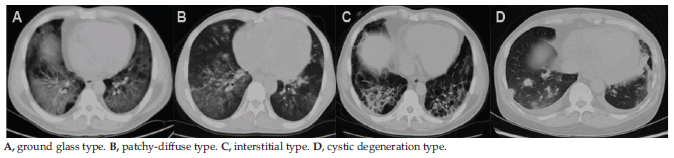
Figure 1. Four Common Chest Manifestations in Computed Tomography of Pneumocystis jirovecii Pneumonia in Kidney Transplant Recipients
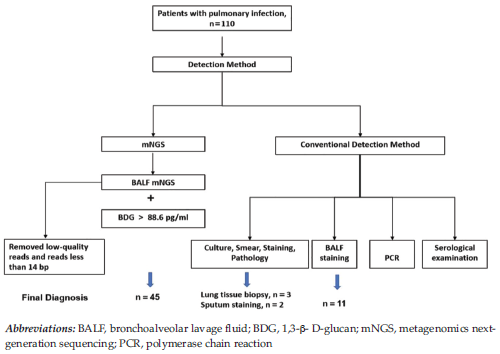
Figure 2. Processing Procedure of Metagenomics Next-Generation Sequencing and Conventional Detection Method
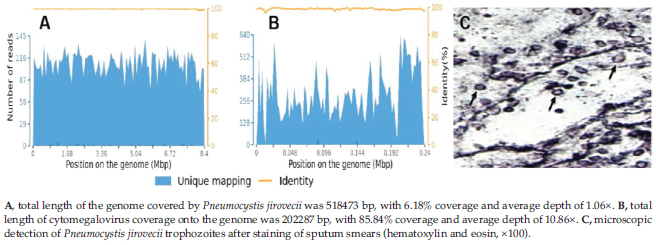
Figure 3. Detection With Metagenomic Next-Generation Sequencing
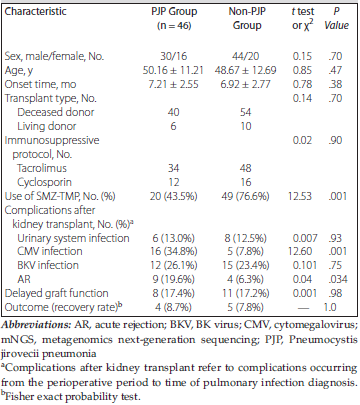
Table 1. Demographic and Clinical Data From Patients With and Without Pneumocystis jirovecii Pneumonia
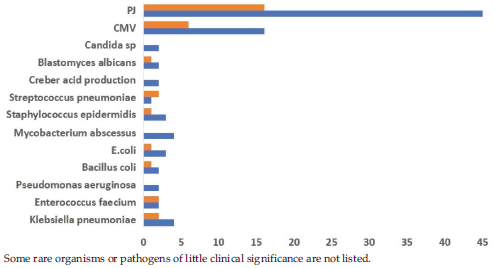
Figure 4. Analysis of the Results of Metagenomics Next-Generation Sequencing and Conventional Detection Method
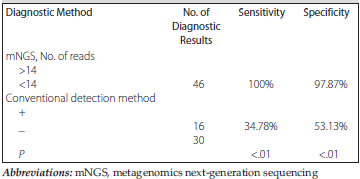
Table 2. Comparison of Results Between Metagenomics Next-Generation Sequencing and Conventional Detection Method