Volume: 23 Issue: 3 March 2025
FULL TEXT
Objectives: Kidney transplant is well known to be the best possible therapy for patients with end-stage kidney failure; however, allograft rejection remains a major obstacle despite the advent of modern immunosuppression regimens. Despite the well-established role of donor-specific antibodies directed at anti-HLA-A, -B, -DR, and -DQ antigens, the particular role of anti-HLA-C donor-specific antibodies in allograft longevity is not yet clear. Recently, preformed anti-native HLA-C donor-specific antibodies were reported to be possibly linked to poor allograft outcome. In addition, inclusion of HLA-C in all transplant allocation regimens has been suggested. Moreover, possible relevance of HLA-C has been shown in other fields (eg, transfusion and obstetrics). Its reduced expression could explain the diminished immunogenicity of the anti-HLA-C antibodies with subsequent lowered strength and prevalence. Furthermore, the "missed self" theory has gained interest. Here, we investigated HLA-C donor-specific antibody immunogenicity, pathogenicity, cell-surface expression, antibody heterogenicity, and possible management tools.
Key words : Antibody-mediated rejection; HLA class C donor-specific antibodies, Missing self hypothesis, Renal transplant
Introduction
For decades, the relevance of anti-HLA-A, HLA-B, HLA-DR, and HLA-DQ donor-specific antibodies (DSAs) in solid-organ transplant (SOT) has been well-recognized. However, the clinical relevance of HLA-C DSA remains poorly understood. Compared with HLA-A and -HLA-B, the low expression levels of the HLA-C gene and its related proteins have been attributed to several intrinsic and extrinsic factors, such as lowered immunogenicity with diminished prevalence and strength. However, HLA-C antigens are immunogenic and have clinical relevance in generating HLA-C DSAs.1
A few clinical trials have shown an inferior allograft outcome associated with preformed DSAs against native HLA-C, indicating that HLA-C should be included in every transplant allocation system. On the other hand, an increasing body of evidence has emerged on the role of HLA-C DSAs in allogeneic hematopoietic stem cell transplant (allo-HSCT), transfusion, and obstetrics. In addition, a suggested role of the "missing self" theory in SOT has posed HLA-C to be an unforgotten agent in allograft tolerance.1
General Effects of HLA Donor-Specific Antibodies in Kidney Transplant
The exact role of anti-HLA DSAs in posttransplant monitoring is still uncertain. However, 4 factors have been postulated as determining factors of the DSA pathogenicity: antibody class and specificity, mean fluorescence intensity (MFI), immunoglobulin G (IgG) subclass, and C1q-binding capacity.2 In addition, 3 challenges have emerged as a consequent association of DSAs: (1) augmented deposition of C4d in the peritubular capillaries with increased microvascular inflammation and subsequent evolution of antibody-mediated rejection (AMR) with allograft loss3-5; (2) acceleration of the fibrogenic process with the presence of circulating anti-HLA DSAs that are independent of AMR evolution6; and (3) the robust association between the proinflammatory cytokines and the evolution of HLA DSAs, even without histological evidence of rejection.7 Of note, anti-HLA DSAs have been linked to inferior allograft survival and allograft loss.8
To better assess the predictive value of HLA DSAs for renal graft outcomes, their criteria, including MFI level, C1q-binding capacity, and IgG subclasses, have been broadly analyzed.9 In addition, C1q-binding capacity has been recently shown as an independent predictor of increased risk of AMR evolution, allograft loss, and death in kidney transplant recipients (KTRs) (Figure 1).2,10
The binding to C1, a complement fraction, could be the initial step of the classic pathway activation, leading to membrane attack complex formation, which is ultimately complicated by vascular endothelial damage.11 This effect of C1q could have therapeutic implications, that is, use of complement-targeting agents (eg, eculizumab) as a therapeutic tool.12 Earlier determination and removal of C1q-binding anti-HLAs DSAs may be associated with better allograft outcome.13 However, more extensive multicenter randomized trials applied to a broader patient scale are warranted to clarify the absolute magnitude of the negative effects of C1q-binding anti-HLA DSAs. Despite its cost, C1q-binding capacity is currently noninvasive, broadly accessible, and should be included in the routine posttransplant monitoring profile.2 C1 activation may be reported downstream of complement activation. Research has suggested that testing activation of C3 and C5 should be more robust.2
Prevalence of HLA-C Donor-Specific Antibodies
Few reports have addressed the consequences of HLA-C mismatching.14 Almost 40% to 50% of KTRs may show preformed anti-HLA-C antibodies.15 Nevertheless, reports are scarce on the effects of HLA-C antibodies on allograft longevity. However, the advent of single-antigen beads has permitted early and better antibody detection of HLA-C antibodies, facilitating studies on their effect on allograft survival.15
In a single-center report that assessed DSA prevalence as defined by mean MFI >500, 26% of KTRs showed DSA, of which only 4% had HLA-C antibodies at the time of transplant. The incidence of AMR on the included KTRs was 27%, with a significantly higher mean MFI in patients who developed AMR than in those who did not develop AMR.15
On the other hand, anti-HLA-C antibodies were found in about 10% to 15% of kidney transplant candidates on waiting lists. However, this percentage was less than that for HLA-A (50%) and HLA-B (80%) antibodies.16,17 Anti-HLA-C antibodies are rarely isolated, with only 15% compared with 31% and 26% for HLA-A and HLA-B after pregnancy and child-related sensitization, respectively.18
After allograft failure and nephrectomy, there is an increased prevalence of anti-HLA DSAs. Bryan and colleagues reported an incidence of 83% for HLA-C-mismatched kidney transplant. This incidence, however, was linked to the applet load reflecting the degree of mismatching. However, the incidence of de novo anti-HLA-C DSA (about 10%) is less than that of anti-HLA-A and HLA-B loci (20%).19-21
Anti-HLA-C Antibodies and Immunogenicity
Immunogenicity is the ability to induce humoral and cellular immune responses. Thus, considering their ability to induce after transfusion, pregnancy, or transplant alloantibodies, HLA-C antigens are immunogenic. Several "eplets," defined by Duquesnoy and colleagues as modified amino acids on the HLA molecular surface have been configured for HLA-C alleles and antigens.22,23 A lowered single-antigen bead MFI level has also been reported for anti-HLA-C antibodies compared with those for anti-HLA-A and HLA-B antibodies,21,24 with a weaker anti-HLA-C immune response.
Four criteria have been postulated to recognize the immunogenicity of any foreign antigen: (1) the route of entry, (2) the quantitative magnitude of expression, (3) the finding of dangerous signals, and (4) the ability of presentation via antigen-presenting cells followed by recognition by the adaptive immune cells. Clear evidence of lowered expression level has been shown for HLA-C compared with HLA-A and HLA-B antigens. Moreover, the density of HLA-C antigens on the single-antigen flow bead (SAFB) surface is diminished, providing a lowered MFI and weakened sensitivity.25
From these data, we can conclude that HLA-C antigens are less immunogenic than HLA-A and HLA-B. However, their role is still crucial if de novo or preformed DSAs have been detected, considering that they emerge from an accurate allogenic response.1
Cell-Surface Expression of the HLA-C Antigens
Several mechanisms have been recently suggested to recognize and arrange the expression levels of the HLA antigens for HLA-A and HLA-B that can also be applied to HLA-C.26,27 Some of these mechanisms relied on the HLA-C gene, whereas others may involve posttranscriptional regulative mechanisms. Of note, the class I NOD-like receptor transactivator NLRC5, a fundamental regulator of all class I molecules, is currently only found in some cells. For example, NLRC5 is not extracted in extravillous trophoblasts with conception, so it cannot express HLA-A and HLA-B.28
However, trophoblasts can withstand HLA-C expression via a modified RFX-binding location, which represents a binding location of another transcription agent named ELF3, which is highly expressed in trophoblasts and permits the expression of the HLA-C molecules.29 This criterion may also result in a lowered transcription of the HLA-C molecules compared with HLA-A and HLA-B. For decades, expression of HLA-C proteins has been recognized as lower than that for HLA-A and HLA-B, although evidence for this hypothesis has been scarce.30 For one locus, a wide scale of expression levels exists between alleles.31-33
In a recent report on human umbilical vein endothelium, HLA-C molecular levels in resting cells were shown to vary by almost 60% according to various alleles. If incubated with interferon-γ and tumor necrosis factor-α, HLA-C expression is augmented 15 times, independent of their expression levels.15
Data on the expression levels of HLA-C antigens have greatly varied. Global conjugation of these mechanisms has generally shown a lowered expression of HLA-C compared with expression of HLA-A or HLA-B.1
Pathogenesis of Anti-HLA-C Donor-Specific Antibodies
The lowered expression of HLA-C affects recognition of various effectors of the immune response. In addition, HLA-C mismatching has been recognized as a risk factor for acute rejection. Furthermore, eplet variability in HLA-C loci can also be complicated by T-cell-mediated rejection in liver transplant recipients.34
In data of deceased donor kidney transplant with HLA-C mismatching complicated by reduced allograft longevity in HLA-sensitized KTRs, anti-HLA-C DSAs were implicated in allograft loss.14 To explain their role, further studies in a broader set of patients are needed to clarify their intrinsic criteria in binding donor cells and binding complement and their ability in allograft infiltration.
Through the use of SAFB, a crucial criterion is the ability of DSAs to bind donor cells ex vivo with the use of flow cytometry crossmatch (FCXM). A positive FCXM is usually linked to AMR evolution in 50% with allograft failure in 30% of KTRs.35-38 Kidney transplant recipients with positive FCXM with no anti-HLA-A or HLA-B DSAs and anti-HLA-C DSAs have been recognized in almost 48% of patients.38
In FCXM testing of targeted cells by single DSA (either HLA-A, -B or -C), FCXM related to anti-HLA-A and HLA-B antibodies can be anticipated via SAFB MFI.39 Although anti-HLA-C DSAs showed random results,40-42 Visentin and colleagues reported a meaningful number of positive FCXM.1
The elution of the intragraft DSA from biopsy specimens that can be recognized via SAFB testing showed the apparent ability of DSAs to bind donor cells in vivo. Furthermore, the intragraft DSAs were also recognized during AMR evolution, with direct effects to tissue injury and allograft loss.43-48 In addition, 20% to 50% of the circulating anti-HLA-C DSAs were intragraft DSAs, a nearly equal percentage to other HLA class I members.44,45
Donor-specific antibodies can express their deleterious effects via several mechanisms.49 One crucial pathway is complement activation, and endothelial derangement during AMR development with the C1q/C3d positivity has a specific role in AMR development and allograft failure.50,51
Data are scarce on the complement-binding capacity of anti-HLA-C DSAs, with 16.7% and 4.1% of these being C1q- and C3d-fixing antibodies, respectively.45 Moreover, a screening technique to recognize human anti-HLA-C monoclonal antibodies (complement-dependent cytotoxicity [CDC]) directly showed CDC to anti-HLA-C antibodies. In agreement with this observation, Visentin and colleagues reported C4d deposition in 1 of 6 patients (16.7%) who showed expression of an immunodominant anti-HLA-C DSA.1,45
These data indicated that anti-HLA-C DSAs can bind to donor HLA-C antigens with an ability to bind or activate complement in vivo and ex vivo, triggering a microvascular inflammatory response, AMR, and allograft failure, as shown with other members of class I DSAs (Figure 2).
Several case reports52-56 and case control studies56-58 have provided robust evidence of the preformed anti-HLA-C DSA pathogenicity in SOT. For example, 2 preformed anti-HLA-C DSAs have been reported to trigger T-cell FCXM positivity followed by hyperacute rejection in 2 KTRs. Moreover, these DSAs could be eluted from the rejected graft and recognized via SAFB testing.
Despite the scarce data on de novo DSAs, the preformed anti-HLA-C DSAs were reported to be associated with acute AMR,56,58 hyperacute AMR, chronic AMR,40 and allograft loss40,56 (Figure 3). However, in Aubert and colleagues and Santos and colleagues, results showed associated AMR and TG without allograft losses.56,58,59 The SAFB-detected anti-HLA-C antibodies could be clinically irrelevant, namely, as shown earlier in anti-denatured HLA antibodies39,40,60-64 (Table 1).
Anti-HLA-C Antibody Heterogeneity
Transplant recipients may express 2 types of anti-HLA-C antibodies: (1) the antinative anti-HLA-C antibodies, which can recognize HLA-C antigens that are expressed on human cell surface and SAFBs, and (2) the antidenatured anti-HLA-C antibodies, which can recognize the cryptic epitopes present on the degraded HLA-C antigens, which are enriched in SAFB reagents but are usually lacking on the surface of human cells. The antinative-HLA anti-donor =HLA-C can provide positive FCMX results with detrimental outcomes in kidney transplant. On the other hand, the antidenatured HLA anti-donor HLA-C cannot induce positive FCMX, showing no clinical relevance. Only Visentin and colleagues provided the prevalence of AMR and allograft loss39 (Table 1).
Compared with HLA-A and HLA-B, HLA-C can show more prevalence of this phenomenon (that is, 10% of the antibodies in kidney transplant candidates on waiting lists and almost 30% to 40% of the preformed DSAs in KTRs).31,46 The antidenatured HLA-C DSAs usually express negative results for FCXM, thus with lowered risk of AMR and better allograft longevity compared with antinative HLA-C DSAs (AMR in 8.7% vs 55.1% and allograft loss in 8.7% vs 34.5%, respectively).31 However, avoiding these antibodies is not feasible, as it necessitates using reagents produced by only 1 of the 2 SAFB producers65 and no longer provided by the other.18,39,60
Management of the Anti-HLA-C Donor-Specific Antibodies
Transplant physicians should give particular atten-tion (1) before transplant, when the preformed DSAs could be proposed by an allocation system, and (2) when a KTR develops posttransplant de novo DSAs.20,66
Allocation systems have generally ignored HLA-C DSAs, because of the rarity of data on them. However, enough data are now available to revise the relevance of preformed anti-HLA-C DSAs. Furthermore, the most recent HLA typing techniques have enabled analysis of HLA-C DSAs in deceased donors. Thus, we recommend that HLA-C DSAs be included in the kidney transplant allocation system, which would provide a more rigorous calculated panel reactive antibody with better assessment, particularly in HLA-C highly sensitized KTRs. Transplant priorities should be ultimately updated. In addition, kidney transplant with preformed DSA and positive crossmatching will be reduced with increased allograft longevity, considering that the new role of HLA-C could lead to less rejection and increased allograft survival, which could help with the current organ shortage.40 Here, the ability to recognize irrelevant antidenatured HLA-C versus antinative HLA-C would be a considerable priority.40
Regardless of the required reagents needed for SAFB that may be poor in denatured HLA antigens, getting an accurate sensitizing history may allow anti-HLA-C antibodies to be linked with an actual allogeneic event.60,63,65 Identification of HLA-C antigens related to previous transplants or preg-nancies combined with anti-HLA-C antibody profiling via epitope identification techniques (eg, HLA Matchmaker) would be helpful in recognizing the type of preformed DSAs that should be excluded.40 The FCXM tool is beneficial for providing predictive results to recognize whether DSA is of a native anti-HLA-C molecular nature. Similarly, KTRs who develop posttransplant de novo anti-HLA-C DSAs could benefit from similar assessments of their clinical relevance.1
Donor-Specific Antibodies Outside the Solid-Organ Transplant Field
Similar to that shown in SOT, Morin-Zorman and colleagues reported that preformed DSAs can induce primary allograft failure in allo-HSCT.67 This is frequently observed in cord blood transplant, where the HLA-C loci are not included in compatible cord blood searches.
Similarly, Yamamoto and colleagues reported that anti-HLA-C, HLA-DP, HLA-DQ, and HLA-DRB3/4/5 DSAs among a cohort of 175 patients who received a single cord blood transplant resulted in inferior engraftment rate among HLA-mismatched patients who expressed anti-HLA-C, HLA-DP, HLA-DQ, and HLA-DRB3/4/5 compared with patients with no anti-HLA-A, HLA-B, or HLA-DRB1 DSAs.10 Of note, with HLA-C, HLA-DP, HLA-DQ, and HLA-DRB3/4/5 typing included in the analyses, the authors suggested that unrecognized DSAs, inclu-ding anti-HLA-C DSAs, attributed to the inferior engraftment rate.68 In addition, the wide spread of the haploidentical allo-HSCT further augments the anti-HLA sensitization before the engraftment. However, until now, research on anti-HLA-C DSA in this context is not available.
Weinstock and colleagues reported that DSAs directed at platelet donors were a high-risk factor for platelet refractoriness.69 Platelet donors are currently typed only for HLA-A and HLA-B, considering their DSAs are widely known to induce platelet refractoriness. Interestingly, Weinstock and colleagues showed evidence that the anti-HLA-C antibodies can induce platelet refractoriness in transplant recipients who received HLA-A and HLA-B-compatible platelet transfusion. They also observed that anti-HLA-C antibodies could be adsorbed and eluted by the platelets, proving that HLA-C can be expressed on the platelet surface.69
Of note, these antibodies can be detected by CDC testing, which proposes a highly assessed MFI. Regardless of the possible target by the DSA, HLA-C antigens can represent a crucial role in natural killer (NK) cell response, considering that certain amino acid particles can modify the binding ability of the NK receptor family, specifically killer cell Ig-like receptors (KIRs).69 This finding on KIRs has been inconsistent in the SOT field, as reported by Tran and colleagues.70 Recently Koenig and colleagues71 have also supported this, observing that the microvascular inflammatory response can be expressed by the NK cells in transplant recipients devoid of DSAs yet presenting mismatching between donor HLA-C and their KIRs.
The increased prevalence of anti-HLA-C anti-bodies in female patients with recurrent miscarriages may also suggest that anti-HLA-C antibodies play a role in unexplained recurrent miscarriage (with HLA-C expressed in the trophoblast).72 Moreover, HLA-C expressed on the extravillous trophoblast has also been observed to be augmented during labor, suggesting that certain functions may be exerted during parturition.26
Missing Self Hypothesis in Allogeneic hematopoietic Stem Cell Transplant
Mismatch between KIR and HLA may trigger the missing self mode of NK activation in allo-HSCT.73 In the study of missing self, the process of recognizing self HLA class I is called "NK-cell education" or "NK-cell licensing," and malignancy, infection, or any other disease process may induce loss or reduction of HLA class I expression. When that occurs, NK cells cannot be inhibited anymore, so they attack the abhorrent cells. The NK cells in this context recognize the "missing self" HLA class I.73
With recent sufficient data on HLA-C antibodies, HLA-C antibodies should be considered without hesitation in current organ allocation regimens. Moreover, the anti-HLA-C antibodies have now generated increasing interest in other fields, for example, allo-HSCT, transfusion, and obstetrics, in addition to the "missing-self" theory in allograft rejection, prompting clinical physicians to consider HLA-C in its proper position in transplant tolerance (Figure 4).
Conclusions
Recent reports have emphasized that HLA-C is clinically relevant in SOT. This postulation has not gained ground for 2 reasons: (1) the lowered HLA-C antigen immunogenicity and (2) limited technical facilities. Nevertheless, we now have convincing data to consider anti-HLA-C antibodies in allocation programs.
Beyond the SOT field, the allo-HSCT, transfusion, and obstetric fields have emerged with studies on HLA-C; the advent of "missing self" theory in SOT rejection has also highlighted the possible role of HLA-C. Further work on HLA class I molecules will ulti-mately provide additional clues that could widen our awareness of the allogenic immune tolerance, which could be reflected in patient and allograft outcomes.
References:
- Visentin J, Couzi L, Taupin JL. Clinical relevance of donor-specific antibodies directed at HLA-C: A long road to acceptance. HLA. 2021;97(1):3-14. doi:10.1111/tan.14106
CrossRef - PubMed - Gniewkiewicz M, Czerwinska K, Zielniok K, Durlik M. Association of circulating anti-HLA donor-specific antibodies and their characteristics, including C1q-binding capacity, in kidney transplant recipients with long-term renal graft outcomes. J Clin Med. 2023;12(4). doi:10.3390/jcm12041312
CrossRef - PubMed - Loupy A, Hill GS, Suberbielle C, et al. Significance of C4d Banff scores in early protocol biopsies of kidney transplant recipients with preformed donor-specific antibodies (DSA). Am J Transplant. 2011;11(1):56-65. doi:10.1111/j.1600-6143.2010.03364.x
CrossRef - PubMed - Einecke G, Sis B, Reeve J, et al. Antibody-mediated microcirculation injury is the major cause of late kidney transplant failure. Am J Transplant. 2009;9(11):2520-2531. doi:10.1111/j.1600-6143.2009.02799.x
CrossRef - PubMed - Lebraud E, Eloudzeri M, Rabant M, Lamarthee B, Anglicheau D. Microvascular inflammation of the renal allograft: a reappraisal of the underlying mechanisms. Front Immunol. 2022;13:864730. doi:10.3389/fimmu.2022.864730
CrossRef - PubMed - Gosset C, Viglietti D, Rabant M, et al. Circulating donor-specific anti-HLA antibodies are a major factor in premature and accelerated allograft fibrosis. Kidney Int. 2017;92(3):729-742. doi:10.1016/j.kint.2017.03.033
CrossRef - PubMed - Van Loon E, Lamarthee B, Barba T, et al. Circulating donor-specific anti-HLA antibodies associate with immune activation independent of kidney transplant histopathological findings. Front Immunol. 2022;13:818569. doi:10.3389/fimmu.2022.818569
CrossRef - PubMed - Parajuli S, Joachim E, Alagusundaramoorthy S, et al. Donor-specific antibodies in the absence of rejection are not a risk factor for allograft failure. Kidney Int Rep. 2019;4(8):1057-1065. doi:10.1016/j.ekir.2019.04.011
CrossRef - PubMed - Lefaucheur C, Viglietti D, Bentlejewski C, et al. IgG donor-specific anti-human HLA antibody subclasses and kidney allograft antibody-mediated injury. J Am Soc Nephrol. 2016;27(1):293-304. doi:10.1681/ASN.2014111120
CrossRef - PubMed - Kang ZY, Liu C, Liu W, Li DH. Effect of C1q-binding donor-specific anti-HLA antibodies on the clinical outcomes of patients after renal transplantation: a systematic review and meta-analysis. Transpl Immunol. 2022;72:101566. doi:10.1016/j.trim.2022.101566
CrossRef - PubMed - Murata K, Baldwin WM, 3rd. Mechanisms of complement activation, C4d deposition, and their contribution to the pathogenesis of antibody-mediated rejection. Transplant Rev (Orlando). 2009;23(3):139-150. doi:10.1016/j.trre.2009.02.005
CrossRef - PubMed - Patel JK, Coutance G, Loupy A, et al. Complement inhibition for prevention of antibody-mediated rejection in immunologically high-risk heart allograft recipients. Am J Transplant. 2021;21(7):2479-2488. doi:10.1111/ajt.16420
CrossRef - PubMed - Sigurjonsdottir VK, Purington N, Chaudhuri A, et al. Complement-binding donor-specific anti-HLA antibodies: biomarker for immunologic risk stratification in pediatric kidney transplantation recipients. Transpl Int. 2022;35:10158. doi:10.3389/ti.2021.10158
CrossRef - PubMed - Tran TH, Dohler B, Heinold A, Scherer S, Ruhenstroth A, Opelz G. Deleterious impact of mismatching for human leukocyte antigen-C in presensitized recipients of kidney transplants. Transplantation. 2011;92(4):419-425. doi:10.1097/TP.0b013e318224c14e
CrossRef - PubMed - Ling M, Marfo K, Masiakos P, et al. Pretransplant anti-HLA-Cw and anti-HLA-DP antibodies in sensitized patients. Hum Immunol. 2012;73(9):879-883. doi:10.1016/j.humimm.2012.07.320
CrossRef - PubMed - Resse M, Paolillo R, Pellegrino Minucci B, et al. Effect of single sensitization event on human leukocyte antigen alloimmunization in kidney transplant candidates: a single-center experience. Exp Clin Transplant. 2018;16(1):44-49. doi:10.6002/ect.2016.0292
CrossRef - PubMed - Visentin J, Guidicelli G, Bachelet T, et al. Denatured class I human leukocyte antigen antibodies in sensitized kidney recipients: prevalence, relevance, and impact on organ allocation. Transplantation. 2014;98(7):738-744. doi:10.1097/TP.0000000000000229
CrossRef - PubMed - Honger G, Fornaro I, Granado C, Tiercy JM, Hosli I, Schaub S. Frequency and determinants of pregnancy-induced child-specific sensitization. Am J Transplant. 2013;13(3):746-753. doi:10.1111/ajt.12048
CrossRef - PubMed - Guidicelli G, Guerville F, Lepreux S, et al. Non-complement-binding de novo donor-specific anti-HLA antibodies and kidney allograft survival. J Am Soc Nephrol. 2016;27(2):615-625. doi:10.1681/ASN.2014040326
CrossRef - PubMed - Comoli P, Cioni M, Tagliamacco A, et al. Acquisition of C3d-binding activity by de novo donor-specific HLA antibodies correlates with graft loss in nonsensitized pediatric kidney recipients. Am J Transplant. 2016;16(7):2106-2116. doi:10.1111/ajt.13700
CrossRef - PubMed - Kosmoliaptsis V, Gjorgjimajkoska O, Sharples LD, et al. Impact of donor mismatches at individual HLA-A, -B, -C, -DR, and -DQ loci on the development of HLA-specific antibodies in patients listed for repeat renal transplantation. Kidney Int. 2014;86(5):1039-1048. doi:10.1038/ki.2014.106
CrossRef - PubMed - Duquesnoy RJ, Marrari M, Mulder A, Sousa LC, da Silva AS, do Monte SJ. First report on the antibody verification of HLA-ABC epitopes recorded in the website-based HLA Epitope Registry. Tissue Antigens. 2014;83(6):391-400. doi:10.1111/tan.12341
CrossRef - PubMed - Persaud SP, Duffy B, Phelan DL, et al. Accelerated humoral renal allograft rejection due to HLA-C14 mediated allosensitization to HLA-Bw6. Hum Immunol. 2017;78(11-12):692-698. doi:10.1016/j.humimm.2017.09.004
CrossRef - PubMed - Visentin J, Couzi L, Dromer C, et al. Overcoming non-specific binding to measure the active concentration and kinetics of serum anti-HLA antibodies by surface plasmon resonance. Biosens Bioelectron. 2018;117:191-200. doi:10.1016/j.bios.2018.06.013
CrossRef - PubMed - Visentin J, Leu DL, Mulder A, et al. Measuring anti-HLA antibody active concentration and affinity by surface plasmon resonance: comparison with the Luminex single antigen flow beads and T-cell flow cytometry crossmatch results. Mol Immunol. 2019;108:34-44. doi:10.1016/j.molimm.2019.02.006
CrossRef - PubMed - Carey BS, Poulton KV, Poles A. Factors affecting HLA expression: a review. Int J Immunogenet. 2019;46(5):307-320. doi:10.1111/iji.12443
CrossRef - PubMed - Anderson SK. Molecular evolution of elements controlling HLA-C expression: adaptation to a role as a killer-cell immunoglobulin-like receptor ligand regulating natural killer cell function. HLA. 2018;92(5):271-278. doi:10.1111/tan.13396
CrossRef - PubMed - Staehli F, Ludigs K, Heinz LX, et al. NLRC5 deficiency selectively impairs MHC class I- dependent lymphocyte killing by cytotoxic T cells. J Immunol. 2012;188(8):3820-3828. doi:10.4049/jimmunol.1102671
CrossRef - PubMed - Johnson JK, Wright PW, Li H, Anderson SK. Identification of trophoblast-specific elements in the HLA-C core promoter. HLA. 2018;92(5):288-297. doi:10.1111/tan.13404
CrossRef - PubMed - Apps R, Meng Z, Del Prete GQ, Lifson JD, Zhou M, Carrington M. Relative expression levels of the HLA class-I proteins in normal and HIV-infected cells. J Immunol. 2015;194(8):3594-3600. doi:10.4049/jimmunol.1403234
CrossRef - PubMed - Rene C, Lozano C, Villalba M, Eliaou JF. 5' and 3' untranslated regions contribute to the differential expression of specific HLA-A alleles. Eur J Immunol. 2015;45(12):3454-3463. doi:10.1002/eji.201545927
CrossRef - PubMed - Honger G, Krahenbuhl N, Dimeloe S, Stern M, Schaub S, Hess C. Inter-individual differences in HLA expression can impact the CDC crossmatch. Tissue Antigens. 2015;85(4):260-266. doi:10.1111/tan.12537
CrossRef - PubMed - Carey BS, Poulton KV, Poles A. HLA-C expression level in both unstimulated and stimulated human umbilical vein endothelial cells is defined by allotype. HLA. 2020;95(6):532-542. doi:10.1111/tan.13852
CrossRef - PubMed - Guiral S, Segundo DS, Irure J, et al. Number of antibody-verified eplet in HLA-C locus as an independent factor of T-cell-mediated rejection after liver transplantation. Transplantation. 2020;104(3):562-567. doi:10.1097/TP.0000000000002921
CrossRef - PubMed - Couzi L, Araujo C, Guidicelli G, et al. Interpretation of positive flow cytometric crossmatch in the era of the single-antigen bead assay. Transplantation. 2011;91(5):527-535. doi:10.1097/TP.0b013e31820794bb
CrossRef - PubMed - Bachelet T, Visentin J, Guidicelli G, Merville P, Couzi L, Taupin JL. Anti-HLA donor-specific antibodies are not created equally. Don't forget the flow. Transpl Int. 2016;29(4):508-510. doi:10.1111/tri.12745
CrossRef - PubMed - Meneghini M, Melilli E, Martorell J, et al. Combining sensitive crossmatch assays with donor/recipient human leukocyte antigen eplet matching predicts living-donor kidney transplant outcome. Kidney Int Rep. 2018;3(4):926-938. doi:10.1016/j.ekir.2018.03.015
CrossRef - PubMed - Schinstock CA, Gandhi M, Cheungpasitporn W, et al. Kidney transplant with low levels of DSA or low positive B-flow crossmatch: an underappreciated option for highly sensitized transplant candidates. Transplantation. 2017;101(10):2429-2439. doi:10.1097/TP.0000000000001619
CrossRef - PubMed - Visentin J, Bachelet T, Borg C, et al. Reassessment of T lymphocytes crossmatches results prediction with Luminex class I single antigen flow beads assay. Transplantation. 2017;101(3):624-630. doi:10.1097/TP.0000000000001239
CrossRef - PubMed - Visentin J, Bachelet T, Aubert O, et al. Reassessment of the clinical impact of preformed donor-specific anti-HLA-Cw antibodies in kidney transplantation. Am J Transplant. 2020;20(5):1365-1374. doi:10.1111/ajt.15766
CrossRef - PubMed - Ellis TM, Schiller JJ, Roza AM, Cronin DC, Shames BD, Johnson CP. Diagnostic accuracy of solid phase HLA antibody assays for prediction of crossmatch strength. Hum Immunol. 2012;73(7):706-710. doi:10.1016/j.humimm.2012.04.007
CrossRef - PubMed - Wahrmann M, Hlavin G, Fischer G, et al. Modified solid-phase alloantibody detection for improved crossmatch prediction. Hum Immunol. 2013;74(1):32-40. doi:10.1016/j.humimm.2012.10.012
CrossRef - PubMed - Bachelet T, Couzi L, Lepreux S, et al. Kidney intragraft donor-specific antibodies as determinant of antibody-mediated lesions and poor graft outcome. Am J Transplant. 2013;13(11):2855-2864. doi:10.1111/ajt.12438
CrossRef - PubMed - Nocera A, Tagliamacco A, Cioni M, et al. Kidney intragraft homing of de novo donor-specific HLA antibodies is an essential step of antibody-mediated damage but not per se predictive of graft loss. Am J Transplant. 2017;17(3):692-702. doi:10.1111/ajt.14000
CrossRef - PubMed - Courant M, Visentin J, Linares G, et al. The disappointing contribution of anti-human leukocyte antigen donor-specific antibodies characteristics for predicting allograft loss. Nephrol Dial Transplant. 2018;33(10):1853-1863. doi:10.1093/ndt/gfy088
CrossRef - PubMed - Neau-Cransac M, Le Bail B, Guidicelli G, et al. Evolution of serum and intra-graft donor-specific anti-HLA antibodies in a patient with two consecutive liver transplantations. Transpl Immunol. 2015;33(2):58-62. doi:10.1016/j.trim.2015.08.002
CrossRef - PubMed - Sacreas A, Taupin JL, Emonds MP, et al. Intragraft donor-specific anti-HLA antibodies in phenotypes of chronic lung allograft dysfunction. Eur Respir J. 2019;54(5). doi:10.1183/13993003.00847-2019
CrossRef - PubMed - Gautier Vargas G, Olagne J, Parissiadis A, et al. Does a useful test exist to properly evaluate the pathogenicity of donor-specific antibodies? Lessons from a comprehensive analysis in a well-studied single-center kidney transplant cohort. Transplantation. 2020;104(10):2148-2157. doi:10.1097/TP.0000000000003080
CrossRef - PubMed - Loupy A, Hill GS, Jordan SC. The impact of donor-specific anti-HLA antibodies on late kidney allograft failure. Nat Rev Nephrol. 2012;8(6):348-357. doi:10.1038/nrneph.2012.81
CrossRef - PubMed - Bouquegneau A, Loheac C, Aubert O, et al. Complement-activating donor-specific anti-HLA antibodies and solid organ transplant survival: a systematic review and meta-analysis. PLoS Med. 2018;15(5):e1002572. doi:10.1371/journal.pmed.1002572
CrossRef - PubMed - Sicard A, Ducreux S, Rabeyrin M, et al. Detection of C3d-binding donor-specific anti-HLA antibodies at diagnosis of humoral rejection predicts renal graft loss. J Am Soc Nephrol. 2015;26(2):457-467. doi:10.1681/ASN.2013101144
CrossRef - PubMed - Suneja M, Kuppachi S. Acute antibody-mediated renal allograft rejection associated with HLA-Cw17 antibody. Clin Kidney J. 2012;5(3):254-256. doi:10.1093/ckj/sfs042
CrossRef - PubMed - Rogers NM, Bennett GD, Toby Coates P. Transplant glomerulopathy and rapid allograft loss in the presence of HLA-Cw7 antibodies. Transpl Int. 2012;25(3):e38-40. doi:10.1111/j.1432-2277.2011.01408.x
CrossRef - PubMed - Bosch A, Llorente S, Eguia J, et al. HLA-C antibodies are associated with irreversible rejection in kidney transplantation: shared molecular eplets characterization. Hum Immunol. 2014;75(4):338-341. doi:10.1016/j.humimm.2014.01.010
CrossRef - PubMed - Aubert O, Bories MC, Suberbielle C, et al. Risk of antibody-mediated rejection in kidney transplant recipients with anti-HLA-C donor-specific antibodies. Am J Transplant. 2014; 14(6):1439-1445. doi:10.1111/ajt.12709
CrossRef - PubMed - Bachelet T, Martinez C, Del Bello A, et al. Deleterious impact of donor-specific anti-HLA antibodies toward HLA-Cw and HLA-DP in kidney transplantation. Transplantation. 2016;100(1):159-166. doi:10.1097/TP.0000000000000821
CrossRef - PubMed - Abuhelaiqa E, Friedlander R, Aull M, et al. Acute rejection, kidney allograft function, and graft survival in patients with circulating pre-transplant IgG antibodies directed against donor HLA-A, -B, or -C locus determined antigens. Clin Transpl. 2016;32:83-91.
CrossRef - PubMed - Santos S, Malheiro J, Tafulo S, et al. Impact of preformed donor-specific antibodies against HLA class I on kidney graft outcomes: comparative analysis of exclusively anti-Cw vs anti-A and/or -B antibodies. World J Transplant. 2016;6(4):689-696. doi:10.5500/wjt.v6.i4.689
CrossRef - PubMed - Willicombe M, Brookes P, Sergeant R, et al. De novo DQ donor-specific antibodies are associated with a significant risk of antibody-mediated rejection and transplant glomerulopathy. Transplantation. 2012;94(2):172-177. doi:10.1097/TP.0b013e3182543950
CrossRef - PubMed - Otten HG, Verhaar MC, Borst HP, et al. The significance of pretransplant donor-specific antibodies reactive with intact or denatured human leucocyte antigen in kidney transplantation. Clin Exp Immunol. 2013;173(3):536-543. doi:10.1111/cei.12127
CrossRef - PubMed - Visentin J, Marroc M, Guidicelli G, et al. Clinical impact of preformed donor-specific denatured class I HLA antibodies after kidney transplantation. Clin Transplant. 2015;29(5):393-402. doi:10.1111/ctr.12529
CrossRef - PubMed - Visentin J, Guidicelli G, Moreau JF, Lee JH, Taupin JL. Deciphering allogeneic antibody response against native and denatured HLA epitopes in organ transplantation. Eur J Immunol. 2015;45(7):2111-2121. doi:10.1002/eji.201445340
CrossRef - PubMed
- Visentin J, Guidicelli G, Nong T, et al. Evaluation of the iBeads assay as a tool for identifying class I HLA antibodies. Hum Immunol. 2015;76(9):651-656. doi:10.1016/j.humimm.2015.09.012
CrossRef - PubMed - Ravindranath MH, Jucaud V, Ferrone S. Monitoring native HLA-I trimer specific antibodies in Luminex multiplex single antigen bead assay: evaluation of beadsets from different manufacturers. J Immunol Methods. 2017;450:73-80. doi:10.1016/j.jim.2017.07.016
CrossRef - PubMed - Filippone EJ, Das B, Norin AJ, Ravindranath MH. Optimizing the assessment of pathogenic anti-HLA antibodies. Am J Transplant. 2021;21(1):431-432. doi:10.1111/ajt.16127
CrossRef - PubMed - Visentin J, Chartier A, Massara L, et al. Lung intragraft donor-specific antibodies as a risk factor for graft loss. J Heart Lung Transplant. 2016;35(12):1418-1426. doi:10.1016/j.healun.2016.06.010
CrossRef - PubMed - Morin-Zorman S, Loiseau P, Taupin JL, Caillat-Zucman S. Donor-specific anti-HLA antibodies in allogeneic hematopoietic stem cell transplantation. Front Immunol. 2016;7:307. doi:10.3389/fimmu.2016.00307
CrossRef - PubMed - Yamamoto H, Uchida N, Matsuno N, et al. Anti-HLA antibodies other than against HLA-A, -B, -DRB1 adversely affect engraftment and nonrelapse mortality in HLA-mismatched single cord blood transplantation: possible implications of unrecognized donor-specific antibodies. Biol Blood Marrow Transplant. 2014;20(10):1634-1640. doi:10.1016/j.bbmt.2014.06.024
CrossRef - PubMed - Weinstock C, Schnaidt M. Human leucocyte antigen sensitisation and its impact on transfusion practice. Transfus Med Hemother. 2019;46(5):356-369. doi:10.1159/000502158
CrossRef - PubMed - Tran TH, Unterrainer C, Fiedler G, et al. No impact of KIR-ligand mismatch on allograft outcome in HLA-compatible kidney transplantation. Am J Transplant. 2013;13(4):1063-1068. doi:10.1111/ajt.12134
CrossRef - PubMed - Koenig A, Chen CC, Marcais A, et al. Missing self triggers NK cell-mediated chronic vascular rejection of solid organ transplants. Nat Commun. 2019;10(1):5350. doi:10.1038/s41467-019-13113-5
CrossRef - PubMed - Meuleman T, van Beelen E, Kaaja RJ, van Lith JM, Claas FH, Bloemenkamp KW. HLA-C antibodies in women with recurrent miscarriage suggests that antibody mediated rejection is one of the mechanisms leading to recurrent miscarriage. J Reprod Immunol. 2016;116:28-34. doi:10.1016/j.jri.2016.03.003
CrossRef - PubMed - Cooley S, Parham P, Miller JS. Strategies to activate NK cells to prevent relapse and induce remission following hematopoietic stem cell transplantation. Blood. 2018;131(10):1053-1062. doi:10.1182/blood-2017-08-752170
CrossRef - PubMed

Volume : 23
Issue : 3
Pages : 165 - 173
DOI : 10.6002/ect.2025.0004
From the 1Nephrology Department, Ahmed Maher Teaching Hospital, Cairo, Egypt; the 2Doncaster Royal Infirmary, Doncaster, UK; the 3Royal Hospital for Children, Glasgow, UK; the 4Royal Liverpool University Hospitals, Liverpool, UK; the 5Faculty of Health and Science, University of Liverpool, Institute of Learning and Teaching, School of Medicine, Liverpool, UK; and the 6Sheffield Teaching Hospitals, Sheffield, UK
Acknowledgements: The authors have not received any funding or grants in support of the presented research or for the preparation of this work and have no declarations of potential conflicts of interest.
Corresponding author: Ahmed Halawa, Department of Transplantation Surgery, Sheffield Teaching Hospitals, Herries Road, Sheffield S57AU, UK
Phone: +44 77 87542128
E-mail: Ahmed.halawa@nhs.net
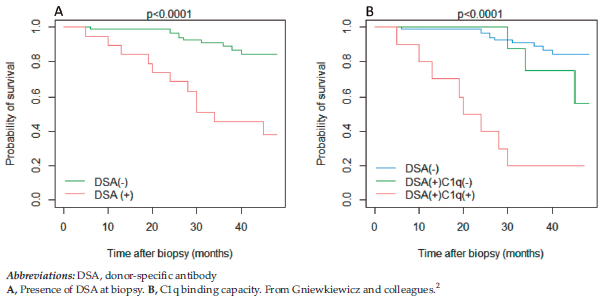
Figure 1. Event-Free Kaplan-Meier Survival Curves
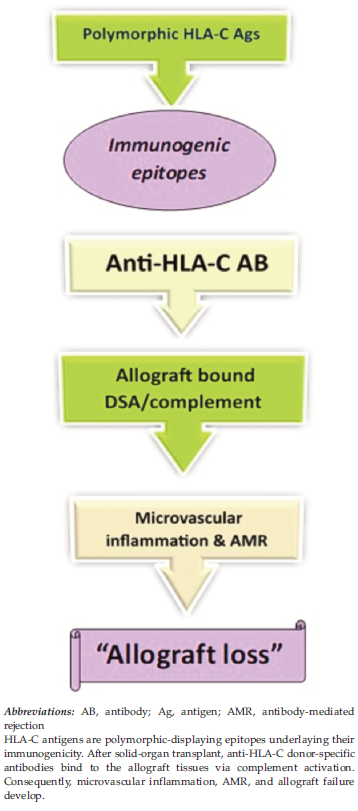
Figure 2. HLA-C Expression and Immunogenicity
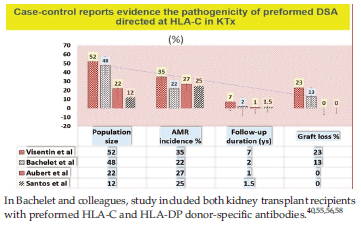
Figure 3. Case Control Studies Report the Evidence of Apparent Pathogenicity of Preformed Anti-HLA-C Donor-Specific Antibodies in Kidney Transplant
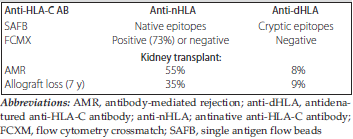
Table 1. Antibody Heterogeneity of Anti-HLA-C Antibodies and Their Effects on Kidney Transplant Outcome
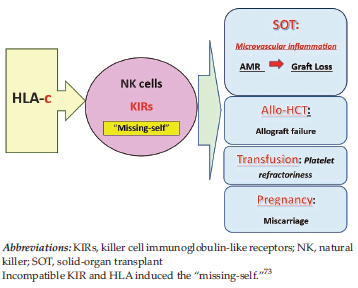
Figure 4. Role of HLA-C Beyond the Humoral Response and Solid-Organ Transplant