Volume: 23 Issue: 12 December 2025
FULL TEXT
Objectives: Variability in right and left hemiliver drainage volumes of the middle hepatic vein is of special relevance in living donor liver partitioning. Here, we present a comprehensive classification of middle hepatic vein drainage encompassing func-tional and anatomic components with special reference to middle hepatic vein management in adult living donor liver transplantation.
Materials and Methods: We evaluated 153 living donor livers among 100 cases of living donor liver transplantation. With 3-dimensional virtual venous reconstructions and maps, we addressed (1) hepatic venous dominance in the total liver, (2) middle hepatic vein/hemiliver-territorial belonging, (3) middle hepa-tic vein drainage contribution to right and left hemilivers based on middle hepatic vein/hemiliver-congestive volume index, and (4) middle hepatic vein anatomic branching patterns.
Results: With an established clinical threshold of 30% to 40% middle hepatic vein-congestive volume index for graft selection, a strong correlation between venous dominance, hemiliver belonging, and congestive volume index in overlap with anatomic branching classification was demonstrated. Functional middle hepatic vein variants b and c in overlap with middle hepatic vein branching types A and C implicated middle hepatic vein reconstruction/inclusion in right/left hemiliver grafts. Functional middle hepatic vein variant a (analog to middle hepatic vein branching type B) exhibited safe small congestive drainage volumes in both hemilivers.
Conclusions: The proposed middle hepatic vein classification addressed a triple correlation between hepatic vein (total liver volume) dominance and middle hepatic vein (hemiliver volume) belonging related to the middle hepatic vein-congestive volume index in right and left hemiliver as follows: (1) categorize functional middle hepatic vein variants based on congestion risk, (2) identify the left hepatic vein/left hemiliver non-congestive volume index as an additional key parameter in right graft selection, and (3) represent a predictive guide for middle hepatic vein management in right/left graft living donor liver transplantation.
Key words : Hepatic veins, Liver volumetry, Living donor liver transplantation, Small for size syndrome, Three-dimensional liver maps
Introduction
Historical classifications of the middle hepatic vein (MHV) by Couinaud-Masselot-Gupta and colleagues (C-M-G classification),1-3 of the right hepatic vein (RHV) by Nakamura and colleagues,4 and of the left hepatic vein (LHV) by Reichert and colleauges5 have provided insight into anatomic patterns of the triple hepatic venous drainage system and the irregular inferior (accessory) vein.6,7 Nakamura and colleagues further classified the umbilical vein as a para- or supermedial branch for segment II-IV drainage, localized alongside the falciform ligament and joining the MHV/LHV confluence.4
Although previous cast studies and recent virtual 3-dimensional (3D) reconstructions have shown a large degree of RHV6,8 and MHV9 anatomic variability, the LHV seems to lack diversity.10 The Heidelberg group also observed a wide range of MHV drainage volumes in segments V and VI in right grafts compared with the original anatomic C-M-G classification.9 Virtual 3D reconstructions and mappings address hepatic vein (HV) dominance patterns likewise describe MHV topographical variations and drainage volumes, which involve both hemilivers in variable patterns.10,11
The partitioning into right hemiliver (RHL) and left hemiliver (LHL) during living donor liver transplantation (LDLT) is associated with the inevi-table transection of the MHV drainage territory. This partitioning leads to venous outflow congestion of the marginal zones of both grafts and remnants, especially in the medial sectors (segments V+VIII and IVa/b), resulting in considerable functional impairment,12-14 negatively affecting safety and outcomes in donors and recipients,15 and diminished parenchymal regeneration.16,17
The concept of MHV hemiliver belonging and vir-tual congestive volume (CV) index based on 3D liver mapping and volumetry provides vital physiological information and allows for precise MHV management planning in right/left graft LDLT.12,18 Drawbacks of the existing anatomic MHV classification together with the diversity of MHV drainage variants prompted our anatomic-functional reconsideration.
In this study, we have presented a detailed clas-sification of MHV drainage patterns derived from 3D simulation of healthy livers in overlap with the original MHV anatomic C-M-G classification1-3 by highlighting the importance of venous variability in graft selection with special reference to the MHV inclusion/reconstruction in the graft.
The underlying discussion of the clinical outcomes focused on how this classification can integrate with current surgical practices, aiming to enhance its relevance and to substantiate its applicability in donor operation planning.
Materials and Methods
Study cohort
We conducted a retrospective study of a prospective database of right/left graft LDLT between January 2007 and December 2024. We analyzed 3D computed tomography (CT) reconstructions and territorial venous maps of 153 potential living liver donors (76 women and 77 men) at the University Hospitals of Essen and Tuebingen (Germany). All donors and recipients were relatives of various degrees.
During the study period, 100 (46 females and 54 males) donors underwent graft hepatectomy for transplant. Among 29 left grafts (segment II-IV), 28 instances contained the MHV. The remaining 71 were right grafts (segment V-VIII) encompassing 59 instances inclusive of the MHV and 12 grafts procured without MHV, including 4 cases with MHV-V/VIII branch reconstruction.
In our previous publications, we delineated our graft selection and MHV management strategy and also provided a comparative exploration of the donor and recipient outcomes.18-20
Study endpoints
Our first endpoint was the development of a user-friendly MHV classification based on anatomic-functional properties addressing HV (total liver volume [TLV]) dominance, MHV (hemiliver volume [HLV])-belonging patterns, and MHV/HLV con-gestive volumes. Our second endpoint was the evaluation of the correspondence between the MHV classification types and the LHV drainage volume contributions to LHL defined as LHV/LHL non-CV index. Our third endpoint was to explore the association of MHV functional properties in overlap with MHV anatomic branching patterns assigned by the C-M-G classification.1-3
We further retrospectively considered the effect of the MHV classification types on different MHV management approaches and the correlation between patient outcomes and our graft selection strategy.
Image analysis and 3-dimensional reconstruction
We analyzed CT images with the software assistant HepaVision (Frauenhofer-MeVis Research GmbH). Territorial maps of HV branches inclusive of cor-responding volumes were estimated.21
Three-dimensional liver simulations
The Pringle demarcation line arising from the simu-lated right/left-sided main portal branch occlusion (virtual Pringle maneuver) was used to define the boundary between RHL and LHL. The graft was elicited by either RHL (segment V-VIII) or LHL (segment I-IV).
Middle hepatic vein branching anatomy
The original anatomic MHV branching classification proposed by C-M-G1-3 encompasses 3 variants. In type A variants, the MHV trunk is formed by equally sized superior branches from segments VIII/IVa and inferior branches from segments V/IVb. In type B variants, strong superior tributaries from segments VIII/IVa join the MHV trunk, with only a rudimental inferior branching from segments V/IVb. Type C vari-ants are similar to type A, except for an unequally sized bifurcation inclusive of a strong inferior branch from segments V/VI and a small one from segment IVb.
Virtual venous mapping definitions
Our 3D virtual venous mapping addressed venous drainage territory-territorial volume (drainage volume of each hepatic vein in vivo and in the 3D liver model). The RHV and the inferior (accessory) hepatic veins (IHV) (when present) were assigned as the RHV/IHV complex with a common drainage territory and if necessary are to be reconstructed separately.
The drainage territory of the umbilical vein as a para-medial branch for segment II-IV drainage (localized alongside the falciform ligament as originally classified as 3 anatomic types by Nakamura and colleagues4) was considered as a combined territory either in complex with the MHV (when joining directly to the MHV trunk [type C]) or in complex with the LHV (when joining the LHV trunk [type A]) In type B variants, 1 or 2 branches join the MHV/LHV confluence site draining nearly equal parts of their corresponding territories.
The venous outflow of the caudate lobe is predo-minantly provided via Spieghel veins directly into retrohepatic caval vein with a negligible drainage contribution of the LHV.22
For territorial HV dominance in TLV, HV domi-nance pattern was derived from our previously described classification,8 which identified a domi-nant HV in the whole liver as the largest drainage percentage of TLV. When present, the RHV/IHV complex becomes dominant regardless of either RHV or IHV individual territories.
When identifying a dominant HV in the whole liver based on the largest drainage percentage of TLV (volume %HV/TLV), we distinguished dominant RHV from dominant MHV drainage volume in the total liver.
For MHV-CV, MHV drainage volume at risk for congestion in RHL and LHL drained at the cor-responding right- and left-sided MHV branches. To determine the MHV-CV index, we used MHV congestive volume percentage of RHL (volume %MHV/RHL) and LHL (volume %MHV/LHL). For non-CV, we used volume of RHL and LHL safely drained by both RHV and LHV. For non-CV index, we used non-CV percentage of RHL (volume %RHV/RHL) and LHL (volume %LHV/LHL).
To determine MHV/HLV-CV index reflecting MHV volume contribution to each HLV, as deter-mined by the virtual Pringle demarcation line, we initially estimated HLV of RHL and LHL. The MHV/HLV-CV index was individually calculated as a volume percentage of MHV drainage for the RHL and LHL by the formula volume %MHV/RHL + volume %MHV/LHL/2.
To determine territorial (functional) MHV belon-ging to RHL versus LHL, MHV right-sided versus left-sided belonging was assigned to either the RHL or LHL when comparing MHV/RHL-CV index and MHV/LHL-CV index, respectively.
Given the direct correlation between territorial vein dominance and MHV belonging,8,11 we deter-mined 2 categories of MHV, including left belonger and right belonger variants based on estimated dominant MHV-CV percentage between RHL (volume %MHV/RHL) and LHL (volume %MHV/LHL).
Assessment of cutoff for small versus middle versus large middle hepatic vein/hemiliver-congestive volume index
We identified 3 subcategories of MHV, reflecting small versus middle versus large MHV/HLV-CV index as CV percentage in both hemilivers. We used the K means clustering test to calculate the cutoff values for small versus middle versus large MHV/HLV-CV index based on the formula: volume %MHV/RHL + volume %MHV/LHL/2.
Assessment of cutoff for small versus middle versus large left hepatic vein/left hemiliver-non-congestive volume index
We calculated the cutoff values for small versus middle versus large LHV drainage volumes (non-CV) in LHL using the K means clustering test.
Statistical analyses
We calculated mean ± SD (range: maximal-minimal) of volumes and volume percentages. We used the K means clustering test for the centroids (mean values of clusters) for (RHL% + LHL%)/2 and the centroids (mean values of clusters) for LHV/LHL%. K means clustering is a method of vector quantization that aims to partition the number of observations into k clusters in which each observation belongs to the cluster with the nearest mean (cluster centers or cluster centroid), serving as a prototype of the cluster. This results in partitioning of the data space into Voronoi cells. The K means clustering minimizes within-cluster variances but not regular Euclidean distances. We used Python, a high-level programming language, for data analysis and visualization (Python Software Foundation; https://www.python.org/).
Ethics and disclaimer
This study was approved by the ethics committee (No. 209/2019BO2) of University Hospitals Tübingen, Germany, and was conducted according to the revised version of the Declaration of Helsinki (2013, Brazil).
Results
Hemiliver volumes (right versus left)
A virtual Pringle clamp test defining the boundary between the RHL and LHL showed a dominant RHL in all 153 livers (65 ± 4.7% TLV; range, 52%-77%) and a corresponding volume variability in LHL (34 ± 5.0% TLV; range, 21%-46%).
Hepatic vein dominance in total liver volume
The RHV/(IHV) was dominant in 87% (133/153) of livers, with mean of 47 ± 5.9% TLV (range, 31%-65%). The MHV was dominant in 13% (20/153) of livers, with mean of 45 ± 5.1% TLV (range, 38%-57%) (Table 1). The LHV was never dominant in the whole liver but showed a 12% (19/153) incidence of larger drainage volumes than the MHV.
Middle hepatic vein belonging to right versus left hemiliver
In line with our definition (Figure 1), the MHV was a right belonger in 38% (58/153) of livers and a left belonger in the remaining 62% (95/153) (Table 1).
First endpoint: hepatic vein dominance + middle hepatic vein belonging + middle hepatic vein drainage volume
We evaluated HV (TLV) dominance and MHV (HLV) belonging with respect to large versus middle versus small MHV/HLV congestive volumes as reflected by three MHV/HLV-CV index categories (a-c) (Figure 2, Figure 3).
Correlation of hepatic vein dominance versus middle hepatic vein belonging versus middle hepatic vein/HLV-CV index
With respect to HV (TLV) dominance, a mirror-inverted distribution of MHV belonging variants between MHV type I (left [69%] > right [31%] and MHV type II right [85%] > left [15%]) was observed, revealing a strong correlation between dominant RHV and left belonging versus dominant MHV and right belonging (Table 1, Figure 4).
Subsequent consideration of congestive volumes within MHV types showed a similar distribution of MHV/HLV-CV index for MHV type I between right belonger (small [59%] > middle [41%] > large [0%]) and left belonger (small [56%] > middle [36%] > large [8%]), versus MHV type II between right belonger (large [71%] > middle [29%] > small [0%]) and left belonger (large [100%] > middle [0%] > small [0%]), respectively (Table 1, Figure 4A).
In contrast, we observed a mirror-inverted distribution of MHV/HLV-CV index between MHV types I and II, revealing a strong correlation between dominant RHV and predominant small (>55%) versus dominant MHV and predominant large (>70%) MHV congestive volumes, irrespective of MHV belonging patterns (Table 1, Figure 4A).
Correlation of volume percent middle hepatic vein/right hemiliver versus volume percent middle hepatic vein/left hemiliver and middle hepatic vein classification types
We separately related MHV classification types to MHV congestive drainage volume in RHL versus LHL (Figure 1). Our data showed that either “territorial” MHV belonging types (A or B) had considerably large drainage volumes in the ipsilateral hemiliver (Figure 4A). We also observed that MHV types I and II had similar declining volume %MHV/RHL and volume %MHV/LHL in correlation with large > middle > small MHV/HLV-CV index distribution. When MHV types I and II were compared, dominant MHV had larger volume %MHV/RHL and volume %MHV/LHL than dominant RHV (Figure 4A). The specific risk potential of each MHV classification type for the graft selection is outlined in Table 2.
Second endpoint: middle hepatic vein classification types and left hepatic vein/left hemiliver non-congestion volume index
With regard to the relationship between LHV/LHL non-CV index and MHV/HLV-CV index, we first identified large versus middle versus small LHV/LHL non-CV index cutoffs (Figure 2) and subsequently corelated them with our MHV triple compilation data (first endpoint).
Within MHV types I and II, we observed a similar mirror-inverted relationship between MHV/HLV-CV index and LHV/LHL non-CV index (Figure 4B). Accordingly, a mirror-inverted shift between MHV/HLV-CV index and LHV/LHL non-CV index, irrespective of right versus left belonging pattern, was seen (Figure 4B).
Third endpoint: overlap between territorial middle hepatic vein types and middle hepatic vein branching variants
We assigned MHV branching types based on 3D reconstructions prior to 3D territorial mapping and volume estimations. On the basis of our large versus middle versus small MHV/HLV-CV index categories (Figure 2) we identified the usual/unusual overlap between MHV classification types and MHV branc-hing variants according to the C-M-G classification. Table 1 lists anatomic-territorial MHV overlap simulations.
We observed a slight overall predominance of type C (42%) > A (37%) > B (21%). All C-M-G types were mainly left belongers in mirror-inverted pre-valence C (55%) < A (61%) < B (78%), and they all correlated mainly with dominant RHV irrespective of MHV belonging property, with B (dominant RHV = 100% for right and left belonger) > C (dominant RHV = 92% right/59% left belonger) > A (dominant RHV = 77% right/100% left belonger).
Inversely, in our series, right belongers included predominantly type C (50% = dominant RHV of 59%) > A (38% = dominant RHV of 77%) > B (12% = dominant RHV of 100%), whereas left belongers included nearly equally type C (38% = dominant RHV of 92%) > A (36% = dominant RHV of 100%) > B (26% = dominant RHV of 100%), respectively.
Clinical application: middle hepatic vein clas-sification types versus graft types
Table 1 presents the cumulative distribution of the MHV classification types among 100 right and left graft LDLTs and outlines their underlying MHV features, which determined the necessity of MHV inclusion or reconstruction in the graft.
Risky dominant MHV types were encountered in only 14% (10/71) of right and 4% (1/29) of left graft donations (all were graft inclusive of MHV). In 12 right and 1 left graft transplanted without MHV, predominantly non-dominant MHV types (I-A and I-B) associated with small (a) or middle (b) MHV-CV index were identified.
Clinical outcome: graft and remnant livers
The correlating postoperative implications encom-passing liver function parameters in donor and recipients or liver failure rates in our series were previously published by our group.19,20
Small-for-size syndrome in graft donors and recipients
Total mortality among small-for-size syndrome (SFSS)-associated recipients in our series was 4% (4/100). The overall SFSS rate of 8% (8/100) encom-passed 4% (3/71) right grafts (2 deaths) and 17% (5/29) left grafts (2 deaths).
Seven of 8 SFSS involved MHV-containing small-for-size grafts with unaffected 2 sectorial venous drainage. In 1 lethal case, a normal sized (graft volume-to-body weight ratio [GVBWR] = 0.98) right graft without MHV was used. A low-risk MHV type revealing a small MHV/RHL-CV index of 0.21 indi-cated no absolute necessity for MHV reconstruction in the graft. Retrospective observation showed that the RHV safely drained GVBWR of 0.78 pointed to an MHV management mistake responsible for the lethal SFSS. Table 3 lists details of SFSS cases in correlation with the MHV types and graft features.
Two donors (2%) developed reversible SFSS postoperatively. In the first case, a female donor (body mass index 26) donated a right graft without MHV, providing an intact 2 sectorial (MHV + LHV) venous drainage in the remnant liver, remnant size of 35%TLV and 0.63 remnant volume-to-body weight ratio [RVBWR], this donor recovered after 2 course of plasmapheresis. In the second case, a male donor (body mass index 27) donated a right graft with MHV characterized by MHV/LHL-CV index of 40%, rem-nant size of 31%TLV, and 0.65 RVBWR (safely drained LHV-non-CV index-RVBWR of 0.39), this donor reco-vered without the need for plasma exchange.
Liver function parameter in donors of right graft with versus without middle hepatic vein
A potentially negative effect of venous congestion in the early postoperative liver function in non-MHV-containing remnants (59 right grafts with MHV donors) compared with MHV-containing remnants (12 right grafts without MHV donors) was reflected by not significantly higher peak bilirubin (5.54 ± 7.89 mg/dL vs 4.26 ± 2.86 mg/dL P = .544) and international nor-malized ratio (2.15 ± 0.83 vs 1.99 ± 0.52; P = .90) values.
Discussion
Hepatic venous congestion has been recognized as a serious problem in recipients and donors following right or left graft LDLT.12-14,23 Proper MHV manage-ment for preservation of adequate graft and remnant outflow represents the key challenge when planning adult LDLT.6 In this study, we aimed to establish a comprehensive MHV classification (Figure 3) encom-passing both functional and ana-tomic components and to focus on how this classification integrates with current surgical practice as a predic-tive guide for MHV management in right or left graft LDLT.
Our first endpoint delineated the correlation between HV (TLV)-dominance and territorial MHV (HLV)-belonging patterns by considering the rela-tionship among RHV, LHV, and MHV drainage volumes in both hemilivers (Figure 5). We had previously observed that, although never dominant in the whole liver, the LHV is predominantly dominant in LHL with a mean 95% drainage volume in the dominant left lateral sector.10 This association was especially prominent in 12% of our livers, in which LHV had a larger drainage volume in TLV than MHV. In the Heidelberg study, umbilical vein anatomy affected MHV versus LHV drainage distribution in cranial segment IVa,9 resulting in 2 principal options. The first option is the umbilical vein type A that joins the LHV (Figure 6), exerting an ipsilateral “compression” of MHV/LHL-CV index associated with a potential contralateral MHV belonging shift to the RHL when a corresponding small RHV drainage volume is present (Figure 7). The second is the umbilical vein type C that joins the MHV (Figure 6), causing an ipsilateral “enlargement” of MHV/LHL-CV index associated with a potential ipsilateral MHV-belonging shift to the LHL when a corresponding large RHV drainage volume is present (Figure 7).
Given the potential impact of umbilical vein anatomy on the variable MHV/LHL-CV index in left grafts, the Heidelberg group found a considerably larger MHV drainage contribution to segment IVa in livers with umbilical vein type C, associated with a significant decrease of MHV/LHL-CV index from 67% (umbilical vein type C) to 29% (umbilical vein types A/B).9 Our virtual data exactly reproduced the mirror-inverted distribution and shifting phenomena between MHV and LHV drainage volumes (Figure 4B) and identified MHV types I-B-b/c and II-A/B-b/c to bear risky small LHV-non-CV index, thus implicating MHV retention in the left remnant (Table 2). The negative effect of CV on early postoperative liver function in our MHV-inclusive graft donors, including 1 case with postoperative SFSS due to marginally small LHV safely drained RVBWR of 0.39, exhibited the LHV non-CV index as an additional key parameter in right graft selection.
Our 3D liver simulations confirmed the pre-dominant dominance of RHV in TLV with few ins-tances (13%) of MHV (TLV) dominance consistent with our previous publication.10 We also observed a strong correlation between dominant RHV with left belonging and dominant MHV with right belonging constellations (Table 1). From our 3D maps, we observed that MHV territorial belonging patterns were influenced by other factors as follows: (1) Pringle line variability showed opposite MHV-belonging shifts (Figure 5), and (2) RHV/(IHV) drainage volume “compressing” the ipsilateral MHV/RHL-CV index can, in concert with umbilical vein type C (joining the MHV), result in contralateral MHV-belonging shifts to the left hemiliver (Figure 6, Figure 7). Our MHV classification components precisely depict the diver-gent territorial relationships between RHV/MHV in RHL and LHV/MHV in LHL.
In the second endpoint, we compilated the functional-territorial components encompassing HV (TLV) dominance and MHV (HLV) belonging inclusive of MHV large versus middle versus small congestive volumes into three MHV/HLV-CV index categories (a-c) (Figure 3) based on cutoff estimates derived from our 3D simulations (Figure 2). Our virtual data revealed a strong correlation between dominant RHV and predominant (>55%) small versus dominant MHV and predominant (>70%) large MHV-CV in either hemiliver (Table 1).
We independently related MHV classification types to MHV-CV index in RHL versus LHL showing that either of the MHV-belonging type had consi-derably large drainage volumes in the ipsilateral hemiliver, implicating an underlying potential of ipsilateral hemiliver venous congestion (Figure 4A).
Various inherent compensation mechanisms of postoperative venous congestion are suggested, including a certain redistribution of the venous blood flow from the congestive zone to the adjacent nor-mally drained HV or the reversal of portal inflow from the outflow obstructed into non-congested areas.24,25 Sub-territorial micro-veins are thought to provide for rescue circulations by maximizing the venous outflow in marginal areas and additionally enhance the revascularization-dependent hyper-trophy of the graft and remnant liver in the first postoperative months.25,26 Intrahepatic collaterals did not work in every MHV exclusive graft and a detectable flow from the congested MHV-V/VIII territories to the RHV developed with a considerable delay at the end of the first critical week.24,26,27 Thus, early graft dysfunction featured by coagulopathy and elevated transaminases immediately after engraftment when relevant MHV drainage territories have not been properly relieved from the temporary outflow impairment can, especially in critically sick and comorbid patients, convert into fatal graft failure.17,28 The effect of arterial inflow on venous congestion of marginal zones of graft and remnant livers is suspected but not yet proven.25
We still lack noninvasive methods to evaluate the capacity of intrahepatic venous shunts/commu-nications to address early postoperative congestion in the anterior segments associated with loss of MHV drainage.29 Therefore, graft selection algorithms have to consider potential outflow obstructions in both graft and remnant livers to maximize donor and recipient safety.28 Hence, the common approach in planning right/left graft LDLT is grounded on careful estimation of congestive (CV) and cor-responding well-drained volumes (non-CV) by simulating the respective outflow obstruction of MHV-V/VIII and MHV-IVa/b territories.8,12,20
We have applied the proposed classification components as a seminal part of our preoperative donor/recipient selection and the individualized MHV management algorithm.18 The cornerstone of our approach was to secure optimal venous drainage of both liver sectors in donors and recipients. Our MHV management was based on the gold standard threshold of 30% to 40% MHV/HLV-CV index,12,14-17 implicating MHV inclusion/reconstruction in the graft in correlation with the graft size (graft volume-to-body weight ratio [GVBWR]) and severity of the recipient’s cirrhosis/portal hypertension.18,20 The preferential inclusion of the MHV with the right and left graft (83% and 96%) in our series allowed for acceptance of small-for-size grafts (25% of right and 41% of left grafts).18,20
We have gradually modified our policy and later adjusted our MHV management strategy to clas-sification types in favor of retaining the MHV in the remnant liver and reconstructing MHV-V/VIII branc-hes in risky MHV types (II-A-b/c and II-B-c) featured by a large right- and left-sided MHV-CV index.18 Conversely, the low risk MHV types bearing safe small congestive drainage volumes were contained in all 9 of the MHV exclusive right and left grafts (Table1).
All but 1 of our SFSS cases involved risky small-for-size grafts (GVBWR < 0.9; analog graft weight-to-body weight ratio [GWBRW] < 0.8); we had 1 instance that could have been an underlying MHV management mistake that occurred in normal graft without MHV hiding a risky low RHV non-CV GVBWR of 0.78 (Table 3).
In the third endpoint, we addressed functional MHV categories and MHV branching patterns based on the C-M-G classification1-3 and further refined our knowledge of usual or unusual overlap constella-tions (Table 1). Neumann and colleagues9 showed a variable MHV/RHL-CV index among different MHV branching types. In line with our observations, their virtual data confirmed a mirror-inverted drainage volume distribution in the RHL between RHV versus MHV. When considering the clinical benchmark of 30% to 40% MHV/RHL-CV index, similarly to our series, Neumann and colleagues identified MHV branching types C and A to be highly implicative for MHV inclusion or reconstruction in the right graft, whereas branching type B showed safe small con-gestive drainage volumes in right grafts.9
Although a potential limitation of our study was its retrospective design, the present data supported the observations of others that emphasized a close correlation between MHV branching anatomy and its triple functional components and consequently their compliance with the established algorithm criteria for MHV management in right or left graft LDLT.6,14-17
Future large volume series with the capacity to complete the use of grafts lacking MHV types should thoroughly explore and finally validate the use-fulness of our classification system for surgical decision making in adult LDLT.
Conclusions
The proposed MHV classification represents a comprehensive synthesis of hepatic venous anatomy. This classification addresses the correlation of the functional triple venous drainage components and exactly reflects the CV index in both hemilivers.
The MHV branching anatomy exactly correlates with its functional components. It encompasses a quadruple anatomic-functional frame that covers the essential features required for optimal MHV mana-gement in right or left graft LDLT.
A strong correlation was observed between domi-nant RHV with MHV left-belonging versus domi-nant MHV with MHV right-belonging constellations. Right and left MHV-belonging types had conside-rably large drainage volumes in the ipsilateral hemiliver, implying an underlying poten-tial of ipsilateral HL venous congestion.
Dominant RHV exhibited predominantly (>55%) small and dominant MHV exhibited predominantly (>70%) large MHV-CV index in either hemiliver.
Because of the large MHV CV index in both hemilivers, dominant MHV types require careful MHV management to provide safe venous outflows of both grafts and remnants.
References:
- Couinaud C, Nogueira C. [The hepatic veins in humans]. Acta Anat (Basel). 1958;34(1-2):84-110.
CrossRef - PubMed:
- Gupta SC, Gupta CD. The hepatic veins--a radiographic and corrosion cast study. Indian J Med Res. 1979;70:333-344.
CrossRef:
PubMed - Masselot, R., Leborgne, J. Etude anatomique des veines sus-hépatiques. Anat Clin. 1978;1:109-125. doi:10.1007/BF01654491
CrossRef - PubMed:
- Nakamura S, Tsuzuki T. Surgical anatomy of the hepatic veins and the inferior vena cava. Surg Gynecol Obstet. 1981;152(1):43-50.
CrossRef:
PubMed - Reichert PR, Renz JF, D’Albuquerque LA, et al. Surgical anatomy of the left lateral segment as applied to living-donor and split-liver transplantation: a clinicopathologic study. Ann Surg. 2000;232(5):658-664. doi:10.1097/00000658-200011000-00007
CrossRef - PubMed - Akamatsu N, Sugawara R, Nagata R, et al. Adult right living-donor liver transplantation with special reference to reconstruction of the middle hepatic vein. Am J Transplant. 2014;14(12):2777-2787. doi:10.1111/ajt.12917
CrossRef - PubMed - Radtke A, Sotiropoulos GC, Molmenti EP, et al. The influence of accessory right inferior hepatic veins on the venous drainage in right graft living donor liver transplantation. Hepatogastroenterology. 2006;53(70):479-483.
CrossRef:
PubMed - Radtke A, Sotiropoulos GC, Sgourakis G, et al. Hepatic venous drainage: how much can we learn from imaging studies? Anatomic-functional classification derived from three-dimensional computed tomography reconstructions. Transplantation. 2010;89(12):1518-1525. doi:10.1097/TP.0b013e3181dd6bac
CrossRef - PubMed - Neumann JO, Thorn M, Fischer L, et al. Branching patterns and drainage territories of the middle hepatic vein in computer-simulated right living-donor hepatectomies. Am J Transplant. 2006;6(6):1407-1415. doi:10.1111/j.1600-6143.2006.01315.x
CrossRef - PubMed - Senne M, Sgourakis G, Molmenti EP, et al. Portal and hepatic venous territorial mapping in healthy human livers: virtual three-dimensional computed tomography size-shape-topography study. Exp Clin Transplant. 2022;20(9):826-834. doi:10.6002/ect.2022.0053
CrossRef - PubMed - Radtke A, Sgourakis G, Sotiropoulos GC, et al. Territorial belonging of the middle hepatic vein in living liver donor candidates evaluated by three-dimensional computed tomographic reconstruction and virtual liver resection. Br J Surg. 2009;96(2):206-213. doi:10.1002/bjs.6444
CrossRef - PubMed - Asakuma M, Fujimoto Y, Bourquain H, et al. Graft selection algorithm based on congestion volume for adult living donor liver transplantation. Am J Transplant. 2007;7(7):1788-1796. doi:10.1111/j.1600-6143.2007.01849.x.
CrossRef - PubMed - Lee SG. A complete treatment of adult living donor liver transplantation: a review of surgical technique and current challenges to expand indication of patients. Am J Transplant. 2015;15(1):17-38. doi:10.1111/ajt.12907
CrossRef - PubMed - Park GC, Song GW, Moon DB, Lee SG. A review of current status of living donor liver transplantation. Hepatobiliary Surg Nutr. 2016;5(2):107-117. doi:10.3978/j.issn.2304-3881.2015.08.04
CrossRef - PubMed - Ito K, Akamatsu N, Tani K, et al. Reconstruction of hepatic venous tributary in right liver living donor liver transplantation: the importance of the inferior right hepatic vein. Liver Transpl. 2016;22(4):410-419. doi:10.1002/lt.24386
CrossRef - PubMed - Akamatsu N, Sugawara Y, Kaneko J, et al. Effects of middle hepatic vein reconstruction on right liver graft regeneration. Transplantation. 2003;76(5):832-837. doi:10.1097/01.TP.0000085080.37235.81
CrossRef - PubMed - Dayangac M, Taner CB, Balci D, et al. Use of middle hepatic vein in right lobe living donor liver transplantation. Transpl Int. 2010;23(3):285-291. doi:10.1111/j.1432-2277.2009.00978.x
CrossRef - PubMed - Radtke A, Sgourakis G, Sotiropoulos GC, et al. Donor/recipient algorithm for management of the middle hepatic vein in right graft live donor liver transplantation. Am J Surg. 2010;199(5):708-715. doi:10.1016/j.amjsurg.2009.03.024
CrossRef - PubMed - Radtke A, Sgourakis G, Molmenti EP, et al. The “carving” liver partitioning technique for graft hepatectomy in live donor liver transplantation: a single-center experience. Surgery. 2013;153(2):189-199. doi:10.1016/j.surg.2012.06.027
CrossRef - PubMed - Radtke A, Sgourakis G, Molmenti EP, et al. Three-dimensional computed tomography-magnetic resonance cholangiopancreatography imaging fusion for computer-assisted surgery planning in full graft living donor liver transplant: a single centre experience. Exp Clin Transplant. 2025;23(1):29-42. doi:10.6002/ect.2024.0244
CrossRef - PubMed - Selle D, Preim B, Schenk A, Peitgen HO. Analysis of vasculature for liver surgical planning. IEEE Trans Med Imaging. 2002;21(11):1344-1357. doi:10.1109/TMI.2002.80116
CrossRef - PubMed - Benkö T, Sgourakis G, Molmenti EP, et al. Portal supply and venous drainage of the caudate lobe in the healthy human liver: virtual three-dimensional computed tomography volume study. World J Surg. 2017;41(3):817-824. doi:10.1007/s00268-016-3791-8
CrossRef - PubMed - Sano K, Makuuchi M, Miki K, et al. Evaluation of hepatic venous congestion: proposed indication criteria for hepatic vein reconstruction. Ann Surg. 2002;236(2):241-247. doi:10.1097/00000658-200208000-00013
CrossRef - PubMed - Kaneko T, Kaneko K, Sugimoto H, et al. Intrahepatic anastomosis formation between the hepatic veins in the graft liver of the living related liver transplantation: observation by Doppler ultrasonography. Transplantation. 2000;70(6):982-985. doi:10.1097/00007890-200009270-00018
CrossRef - PubMed - Kawaguchi Y, Hasegawa K, Okura N, et al. Influence of outflow-obstructed liver volume and venous communication development: a three-dimensional volume study in living donors. Liver Transpl. 2017;23(12):1531-1540. doi:10.1002/lt.24849
CrossRef - PubMed - Schenk A, Hindennach M, Radtke A, Malago M, Schroeder T, Peitgen HO. Formation of venous collaterals and regeneration in the donor remnant liver: volumetric analysis and three-dimensional visualization. Transplant Proc. 2009;41(6):2515-2517. doi:10.1016/j.transproceed.2009.06.110
CrossRef - PubMed - Sakaguchi T, Suzuki S, Inaba K, et al. Analysis of intrahepatic venovenous shunt by hepatic venography. Surgery. 2010;147(6):805-810. doi:10.1016/j.surg.2009.11.009
CrossRef - PubMed - Balci D, Kirimker EO, Kologlu MB, et al. Left lobe living donor liver transplantation using rapid procedure in a cirrhotic patient with portal vein thrombosis. Ann Surg. 2022;275(2):e538-e539. doi:10.1097/SLA.0000000000005107
CrossRef - PubMed - Panaro F GB, Herrero A. The key role of the hepatic veins collaterals in the modern liver surgery. Hepatobiliary Surg Nutr. 2023;12(5):643-644. doi:10.21037/hbsn-23-464
CrossRef - PubMed

Volume : 23
Issue : 12
Pages : 811 - 823
DOI : 10.6002/ect.2025.0253
From the 1Department of General, Visceral and Transplantation Surgery, University Hospital Essen, Essen Germany; the 2Department of General, Visceral and Transplantation Surgery, University Hospital Tuebingen, Tuebingen, Germany; the 3Department of Surgery, East Lancashire Hospitals NHS Trust, University of Central Lancashire, Preston, UK; the 4Department of Surgery, Renown Health, Reno, Nevada, USA; the 5Department of General, Visceral and Transplantation Surgery, University Medical Hannover, Hannover, Germany; and the 6Department of Surgery-UCL Division of Surgical and Interventional Sciences, University College London, London, UK
Acknowledgements: None. Financial support and sponsorship: This study was supported by a grant from the German Society for Research (Nr.: 117/1-1: A2.2). Conflicts of interest: There are no conflicts of interest.
Corresponding author: Georgios Sgourakis, East Lancashire Teaching Hospitals NHS Trust, and School of Medicine, University of Central Lancashire, Preston, UK
E-mail: Georgios.sgourakis@elht.nhs.uk
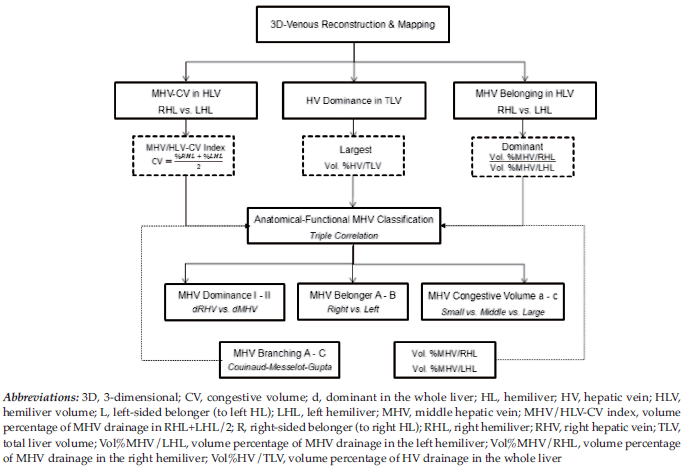
Figure 1. Stepwise Workup for Anatomic-Functional Middle Hepatic Vein Classification
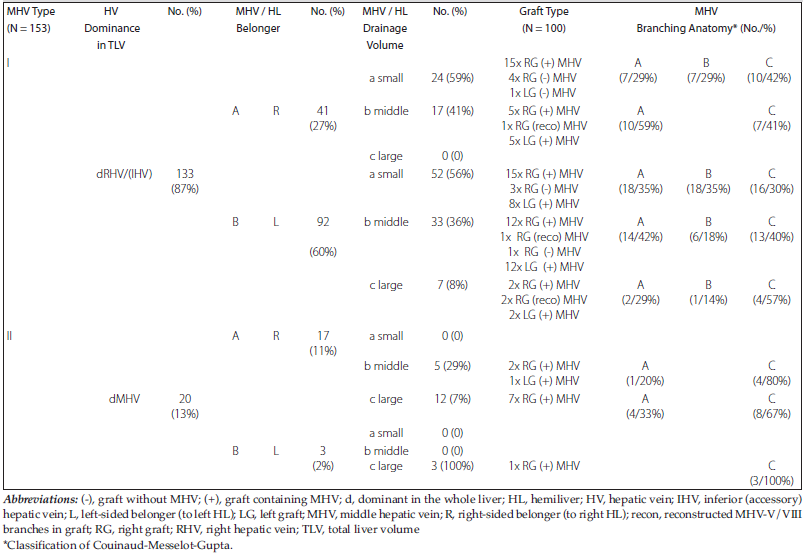
Table 1. Anatomic-Functional Middle Hepatic Vein Classification Related to Middle Hepatic Vein Branching Anatomy According to Couinaud-Messelot- Gupta1-3 With Consideration of Graft Type Selection
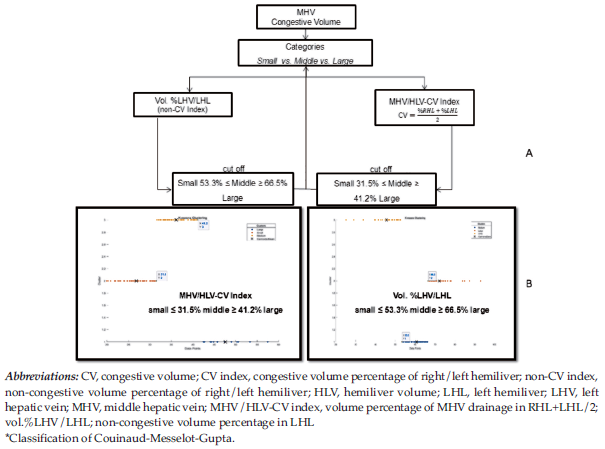
Figure 2. Interrelation Between vol. MHV/HLV-CV Index and vol.%LHV/LHL (non-CV Index) (A) and K Means Clustering Test for Cutoff Values of MHV/HLV-CV Index and vol.%LHV/LHL (non-CV Index) (B)
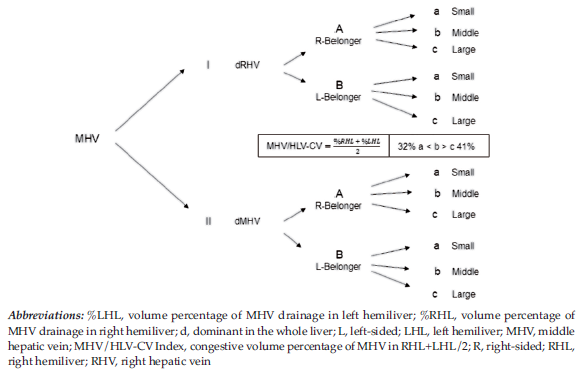
Figure 3. Anatomic-Functional Middle Hepatic Vein Classification Based on the Triple Compilation of Hepatic Vein Dominance Versus Middle Hepatic Vein Belonging Versus MHV/HLV-CV Index
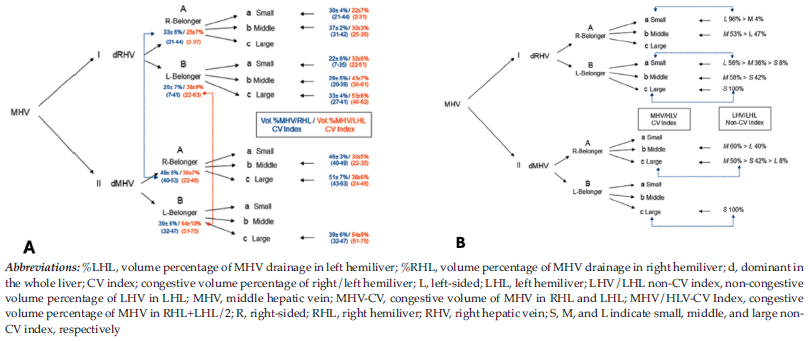
Figure 4. Correlation of MHV R Belonger Type and Large Volume %MHV/RHL (blue) Versus MHV L Belonger Type and Large Volume %MHV/LHL (red) Irrespective of HV/Total Liver Volume Dominance Pattern (A) and Mirror-Inverted Correlation Between Volume %MHV/HLV-CV index and Volume %LHV/LHL (non-CV index) Irrespective of MHV Belonging Pattern and HV/Total Liver Volume Dominance Type (B)
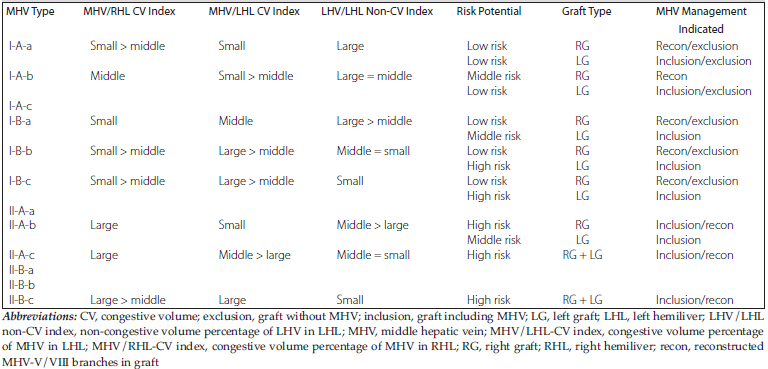
Table 2. Risk Potential of Functional Middle Hepatic Vein Types Related Separately to Right Versus Left Graft
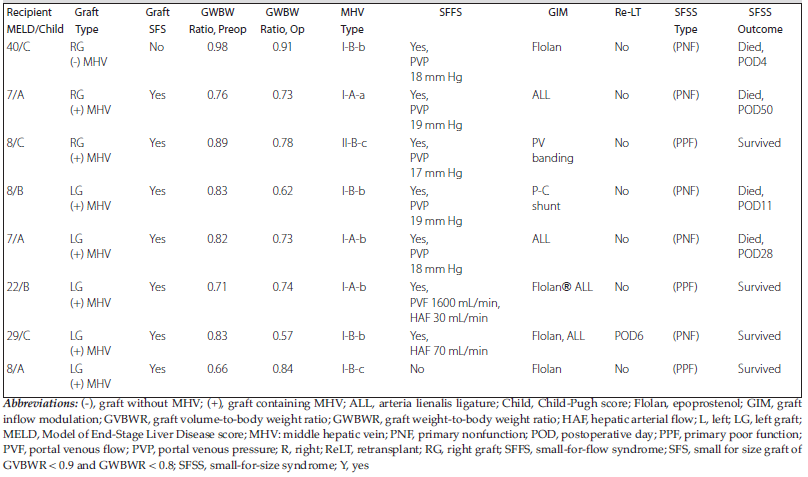
Table 3. Analysis of Postoperative Small-for-Size Syndrome After Adult Living Donor Liver Transplantation with Consideration of Graft Characteristics
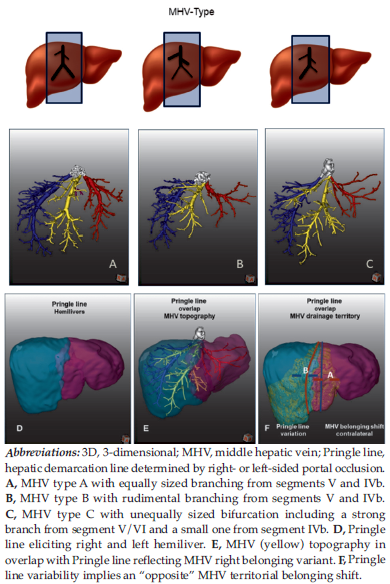
Figure 5. Middle Hepatic Vein Branching Anatomy Classification According to Couinaud-Masselot-Gupta and Simulation of Pringle Line in Overlap with Middle Hepatic Vein Anatomic/Territorial Belonging
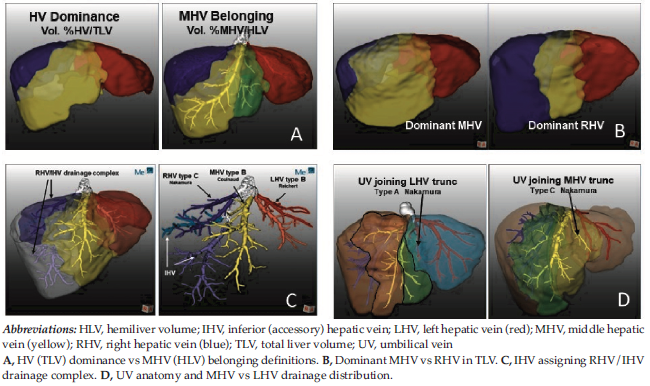
Figure 6. Virtual 3-Dimensional Reconstructions and Mapping
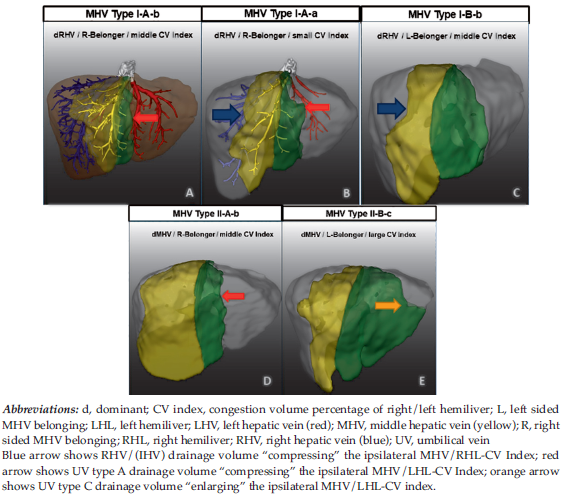
Figure 7. Anatomic-Functional Middle Hepatic Vein Classification Addressing the “Territorial” Relationships Among Right Hemiliver, Middle Hepatic Vein, and Left Hemiliver