Volume: 23 Issue: 12 December 2025
FULL TEXT
Objectives: Tacrolimus-induced tremors were evaluated in relation to plasma pyridoxine status among kidney transplant recipients.
Materials and Methods: Eligible patients were at least 6 months posttransplant with a functioning allograft, with the last 3 tacrolimus trough levels within target range. We analyzed 20 healthy volunteers solely for vitamin B6 status. Vitamin B6 insufficiency was defined as a pyridoxal-5′-phosphate level <7.5 μg/L (30 nmol/L). The tremor was detected by clinical examination and scored with the Essential Tremor Rating Assessment Scale.
Results: We included 77 kidney transplant recipients (45.0 ± 12.4 years). Mean estimated glomerular filtration rate was 63.2 ± 22.0 mL/min/1.73 m2. Mean tacrolimus trough level was 6.4 ± 2.0 ng/mL. Average pyridoxal-5′-phosphate level was 8.3 μg/L (IQR 6.6-10.0 μg/L) in kidney transplant recipients and 13.3 μg/L (IQR 11.4-16.9 μg/L) in healthy volunteers (P < .001). Vitamin B6 insufficiency was identified in 27 kidney transplant recipients (35.0%), whereas no cases were observed in volunteers. Tremor was observed in 45 kidney transplant recipients (58.4%). Tacrolimus trough levels did not significantly differ between patients with and without tremors. The pyridoxal-5′-phosphate level was 7.7 μg/L (IQR 6.3-9.2 μg/L) in recipients with tremors versus 9.0 μg/L (IQR 7.7-10.4 μg/L) in those without tremors (P = .035). Tremor frequency was significantly higher in recipients with vitamin B6 insufficiency versus those with sufficient vitamin B6 levels (77.8% vs 48.0%; P = .010). The Essential Tremor Rating Assessment Scale scores were not correlated with tacrolimus levels (P = .733) and pyridoxine concentrations (P = .322). Multivariate logistic regression analysis revealed that vitamin B6 insufficiency was an independent predictor for presence of tremor (P = .047). Vitamin B6 insufficiency was also associated with poorer outcomes in nerve conduction studies.
Conclusions: Plasma pyridoxine was lower in kidney transplant recipients. Vitamin B6 insufficiency may be a facilitating factor for tacrolimus-induced tremors.
Key words : Essential Tremor Rating Assessment Scale, Kidney transplant recipients, Plasma pyridoxine, Pyridoxal-5′-phosphate
Introduction
Calcineurin inhibitors (CNI) are an essential component of immunosuppression after kidney transplant; however, CNIs have a narrow therapeutic index for efficacy and toxicity. Various adverse side effects are associated with CNI treatment, the most notable of which are nephrotoxicity and neurotoxicity. Hypertension, glucose intolerance, electrolyte disturbances, increased malignancy risk, gastrointestinal complaints, susceptibility to infec-tion, and thrombotic microangiopathy are significant adverse effects of CNIs.1,2
Neurotoxicity of CNIs has emerged in various manifestations. These side effects generally occur within the first 30 days following tacrolimus initia-tion and are often related to high plasma levels of tacrolimus. However, side effects can occur even at target drug levels.3
The neurological side effects of CNIs are usually reversible following a change from intravenous to oral preparation, reduction of the drug dose, or drug discontinuation. Neurotoxicity occurrence is also more common with tacrolimus. Insomnia, tremor, headache, visual abnormalities, paresthesia, cramps, seizures, akinetic mutism, encephalopathy, pain syndrome, focal neurological abnormalities, and coma are all manifestations of CNI-related neurotoxicity.4,5
The cellular basis of tacrolimus-related neuro-toxicity has not been conclusively elucidated. Presumably, tacrolimus decreases the expression of P glycoprotein, as a drug efflux pump, in brain endothelial cells. Afterward, this alteration leads to the dysfunction of the blood-brain barrier which results in vasogenic edema. In addition, tacrolimus may reduce the threshold for membrane depo-larization in nerve cells and facilitate the advent of neuropathic symptoms.4,6
Vitamin B6 (pyridoxine) is a water-soluble compound and widely present in many foods. The vitamin B6 family consists of pyridoxine, pyridoxamine, and pyridoxal, as well as the phosphory-lated derivative of each of these compounds. As a coenzyme, vitamin B6 is involved as a cofactor in more than 100 enzymatic reactions. Pyridoxal 5′-phosphate (PLP) is the primary circulating form of vitamin B6 and reflects tissue pyridoxine status.7,8
Two types of deficiency are described for vitamin B6: overt and marginal. Overt deficiency of vitamin B6 is probably rare, and the primary manifestations are dermatitis, glossitis, and microcytic anemia. Also, vitamin B6 deficiency has been linked to several neurological findings, such as peripheral neuropathy. Marginal vitamin B6 deficiency is relatively more common. The outcomes of marginal deficiency are unclear, but chronically low vitamin B6 status is associated with disease.9,10
In previous studies, kidney transplant recipients (KTRs) have been indicated to be at increased risk for vitamin B6 deficiency.11 Also, lower plasma pyridoxine levels were observed in KTRs versus healthy control participants.12 We evaluated the possible association between plasma pyridoxine levels and tacrolimus-induced tremors in KTRs.
Materials and Methods
Ethical considerations
All procedures performed in studies involving human participants were in accordance with the ethical standards of the institutional and/or national research committee at which the studies were conducted (Erciyes University Ethics Committee approval No. 2022/112) and with the 1975 Helsinki Declaration and its later amendments or comparable ethical standards. Informed consent was obtained from all individual participants included in the study. In this study, all living donors were aged >18 years and were related to their organ recipients.
Study design
This study was conducted among outpatient KTRs at a single center. To be eligible, patients were required to be at least 6 months posttransplant with a functi-oning allograft. The primary inclusion criterion was the use of oral tacrolimus (either immediate-release or prolonged-release formulations) as part of the maintenance immunosuppression regimen. Patients with preexisting tremors prior to kidney transplant or those diagnosed with a neurodege-nerative disease were excluded. In addition, individuals receiving vitamin B6 supplementation or medications known to interfere with vitamin B6 metabolism were not considered eligible for participation.
We also recruited a healthy volunteer group of 20 participants (10 female, 10 male) without kidney disease and not taking vitamin B6 supplements. The healthy volunteers were compared with the KTRs solely for vitamin B6 status.
Tacrolimus level was measured using 12-hour and 24-hour trough concentrations for the immediate-release and prolonged-release preparations, respec-tively. The target tacrolimus level was defined as 5 to 8 ng/mL, and only patients whose last 3 measurements were within this therapeutic range were included in the study. Fasting blood samples were used for laboratory analysis. The Chronic Kidney Disease Epidemiology Collaboration creatinine equation was used to calculate the estimated glomerular filtration rate (eGFR). Patient selection and classification algorithm are shown in Figure 1.
Definitions
The KTRs were divided into 2 groups according to their plasma PLP levels, ie, sufficient or insufficient vitamin B6 status. Vitamin B6 insufficiency consists of 2 types of deficiency: (1) overt vitamin B6 deficiency was defined as a plasma PLP level below 5 μg/L (<20 nmol/L), and (2) marginal deficiency was classified as a plasma PLP level from 5 to 7.5 μg/L (20-30 nmol/L). Sufficient vitamin B6 status was defined as a plasma PLP level exceeding 7.5 μg/L (>30 nmol/L).13
Tremor assessment
A neurologist confirmed the clinical diagnosis of tremors based on the criteria established by the Movement Disorders Society. The resting tremor was assessed by clinical examination, with the arms and hands positioned on an armrest while the wrists were allowed to dangle unsupported over the edge of the surface for 60 seconds. Subsequently, tremor severity was evaluated using the Essential Tremor Rating Assessment Scale (TETRAS), which was developed by the Tremor Research Group.14
Nerve conduction study
Nerve conduction studies were performed using an electromyography device (Medelec Synergy, Oxford Instruments) by the same neurologist who was blinded to the laboratory results following stan-dardized protocols. The evaluation included both sensory and motor nerves. The sensory parameters were median nerve amplitude and conduction velocity, ulnar nerve amplitude and conduction velocity, and sural nerve amplitude and conduction velocity. The motor parameters included median nerve amplitude and conduction velocity, ulnar nerve amplitude and conduction velocity, radial nerve amplitude and conduction velocity, peroneal nerve amplitude and conduction velocity, and tibial nerve amplitude and conduction velocity.
Participants were positioned comfortably in a seated or supine posture during the recordings. Throughout all measurements, body temperature was maintained within a range of 32 to 34 °C to minimize the effect of thermal variations on nerve conduction parameters. Temperature stabilization was achieved with heating pads and controlled ambient temperature conditions. Surface electrodes were placed in accordance with international standards. The filter settings used a bandpass of 20 to 2000 Hz for the sensory nerve studies and a bandpass of 2 to 10 000 Hz for the motor nerve studies.
Determination of vitamin B6 in plasma
Analysis conditions. We used high-performance liquid chromatography (HPLC), a highly sensitive and accurate method, to measure PLP,15 which is the primary circulating form of vitamin B6 and reflects tissue pyridoxine status. We chose the Shimadzu LC-20AT series HPLC system, including a fluorescence detector, for the HPLC analyses. For quantification of vitamin B6 in plasma, we used an isocratic HPLC column (ChromSystems, No. 31100) with a mobile phase reagent (ChromSystems, No. 31001). The fluorescence detector was set to record at excitation 320 nm and emission 415 nm. Measurement of vitamin B6 was based on isocratic elution with the flow rate maintained at 1 mL/min. A plasma sample of 25 μL was directly injected into the HPLC column with a run time of 15 minutes.
Sample preparation. All sample preparation was according to the directions from the manufacturer (ChromSystems, No. 31000 vitamin B6 analysis kit). The calibrator and control level I-II (as defined by the manufacturer) assays were run parallel with the plasma samples for each analysis. A plasma sample of 200 μL (calibrator/control) along with 300 μL of precipitation reagent were added in a light-protected 1.5-mL tube and then vortexed for 1 minute. After 10 minutes of incubation at 4 °C, all samples were centrifuged for 5 minutes at 16 000 g. Then, 250 μL of supernatant was transferred into the new light-protected amber-colored tube. Neutralization reagent (250 μL) and derivatization reagent (100 μL) were added and mixed briefly with vortex. In the last step, samples were incubated for 20 minutes at 60 °C, after which samples were cooled for 10 minutes at 4 °C, then centrifuged for 2 minutes at 16 000 g. After the sample preparation steps, the supernatants were transferred into light-protected autosampler vials.
Limit of quantification of PLP in plasma was determined as 0.5 μg/L, and linear range was up to 250 μg/L.
For the calculation of vitamin B6 concentration, peak area/height of sample and calibrator were measured and identified as Asample and Acalibrator, respectively, and then we used the following formula: Csample = (Asample/Acalibrator) × Ccalibrator, where Csample is the concentration of sample (in μg/L), and Ccalibrator is the concentration of the calibrator (in μg/L).
Statistical analyses
We used SPSS software (version 22.0) for statistical analyses. Histograms and quantile–quantile plots were examined, and the Shapiro-Wilk test was performed to assess the data normality. The Levene test was applied to test variance homogeneity. To compare the differences between groups, either a 2-sided independent samples t test or the Mann-Whitney U test was used for continuous variables, and the Pearson χ2 analysis or the Fisher exact test was used for categorical variables. The Spearman correlation coefficient was used to explore the relationship between numerical variables. We used univariate and multiple binary logistic regression analyses to identify the risk factors of tremor status and nerve conduction injuries in KTRs. Significant variables at P < .25 contingency level were included in the multivariable model, and we used the Wald statistic for forward elimination to identify the independent risk factors. We assessed the goodness-of-fit of the model with the Hosmer-Lemeshow test and the Nagelkerke R2 statistic. P < .05 was considered statistically significant.
Results
Our analyses included 77 KTRs with a mean age of 45.0 ± 12.4 years. Among these participants, 43 were male patients (55.8%) and 34 were female patients (44.2%). The median body mass index was 26.0 (IQR 22.5-28.0). The average duration since transplant was 96 months (IQR 27.5-145 months). The mean eGFR was 63.2 ± 22.0 mL/min/1.73 m2. Of the 77 KTRs, 26 (33.8%) underwent preemptive kidney transplant, whereas 51 (66.2%) underwent kidney transplant after dialysis initiation. Table 1 shows baseline characteristics of KTRs.
The mean tacrolimus trough level was 6.4 ± 2.0 ng/mL. The distribution of immunosuppression regimens was as follows: 61 KTRs (79.2%) were treated with tacrolimus plus mycophenolate plus glucocorticoid, 9 (11.7%) with tacrolimus plus everolimus plus glucocorticoid, 4 (5.2%) with tacrolimus plus azathioprine plus glucocorticoid, and 3 (2.6%) with tacrolimus plus glucocorticoid.
We first compared KTRs with 20 healthy volun-teers (mean age 43.2 ± 9.2 years; mean ewvqv5GFR 104.6 ± 10.1 mL/min/1.73 m2) in terms of plasma pyridoxine levels. The average pyridoxine level was 8.3 μg/L (IQR 6.6-10.0 μg/L) in KTRs, whereas it was 13.3 μg/L (IQR 11.4-16.9 μg/L) in healthy volunteers. Pyridoxine levels were significantly lower (P < .001) in KTRs (Figure 2A). Vitamin B6 insufficiency was identified in 35.0% of KTRs (n = 27), whereas no case of insufficiency was determined in the healthy group.
The overt deficiency of vitamin B6 was identified in 3 patients (3.9%), and marginal deficiency was identified in 24 patients (31.1%). Transplant durations were not significantly different (P = .625) between KTRs with and without vitamin B6 deficiency, which were, respectively, 96 months (IQR 23-121 months) and 92 months (IQR 27-156 months). Tacrolimus trough levels were not significantly different (P = .293) between KTRs with and without vitamin B6 deficiency (6.7 ± 2.1 and 6.2 ± 1.9 ng/mL, respectively). Also, no correlation was shown between plasma pyridoxine levels and tacrolimus trough levels (P = .700). Pyridoxine levels were not correlated with age, body mass index, eGFR, hemoglobin, folic acid, and vitamin B12. However, pyridoxine levels demonstrated a positive correlation with serum albumin levels (P = .041) and phosphorus levels (P = .024). Furthermore, significantly lower (P = .003) plasma pyridoxine levels were identified in female KTRs versus male KTRs, which were, respectively, 7.3 μg/L (IQR 6.0-8.8 μg/L) and 9.1 μg/L (IQR 7.5-10.5 μg/L).
A resting tremor was observed in 45 KTRs (58.4%). The median pyridoxine level was 7.7 μg/L (IQR 6.3-9.2 μg/L) in KTRs with tremors and 9.0 μg/L (IQR 7.7-10.4 μg/L) in those without tremors (Figure 2B). Pyridoxine levels were significantly lower in KTRs with tremors versus those without tremors (P = .035). The prevalence of tremors was higher among KTRs with vitamin B6 insufficiency (77.8%) versus those with sufficient vitamin B6 levels (48.0%) (P = .010). Frequency of tremors was significantly greater in female KTRs (76.4%) versus male KTRs (44.2%) (P = .004).
The mean tacrolimus trough level was 6.4 ± 2.1 ng/mL in KTRs with tremors and 6.4 ± 1.8 ng/mL in those without tremors, with no statistically significant difference. Similarly, no significant differences were found in the levels of other B vitamins (folic acid and vitamin B12) based on tremor status. Additionally, serum electrolyte levels did not differ significantly between patients with and without tremors. Table 2 shows a comparative analysis of KTRs based on the presence of tremor.
Table 3 shows univariate and multivariate binary logistic regression analyses for tremor status. The multivariate model identified sex, vitamin B6 insufficiency, and serum creatinine levels as inde-pendent predictors of tremor. The corresponding odds ratios were 3.20 (95% CI, 1.04-9.84), 3.48 (95% CI, 1.02-11.93), and 0.22 (95% CI, 0.06-0.84), respectively. In contrast, plasma pyridoxine level was not found to be an independent predictor of tremor. The Nagelkerke R2 value was calculated as 0.287, indicating that sex, vitamin B6 insufficiency, and creatinine levels collectively explained 28.7% of the variability in tremor occurrence. The Hosmer-Lemeshow goodness-of-fit test yielded a χ2 value of 5.715 (P = .679), which confirmed the adequacy of the regression model.
The median TETRAS score was 5.0 (IQR 2.0-12.0). The median TETRAS score was 11.0 (IQR 6.5-14.0) in KTRs with tremors and 1.5 (IQR 1.0-2.0) in KTRs without tremors. The TETRAS score was 8 (IQR 3-12) among KTRs with vitamin B6 insufficiency, whereas it was 3 (IQR 2-11) among those with sufficient vitamin B6 levels. However, these differences were not significant (P = .220). Also, TETRAS scores were not correlated with tacrolimus trough levels (P = .733) or pyridoxine levels (P = .322).
Nerve conduction studies demonstrated findings within the reference range in 46 patients (59.7%). Isolated sensory neuropathy was observed in 15 patients (19.5%), isolated motor neuropathy in 4 patients (5.2%), and sensorimotor neuropathy in 12 patients (15.6%). The parameters of nerve conduction studies were compared according to vitamin B6 status (Table 4).
Correlation analysis revealed a positive asso-ciation between pyridoxine levels and several nerve conduction parameters. Specifically, pyridoxine levels were positively correlated with ulnar nerve motor conduction velocity (P = .022), radial nerve motor conduction velocity (P = .034), and peroneal nerve motor amplitude (P = .003).
Furthermore, patient age showed a negative correlation with several nerve conduction parameters, including median and ulnar nerve sensory amplitudes and velocities, as well as median, tibial, and peroneal nerve motor amplitudes and velocities. No significant correlations were found between tacrolimus levels, duration of transplant, or eGFR values and any nerve conduction parameters.
Discussion
The primary outcome of this study was the identification of lower plasma pyridoxine levels in KTRs versus healthy controls. The central hypothesis of this study was that diminished neuroprotection, secondary to lower plasma pyridoxine concentrations, may contribute to the development of tacrolimus-induced tremors. Our findings demonstrated that KTRs with tremors had significantly lower plasma pyridoxine levels. Specifically, the mean pyridoxine level was 7.7 μg/L in KTRs with tremors versus 9.0 μg/L in those without tremors. Furthermore, tacrolimus-induced tremors were more frequent in patients with vitamin B6 insufficiency. However, no significant correlation was observed between plasma pyridoxine levels and tremor severity (TETRA scores). These outcomes indicated that this may be a threshold-based, nonlinear association.
Tremor is a neurological condition defined as involuntary shaking movements in one or more body parts, most commonly the hands. Tremor is among the most common adverse side effects of CNI and sometimes seriously affects daily life quality. Also, tremor is observed in approximately 50% to 70% of individuals. Venuto and colleagues reported the frequency of tacrolimus-induced tremors was 50.7% in 149 KTRs. Also, tremors affecting daily life were noted at a very low frequency (2.9%) in 218 KTRs by Fernandez and colleagues.16-18
Only patients whose last 3 tacrolimus trough measurements were within the target trough concentration of tacrolimus were included. This criterion was applied to minimize variability in the effect of tacrolimus on tremors. We observed that the average tacrolimus levels were similar between KTRs with and without tremors (6.4 and 6.4 ng/mL, respectively). Essentially, it has been established that tacrolimus-induced tremors occur independently of drug dosage. Tremors, headaches, and insomnia also occur at target tacrolimus ranges. Tacrolimus-induced tremors are primarily correlated with peak-dose drug concentration. Also, tremor frequency has been reported to be significantly lower in the extended-release formulation of tacrolimus (once daily) versus the immediate-release formulation.19 Many previously published studies have shown limited evidence for the association between tacrolimus trough level and neurological side effects. Nonetheless, the frequency of tremors has been shown to increase at higher tacrolimus blood levels.20
The usual risk factors for drug-induced tremors are older age, male sex, polypharmacy, administration of high doses, and reaching toxic levels.21 In contrast to such reports, we observed that tacrolimus-induced tremors were significantly higher (76.4%) in female patients. Despite our findings, the exact mechanisms underlying tacrolimus-induced tremors are not known. Tremor is likely attributable to the abnor-malities in the cerebellar circuitry and the altered sensitivity profile of the γ-aminobutyric acid receptors.5
We analyzed vitamin B6 in 2 ways: measurement of plasma PLP levels and evaluation of insufficiency status. Vitamin B6 is not stored in the human body, so a daily intake is required. Overt vitamin B6 defi-ciency (PLP <5 μg/L) is quite rare in the general population; however, marginal deficiency (PLP at 5-7.5 μg/L) is comparatively common and manifests as nonspecific symptoms. Alcohol consumption, nutritional disturbances, autoimmune diseases, and dialysis treatment are among the risk factors for vitamin B6 deficiency. Also, vitamin B6 deficiency may be caused by pyridoxine-inactivating medications (eg, isoniazid).7
In numerous studies, solid-organ transplant recipients have been identified as a population with increased risk for vitamin B6 deficiency. In our cohort, the frequency of overt deficiency was 3.9%, whereas the frequency of marginal deficiency was 31.1%. Minovic and colleagues conducted a comprehensive study of 678 KTRs and 297 healthy participants and revealed a higher prevalence of vitamin B6 deficiency among KTRs. The PLP levels were reported as 7.2 μg/L (29 nmol/L) in KTRs and 10.2 μg/L (41 nmol/L) in the healthy control group. The KTRs also exhibited poorer functional vitamin B6 status versus healthy participants. Furthermore, this impaired vitamin B6 status was independently associated with an increased risk of mortality. Notably, the authors concluded that vitamin B6 deficiency in KTRs was not attributable to inadequate dietary intake.11
In our literature review, we identified only a limited number of studies that have assessed vitamin B6 status among KTRs, and those findings were conflicting. Vitamin B6 has primarily been inves-tigated as a nutritional biomarker and an immune-modulating molecule. Although several studies have reported a high prevalence of vitamin B6 deficiency, at least one study did not identify any cases of deficiency. Notably, 2 different plasma PLP thresholds have been proposed to define vitamin B6 deficiency in the literature: <20 nmol/L and <30 nmol/L.12,22,23 In our study, most cases were classified as marginal deficiency. Marginal deficiency cases have consti-tuted the majority in our study.12,22,23
Plasma pyridoxine levels have been reported to be largely unaffected by kidney function.24 Several studies have explored the relationship between immunosuppressive agents used in induction, rejection, or maintenance therapy and pyridoxine deficiency. Van Arsdale and colleagues found that thymoglobulin was associated with lower pyridoxine levels in solid-organ transplant recipients, whereas tacrolimus did not show such an association.25
Vitamin B6 functions as a coenzyme in over a hundred enzymatic reactions involved in the metabolism of amino acids, carbohydrates, neuro-transmitters, and lipids. Pyridoxine is also consi-dered one of the neurotropic vitamins and plays a crucial role in the maintenance of neuronal viability.26,27 In the brain, PLP is required for the synthesis of neurotransmitters such as serotonin, norepinephrine, epinephrine, and γ-aminobutyric acid and thus contributes to both neuronal excitation and inhibition.28 Similarly, our study demonstrated that pyridoxine was positively associated with nerve conduction parameters. A significant increase in nerve conduction velocity and amplitude was observed in the presence of relatively high pyridoxine levels. In addition, nerve conduction studies revealed a significantly higher frequency of injury in vitamin B6-deficient KTRs (55.5%) versus those without deficiency (32.0%).
In an experimental rat model, Dellon and colleagues demonstrated that a vitamin B6-deficient diet led to peripheral neuropathy. Decreased nerve fiber density and an increased axon-to-myelin ratio were observed in the vitamin B6-deficient rats.29 Although electrophysiological study results are usually unremarkable in patients with pure pyrido-xine deficiency, Chandrasekaran and colleagues have reported cases of axonal sensorimotor neuropathy associated with this condition.30
We acknowledge several limitations of our study. First, the severity of tremors was assessed with the TETRAS scale, which is based on subjective evaluation. A quantitative tremor measurement device could offer more accurate and objective results. In addition, our findings should be regarded as preliminary, and further investigations with a larger patient cohort are needed to validate these results.
Conclusions
We consider our present findings to be remarkable, as these represent the first report in the literature of a possible association between tacrolimus-induced tremors and pyridoxine. Our study highlights an overlooked vitamin deficiency in transplant practice. Future research to explore the effects of pyridoxine supplementation on tacrolimus-induced tremors could provide valuable insight and clarity regarding the role of vitamin B6 in this context.
References:
- Issa N, Kukla A, Ibrahim HN. Calcineurin inhibitor nephrotoxicity: a review and perspective of the evidence. Am J Nephrol. 2013;37(6):602-612. doi:10.1159/000351648
CrossRef - PubMed - McPartland KJ, Pomposelli JJ. Update on immunosuppressive drugs used in solid-organ transplantation and their nutrition implications. Nutr Clin Pract. 2007;22(5):467-473. doi:10.1177/0115426507022005467
CrossRef - PubMed - Eidelman B, Abu-Elmagd K, Wilson J, et al. Neurologic complications of FK 506. Transplant Proc. 1991;23(6):3175-3178.
CrossRef:
PubMed - Verona P, Edwards J, Hubert K, et al. Tacrolimus-induced neurotoxicity after transplant: A literature review. Drug Saf. 2024;47(5):419-438. doi:10.1007/s40264-024-01398-5
CrossRef - PubMed - Bechstein WO. Neurotoxicity of calcineurin inhibitors: impact and clinical management. Transpl Int. 2000;13(5):313-326. doi:10.1007/s001470050708
CrossRef - PubMed - Arnold R, Pussell B, Pianta T, Lin CY, Kiernan M, Krishnan A. Association between calcineurin inhibitor treatment and peripheral nerve dysfunction in renal transplant recipients. Am J Transplant. 2013;13(9):2426-2432. doi:10.1111/ajt.12324.
CrossRef - PubMed - Brown MJ, Ameer MA, Daley SF, Beier K. [Updated 2023 Aug 8]. In: StatPearls [Internet]. Treasure Island (FL): StatPearls Publishing; 2025.
CrossRef:
PubMed:
- Gregory JF, DeRatt BN, Rios-Avila L, Ralat M, Stacpoole PW. Vitamin B6 nutritional status and cellular availability of pyridoxal 5′-phosphate govern the function of the transsulfuration pathway’s canonical reactions and hydrogen sulfide production via side reactions. Biochimie. 2016;126:21-26. doi:10.1016/j.biochi.2015.12.020
CrossRef - PubMed - Muhamad R, Akrivaki A, Papagiannopoulou G, Zavridis P, Zis P. The role of vitamin B6 in peripheral neuropathy: a systematic review. Nutrients. 2023;15(13):2823. doi:10.3390/nu15132823
CrossRef - PubMed - Zhao M, Lamers Y, Ralat MA, et al. Marginal vitamin B-6 deficiency decreases plasma (n-3) and (n-6) PUFA concentrations in healthy men and women. J Nutr. 2012;142(10):1791-1797. doi:10.3945/jn.112.163246
CrossRef - PubMed - Minović I, Riphagen IJ, van den Berg E, et al. Vitamin B-6 deficiency is common and associated with poor long-term outcome in renal transplant recipients. Am J Clin Nutr. 2017;105(6):1344-1350. doi:10.3945/ajcn.116.151431
CrossRef - PubMed - Lacour B, Parry C, Drüeke T, et al. Pyridoxal 5′-phosphate deficiency in uremic undialyzed, hemodialyzed, and non-uremic kidney transplant patients. Clin Chim Acta. 1983;127(2):205-215. doi:10.1016/s0009-8981(83)80005-9
CrossRef - PubMed - Gregory III JF, Park Y, Lamers Y, et al. Metabolomic analysis reveals extended metabolic consequences of marginal vitamin B-6 deficiency in healthy human subjects. PloS One. 2013;8(6):e63544. doi:10.1371/journal.pone.0063544
CrossRef - PubMed - Elble RJ. The essential tremor rating assessment scale. J Neurol Neuromed. 2016;1(4):34-36.
CrossRef - PubMed:
- Cabo R, Kozik K, Milanowski M, et al. A simple high-performance liquid chromatography (HPLC) method for the measurement of pyridoxal-5-phosphate and 4-pyridoxic acid in human plasma. Clin Chim Acta. 2014;433:150-156. doi:10.1016/j.cca.2014.03.003
CrossRef - PubMed - Fernandez-Rivera C, Calvo-Rodríguez M, Poveda JL, et al; BETTER study. Bioavailability of once-daily tacrolimus formulations used in clinical practice in the management of de novo kidney transplant recipients: the BETTER study. Clin Transplant. 2022;36(3):e14550. doi:10.1111/ctr.14550
CrossRef - PubMed:https://pubmed.ncbi.nlm.nih.gov/34851532/
- Venuto RC, Meaney CJ, Chang S, et al. Association of extrarenal adverse effects of posttransplant immunosuppression with sex and ABCB1 haplotypes. Medicine (Baltimore). 2015;94(37):e1315. doi:10.1097/MD.0000000000001315
CrossRef - PubMed - Anghel D, Tanasescu R, Campeanu A, Lupescu I, Podda G, Bajenaru O. Neurotoxicity of immunosuppressive therapies in organ transplantation. Maedica (Bucur). 2013;8(2):170-175.
CrossRef:
PubMed - Langone A, Steinberg SM, Gedaly R, et al.; STRATO Investigators Switching STudy of Kidney TRansplant PAtients with Tremor to LCP-TacrO (STRATO): an open-label, multicenter, prospective phase 3b study. Clin Transplant. 2015;29(9):796-805. doi:10.1111/ctr.12581 CrossRef: https://doi.org/10.1111/ctr.12581
PubMed - King CP, Cossart AR, Isbel NM, Campbell SB, Staatz CE. The association between tacrolimus exposure and tremor, headache and insomnia in adult kidney transplant recipients: a systematic review. Transplant Rev (Orlando). 2024;38(1):100815. doi:10.1016/j.trre.2023.100815
CrossRef - PubMed - Baizabal-Carvallo JF, Morgan JC. Drug-induced tremor, clinical features, diagnostic approach and management. J Neurol Sci. 2022;435:120192. doi:10.1016/j.jns.2022.120192
CrossRef - PubMed - Jankowska M, Marszałł M, Dębska-Ślizień A, et al. Vitamin B6 and the immunity in kidney transplant recipients. J Ren Nutr. 2013;23(1):57-64. doi:10.1053/j.jrn.2012.01.023
CrossRef - PubMed - Sunder-Plassmann G, Floth A, Födinger M. Hyperhomocysteinemia in organ transplantation. Curr Opin Urol. 2000;10(2):87-94. doi:10.1097/00042307-200003000-00007
CrossRef - PubMed - Bates CJ, Pentieva KD, Prentice A. An appraisal of vitamin B6 status indices and associated confounders, in young people aged 4-18 years and in people aged 65 years and over, in two national British surveys. Public Health Nutr. 1999;2(4):529-535. doi:10.1017/s1368980099000713
CrossRef - PubMed - Van Arsdale S, Yost SE, Hsu C-H, Meer M, Schoentag S, Habib S. Pyridoxine deficiency after solid organ transplant. Prog Transplant. 2017;27(3):251-256. doi:10.1177/1526924817715465
CrossRef - PubMed - Ghavanini AA, Kimpinski K. Revisiting the evidence for neuropathy caused by pyridoxine deficiency and excess. J Clin Neuromuscul Dis. 2014;16(1):25-31. doi:10.1097/CND.0000000000000049
CrossRef - PubMed - Wu XY, Lu L. Vitamin B6 deficiency, genome instability and cancer. Asian Pac J Cancer Prev. 2012;13(11):5333-5338. doi:10.7314/apjcp.2012.13.11.5333
CrossRef - PubMed - Stover PJ, Field MS. Vitamin B-6. Adv Nutr. 2015;6(1):132-133. doi:10.3945/an.113.005207
CrossRef - PubMed - Dellon AL, Dellon ES, Tassler PL, Ellefson RD, Hendrickson M. Experimental model of pyridoxine (B6) deficiency-induced neuropathy. Ann Plast Surg. 2001;47(2):153-60. doi:10.1097/00000637-200108000-00008
CrossRef - PubMed - Chandrasekaran PN, Arista MC. Electrophysiological characteristics of peripheral neuropathy in patients with vitamin B6 deficiency. Neurology. 2013;80(Suppl 7):P01.138. doi:10.1212/WNL.80.7_supplement.P01.138
CrossRef - PubMed:

Volume : 23
Issue : 12
Pages : 787 - 795
DOI : 10.6002/ect.2025.0095
From the 1Department of Nephrology, the 2Department of Internal Medicine, the 3Department of Neurology, and the 4Department of Biochemistry, Erciyes University Medical Faculty; the 5Drug Research and Application Center, Erciyes University; and the 6Department of Biostatistics, Erciyes University Medical Faculty, Kayseri, Turkey
Acknowledgements: The authors have not received any funding or grants in support of the presented research or for the preparation of this work and have no declarations of potential conflicts of interest.
Corresponding author: Cihan Uysal, Department of Nephrology, Erciyes University Medical School, Kayseri, Turkey
Phone: +90 505 885 81 29 E-mail: drcihanuysal@hotmail.com
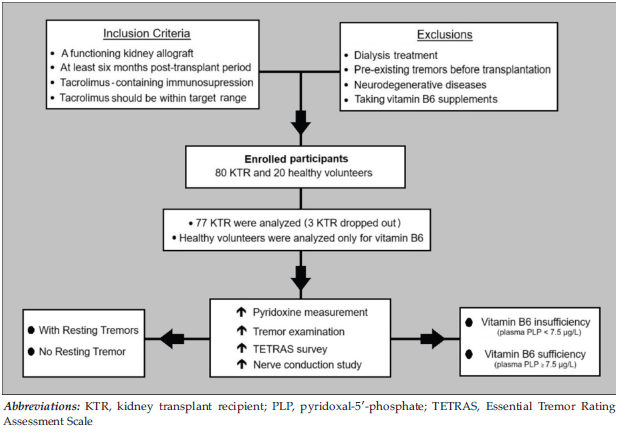
Figure 1. Study Flow Chart
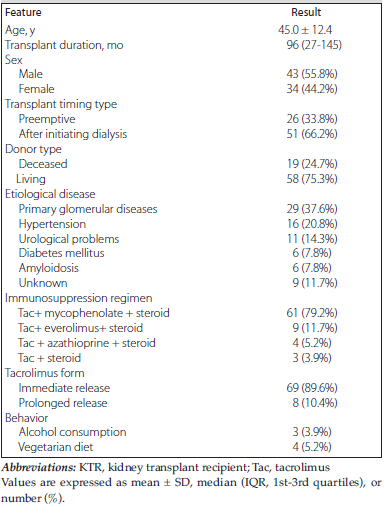
Table 1. Baseline Characteristics of Kidney Transplant Recipients
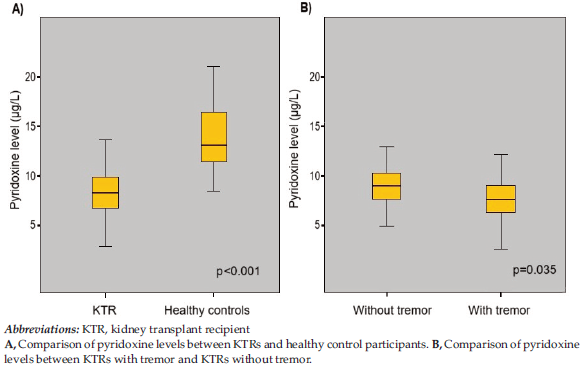
Figure 2. Comparison of Pyridoxine Levels Between Different Patient Groups
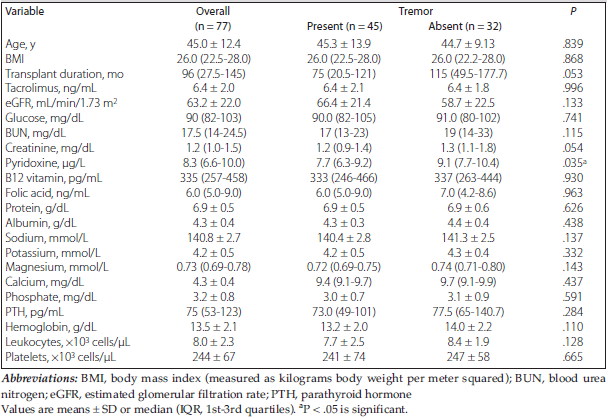
Table 2. Comparison of Clinical and Laboratory Parameters According to Tremor Status
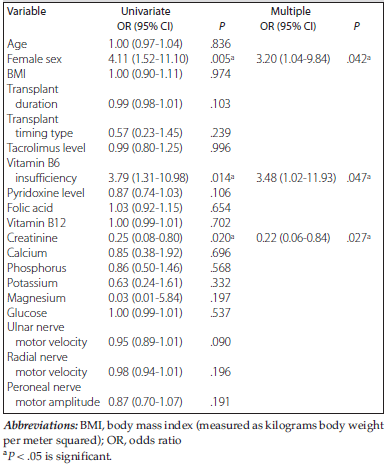
Table 3. Multivariate Binary Logistic Regression Analysis in Identifying the Risk Factors on the Presence of Tremor
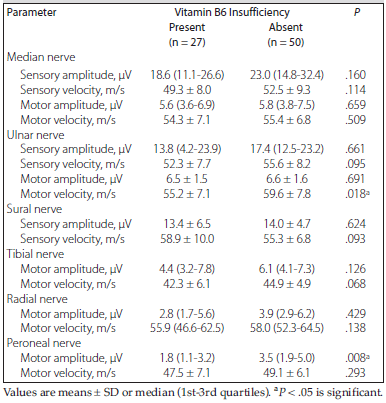
Table 4. Comparison of Nerve Conduction Parameters According to Vitamin B6 Status