Volume: 23 Issue: 11 November 2025
FULL TEXT
Comparison of Dopamine and Norepinephrine for Organ Procurement Optimization in Brain-Dead Organ Donors
Objectives: Dopamine and norepinephrine are the mainstay vasopressors in shock management, including brain-dead organ donors. However, only a few studies have been conducted on brain-dead organ donors. We aimed to identify the most effective vasopressor for management of hypotensive brain-dead organ donors within the final 24 hours.
Materials and Methods: We reviewed and analyzed the medical records of brain-dead organ donors from January 2010 to December 2023. We calculated the total amount of vasopressor used during the last 24 hours as equivalent dosages by using the vasoactive inotropic score. We classified the brain-dead organ donors into 2 groups: dopamine-predominant and norepinephrine-predominant deceased donors. The primary outcome measure was the rate of organ procurement, and the secondary outcome measures were organ function and physiological status.
Results: We included 102 brain-dead organ donors:
67 (65.7%) in the dopamine-predominant group and 35 (34.3%) in the norepinephrine-predominant group. Liver grafts were procured from 94 brain-dead organ donors (92.2%). The dopamine-predominant group showed significantly higher rates of liver procurement (98.5% vs 80.0%; P = .002). Multivariate logistic regression analysis demonstrated that significantly more liver grafts were procured in the dopamine-predominant group than in the norepinephrine-predominant group (odds ratio 14.642; P = .015).
Conclusions: Dopamine-predominant vasopressor therapy can better alleviate anaerobic metabolism and augment the rates of liver procurement.
Key words: Deceased donor management, Vasopressor
Key words : Deceased donor management, Vasopressor
Introduction
Organ transplant is the treatment of choice for patients with end-stage organ disease. With the increased demand for organ transplant, the supply of organs has become inadequate.1 In 2023, deceased donors accounted for 70.1% of all types of donors in the United States.2 In addition, because deceased donors can provide multiple organs, caring for potential organ donors is a crucial factor to compensate for organ shortages. Organ donors who have died due to brainstem death are defined as brain-dead organ donors (BDODs). Brainstem death induces a catec-holamine storm,3 sympatholysis,4 and hormonal dysregulation,5 which leads to critically ill conditions and complicated donor management.6
Hemodynamic stabilization is the first priority in BDOD management. In addition to fluid therapy, vasopressors are used to correct hemodynamic collapse. In patients with septic shock, norepinephrine has been recommended versus dopamine as the first-line vasopressor because dopamine use is associated with more adverse effects and even mortality.7,8 In contrast, rather than norepinephrine, vasopressin is often suggested as the first-line vasopressor in BDOD management9,10 to correct fluid loss from central diabetes insipidus and vasoplegia simultaneously, given that vasopressin acts as an antidiuretic hormone and vasoconstrictor.11,12 Vasopressin ultimately has a catecholamine-sparing effect, acting as both a vasopressor and a hormonal replacement therapy.13 The individual merits and demerits of vasopressors have created longstanding controversy. Large-scale studies have been conducted to determine the superiority of particular vasopressors.7,14,15 However, most studies on vasopressors have been based on patients with septic shock, and evidence relevant to BDODs is lacking.
Thus, in this study, we investigated the supe-riority of dopamine versus norepinephrine as a vasopressor in the management of hypotensive BDODs in the final 24 hours.
Materials and Methods
Study setting
We reviewed and analyzed the medical records of BDODs at our institution from January 2010 to December 2023. This study was approved by the institutional review board of Ulsan University Hospital (approval No. 2024-10-004). The requirement for informed consent was waived because no additional interventions were performed on these participants.
Eligibility criteria
We excluded BDODs aged <18 years from the study. To avoid factors affecting organ function and the rates of organ procurement, we also excluded BDODs with a medical history of coronary intervention, end-stage renal disease, and chronic liver diseases such as liver cirrhosis or hepatitis. To evaluate the effects of treatment, BDODs who remained in the intensive care unit for <24 hours were excluded. Also, if BDODs were administered the same dose of dopamine or norepinephrine, or if neither of these agents were used, then these BDODs were excluded.
Data collection
We obtained demographic and clinical information. We examined medications administered within 24 hours before organ procurement and the final laboratory data obtained before procurement. The grade of liver steatosis was confirmed using liver biopsy specimens obtained during surgery, except for 3 BDODs subjected to ultrasonography. Liver steatosis was classified as mild (<30%), moderate (30%-60%), or severe (≥60%).16 Obesity was defined as body mass index (measured as kilograms body weight per meter squared) ≥25, given the Asian ethnicity of BDODs.17 The total amount of vasopressor used during the last 24 hours was calculated as equivalent dosages using the vasoactive inotropic score18 (VIS): VIS = dopamine (µg/kg/min) + dobutamine (µg/kg/min) + 100 × epinephrine (µg/kg/min) + 100 × norepinephrine (µg/kg/min) + 10 × milrinone (µg/kg/min) + 10 000 × vasopressin (U/kg/min).
Based on the amounts of dopamine and nore-pinephrine, as represented by VIS, we classified BDODs into 2 groups: dopamine-predominant (DOPA-PRE) and norepinephrine-predominant (NOR-PRE).
Outcome measures
The primary outcome measures were the procu-rement rates of organs, including the heart, lungs, liver, kidneys, and pancreas. The secondary outcome measures were organ function, as represented by laboratory data; and physiological outcomes, as measured by lactate levels, VIS, and fluid balance.
Statistical analyses
We presented continuous variables as means and SD. We compared categorical variables with the X2 test or the Fisher exact test and continuous variables with the t test. We evaluated correlations among variables by using the Spearman correlation coefficient.
We calculated odds ratios based on multivariate logistic regression analysis to identify independent factors affecting the rates of organ procurement. Statistical significance was defined as a 2-sided value for P <. 05. We analyzed all data by using SPSS (version 28).
Results
Baseline demographic information
Overall, 186 BDODs were identified, of which 102 were included in the study after excluding 84 BDODs based on the following exclusion criteria: age <18 years (n = 8), chronic liver disease (n = 12), end-stage renal disease (n = 5), intensive care unit stay <24 hours (n = 13), no vasopressor use or use of the same dose of dopamine and norepinephrine (n = 41), and other medical conditions, such as percutaneous coronary intervention and use of extracorporeal membrane oxygenation (n = 5). The DOPA-PRE group included 67 (65.7%) BDODs, and the NOR-PRE group included 35 (34.3%) BDODs (Figure 1). The average amounts of vasopressors administered during the last 24 hours were 12253 ± 7922 µg dopamine and 18.1 ± 36.1 µg norepinephrine in the DOPA-PRE group and 5416 ± 9133 µg dopamine and 252.6 ± 302.8 µg norepinephrine in the NOR-PRE group (both P < .001). There were no differences in age, sex, medical history, steroid administration, or time elapsed between disease onset and pro-curement. Traumatic brain injury and neurosurgery were the most common causes of brain death in the DOPA-PRE group (Table 1).
Outcome measures
In terms of the primary outcomes, the rates of procurement of the heart, lungs, pancreas, kidneys, and total number of organs did not differ between the groups. Overall, liver grafts were obtained and transplanted from 94 (92.2%) BDODs. The DOPA-PRE group showed significantly higher liver procurement rates (98.5%) versus the NOR-PRE group (80.0%) (P = .002) (Table 2).
In terms of secondary outcomes, the predo-minance of dopamine or norepinephrine use did not affect organ function, including coagulation, liver function, and lung function. Creatinine levels were lower in the DOPA-PRE group than in the NOR-PRE group (1.08 ± 0.80 vs 1.64 ± 1.70, respectively; P = .071), although the difference did not reach significance. Lactate levels were significantly lower in the DOPA-PRE group than in the NOR-PRE group (1.01 ± 0.48 vs 1.94 ± 2.52, respectively; P = .039). In terms of physiological status, no differences were observed in the VIS, fluid intake, or excretion between the 2 groups (Table 3).
Factors affecting the rates of liver procurement
The influence of dopamine use on the rate of liver procurement was investigated based on the extended criteria for liver donors.19,20 Total bilirubin was analyzed as a continuous variable rather than using the previously suggested cut-off value of >3 mg/dL, because none of the BDODs was included in the liver discard group. Multivariate logistic regression analysis showed no effects of age, bilirubin level, liver steatosis, obesity, or steroid administration. Significantly more liver grafts were procured in the DOPA-PRE group (odds ratio 14.642; P = .015) (Table 4).
Discussion
This study investigated whether dopamine or norepinephrine was the superior vasopressor for the management of hypotensive BDODs in the final 24 hours. The procurement rates of the heart, lungs, pancreas, kidneys, and total number of organs did not differ between the groups, although the DOPA-PRE group showed significantly higher rates of liver procurement (98.5%) versus the NOR-PRE group (80.0%) (P = .002). In the multivariate logistic reg-ression analysis, no effect of age, bilirubin, liver steatosis, obesity, or steroid administration was noted, although the use of dopamine significantly increased the odds of liver procurement (odds ratio 14.642; P = .015).
Organs from BDODs are often rejected because of some typical undesirable qualities.21-23 Thus, BDODs must be managed appropriately to maximize the number of organs and compensate for organ shortage. After brain death and organ donation are confirmed, the purpose of management is changed to improve organ function versus the previous goal to achieve survival. Thus, resuscitation strategies for BDODs should differ from the strategies used for patients with shock of other causes who are treated for survival. In terms of the therapeutic goal, the value of norepinephrine as the first-line agent needs to be reevaluated because the evidence for its use was based on the higher mortality or cardiac adverse event rates, particularly arrhythmias, in the dopamine group.7,8,24,25
The increase in intracranial pressure and brainstem ischemia causes severe arterial hypertension, arrhyt-hmias, and systemic vasoconstriction, known as the catecholamine storm.3,4,26 A cardiovascular hyper-dynamic crisis causes damage to the myocardium,25 which leads to cardiac dysfunction.27,28 Therefore, shock management for BDODs should be approac-hed differently than for patients with septic shock, considering the high probability of heart failure. The optimal choice of vasopressor has not yet been established in cases of cardiogenic shock. Nevertheless, previously published studies that have compared dopamine and norepinephrine use in patients with cardiogenic shock have not supported the superiority of norepinephrine.15,29 The first step is to maintain tissue perfusion not only to prevent multiorgan dysfunction syndrome but also to recover from multiorgan dysfunction syndrome.
In this study, lower lactate levels were observed in the DOPA-PRE group versus the NOR-PRE group. Blood lactate level is a good marker of tissue hypoperfusion produced by anaerobic metabolism.30 Dopamine has a more potent inotropic effect versus norepinephrine, and in turn, norepinephrine is a more potent vasoconstrictor versus dopamine.31 The stunned myocardium of BDODs after a catecho-lamine storm requires inotropic support. Thus, dopamine plays a more effective role to improve tissue perfusion, which results in significantly lower lactate levels.
A remarkable finding of this study was the increased rate of liver procurement in the DOPA-PRE group. In addition to dopamine as an inotropic agent, the dose-dependent effects of dopamine should be considered. Low-dose dopamine, also known as the so-called the renal dose (4 µg/kg/min), leads to splanchnic and renal vasodilatation.31 Although the inotropic and vasoconstrictive effects become predominant at higher doses, previous studies on splanchnic blood flow have reported that splanchnic blood flow increased with dopamine doses up to 9 µg/kg/min in human patients32 and that hepatic artery flow continuously increased with doses up to 30 µg/kg/min in an animal study.33 We suppose that the preservation of splanchnic blood flow (with dopamine) might contribute to the higher rates of liver procurement versus the rates achieved with norepinephrine, which acts as a splanchnic vasoconstrictor.34
Although we suggest that a lower lactate level is an indicator of anaerobic metabolism after effective resuscitation, lower lactate levels can also be interpreted in another manner. The liver is the major organ involved in lactate metabolism, and impaired liver function leads to lactate accumulation.35 Preservation of splanchnic blood flow in the DOPA-PRE group may have minimized anaerobic metabolism and may have been helpful for lactate metabolism in the liver.
Known factors that influence liver discard rates include donor age, total bilirubin level, steatosis, hepatitis, and body mass index, among others.23,36 We excluded BDODs with underlying liver diseases, including hepatitis virus carrier cases and cases of liver cirrhosis. Therefore, the liver procurement rates in this study seemed to be largely influenced by care-related factors at the time of organ procurement. Our results indicated that the choice of vasopressor should be considered as a factor that could affect the likelihood of liver procurement from BDOD.
Although our study suggested that dopamine was a superior vasopressor for the management of BDODs, our study had some limitations. First, this was a retrospective study. The primary concern regar-ding dopamine administration is its potential to induce arrhythmias. However, we could not systematically collect continuous electrocardiographic data and, therefore, could not document any adverse effects related to arrhythmias. Nevertheless, we observed no differences in heart procurement rates, regardless of the presence of cardiac complications. This finding suggested that dopamine is not more harmful than norepinephrine from the perspective of BDOD management and may represent a more targeted therapeutic approach versus vasopressor use in other types of shock.
Second, the small sample size may have limited the statistical power of our analyses, because a large number of BDODs were excluded to minimize bias that could affect organ procurement. From the perspective of splanchnic circulation, dopamine might be expected to enhance kidney procurement rates; however, no significant difference was observed in this study. Since kidney grafts were obtained from nearly all BDODs, the uniformly high procurement rates may have masked any potential group differences. In contrast, the odds ratio for the rate of liver procu-rement with dopamine use was markedly higher. Nevertheless, to the best of our knowledge, previous comparable data on the effects of vasopressors or other factors that influence organ function in BDODs are scarce; therefore, we were unable to determine whether this result was anomalous. Although the liver yield was significantly high, other organs showed a trend toward higher procurement rates without significance. The number of BDODs who underwent traumatic brain injury and neurosurgery was higher in the DOPA-PRE group, and participants in this group were more likely to have had more critical conditions such as severe trauma, bleeding, general anesthesia, and surgical stress. We presume that the effect of dopa-mine on the preservation of splanchnic perfusion resulted in beneficial outcomes with regard to liver procurement.
This study spanned a 14-year period during which the standards for management of BDODs underwent notable changes. During this time, the preferred vasopressor shifted from dopamine to norepinephrine or vasopressin in most clinical guidelines, and the involvement of intensivists became more common. The observation that dopamine-based resuscitation was associated with better outcomes, despite being considered outdated and conducted under less favorable conditions in the early phase of the study, reinforces the directionality of our findings, irrespective of the exact value of the odds ratio.
Conclusions
We found that dopamine-predominant vasopressor therapy provided better alleviation of anaerobic metabolism and significantly augmented liver procurement rates. Further prospective studies with a larger number of BDODs are needed to determine the ideal strategies for vasopressor use to optimize organ procurement rates.
References:
- Tullius SG, Rabb H. Improving the supply and quality of deceased-donor organs for transplantation. N Engl J Med. 2018;378(20):1920-1929. doi:10.1056/NEJMra1507080
CrossRef - PubMed - Organ Procurement and Transplantation Network. National Data. Organ Procurement and Transplantation Network. Health Resources and Services Administration, US Department of Health and Human Services. Accessed January 5, 2025. https://optn.transplant.hrsa.gov/data/view-data-reports/national-data
CrossRef - PubMed - Pérez López S, Otero Hernández J, Vázquez Moreno N, Escudero Augusto D, Alvarez Menéndez F, Astudillo González A. Brain death effects on catecholamine levels and subsequent cardiac damage assessed in organ donors. J Heart Lung Transplant. 2009;28(8):815-820. doi:10.1016/j.healun.2009.04.021
CrossRef - PubMed - Meyfroidt G, Gunst J, Martin-Loeches I, et al. Management of the brain-dead donor in the ICU: general and specific therapy to improve transplantable organ quality. Intensive Care Med. 2019;45(3):343-353. doi:10.1007/s00134-019-05551-y
CrossRef - PubMed - Nair-Collins M, Northrup J, Olcese J. Hypothalamic-pituitary function in brain death: a review. J Intensive Care Med. 2016;31(1):41-50. doi:10.1177/0885066614527410
CrossRef - PubMed - Gunst J, Souter MJ. Management of the brain-dead donor in the intensive care unit. Intensive Care Med. 2024;50(6):964-967. doi:10.1007/s00134-024-07409-4
CrossRef - PubMed - De Backer D, Biston P, Devriendt J, et al. Comparison of dopamine and norepinephrine in the treatment of shock. N Engl J Med. 2010;362(9):779-789. doi:10.1056/NEJMoa0907118
CrossRef - PubMed - De Backer D, Aldecoa C, Njimi H, Vincent JL. Dopamine versus norepinephrine in the treatment of septic shock: a meta-analysis. Crit Care Med. 2012;40(3):725-730. doi:10.1097/CCM.0b013e31823778ee
CrossRef - PubMed - Bloom MB, Raza S, Bhakta A, et al. Impact of deceased organ donor demographics and critical care end points on liver transplantation and graft survival rates. J Am Coll Surg. 2015;220(1):38-47. doi:10.1016/j.jamcollsurg.2014.09.020
CrossRef - PubMed - Ball IM, Hornby L, Rochwerg B, et al. Management of the neurologically deceased organ donor: a Canadian clinical practice guideline. CMAJ. 2020;192(14):E361-E369. doi:10.1503/cmaj.190631
CrossRef - PubMed - Chen JM, Cullinane S, Spanier TB, et al. Vasopressin deficiency and pressor hypersensitivity in hemodynamically unstable organ donors. Circulation. 1999;100(19 Suppl):II244-II246. doi:10.1161/01.cir.100.suppl_2.ii-244
CrossRef - PubMed - Salim A, Martin M, Brown C, Belzberg H, Rhee P, Demetriades D. Complications of brain death: frequency and impact on organ retrieval. Am Surg. 2006;72(5):377-381. doi:10.1177/000313480607200502
CrossRef - PubMed - Ouerd S, Frenette AJ, Williamson D, et al. Vasopressin use in the support of organ donors: physiological rationale and review of the literature. Crit Care Explor. 2023;5(4):0907. doi:10.1097/CCE.0000000000000907
CrossRef - PubMed - Russell JA, Walley KR, Singer J, et al. Vasopressin versus norepinephrine infusion in patients with septic shock. N Engl J Med. 2008;358(9):877-887. doi:10.1056/NEJMoa067373
CrossRef - PubMed - Zhu B, Jiang J, Yu H, Huang L, Zhou D. Effect of norepinephrine, vasopressin, and dopamine for survivals of the elderly with sepsis and pre-existing heart failure. Sci Rep. 2024;14(1):1948. doi:10.1038/s41598-024-52514-5
CrossRef - PubMed - Ploeg RJ, D’Alessandro AM, Knechtle SJ, et al. Risk factors for primary dysfunction after liver transplantation: a multivariate analysis. Transplantation. 1993;55(4):807-813. doi:10.1097/00007890-199304000-00024
CrossRef - PubMed - World Health Organization. The Asia-Pacific Perspective: Redefining Obesity and Its Treatment. Geneva, Switzerland: World Health Organization Western Pacific Regional Office; 2000. http://www.wpro.who.int/nutrition/documents/Redefining_obesity/en/
CrossRef - PubMed - Gaies MG, Gurney JG, Yen AH, et al. Vasoactive-inotropic score as a predictor of morbidity and mortality in infants after cardiopulmonary bypass. Pediatr Crit Care Med. 2010;11(2):234-238. doi:10.1097/PCC.0b013e3181b806fc
CrossRef - PubMed - Chen Z, Wang T, Chen C, et al. Transplantation of extended criteria donor livers following continuous normothermic machine perfusion without recooling. Transplantation. 2022;106(6):1193-1200. doi:10.1097/TP.0000000000003945
CrossRef - PubMed - Vodkin I, Kuo A. Extended criteria donors in liver transplantation. Clin Liver Dis. 2017;21(2):289-301. doi:10.1016/j.cld.2016.12.004
CrossRef - PubMed - Stewart DE, Garcia VC, Rosendale JD, Klassen DK, Carrico BJ. Diagnosing the decades-long rise in the deceased donor kidney discard rate in the United States. Transplantation. 2017;101(3):575-587. doi:10.1097/TP.0000000000001539
CrossRef - PubMed - Aubert O, Reese PP, Audry B, et al. Disparities in acceptance of deceased donor kidneys between the United States and France and estimated effects of increased US acceptance. JAMA Intern Med. 2019;179(10):1365-1374. doi:10.1001/jamainternmed.2019.2322
CrossRef - PubMed - Lai Q, Ghinolfi D, Avolio AW, et al. Proposal and validation of a liver graft discard score for liver transplantation from deceased donors: a multicenter Italian study. Updates Surg. 2022;74(2):491-500. doi:10.1007/s13304-022-01262-0
CrossRef - PubMed - Patel GP, Grahe JS, Sperry M, et al. Efficacy and safety of dopamine versus norepinephrine in the management of septic shock. Shock. 2010;33(4):375-380. doi:10.1097/SHK.0b013e3181c6ba6f
CrossRef - PubMed - Vasu TS, Cavallazzi R, Hirani A, Kaplan G, Leiby B, Marik PE. Norepinephrine or dopamine for septic shock: systematic review of randomized clinical trials. J Intensive Care Med. 2012;27(3):172-178. doi:10.1177/0885066610396312
CrossRef - PubMed - Citerio G, Cypel M, Dobb GJ, et al. Organ donation in adults: a critical care perspective. Intensive Care Med. 2016;42(3):305-315. doi:10.1007/s00134-015-4191-5
CrossRef - PubMed - Dujardin KS, McCully RB, Wijdicks EF, et al. Myocardial dysfunction associated with brain death: clinical, echocardiographic, and pathologic features. J Heart Lung Transplant. 2001;20(3):350-357. doi:10.1016/s1053-2498(00)00193-5
CrossRef - PubMed - Oras J, Doueh R, Norberg E, Redfors B, Omerovic E, Dellgren G. Left ventricular dysfunction in potential heart donors and its influence on recipient outcomes. J Thorac Cardiovasc Surg. 2020;159(4):1333-1341.e6. doi:10.1016/j.jtcvs.2019.06.070
CrossRef - PubMed - Na SJ, Yang JH, Ko R-E, et al. Dopamine versus norepinephrine as the first-line vasopressor in the treatment of cardiogenic shock. PLOS One. 2022;17(11):e0277087. doi:10.1371/journal.pone.0277087
CrossRef - PubMed - Sakr Y, Dubois MJ, De Backer D, Creteur J, Vincent JL. Persistent microcirculatory alterations are associated with organ failure and death in patients with septic shock. Crit Care Med. 2004;32(9):1825-1831. doi:10.1097/01.ccm.0000138558.16257.3f
CrossRef - PubMed - Jentzer JC, Coons JC, Link CB, Schmidhofer M. Pharmacotherapy update on the use of vasopressors and inotropes in the intensive care unit. J Cardiovasc Pharmacol Ther. 2015;20(3):249-260. doi:10.1177/1074248414559838
CrossRef - PubMed - Jakob SM. Clinical review: splanchnic ischaemia. Crit Care. 2002;6(4):306-312. doi:10.1186/cc1515
CrossRef - PubMed - Giullian JA, Marsh JW, Chung OK, et al. Effect of dopamine infusion (3-30 microg/kg/min) on hepatic hemodynamics. J Surg Res. 2000;88(1):52-57. doi:10.1006/jsre.1999.5787
CrossRef - PubMed - Krejci V, Hiltebrand LB, Sigurdsson GH. Effects of epinephrine, norepinephrine, and phenylephrine on microcirculatory blood flow in the gastrointestinal tract in sepsis. Crit Care Med. 2006;34(5):1456-1463. doi:10.1097/01.CCM.0000215834.48023.57
CrossRef - PubMed - Yao S, Chai H, Tao T, et al. Role of lactate and lactate metabolism in liver diseases (Review). Int J Mol Med. 2024;54(1):59. doi:10.3892/ijmm.2024.5383
CrossRef - PubMed - Goldaracena N, Cullen JM, Kim D-S, Ekser B, Halazun KJ. Expanding the donor pool for liver transplantation with marginal donors. Int J Surg. 2020;82S:30-35. doi:10.1016/j.ijsu.2020.05.024
CrossRef - PubMed

Volume : 23
Issue : 11
Pages : 687 - 692
DOI : 10.6002/ect.2025.0238
From the 1Department of Trauma Surgery; and the 2Department of Neurological Surgery, Ulsan University Hospital, University of Ulsan College of Medicine, Ulsan, Korea
Acknowledgements: We thank Sun Kyeong Song, RN, and Eun Kyung Kwon, RN, for help with managing data and providing patient care. The authors have not received any funding or grants in support of the presented research or for the preparation of this work and have no declarations of potential conflicts of interest.
Corresponding author: Kyu-Hyouck Kyoung, (44033) 877, Bangeojinsunhwando-ro, Dong-gu, Ulsan, Korea
Phone: +82 52 250 7118
E-mail: traumacrew@uuh.ulsan.kr
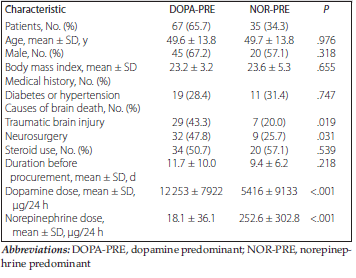
Table 1.Baseline Characteristics of Brain-Dead Organ Donors
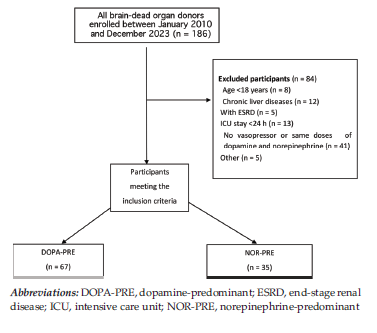
Figure 1.Flow Diagram Showing Patient Enrollment
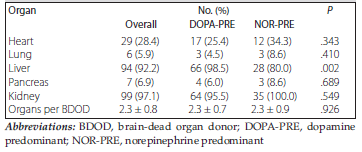
Table 2.Primary Outcomes: Rates of Organ Procurement
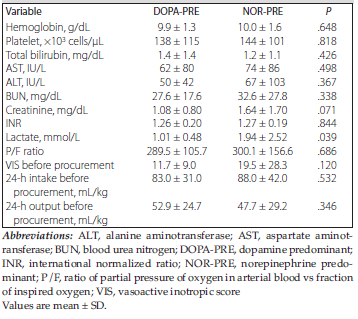
Table 3.Secondary Outcomes: Organ Functions and Physiological Data
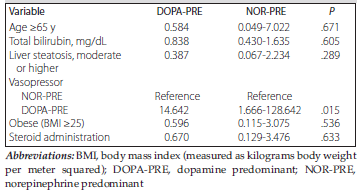
Table 4.Multivariate Logistic Regression Analysis to Identify Factors Affecting the Rate of Liver Procurement