Volume: 23 Issue: 1 January 2025
FULL TEXT
Objectives: Diabetes constitutes a prevalent condition posttransplant, imposing a substantial burden on solid-organ transplant recipients, including increased risk of graft loss and reduced overall survival. Consequently, the implementation of effective glycemic control strategies is vital. Tirzepatide, the first dual glucose-dependent insulinotropic polypeptide/glucagon-like peptide-1 receptor coagonist, represents a novel therapeutic option in the general population; however, further data are needed to support its use in solid-organ transplant recipients.
Materials and Methods: In this retrospective chart review, we examined a cohort of 41 heterogenous patients who were undergoing tirzepatide therapy after solid-organ transplant in Abu Dhabi, United Arab Emirates, from January 2017 to January 2024.
Results: Within our study cohort, the median time elapsed from transplant to tirzepatide therapy commencement was 2.91 years (range, 1.04-4.38 y), with use that lasted for a median follow-up duration of 11 months (range, 7-13 mo) until date of data collection. Tirzepatide facilitated optimal glycemic control, elicited significant weight reductions, and improved renal function without adversely affecting graft function or patient survival, showing an adverse effect profile similar to that of the general population, as shown in the literature.
Conclusions: Tirzepatide represents a promising therapeutic avenue for management of posttransplant diabetes mellitus and type 2 diabetes mellitus in solid-organ transplant recipients.
Key words : Diabetes mellitus, Glycemic control, Posttransplant diabetes mellitus
Introduction
Diabetes represents a prevalent condition post-transplant that poses a substantial effect on solid-organ transplant recipients (SOTRs). Both preexisting type 2 diabetes mellitus (T2DM) and posttransplant diabetes mellitus (PTDM) exert adverse effects on patient and allograft outcomes.1-3 Diabetes mellitus (DM) is a leading global cause of end-stage renal disease,4,5 and the prevalence of preexisting DM is notably high in kidney transplant recipients. However, PTDM is also common in lung and liver transplant recipients.6,7 Irrespective of the underlying etiology, both T2DM and PTDM impose additional disease effects on SOTRs, including increased cardiovascular morbidity, increased risk of graft loss, and diminished overall survival.6,8-10 These findings highlight the importance of implementing optimal glycemic control strategies, although the exclusion of SOTRs from clinical trials assessing safety and efficacy of novel drug therapies is a common practice.11,12
After transplant, diabetes management presents a complex clinical scenario marked by several challenges. These include navigating potential drug interactions between oral antidiabetic therapies and immunosuppressant agents. Furthermore, transplant recipients may experience various adverse drug effects, such as lactic acidosis, electrolyte abnormalities such as hypomagnesemia, fluid retention, and lipid derangements, which can further augment overall morbidity. Consequently, many patients receive insulin shortly after surgery, as hyperglycemia commonly develops early after transplant, particularly as a result of exposure to high-dose corticosteroids.1,13,14 However, prolonged intensive insulin therapy may be linked to several adverse outcomes, including an increased risk of hypoglycemia and weight gain.15-17 Hence, a common practice is to transition transplant recipients to medications commonly used in the nontransplant population downstream, particularly when they are receiving moderate steroid doses. With their established benefits on glycemic control, cardiovascular health, renal benefits, and weight management, in conjunction with the aforementioned adverse effects associated with other oral antidiabetic agents, glucagon-like peptide-1 receptor agonists (GLP-1RAs) have emerged as an attractive therapeutic option for SOTRs.7,11,18
Glucagon-like peptide-1 receptor agonists represent a relatively recent class of antidiabetic agents recognized for their established safety and efficacy in achieving effective glycemic control, as evidenced by reductions in hemoglobin A1c (HbA1c) levels, mitigation of cardiovascular risk, and promotion of weight loss within the nontransplant population.7,11,12,19,20 Notably, tirzepatide, the first dual glucose-dependent insulinotropic polypeptide/glucagon-like peptide-1 receptor (GIP/GLP-1) receptor coagonist, has emerged as a front runner in this class, demonstrating superior efficacy compared with other GLP-1RAs. In a systematic review from Yao and colleagues that assessed the comparative efficacy of 15 different GLP-1RAs, tirzepatide demonstrated superior efficacy in both glycemic control, as evidenced by reductions in HbA1c levels and fasting plasma glucose concentrations, and weight management in patients with T2DM, outperforming all other agents examined in the analysis.21 Nevertheless, despite the promising results noted with tirzepatide, data have been absent regarding its use in transplant recipients.
In fact, existing data on the use of other GLP-1RAs in SOTRs primarily stem from small-scale studies, which have predominantly focused on kidney transplant recipients.2,3,7,22,23 Moreover, none of these investigations have been designed to assess the safety and efficacy of tirzepatide in the transplant population. In addition, because of a lack of supporting evidence, the manufacturer does not make a recommendation regarding the use of tirzepatide in patients who have undergone or are awaiting organ transplant.24
Glucagon-like peptide-1 receptor agonists represent a promising therapeutic strategy for management DM and PTDM in SOTRs. In this retrospective medical record review, we aimed to evaluate the efficacy and safety of the first GLP-1RA/GIP receptor coagonist, tirzepatide, in a larger, more diverse cohort of SOTRs. We also reported on overall allograft survival and patient outcomes.
Materials and Methods
We conducted a retrospective medical record review at a quaternary care hospital in Abu Dhabi, United Arab Emirates. Initially, 41 SOTRs who underwent transplant and subsequently received tirzepatide therapy posttransplant from January 2017 to January 2024 were screened for inclusion. Inclusion criteria consisted of age??18 years and history of living or deceased donor transplant with preexisting DM or PTDM. Major exclusion criteria included tirzepatide therapy duration of less than 3 months post-transplant owing to the inability to capture all efficacy and safety endpoints within this brief timeframe and/or nonadherence to tirzepatide therapy documented in providers’ notes. After an initial screen, we identified 34 patients who met our inclusion criteria. The Institutional Research Ethics Committee of Cleveland Clinic Abu Dhabi (REC) approved the study (REC Number: A-2022-011) and waived the necessity for informed consent owing to the retrospective nature of the study.
Data collection at baseline involved gathering demographic information, including age, sex, weight, height, and blood type group. Moreover, we obtained information pertaining to the transplant procedure, such as the transplanted organ, native disease, transplant location, and time elapsed from transplant to the initiation of tirzepatide therapy. Furthermore, we obtained information related to past medical history, including the presence of preexisting DM, the onset of DM, and requirement of insulin therapy. Efficacy endpoints included alterations in weight, body mass index (BMI; in kilograms divided by height in meters squared), serum triglycerides, insulin requirements, HbA1c, fasting plasma glucose, and estimated glomerular filtration rate (eGFR), computed based on the Chronic Kidney Disease Epidemiology 2021 collaboration formula. For safety outcomes, we reviewed serum lipase, thyroid stimulating hormone (TSH) levels, liver function tests, and serum immunosuppressant levels at baseline and after tirzepatide therapy. We also reported on incidences of allograft rejection and all-cause mortality. Efficacy and safety endpoint data were collected initially at baseline (therapy initiation) and on data curation at the investigation’s conclusion, leading to differences in therapy duration among participants.
We used the Statistical Package of Social Sciences (SPSS version 29.0) for data analyses. We presented nonparametric values as median (interquartile range [IQR]), which were compared with the Mann-Whitney U test. We presented categorical variables as frequency (percentage). We used the Wilcoxon signed rank text for comparative analyses of continuous variables before and after tirzepatide therapy and McNemar test, ?2 test, and the Fisher exact test for analysis of categorical variables, as deemed appropriate. P < .05 was considered statistically significant.
Results
For our investigation, 34 SOTRs met the specified inclusion criteria, with all undergoing tirzepatide therapy posttransplant. Among the study cohort, 15 recipients (44.1%) received organs from living donors (all were relatives of the recipient, up to the fourth degree). Most patients (n = 31, 91.2%) received tirzepatide as part of a glycemic management approach. However, 3 patients with DM (8.8%) received tirzepatide as part of obesity management. The number of male and female participants was nearly equal, with 18 males (52.9%) and 16 females (47.1%). The median (IQR) age of participants was 58.5 (49.75-67.25) years. The initial dose of tirzepatide was set at 2.5 mg, administered once weekly via subcutaneous injection. Subsequent dosage adjustments were made in 2.5-mg increments, dependent on individual patient tolerability, with intervals of no less than 1 month between adjustments. Of note, only 1 patient (2.94%) progressed to the maximum weekly dosage of 15 mg within the study period. The median (IQR) tirzepatide dose utilized by participants at study conclusion was 5 (5-10) mg weekly. The median (IQR) time elapsed from transplant to tirzepatide therapy initiation was 2.91 (1.04-4.38) years, and duration of tirzepatide therapy lasted for a median (IQR) of 11 (7-13) months until date of data collection. Notably, all 34 patients were exclusively from the United Arab Emirates.
At baseline, 31 patients (91.1%) had a diagnosis of pretransplant T2DM. The median (IQR) duration of diabetes among study participants was 19 (8-24) years. In addition, 25 patients (73.5%) were insulin-dependent at baseline. Within our study cohort, 18 participants (53%) had a diagnosis of diabetic retinopathy (DR) at baseline, with none showing documented history of worsening DR after tirzepatide therapy initiation. Fourteen patients (41.2%) had no documented history of DR before or after tirzepatide therapy. Notably, 2 patients (5.8%) were newly diagnosed with DR after the initiation of tirzepatide therapy. Of note, no patients had PTDM. In the patient cohort, 18 patients (47.4%) were concurrently receiving other oral antidiabetic agents, including metformin (n = 18, 47.4%) and/or sodium-glucose co-transporter-2 (SGLT2) inhibitors (n = 16, 45.6%).
Type of transplant varied among the patients, with kidney transplant recipients comprising the majority (n = 23, 67.6%) and only 1 patient (2.9%) with simultaneous pancreas-kidney transplant. Two patients were maintained on quadruple immunosuppression therapy, which included a calcineurin inhibitor (CNI), mycophenolate mofetil, a mammalian target of rapamycin inhibitor, and low-dose steroid. Most patients in our study cohort (64.7%, n = 22) were maintained on a triple-agent immunosuppressive regimen, comprising a CNI, mycophenolate mofetil, and low-dose steroid. Seven patients (20.6%) received dual-agent immunosuppression, and 3 patients (8.8%) received CNI monotherapy (Table 1).
Among the participants in our study, the median (IQR) weight at baseline before initiation of tirzepatide therapy was 85 (75-93) kg. Tirzepatide was introduced within the initial 6 months posttransplant in 6 patients (17.6%). Over a median (IQR) treatment duration of 11 (7-13) months, tirzepatide led to a significant reduction in median weight from baseline by approximately 6.5% (5.5 kg; P < .001). This was also highlighted through a reduction in median (IQR) BMI, which decreased from 32.44 (28.89-35.09) to 31.29 (26.65-33.08) at end of study duration (P < .001). In addition, serum triglyceride levels decreased significantly compared with baseline after administration of tirzepatide therapy (1.52 [IQR, 1.0-2.1] mmol/L; P < .001). Moreover, tirzepatide led to significant changes in median HbA1c and fasting plasma glucose levels from baseline by -1.4% and -3.9 mmol/L, respectively (P < .001).
After start of tirzepatide therapy, median (IQR) total daily insulin requirement decreased from 46 (22.5-75.0) units to 34 (11.5-74.5) units (P = .01). Furthermore, the number of SOTRs with reduced insulin requirement after tirzepatide therapy (n = 11, 32.4%) was nearly 3 times greater than the number who required a greater total daily dose of insulin (n = 3, 7.3%). Figure 1 displays individual variables for all patients across different time points, before and after tirzepatide therapy.
Although tirzepatide did not significantly affect levels of serum creatinine (P = .25), we recorded a significant enhancement in eGFR within our study cohort, with a median (IQR) change of +3 (-3 to 8.25) mL/min/1.73 m2 (P = .04). Interestingly, we found no significant alterations in steady-state trough levels of tacrolimus after tirzepatide therapy (median [IQR] change of -0.1 [-0.68 to 0.53] ng/mL; P = .393) (Table 2).
In terms of safety, 8 of 34 SOTRs (23.5%) who were receiving tirzepatide therapy required visits to the emergency department because of gastrointestinal intolerance or hypoglycemia, leading to hospital admission in most instances for further assessment (n = 6, 17.6%). However, only 2 patients (5.7%) opted for tirzepatide therapy discontinuation because of severe gastrointestinal intolerance. Throughout the treatment period, ketone bodies were detected in the urine of 10 patients (28.6%). Remarkably, there were no instances of pancreatitis, graft rejection, or patient mortality recorded in our study cohort (Table 3).
We performed a subgroup analysis, dividing our cohort of 34 SOTRs into kidney transplant recipients (n = 25) and other SOTRs (n = 9). In this analysis, we aimed to assess whether tirzepatide therapy elicited differing effects on kidney transplant recipients compared with other transplant recipients. Notably, the reductions in BMI, HbA1c, and fasting plasma glucose level were not significantly different between the groups. However, after tirzepatide therapy, median (IQR) serum creatinine level significantly increased in non-kidney transplant recipients by 6 (0.5-16) μmol/L compared with kidney transplant recipients (P = .005). Interestingly, the improvement noted in eGFR within the study cohort was not dependent on transplant type, as evidenced by the lack of significant differences between the 2 groups (P = .06). Furthermore, alterations in serum tacrolimus levels did not significantly differ between kidney and non-kidney transplant recipients (P = .393) (Table 4).
We also stratified patients within our study cohort into 2 subgroups based on baseline BMI, with 24 transplant recipients classified as obese (BMI >30) and 10 classified as not obese (BMI <30). At the end of follow-up, transplant recipients classified as obese demonstrated a 3.4% reduction in median weight from baseline, approximately half the percentage of weight lost among transplant recipients who were not obese (-7.3%). In addition, both the obese and nonobese groups demonstrated almost similar percent reductions in median BMI from baseline, at -6.1% and -8.6%, respectively (Table 5).
Discussion
Despite the growing body of evidence demonstrating the superiority of tirzepatide over other GLP-1RAs in the general population,21,25 data remain scarce about its efficacy and safety in SOTRs. This gap in available data may be attributed to the frequent exclusion of transplant recipients from studies evaluating the efficacy and safety of tirzepatide, thus complicating the ability to generalize findings among this population.11 In addition, numerous studies investigating the use of GLP-1RAs in SOTRs have examined small samples and have primarily focused on kidney transplant recipients.1-3,22
Given the myriad of drug interactions with maintenance immunosuppression and the potential adverse effects that may compromise graft function, the selection of medications to manage comorbid conditions in SOTRs presents a considerable challenge. In addition, GLP-1RAs generally have the capacity to hinder gastric emptying, thereby delaying absorption. Hence, our study tracked serum tacrolimus levels, unexpected dose adjustments, and instances of graft rejection to establish the safety profile of tirzepatide in SOTRs. In an earlier investigation, Vigara and colleagues demonstrated that neither liraglutide nor semaglutide significantly affected serum tacrolimus trough levels or drug dosing.3 In addition, no incidences of unexpected tacrolimus dose changes were reported. Among our cohort of 34 SOTRs, we also found no occurrences of allograft rejection.
Tirzepatide has been documented in the literature to induce reductions in weight and BMI within the general population.11,26 Investigations that have assessed other GLP-1RAs in SOTRs have shown the capacity of these agents to elicit reductions in weight and BMI.1,3,7 Thangavelu and colleagues investigated the effects of liraglutide and semaglutide on 19 transplant patients, revealing reductions in mean weight and BMI (kg/m2) by 4.86 kg and 1.63 kg/m2, respectively, at the end of a 12-month study duration.1 Similarly, Vigara and colleagues examined the effects of semaglutide and liraglutide; however, their study sample exclusively consisted of kidney transplant recipients (n = 40). In 23 patients followed over a 12-month duration, mean body weight decreased by 3 kg and BMI decreased by 2 from baseline, respectively.3 Within our study cohort of 34 SOTRs, tirzepatide therapy was administered for a shorter duration (median [IQR] of 11 [7-13] months). However, tirzepatide elicited greater significant reductions in median weight (-5.5 kg; P < .001) and comparable reductions in median BMI (-1.14 kg/m2) from baseline compared with the previous study that evaluated liraglutide and semaglutide, despite our cohort presenting with lower baseline median weight and BMI.1,3 This observation suggested the potential superiority of tirzepatide compared with other GLP-1RAs in inducing weight reduction among SOTRs.
In our obesity subgroup analysis, observed outcomes suggested the potential of tirzepatide to induce genuine weight reductions in SOTRs, irrespective of baseline weight and BMI. However, of note, the number of recipients in the nonobese transplant group was small (n = 10, 29.4%), which may potentially overestimate the reduction in median weight and BMI. Therefore, considering the relatively brief median duration of our investigation and the limited sample size of the nonobese transplant group, we anticipate greater reductions in median weight and BMI among SOTRs who are obese in future investigations that use higher weekly doses of tirzepatide over prolonged unified therapy durations.
In a 2022 single-center evaluation of liraglutide, semaglutide, and dulaglutide in 118 transplant recipients, Sweiss and colleagues noted a significant reduction in 3- to 12-month nadir outcomes in median HbA1c (-1%; P < .0001) and fasting blood glucose (-1.3 mmol/L; P < .0001).7 In a comparative study from Singh and colleagues, involving 88 SOTRs, participants received either dulaglutide or liraglutide for hyperglycemia management. After treatment, patients who received liraglutide and dulaglutide experienced reductions in mean total daily insulin requirements by 3.6% and 26%, respectively (P = .01). However, no significant decreases in HbA1c were noted at 6, 12, and 24 months.23 In our investigation, approximately two-thirds of the study cohort were administered steroids as part of their immunosuppressive regimen, a factor that could potentially induce hyperglycemia, and patients received a short duration of tirzepatide therapy at the time of data compilation. Despite these factors, the reductions in median HbA1c and fasting plasma glucose surpassed those reported in existing literature with other GLP-1RAs in the same population.7,23 Among our study cohort, 11 patients (32.4%) had a reduced insulin requirement after tirzepatide therapy. In addition, median insulin requirement was reduced by about 26.1% from baseline among our study participants over the limited therapy duration. These findings suggested that tirzepatide may yield even greater reductions from baseline if data collection is extended to longer intervals in future investigations.
Although nearly half of the patients in our cohort were simultaneously receiving oral antidiabetic agents known to influence weight loss such as metformin and SGLT2 inhibitors, the observed improvements in primary outcomes are more likely attributed to tirzepatide. This inference was based on the fact that our study patients had a prolonged history of diabetes and had been on these oral antidiabetic agents from the time of diagnosis or shortly thereafter, without sufficient benefit as evidenced by approximately three-quarters of study patients becoming insulin-dependent. Considering the long-term administration of oral antidiabetic agents before tirzepatide initiation, patients may have already reached the full therapeutic potential of their oral antidiabetic agents. Consequently, we are able to dissect the effects of tirzepatide on primary efficacy outcomes from other concurrently administered oral antidiabetic agents.
Numerous investigations have documented the renal benefits associated with various GLP-1RAs in the general population.27-30 Of particular note, Vigara and colleagues highlighted the renal benefits of semaglutide in SOTRs in their 2022 investigation, wherein participants exhibited a significant increase in eGFR after 12 months of therapy (+3.5 mL/min/1.73 m2; P = .03).3 However, the study was conducted exclusively among kidney transplant recipients, complicating the differentiation between the renal recovery process after kidney transplant and the nephroprotective properties attributed to semaglutide. Our investigation encompassed a heterogeneous cohort of 34 SOTRs, consisting of heart, kidney, liver, lung and kidney, and simultaneous pancreas-kidney transplant recipients. A minor improvement was shown in eGFR among study participants after tirzepatide therapy. However, the lack of significant change in serum creatinine levels raised doubt about whether this modest increase in eGFR was a true reflection of tirzepatide’s effect or an overestimation, potentially because of the large number of kidney transplant recipients within our study cohort. The latter seems more probable, as eGFR, in a creatinine-based equation (Chronic Kidney Disease Epidemiology 2021), should typically correlate with changes in serum creatinine. Further confirmation of this hypothesis may require larger prospective studies with expanded sample sizes.
In our subgroup analysis of kidney transplant recipients compared with recipients having other organ transplants, we observed no significant differences in efficacy and safety parameters, except for a significant increase in median serum creatinine among other transplant recipients. This increase may be due to dehydration secondary to reduced oral intake as a consequence of tirzepatide therapy. Of note was the nonsignificant difference in eGFR improvement. These collective findings raise the likelihood that eGFR improvements noted within the study cohort are the result of merely recovery in renal function after kidney transplant.
Nausea, vomiting, and diarrhea emerged as the predominant adverse effects associated with tirzepatide therapy in our investigation. Observed rates and occurrences of adverse effects among our study cohort are consistent with reported adverse effects of tirzepatide and other GLP-1RA in the literature among the general population.11,12,19 In addition, incidences of gastrointestinal intolerance have been similar to that shown with other GLP-1RAs in SOTRs.1–3,7,22 The relatively early introduction of tirzepatide among patients in our study cohort, coupled with the absence of graft function compromise, supported the safety of early tirzepatide utilization posttransplant. However, the incidence of adverse effects and rejection episodes may have been underestimated as a result of the short study duration.
An increased risk of early-stage DR has been shown in patients treated with GLP-1Ras.31 Consequently, agents such as semaglutide, dulaglutide, and tirzepatide carry safety warnings advising consultation with a health care provider before initiation of therapy.32-34 Notably, higher rates of DR complications have been previously observed in patients receiving semaglutide compared with placebo.35 The underlying mechanism contributing to newly diagnosed or worsening DR remains incompletely understood. However, it is frequently attributed to the rapid intensification of glucose-lowering therapy and is generally reported to be reversible.31 Consistent with this evidence, manufacturers have recommended close monitoring of patients with a history of DR when tirzepatide therapy is initiated.36
In their investigation, Marso and colleagues demonstrated a significantly increased risk of DR progression in patients receiving semaglutide (relative risk = 1.76, P = 0.02).35 Moreover, albiglutide, previously discontinued in 2017, demonstrated a significant association with an increased risk of DR.31 In a recent pooled analysis of randomized controlled trials, investigators suggested that tirzepatide does not significantly increase risk of DR in T2DM patients.37 In our study, no incidences of DR worsening or complications were observed among our patients with a baseline diagnosis of DR. However, 2 patients (5.8%) were newly diagnosed with mild DR during the study period. Based on these findings, SOTRs in our cohort did not appear to have an elevated risk of DR progression compared with the general population. Nevertheless, with the limited sample size, these findings should be interpreted with caution, and tirzepatide therapy should be gradually titrated.
Distinguishing itself from prior investigations, our study presents a unique perspective by including a diverse cohort, consisting of 5 different types of transplant recipients, in the investigation of tirzepatide, a novel agent within the GLP-1RA class. Nonetheless, our study was limited by being retrospective in nature, absence of a comparator group, and a relatively small cohort size. Furthermore, the lack of standardized intervals for data collection following tirzepatide therapy initiation posed an additional limitation, although necessitated by the short therapy duration. The management of diabetes in SOTRs continues to be challenging, characterized by limited guidance on the use of GL-1RAs. Therefore, there exists a pressing need for a larger-scale prospective studies to comprehensively evaluate and compare the efficacy and safety of tirzepatide against other GLP-1RAs over longer durations.
Conclusions
To our knowledge, this is the first investigation that evaluated tirzepatide in SOTRs. The use of tirzepatide in SOTRs was effective in weight management, hyperglycemia control, and renal function improvement with a comparable adverse effect profile to nontransplant recipients as documented in the literature.11 Our study adds to the growing body of evidence suggesting that the dual GIP/GLP-1 receptor co-agonist tirzepatide could represent a promising therapeutic option for management of DM and PTDM in SOTRs without adversely affecting graft function or patient survival.
References:
- Thangavelu T, Lyden E, Shivaswamy V. A retrospective study of glucagon-like peptide 1 receptor agonists for the management of diabetes after transplantation. Diabetes Ther. 2020;11(4):987-994. doi:10.1007/s13300-020-00786-1
CrossRef - PubMed - Kukla A, Hill J, Merzkani M, et al. The use of GLP1R agonists for the treatment of type 2 diabetes in kidney transplant recipients. Transplant Direct. 2020;6(2):e524. doi:10.1097/TXD.0000000000000971
CrossRef - PubMed - Vigara LA, Villanego F, Orellana C, et al. Effectiveness and safety of glucagon-like peptide-1 receptor agonist in a cohort of kidney transplant recipients. Clin Transplant. 2022;36(5):e14633. doi:10.1111/ctr.14633
CrossRef - PubMed - Hashmi MF, Benjamin O, Lappin SL. End-Stage Renal Disease. StatPearls. Treasure Island (FL)2025.
CrossRef - PubMed - Centers for Disease Control and Prevention. Chronic Kidney Disease Basics. Accessed April3,2024.https://www.cdc.gov/kidneydisease/about/?CDC_AAref_Val=https://www.cdc.gov/kidneydisease/basics.html CrossRef - PubMed
- Jenssen T, Hartmann A. Post-transplant diabetes mellitus in patients with solid organ transplants. Nat Rev Endocrinol. 2019;15(3):172-188. doi:10.1038/s41574-018-0137-7
CrossRef - PubMed - Sweiss H, Hall R, Zeilmann D, et al. Single-center evaluation of safety & efficacy of glucagon-like peptide-1 receptor agonists in solid organ transplantation. Prog Transplant. 2022;32(4):357-362. doi:10.1177/15269248221122867
CrossRef - PubMed - Shivaswamy V, Boerner B, Larsen J. Post-transplant diabetes mellitus: causes, treatment, and impact on outcomes. Endocr Rev. 2016;37(1):37-61. doi:10.1210/er.2015-1084
CrossRef - PubMed - Gaynor JJ, Ciancio G, Guerra G, et al. Single-centre study of 628 adult, primary kidney transplant recipients showing no unfavourable effect of new-onset diabetes after transplant. Diabetologia. 2015;58(2):334-345. doi:10.1007/s00125-014-3428-0
CrossRef - PubMed - Lim WH, Wong G, Pilmore HL, McDonald SP, Chadban SJ. Long-term outcomes of kidney transplantation in people with type 2 diabetes: a population cohort study. Lancet Diabetes Endocrinol. 2017;5(1):26-33. doi:10.1016/S2213-8587(16)30317-5
CrossRef - PubMed - Jastreboff AM, Aronne LJ, Stefanski A. Tirzepatide once weekly for the treatment of
obesity. Reply. N Engl J Med. 2022;387(15):1434-1435. doi:10.1056/NEJMc2211120
CrossRef - PubMed - Marso SP, Daniels GH, Brown-Frandsen K, et al. Liraglutide and cardiovascular
outcomes in type 2 diabetes. N Engl J Med. 2016;375(4):311-322. doi:10.1056/NEJMoa1603827
CrossRef - PubMed - Thomas MC, Mathew TH, Russ GR, Rao MM, Moran J. Early peri-operative glycaemic control and allograft rejection in patients with diabetes mellitus: a pilot study. Transplantation. 2001;72(7):1321-1324. doi:10.1097/00007890-200110150-00024
CrossRef - PubMed - Gallon LG, Winoto J, Leventhal JR, Parker MA, Kaufman DB. Effect of prednisone versus no prednisone as part of maintenance immunosuppression on long-term renal transplant function. Clin J Am Soc Nephrol. 2006;1(5):1029-1038. doi:10.2215/CJN.00790306
CrossRef - PubMed - Lebovitz HE. Insulin: potential negative consequences of early routine use in patients with type 2 diabetes. Diabetes Care. 2011;34 Suppl 2(Suppl 2):S225-230. doi:10.2337/dc11-s225
CrossRef - PubMed - Bonds DE, Miller ME, Bergenstal RM, et al. The association between symptomatic, severe hypoglycaemia and mortality in type 2 diabetes: retrospective epidemiological analysis of the ACCORD study. BMJ. 2010;340:b4909. doi:10.1136/bmj.b4909
CrossRef - PubMed - Holman RR, Farmer AJ, Davies MJ, et al. Three-year efficacy of complex insulin regimens in type 2 diabetes. N Engl J Med. 2009;361(18):1736-1747. doi:10.1056/NEJMoa0905479
CrossRef - PubMed - Ferhatbegovic L, Mrsic D, Macic-Dzankovic A. The benefits of GLP1 receptors in cardiovascular diseases. Front Clin Diabetes Healthc. 2023;4:1293926. doi:10.3389/fcdhc.2023.1293926
CrossRef - PubMed - Wilding JPH, Batterham RL, Calanna S, et al. Once-weekly semaglutide in adults with overweight or obesity. N Engl J Med. 2021;384(11):989-1002. doi:10.1056/NEJMoa2032183
CrossRef - PubMed - Gerstein HC, Colhoun HM, Dagenais GR, et al. Dulaglutide and cardiovascular outcomes in type 2 diabetes (REWIND): a double-blind, randomised placebo-controlled trial. Lancet. 2019;394(10193):121-130. doi:10.1016/S0140-6736(19)31149-3
CrossRef - PubMed - Yao H, Zhang A, Li D, et al. Comparative effectiveness of GLP-1 receptor agonists on glycaemic control, body weight, and lipid profile for type 2 diabetes: systematic review and network meta-analysis. BMJ. 2024;384:e076410. doi:10.1136/bmj-2023-076410
CrossRef - PubMed - Liou JH, Liu YM, Chen CH. Management of diabetes mellitus with glucagonlike peptide-1 agonist liraglutide in renal transplant recipients: a retrospective study. Transplant Proc. 2018;50(8):2502-2505. doi:10.1016/j.transproceed.2018.03.087
CrossRef - PubMed - Singh P, Taufeeq M, Pesavento TE, Washburn K, Walsh D, Meng S. Comparison of the glucagon-like-peptide-1 receptor agonists dulaglutide and liraglutide for the management of diabetes in solid organ transplant: a retrospective study. Diabetes Obes Metab. 2020;22(5):879-884. doi:10.1111/dom.13964
CrossRef - PubMed - Lilly USA. OSA and obesity interconnected diseases. Can patients use tirzepatide if they have undergone or are awaiting an organ transplant? Accessed April 17, 2024. https://medical.lilly.com/us/products/answers/can-patients-use-tirzepatide-if-they-have-undergone-or-are-awaiting-an-organ-transplant-165649
CrossRef - PubMed - Frias JP, Davies MJ, Rosenstock J, et al. Tirzepatide versus semaglutide once weekly in patients with type 2 diabetes. N Engl J Med. 2021;385(6):503-515. doi:10.1056/NEJMoa2107519
CrossRef - PubMed - Aronne LJ, Sattar N, Horn DB, et al. Continued treatment with tirzepatide for maintenance of weight reduction in adults with obesity: the SURMOUNT-4 randomized clinical trial. JAMA. 2024;331(1):38-48. doi:10.1001/jama.2023.24945
CrossRef - PubMed - Peng ZY, Yang CT, Lin WH, Yao WY, Ou HT, Kuo S. Chronic kidney outcomes associated with GLP-1 receptor agonists versus long-acting insulins among type 2 diabetes patients requiring intensive glycemic control: a nationwide cohort study. Cardiovasc Diabetol. 2023;22(1):272. doi:10.1186/s12933-023-01991-5
CrossRef - PubMed - Gragnano F, De Sio V, Calabro P. FLOW trial stopped early due to evidence of renal protection with semaglutide. Eur Heart J Cardiovasc Pharmacother. 2024;10(1):7-9. doi:10.1093/ehjcvp/pvad080
CrossRef - PubMed - Kawanami D, Takashi Y. GLP-1 receptor agonists in diabetic kidney disease: from clinical outcomes to mechanisms. Front Pharmacol. 2020;11:967. doi:10.3389/fphar.2020.00967
CrossRef - PubMed - Yu JH, Park SY, Lee DY, Kim NH, Seo JA. GLP-1 receptor agonists in diabetic kidney disease: current evidence and future directions. Kidney Res Clin Pract. 2022;41(2):136-149. doi:10.23876/j.krcp.22.001
CrossRef - PubMed - Kapoor I, Sarvepalli SM, D'Alessio D, Grewal DS, Hadziahmetovic M. GLP-1 receptor agonists and diabetic retinopathy: a meta-analysis of randomized clinical trials. Surv Ophthalmol. 2023;68(6):1071-1083. doi:10.1016/j.survophthal.2023.07.002
CrossRef - PubMed - NOVO Nordisk. Ozempic® (semaglutide) injection vs other type 2 diabetes medicines. January 5, 2025. https://www.ozempic.com/why-ozempic/diabetes-medicines-comparison.html
CrossRef - PubMed
- Lilly USA. What is Trulicity and easy to use pen. January 5, 2025. https://trulicity.lilly.com/what-is-trulicity
CrossRef - PubMed - Lilly USA. What is Mounjaro® for adults with type 2 diabetes. January 5, 2025. https://mounjaro.lilly.com/what-is-mounjaro
CrossRef - PubMed - Marso SP, Bain SC, Consoli A, et al. Semaglutide and cardiovascular outcomes in patients with type 2 diabetes. N Engl J Med. 2016;375(19):1834-1844. doi:10.1056/NEJMoa1607141
CrossRef - PubMed - Eli Lilly and Company. New analyses of MounjaroTM (tirzepatide) injection for the treatment of adults with type 2 diabetes presented at the American Diabetes Association’s 82nd Scientific Sessions. June 6, 2022. January 5, 2025. https://investor.lilly.com/news-releases/news-release-details/new-analyses-mounjarotm-tirzepatide-injection-treatment-adults
CrossRef - PubMed - Popovic DS, Patoulias D, Karakasis P, Koufakis T, Papanas N. Effect of tirzepatide on the risk of diabetic retinopathy in type 2 diabetes. Diabetes Obes Metab. 2024;26(6):2497-2500. doi:10.1111/dom.15535
CrossRef - PubMed

Volume : 23
Issue : 1
Pages : 12 - 20
DOI : 10.6002/ect.2024.0284
From the 1Department of Pharmacy Services and the 2Endocrinology Department, Cleveland Clinic Abu Dhabi, Al Maryah Island, Abu Dhabi, UAE
Acknowledgements: The authors have not received any funding or grants in support of the presented research or for the preparation of this work and have no declarations of potential conflicts of interest.
Author contributions: All authors participated in study design, data analysis and interpretation, and drafting, critical revision, and approval of the article.
Corresponding author: Sandra El Hajj, BCPS, BCTXP, Abu Dhabi, Al Maryah Island, PO Box 112412, Abu Dhabi, UAE
E-mail: ElHajjS@clevelandclinicabudhabi.ae
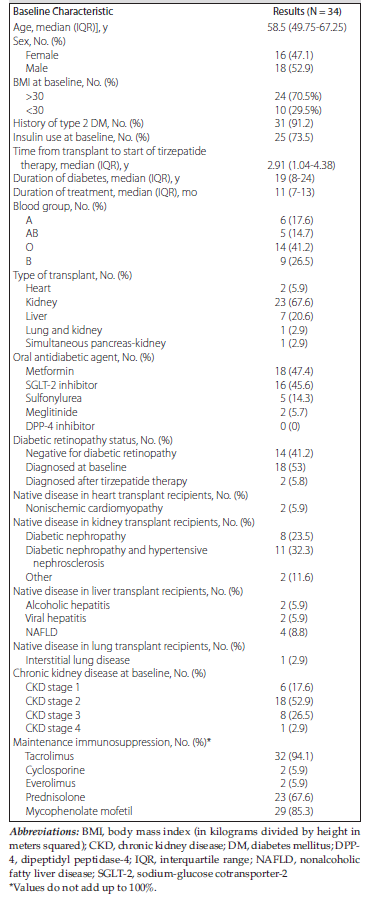
Table 1. Baseline Characteristics of Solid-Organ Transplant Recipients Before Start of Tirzepatide Therapy
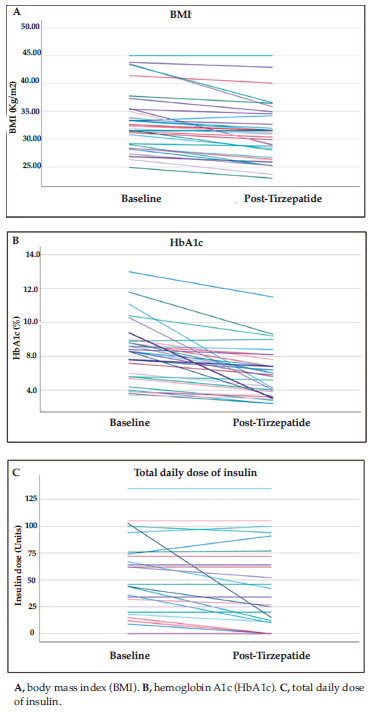
Figure 1. Spaghetti Plots of A Weight; B HbA1c; C Total Daily Dose of Insulin of All Subjects From Baseline to Date of Data Collection.
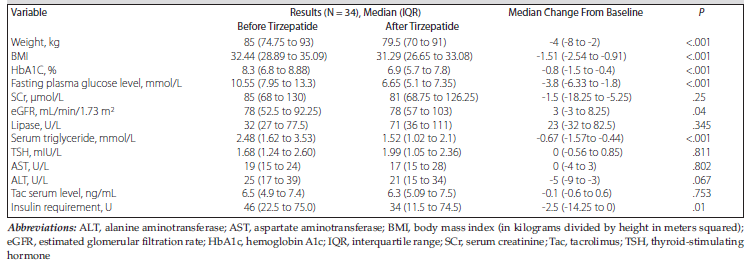
Table 2. Continuous Variables Among Solid-Organ Transplant Recipients Before and After Tirzepatide Therapy (N = 34)
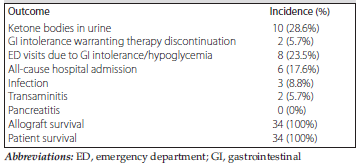
Table 3. Categorical Safety Outcomes After Tirzepatide Therapy in Solid-Organ Transplant Recipients (N = 34)
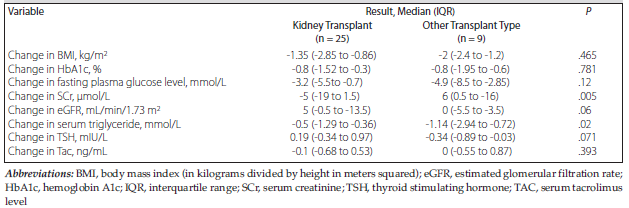
Table 4. Subgroup Analysis of Kidney Transplant Versus Other Transplant Types (N = 34)
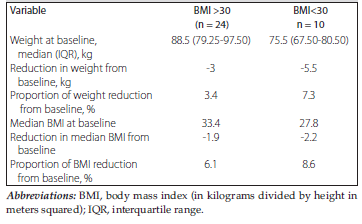
Table 5. Weight Loss Based on Baseline Body Mass Index (N = 34))