Volume: 22 Issue: 7 July 2024
FULL TEXT
Liver Graft Machine Perfusion: From History Perspective to Modern Approaches in Transplant Surgery
Abstract
The shortage of donor organs remains an unresolved issue in liver transplantation worldwide. Consequently, strategies for expanding the donor pool are currently being developed. Donors meeting extended criteria undergo thorough evaluation, as livers obtained from marginal donors yield poorer outcomes in recipients, including exacerbated reperfusion injury, acute kidney injury, early graft dysfunction, and primary nonfunctioning graft. However, the implementation of machine perfusion has shown excellent potential in preserving donor livers and improving their charac-teristics to achieve better outcomes for recipients. In this review, we analyzed the global experience of using machine perfusion in liver transplantation through the history of the development of this method to the latest trends and possibilities for increasing the number of liver transplants.
Key words : Hypothermic perfusion, Liver machine perfusion, Liver transplantation, Marginal donor, Normothermic perfusion
Introduction
Liver transplantation is the radical method for treating patients with end-stage liver diseases and certain types of malignant liver neoplasms. Significant advancements over the past decades in organ preservation, surgical techniques, and posttransplant immunosuppression have enabled liver transplan-tation to become an effective method across much of the world.1 However, despite these achievements, mortality of patients on wait lists remains high because of the constantly growing deficit of donor organs.2 The use of expanded criteria donors for living donor liver transplant and various methods of organ preservation and storage have been developed and implemented to increase the pool of donor organs and reduce mortality of patients on wait lists. The continuous growth in the demand for liver transplant and the need to expand the pool of donor organs have led to the expansion of donor criteria. Thus, donors with borderline steatosis values, donors after cardiac death (DCD), and donors aged more than 60 years have been utilized.1 Nevertheless, according to the literature, approximately 9% of potential liver donations are not used due to their unsuitability.3 Patients who receive transplants from expanded criteria donors have been observed to have a higher risk of postoperative complications, especially biliary complications. In addition, recipients may have a higher chance of having a primary nonfunctioning graft.4,5 In this review article, we explore the possibilities offered by the application of liver machine perfusion method. For this review, we conducted a thorough review of clinical trials conducted to date and investigated future prospects for further development of this technology.
Historical Perspective
The prerequisites for the development of machine perfusion of the liver began in the 1930s when French biologist, surgeon, and Nobel laureate Alexis Carrel and his colleague Charles Lindbergh first conducted organ perfusion of laboratory animals with blood solution in glass vessels, where pressure was control-led and recirculation, filtration, and oxygenation of the solution were provided. In this way, they demonstrated the viability of organs and tissues for several days.6 However, further developments did not proceed entirely smoothly, and it was not possible to maintain the function of the human liver under similar conditions even for several hours. At the same time, studies on canine organs demonstrated the ability of organs and tissues to function with the use of extracorporeal machine perfusion with autologous blood solution. Circulation was stopped, and then the canine’s femoral vessels were connected to the apparatus for extracorporeal perfusion. Against the background of thermal ischemia, the canine developed liver dysfunction, manifested by coagulopathy, hyper-bilirubinemia, and cytolytic syndrome. Nevertheless, the organs and tissues of the canine retained their function for several hours.7 In 1966, Kestens and colleagues used oxygenated blood and successfully preserved canines’ livers under conditions of relative hypothermia (+10 to 18 °C) for 5 hours for subsequent transplantation.8 In their study, Brettschneider and colleagues described perfusion of the liver through the portal vein and hepatic artery by using a preserving solution to which animal autologous blood was added. According to the experiment, all canines that underwent liver transplant survived for 7 days thereafter.9
At the end of the 20th century, effective solutions for cold organ preservation (University of Wisconsin [UW] solution, HTK [Custodiol], Celsior) were developed and introduced into surgical practice, gradually displacing machine perfusion technology because of the simplicity of its use and relative affordability.10 However, cold organ preservation has several important drawbacks. Cold can directly damage the plasma membrane, cytoskeleton, and hepatocyte microtubules and can block ion transmission, leading to cell destruction. The main components causing damage are reactive oxygen species (ROS) formed during ischemia. Mechanisms underlying ROS formation include hypoxanthine production (an ATP metabolic product), excess calcium in mitochondria, neutrophil activation, cytokine release, and complement stimulation. It is believed that hypothermia initiates the release of intracellular proteins (DAMPs), which directly affect the initiation of the inflammatory response.10-13
After restoration of venous blood supply (reperfusion) to the graft, liver cell mitochondria begin to consume oxygen vigorously, especially in the first 10 minutes, actively releasing ROS. Excessive ROS release inside the cell leads to DNA molecule hydrolysis in the cell nucleus and contributes to the release of nuclear sequence HMGB1. Kupffer cells are activated via the receptor (TLR-4) and become the main targets for HMGB1. Organ reperfusion injury leads to activation of endothelial cells and T cells through interleukins (interleukin 13 and interleukin 17), which, in turn, leads to neutrophil infiltration, stimulation of graft fibrosis, and intrahepatic cholan-giocyte proliferation.10,14,15
In addition, cold preservation limits the duration of organ preservation. In kidney transplantation, prolonged cold ischemia time of the kidney allograft exceeding 100 hours showed favorable graft function postreperfusion and good long-term outcomes for recipients. However, in liver transplantation, reports have indicated a maximum tolerated ischemia time of only about 10 hours for the graft.16-20 In split liver grafts, cold preservation for up to 12 hours during organ transportation has been reported.21 However, the preservation duration affects both the severity of reperfusion syndrome and transplant outcomes.10 At the same time, when organs from marginal donors or from donors with circulatory arrest are used, it is impossible to adequately assess and predictliver function after transplant.1,22 Therefore, the development of perfusion systems that improve graft function during preservation appears to be a promising step in liver transplant and to an increased number of available organs for transplant.
In recent decades, the relevance of liver machine perfusion has intensified. New approaches to organ preservation that use both cold and normothermic perfusion are being developed. Research has shown promising results in a series of preclinical and some clinical trials. In addition to protecting the donor organ through oxygenation and nutrient delivery, modern machine perfusion devices allow optimi-zation of liver function, determination of organ viability, and reduction of hepatic steatosis levels.23 Thus, machine perfusion is positioned as an alternative to static cold storage (SCS).
Methods and Principles of Machine Perfusion of Donor Livers
As noted earlier, an integral part of liver transp-lantation is cold preservation of the graft, which reduces the degree of damage to the transplanted organ. Since the use of SCS carries a number of well-known drawbacks and there is a limited “time window” during which the donor liver remains viable outside the body, modern transplant surgery can be substantially limited. Thus, achieving long-term viability of the graft is a crucial element in optimizing transplant services and reducing the number of organs unused for logistical reasons.24
Under routine conditions, standard cold preser-vation can be sufficient for short-term preservation of the liver graft; however, recent research has indicated that machine perfusion can be used as an alternative or adjunct to standard cold preservation to expand the effective donor pool.24,25 The concept of machine perfusion is quite extensive and encom-passes a variety of techniques aimed at expanding the pool of viable donor organs. Each method of machine perfusion, whether normo- or hypothermic perfusion, has its own characteristics and technical features.26,27
Currently, 2 main concepts are being investigated for the rehabilitation of declined livers in transplant settings. Hypothermic perfusion methods aim to restore and improve the condition of the liver parenchyma before implantation, whereas normot-hermic machine perfusion (NMP) nearly eliminates cold ischemia, simulating physiological conditions. Hypothermic machine perfusion with connection to an oxygenator circuit and cannulation of only the portal vein is termed “HOPE” (ie, hypothermic oxygenated machine perfusion), with additional cannulation of the hepatic artery termed “double HOPE” (D-HOPE). The overarching goal of all perfusion methods is to assess liver function before transplant and potentially improve the quality of parenchyma from marginal donors, thereby expan-ding the organ pool.28,29
Normothermic machine perfusion replicates physiological conditions, restoring the metabolic state of the donor organ and providing nutrients and oxygen at 37 °C. This process helps reduce periods of hypoxia and prevents further ATP depletion. Currently, several NMP devices are available from various manufacturers (OrganOx, TransMedics, Lifeport, and Liver Assist).
During NMP, various parameters of liver damage are assessed to ensure viability testing before implantation.30,31 At this stage, several new machines capable of extending perfusion times for several days are being tested, although research in this area remains largely experimental and requires further refinement.32
Publications that have focused on the technical aspects of liver machine perfusion are limited. In the description of NMP from Mergental and colleagues,33 liver preparation for perfusion was performed as done for the standard liver transplant procedure. During the back table phase, the liver was processed on ice, excess tissues were trimmed, and the liver was preserved using UW solution. The portal vein was skeletonized to its confluence with splenic vein, and the hepatic artery was cleaned up to the gastroduodenal artery. Subsequently, with the use of straight and curved 20F Medos cannulas, cannulation of the celiac trunk and portal vein was performed. Before NMP was started, the liver was flushed with 2 liters of 10% dextrose solution at 37 °C. The liver was then placed in the device reservoir, and cannulas were filled with perfusion solution and connected to the circuits. Liver perfusion was conducted using the Liver Assist device (Organ Assist), which provides dual perfusion of the hepatic artery and portal system in a semi-closed circuit with 2 rotary pumps generating pulsatile and nonpulsatile flows. Initial pressures were set at 30 mm Hg for the artery and 8 mm Hg for the portal vein. Pressure levels were gradually increased to 50 and 10 mm Hg, respectively, over 30 minutes after the start of perfusion to maintain stable flow for adequate liver perfusion. The temperature was initially set at 25 °C and gradually increased to 37 °C over 30 minutes. Oxygenation was achieved using a Sechrist air-oxygen blender (S3500CP-G, Inspiration Healthcare, Ltd) with an oxygen concentration set at 0.21 and a flow rate of 1 L/min through each oxygenator.
Mergental and colleagues33 also described the composition of the perfusion fluid as follows: oxygen carrier (3 U of Rh-negative packed red blood cells), 5% human albumin solution, heparin, sodium bicarbonate 8.4%, calcium gluconate 10%, vancomycin, gentamicin, epoprostenol, aminoplasmal 10%, 10% dextrose solution. Blood flow rate, pressure, and resistance in the hepatic artery and portal vein were monitored every 30 minutes. Simultaneously, 2 mL of perfusate from arterial and venous circuits were sampled for immediate blood gas analysis using a Cobas b 221 blood gas analyzer (Roche Diagnostics). If bile was produced, it was collected and weighed at the end of the procedure. Liver biopsies were taken immediately before NMP and at 3 hours, at 6 hours, or at the end of NMP, depending on which occurred first. Tissue samples were divided and fixed in formalin, as well as frozen in liquid nitrogen.
During NMP, perfusate from arterial and venous outflows was analyzed to measure partial pressures of O2 and CO2, pH, base excess, bicarbonate, O2 saturation, and hemoglobin, hematocrit, sodium, and potassium levels. Lactate is an intermediate metabolite of pyruvate in the glycolytic pathway. During NMP, hyperlactatemia is primarily the result of relative tissue hypoxia resulting from impaired liver blood flow and decreased gluconeogenesis. Thus, lactate production may exceed its clearance and can serve as a real-time indicator for monitoring liver function. Analysis of bile composition was proposed as a means to predict ischemic-type biliary tract injuries. Preclinical studies32,33 have linked increased bile pH and bicarbonate concentration with reduced biliary epithelial damage. Low bile pH (<7.4) during NMP before implantation currently serves as a better predictor of subsequent ischemic biliary complications.
In the study from Liu and colleagues34 on NMP methodology, their device included equipment for artificial circulation, tubing, a special organ bowl, a trolley, a heater, an oxygen cylinder, and a backup battery system. Liver processing involved cannulation of the portal vein, hepatic artery, and common bile duct at the preparation table. Cholecystectomy was performed at this stage to prevent potential contamination of the NMP circuit and to accurately measure bile production. According to their research protocol, the maximum cold ischemia time before NMP was 4 hours. The perfusate for NMP consisted of packed red blood cells (4 U; range 3-6 U), erythrocyte mass (4 U; range 3-6 U), and 25% albumin (200 mL). The goal was to achieve a volume of ~2.5 L with hemoglobin concentration of 6 g/dL and hematocrit concentration of 24%. The transplant warming protocol involved gradually increasing the perfusate temperature from 22 °C at the beginning of perfusion to 36 °C over 45 minutes. Hepatic hemodynamics were regulated based on perfusion pressure, maintained between 50 and 90 mm Hg. To avoid overperfusion of the transplant with low resistance and endothelial damage, the maximum arterial flow rate was set at 500 mL/min/kg. A similar protocol was used for portal vein perfusion with pressure levels and flow rates of 1 to 10 mm Hg and 500 to 1000 mL/min/kg, respectively. Perfusion was ceased after completion of hepatectomy in the recipient. The liver graft processed by the HOPE system was then immediately implanted. The average cold storage time before machine perfusion was 2.4 hours (range, 1.4-3.5 hours), and the average machine perfusion time was 2 hours (range, 1.7-2.7 hours), resulting in a total cold storage time of 4.6 hours (range, 3.5-2.7 hours). Perfusate samples were taken hourly for blood-gas analysis and analysis of electrolyte, lactate, and glucose levels. Biliary tract function, aspartate aminotransferase (AST), and alanine aminotransferase (ALT) levels in perfusate samples were also evaluated at consistent intervals.
According to Dutkowski and colleagues,35 pH analysis of bile is not the most reliable method during hypothermic perfusion because of insufficient bile production at low temperatures. The optimal approach to hypothermic oxygenated perfusion (HOPE or D-HOPE with portal vein cannulation only or simultaneous cannulation of the portal vein and hepatic artery) remains a subject of extensive debate. The preferred method for preserving bile duct viability remains a critical factor in determining the long-term outcomes of liver transplant from DCD donors. Double cannulation is necessary for perfusing the peribiliary vascular plexus through branches of the hepatic artery, as ischemic injury often leads to nonanastomotic biliary strictures. In addition, under hypothermic conditions, vascular resistance decreases.
With the consideration of the proximity of endothelial cells to Kupffer cells, stellate cells, and immune cells in the hepatic sinusoid, damage caused by high perfusion pressure may trigger inflam-matory reactions. Therefore, hypothermic machine perfusion protocols have been adapted closer to subphysiological pressures, approximately 20 to 30 mm Hg arterial pressure and 3 to 5 mm Hg portal vein pressure.36
Hypothermic Oxygenated Machine Perfusion
Hypothermic oxygenated machine perfusion is an ex situ method of dynamic organ preservation initially developed to reduce the incidence and severity of ischemia-reperfusion injury (IRI) and improve overall outcomes of organ transplant.37-39 Preclinical studies have demonstrated that brief periods of HOPE restore mitochondrial potential, reduce free radical production, and mitigate the formation of pathogen-associated patterns.40,41 It is known that the temporary oxygenation of the graft during HOPE activates mitochondrial apparatus through complexes I and II, highlighting the importance of succinate metabolism and adenosine triphosphate release.42 In clinical and experimental settings, the most commonly used perfusate in HOPE is the modified UW-Belzer machine perfusion solution, adapted for dynamic perfusion using hydroxyethyl starch (HES) as the primary oncotic agent.43 However, HES can induce erythrocyte hyperaggregation, limiting its application. Some alternatives like PEG34 provide greater mitochondrial protection than HES.44
Unlike NMP, hypothermic machine perfusion is currently less frequently used as a tool before routine liver transplant and is primarily considered a method to reduce IRI in marginal donor organs, particularly in organs from donors after cardiac death.32 These characteristics position this method as suitable for donors at increased risk of compli-cations primarily related to ischemia.37,45
The clinical investigation of HOPE began with the 2010 publication from Guarrera and colleagues.46 Their prospective cohort study demonstrated significant differences in graft injury markers and hospitalization duration between standard cold storage and hypothermic machine perfusion groups (15.3 ± 4.9 vs 10.9 ± 4.7 days, respectively; P = .006). In addition, the frequency of biliary complications was lower in the HOPE group.47
The primary goal in the development of hypot-hermic machine perfusion techniques has been to mitigate graft IRI and reduce the incidence of biliary complications.46,48 Today, in addition to confirmed reductions in graft injury and immuno-inflammatory reactions, the use of HOPE has improved initial liver graft function.49 Modern studies comparing standard cold storage with HOPE have shown advantages in terms of better coagulation profile restoration and lower rates of primary graft nonfunction and graft dysfunction.15,49-51 Furthermore, published works have highlighted the positive role of HOPE in immuno-logical complications, including liver transplant rejection.46 For example, in 2021, van Rijn and colleagues reported results of the first randomized controlled trial in which they reduced the incidence of acute liver transplant rejection from 20.5% to 11.5% (P = .0019) using D-HOPE.37
Hypothermic oxygenated machine perfusion has clearly shown significant advantages over standard preservation methods, particularly in terms of immunohistochemical complications associated with the appearance of pathogen-associated and damage-associated molecular patterns, IRI, and biliary complications resulting from IRI.52-54 However, the implementation of this technique is accompanied by several logistical challenges, and few large-scale multicenter randomized controlled trials are currently available. As of today, only 6 extensive multicenter randomized controlled trials have been conducted, but the results of the analysis parameters are not always consistent.
As mentioned earlier, HOPE offers several advantages over standard cold storage, but it is considered that the latter may suffice in routine practice, whereas HOPE allows for the expansion of the pool of marginal donor organs. However, the effects of HOPE on overall survival, complication rates, and long-term outcomes have not been fully elucidated.46,54
The principle of HOPE involves hypothermic perfusion at 4 °C to 12 °C, inducing a hypometabolic state and restoring mitochondrial function through oxygen delivery.54 Today, several variations of the HOPE technique are known, including standard HOPE perfusion, D-HOPE involving perfusion via the portal vein and hepatic artery, and prolonged D-HOPE.55
In a recent prospective study of D-HOPE methodology from Brüggenwirth and colleagues, short-term machine perfusion (1-2 hours) was compared with prolonged perfusion (>4 hours). The study found no differences in graft IRI markers or oxidative stress, thereby supporting the feasibility of prolonged dual hypothermic machine perfusion to extend the “transplant window.”55
Tang and colleagues conducted an extensive meta-analysis that examined the effects of HOPE on overall survival. The meta-analysis, which followed PRISMA guidelines, examined 5176 publications, with 11 meeting the inclusion criteria. Studies dated between 2015 and 2023 encompassed 1000 patients divided into HOPE (412 patients) and standard cold storage (588 patients) groups, including recipients from both cardiac death and brain death donors.53 Results showed that HOPE reduced the incidence of several complications compared with standard cold storage. Specifically, the frequency of biliary anastomotic strictures decreased, with significant reductions noted in the subgroup of recipients from cardiac death donors (relative risk [RR] 0.74; 95% CI, 0.59-0.94; P = .01). Results also showed that HOPE reduced the frequency of nonanastomotic strictures (RR 0.33; 95% CI, 0.15-0.72; P = .005), primary graft nonfunction (RR 0.54; 95% CI, 0.42-0.68; P < .00001), acute transplant rejection (RR 0.54; 95% CI, 0.31-0.94; P = .03) and acute transplant rejection (RR 0.31; 95% CI, 0.13-0.75; P = .009) for cardiac death donors, retransplant rates (RR 0.42; 95% CI, 0.19-0.93; P = .03), and 1-year graft survival (RR 0.38; 95% CI, 0.21-0.68; P = .001).
However, Tang and colleagues showed no significant differences in major complications after transplant (Clavien-Dindo > 3) (RR 0.80; 95% CI, 0.62-1.04; heterogeneity I2 = 55%; P = .04), arterial anastomotic thrombosis frequency (I2 = 0%, P = .67), primary graft nonfunction (I2 = 0%, P = .76), and 1-year survival after liver transplant (RR 0.67; 95% CI, 0.31-1.45; P = .31).53
Interestingly, the meta-analysis did not identify significant differences in cost between HOPE and standard cold storage; so far, only 2 studies have investigated this parameter.51,56 Clinical trial data on cold perfusion of liver transplants are summarized in (Table 1).
Given the above data, HOPE methodologies are increasingly attracting the attention of transplant physicians worldwide. However, despite compelling theoretical evidence highlighting a range of benefits of HOPE, particularly in restoring mitochondrial function of the graft, the application of this method remains limited for several reasons.47,57
Normothermic Machine Perfusion
Normothermic machine perfusion of the liver involves replicating physiological conditions in a closed system by continuously perfusing the organ with oxygenated blood, nutrients, and medications at a temperature of 34 to 38 °C. Normothermic machine perfusion was initially applied successfully in 1984 for preservation of heart and lung transplants during explantation at distant transplant centers58; NMP was later utilized to assess the viability of lungs from a deceased donor “discarded” for transplantation in 2007. Ex vivo perfusion for 17 hours enabled successful implantation without significant complications in the patient.59
In contrast to HOPE, NMP supports normal aerobic metabolism in the isolated organ, facilitating viability assessment. Given the challenges in subjec-tively assessing liver function during conventional explantation, especially with marginal donors, NMP has emerged as a crucial prognostic criterion for both the organ and the recipient. Adequate viability assessments before transplant can potentially reduce posttransplant complications. Normothermic machine perfusion can also extend organ preservation times, which is crucial during prolonged transport of organs. For example, successful liver perfusion was shown for up to 7 days, thus enhancing the feasibility of long-distance organ transportation, often impractical with SCS.60
Another significant advantage of NMP is its ability to precondition the organ with pharmaceuticals ex vivo, minimizing systemic side effects for the recipient and allowing transplant teams to evaluate the organ’s response to pharmacological interventions.61
The first study on successful NMP of the liver was published in 2013 in which op den Dries and colleagues examined the outcomes of NMP in 4 livers initially discarded during explantation, demonstrating normal liver function throughout perfusion, as indicated by ALT, AST, gamma-glutamyltransferase, and potassium tests. Biochemical analyses showed that lactate levels initially increased and then gradually decreased, indicating effective metabolic activity. Each liver produced bile during perfusion, and biopsies before and after perfusion yielded identical samples.62
In 2016, Ravikumar and colleagues32 conducted the first series of liver transplants after NMP, involving 20 transplants from 16 donors with brain death and 4 donors with cardiac arrest. Results from the NMP group were compared with results from recipients of livers preserved with SCS. Each NMP patient was matched with 1 donor after brain death and 1 DCD from the SCS group, resulting in a 1:2 ratio. Significant differences in peak AST levels were observed between groups, with the most pronounced peaks seen in the DCD cohort.32 The same group later published a retrospective study comparing transplant outcomes. Six transplants were processed with NMP, whereas 12 were preserved using SCS. The focus was on postreperfusion syndrome in both recipient groups. Patients who received livers preserved with SCS exhibited signs of postreperfusion syndrome, requiring higher vasopressor doses and more frequent blood transfusions. In contrast, NMP recipients achieved hemodynamic stability with lower vasopressor requirements and reduced transfusion volumes.63 These findings align with preclinical research by Burlage and colleagues who reported that NMP had the ability to reduce proinflammatory cytokines and compensate for hyperkalemia, potentially lowering vasopressor needs during graft reperfusion.64
In summary, NMP of the liver represents a promising method to improve transplant outcomes by enhancing viability assessment, reducing comp-lications, and optimizing organ preservation and transportation processes.
An interesting study was published in 2017 by Watson and colleagues, which focused on oxyge-nation of perfusion solution during NMP of liver grafts. The study included 12 patients divided into 2 equal groups: the first group had perfusion conducted under hyperoxic conditions and a control group had liver grafts perfused under standard normoxic conditions, with development of IRI compared between the 2 groups. Specifically, IRI occurred in 5 of 6 patients (83.3%) who received a liver graft after hyperoxic NMP, whereas no patients in the control group experienced IRI. Watson and colleagues also assessed vasoplegia in both groups, defining it as a decrease in mean arterial pressure to <50 mm Hg during reperfusion persisting for >30 minutes. Vasoplegia was observed in 4 of 6 patients (66.7%) in the hyperoxic NMP group, whereas no occurrences were shown in the control group. Peak cytolysis was also compared, which showed that peak ALT values within the first 7 days were 1210 U/L in the hyperoxic NMP group compared with 780 U/L in the control group. The authors concluded that these results indicated increased release of DAMPs in hyperoxygenated liver grafts, leading to reperfusion injury, whereas standard NMP does not lead to reperfusion injury.65
In 2018, Nasralla and colleagues conducted the first large, randomized study on the use of NMP in liver transplant. The authors analyzed the deve-lopment of reperfusion syndrome in recipients receiving liver grafts after NMP (121 patients) compared with those after SCS (101 patients). Reperfusion syndrome was defined as a persistent drop in mean arterial pressure by >30%, lasting for 5 minutes after reperfusion. Reperfusion syndrome was significantly more frequent in recipients who received a graft after standard cold preservation (33%) compared with the NMP group (12%).31
Ceresa and colleagues conducted an interesting study on long-distance transport of livers under NMP conditions in 2 groups. In the first group, grafts were retrieved from deceased donors and immediately placed on NMP, followed by liver transplant (control group). In the second group, grafts were retrieved, preserved under standard cold conditions, and transported to the target hospital, where NMP was then initiated, followed by liver transplant (study group). Glucose and lactate levels significantly decreased in the perfusate analysis in the study group. Significantly higher blood flow velocities in the hepatic artery were also noted at the beginning of perfusion compared with the control group.66 Furthermore, 10% of recipients in the study group developed IRI, whereas the control group had an IRI development rate of 11%. The authors suggested that these data indicated that NMP following a period of standard cold preservation is a feasible and safe method, potentially addressing logistical and financial challenges. However, larger randomized trials are needed to conclusively determine whether NMP preceded by standard cold preservation is as effective and safe as continuous NMP.
Two larger nonrandomized trials were conducted based on the study of Ceresa and colleagues,66 which showed no significant difference in patient and graft survival between the 2 comparable groups within 1 year posttransplant. However, the group of patients whose graft was preserved in 2 stages had a higher incidence of anastomotic and nonanastomotic biliary strictures in the long term after transplant. Moreover, the percentage of biliary complications was even higher if the liver was explanted from a marginal donor.67,68 The importance of applying continuous NMP to grafts obtained from marginal donors, while excluding the cold preservation stage, was emphasized. Clinical trial data on normothermic perfusion of liver grafts are summarized in (Table 2) .
We outline the advantages and limitations of NMP as follows. Advantages include mitigation of IRI, assessment of graft function before implantation, improvement in transplant logistics, and the potential to expand donor criteria and utilize organs previously deemed unsuitable. Limitations include debatable ideal perfusion solution, temperature, rewarming time, and perfusion protocols, the need, unlike standard cold storage, for an oxygen carrier and more challenging to control, device dimensions, need for training and hiring perfusion specialists, and logistical, financial (high cost of consumables), and legal complexities.69
Prospects for Development of Liver Machine Perfusion
Ischemia-reperfusion syndrome is an integral part of any organ transplant procedure. During organ explantation from the donor and subsequent implantation into the recipient, there is a period of ischemia followed by reperfusion injury. However, in cases such as living donor liver transplant, where the ischemic period is minimized, the consequences of IRI can be minimal. In 2018, Zhao and colleagues reported an innovative approach using machine perfusion before cessation of circulation in the donor. The machine perfusion system was implanted in the deceased donor as follows: cannulation of the common bile duct for bile drainage and infrahepatic portion of the inferior vena cava for blood outflow, portal vein, and hepatic artery for liver blood supply. After an in situ NMP system was established, liver explantation was performed on the functioning machine. Subsequently, the liver was transferred to an organ reservoir under ongoing NMP. Implantation of the graft to the recipient was performed during perfusion, ensuring continuous oxygenated blood flow to the liver without any period of IRI. This technology is applicable primarily to deceased donors with brain death but may also be feasible in cases where donors exhibit high levels of liver steatosis.70
Lau and colleagues recently demonstrated the feasibility of machine perfusion in the context of split liver transplant. The authors successfully perfused 20 grafts obtained from the division of 10 donor organs. The maximum duration of machine perfu-sion reached 7 days, during which time the liver produced bile, synthesized clotting factors, and metabolized lactate and glucose.71
Several other innovative applications of machine perfusion may have a clinical effect. Ongoing research has indicated that livers with steatosis can undergo “defatting” during ex vivo perfusion. Boteon and colleagues showed that pharmacological modulation of lipid metabolism during NMP can facilitate defatting of human livers with steatosis over a period of 6 hours.70 This approach could improve the metabolic status and functional recovery of the liver, as well as reduce reperfusion injury, particularly in marginal donors.71 The use of machine perfusion for ex vivo liver tissue regene-ration requires further exploration. Success in this area could increase the viability of small liver fragments, such as left lateral segments, for transplant in adults. Finally, maintaining the liver ex vivo for several days opens up possibilities for potential genetic modifi-cations aimed at modulating immunogenicity or influencing inflammatory cascades associated with graft reperfusion.
Advantages and Disadvantages of Machine Perfusion
When considering the advantages and disad-vantages of machine perfusion, it is important to note that this technology not only sustains organ viability but also facilitates drug delivery for treatment of damaged liver parenchyma. Perfusion circuits allow not only biochemical testing of organ function and measurement of hydrodynamic parameters but also the administration of agents that can modify cell phenotype, thereby altering organ function. Currently, multiorgan procurement is associated with standard cold preservation methods. One approach for use of machine perfusion involves initiating warm perfusion immediately before or shortly after retrieval of the donor liver, bypassing cold storage to avoid significant graft damage.70 This approach becomes challenging when multiple organs are retrieved simultaneously, including lungs and heart.
Potential drawbacks of machine perfusion include high costs and the need for increased personnel during organ retrieval and transportation.10,16,70 Machine perfusion devices are complex and often heavy, potentially requiring specialized transport vehicles. Proper vascular cannulation and prevention of preservation solution leakage from the organ are paramount. Technical failures during prolonged organ recovery are possible, and anomalous branc-hing of liver vessels can significantly complicate cannulation and limit the preservation and transplant capabilities of machine perfusion. With NMP, there is a theoretical risk of thermal ischemic organ damage in case of device malfunction; however, to date, no studies have reported such incidents.
In the realm of clinical practice, no clear consensus so far exists regarding the composition of perfusate, perfusion parameters, or the duration of perfusion. Unified logistics for the use of NMP in both donor and transplant centers are also lacking. Research on machine perfusion can create numerous regulatory, legal, ethical, and technical challenges. Agreement and support for research are necessary between regulatory bodies and the transplant community when preserving organs using machine perfusion. These potential drawbacks and logistical barriers contribute to prolonged surgeries during organ procurement and transplant in recipients. Finally, technical failures of the system itself usually pose a risk that could be detrimental to the graft and preclude its use.
Studies in our review usually had short-term machine perfusion lasting 2 to 4 hours, which used either hypothermic perfusion with low perfusion pressure or normothermic perfusion with acellular perfusate. This approach has been chosen because organ perfusion during transport carries the risk of interruptions or ineffective blood supply to the liver graft. Moreover, the preparation of the liver on the back table involves recurrent episodes of ischemia. However, despite all known difficulties with machine perfusion, studies have shown the scientific and practical significance of this technology.
Conclusions
Machine perfusion represents a revolutionary technology that has the potential to significantly affect the safe and effective conduct of liver transplant. Hypothermic machine perfusion and NMP can restore and maintain liver grafts and mitigate IRI posttransplant. Machine perfusion has the potential to be an alternative to standard cold preservation methods and could potentially replace these methods entirely. Hypothermic machine perfusion remains a safe and easily implementable method for expanding the pool of available organs, especially from marginal donors. Normothermic machine perfusion can successfully be used for organ transport from distant hospitals. Furthermore, NMP provides transplant surgeons with real-time assessment of liver function and the ability to use various markers to predict organ quality and safety for transplant. Novel interventions such as liver defatting, liver tissue regeneration, and molecular and immunological modifications are feasible under physiological conditions mimicked by NMP.
It is clear that HOPE and NMP methods are promising approaches in organ preservation, but further research is needed to reach definitive conc-lusions on optimal approaches in this field. As noted in this review, most published studies were single-center nonrandomized trials. Additional large, randomized clinical trials are necessary to fully determine how to best utilize machine perfusion for organ preservation to maximize benefits for recipients. This is particularly crucial in the context of marginal donors, which offer the greatest potential to expand the organ pool. Real-time monitoring and assessment of liver function with NMP represent advantages in organ preservation and offer substantial additional potential for expanding the organ pool.
References:
- Semash K, Dzhanbekov T, Akbarov M, et al. Implementation of a living donor liver transplantation program in the Republic of Uzbekistan: a report of the first 40 cases. Clin Transplant Res. 2024;38(2):116-127. doi:10.4285/ctr.24.0013
CrossRef - PubMed - Chen Z, Hong X, Huang S, et al. Continuous normothermic machine perfusion for renovation of extended criteria donor livers without recooling in liver transplantation: a pilot experience. Front Surg. 2021;8:638090. doi:10.3389/fsurg.2021.638090
CrossRef - PubMed - Jing L, Yao L, Zhao M, Peng LP, Liu M. Organ preservation: from the past to the future. Acta Pharmacol Sin. 2018;39(5):845-857. doi:10.1038/aps.2017.182
CrossRef - PubMed - Semash K, Dzhanbekov TA, Akbarov M. Vascular complications after liver transplantation: contemporary approaches to detection and treatment. A literature review. Russ J Transplantology Artif Organs. 2023;25(4-2023):46-72. doi:10.15825/1995-1191-2023-4-46-72
CrossRef - PubMed - de Vera ME, Lopez-Solis R, Dvorchik I, et al. Liver transplantation using donation after cardiac death donors: long-term follow-up from a single center. Am J Transplant. 2009;9(4):773-781. doi:10.1111/j.1600-6143.2009.02560.x
CrossRef - PubMed - Carrel A. The culture of whole organs. Science. 1935;81(2112):621-623. doi:10.1126/science.81.2112.621
CrossRef - PubMed - Marchioro TL, Huntley RT, Waddell WR, Starzl TE. Extracorporeal perfusion for obtaining postmortem homografts. Surgery. 1963;54:900-911.
CrossRef - PubMed - Kestens PJ, Mikaeloff P, Haxhe JJ, et al. Homotransplantation of the canine liver after hypothermic perfusion of long duration. Bull Soc Int Chir. 1966;25(6):647-659.
CrossRef - PubMed - Brettschneider L, Daloze PM, Huguet C, et al. The use of combined preservation techniques for extended storage of orthotopic liver homografts. Surg Gynecol Obstet. 1968;126(2):263-274.
CrossRef - PubMed - Gulyaev V, Novruzbekov M, Olisov O, et al. Will the machine perfusion of the liver increase the number of donor organs suitable for transplantation? Transplantologiya Russian J Transplant. 2018;10(4):308-326. doi:10.23873/2074-0506-2018-10-4-308-326
CrossRef - PubMed - Chernyak BV, Izyumov DS, Lyamzaev KG, et al. Production of reactive oxygen species in mitochondria of HeLa cells under oxidative stress. Biochim Biophys Acta. 2006;1757(5-6):525-534. doi:10.1016/j.bbabio.2006.02.019
CrossRef - PubMed - van Golen RF, van Gulik TM, Heger M. Mechanistic overview of reactive species-induced degradation of the endothelial glycocalyx during hepatic ischemia/reperfusion injury. Free Radic Biol Med. 2012;52(8):1382-1402. doi:10.1016/j.freeradbiomed.2012.01.013
CrossRef - PubMed - Zhai Y, Petrowsky H, Hong JC, Busuttil RW, Kupiec-Weglinski JW. Ischaemia-reperfusion injury in liver transplantation--from bench to bedside. Nat Rev Gastroenterol Hepatol. 2013;10(2):79-89. doi:10.1038/nrgastro.2012.225
CrossRef - PubMed - Loor G, Kondapalli J, Iwase H, et al. Mitochondrial oxidant stress triggers cell death in simulated ischemia-reperfusion. Biochim Biophys Acta. 2011;1813(7):1382-1394. doi:10.1016/j.bbamcr.2010.12.008
CrossRef - PubMed - Schlegel A, Graf R, Clavien PA, Dutkowski P. Hypothermic oxygenated perfusion (HOPE) protects from biliary injury in a rodent model of DCD liver transplantation. J Hepatol. 2013;59(5):984-991. doi:10.1016/j.jhep.2013.06.022
CrossRef - PubMed - Haberal M, Sert S, Aybasti N, et al. Cadaver kidney transplantation cases with a cold ischemia time of over 100 hours. Transplant Proc. 1987;19(5):4184-4188.
CrossRef - PubMed - Haberal M, Moray G, Bilgin N, Karakayali H, Arslan G, Buyukpamukcu N. Ten-year survival after a cold-ischemia time of 111 hours in the transplanted kidney. Transplant Proc. 1996;28(4):2333.
CrossRef - PubMed - Haberal M, Karakayali H, Moray G, et al. Cadaveric kidney transplantation: effect of cold ischemia time and HLA match. Transplant Proc. 1999;31(8):3336-3337. doi:10.1016/s0041-1345(99)00816-7
CrossRef - PubMed - Haberal M, Gulay H, Arslan G, Bilgin N. The results of cadaver kidney transplantation with prolonged cold ischemia time. Transplant Proc. 1988;20(5):935-937.
CrossRef - PubMed - Gencoglu EA, Ayaz S, Moray G, Emiroglu R, Haberal M. Effect of prolonged cold ischemia time on the outcome of cadaveric renal grafts. Transplant Proc. 2003;35(7):2564-2565. doi:10.1016/j.transproceed.2003.08.077
CrossRef - PubMed - Gautier S, Monakhov A, Tsiroulnikova O, et al. Split liver transplantation: a single center experience. Almanac Clin Med. 2020;48(3):162-170. doi:10.18786/2072-0505-2020-48-031
CrossRef - PubMed - Melendez HV, Rela M, Murphy G, Heaton N. Assessment of graft function before liver transplantation: quest for the lost ark? Transplantation. 2000;70(4):560-565. doi:10.1097/00007890-200008270-00002
CrossRef - PubMed - Karangwa SA, Dutkowski P, Fontes P, et al. Machine perfusion of donor livers for transplantation: a proposal for standardized nomenclature and reporting guidelines. Am J Transplant. 2016;16(10):2932-2942. doi:10.1111/ajt.13843
CrossRef - PubMed - Bruggenwirth IMA, Lantinga VA, Lascaris B, et al. Prolonged hypothermic machine perfusion enables daytime liver transplantation - an IDEAL stage 2 prospective clinical trial. EClinicalMedicine. 2024;68:102411. doi:10.1016/j.eclinm.2023.102411
CrossRef - PubMed - Cardini B, Oberhuber R, Fodor M, et al. Clinical implementation of prolonged liver preservation and monitoring through normothermic machine perfusion in liver transplantation. Transplantation. 2020;104(9):1917-1928. doi:10.1097/TP.0000000000003296
CrossRef - PubMed - Jakubauskas M, Jakubauskiene L, Leber B, Strupas K, Stiegler P, Schemmer P. Machine perfusion in liver transplantation: a systematic review and meta-analysis. Visc Med. 2022;38(4):243-254. doi:10.1159/000519788
CrossRef - PubMed - Xu J, Buchwald JE, Martins PN. Review of current machine perfusion therapeutics for organ preservation. Transplantation. 2020;104(9):1792-1803. doi:10.1097/TP.0000000000003295
CrossRef - PubMed - Schlegel A, Muller X, Dutkowski P. Machine perfusion strategies in liver transplantation. Hepatobiliary Surg Nutr. 2019;8(5):490-501. doi:10.21037/hbsn.2019.04.04
CrossRef - PubMed - Boteon YL, Afford SC. Machine perfusion of the liver: which is the best technique to mitigate ischaemia-reperfusion injury? World J Transplant. 2019;9(1):14-20. doi:10.5500/wjt.v9.i1.14
CrossRef - PubMed - Matton APM, de Vries Y, Burlage LC, et al. Biliary bicarbonate, pH, and glucose are suitable biomarkers of biliary viability during ex situ normothermic machine perfusion of human donor livers. Transplantation. 2019;103(7):1405-1413. doi:10.1097/TP.0000000000002500
CrossRef - PubMed - Nasralla D, Coussios CC, Mergental H, et al. A randomized trial of normothermic preservation in liver transplantation. Nature. 2018;557(7703):50-56. doi:10.1038/s41586-018-0047-9
CrossRef - PubMed - Ravikumar R, Jassem W, Mergental H, et al. Liver transplantation after ex vivo normothermic machine preservation: a phase 1 (first-in-man) clinical trial. Am J Transplant. 2016;16(6):1779-1787. doi:10.1111/ajt.13708
CrossRef - PubMed - Mergental H, Stephenson BTF, Laing RW, et al. Development of clinical criteria for functional assessment to predict primary nonfunction of high-risk livers using normothermic machine perfusion. Liver Transpl. 2018;24(10):1453-1469. doi:10.1002/lt.25291
CrossRef - PubMed - Liu Q, Hassan A, Pezzati D, et al. Ex situ liver machine perfusion: the impact of fresh frozen plasma. Liver Transpl. 2020;26(2):215-226. doi:10.1002/lt.25668
CrossRef - PubMed - Dutkowski P, Schlegel A, de Oliveira M, Müllhaupt B, Neff F, Clavien P-A. HOPE for human liver grafts obtained from donors after cardiac death. J Hepatol. 2014;60(4):765-772. doi:10.1016/j.jhep.2013.11.023
CrossRef - PubMed - van Rijn R, Karimian N, Matton APM, et al. Dual hypothermic oxygenated machine perfusion in liver transplants donated after circulatory death. Br J Surg. 2017;104(7):907-917. doi:10.1002/bjs.10515
CrossRef - PubMed - van Rijn R, Schurink IJ, de Vries Y, et al. Hypothermic machine perfusion in liver transplantation - a randomized trial. N Engl J Med. 2021;384(15):1391-1401. doi:10.1056/NEJMoa2031532
CrossRef - PubMed - Sousa Da Silva RX, Weber A, Dutkowski P, Clavien PA. Machine perfusion in liver transplantation. Hepatology. 2022;76(5):1531-1549.
CrossRef - PubMed - de Rougemont O, Breitenstein S, Leskosek B, et al. One hour hypothermic oxygenated perfusion (HOPE) protects nonviable liver allografts donated after cardiac death. Ann Surg. 2009;250(5):674-683. doi:10.1097/SLA.0b013e3181bcb1ee
CrossRef - PubMed - Schlegel A, Kron P, Graf R, Clavien PA, Dutkowski P. Hypothermic oxygenated perfusion (HOPE) downregulates the immune response in a rat model of liver transplantation. Ann Surg. 2014;260(5):931-937; discussion 937-938. doi:10.1097/SLA.0000000000000941
CrossRef - PubMed - Bardallo RG, Da Silva RT, Carbonell T, et al. Liver graft hypothermic static and oxygenated perfusion (HOPE) strategies: a mitochondrial crossroads. Int J Mol Sci. 2022;23(10). doi:10.3390/ijms23105742
CrossRef - PubMed - Panisello Rosello A, Teixeira da Silva R, Castro C, et al. Polyethylene glycol 35 as a perfusate additive for mitochondrial and glycocalyx protection in HOPE liver preservation. Int J Mol Sci. 2020;21(16):5703. doi:10.3390/ijms21165703
CrossRef - PubMed - Mosbah IB, Franco-Gou R, Abdennebi HB, et al. Effects of polyethylene glycol and hydroxyethyl starch in University of Wisconsin preservation solution on human red blood cell aggregation and viscosity. Transplant Proc. 2006;38(5):1229-1235. doi:10.1016/j.transproceed.2006.02.068
CrossRef - PubMed - Muller X, Schlegel A, Kron P, et al. Novel real-time prediction of liver graft function during hypothermic oxygenated machine perfusion before liver transplantation. Ann Surg. 2019;270(5):783-790. doi:10.1097/SLA.0000000000003513
CrossRef - PubMed - Schlegel A, Porte R, Dutkowski P. Protective mechanisms and current clinical evidence of hypothermic oxygenated machine perfusion (HOPE) in preventing post-transplant cholangiopathy. J Hepatol. 2022;76(6):1330-1347. doi:10.1016/j.jhep.2022.01.024
CrossRef - PubMed - Guarrera JV, Henry SD, Samstein B, et al. Hypothermic machine preservation in human liver transplantation: the first clinical series. Am J Transplant. 2010;10(2):372-381. doi:10.1111/j.1600-6143.2009.02932.x
CrossRef - PubMed - Karangwa S, Panayotova G, Dutkowski P, Porte RJ, Guarrera JV, Schlegel A. Hypothermic machine perfusion in liver transplantation. Int J Surg. 2020;82S:44-51. doi:10.1016/j.ijsu.2020.04.057
CrossRef - PubMed - Schlegel A, Muller X, Kalisvaart M, et al. Outcomes of DCD liver transplantation using organs treated by hypothermic oxygenated perfusion before implantation. J Hepatol. 2019;70(1):50-57. doi:10.1016/j.jhep.2018.10.005
CrossRef - PubMed - Czigany Z, Pratschke J, Fronek J, et al. Hypothermic oxygenated machine perfusion reduces early allograft injury and improves post-transplant outcomes in extended criteria donation liver transplantation from donation after brain death: results from a multicenter randomized controlled trial (HOPE ECD-DBD). Ann Surg. 2021;274(5):705-712. doi:10.1097/SLA.0000000000005110
CrossRef - PubMed - Maspero M, Ali K, Cazzaniga B, et al. Acute rejection after liver transplantation with machine perfusion versus static cold storage: a systematic review and meta-analysis. Hepatology. 2023;78(3):835-846. doi:10.1097/HEP.0000000000000363
CrossRef - PubMed - Ravaioli M, Germinario G, Dajti G, et al. Hypothermic oxygenated perfusion in extended criteria donor liver transplantation-a randomized clinical trial. Am J Transplant. 2022;22(10):2401-2408. doi:10.1111/ajt.17115
CrossRef - PubMed
- Pavicevic S, Uluk D, Reichelt S, et al. Hypothermic oxygenated machine perfusion for extended criteria donor allografts: preliminary experience with extended organ preservation times in the setting of organ reallocation. Artif Organs. 2022;46(2):306-311. doi:10.1111/aor.14103
CrossRef - PubMed - Tang G, Zhang L, Xia L, Zhang J, Wei Z, Zhou R. Hypothermic oxygenated perfusion in liver transplantation: a meta-analysis of randomized controlled trials and matched studies. Int J Surg. 2024;110(1):464-477. doi:10.1097/JS9.0000000000000784
CrossRef - PubMed - de Meijer VE, Fujiyoshi M, Porte RJ. Ex situ machine perfusion strategies in liver transplantation. J Hepatol. 2019;70(1):203-205. doi:10.1016/j.jhep.2018.09.019
CrossRef - PubMed - Bruggenwirth IMA, Lantinga VA, Rayar M, et al. Prolonged dual hypothermic oxygenated machine preservation (DHOPE-PRO) in liver transplantation: study protocol for a stage 2, prospective, dual-arm, safety and feasibility clinical trial. BMJ Open Gastroenterol. 2022;9(1). doi:10.1136/bmjgast-2021-000842
CrossRef - PubMed - Rayar M, Beaurepaire JM, Bajeux E, et al. Hypothermic oxygenated perfusion improves extended criteria donor liver graft function and reduces duration of hospitalization without extra cost: the PERPHO study. Liver Transpl. 2021;27(3):349-362. doi:10.1002/lt.25955
CrossRef - PubMed - Ravaioli M, De Pace V, Angeletti A, et al. Hypothermic oxygenated new machine perfusion system in liver and kidney transplantation of extended criteria donors: first Italian clinical trial. Sci Rep. 2020;10(1):6063. doi:10.1038/s41598-020-62979-9
CrossRef - PubMed - Hardesty RL, Griffith BP. Autoperfusion of the heart and lungs for preservation during distant procurement. J Thorac Cardiovasc Surg. 1987;93(1):11-18.
CrossRef - PubMed - Steen S, Ingemansson R, Eriksson L, et al. First human transplantation of a nonacceptable donor lung after reconditioning ex vivo. Ann Thorac Surg. 2007;83(6):2191-2194. doi:10.1016/j.athoracsur.2007.01.033
CrossRef - PubMed - Eshmuminov D, Becker D, Bautista Borrego L, et al. An integrated perfusion machine preserves injured human livers for 1 week. Nat Biotechnol. 2020;38(2):189-198. doi:10.1038/s41587-019-0374-x
CrossRef - PubMed - Detelich D, Markmann JF. Normothermic liver preservation, current status and future directions. Curr Opin Organ Transplant. 2018;23(3):347-352. doi:10.1097/MOT.0000000000000531
CrossRef - PubMed - S op den Dries S, Karimian N, Sutton ME, et al. Ex vivo normothermic machine perfusion and viability testing of discarded human donor livers. Am J Transplant. 2013;13(5):1327-1335. doi:10.1111/ajt.12187
CrossRef - PubMed - Angelico R, Perera MTP, Ravikumar R, et al. Normothermic machine perfusion of deceased donor liver grafts is associated with improved postreperfusion hemodynamics. Transplant Direct. 2016;2(9):e97. doi:10.1097/TXD.0000000000000611
CrossRef - PubMed - Burlage LC, Hessels L, van Rijn R, et al. Opposite acute potassium and sodium shifts during transplantation of hypothermic machine perfused donor livers. Am J Transplant. 2019;19(4):1061-1071. doi:10.1111/ajt.15173
CrossRef - PubMed - Watson CJ, Kosmoliaptsis V, Randle LV, et al. Normothermic perfusion in the assessment and preservation of declined livers before transplantation: hyperoxia and vasoplegia—important lessons from the first 12 cases. Transplantation. 2017;101(5):1084-1098.
CrossRef - PubMed - Ceresa CDL, Nasralla D, Watson CJE, et al. Transient cold storage prior to normothermic liver perfusion may facilitate adoption of a novel technology. Liver Transpl. 2019;25(10):1503-1513. doi:10.1002/lt.25584
CrossRef - PubMed - Bral M, Dajani K, Leon Izquierdo D, et al. A back-to-base experience of human normothermic ex situ liver perfusion: does the chill kill? Liver Transpl. 2019;25(6):848-858. doi:10.1002/lt.25464
CrossRef - PubMed - Mergental H, Laing RW, Kirkham AJ, et al. Transplantation of discarded livers following viability testing with normothermic machine perfusion. Nat Commun. 2020;11(1):2939. doi:10.1038/s41467-020-16251-3
CrossRef - PubMed - Martins PN, Buchwald JE, Mergental H, Vargas L, Quintini C. The role of normothermic machine perfusion in liver transplantation. Int J Surg. 2020;82S:52-S60. doi:10.1016/j.ijsu.2020.05.026
CrossRef - PubMed - Zhao Q, Huang S, Wang D, et al. Does ischemia free liver procurement under normothermic perfusion benefit the outcome of liver transplantation? Ann Transplant. 2018;23:258-267. doi:10.12659/AOT.909645
CrossRef - PubMed - Lau NS, Ly M, Dennis C, et al. Long-term ex situ normothermic perfusion of human split livers for more than 1 week. Nat Commun. 2023;14(1):4755. doi:10.1038/s41467-023-40154-8
CrossRef - PubMed - Boteon YL, Attard J, Boteon A, et al. Manipulation of lipid metabolism during normothermic machine perfusion: effect of defatting therapies on donor liver functional recovery. Liver Transpl. 2019;25(7):1007-1022. doi:10.1002/lt.25439
CrossRef - PubMed - Albert C, Harris M, DiRito J, et al. Honoring the gift: the transformative potential of transplant-declined human organs. Am J Transplant. 2023;23(2):165-170. doi:10.1016/j.ajt.2022.11.015
CrossRef - PubMed - Henry SD, Nachber E, Tulipan J, et al. Hypothermic machine preservation reduces molecular markers of ischemia/reperfusion injury in human liver transplantation. Am J Transplant. 2012;12(9):2477-2486. doi:10.1111/j.1600-6143.2012.04086.x
CrossRef - PubMed - Dutkowski P, Polak WG, Muiesan P, et al. First comparison of hypothermic oxygenated perfusion versus static cold storage of human donation after cardiac death liver transplants: an international-matched case analysis. Ann Surg. 2015;262(5):764-770; discussion 770-761. doi:10.1097/SLA.0000000000001473
CrossRef - PubMed - Guarrera JV, Henry SD, Samstein B, et al. Hypothermic machine preservation facilitates successful transplantation of “orphan” extended criteria donor livers. Am J Transplant. 2015;15(1):161-169. doi:10.1111/ajt.12958
CrossRef - PubMed - van Rijn R, van Leeuwen OB, Matton APM, et al. Hypothermic oxygenated machine perfusion reduces bile duct reperfusion injury after transplantation of donation after circulatory death livers. Liver Transpl. 2018;24(5):655-664. doi:10.1002/lt.25023
CrossRef - PubMed - van Leeuwen OB, de Vries Y, Fujiyoshi M, et al. Transplantation of high-risk donor livers after ex situ resuscitation and assessment using combined hypo- and normothermic machine perfusion: a prospective clinical trial. Ann Surg. 2019;270(5):906-914. doi:10.1097/SLA.0000000000003540
CrossRef - PubMed - Watson CJE, Kosmoliaptsis V, Pley C, et al. Observations on the ex situ perfusion of livers for transplantation. Am J Transplant. 2018;18(8):2005-2020. doi:10.1111/ajt.14687
CrossRef - PubMed

Volume : 22
Issue : 7
Pages : 497 - 508
DOI : 10.6002/ect.2024.0137
From the 1National Children’s Medical Center and the 2Republican Scientific Center of Emergency Medical Care, Tashkent, Uzbekistan
Acknowledgements: The authors have not received any funding or grants in support of the presented research or for the preparation of this work and have no declarations of potential conflicts of interest.
Author contributions: K. Semash provided conceptualization, methodology, project administration, and supervision. K. Semash, U. Salimov, T. Dzhanbekov and D. Sabirov provided resources and writing. All author provided review and editing.
Corresponding author: Konstantin Semash, Parkent St, 294, National Children’s Medical Center, Tashkent, Uzbekistan 100171
Phone: +998 94 090 89 05
E-mail: doctorsemash@gmail.com
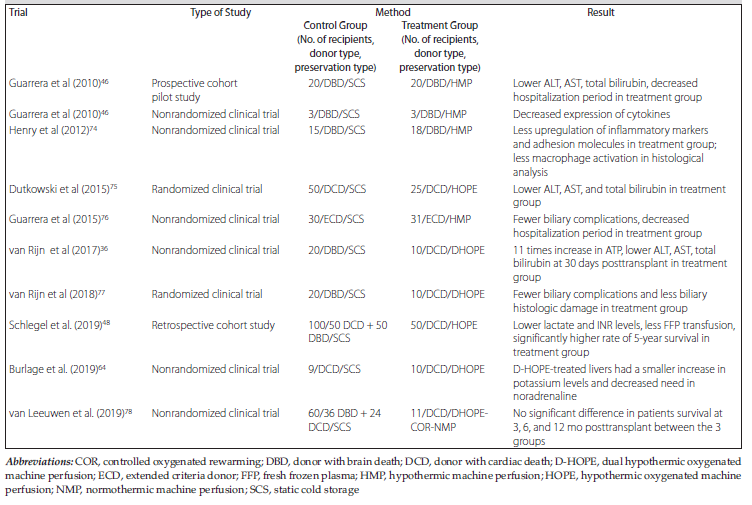
Table 1.Clinical Trials and Studies on Hypothermic Machine Perfusion
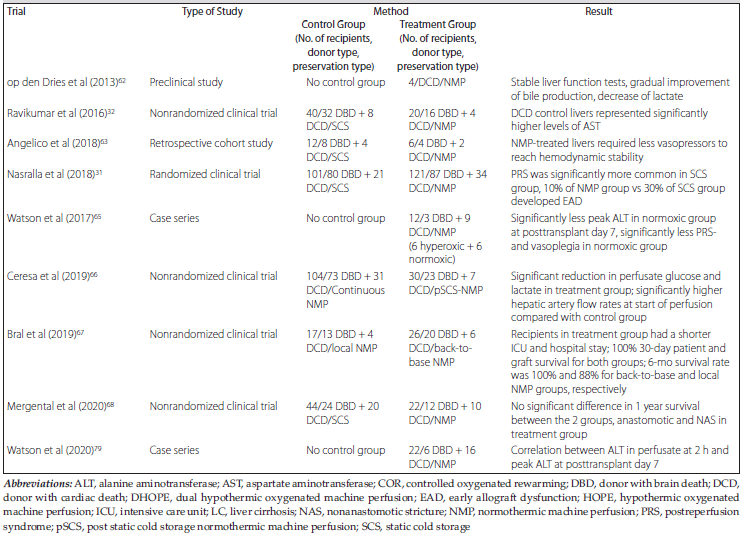
Table 2.Clinical Trials and Studies on Normothermic Machine Perfusion