Volume: 19 Issue: 5 May 2021
FULL TEXT
Abstract
Objectives: Primary graft dysfunction remains a serious problem after heart transplant. Pharmacological treatment with the calcium sensitizer levosimendan may be an additive treatment for primary graft dysfunction.
Materials and Methods: Patients undergoing heart transplant between 2010 and 2020 were retrospectively reviewed and divided depending on postoperative treatment with (n = 41) or without (n = 109) levosimendan. Recipients who received levosimendan were further divided with regard to timing of levosimendan application (early group: started ≤48 hours posttransplant [n = 23]; late group: started >48 hours posttransplant [n = 18]).
Results: Patients who received levosimendan treatment displayed a remarkable incidence (87.8%) of postoperative primary graft dysfunction with need for venoarterial extracorporeal membrane oxygenation and therefore often presented with perioperative morbidity. Patient with early application of levosimendan showed significantly decreased duration of venoarterial extracorporeal membrane oxygenation support (5.1 ± 3.5 days vs 12.6 ± 9.3 days in those
with late application; P < .01) and decreased mortality during venoarterial extracorporeal membrane oxygenation support (0.0% vs 33.3% in early vs late group; P < .01). In addition, compared with patients with late levosimendan application, patients with
early application needed fewer blood transfusions
(P < .05), had shorter ventilation times (279 ± 235 vs 428 ± 293 h; P = .03), and showed a trend of reduced incidence of postoperative renal failure (69.6% vs 94.4%; P = .06). Moreover, survival analyses indicated an increased survival for patients with early start of levosimendan therapy within the first 48 hours after heart transplant (P = .09).
Conclusions: Pharmacotherapy with levosimendan may be a promising additive in the treatment of primary graft dysfunction after heart transplant. With administration of levosimendan within the first 48 hours posttransplant, rates of successful weaning from venoarterial extracorporeal membrane oxygenation and outcomes after heart transplant were shown to increase.
Key words : Calcium sensitizer, Venoarterial extracorporeal membrane oxygenation, Weaning
Introduction
Orthotopic heart transplant (HTx) presently offers the best treatment option for patients with end-stage heart failure.1,2 Although median survival after HTx today exceeds 12 years, early mortality, especially within the first year, is still a challenging problem.3-5 As reported by the International Society of Heart and Lung Transplantation (ISHLT), a noteworthy proportion of these early deaths are related to primary graft dysfunction (PGD).3,5,6 In accordance with the 2014 consensus conference of the ISHLT on PGD, about 15% of patients have PDG after HTx, mostly classified as severe, with need for mechanical circulatory support (MCS).6-8 For this purpose, the use of venoarterial extracorporeal membrane oxygenation (va-ECMO) is widespread.9-11 However, weaning from va-ECMO and the various number of va-ECMO-related perioperative complications, such as bleeding, thrombosis, ischemia, and infections, remain serious problems.8,12,13
Levosimendan, a pharmacological calcium sensitizer, has gained popular interest for use in cardiac surgery.14-17 Because it is capable of mediating positive inotropy, vasodilatation, and antiapoptotic effects, it is part of intensive experimental and clinical research.14-21 However, current randomized controlled trials still question the positive effects of levosimendan in cardiac surgery.15-17,22-24 Recently, promising results of levosimendan for pharmacological support in weaning from va-ECMO have been discussed.25-28 Nonetheless, the application of levosimendan in the treatment of va-ECMO-supported patients with severe PGD after HTx has still not been systematically evaluated.29-32
Therefore, this study aimed to investigate the effects of levosimendan application for the treatment of PGD after HTx. Of note, the impact of timing of pharmacological treatment with levosimendan is still unknown and should be addressed. We evaluated patients who received levosimendan after HTx and compared their perioperative data and short-term and mid-term outcomes with regard to timing of the application.
Materials and Methods
Ethical approval
This study followed the principles of the Declaration of Helsinki and was approved by our local university ethics committee. All patients gave their informed consent prior to inclusion.
Patients and study design
All patients who underwent HTx at a single university heart center between 2010 and 2020
(n = 166) were retrospectively reviewed. Patients were divided into 2 categories depending on treatment with levosimendan during the postoperative stay after HTx (41 patients treated with levosimendan versus 109 patients who did not receive levosimendan). The remaining 16 patients were excluded because of incomplete data. Patients who received levosimendan were further divided into subgroups with regard to timing of levosimendan application (early group: patients who started treatment within the first 48 hours after HTx [n = 23]; late group: patients who started treatment 48 hours after HTx [n = 18]) (Figure 1).
Levosimendan application
Patients received levosimendan for postoperative treatment of PGD, with dose of levosimendan (Simdax®, Orion Pharma, Hamburg, Germany) of 0.1 μg/kg body weight/min as a continuous venous infusion for 24 hours. In general, high-dose catecholamine therapy served as a contraindication for levosimendan treatment.
Study objectives and follow-up period
Medical records of all recipients and donors were analyzed, and postoperative outcomes were evaluated. Medium postoperative follow-up of recipients was 976 ± 978 days, with a maximum follow-up of 3492 days.
Statistical analyses
Results were analyzed with SPSS Statistics version 26 software (IBM Corporation) and Prism 6 software (GraphPad). After results for patient categories of those with and without levosimendan treatment were calculated, analyses of the 2 subgroups were performed. Dichotomous variables were compared by 2-tailed Fisher exact tests. Continuous results were analyzed by Mann-Whitney U tests. For survival analyses, Kaplan-Meier method and graph comparisons by log-rank (Mantel-Cox) tests were used. All presented results are shown as mean values with standard deviations or percentage of the whole.
Results
Recipient and donor variables
Perioperative parameters of recipients are listed in Table 1. Except for creatinine level and glomerular filtration rate, there were no significant differences between recipients with and without levosimendan treatment. Of note, we did not observe any differences with regard to high urgency wait list status, previous cardiac operations, MCS, and presence of diabetes. Nevertheless, there was a strong trend (P = .05) for a higher incidence of arterial hypertension and preoperative hemodialysis (P = .09) in patients with levosimendan treatment.
In the analyses of the timing subgroups among levosimendan-treated patients, most of baseline characteristics of recipients were comparable. However, we observed a significantly increased incidence of previous cardiac operations and present ventricular assist devices in patients with late treatment compared with early treatment. In addition, these patients also had higher body weight compared with their counterparts.
As shown in Table 2, all analyzed donor parameters were comparable in the 2 categories of patients with and without levosimendan as well as in the 2 levosimendan timing subgroups.
Graft ischemia and cardiopulmonary bypass time
Compared with patients without levosimendan, patients who received levosimendan displayed significantly longer graft ischemia time, which was caused by longer transport times (Table 3). In accordance with our center’s standard operation procedures, these patients underwent longer reperfusion phases and therefore prolonged cardiopulmonary bypass times. In contrast, there were no differences in graft ischemia and operative times observed between the levosimendan timing subgroups.
Perioperative data and early survival
Analyses of perioperative data of the 2 categories revealed various significant intergroup differences, which were all related to the increased incidence of PGD with va-ECMO support in the levosimendan-treated group (Table 4). As a consequence, incidence of perioperative morbidity, need for blood transfusions, and hospitalization times were altered in patients who received levosimendan due to va-ECMO.
Nevertheless, analyses of the timing subgroups showed comparable incidences of PGD with va-ECMO support. In accordance with our study protocol, in patients who received early treatment, levosimendan was started about 31 hours after HTx, which was more than 3 days earlier than those who received late treatment. Simultaneously, the mean va-ECMO support duration decreased by more than 1 week and the successful weaning rate from va-ECMO was improved in the early treatment group. In addition, duration of mechanical ventilation and need for blood transfusion were also decreased. Furthermore, compared with the late treatment group (94.4%), early levosimendan application seemed to decrease the incidence of postoperative renal failure (69.6%), although statistical significance was not reached (P = .06).
Concerning early postoperative survival, we did not observe any significant differences but a trend toward increased survival in patients with early treatment at 30 days (91.3%) and at 1 year (75.0%) compared with patients with late treatment (77.8% and 58.3%, respectively).
Survival analyses
Patients were examined for follow-up on a regular basis every 3 to 6 months during the entire study period. Medium follow-up of the whole cohort was 976 ± 978 days with a maximum follow-up of 3492 days. However, treatment of levosimendan for PGD was implemented later on during the study period; therefore, medium follow-up of the levosimendan-treated patients was only 440 ± 431 days with a maximum of 1524 days. Figure 2 displays the Kaplan-Meier survival curves for the categories (Figure 2A) and the subgroups (Figure 2B). In line with the reported perioperative data, overall survival of levosimendan-treated patients was significantly impaired compared with patients without treatment (P = .02), which was again caused by the study protocol. Comparison of the subgroups showed a strong, but not yet significant (P = .09), trend toward increased survival for patients with levosimendan application within the first 48 hours after the HTx procedure compared with those with later start of drug application.
Discussion
This study aimed to investigate the optimal timing of the pharmacological treatment of severe PGD after HTx with the calcium sensitizer levosimendan. By comparing early and late onset of pharmacotherapy, we showed that, to address PGD, levosimendan application should start within the first 48 hours after HTx. Therefore, we have implemented early levosimendan treatment in our center’s standard operating procedure for all patients with severe PGD after HTx.
In addition to kidney function, the preoperative parameters of recipients between the patient categories (patients without and with levosimendan treatment) were comparable. With regard to the levosimendan timing subgroups, we observed a significant difference in body weight and body mass index as well as a higher incidence of previous MCS by ventricular assist devices in patients in the late treatment group. Although global registry data do not support a significant impact of previous MCS on outcome after HTx, we have previously shown that there is impairment for patients transplanted in the Eurotransplant region that could have affected the results.3,33-35
Warm ischemic time, which can increase early mortality after HTx, did not differ between the categories as well as the subgroups and was similar to results in the literature.36,37 However, transport times were by trend prolonged in levosimendan-treated patients compared with those without treatment, which resulted in a significantly increased total graft ischemia time and therefore, following our center’s standard operation procedure, prolonged reperfusion times of transplanted hearts.
As given by the study protocol, levosimendan-treated patients had significantly more incidences of severe PGD with need for va-ECMO support than patients who did not have levosimendan treatment. Considering the reported recipient, donor, and intraoperative parameters as well as the known risk factors for PGD, we could most likely relate this to the prolonged cold ischemia in patients without levosimendan treatment.7,38 Most differences in the early outcomes between the patient categories (without and with treatment) were related to this difference in PGD and va-ECMO support.8,12,13 Hence, we focused on the subgroup analyses of the impact of timing of the levosimendan application.
In the 2 levosimendan timing subgroups, incidence of va-ECMO support did not differ and the impacts on perioperative morbidity and posttransplant survival were therefore comparable. We found that early levosimendan application was able to significantly reduce the va-ECMO support duration by more than 50% to a medium duration of 5.1 days, which is shorter than reported in the literature.7 However, early treatment significantly increased the successful weaning rate from va-ECMO. This goes in line with data reported by the Registry of the Extracorporeal Life Support Organization, which indicated the highest survival of va-ECMO patients with support duration of about 4 days.39 At the same time, weaning rate exceeded the results reported in the literature for severe PGD.4,7,40 By decreasing the va-ECMO support duration, patients with early levosimendan treatment also had less va-ECMO-related complications. In particular, the need for perioperative blood transfusion, the duration of mechanical ventilation, and the incidence of delayed chest closure could be significantly reduced by early levosimendan application. Of note, repetitive blood transfusions are related to pleiotropic effects, potentially worsening outcomes after HTx.41,42 In addition, postoperative acute kidney injury with need for hemodialysis, which is related to va-ECMO and can further increase mortality rates during support, was by trend decreased with early levosimendan application.43 This might be related to the nephroprotective effects of levosimendan in cardiac surgery patients.44
When we compared patients with and without levosimendan treatment, early survival did not significantly differ between groups, but there was a trend of impaired survival in patients who received levosimendan, as expected for patients who have PGD.4,7,8,45 Timing of levosimendan application did not significantly influence early survival after HTx, but treatment within the first 48 hours seemed to increase survival but was not statistically significant due to the small group sizes for the 2 subgroups. Finally, in line with previously published literature, survival analyses by Kaplan-Meier method confirmed these results and showed significantly impaired survival in patients with postoperative PGD.4,7,8,45 Although our study had a short follow-up period and small group sizes, survival analysis of the levosimendan subgroups indicated promising results with early drug application, by increasing the survival after HTx for patients who have PGD and va-ECMO support.4,7,8,45 Interestingly, with early levosimendan application, we were likewise able to tremendously increase survival of our transplant patients compared with our previously reported data on va-ECMO support for PGD after HTx.11
Limitations
Our present study is limited by its single-center design and therefore small group sizes. The retrospective character of the study raises a potential selection bias of patients treated with levosimendan who were already recovering from PGD before levosimendan treatment. In particular, the short follow-up period impacts the statistical power of survival analyses as it potentially overestimated the mortality due to the disproportionately high first-year mortality after HTx. To address PGD, our center follows a relatively liberal implantation strategy for va-ECMO. Thus, the incidence of va-ECMO support appears relatively high. Furthermore, the comparison of patients without and with levosimendan treatment is clearly biased by the unbalanced incidence of postoperative PGD and va-EMCO support. Therefore, this study focused on the subgroup analyses and the categories were only reported to better understand the characteristics of the levosimendan-treated patients. Another potential bias of the present study is the higher incidence of preoperative MCS in patients in the late levosimendan treatment group, as mentioned before. Nonetheless, we were able to report multiple effects of timing of levosimendan application in patients with PGD, which may help to improve current therapies focusing on PGD in the future.
Conclusions
Heart transplantation still remains the gold standard of care for patients with end-stage congestive heart failure. However, PGD remains a serious problem, which can significantly impair postoperative outcomes by increasing perioperative morbidity and mortality. Temporary MCS helps to overcome the situation of PGD but can unfortunately further increase the risk of perioperative morbidity. Pharmacological treatment with levosimendan offers an additive approach in therapy options for PGD. Application of levosimendan should start within the first 48 hours after HTx. Early drug therapy with levosimendan seems to be capable of reducing the duration of postoperative MCS, decreasing the risk of perioperative morbidity and needed blood transfusions, and potentially increasing survival after HTx for patients with severe PGD.
References:
- Yancy CW, Jessup M, Bozkurt B, et al. 2013 ACCF/AHA guideline for the management of heart failure: a report of the American College of Cardiology Foundation/American Heart Association Task Force on Practice Guidelines. J Am Coll Cardiol. 2013;62(16):e147-239. doi:10.1016/j.jacc.2013.05.019
CrossRef - PubMed - Ponikowski P, Voors AA, Anker SD, et al. 2016 ESC Guidelines for the diagnosis and treatment of acute and chronic heart failure: The Task Force for the diagnosis and treatment of acute and chronic heart failure of the European Society of Cardiology (ESC)Developed with the special contribution of the Heart Failure Association (HFA) of the ESC. Eur Heart J. 2016;37(27):2129-2200. doi:10.1093/eurheartj/ehw128
CrossRef - PubMed - Khush KK, Cherikh WS, Chambers DC, et al. The International Thoracic Organ Transplant Registry of the International Society for Heart and Lung Transplantation: Thirty-fifth Adult Heart Transplantation Report-2018; focus theme: multiorgan transplantation. J Heart Lung Transplant. 2018;37(10):1155-1168. doi:10.1016/j.healun.2018.07.022
CrossRef - PubMed - Takeda K, Li B, Garan AR, et al. Improved outcomes from extracorporeal membrane oxygenation versus ventricular assist device temporary support of primary graft dysfunction in heart transplant. J Heart Lung Transplant. 2017;36(6):650-656. doi:10.1016/j.healun.2016.12.006
CrossRef - PubMed - Yusen RD, Edwards LB, Kucheryavaya AY, et al. The Registry of the International Society for Heart and Lung Transplantation: Thirty-second Official Adult Lung and Heart-Lung Transplantation Report--2015; focus theme: early graft failure. J Heart Lung Transplant. 2015;34(10):1264-1277. doi:10.1016/j.healun.2015.08.014
CrossRef - PubMed - Kobashigawa J, Zuckermann A, Macdonald P, et al. Report from a consensus conference on primary graft dysfunction after cardiac transplantation. J Heart Lung Transplant. 2014;33(4):327-340. doi:10.1016/j.healun.2014.02.027
CrossRef - PubMed - Sabatino M, Vitale G, Manfredini V, et al. Clinical relevance of the International Society for Heart and Lung Transplantation consensus classification of primary graft dysfunction after heart transplantation: Epidemiology, risk factors, and outcomes. J Heart Lung Transplant. 2017;36(11):1217-1225. doi:10.1016/j.healun.2017.02.014
CrossRef - PubMed - Quader M, Hawkins RB, Mehaffey JH, et al. Primary graft dysfunction after heart transplantation: Outcomes and resource utilization. J Card Surg. 2019;34(12):1519-1525. doi:10.1111/jocs.14274
CrossRef - PubMed - Santise G, Panarello G, Ruperto C, et al. Extracorporeal membrane oxygenation for graft failure after heart transplantation: a multidisciplinary approach to maximize weaning rate. Int J Artif Organs. 2014;37(9):706-714. doi:10.5301/ijao.5000353
CrossRef - PubMed - D'Alessandro C, Golmard JL, Barreda E, et al. Predictive risk factors for primary graft failure requiring temporary extra-corporeal membrane oxygenation support after cardiac transplantation in adults. Eur J Cardiothorac Surg. 2011;40(4):962-969. doi:10.1016/j.ejcts.2011.01.064
CrossRef - PubMed - Mehdiani A, Immohr MB, Boettger C, et al. Extracorporeal membrane oxygenation after heart transplantation: impact of type of cannulation. Thorac Cardiovasc Surg. 2020. doi:10.1055/s-0039-3400472
CrossRef - PubMed - DeRoo SC, Takayama H, Nemeth S, et al. Extracorporeal membrane oxygenation for primary graft dysfunction after heart transplant. J Thorac Cardiovasc Surg. 2019;158(6):1576-1584 e1573. doi:10.1016/j.jtcvs.2019.02.065
CrossRef - PubMed - Lo Coco V, Lorusso R, Raffa GM, et al. Clinical complications during veno-arterial extracorporeal membrane oxigenation in post-cardiotomy and non post-cardiotomy shock: still the Achille’s heel. J Thorac Dis. 2018;10(12):6993-7004. doi:10.21037/jtd.2018.11.103
CrossRef - PubMed - Conte SM, Florisson DS, De Bono JA, Davies RA, Newcomb AE. Levosimendan following cardiac surgery. Heart Lung Circ. 2019;28(3):e19-e20. doi:10.1016/j.hlc.2018.02.018
CrossRef - PubMed - Wang B, He X, Gong Y, Cheng B. Levosimendan in patients with left ventricular dysfunction undergoing cardiac surgery: an update meta-analysis and trial sequential analysis. Biomed Res Int. 2018;2018:7563083. doi:10.1155/2018/7563083
CrossRef - PubMed - Putzu A, Clivio S, Belletti A, Cassina T. Perioperative levosimendan in cardiac surgery: A systematic review with meta-analysis and trial sequential analysis. Int J Cardiol. 2018;251:22-31. doi:10.1016/j.ijcard.2017.10.077
CrossRef - PubMed - Guarracino F, Heringlake M, Cholley B, et al. Use of levosimendan in cardiac surgery: an update after the LEVO-CTS, CHEETAH, and LICORN Trials in the light of clinical practice. J Cardiovasc Pharmacol. 2018;71(1):1-9. doi:10.1097/FJC.0000000000000551
CrossRef - PubMed - Pollesello P, Ovaska M, Kaivola J, et al. Binding of a new Ca2+ sensitizer, levosimendan, to recombinant human cardiac troponin C. A molecular modelling, fluorescence probe, and proton nuclear magnetic resonance study. J Biol Chem. 1994;269(46):28584-28590
CrossRef - PubMed - Sorsa T, Pollesello P, Solaro RJ. The contractile apparatus as a target for drugs against heart failure: interaction of levosimendan, a calcium sensitiser, with cardiac troponin c. Mol Cell Biochem. 2004;266(1-2):87-107. doi:10.1023/b:mcbi.0000049141.37823.19
CrossRef - PubMed - Pathak A, Lebrin M, Vaccaro A, Senard JM, Despas F. Pharmacology of levosimendan: inotropic, vasodilatory and cardioprotective effects. J Clin Pharm Ther. 2013;38(5):341-349. doi:10.1111/jcpt.12067
CrossRef - PubMed - Immohr MB, Jenke A, Jahn A, et al. Exploring the pleiotropic effects of levosimendan: impact on systemic inflammatory parameters and molecular salvage path-ways by modulation of cytokine levels and tissue apoptosis rate. J Heart Cardiol. 2017;3(1):1-9. doi:10.15436/2378-6914.17.1461
CrossRef - PubMed - Cholley B, Caruba T, Grosjean S, et al. Effect of levosimendan on low cardiac output syndrome in patients with low ejection fraction undergoing coronary artery bypass grafting with cardiopulmonary bypass: The LICORN randomized clinical trial. JAMA. 2017;318(6):548-556. doi:10.1001/jama.2017.9973
CrossRef - PubMed - Mehta RH, Leimberger JD, van Diepen S, et al. Levosimendan in patients with left ventricular dysfunction undergoing cardiac surgery. N Engl J Med. 2017;376(21):2032-2042. doi:10.1056/NEJMoa1616218
CrossRef - PubMed - Landoni G, Lomivorotov VV, Alvaro G, et al. Levosimendan for hemodynamic support after cardiac surgery. N Engl J Med. 2017;376(21):2021-2031. doi:10.1056/NEJMoa1616325
CrossRef - PubMed - Cholley B, Levy B, Fellahi JL, et al. Levosimendan in the light of the results of the recent randomized controlled trials: an expert opinion paper. Crit Care. 2019;23(1):385. doi:10.1186/s13054-019-2674-4
CrossRef - PubMed - Jacky A, Rudiger A, Kruger B, et al. Comparison of levosimendan and milrinone for ECLS weaning in patients after cardiac surgery-a retrospective before-and-after study. J Cardiothorac Vasc Anesth. 2018;32(5):2112-2119. doi:10.1053/j.jvca.2018.04.019
CrossRef - PubMed - Affronti A, di Bella I, Carino D, Ragni T. Levosimendan may improve weaning outcomes in venoarterial ECMO patients. ASAIO J. 2013;59(6):554-557. doi:10.1097/MAT.0b013e3182a4b32e
CrossRef - PubMed - Vally S, Ferdynus C, Persichini R, et al. Impact of levosimendan on weaning from peripheral venoarterial extracorporeal membrane oxygenation in intensive care unit. Ann Intensive Care. 2019;9(1):24. doi:10.1186/s13613-019-0503-1
CrossRef - PubMed - Singh SSA, Dalzell JR, Berry C, Al-Attar N. Primary graft dysfunction after heart transplantation: a thorn amongst the roses. Heart Fail Rev. 2019;24(5):805-820. doi:10.1007/s10741-019-09794-1
CrossRef - PubMed - Beiras-Fernandez A, Kur F, Kaczmarek I, et al. Levosimendan for primary graft failure after heart transplantation: a 3-year follow-up. Transplant Proc. 2011;43(6):2260-2262. doi:10.1016/j.transproceed.2011.05.021
CrossRef - PubMed - Weis F, Beiras-Fernandez A, Kaczmarek I, et al. Levosimendan: a new therapeutic option in the treatment of primary graft dysfunction after heart transplantation. J Heart Lung Transplant. 2009;28(5):501-504. doi:10.1016/j.healun.2009.01.017
CrossRef - PubMed - Barisin S, Djuzel V, Barisin A, Rudez I. Levosimendan reverses right-heart failure in a 51-year-old patient after heart transplantation. Wien Klin Wochenschr. 2014;126(15-16):495-499. doi:10.1007/s00508-014-0528-2
CrossRef - PubMed - Fukuhara S, Takeda K, Polanco AR, Takayama H, Naka Y. Prolonged continuous-flow left ventricular assist device support and posttransplantation outcomes: A new challenge. J Thorac Cardiovasc Surg. 2016;151(3):872-880 e875. doi:10.1016/j.jtcvs.2015.10.024
CrossRef - PubMed - Takeda K, Takayama H, Kalesan B, et al. Outcome of cardiac transplantation in patients requiring prolonged continuous-flow left ventricular assist device support. J Heart Lung Transplant. 2015;34(1):89-99. doi:10.1016/j.healun.2014.09.007
CrossRef - PubMed - Immohr MB, Mehdiani A, Albert A, et al. Heart transplantation in patients with ventricular assist devices: Impacts of the implantation technique and support duration. J Card Surg. 2020;35(2):352-359. doi:10.1111/jocs.14392
CrossRef - PubMed - Marasco SF, Kras A, Schulberg E, Vale M, Lee GA. Impact of warm ischemia time on survival after heart transplantation. Transplant Proc. 2012;44(5):1385-1389. doi:10.1016/j.transproceed.2011.12.075
CrossRef - PubMed - Banner NR, Thomas HL, Curnow E, et al. The importance of cold and warm cardiac ischemia for survival after heart transplantation. Transplantation. 2008;86(4):542-547. doi:10.1097/TP.0b013e31818149b9
CrossRef - PubMed - Nicoara A, Ruffin D, Cooter M, et al. Primary graft dysfunction after heart transplantation: Incidence, trends, and associated risk factors. Am J Transplant. 2018;18(6):1461-1470. doi:10.1111/ajt.14588
CrossRef - PubMed - Smith M, Vukomanovic A, Brodie D, Thiagarajan R, Rycus P, Buscher H. Duration of veno-arterial extracorporeal life support (VA ECMO) and outcome: an analysis of the Extracorporeal Life Support Organization (ELSO) registry. Crit Care. 2017;21(1):45. doi:10.1186/s13054-017-1633-1
CrossRef - PubMed - Jacob S, Lima B, Gonzalez-Stawinski GV, et al. Extracorporeal membrane oxygenation as a salvage therapy for patients with severe primary graft dysfunction after heart transplant. Clin Transplant. 2019;33(5):e13538. doi:10.1111/ctr.13538
CrossRef - PubMed - Task Force on Patient Blood Management for Adult Cardiac Surgery of the European Association for Cardio-Thoracic S, the European Association of Cardiothoracic A, Boer C, et al. 2017 EACTS/EACTA Guidelines on patient blood management for adult cardiac surgery. J Cardiothorac Vasc Anesth. 2018;32(1):88-120. doi:10.1053/j.jvca.2017.06.026
CrossRef - PubMed - Nam K, Jang EJ, Kim GH, et al. Perioperative red blood cell transfusion and mortality following heart transplantation: A retrospective nationwide population-based study between 2007 and 2016 in Korea. J Card Surg. 2019;34(10):927-932. doi:10.1111/jocs.14148
CrossRef - PubMed - Thongprayoon C, Cheungpasitporn W, Lertjitbanjong P, et al. Incidence and impact of acute kidney injury in patients receiving extracorporeal membrane oxygenation: a meta-analysis. J Clin Med. 2019;8(7):981. doi:10.3390/jcm8070981
CrossRef - PubMed - Zhou C, Gong J, Chen D, Wang W, Liu M, Liu B. Levosimendan for prevention of acute kidney injury after cardiac surgery: a meta-analysis of randomized controlled trials. Am J Kidney Dis. 2016;67(3):408-416. doi:10.1053/j.ajkd.2015.09.015
CrossRef - PubMed - Avtaar Singh SS, Banner NR, Rushton S, Simon AR, Berry C, Al-Attar N. ISHLT primary graft dysfunction incidence, risk factors, and outcome: A UK National Study. Transplantation. 2019;103(2):336-343. doi:10.1097/TP.0000000000002220
CrossRef - PubMed

Volume : 19
Issue : 5
Pages : 473 - 480
DOI : 10.6002/ect.2020.0342
From the 1Department of Cardiac Surgery, and the 2Department of Cardiology, Pulmonology and Vascular Medicine, Medical Faculty and University Hospital Düsseldorf, Heinrich-Heine-University, Düsseldorf, Germany
Acknowledgements: This study was funded by institutional grants from the Department of Cardiac Surgery, Medical Faculty and University Hospital Düsseldorf, Heinrich-Heine-University (Düsseldorf, Germany). The authors have no declarations of potential conflicts of interest.
Corresponding author: Payam Akhyari, Department of Cardiac Surgery, Medical Faculty and University Hospital Düsseldorf, Heinrich-Heine-University, Moorenstrasse 5, 40225 Düsseldorf, Germany,
Phone: +49 211 8118331
E-mail: payam.akhyari@med.uni-duesseldorf.de
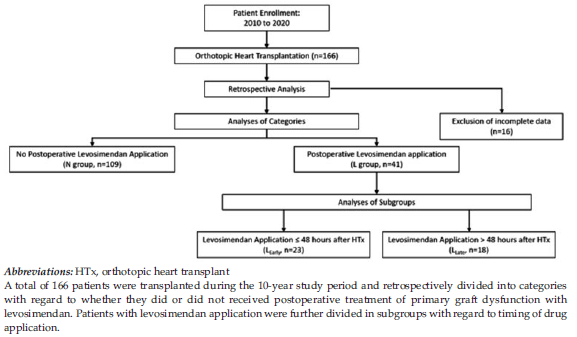
Figure 1. Assignment of Study Groups
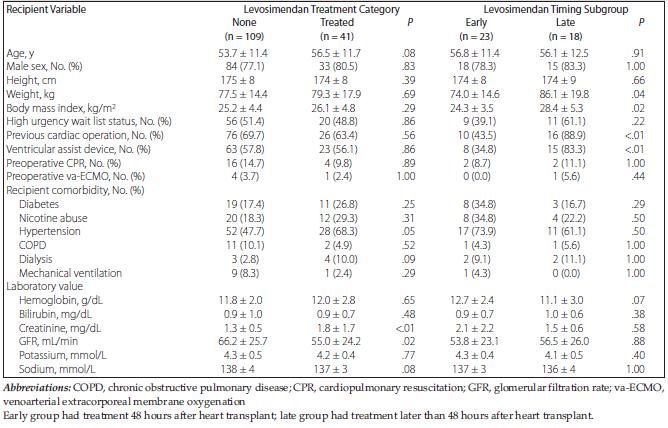
Table 1. Recipient Parameters
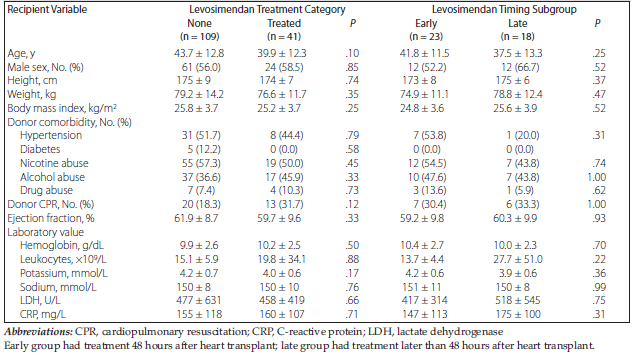
Table 2. Donor Parameters
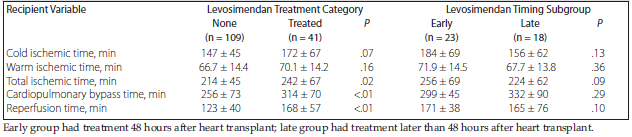
Table 3. Intraoperative Parameters
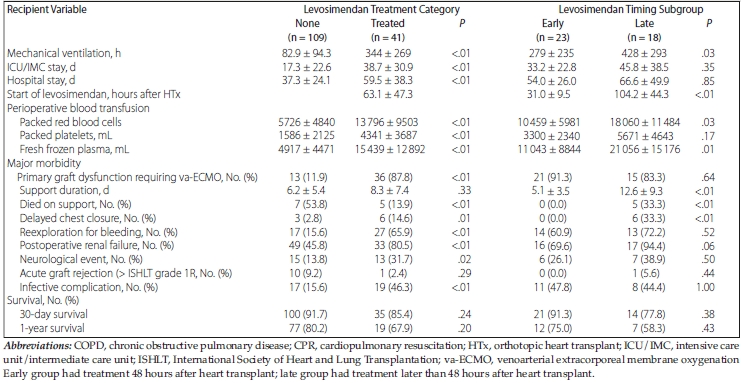
Table 4. Perioperative Morbidity and Early Mortality
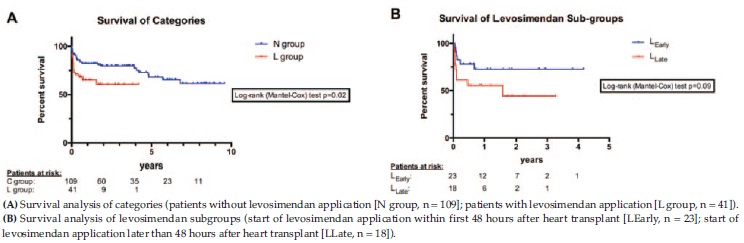
Figure 2. Kaplan-Meier Survival Curves After Heart Transplant