Volume: 24 Issue: 6 June 2026
FULL TEXT
Prevalence and Clinical Impact of Multidrug-Resistant Bacterial Colonization and Infection in Liver Transplant Recipients: A Systematic Review and Meta-Analysis of Observational Studies
Objectives: To our knowledge, a systematic review that has comprehensively evaluated the prevalence and clinical impact of multidrug-resistant bacteria in adult liver transplant recipients is not available. This review assessed the prevalence and clinical impact of multidrug-resistant bacteria among liver transplant recipients.
Materials and Methods: In accordance with PRISMA guidelines, we searched Web of Science, PubMed, and Google Scholar through August 2025. The study protocol was registered in PROSPERO (CRD420251181202). We included cohort and case-control studies that reported on adult first liver transplant recipients harboring and not harboring multidrug-resistant bacteria. Two reviewers assessed eligibility and conducted a risk of bias evaluation using the Newcastle-Ottawa Scale. We synthesized data using the web-based Review Manager for a meta-analysis, with a random-effects model to compute the pooled odds ratio and 95% CI. Statistical hete-rogeneity was determined using the I2 statistic.
Results: In the 13 included studies (12 cohort studies, 1 case-control study), multidrug-resistant bacteria were identified in 507 of 28 599 liver transplant recipients. Multidrug-resistant bacteria colonization significantly increased posttransplant infection (odds ratio 5.98; 95% CI, 2.24-15.94), and their presence significantly increased mortality (odds ratio 5.32; 95% CI, 2.36-11.97). Subgroup analyses suggested a regional variation in mortality risk with a higher association in China and Japan (odds ratio, 22.26; 95% CI, 6.83-72.6). Exposure to these bacteria was also associated with prolonged hospital and intensive care unit stay and showed a borderline association with acute kidney injury but not with graft rejection.
Conclusions: Colonization with multidrug-resistant bacteria is associated with increased infection, and both colonization and infection raise the risk of mortality. Despite the variations across studies in geography, follow-up duration, and screening methods, actions to prevent colonization in transplant candidates are warranted.
Key words : Acute kidney injury, Graft rejection, Hospitalization, Intensive care unit, Mortality
Introduction
Infections are a leading cause of morbidity and mortality among solid-organ transplant recipients, affecting approximately 55% of recipients within the first year posttransplant.1 Recipients of liver transplant are particularly vulnerable, with higher infection-related mortality than other transplant populations.2,3 If resistant bacteria are involved, the situation gets worse and infection-related mortality gets higher.2,3 The rates of multidrug-resistant (MDR) infections in liver transplant recipients vary according to the type of MDR bacteria, country, age, and follow-up periods but are still high, ranging from 2.13% to 90%.4-15 The mortality rate has been shown to vary from 14.3% to 56.3%.4-15 Aside from the increased risk of death, MDR infections are associated with poor outcomes, inclu-ding prolonged hospitalization, intensive care unit (ICU) stay, graft rejection, and acute kidney injury.16-18
A meta-analysis in solid-organ transplant reci-pients showed that colonization with methicillin-resistant Staphylococcus aureus (MRSA) and vancomycin-resistant enterococcus (VRE), both pre- and posttransplant, was associated with a higher risk of infection. The pooled risk ratios were 5.51 (95% CI, 2.36-12.90) and 10.56 (95% CI, 5.58-19.95) for pre- and posttransplant MRSA colonization and 6.65 (95% CI, 2.54-17.41) and 7.93 (95% CI, 2.36-26.67) for pre- and posttransplant VRE colonization, respectively.19 Another meta-analysis reported a significant increase of mixed infection in MDR-colonized solid-organ transplant patients (odds ratio [OR] = 10.74; 95% CI, 7.56-12.26) and a higher 1-year mortality (OR = 2.35; 95% CI, 1.63-3.38) but showed no impact on graft loss.20
To the best of our knowledge, this is the first systematic review to comprehensively evaluate the prevalence and clinical impact of MDR bacteria among adult liver transplant recipients. This review assessed MDR bacteria colonization and infection and examined their association with key post-transplant outcomes, including mortality, length of hospital and ICU stay, graft rejection, and acute kidney injury. The findings aimed to inform targeted, effective, and tailored antimicrobial stewardship strategies in this high-risk population.
Materials and Methods
Study design and reporting
This review followed the standards described by Preferred Reporting Items for Systematic Reviews and Meta-Analyses (PRISMA).21 The protocol was developed a priori and registered in PROSPERO (CRD420251181202).
Eligibility criteria
Only observational studies published in English investigating the presence of MDR bacteria in adults (≥18 years) after primary liver transplant and com-paring presence versus absence of MDR bacteria were eligible. Research studies that included pediatric patients, multiorgan transplant, liver retransplant, pregnant women, patients with human immunodeficiency virus infection, and patients with tuberculosis were excluded, as patients with these factors are more susceptible to infections and resistance and often require extended antibiotic treatments. Case reports, studies with overlapping cohorts, reviews, and conference abstracts without sufficient data were also excluded. In instances of overlapping cohorts, the most recent or the largest study was included.
The primary outcomes were the prevalence of MDR bacterial strains, infection among colonized patients, and all-cause mortality. Secondary outcomes included length of hospital stay, length of ICU stay, graft rejection, and acute kidney injury.
Search strategy
We used Web of Science, Google Scholar, and PubMed to retrieve published studies using a combined vocabulary and free-text terms related to antibiotic resistance in liver transplant and was adapted for each database. The PubMed search strategy combined resistance-related terms (“Drug Resistance, Bacterial” [MeSH], “Drug Resistance, Microbial” [MeSH], antibacterial resistance, drug resistance, bacterial resistance, antibiotic resistance) and transplant-related terms (“Liver Transplantation” [MeSH], living-donor liver transplant, deceased-donor liver transplant, cadaveric liver transplant, orthotopic liver transplant) using Boolean operators. In Web of Science, abstract field searches were performed using the terms liver transplant and antibiotic resistance. Google Scholar searches combined key phrases, including drug antibiotic resistance and liver transplant, with additional screening terms related to bacteria, treatment, prophylaxis, and perioperative infection, while excluding nonrelevant terms such as viral, fungal, pediatric, and review articles to improve specificity. We searched the databases from their inception through August 30, 2025. Language filters were applied to Google Scholar searches. We used a broad search strategy to maximize sensitivity, while using eligibility criteria to restrict inclusion to studies reporting MDR bacteria. We hand-searched references of included studies to identify further potential studies and to maximize coverage.
Study selection
We imported extracted data into an Excel sheet for deduplication, where we identified and removed exact or near-duplicate records. Two reviewers independently screened titles and abstracts of the articles, followed by full-text review according to the predefined inclusion and exclusion criteria.
Data extraction
Two independent reviewers used a pre-piloted template to extract data. Extracted variables included general study characteristics (study design, sites, location, transplant period and type, study size, studied pathogens, prophylactic antibiotics used, resistance screening methods, screening time and site, and follow-up duration), baseline recipient characteristics (age, sex, and the Model for End-Stage Liver Disease [MELD] score), and the primary and secondary outcomes. Discrepancies were resolved through consensus discussion; when consensus could not be reached, a third reviewer adjudicated. Only variables relevant to the main outcomes were presented in the main tables; additional variables are available upon request.
We presented quantitative data as means ± SD; if data were not available in the required format, we converted using the formula provided by Hozo and colleagues22 and Wan and colleagues.23 We expressed categorical variables as event/total (percentages). When critical data were incomplete or unclear, we made attempts to infer values from text or figures. Authors were not contacted due to the age of several studies.
Risk of bias assessment
Two reviewers independently evaluated the inclu-ded studies with the Newcastle-Ottawa Scale Risk of Bias assessment tool.24 The tool evaluates 3 main domains: bias due to participant selection, bias due to comparability and confounder adjustment, and bias arising from outcome measurement. Studies were rated as good, fair, or poor quality based on the number of stars achieved across domains, with a maximum total score of 9 stars. Studies that receive a score of 9 stars were judged to be at low risk of bias, a score of 7 or 8 stars was judged as medium risk, and a score of 6 or less was evaluated as a high risk of bias. Discrepancies were resolved by consensus through discussion; if consensus could not be reached, a third reviewer adjudicated.
Data synthesis
We used a random-effects model when conducting the meta-analysis to account for heterogeneity in study design and comparators across studies. We conducted a meta-analyses to estimate the pooled prevalence of MDR bacteria and to evaluate their clinical impact, with all-cause mortality as the primary clinical outcome. The unit of analysis was based on the aggregated outcome. Dichotomous data were analyzed using the OR with a 95% CI. We analyzed continuous data using mean difference with 95% CI. We determined statistical heterogeneity using the I2 statistic to assess the appropriateness of performing a meta-analysis, with categorization of 0 to 40% indicating not important, 30% to 60% indicating moderate heterogeneity, 50% to 90% indicating substantial heterogeneity, and 75% to 100% indicating considerable heterogeneity.25 The analyses were conducted using the web-based Review Manager (RevMan) software to calculate and pool each outcome.26 We used funnel plots to assess publication bias for outcomes with more than 10 studies.26
Subgroup and sensitivity analyses
To explain potential sources of heterogeneity, we performed subgroup analysis according to pathogen type and region. For the mortality outcome, we stratified analyses according to MDR bacteria colonization or infection. We performed sensitivity analyses to assess the robustness of the findings by excluding studies judged to be at high risk of bias and studies with differing designs, such as case-control studies.
Ethical approval
Because this review synthesized data from pre-viously published studies, institutional review board approval and informed consent were not required.
Results
Included studies
We identified 2399 records by searching the 3 databases and removed 298 duplicates (Figure 1). In the first round of screening, we excluded 1956. We were able to retrieve 96 articles and screened them for eligibility. From these, 83 articles were excluded (37 were not the population of interest, 32 were wrong comparators, 9 had no resistant bacteria, 1 had no outcome, and 4 had population overlap). We hand-searched the citations and found no additional articles. Thirteen articles were included in the review, comprising 12 cohort studies and 1 case-control study.
The included articles were published over 12 years (2000 to 2022) and originated from multiple regions: 3 from the United States; 2 each from Greece, France, Japan, and China; and 1 each from Germany, Brazil, and Canada (Table 1). All studies were con-ducted at a single center, except Ramakrishna and colleagues,27 which used a US national public data-base and therefore had the largest sample size (26 075).27 The sample sizes of the remaining studies ranged from 44 to 749.17,28 Eight studies reported single MDR pathogens,16,27,29-34 2 reported extended-spectrum beta-lactamase Enterobacterales (ESBL-E),28,35 2 repor-ted carbapenem resistance,17,36 and 1 reported gram-positive cocci.37 The most commonly reported pathogen was MRSA (n = 5). Six studies focused on MDR bacteria colonization outcomes,16,17,29,30,33,35 and 7 evaluated infection outcomes.27,28,31,32,34,36,37 The follow-up period ranged from 1 month to 24 months, although some studies used different follow-up periods across outcomes.16,32,33
Among the 28 599 liver transplant recipients inc-luded in the studies, 507 patients harbored MDR bacteria (163 MDR-colonized and 344 MDR-infected). In terms of organism distribution, the most prevalent colonizing MDR was VRE (44.3%), and the most infecting MDR pathogen was ESBL-E (39%).28,33 Age ranged from 43.3 to 57.5 years.35,37 The MELD score varied widely, with the lowest score of 13 and the highest score of 27.8.31,33 Two studies did not report participants’ MELD score.32,37 Generally, male parti-cipants predominated in most studies, ranging from 54.5% to 89.3%31,37; only Singh and colleagues32 did not mention patient sex.
Risk of bias in included studies
Ten of the 12 cohort studies demonstrated low risk of bias, scoring 7 to 9 stars on the Newcastle-Ottawa Scale (Table 2). Two studies scored 7 stars,28,30 6 scored 8 stars,16,31,33,35-37 and 2 achieved 9 stars,29,32 with most limitations related to cohort comparability or outcome assessment. Two cohort studies were judged to have a high risk of bias, scoring 5 to 6 stars due to inadequate comparability and outcome assessment.17,27 We iden-tified only 1 case-control study and assessed this study as medium risk of bias, although the representa-tiveness of cases was limited (Table 2).34
Quantitative synthesis and meta-analysis
Mortality outcome
Mortality among patients exposed to MDR bacteria was higher, at 19.8% (84/425), than in MDR-unexposed patients, at 3.5% (970/27 517). Based on a random-effects model meta-analysis, the summary OR was 5.32 (95% CI, 2.36-11.97; P < .001) (Figure 2). A substantial inconsistency was shown between studies (I2 = 80%, P < .001). We performed a subgroup analysis by region, which showed a significantly higher mortality in the MDR-exposed group in the United States, Canada, and Brazil, with no hete-rogeneity (I2 = 0), and across Europe (France, Germany, Greece), with moderate heterogeneity (I2 = 41%, P = .17) (Figure 2).
Infection among MDR-colonized patients
Our primary analysis showed that infection was higher in MDR-colonized patients, 17.4% (33/190), than in patients not colonized with MDR, 7.3% (42/577). Based on a meta-analysis using the random-effects model, the summary OR was 5.98 (95% CI, 2.24-15.94; P < .001) (Figure 3A). There was moderate hetero-geneity among study results (I2 = 55%, P = .05). We conducted a subgroup analysis by pathogen, which revealed that colonization with MDR gram-positive bacteria is associated with increased infection, with an OR of 8.8 (95% CI, 3.53-21.92; P < .001) (Figure 3B). No difference was shown between studies (I2 = 0%, P = .8). However, studies with gram-nega-tive bac-teria showed no significant association, with an OR of 5.58 (95% CI, 0.41-76.28; P = .2) with substantial heterogeneity (I2 = 86%).
Length of hospital stay
Only 4 studies reported the length of hospital stay. Hospital stays were longer in patients harboring MDR bacteria, with a mean difference of 6.76 days (95% CI, 2.18-11.34; P = .004) (Figure 4). No signifi-cant heterogeneity was shown between studies (I2 = 0%, P = .51).
Intensive care unit stays
Five studies reported the length of ICU stay, with a longer ICU stay among MDR-exposed patients than among MDR-unexposed patients, with a mean difference of 6.78 days (95% CI, 3.57-10; P < .001) (Figure 5A). A moderate hete-rogeneity was shown between studies (I2= 60%, P = .04). A subgroup analysis by pathogen showed that MDR gram-positive bacteria were associated with a longer ICU stay of 5.31 days (95% CI, 3.59-7.03; P < .001) with no important heterogeneity between studies (I2 = 0%; P = .89) (Figure 5B).
Graft rejection
Rejection outcome analyses showed no significant association between harboring MDR bacteria and graft rejection, with an OR of 0.85 (95% CI, 0.52-1.40; P = .52) (Figure 6) and no important heterogeneity shown between studies (I2 = 17%, P = .31).
Acute kidney injury
Our analysis showed a higher acute kidney injury in the MDR-exposed group, at 54.9% (72/131), than in MDR-unexposed group, at 26.9% (173/643), with an OR of 3.68 (95% CI, 1.01-13.46; P = .05) (Figure 7) and considerable heterogeneity between studies (I2 = 84%, P = .001). The overall effect was borderline statistically significant.
Publication bias
Visual inspection of the funnel plot demonstrated asymmetry, which was suggestive of potential publication bias or small-study effects. Because no formal statistical test was conducted to confirm funnel plot asymmetry, the presence of publication bias cannot be definitively established.
Sensitivity analyses
We performed a sensitivity analysis for each outcome by removing studies at a high risk of bias and a different design from the analysis. Mortality in the MDR-exposed group increased (OR 6.32; 95% CI, 2.14-18.63; P < .001, I2 = 82%). The association between MDR bacteria colonization and infection remained high (OR 4.95; 95% CI, 1.81-13.59; P = .002, I2 = 50%). In addition, ICU stays remained high (mean difference 5.31; 95% CI, 3.59-7.03; P < .001, I2 = 0%). However, the association with acute kidney injury was attenuated and became nonsignificant (mean difference 2.53; 95% CI, 0.58-11.14; P = .22, I2 = 89%), indicating sensitivity of this outcome to study quality.
Discussion
In this systematic review and meta-analysis of observational studies, colonization with MDR bacteria was associated with a higher infection rate. Harboring MDR bacteria was associated with increased mortality and longer hospital and ICU stays and acute kidney injury but not with graft rejection. This association remained consistent, whether colonization or infection was documented, across different follow-up durations up to 2 years posttransplant.
This review found that MDR colonization was associated with a higher infection rate among liver transplant recipients. Several possible explanations have been proposed in the literature. One potential explanation is the disruption of gut microbiota associated with pretransplant antibiotic exposure, which may lead to dysbiosis that impairs immune function and further increases the susceptibility to infection.16,38-40 Another possible explanation is the absence of a targeted prophylactic antibiotic, with the complexity of the surgery, biliary reconstruction, bacterial translocation, and the need for higher immunosuppression compared to other transplant populations, which may collectively contribute to a higher rate of infection.2,11,13,39-46
The presence of MDR bacteria was associated with increased mortality. Immunosuppressants may contribute to atypical symptom presentation and differences in diagnostic test results, potentially hindering early recognition of infection and delaying initiation of targeted antibiotic therapy.47 In addition to the limited availability of effective antibiotics, some MDR organisms demonstrate resistance to multiple first-line agents.11,13,41-44 In an attempt to control infection, clinicians may reduce or withdraw immuno-suppression; however, Chen and colleagues48 reported worsening gram-negative infections following such withdrawal of immunosuppressive therapy.
Patients exposed to MDR bacteria experienced prolonged hospital and ICU stays, suggesting greater clinical burden of these infections. Management often requires prolonged intravenous combination antibiotic therapy and close therapeutic drug moni-toring of immunosuppressants because of drug-drug interactions.49-51 El-Badrawy and colleagues18 repor-ted an increased need for mechanical ventilation among transplant recipients with pneumonia caused by resistant bacteria.
We did not observe a significant association between exposure to MDR bacteria and graft rejection, suggesting that rejection may be more likely influenced by clinical management practices, particularly by temporarily reducing immunosuppression than by antimicrobial resistance itself. Management of calci-neurin inhibitor immunosuppressants during infection varies across transplant centers, with reported dis-continuation in 8% of centers, dose reduction in 22%, and continuation without change in 18%.45
An association between exposure to MDR bacteria and acute kidney injury was observed in our review. However, this finding should be interpreted cautiously due to substantial between-study heterogeneity and borderline statistical significance. Previous studies have reported acute kidney injury in infected transplant recipients in association with the nephrotoxic effects of antibiotics used to treat severe infections and exposure to immunosuppressive agents.52,53 In addition, drug-drug interactions between antimicrobial agents and immunosuppressants may increase immunosuppressant exposure, thereby exa-cerbating nephrotoxicity and contributing to renal dysfunction.49-51
Limitations of the included studies
The included studies were conducted across different countries and time periods, where variations in antimicrobial stewardship practices and periope-rative antibiotic use may have influenced resistance prevalence. Follow-up durations varied between studies, potentially leading to under- or overestimation of resistance-related outcomes. In addition, heterog-eneity in screening sites, frequency, timing, and exposure definitions (colonization vs infection) may have contributed to between-study variability.
Limitations of this review
To our knowledge, this is the first systematic review that integrates MDR prevalence and mortality across all bacterial pathogens in liver transplant recipients. However, the inclusion of a small number of observational studies published only in the English language was a limitation of this review. Randomized controlled trials are ethically unfeasible in this population, making observational studies the best available evidence. The focus on English studies alone may have introduced a language bias and impacted the overall findings, as some non-English articles may have contained valuable information. However, most of the high-impact and widely cited research is published in English.
Implications for practice and future research
Our study highlights the burden of MDR bacteria in liver transplant recipients and may support the need for enhanced infection control measures, including routine pre- and posttransplant screening to identify colonization and guide targeted prophylactic antibiotics. Such measures may help reduce the risk of adverse clinical outcomes, including infection, mortality, prolonged hospitalization, and organ dysfunction.
Future research should focus on identifying key risk factors to identify patients at high risk for colonization, infection, and adverse outcomes as well as evaluating the effectiveness of routine screening, targeted antibiotic strategies, and ongoing active surveillance in this population.
In conclusion, harboring MDR bacteria in liver transplant recipients is associated with increased mortality and prolonged hospital and ICU stays but not with graft rejection. These findings support strengthening perioperative risk assessment, routine screening, and early targeted interventions, including decolonization when appropriate, to reduce resistant infections and unnecessary empirical antibiotic use. Further research is needed to establish standardized, evidence-based strategies for screening, diagnostic stewardship, and infection prevention in this vulne-rable population.
References:
- Van Delden C, Stampf S, Hirsch HH, et al. Burden and timeline of infectious diseases in the first year after solid organ transplantation in the Swiss transplant cohort study. Clin Infect Dis. 2020;71(7):E159-E169. doi:10.1093/cid/ciz1113
CrossRef - PubMed - Adelman MW, Connor AA, Hsu E, et al. Bloodstream infections after solid organ transplantation: clinical epidemiology and antimicrobial resistance (2016–21). JAC Antimicrob Resist. 2024;6(1):dlad158. doi:10.1093/jacamr/dlad158
CrossRef - PubMed - Carlos Jiménez-Romero, Alberto Marcacuzco, Oscar Caso, et al. Long-term outcomes of liver transplant recipients. What do patients die from? World J Surg. 2025;49(6):1632-1642. doi:10.1002/wjs.12614
CrossRef - PubMed - Zhong L, Men TY, Li H, et al. Multidrug-resistant gram-negative bacterial infections after liver transplantation - Spectrum and risk factors. J Infect. 2012;64(3):299-310. doi:10.1016/j.jinf.2011.12.005
CrossRef - PubMed - Singh N, Gayowski T, Rihs JD, Wagener MM, Marino IR. Evolving trends in multiple-antibiotic-resistant bacteria in liver transplant recipients: a longitudinal study of antimicrobial susceptibility patterns. Liver Transpl. 2001;7(1):22-26. doi:10.1053/jlts.2001.20769
CrossRef - PubMed - Gouvêa EF, Branco RC, Monteiro RC, et al. Outcome of infections caused by multiple drug-resistant bacteria in liver transplant recipients. Transplant Proc. 2004;4(36):958-960. doi:10.1016/j.transproceed.2004.03.123
CrossRef - PubMed - Kawecki D, Chmura A, Pacholczyk M, et al. Bacterial infections in the early period after liver transplantation: etiological agents and their susceptibility. Med Sci Monit. 2009;15(12):628-637.
CrossRef - PubMed - Kim YJ, Yoon JH, Kim SI, et al. High mortality associated with Acinetobacter species infection in liver transplant patients. Transplant Proc. 2011;43(6):2397-2399. doi:10.1016/j.transproceed.2011.06.011
CrossRef - PubMed - Mohamed AA, Iman EK, Amin A, Samy S. Influence of multi drug resistance Gram negative bacteria in liver transplant recipient. Afr J Microbiol Res. 2013;7(41):4857-4861. doi:10.5897/ajmr2013.5959
CrossRef - PubMed:
- Gao F, Ye Q, Wan Q, Liu S, Zhou J. Distribution and resistance of pathogens in liver transplant recipients with Acinetobacter baumannii infection. Ther Clin Risk Manag. 2015;11:501-505. doi:10.2147/TCRM.S82251
CrossRef - PubMed - Singh A, Govil D, Baveja UK, et al. Epidemiological analysis of extended-spectrum beta-lactamase-producing bacterial infections in adult live donor liver transplant patients. Indian J Crit Care Med. 2018;22(4):290-296. doi:10.4103/ijccm.IJCCM_206_17
CrossRef - PubMed - Cinar G, Kalkan İA, Azap A, et al. Carbapenemase-producing bacterial infections in patients with liver transplant. Transplant Proc. 2019;51(7):2461-2465. doi:10.1016/j.transproceed.2019.02.050
CrossRef - PubMed - Liu N, Yang G, Dang Y, et al. Epidemic, risk factors of carbapenem-resistant Klebsiella pneumoniae infection and its effect on the early prognosis of liver transplantation. Front Cell Infect Microbiol. 2022;12:976408. doi:10.3389/fcimb.2022.976408
CrossRef - PubMed - Wu X, Long G, Peng W, Wan Q. Drug resistance and risk factors for acquisition of gram-negative bacteria and carbapenem-resistant organisms among liver transplant recipients. Infect Dis Ther. 2022;11(4):1461-1477. doi:10.1007/s40121-022-00649-1
CrossRef - PubMed - Verma A, Vimalesvaran S, Dhawan A. Epidemiology, risk factors and outcome due to multidrug resistant organisms in paediatric liver transplant patients in the era of antimicrobial stewardship and screening. Antibiotics. 2022;11(3):387. doi:10.3390/antibiotics11030387
CrossRef - PubMed - Chiang D, Dingle TC, Belga S, et al. Association between gut colonization of vancomycin-resistant enterococci and liver transplant outcomes. Transpl Infect Dis. 2022;24(3):e13821. doi:10.1111/tid.13821
CrossRef - PubMed - Massa E, Michailidou E, Agapakis D, et al. Colonization and infection with extensively drug resistant gram-negative bacteria in liver transplant recipients. Transplant Proc. 2019;51(2):454-456. doi:10.1016/j.transproceed.2019.01.076
CrossRef - PubMed - El-Badrawy MK, Ali RE, Yassen A, Elela MAA, Elmorsey RA. Early-onset pneumonia after liver transplant: microbial causes, risk factors, and outcomes, Mansoura University, Egypt, experience. Exp Clin Transplant. 2017;15(5):547-553. doi:10.6002/ect.2016.0176
CrossRef - PubMed - Ziakas PD, Pliakos EE, Zervou FN, Knoll BM, Rice LB, Mylonakis E. MRSA and VRE colonization in solid organ transplantation: a meta-analysis of published studies. Am J Transplant. 2014;14(8):1887-1894. doi:10.1111/ajt.12784
CrossRef - PubMed - Almohaya A, Fersovich J, Weyant RB, et al. The impact of colonization by multidrug resistant bacteria on graft survival, risk of infection, and mortality in recipients of solid organ transplant: systematic review and meta-analysis. Clin Microbiol Infect. 2024;30(10):1228-1243. doi:10.1016/j.cmi.2024.03.036
CrossRef - PubMed - Page MJ, McKenzie JE, Bossuyt PM, et al. The PRISMA 2020 statement: an updated guideline for reporting systematic reviews. BMJ. 2021;372:n71. doi:10.1136/bmj.n71
CrossRef - PubMed - Hozo SP, Djulbegovic B, Hozo I. Estimating the mean and variance from the median, range, and the size of a sample. BMC Med Res Methodol. 2005;5:13. doi:10.1186/1471-2288-5-13
CrossRef - PubMed - Wan X, Wang W, Liu J, Tong T. Estimating the sample mean and standard deviation from the sample size, median, range and/or interquartile range. BMC Med Res Methodol. 2014;14:135. doi:10.1186/1471-2288-14-135
CrossRef - PubMed - Wells GA, Shea B, O’Connell Douglas, et al. The Newcastle-Ottawa scale (NOS) for assessing the quality of nonrandomised studies in meta-analyses. Ottawa Hospital Research Institute. 2011. Accessed April 16, 2024. https://www.ohri.ca/programs/clinical_epidemiology/oxford.asp
CrossRef - PubMed - Higgins JP, Thomas J, Chandler J, et al. Cochrane Handbook for Systematic Reviews of Interventions. version 6.5. August 2024. Accessed January 6, 2026. www.cochrane.org/handbook
CrossRef - PubMed - Cochrane Collaboration. Review Manager: Systematic review and meta-analysis tool for researchers worldwide. RevMan Cochrane. 2024. Accessed February 6, 2026. https://revman.cochrane.org/info
CrossRef - PubMed - Ramakrishna JM, Khosla AA, Kröner PT, Brahmbhatt B, Stancampiano FF, Libertin CR. Prevalence, mortality, and resource utilization of Staphylococcus aureus bacteremia in liver transplant recipients: a 2012–2016 nationwide analysis. Clin Epidemiol Glob Health. 2022;16:101104. doi:10.1016/j.cegh.2022.101104
CrossRef - PubMed - Logre E, Bert F, Khoy-Ear L, et al. Risk factors and impact of perioperative prophylaxis on the risk of extended-spectrum beta-lactamase-producing Enterobacteriaceae-related infection among carriers following liver transplantation. Transplant. 2021;105(2):338-345. doi:10.1097/TP.0000000000003231
CrossRef - PubMed - Santoro-Lopes G, Ferraz de Gouvêa É, Monteiro RC, et al. Colonization with methicillin-resistant Staphylococcus aureus after liver transplantation. Liver Transpl. 2005;11(2):203-209. doi:10.1002/lt.20338
CrossRef - PubMed - Woeste G, Zapletal C, Wullstein C, Golling M, Bechstein WO. Influence of methicillin-resistant Staphylococcus aureus carrier status in liver transplant recipients. Transplant Proc. 2005;37(4):1710-1712. doi:10.1016/j.transproceed.2005.03.136
CrossRef - PubMed - Hashimoto M, Sugawara Y, Tamura S, et al. Methicillin-resistant Staphylococcus aureus infection after living-donor liver transplantation in adults. Transpl Infect Dis. 2008;10(2):110-116. doi:10.1111/j.1399-3062.2007.00253.x
CrossRef - PubMed - Singh N, Paterson DL, Chang Y, et al. Methicillin-resistant Staphylococcus aureus: the other emerging resistant gram-positive coccus among liver transplant recipients. Clin Infect Dis. 2000;30:322-329. doi:10.1086/313658
CrossRef - PubMed - Banach DB, Peaper DR, Fortune BE, Emre S, Dembry LM. The clinical and molecular epidemiology of pre-transplant vancomycin-resistant enterococci colonization among liver transplant recipients. Clin Transplant. 2016;30(3):306-311. doi:10.1111/ctr.12690
CrossRef - PubMed - Mouloudi E, Massa E, Papadopoulos S, et al. Bloodstream infections caused by carbapenemase-producing Klebsiella pneumoniae among intensive care unit patients after orthotopic liver transplantation: risk factors for infection and impact of resistance on outcomes. Transplant Proc. 2014;46(9):3216-3218. doi:10.1016/j.transproceed.2014.09.159
CrossRef - PubMed - Magro B, Mazzola A, Munteanu M, et al. Consequences of extended spectrum beta-lactamase–producing Enterobacteriaceae and methicillin-resistant Staphylococcus aureus carriage in awaiting liver transplant patients. Liver Transplant. 2021;27(1):43-54. doi:10.1002/lt.25897
CrossRef - PubMed - Chen Y, Wang WL, Zhang W, et al. Risk factors and outcomes of carbapenem-resistant Enterobacteriaceae infection after liver transplantation: a retrospective study in a Chinese population. Infect Drug Resist. 2020;13:4039-4045. doi:10.2147/IDR.S278084
CrossRef - PubMed - Shi SH, Kong HS, Jia CK, et al. Coagulase-negative staphylococcus and enterococcus as predominant pathogens in liver transplant recipients with Gram-positive coccal bacteremia. Chin Med J (Engl). 2010;123(15):1983-1988.
CrossRef - PubMed - Chong PP, Koh AY. The gut microbiota in transplant patients. Blood Rev. 2020;39:100614. doi:10.1016/J.BLRE.2019.100614
CrossRef - PubMed - Mu J, Chen Q, Zhu L, et al. Influence of gut microbiota and intestinal barrier on enterogenic infection after liver transplantation. Curr Med Res Opin. 2019;35(2):241-248. doi:10.1080/03007995.2018.1470085
CrossRef - PubMed - Cervera C, van Delden C, Gavaldà J, Welte T, Akova M, Carratalà J. Multidrug-resistant bacteria in solid organ transplant recipients. Clin Microbiol Infect. 2014;20(Suppl 7):49-73. doi:10.1111/1469-0691.12687
CrossRef - PubMed - Ikegami T, Shirabe K, Matono R, et al. Etiologies, risk factors, and outcomes of bacterial pneumonia after living donor liver transplantation. Liver Transplant. 2012;18(9):1060-1068. doi:10.1002/lt.23483
CrossRef - PubMed - Hashimoto M, Sugawara Y, Tamura S, et al. Pseudomonas aeruginosa infection after living-donor liver transplantation in adults. Transpl Infect Dis. 2009;11(1):11-19. doi:10.1111/j.1399-3062.2008.00341.x
CrossRef - PubMed - Shi SH, Kong HS, Jia CK, et al. Risk factors for pneumonia caused by multidrug-resistant Gram-negative bacilli among liver recipients. Clin Transplant. 2010;24(6):758-765. doi:10.1111/j.1399-0012.2009.01184.x
CrossRef - PubMed - Pouladfar G, Jafarpour Z, Firoozifar M, et al. Urinary tract infections among hospitalized adults in the early post-liver transplant period: prevalence, risk factors, causative agents, and microbial susceptibility. Exp Clin Transplant. 2017;15(Suppl 1):190-193. doi:10.6002/ect.mesot2016.P68
CrossRef - PubMed - Shepshelovich D, Tau N, Green H, et al. Immunosuppression reduction in liver and kidney transplant recipients with suspected bacterial infection: a multinational survey. Transpl Infect Dis. 2019;21(5):e13134. doi:10.1111/TID.13134
CrossRef - PubMed - Bratzler DW, Dellinger EP, Olsen KM, et al. Clinical practice guidelines for antimicrobial prophylaxis in surgery. Am J Health Syst Pharm. 2013;70(3):195-283. doi:10.2146/ajhp120568
CrossRef - PubMed - Deinhardt-Emmer S, Chousterman BG, Schefold JC, et al. Sepsis in patients who are immunocompromised: diagnostic challenges and future therapies. Lancet Respir Med. 2025;13(7):623-637. doi:10.1016/S2213-2600(25)00124-9
CrossRef - PubMed - Chen F, Pang XY, Shen C, et al. High mortality associated with gram-negative bacterial bloodstream infection in liver transplant recipients undergoing immunosuppression reduction. World J Gastroenterol. 2020;26(45):7191-7203. doi:10.3748/wjg.v26.i45.7191
CrossRef - PubMed - Sparkes T, Lemonovich TL; AST Infectious Diseases Community of Practice. Interactions between anti-infective agents and immunosuppressants: guidelines from the American Society of Transplantation Infectious Diseases Community of Practice. Clin Transplant. 2019;33(9):e13510. doi:10.1111/CTR.13510
CrossRef - PubMed - Thomas LD, Miller GG; AST Infectious Diseases Community of Practice. Interactions between antiinfective agents and immunosuppressants. Am J Transplant. 2009;9:S263-S266. doi:10.1111/J.1600-6143.2009.02918.X
CrossRef - PubMed - Mathew JS, Philips CA. Drug interactions and safe prescription writing for liver transplant recipients. J Clin Exp Hepatol. 2023;13(5):869-877. doi:10.1016/J.JCEH.2023.03.011
CrossRef - PubMed - Campbell RE, Chen CH, Edelstein CL. Overview of antibiotic-induced nephrotoxicity. Kidney Int Rep. 2023;8(11):2211-2225. doi:10.1016/j.ekir.2023.08.031
CrossRef - PubMed - Naesens M, Kuypers DRJ, Sarwal M. Calcineurin inhibitor nephrotoxicity. Clin J Am Soc Nephrol. 2009;4(2):481-508. doi:10.2215/CJN.04800908
CrossRef - PubMed

Volume : 24
Issue : 6
Pages : 470 - 480
DOI : 10.6002/ect.2026.0042
From the 1Department of Pharmacy and Biomedical Sciences, MAHSA University, Selangor, Malaysia; the 2Department of Pharmacy, Mouwasat Hospital, Riyadh, Saudi Arabia; and the 3Department of Pharmaceutical Sciences, Alfaisal University, Riyadh, Saudi Arabia
Acknowledgements: The authors have not received any funding or grants in support of the presented research or for the preparation of this work and have no declarations of potential conflicts of interest.
Corresponding author: Eqbal B. Qaddour, Department of Pharmacy and Biomedical Sciences, MAHSA University, Selangor, Malaysia
Phone: +00 966 551913344 E-mail:Eqbal-bq@rhotmail.com
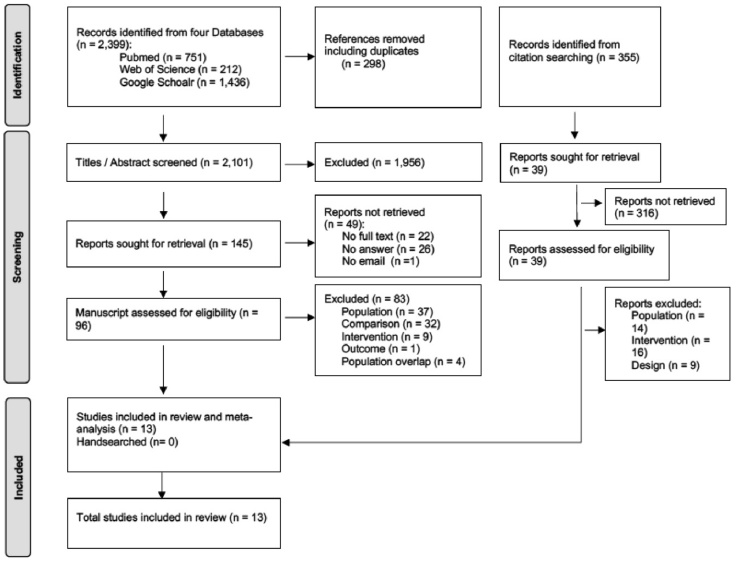
Figure 1. PRISMA Flowchart Showing the Identification and Selection of Studies for the Systematic Review and Meta-Analysis of Multidrug-Resistant Bacteria Infections Among Liver Transplant Recipients
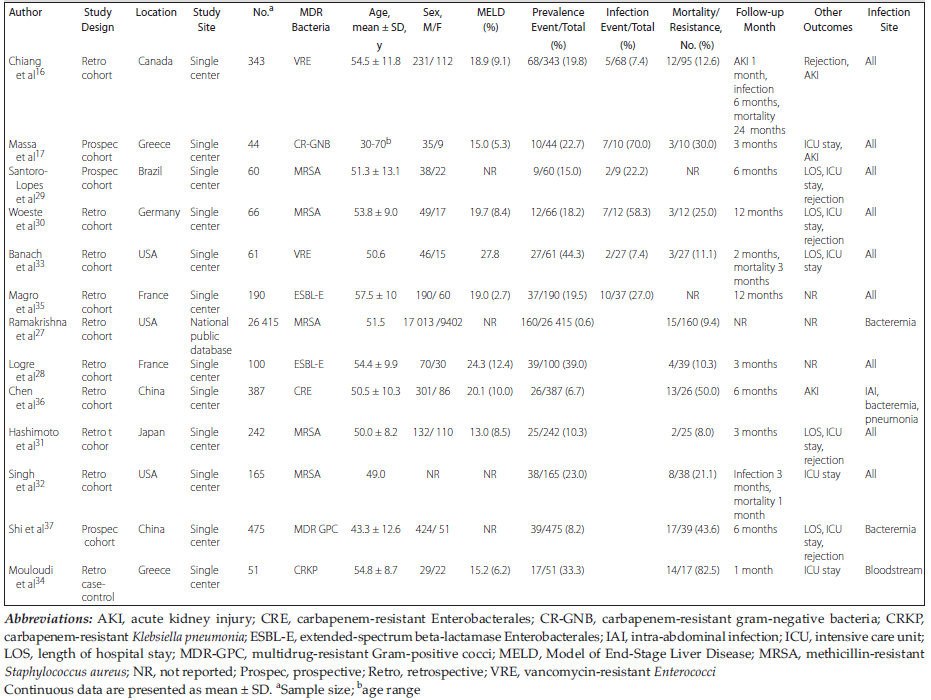
Table 1. General characteristics of included studies in the meta-analysis
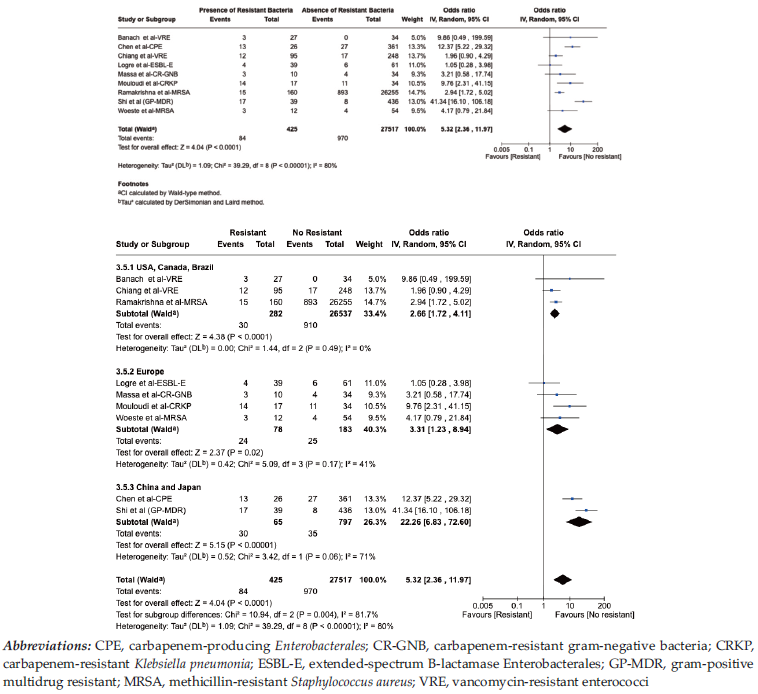
Figure 2. Death Among Liver Transplant Recipients Harboring MDR Bacteria (top) With Subgroup Analysis by Region (bottom)
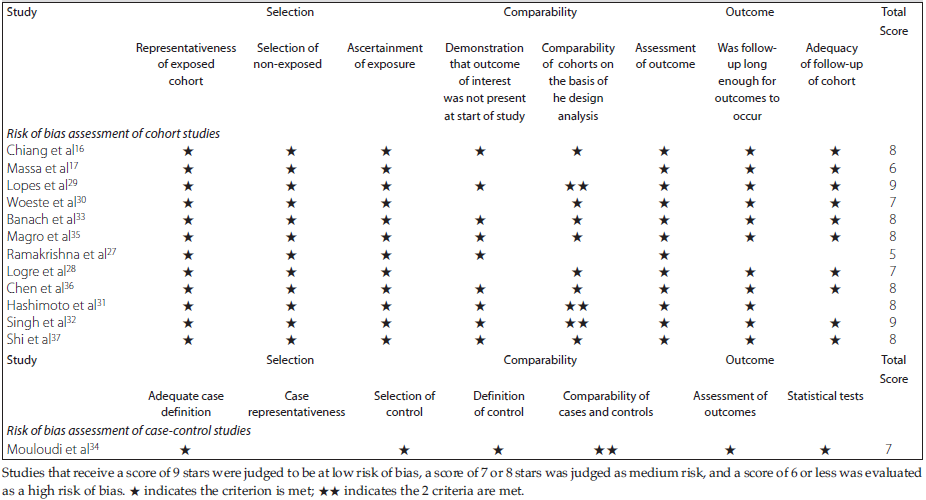
Table 2. Risk of Bias Assessment
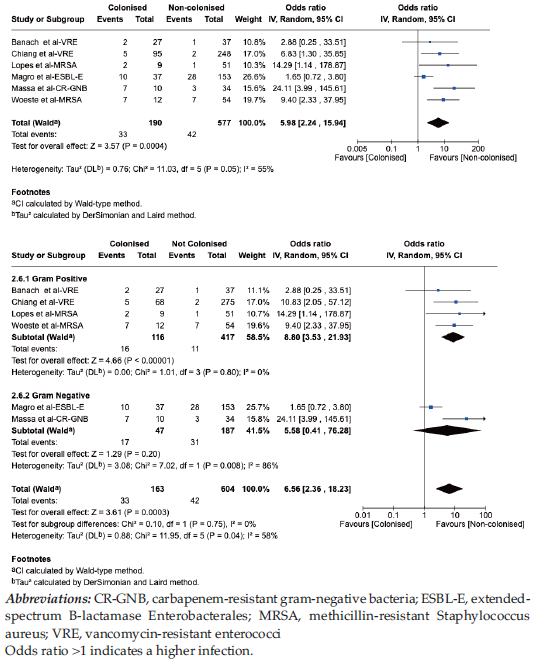
Figure 3. Infection in Liver Transplant Recipients Colonized with Multidrug-Resistant Bacteria (top) With Subgroup Analysis by Pathogen (bottom)
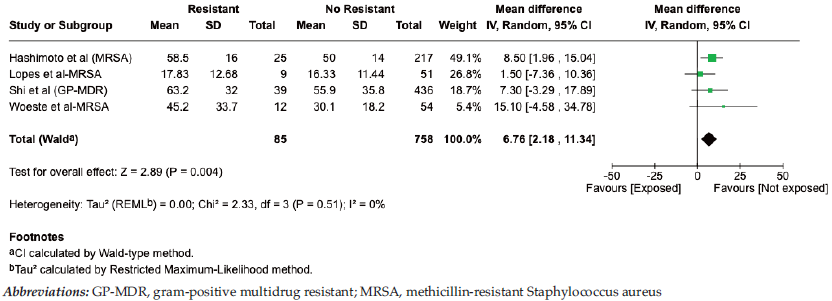
Figure 4. Length of Hospital Stay Among Liver Transplant Patients Harboring Multidrug-Resistant Bacteria
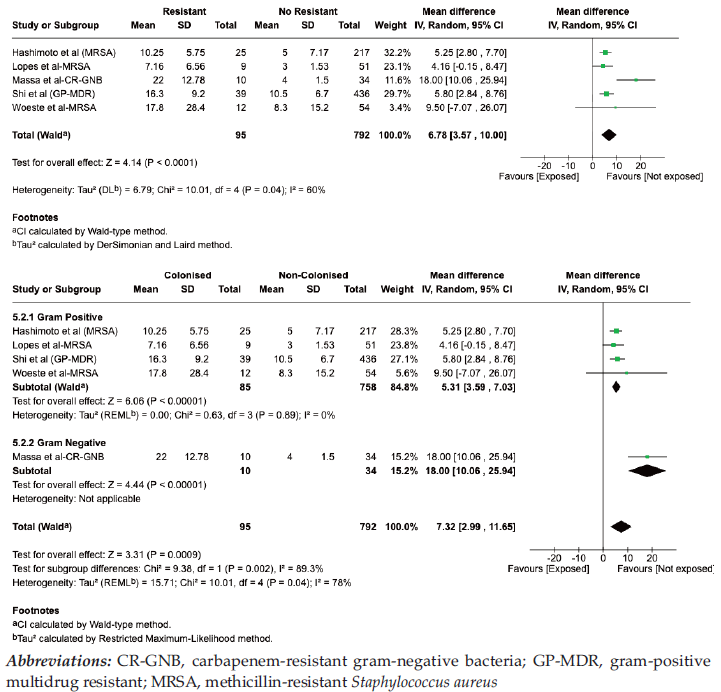
Figure 5. Intensive Care Unit Stay Among Liver Transplant Recipients Harboring Multidrug-Resistant Bacteria (top) and as Subgrouped by Pathogen (bottom)
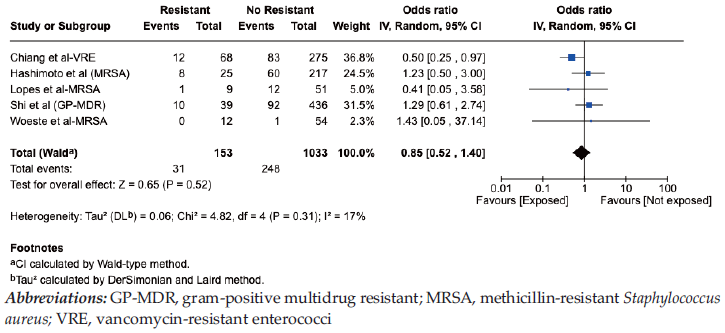
Figure 6. Graft Rejection Among Liver Transplant Recipients Harboring Multidrug-Resistant Bacteria
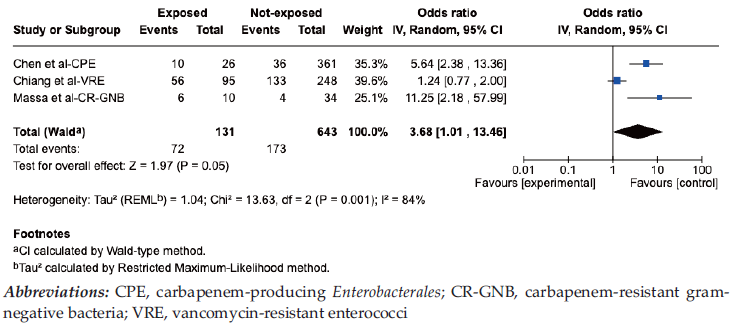
Figure 7. Acute Kidney Injury Among Liver Transplant Recipients Harboring Multidrug-Resistant Bacteria