Volume: 24 Issue: 3 March 2026
FULL TEXT
Unveiling the Molecular Symphony: Exploring the Influence of miR-142-5p and miR-192-1 on Renal Transplant Rejection and Fibrosis
Objectives: In the intricate symphony of molecular orchestration within the human body, microRNAs are master conductors, deftly guiding essential biological processes like immune response, inflammation, and tissue repair. Among these virtuosos, the microRNAs miR-142-5p and miR-192-1 emerge as stars, with melodies resonating profoundly in renal transplant pathology. We aimed to unravel the complex role of miR-142-5p and miR-192-1 in the fate of renal transplants.
Materials and Methods: We evaluated plasma levels of miR-142-5p and miR-192-1 using quantitative real-time polymerase chain reaction in 100 kidney transplant recipients, including 29 with stable graft function, 16 with T-cell-mediated rejection, 28 with antibody-mediated rejection, and 27 with mixed rejection. We analyzed associations between miRNA levels, histopathological features, fibrosis development (>50% cortical involvement), and graft outcomes.
Results: Both miR-142-5p and miR-192-1 were significantly upregulated in patients with acute rejection and interstitial fibrosis (P < .001). Elevated levels correlated with interstitial inflammation, eosinophilia, plasma cell infiltration, peritubular capillaritis, glomerulitis, C4d positivity, vascular rejection, thrombotic microangiopathy, and tubular expression of the DR isotype of human leukocyte antigen. The 5-year interstitial fibrosis incidence was 52% in patients with high miR-142-5p and 57% with high miR-192-1, versus 23% and 21% in the respective low-expression groups. Graft survival at 5 years was 64% for high miR-142-5p and 61% for high miR-192-1, versus 94% and 93% in the respective low-expression groups (P ≤ .001).
Conclusions: MicroRNAs miR-142-5p and miR-192-1 are associated with acute rejection severity, microvascular inflammation, and fibrotic progression. The strong correlation with histological injury and graft loss suggests that these microRNAs serve as noninvasive biomarkers for immune monitoring and risk prediction in kidney transplant.
Key words : Acute rejection, Interstitial fibrosis, MicroRNA, Noninvasive monitoring
Introduction
Renal transplant is the treatment of choice for patients with end-stage renal disease and offers superior survival and quality of life compared with maintenance dialysis. However, despite advances in immunosuppressive regimens and patient management, long-term graft survival remains suboptimal due to immune-mediated injury and chronic allograft dysfunction, particularly interstitial fibrosis (IF) and tubular atrophy.1,2 Acute rejection (AR), including T-cell-mediated rejection (TCMR) and antibody-mediated rejection (ABMR), is a major risk factor for the development of chronic injury, and current diagnostic tools lack sensitivity to detect early or subclinical changes predictive of graft loss.3
Recent studies have identified human microRNAs (hsa-miRNAs), small noncoding RNA molecules that regulate gene expression posttranscriptionally, as potential noninvasive biomarkers for immune activity and tissue remodeling in organ transplantation.4,5 MicroRNAs are known to play regulatory roles in inflammation, immune cell differentiation, and fibrosis, and the stability of miRNAs in blood and other body fluids enhances diagnostic utility of these molecules.6
Among miRNAs, miR-142-5p and miR-192-1 have been implicated in renal pathology. Primarily expressed in hematopoietic tissues, miR-142-5p is involved in T-cell activation, antigen presentation, and cytokine signaling and has been associated with allograft rejection processes.7,8 Conversely, miR-192-1, which is enriched in renal tissue, has been shown to participate in fibrotic signaling through modulation of transforming growth factor-β (TGF-β) pathways and extracellular matrix production.9,10 Both of these miRNAs have been reported to be differentially expressed in renal allografts undergoing immune-mediated injury, but the combined effect on AR phenotypes and the progression to IF remains unclear.
In this study, we evaluated the expression levels of circulating miR-142-5p and miR-192-1 in a cohort of renal transplant recipients with diverse rejection types and stable graft function. Furthermore, we examined the association of these miRNAs with histology findings of acute and chronic injury, including the development of IF and graft loss. Our aim was to elucidate the diagnostic and prognostic value of miR-142-5p and miR-192-1 as biomarkers for monitoring immune activation, microvascular injury, and fibrosis in renal transplant recipients.
Materials and Methods
Study population
This prospective observational study included 100 renal transplant recipients who were followed at a single transplant center. We stratified the cohort into 4 groups based on clinical and histopathology findings: (1) recipients with long-term stable allograft function without any evidence of AR (n = 29); (2) patients with biopsy-proven TCMR (n = 16); (3) patients with ABMR (n = 28); and (4) recipients diagnosed with mixed rejection, comprising both TCMR and ABMR features (n = 27), according to Banff 2017 classification criteria.11 All patients provided written informed consent, and the institutional ethics committee approved the study.
Sample collection and RNA extraction
Peripheral blood samples were collected in EDTA tubes at the time of clinically indicated biopsies or during scheduled follow-ups. Plasma was isolated by centrifugation at 1500 g for 15 minutes and stored at -80 °C until analysis. We used a serum plasma kit (miRNeasy; Qiagen) to extract total RNA, including miRNAs, from 200 μL plasma according to the manufacturer's protocol. The quantity and quality of the RNA were assessed with a spectrophotometer (NanoDrop; Thermo Fisher Scientific).
Quantitative real-time polymerase chain reaction for miRNA expression
From the extracted RNAs, we used a polymerase chain reaction (PCR) kit (miScript RT Kit II; Qiagen) to synthesize the complementary DNA (cDNA, template). The cDNA amounts were adjusted to 50 ng/μL in 20 μL. For the quantitative real-time PCR reaction, 5 ng/μL cDNA was used. Eight miRNAs known to be associated with kidney rejection (hsa-miRs: 32-5p, 142-5p, 146a-5p, 150-5p, 181a-2-3p, 181b-5p, 192-1, and 210-3p) and the control small nucleolar RNA SNORD61 were analyzed. We used quantitative real-time PCR (Rotor-Gene Q; Qiagen) to detect SNORD61 expression levels as a reference, along with miRNA primers. We used SNORD as the reference miRNA, and ΔCt values were calculated. We used RNU6B as an endogenous control for normalization. Relative expression was calculated using the 2−ΔΔCt method.12 All samples were run in triplicate.
Histopathology results and clinical data
Renal biopsy specimens were evaluated by 2 experienced renal pathologists blinded to clinical outcomes, using Banff criteria to assess interstitial inflammation, glomerulitis, inflammation of the peritubular capillaries (PTC), C4d deposition, tubular expression of the DR isotype of human leukocyte antigen (HLA-DR), and fibrosis scores.1 In addition, interstitial eosinophilia and plasma infiltration were evaluated for each case. Follow-up biopsies were performed when clinically indicated. We defined IF as diffuse when it affected more than 50% of the cortical area in any biopsy. Clinical parameters, including the number of AR episodes, the presence of thrombotic microangiopathy (TMA), and graft function, were documented during follow-up.
Assessment of tubular expression of the DR isotype of human leukocyte antigen
Tubular HLA-DR expression was evaluated immunohistochemically on formalin-fixed, paraffin-embedded renal biopsy sections using an anti-HLA-DR monoclonal antibody (OMNIS platform; Dako, Agilent Technologies). The evaluation focused on the presence of membranous staining in tubular epithelial cells. Staining was assessed in all tubules, and cases were considered positive for HLA-DR only if distinct immunoreactivity was present at least in the epithelial lining of both proximal and distal tubular segments. Staining limited to either the proximal or distal tubules alone was deemed insufficient to classify the sample as a positive result for HLA-DR. All slides were independently reviewed and scored by 2 experienced renal pathologists, both blinded to the clinical and molecular data.
Statistical analyses
We used SPSS software (version 25.0; IBM Corp) for statistical analyses. We compared miRNA expression levels with the Mann-Whitney U test or Kruskal-Wallis test as appropriate. We analyzed correlations between miRNA expression and histopathological variables with the Spearman rank correlation coefficient. To determine optimal threshold values distinguishing high and low expression levels of plasma miR-142-5p and miR-192-1, the receiver operating characteristic curve analysis was performed. The cut-off points were calculated based on the Youden index, allowing categorization of miRNA expression into high expression and low expression groups for subsequent survival and histopathology correlation analyses. Kaplan-Meier survival curves were constructed to evaluate IF development and graft survival, and differences were assessed with the log-rank test. P < .05 was considered statistically significant.
Results
The mean age of the study cohort was 32.3 ± 14 years (range, 16-66 y); the cohort included 72 male and 28 female patients. Among the transplants, 70% were from living-related donors, and 30% were from deceased donors.
An initial panel of 8 miRNAs was screened (miR-32-5p, miR-142-5p, miR-146a-5p, miR-150-5p, miR-181a-2-3p, miR-181b-5p, miR-192-1, and miR-210-3p; with SNORD61 as reference). Only miR-142-5p and miR-192-1 demonstrated statistically significant differential expression across the transplant recipient groups (P < .001). The remaining 6 miRNAs did not show significant differences among stable, TCMR, ABMR, or mixed-rejection cohorts (all P > .05) and therefore are not shown.
Differential levels of miR-142-5p and miR-192-1 among rejection subtypes
Among the 100 kidney transplant recipients, 71% (n = 71) experienced AR, with 42 occurring within the first 3 months after transplant. A total of 24 patients (24%) had vascular rejection, in combination with either TCMR or ABMR. Plasma levels of miR-142-5p and miR-192-1 were significantly elevated in patients with AR versus patients with stable graft function (P < .001 for both). The incidence of both AR and vascular rejection was significantly higher in recipients with high plasma levels of miR-142-5p and miR-192-1 versus patients with low levels, based on the predefined cut-off values (P < .001) (Figure 1). Moreover, early onset AR (within 3 months after transplant) was significantly more common among recipients with high plasma expression levels of both miRNAs.
In comparison of rejection subtypes, plasma levels of miR-142-5p and miR-192-1 were highest in cases with mixed rejection, followed by ABMR and TCMR (Figure 2), with significant differences across all groups (P < .01). In contrast, stable recipients consistently exhibited low baseline levels of both miRNAs.
The mean number of AR episodes during follow-up was 1.35 ± 0.02 overall. When stratified by miRNA expression levels, the following details were observed. (1) Patients with low miR-192-1 expression experienced significantly fewer AR episodes (0.6 ± 0.12) versus patients with high expression (1.9 ± 0.13, P < .001). (2) Similarly, patients with low miR-142-5p expression had an average of 0.7 ± 0.14 AR episodes, whereas patients with high expression experienced 1.7 ± 0.13 AR episodes (P < .001).
These results further support the association between elevated miR-142-5p and miR-192-1 expression and increased immunological activity in renal transplant recipients.
Association with histopathological features
Higher expression of both miRNAs was significantly associated with key features of immune-mediated injury, including interstitial inflammation (P < .001), eosinophil and plasma cell infiltration (P < .01), PTC inflammation (P < .01), glomerulitis (P < .01), PTC C4d deposition (P < .001), and tubular HLA-DR expression (P < .001). In addition, elevated levels correlated with vascular rejection (P < .001) and the presence of TMA (P < .001) (Figure 3).
Prediction of fibrosis development
During a median follow-up of 5.7 ± 1.8 years, patients with high miR-142-5p and miR-192-1 levels at baseline were more likely to develop diffuse IF (>50% cortical involvement). The 5-year cumulative incidence of IF was 23% in patients with low miR-142-5p and 52% in patients with high levels (P = .002). Similarly, the risk of IF was 21% in patients with low miR-192-1 versus 57% in patients with high expression of miR-192-1 (P < .001) (Figure 1).
Association with graft survival
Kaplan-Meier analysis revealed a significant association between high expression of miR-142-5p and miR-192-1 and decreased graft survival over time (Figure 4). The 5-year graft survival rate was 94% in patients with low miR-142-5p, versus 64% in patients with high levels (log-rank test, P = .001). Similarly, low miR-192-1 expression was associated with a 93% survival rate, compared with 61% in the high-expression group (log-rank test, P < .001).
Discussion
The present study demonstrates that, among 8 miRNAs that we screened that are known to be associated with kidney rejection, only circulating miR-142-5p and miR-192-1 showed robust, statistically significant associations with AR subtypes, key histopathological features of immune-mediated injury, and long-term adverse outcomes, namely, IF and graft loss, in renal transplant recipients. The lack of significant changes in miR-32-5p, miR-146a-5p, miR-150-5p, miR-181a-2-3p, miR-181b-5p, and miR-210-3p may be due to low plasma abundance, a more limited role in the specific immunopathology studied, or insufficient statistical power to detect subtler effects. Larger, multicenter studies with serial sampling will be needed to clarify whether these other miRNAs contribute to graft injury and repair in more context-dependent ways.
Building on this selective biomarker profile, our analysis revealed a consistent and significant upregulation of both miR-142-5p and miR-192-1 in recipients with biopsy-proven TCMR, ABMR, and, most prominently, mixed rejection. Mixed rejection, which involves overlapping cellular and humoral immune mechanisms, exhibited the highest expression levels, aligning with its reputation as a particularly aggressive rejection phenotype with poor clinical outcomes. These observations are consistent with prior research that has highlighted the role of miRNAs to mediate immune responses and transplant rejection. For example, Anglicheau and colleagues identified miR-142-5p as being overexpressed in renal allograft biopsies during AR, which supports its involvement in immune cell activation and effector functions.13 The identification of the hematopoietic origin and immunoregulatory role of miR-142-5p is reflected in our findings of its elevation in plasma, especially in T cell-dominated rejection phenotypes.
Lorenzen and Thum similarly demonstrated increased intragraft levels of miR-192 in kidneys undergoing rejection and chronic injury and linked its expression to profibrotic TGF-β pathways.14 Although the focus in their study was on intrarenal expression, our findings extend those results by showing that miR-192-1 is also elevated in plasma and retains strong predictive value for fibrosis development and graft loss. This peripheral detection greatly enhances its potential as a practical clinical tool for surveillance and early intervention.
What sets our study apart is the comprehensive stratification of AR phenotypes and the integration of long-term follow-up data. Although most previous studies have evaluated either tissue-specific expression or cross-sectional associations with AR, we demonstrate that high circulating levels of miR-142-5p and miR-192-1 are consistently associated not only with acute immune injury but also with chronic remodeling and functional decline of the allograft.
miR-142-5p, predominantly expressed in hematopoietic tissues, plays a crucial role in regulating immune cell function, including T cell differentiation, cytokine production, and antigen presentation.13,15 Inflammatory conditions and autoimmune responses have previously been shown to drive its expression. Chen and colleagues reported that miR-142-5p modulates immune activation by regulating key antigen-processing components, facilitating stronger adaptive immune responses.15 This supports our findings linking miR-142-5p to the degree of interstitial inflammation, plasma cell infiltration, and tubular HLA-DR expression, all of which are markers indicative of T-cell-mediated injury.
In addition, miR-192-1, enriched in renal epithelial tissue, has been implicated in fibrogenesis through TGF-β/Smad3 signaling. Krupa and colleagues and Chung and colleagues both demonstrated its involvement in collagen synthesis and extracellular matrix remodeling, key steps in chronic allograft injury and IF progression.10,16 Importantly, our study validates these mechanistic insights by showing that plasma levels of miR-192-1 are closely linked with histological fibrosis and poor graft survival, even years after transplant.
The robust associations between elevated miR-142-5p and miR-192-1 levels and key histopathological markers, such as interstitial inflammation, glomerulitis, PTC inflammation, and C4d deposition, further support the relevance of these 2 miRNAs to reflect or possibly mediate immune injury. Both miRNAs showed a significant correlation with tubular HLA-DR expression, an established surrogate for immune activation in the renal parenchyma.17 This mirroring of tissue-level immune activity by circulating biomarkers presents a powerful case for incorporating these miRNAs into routine post-transplant monitoring, where these could enhance sensitivity and reduce reliance on invasive biopsies.
Moreover, the association of these miRNAs with vascular rejection and TMA suggests broader relevance in microvascular pathology. These conditions, driven by endothelial injury and complement activation, are increasingly recognized as critical drivers of chronic allograft dysfunction. Our findings are consistent with others who have emphasized the central role of endothelial inflammation in graft deterioration and called for biomarkers that reflect this vascular compartment.18-21 The responsiveness of miR-142-5p and miR-192-1 to these forms of injury adds significant value to the clinical potential of these 2 miRNAs.
One of the most important findings from our cohort is the predictive power of these miRNAs. Patients with high baseline expression of either miR-142-5p or miR-192-1 had more than double the risk to develop diffuse fibrosis over 5 years. Correspondingly, these patients experienced significantly reduced graft survival, highlighting the potential of miR-142-5p and miR-192-1 to serve as early indicators of long-term outcomes. These results reinforce previous reports that miR-192 regulates fibrosis-related genes such as COL1A2 and fibronectin10,16 and align with observations that implicate miR-142-5p in chronic immune activation and allograft vasculopathy.18-21
Collectively, our findings position miR-142-5p and miR-192-1 as versatile, integrative biomarkers that reflect both immune and fibrotic pathways in renal allograft pathology. The ability of these 2 miRNAs to identify active rejection, predict fibrotic transformation, and correlate with microvascular injury underscores the potential utility to guide individualized immunosuppression and surveillance strategies.
Despite these promising results, our study is limited by its single-center design and relatively small subgroup sizes. Larger, multicenter cohorts and mechanistic studies are needed to validate these biomarkers and determine whether these play a causal role in the transition from acute injury to chronic graft dysfunction.
Conclusions
In summary, this study demonstrates that elevated circulating levels of miR-142-5p and miR-192-1 are closely associated with AR subtypes, immune-mediated tissue injury, IF, and graft loss in renal transplant recipients. These miRNAs offer significant promise as noninvasive biomarkers for real-time monitoring of graft status and risk stratification. The integration of these miRNAs into clinical practice could facilitate earlier interventions and improve long-term outcomes through personalized transplant care.
References:
- Nankivell BJ, Alexander SI. Rejection of the kidney allograft. N Engl J Med. 2010;363(15):1451-1462. doi:10.1056/NEJMra0902927
CrossRef - PubMed - Meier-Kriesche HU, Kaplan B. Waiting time on dialysis as the strongest modifiable risk factor for renal transplant outcomes: a paired donor kidney analysis. Transplantation. 2002;74(10):1377-1381. doi:10.1097/00007890-200211270-00005
CrossRef - PubMed - Solez K, Colvin RB, Racusen LC, et al. Banff 07 classification of renal allograft pathology: updates and future directions. Am J Transplant. 2008;8(4):753-760. doi:10.1111/j.1600-6143.2008.02159.x
CrossRef - PubMed - Lorenzen JM, Thum T. Circulating and urinary microRNAs in kidney disease. Clin J Am Soc Nephrol. 2012;7(9):1528-1533. doi:10.2215/CJN.01170212
CrossRef - PubMed - Scian MJ, Maluf DG, Archer KJ, et al. MicroRNA profiles in allograft tissues and plasma associated with acute rejection. Am J Transplant. 2011;11(3):312-322.
CrossRef - PubMed - Etheridge A, Lee I, Hood L, Galas D, Wang K. Extracellular microRNA: a new source of biomarkers. Mutat Res. 2011;717(1-2):85-90. doi:10.1016/j.mrfmmm.2011.03.004
CrossRef - PubMed - Anglicheau D, Sharma VK, Ding R, et al. MicroRNA expression profiles predictive of human renal allograft status. Proc Natl Acad Sci U S A. 2009;106(13):5330-5335. doi:10.1073/pnas.0813121106
CrossRef - PubMed - Chen CZ, Li L, Lodish HF, Bartel DP. MicroRNAs modulate hematopoietic lineage differentiation. Science. 2004;303(5654):83-86. doi:10.1126/science.1091903
CrossRef - PubMed - Chung AC, Huang XR, Meng XM, Lan HY. miR-192 mediates TGF-β/Smad3-driven renal fibrosis. J Am Soc Nephrol. 2010;21(8):1317-1325. doi:10.1681/ASN.2010020134
CrossRef - PubMed - Krupa A, Jenkins R, Luo DD, Lewis A, Phillips A, Fraser D. Loss of microRNA-192 promotes fibrogenesis in diabetic nephropathy. J Am Soc Nephrol. 2010;21(3):438-447. doi:10.1681/ASN.2009050530
CrossRef - PubMed - Haas M, Loupy A, Lefaucheur C, et al. The Banff 2017 Kidney Meeting Report: revised diagnostic criteria for chronic active T cell-mediated rejection, antibody-mediated rejection, and prospects for integrative endpoints for next-generation clinical trials. Am J Transplant. 2018;18(2):293-307. doi:10.1111/ajt.14625
CrossRef - PubMed - Livak KJ, Schmittgen TD. Analysis of relative gene expression data using real-time quantitative PCR and the 2−ΔΔCT method. Methods. 2001;25(4):402-408. doi:10.1006/meth.2001.1262
CrossRef - PubMed - Anglicheau D, Muthukumar T, Suthanthiran M. MicroRNAs: small RNAs with big effects. Transplantation. 2010;90(2):105-112. doi:10.1097/TP.0b013e3181e913c2
CrossRef - PubMed - Lorenzen JM, Thum T. Circulating and urinary microRNAs in kidney disease. Clin J Am Soc Nephrol. 2012;7(9):1528-1533. doi:10.2215/CJN.01170212
CrossRef - PubMed - Chen CZ, Li L, Lodish HF, Bartel DP. MicroRNAs modulate hematopoietic lineage differentiation. Science. 2004;303(5654):83-86. doi:10.1126/science.1091903
CrossRef - PubMed - Chung AC, Huang XR, Meng X, Lan HY. miR-192 mediates TGF-beta/Smad3-driven renal fibrosis. J Am Soc Nephrol. 2010;21(8):1317-1325. doi:10.1681/ASN.2010020134
CrossRef - PubMed - Kasiske BL, Kalil RS, Lee HS, Rao KV. Histopathologic findings associated with a chronic, progressive decline in renal allograft function. Kidney Int. 1991;40(3):514-524. doi:10.1038/ki.1991.240
CrossRef - PubMed - Java A, Sparks MA, Kavanagh D. Post-transplant thrombotic microangiopathy. J Am Soc Nephrol. 2025;36(5):940-951. doi:10.1681/ASN.0000000645
CrossRef - PubMed - Gareri C, De Rosa S, Indolfi C. MicroRNAs for restenosis and thrombosis after vascular injury. Circ Res. 2016;118(7):1170-1184. doi:10.1161/CIRCRESAHA.115.308237
CrossRef - PubMed - Han J, Park SY, Ahn YH, et al. MicroRNA-142-5p is up-regulated on allogeneic immune responses and up-regulates MHC Class II expression in human umbilical vein endothelial cells. Transplant Proc. 2021;53(1):408-416. doi:10.1016/j.transproceed.2020.05.024
CrossRef - PubMed - Danger R, Paul C, Giral M, et al. Expression of miR-142-5p in peripheral blood mononuclear cells from renal transplant patients with chronic antibody-mediated rejection. PLoS One. 2013;8(4):e60702. doi:10.1371/journal.pone.0060702
CrossRef - PubMed

Volume : 24
Issue : 3
Pages : 220 - 226
DOI : 10.6002/ect.2025.0103
From the 1Department of Pathology, the 2Department of Medical Biology, and the 3Department of Immunology, Baskent University School of Medicine; the 4Department of Immunology, Gazi University School of Medicine; and the 5Tissue Typing and Transplantation Laboratory and the 6Department of Transplant Surgery, Baskent University, School of Medicine, Ankara, Turkey
Acknowledgements: The authors have not received any funding or grants in support of the presented research or for the preparation of this work and have no declarations of potential conflicts of interest.
Corresponding author: Binnaz Handan Özdemir, Başkent University School of Medicine, Department of Pathology, Ankara, Turkey
Phone: +90 312 212 7572 E-mail: handan27@hotmail.com
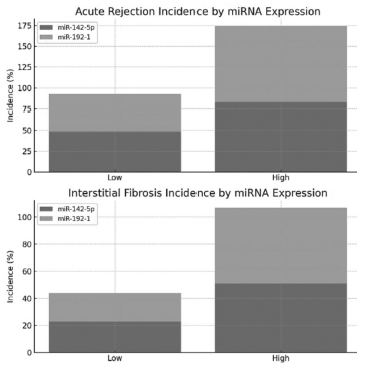
Figure 1. Correlation of MicroRNA Plasma Levels With Development of Acute Rejection and Development of Diffuse Interstitial Fibrosis
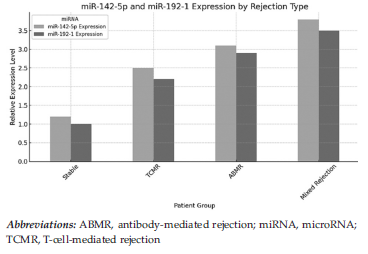
Figure 2. MicroRNA Expression Levels Across Patients With Stable Renal Function and Different Rejection Types
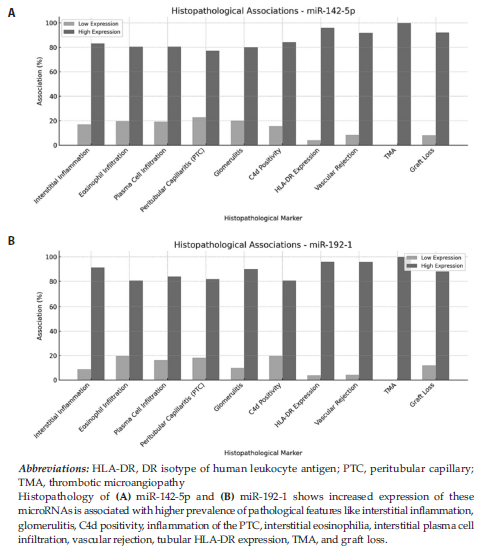
Figure 3. Low Versus High Levels of Micro RNAs miR-142-5p and miR-192-1 in Relation to Various Histopathology Findings
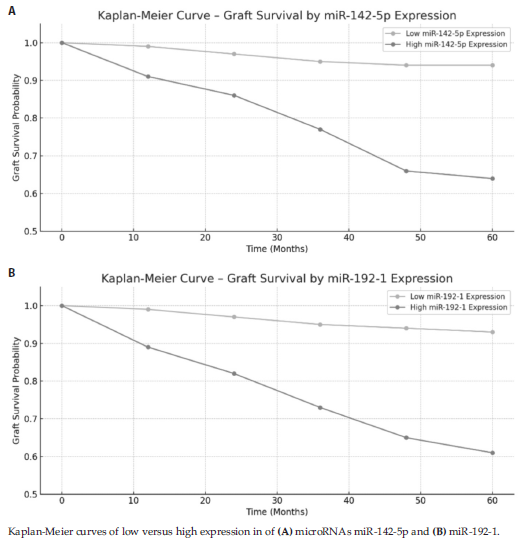
Figure 4. Kaplan-Meier Curves