Volume: 23 Issue: 9 September 2025
FULL TEXT
Clinical Characteristics of Infections and Death Risk Predictors in Older Recipients (Age 65 Years and Older) After Liver Transplant
Objectives: In this study, we analyzed the clinical characteristics of infections and death risk predictors in older recipients (>65 years old) after liver transplant.
Materials and Methods: We conducted a retrospective analysis of 34 older recipients after liver transplant and analyzed the composition and distribution of pathogens, drug resistance, and death risk predictors of infection.
Results: Among 34 patients, 17 (50%) developed postoperative infections; bacterial and fungal infections mainly occurred within 30 days after surgery. Respiratory and biliary tract were common infection sites. Gram-negative bacteria were more common than gram-positive bacteria (63.5% vs 36.5%, respectively), and Klebsiella pneumoniae and Enterococcus faecium ranked as the top 2 pathogens. Klebsiella pneumoniae exhibited high levels of drug resistance, with varying carbapenemase profiles, and maintained relatively good susceptibility (>50%) only to tigecycline, ceftazidime-avibactam, and polymyxin; all E faecium isolates were sensitive to vancomycin. Infection-related deaths occurred in 4 cases, accounting for 80% of total mortality. Postoperative septic shock was identified as a risk factor for all-cause 1-year mortality after liver transplant in older patients.
Conclusions: Postoperative infection in older liver transplant recipients was characterized by high incidence, high drug resistance, and high infection-related mortality. The main type of gram-negative bacteria was K pneumoniae, which was highly drug-resistant and difficult to treat. Postoperative septic shock was a death risk predictor. Early identification and optimized treatment of postoperative infections and secondary septic shock are crucial for reduction of all-cause 1-year mortality.
Key words : Elderly recipients, Liver transplantation, Outcome, Postoperative infection
Introduction
Infection constitutes a common complication in liver transplant recipients and is a critical determinant of prognosis and quality of life. Various factors including age-related decline in immune system function, comorbid chronic diseases, immunosuppression therapies, and alterations in normal physiological organ functions may increase risk and complexity of infections in older patients.1-3 However, only a few studies have focused on postoperative infections in older transplant recipients (>65 years). The aim of our study was to describe characteristics of infections, outcomes, and risk factors for mortality in older patients (>65 years) after liver transplant.
Materials and Methods
Study design and population
This retrospective cohort consisted of 34 older patients (defined as those >65 years of age) who underwent liver transplant at the First Affiliated Hospital of Xi’an Jiaotong University from January 2020 to June 2024. We retrospectively reviewed the medical records of these 34 older liver transplant recipients.
Every recipient received a deceased donor graft. The study was approved by the university ethics committee. Written informed consent was obtained from all recipients and their families.
We defined inclusion criteria as follows: (1) reci-pients who underwent liver transplant, (2) recipients aged >65 years old, and (3) recipients with complete clinical data. We excluded recipients with incomplete data and recipients with combined multiorgan transplant.
Definitions
Postoperative infections were defined as infections that occurred within 1 year after liver transplant. Infection diagnosis followed criteria from the Centers for Disease Control and Prevention and National Healthcare Safety Network,4 with infection sources identified as culture-positive sites accompanied by clinical manifestations of active infection, including but not limited to fever, chills, tachycardia, hypotension, elevated infection biomarkers, and/or positive imaging findings. Viral infections were diagnosed based on clinical presentation, serology, antigen testing, and quantitative polymerase chain reaction (PCR). The primary outcome variable was all-cause 1-year mortality.
Perioperative management
Recipients received standard immunosuppression therapy with glucocorticoids, mycophenolate mofetil, and a calcineurin inhibitor (cyclosporine or tacroli-mus), with the dose regimen optimized based on concentration and immune function. Third-generation cephalosporin antibiotics (such as cefoperazone sulbac-tam sodium) were preferred to prevent infection before surgery. Periodic pathogen culture and serological tests for infection were conducted, which guided the subsequent adjustment of antimicrobial therapy.
Statistical analyses
We reported continuity variables as mean ± SD or median and categorical data as 25th and 75th percentile and frequency distributions. Statistical comparisons were performed to assess group differences. We analyzed continuity variables with the t test. For categorical variables, we used either the X2 test or the 2-tailed Fisher exact test as appropriate. Multiple logistic regression analysis was performed to identify risk factors associated with 1-year in-hospital mortality. We further assessed covariates with a significance level of 0.10 in univariate analysis, along with therapy-related variables, for inclusion in the multivariable regression model using a backward stepwise selection algorithm. Odds ratios and 95% confidence intervals were reported. All tests were 2-tailed tests, and P < .05 was considered statistically significant.
Results
Clinical characteristics
Among included patients, 21 were men and 13 were women. Age ranged from 65 to 71 years (67.0 ± 1.7 years). Hepatitis cirrhosis was the most common cause for liver transplant (14 cases; 41.1%), followed by hepatocellular carcinoma (9; 26.5%), autoimmune cirrhosis (4;11.8%), primary biliary cirrhosis (3; 8.8%), alcoholic cirrhosis (2; 5.9%), and intrahepatic cholan-giocarcinoma (2; 5.9%). Most patients presented with Child-Pugh B-C liver dysfunction, along with portal hypertension and related complications preoperatively.
Infection rate and timing
All enrolled patients were followed up for 12 months after transplant. Among the 34 transplant recipients, 17 cases (50%) experienced a total of 33 infections (1.94 incidents per case), including 28 bacterial infections in 17 cases (50%), 12 fungal infections in 10 cases (29.4%), and 5 viral infections in 4 cases (11.8%). Bacterial infections occurred between 3 and 285 days after surgery, with a median time of 28.5 days (IQR, 13-60 days). Fungal infections occurred between 3 and 105 days after surgery, with a median time of 21 days (IQR, 10-50 days). Bacterial and fungal infections mainly occur within 30 days after surgery. The time of viral infection occurrence ranged from 30 to 282 days after surgery, with a median time of 42 days (IQR, 32.5-162 days) . Cytomegalovirus (CMV) infection occurred at 35.67 ± 4.92 days after surgery. The incidence rate and timing of postoperative infections are detailed in (Figure 1).
Pathogens distribution
The incidence rate of bacterial infection was shown
in 52 different sites as follows: biliary tract 36.5% (19/52), respiratory tract 25% (13/52), abdominal cavity 17.3% (9/52), bloodstream 13.5% (7/52), and other sites 7.7% (4/52). The 14 sites of infection by fungus were the respiratory tract (6/14; 42.9%), biliary tract (3/14; 21.4%), urinary tract (3/14; 21.4%), and abdominal cavity (2/14; 14.3%) (Figure 2).
Composition of pathogens
Among 17 elderly transplant recipients with postoperative infections, 52 bacteria strains were isolated, including 33 (63.5%) gram-negative strains, 18 (34.6%) gram-positive strains, and 1 (1.9%) acid-fast-positive strain. Among gram-negative strains, the 5 most frequently noted strains were Klebsiella pneumoniae (14 of 33 gram-negative infections;
42.4%), K oxytoca (4/33; 12.1%), Pseudomonas aeruginosa (4/33; 12.1%), Acinetobacter baumannii (3/33; 9.1%), and Stenotrophomonas maltophilia (3/33; 9.1%). Furthermore, the most frequently detected gram-positive strains were Enterococcus faecium (11 of 18 gram-positive infections; 61.1%) and Staphylococcus aureus (3/18; 16.7%). Candida albicans (5 of 10 fungus infections; 50%) and C glabrata (3/10; 30%) were the main fungi strains (Table 1). We documented 5 viral infections, comprising 3 cases of CMV viremia and 2 cases of COVID-19 infection.
Resistance of major gram-negative bacteria to common antibiotics
Tigecycline and colistin showed relatively higher effectiveness (>50%) against major gram-negative bacteria. Klebsiella pneumoniae and A baumannii exhibited high resistance to most antimicrobial agents, including the third generation and fourth generation cephalosporin therapies, ie, piperacillin-tazobactam, cefoperazone-sulbactam, imipenem, meropenem, and levofloxacin. The resistance rate of K pneumoniae to ceftazidime-avibactam was 35.7%. Pseudomonas aeruginosa showed 75% resistance to levofloxacin, whereas imipenem-meropenem resistance was 50%. Stenotrophomonas maltophilia was naturally resistant to multiple routine antibiotics, whereas other gram-negative bacteria had lower resistance rates (Table 2).
Resistance of major gram-positive bacteria to common antibiotics
Gram-positive bacteria demonstrated 100% suscep-tibility to teicoplanin, vancomycin, and linezolid. Three strains of S aureus were all resistant to methi-cillin, and the resistance rate to erythromycin, peni-cillin, and high concentration of gentamicin was 100%. For enterococci, the resistance rate of E faecium to most antibiotics was higher than that of E faecalis (Table 3).
Distribution of Klebsiella pneumoniae and carbapenemase profiles of carbapenem-resistant Klebsiella pneumoniae A retrospective analysis of 14 K pneumoniae strains isolated from biliary tract (5/14; 35.7%), bloodstream (4/14; 28.6%), abdominal cavity (3/14; 21.4%), and respiratory tract (2/14; 14.3%) specimens revealed that 10 were carbapenem-resistant K pneumoniae (CRKP) (Figure 3). Among these, 5 strains produced class A serine β-lactamases, 4 strains produced class B metallo-β-lactamases, and 1 strain produced both class A serine β-lactamases and class B metallo- β-lactamases.
Mortality rate
During the follow-up period, 5 recipients (14.7%) died (2 men, 3 women). All deceased recipients had developed postoperative infections. Direct infection-related mortality occurred in 4 cases (80.0%), all of which involved multisite, polymicrobial infections, and the predominant pathogens were bacteria. Among these cases, 2 patients developed biliary stricture, 1 developed biliary fistula, and 1 received high-dose glucocorticoid pulse therapy.
Risk factors for all-cause 1-year mortality
(Table 4) lists differences between recipients who died within 1 year compared with survivors by univariate analysis. Recipients who died within 1 year were more likely to present with septic shock (80.0% vs 6.9%, respectively; P = .002) and had longer intensive care unit stay after transplant (25 days vs 8 days, respectively; P = .001) compared with survivors. Postoperative bloodstream infections were more common among nonsurvivors compared with survivors (60.0 % vs 10.3%; P = .029). Postoperative continuous renal replacement therapy was more common among nonsurvivors (100% vs 17.2%; P = .001). Recipients who died had significantly longer preoperative hospital stays (median, 15 days vs 5 days, respectively; P = .002) and extended postoperative mechanical ventilation (median, 480 hours vs 18 hours, respectively; P < .001) compared with survivors. No significant differences were detected between survivors and nonsurvivors regarding postoperative infection. Multivariate analysis demonstrated that postoperative septic shock (odds ratio, 54.000; 95% confidence interval, 3.931-741.790; P = .003) was a risk factor associated with 1-year mortality among nonsurvivors.
Discussion
Recent advances in medical care have contributed to a growing population of older recipients with end-stage liver disease requiring liver transplant. Data from the United Network for Organ Sharing revealed a consistent upward trend in older recipients in recent years.5 Since 2019, at our center (First Affiliated Hospital of Xi’an Jiaotong University), we have been performing liver transplant in recipients older than 65 years. However, during the initial 4 years, older transplant recipients accounted for less than 4% of the total cases. In 2020, we performed the first liver transplant for a recipient older than 70 years at our center. Since then, we have conducted approximately 10 liver transplants annually for recipients aged 65 years and older. Meta-analysis showed survival rates at 1 year and 5 years in recipients <70 years old were 86.6% and 70.1%, respectively, whereas in recipients >70 years old these rates were 78.7% and 48.9%, respectively (P < .05).6 Most transplant centers classify older recipients as high-risk candidates because of higher comorbidity and increased mortality risk attributable to complications.7 Cottone and colleagues have shown that cardiovascular complications and malignancies were the most common causes of postoperative mortality in older recipients.8 Although older age is generally associated with increased risks in transplant, a potential benefit is immune senescence, which is a state of diminished immune respon-siveness.9,10 This age-related decline in immune function may contribute to a reduction in the incidence and severity of graft rejection. However, immune senescence also presents significant challenges, inclu-ding a higher incidence of infections and cancer.11,12
Infections are among the most critical and life-threatening postoperative complications for liver transplants, significantly affecting outcomes in liver transplant recipients, particularly older recipients. Limited data exist for older recipients following liver transplant, and evidence regarding postoperative infections in this population remains particularly scarce. Postoperative infections in older liver transplant recipients exhibit a distinct profile characterized by high incidence rate, high antibiotic resistance rate, and high mortality rate. Data from previously published studies showed that incidence of postoperative infection in older liver transplant recipients ranged from 37% to 86%,13-16 an incidence significantly higher than observed in younger recipients. The retrospective analysis of our center revealed a 50% postoperative infection rate at 1 year. Among these infections, 79.0% were polymicrobial infections, with 76.5% involving multiple sites and 58.8% involving fungi, which highlights the complexity of infections in this population. Moreover, the infection-associated mortality rate reached 80% and constituted the primary cause of postoperative death.
Infections in older liver transplant recipients exhibited the following staged temporal pattern. The early phase (≤1 month) contributed to >50% infection rate in the first 30 postoperative days, predominated by pulmonary infections and surgical site infections, with bacteria and fungi as the main pathogens. The intermediate phase (1-2 months) was marked by incidence of CMV viremia. The late phase was marked by biliary tract infections and pulmonary infections, with increased risk of antibiotic-resistant bacterial infections and occurrence of COVID-19. The respiratory tract was the most common site in the first postoperative month, which may be related to impaired pulmonary reserve and prolonged mechanical ventilation time in older patients; due to the biliary complications, the biliary tract was the main site in the late postoperative period.
In terms of pathogen spectrum distribution, older liver transplant recipients were affected by both common and special drug-resistant bacteria. Gram-negative bacteria were more common than gram-positive bacteria (63.5% vs 36.5%, respectively); K pneumoniae and E faecium ranked as the top 2 pathogens, consistent with recently published data from other large transplant centers.17 Notably, the proportion of invasive fungal infections caused by Candida species was significantly higher (23.5%; 8 of 34 cases) in our older population; some studies have reported a combined fungal infection rate as high as 1.1% to 8.2%.18 This high incidence of fungal infections may be attributed to the weakened mucosal barrier function, long-term use of broad-spectrum antibiotics, and age-related immune dysfunction in older recipients. Cytomegalovirus infection was another major concern in liver transplant recipients and represents the most common postoperative viral infection.19 Due to immune dysregulation and underlying immunosenescence, older recipients have an elevated risk of CMV reactivation. Notably, CMV infection was an independent risk factor for subsequent bacterial and fungal infections, resulting a vicious cycle of infections.
Liver transplant recipients are at high risk of multidrug-resistant bacterial infections due to recurrent hospitalizations, invasive procedures, and prolonged antibiotic exposure.20 Most gram-negative bacteria in our center were resistant to the third-generation and fourth-generation cephalosporin therapies (eg, aztreonam, piperacillin-tazobactam, cefoperazone-sulbactam, imipenem, meropenem, levofloxacin, cotrimoxazole), but these bacteria were sensitive to colistin, tigecycline, and amikacin. Klebsiella pneumoniae showed substantial sensitivity to ceftazidime-avibactam (35.7%), and S maltophilia was naturally resistant to multiple routine antibiotics. The proportion of drug-resistant bacteria was significantly higher in our older transplant recipients, especially carbapenem-resistant Enterobacteriaceae bacteria. The resistance rate of A baumannii to carbapenems was 100%, K pneumoniae was 71.4%, P aeruginosa was 50%, and Escherichia coli was 50%; S maltophilia is naturally resistant to carbapenems. Resistance rates of gram-negative bacteria to carbapenems were generally higher in our patients compared with national surveillance data.
Under immunosuppressive conditions, K pneu-moniae may cause biliary tract and bloodstream infection in liver transplant.21 The isolation rate (42.4%) and antibiotic resistance rate (71.4%) of K pneumoniae in liver transplant recipients is high, particularly with the emergence of CRKP, which substantially limits treatment options. In our study, K pneumoniae showed a high resistance rate to multiple antibiotics, especially cephalosporins and carbapenems. In recent years, the number of strains carrying carbapenemase genes in K pneumoniae has gradually increased, which has further limited the clinical treatment options. We reported 4 strains (produced class B metallo-β-lactamases) with resistance to cefotaxime-avibactam. We therefore suggest that, for clinically isolated CRKP, laboratories should conduct tests for carbapenem enzyme phenotype or genotype and provide clinical reports to develop targeted anti-infective treatment strategies.
Another important characteristic of postoperative infection in older patients undergoing liver transplant is lethality. The infection-related mortality rate in older patients has been reported to be as high as 42.9%,13 becoming the leading factor of pos-toperative mortality. Our data showed postoperative infections had developed in all deceased older recipients (5/34; 14.7%), with direct infection-related mortality accounting for 80.0% (4/5) of deaths. All mortality cases demonstrated multisite polymicrobial infections with invasive fungal coinfection. Further analysis demonstrated that postoperative septic shock, not infection, was the risk factor associated with 1-year mortality in our older liver transplant recipients. The mortality risk of postoperative infection in older liver transplant patients was not the result of a single factor but rather the interaction of multiple risk factors, mainly including baseline status (age, comorbidities, preoperative intensive care unit stay, Model for End-Stage Liver Disease score, and antimicrobial therapy), surgery-related factors (anhepatic phase and blood transfusion volume), immunosuppression (elevated tacrolimus levels and the use of anti-thymocyte globulin), and infection management (delayed initiation of antimicrobial therapy and inadequate coverage of drug-resistant pathogens).17,18,22-24 A challenge in older liver transplant recipients was the liver disease-induced immune dysregulation and age-related immuno-senescence. Sepsis and septic shock are potentially fatal complications that are particularly dangerous for older patients because of multiple comorbidities and other factors that compromise their immunity.25 Older recipients often manifest sepsis or septic shock atypically (eg, absent fever but with altered mental status or generalized weakness). To overcome this challenge, physicians should emphasize the impor-tance of early recognition and tailored interventions for sepsis in older recipients. In addition to traditional diagnostic methods, Quick Sequential Organ Failure Assessment and molecular diagnostics (such as PCR-based methods) can help to screen for sepsis in a timely manner and thereby facilitate early intervention. Individualized low-dose immunosup-pression with minimized nephrotoxicity may be used to balance rejection and infection. Treatment of older recipients with sepsis or septic shock should align with the guidelines of the Surviving Sepsis Campaign.26 In antibiotic therapy, empirical treatment must account for potential pathogens (especially fungi) and resistance patterns. In older patients, dosing adjustments may be required due to altered pharmacokinetics and renal function. De-escalation of antibiotics based on culture results is advised to reduce the risk of antimicrobial resistance and adverse drug reactions.
Our study had several limitations. First, our study was a single-center retrospective analysis with a small sample size and selection bias. Second, we broadly categorized patients aged >65 years old as older patients, without further stratification into subgroups (eg, 65-70 years, >70 years) to assess potential differences. Third, the evidence for infection prevention and control strategies was derived from the adult population (aged 18-60 y), lacking randomized controlled trials in older patients. Finally, the limited application of rapid molecular diagnostic techniques (eg, matrix-assisted laser desorption/ionization time-of-flight mass spectrometry, PCR) in transplant centers can impede early precise treatment. In the future, we should expand sample sizes and conduct multicenter designs and seek to develop age-specific infection risk scores and an intelligent early alert system to establish a precision prevention and control system for liver transplant infections in older patients, all of which may ultimately improve clinical outcomes.
Conclusions
Postoperative infection in older liver transplant recipients in our study was observed to be a complex clinical problem involving multiple interactive factors, characterized by high incidence, high drug resistance rate, and high infection-related mortality. The most common gram-negative bacteria strain was K pneumoniae, which was highly resistant to drug therapy and difficult to treat. Immunosenescence, surgical stress, and comorbidities synergistically increase postoperative mortality risk. Our findings identified infection-induced septic shock as a critical death risk predictor. Implementation of preoperative risk stratification, intraoperative technique optimi-zation, postoperative precision immunomodulation, and early identification and optimized treatment of postoperative infections and secondary septic shock were crucial for reduction of all-cause 1-year mortality.
References:
- Qian YB, Chen F, Hang HL, et al. Risk factors and outcomes of early infection in liver transplant recipients with acute-on-chronic liver failure. J Dig Dis. 2022;23(11):642-650. doi:10.1111/1751-2980.13151
CrossRef - PubMed - Yu J, Xu Y, Jiang J, Huo J, Luo T, Zhao L. Risk factors for bacterial infection after liver transplant: a systematic review and meta-analysis. Exp Clin Transplant. 2025;23(1):1-11. doi:10.6002/ect.2024.0238
CrossRef - PubMed - Martin-Gandul C, Mueller NJ, Pascual M, Manuel O. The impact of infection on chronic allograft dysfunction and allograft survival after solid organ transplantation. Am J Transplant. 2015;15(12):3024-3040. doi:10.1111/ajt.13486
CrossRef - PubMed - Horan TC, Andrus M, Dudeck MA. CDC/NHSN surveillance definition of health care-associated infection and criteria for specific types of infections in the acute care setting. Am J Infect Control. 2008;36(5):309-332. doi:10.1016/j.ajic.2008.03.002.
CrossRef - PubMed - Gordon E, Ladin K. OPTN/UNOS Ethics Committee Meeting Minutes. October 29, 2018. Organ Procurement and Transplantation Network. Health Resources and Services Administration, US Department of Health and Human Services. https://optn.transplant.hrsa.gov/media/2772/20181029_ethics_committee_minutes.pdf
CrossRef - PubMed - Mohan BP, Iriana S, Khan SR, Yarra P, Ponnada S, Gallegos-Orozco JF. Outcomes of liver transplantation in patients 70 years or older: a systematic review and meta-analysis. Ann Hepatol. 2022;27(6):100741. doi:10.1016/j.aohep.2022.100741
CrossRef - PubMed - Borgoni S, Kudryashova KS, Burka K, de Magalhães JP. Targeting immune dysfunction in aging. Ageing Res Rev. 2021;70:101410. doi:10.1016/j.arr.2021.101410
CrossRef - PubMed - Cottone C, Pena Polanco NA, Bhamidimarri KR. Transplant of elderly patients: is there an upper age cutoff? Clin Liver Dis. 2021;25(1):209-227. doi:10.1016/j.cld.2020.09.001
CrossRef - PubMed - Herrero JI, Lucena JF, Quiroga J, et al. Liver transplant recipients older than 60 years have lower survival and higher incidence of malignancy. Am J Transplant. 2003;3(11):1407-1412. doi:10.1046/j.1600-6143.2003.00227.x
CrossRef - PubMed - Herrero JI, Lorenzo M, Quiroga J, et al. De Novo neoplasia after liver transplantation: an analysis of risk factors and influence on survival. Liver Transpl. 2005;11(1):89-97. doi:10.1002/lt.20319
CrossRef - PubMed - Garcia CE, Garcia RF, Mayer AD, Neuberger J. Liver transplantation in patients over sixty years of age. Transplantation. 2001;72(4):679-684. doi:10.1097/00007890-200108270-00021
CrossRef - PubMed - Cross TJ, Antoniades CG, Muiesan P, et al. Liver transplantation in patients over 60 and 65 years: an evaluation of long-term outcomes and survival. Liver Transpl. 2007;13(10):1382-1388. doi:10.1002/lt.21181
CrossRef - PubMed - Zeng JX, He XS, Zhu XF, Huang JF. Early-stage bacterial infection following orthotopic liver transplantation in patients over 60 years old. Zhonghua Wai Ke Za Zhi. 2008;46(13):988-991.
CrossRef - PubMed - Zetterman RK, Belle SH, Hoofnagle JH, et al. Age and liver transplantation: a report of the Liver Transplantation Database. Transplantation. 1998;66(4):500-506. doi:10.1097/00007890-199808270-00015
CrossRef - PubMed - Liu W, Fu H, Guo WY, et al. Clinical analysis of liver transplantation in elderly patients. Zhonghua Gan Zang Bing Za Zhi. 2008;16(5):389-390.
CrossRef - PubMed - Aduen JF, Sujay B, Dickson RC, et al. Outcomes after liver transplant in patients aged 70 years or older compared with those younger than 60 years. Mayo Clin Proc. 2009;84(11):973-978. doi:10.1016/S0025-6196(11)60667-8
CrossRef - PubMed - Liu M, Li C, Liu J, Wan Q. Risk factors of early bacterial infection and analysis of bacterial composition, distribution and drug susceptibility after cadaveric liver transplantation. Ann Clin Microbiol Antimicrob. 2023;22(1):63. doi:10.1186/s12941-023-00616-9.
CrossRef - PubMed - Bassetti M, Peghin M, Carnelutti A, et al. Invasive Candida infections in liver transplant recipients: clinical features and risk factors for mortality. Transplant Direct. 2017;3(5):e156. doi:10.1097/TXD.0000000000000673
CrossRef - PubMed - Lizaola-Mayo BC, Rodriguez EA. Cytomegalovirus infection after liver transplantation. World J Transplant. 2020;10(7):183-190. doi:10.5500/wjt.v10.i7.183
CrossRef - PubMed - Al-Hasan MN, Razonable RR, Eckel-Passow JE, Baddour LM. Incidence rate and outcome of Gram-negative bloodstream infection in solid organ transplant recipients. Am J Transplant. 2009;9(4):835-843. doi:10.1111/j.1600-6143.2009.02559.x
CrossRef - PubMed - Pu D, Zhao J, Chang K, Zhuo X, Cao B. “Superbugs” with hypervirulence and carbapenem resistance in Klebsiella pneumoniae: the rise of such emerging nosocomial pathogens in China. Sci Bull (Beijing). 2023;68(21):2658-2670. doi:10.1016/j.scib.2023.09.040
CrossRef - PubMed - Kim HK, Park YK, Wang HJ, et al. Epidemiology and clinical features of post-transplant bloodstream infection: an analysis of 222 consecutive liver transplant recipients. Infect Chemother. 2013;45(3):315-324. doi:10.3947/ic.2013.45.3.315
CrossRef - PubMed - Sundaram V, Patel S, Shetty K, et al; Multi-Organ Dysfunction and Evaluation for Liver Transplantation (MODEL) Consortium. Risk factors for posttransplantation mortality in recipients with grade 3 acute-on-chronic liver failure: analysis of a North American consortium. Liver Transpl. 2022;28(6):1078-1089. doi:10.1002/lt.26408
CrossRef - PubMed - Bertacco A, Barbieri S, Guastalla G, et al. Risk factors for early mortality in liver transplant patients. Transplant Proc. 2019;51(1):179-183. doi:10.1016/j.transproceed.2018.06.025
CrossRef - PubMed - Alhamyani AH, Alamri MS, Aljuaid NW, et al. Sepsis in aging populations: a review of risk factors, diagnosis, and management. Cureus. 2024;16(12):e74973. doi:10.7759/cureus.74973
CrossRef - PubMed - Evans L, Rhodes A, Alhazzani W, et al. Surviving sepsis campaign: international guidelines for management of sepsis and septic shock 2021. Intensive Care Med. 2021;47(11):1181-1247. doi:10.1007/s00134-021-06506-y
CrossRef - PubMed

Volume : 23
Issue : 9
Pages : 595 - 603
DOI : 10.6002/ect.2025.0136
From the 1Surgical Intensive Care Unit, The First Affiliated Hospital of Xi’an Jiaotong University, Xi’an, China; the 2Department of Neurosurgery, Yan’an University Xianyang Hospital, Xianyang, China; the 3Department of Laboratory Medicine and the 4Department of Hepatobiliary Surgery, The First Affiliated Hospital of Xi’an Jiaotong University; and the 5Department of Cell Biology and Genetics, School of Basic Medical Sciences, Xi’an Jiaotong University Health Science Center, Xi’an, China
Acknowledgements: This study was supported by the National Natural Science Foundation of China (82500803),the Natural Science Foundation of Shaanxi Province (2023-JC-QN-0898), the Fundamental Research Funds for the Central Universities (xzy012023133), the Fund of The First Affiliated Hospital of Xi'an Jiaotong University (2024-QN-22), and the Clinical Research Project of the First Affiliated Hospital of Xi'an Jiaotong University (XJTU1AF-CRF-2024-019). Other than described, the authors have not received any funding or grants in support of the presented research or for the preparation of this work and have no declarations of potential conflicts of interest.
Corresponding author: Bo Guo, Department of Cell Biology and Genetics, School of Basic Medical Sciences, Xi’an Jiaotong University Health Science Center, Xi’an 710061, China
E-mail: bo_guo@xjtu.edu.cn
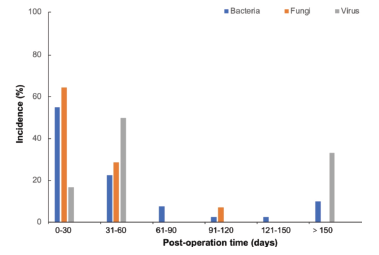
Figure 1.Incidence Rate and Timing of Postoperative Infections
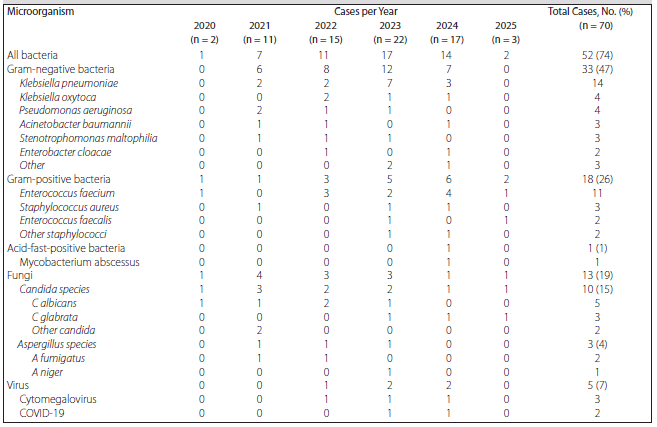
Table 1.Composition of Pathogens in Older Recipients From 2020 to 2024
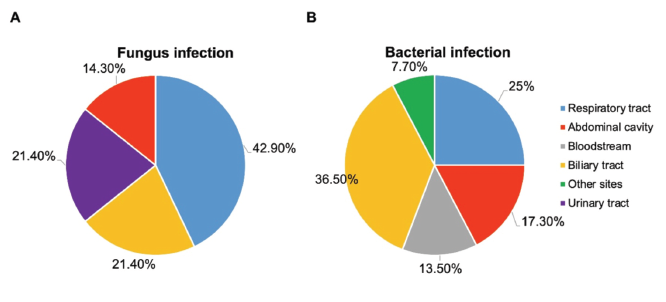
Figure 2.Distribution of Bacteria and Fungus Infection Sites
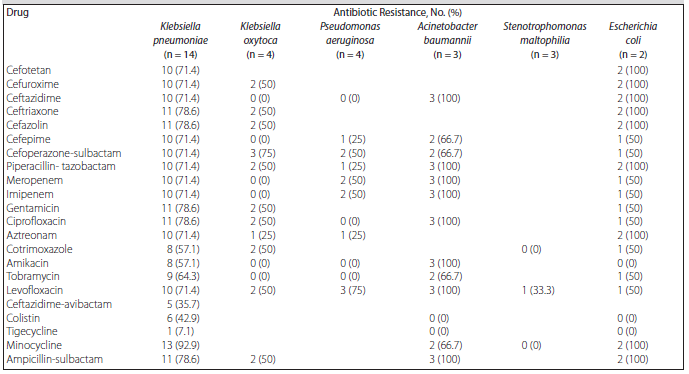
Table 2.Antibiotic Resistance Rates of Major Gram-Negative Bacteria
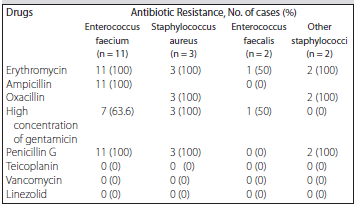
Table 3.Antibiotic Resistance Rates of Major Gram-Positive Bacteria
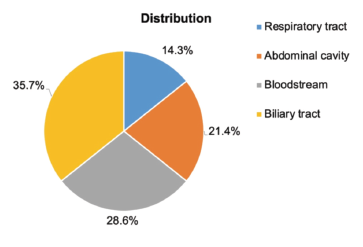
Figure 3.Distribution of Klebsiella pneumoniae
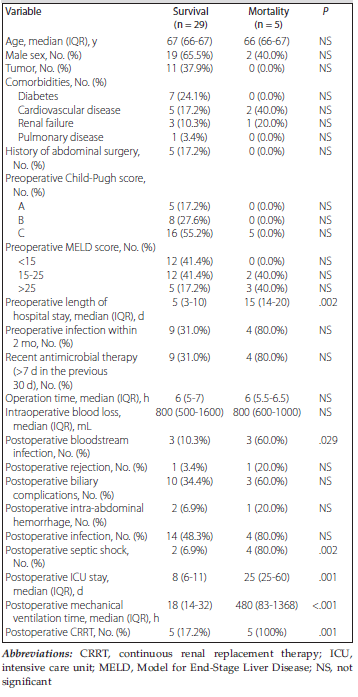
Table 4.Univariate Analysis of Risk Factors for All-Cause 1-Year Mortality