Volume: 23 Issue: 3 March 2025
FULL TEXT
A 20-year-old male patient diagnosed with chronic renal failure owing to autosomal recessive Alport syndrome underwent kidney transplant, with his mother as the donor. After transplant, the patient’s renal function was enhanced; however, owing to preoperative nonadherence, he required sedation and mechanical ventilation. Sedation and mechanical ventilation were discontinued on postoperative day 5. The next day, the patient experienced impaired consciousness. On day 7, magnetic resonance imaging of the head revealed posterior reversible encephalopathy syndrome. Tacrolimus was immediately discontinued, and steroid pulse therapy was initiated. The patient gradually gained consciousness and reached preoperative levels by day 10. Autosomal recessive Alport syndrome, a rare form of Alport syndrome, constitutes 15% of all cases. This report documents a case of tacrolimus-associated posterior reversible encephalopathy syndrome after living donor kidney transplant.
Key words : Immunosuppressive therapy, Living donor renal transplantation, Posterior reversible encephalopathy syndrome
Introduction
Autosomal recessive Alport syndrome (ARAS) is characterized by mutations (such as COL4A4 exon 27 2084G>A missense mutation and COL4A4 exon 46 3764G>C missense mutation) in the type IV collagen gene, resulting in chronic nephritis, hearing impairment, and ocular complications owing to its impairment or deficiency. It is most commonly inherited as an X-linked dominant trait, whereas other inheritance patterns are relatively rare. For autosomal recessive inheritance, caution should be exercised in selecting donors for living donor kidney transplant because both parents are carriers. In addition, tacrolimus is commonly used in living donor kidney transplant. Although posterior reversible encephalopathy syndrome (PRES) is a recognized complication, no cases have been reported during sedation and mechanical ventilation.
We report a male patient with ARAS who underwent a living donor kidney transplant, with his mother as the donor. In addition, we report a postoperative case of tacrolimus-induced PRES under sedation and mechanical ventilation.
Case Report
A 20-year-old male patient diagnosed with chronic kidney disease presented to our unit for a living donor kidney transplant. He had experienced hematuria and proteinuria since the age of 3 years. Genetic analysis at the age of 11 years revealed a compound heterozygous mutation in COL4A4, resulting in the diagnosis of ARAS.
The creatinine level of the transplant recipient was 8.75 mg/dL, and he had hyponatremia because of fluid retention, with a sodium level of 104 mEq/L. Although the donor exhibited asymptomatic hematuria without proteinuria, the discussion concluded that the mother was a suitable donor. The ABO blood type was incompatible (B to A). The recipient exhibited abnormal behavior, presumably owing to uremia. Concerns were raised regarding unfavorable postoperative compliance exacerbated by surgical effects. Postoperatively, sedation and mechanical ventilation were to be used until drain removal. Preoperative immunosuppressive therapy was initiated with tacrolimus and mycophenolate mofetil.
Right iliac fossa living donor kidney transplant was performed with intraoperative observation of the first urine sample. The procedure was completed without complications, and a postoperative biopsy of the transplanted kidney (1 h later) demonstrated no deficiencies in α2 and α5 collagen types or basement membrane thinning.
After the procedure, the patient was returned to the intensive care unit while still on mechanical ventilation. Immediately postsurgery, serum creatinine levels rapidly decreased, and vital signs, including blood pressure, remained stable. On postoperative day 5, the drains were removed, and sedation and mechanical ventilation were discontinued, leaving the patient lucid. However, the following day, he developed impaired consciousness, which was indicated by the E2V2M4 Glasgow Coma Scale score of 8. Monitoring was continued to assess the potential effects of prolonged sedation or delirium. On postoperative day 7, with no enhancement in consciousness, a magnetic resonance imaging scan of the head revealed PRES. Tacrolimus was immediately discontinued, and steroid pulse therapy (methylprednisolone 500 mg × 3 days) was initiated. On day 10, consciousness gradually enhanced and reached the preoperative levels (Figure 1). In addition, the patient experienced duodenal ulcer bleeding during treatment, necessitating 2 upper endoscopies for hemostasis with clips. Moreover, acute pancreatitis developed, which required the administration of nafamostat mesylate, ulinastatin, and antibiotics (Figure 2).
Discussion
This case highlighted the following 2 points. First, in the context of living donor kidney transplant for ARAS, carriers may be considered viable donors. Second, the detection of tacrolimus-induced PRES may be delayed during sedation and intubation management, specifically after living donor kidney transplant. Furthermore, after living donor kidney transplant, differentiation from central pontine myelinolysis (CPM) associated with hyponatremia enhancement may be required.
The inheritance patterns of Alport syndrome include X-linked dominance (XLAS) in 80% of cases, ARAS in 15%, and autosomal dominance in 5%, with ARAS being relatively rare.1 In ARAS, renal failure progression is rapid,2 and both parents, as carriers, are potential donors. Carriers may exhibit hematuria or thin basement membranes, which are generally not considered contraindications for donation; ARAS carriers are reported to have better renal outcomes after graft donation than XLAS carriers.3 However, proteinuria develops rapidly in ARAS carriers starting at the age of 31 years; therefore, caution should be exercised, specifically for young donors.4 In this report, despite having asymptomatic hematuria without proteinuria, the mother understood her own risk of future renal failure and volunteered to be the donor.
Tacrolimus-induced PRES may result in delayed recognition during sedation and mechanical ventilation. PRES is a neurological disorder characterized by altered consciousness, seizures, headaches, visual disturbances, focal neurological deficits, and status epilepticus, with reversible changes in the white matter of the occipital lobes. It is caused by vascular endothelial dysfunction owing to factors such as hypertension, immunosuppressive agents, chemotherapy, eclampsia, sepsis, and autoimmune diseases. The occipital lobes are particularly susceptible to hyperperfusion because they lack significant sympathetic innervation.5 In a study on tacrolimus administration after liver transplant, a leukoen-cephalopathy of 4.7% was reported.6 Immunosup-pressive drug-induced leukoencephalopathy is reversible, with 86% to 96% of patients recovering after discontinuation of immunosuppressive drugs.6,7 However, PRES poses a risk of severe complications, such as cerebral hemorrhage, independent of blood pressure.8 Therefore, early diagnosis of PRES is crucial. The mean tacrolimus trough level in PRES cases was reported to be 11.7 ng/mL (range: 6.0-14.2 ng/mL), with no association between tacrolimus trough level and PRES.6
In our report, tacrolimus was preoperatively administered for desensitization therapy, with a peak tacrolimus trough level of 24.1 ng/mL the day before surgery. Despite the immediate adjustment of tacrolimus to an optimal concentration, the patient developed PRES. Delayed detection may have occurred because of sedation and mechanical ventilation. When tacrolimus is administered after living donor kidney transplant, sedation and mechanical ventilation should be minimized. With renal function substantially enhanced after living donor kidney transplant, the patient had rapid correction of serum sodium levels, necessitating the consideration of CPM. The recommended correction rate for hyponatremia is within 0.5 mmol/L/h or 12 mmol/L/day.9 In cases with hyponatremia before living donor kidney transplant, rapid correction of serum sodium levels may occur because of enhancement in renal failure, necessitating the careful monitoring of serum sodium levels.
Conclusions
Our patient with ARAS underwent a living donor kidney transplant, in which the mother was the donor. Because both parents of patients with ARAS are carriers, donor selection should assess the donor’s future risk of renal failure. In addition, PRES and CPM should be considered as potential causes of impaired consciousness after living donor kidney transplant, specifically during sedation and mechanical ventilation when a delayed diagnosis may occur.
References:
- Nozu K, Nakanishi K, Abe Y, et al. A review of clinical characteristics and genetic backgrounds in Alport syndrome. Clin Exp Nephrol. 2019;23(2):158-168. doi:10.1007/s10157-018-1629-4
CrossRef - PubMed - Tanaka S, Hasui M, Nozu K, et al. Genotype-phenotype correlation in Alport syndrome and benign familial hematuria : proposal of a new concept of type IV collagen-associated nephropathies. Jpn J Pediatr Nephrol. 2010;23(2):172-178
CrossRef - PubMed - Kashtan CE. Women with Alport syndrome: risks and rewards of kidney donation. Nephrol Dial Transplant. 2009;24(5):1369-1370. doi:10.1093/ndt/gfn779
CrossRef - PubMed - Pierides A, Voskarides K, Athanasiou Y, et al. Clinico-pathological correlations in 127 patients in 11 large pedigrees, segregating one of three heterozygous mutations in the COL4A3/COL4A4 genes associated with familial haematuria and significant late progression to proteinuria and chronic kidney disease from focal segmental glomerulosclerosis. Nephrol Dial Transplant. 2009;24(9):2721-2729. doi:10.1093/ndt/gfp158
CrossRef - PubMed - Fugate JE, Rabinstein AA. Posterior reversible encephalopathy syndrome: clinical and radiological manifestations, pathophysiology, and outstanding questions. Lancet Neurol. 2015;14(9):914-925.
CrossRef - PubMed - Umeda Y, Matsuda H, Sadamori H, et al. Leukoencephalopathy syndrome after living-donor liver transplantation. Exp Clin Transplant. 2011;9(2):139-144.
CrossRef - PubMed - Singh N, Bonham A, Fukui M. Immunosuppressive-associated leukoencephalopathy in organ transplant recipients. Transplantation. 2000;69(4):467-472. doi:10.1097/00007890-200002270-00001
CrossRef - PubMed - Hefzy HM, Bartynski WS, Boardman JF, Lacomis D. Hemorrhage in posterior reversible encephalopathy syndrome: imaging and clinical features. Am J Neuroradiol. 2009;30(7):1371-1379. doi:10.3174/ajnr.A1588
CrossRef - PubMed - Verbalis JG, Goldsmith SR, Greenberg A, Schrier RW, Sterns RH. Hyponatremia treatment guidelines 2007: expert panel recommendations. Am J Med. 2007;120(11 Suppl 1):S1-21. doi:10.1016/j.amjmed.2007.09.001
CrossRef - PubMed

Volume : 23
Issue : 3
Pages : 227 - 230
DOI : 10.6002/ect.2024.0098
From 1Department of Renal Surgery and 2Department of Urology, Toranomon Hospital, Minato City, Tokyo, Japan
Acknowledgements: The authors have not received any funding or grants in support of the presented research or for the preparation of this work and have no declarations of potential conflicts of interest. The abstract of this paper was presented at the 57th Annual Meeting of the Japanese Society of Clinical Kidney Transplantation (February 16-24, Nagoya, Japan).
Corresponding author: Yasuo Ishii, Department of Renal Surgery, Toranomon Hospital, 2 Chome-2-2 Toranomon, Minato City, Tokyo 105-8470, Japan
Phone: +81 335 881111
E-mail: Osuyai@aol.com
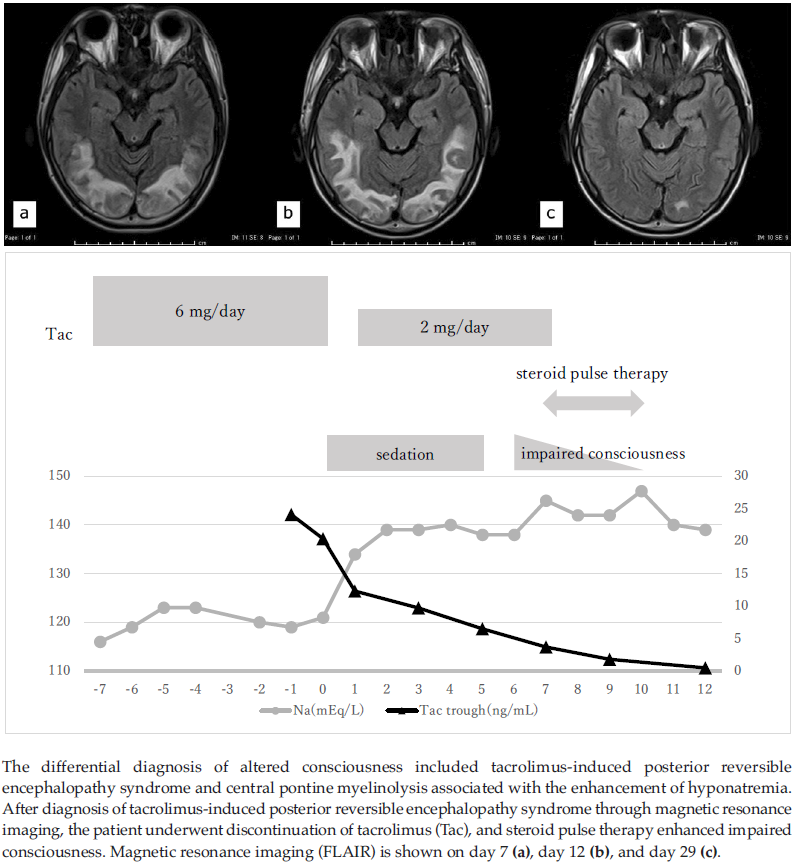
Figure 1. Treatment Course of Posterior Reversible Encephalopathy Syndrome

Figure 2. Treatment Course of Duodenal Ulcer Bleeding and Acute Pancreatitis