Volume: 23 Issue: 3 March 2025
FULL TEXT
Objectives: Lung transplant recipients are vulnerable to respiratory infections because of their compromised immune response. Limited research has been published on mental health as a result of the COVID-19 pandemic on lung transplant recipients, and uncertainty remains whether the COVID-19 vaccine affected mental health in lung transplant recipients.
Materials and Methods: In this longitudinal, retrospective study, we assessed the psychosocial wellbeing of lung transplant recipients during the COVID-19 pandemic at 2 different time points (before and after COVID-19 vaccination). We measured wellbeing with the Hospital Anxiety and Depression Scale (cutoff of 11 points indicated anxiety and depression) and the Symptom Checklist consisting of 9 questions.
Results: Our study included 83 patients (mean age 52.4 ± 14.5 years, 55.4% male). Among the patients, 3.8% and 4.8% of patients with cystic fibrosis had abnormal values for anxiety before and after the vaccine, respectively; abnormal values for depression were shown in 0% and 2.4% of patients with cystic fibrosis before and after the vaccine, respectively. Sex, age, level of education, time since transplant, and chronic allograft dysfunction were not significantly associated with psychosocial wellbeing. Vaccination against COVID-19 was not associated with a change in psychosocial wellbeing.
Conclusions: We found no evidence that the COVID-19 vaccine affected the psychosocial wellbeing of lung transplant recipients. However, it may be important to monitor wellbeing closely during a pandemic, especially in patients with cystic fibrosis.
Key words : Immunosuppression, Mental health, SARS-CoV-2, Vaccination
Introduction
On March 26, 2020, the Federal Council of Public Health in Switzerland declared the “extraordinary COVID-19 situation” when public life was shut down and nonurgent medical interventions had to be postponed.1 The COVID-19 pandemic resulted in increased incidences of mental health issues in the general population compared with before the pandemic.2 Psychological distress had increased, particularly in women, young people, and those with preschool-aged children.3 Patients with preexisting mental conditions have been shown to be more vulnerable to psychological stressors, resulting in increased levels of symptoms such as anxiety, depression, and obsessive-compulsive disorders during the COVID-19 pandemic.4 Various mental health disorders have emerged during the unexpected “psychiatric pandemic,” resulting in increasing levels of incidence of mental health issues.5 One reason was social isolation as a result of COVID-19 quarantine, contributing to poor health-related quality of life.6
Psychological health as a secondary health concern seemed to be ignored and underreported during the COVID-19 outbreak, since the health care system had been heavily overburdened with COVID-19 cases, especially in the beginning. Gradually, more reports about mental health issues had emerged, and a “psychiatric pandemic” in the general population had been noted.2,3,5,6 Self-isolation and quarantine during the COVID-19 pandemic induced a higher incidence of anxiety and lower health-related quality of life in the general population compared with before the pandemic.6
Life changes after organ transplant and new lifestyle rules can influence psychosocial wellbeing. Before and during the COVID-19 pandemic, mental health status has been described between kidney and liver transplant recipients and healthy individuals.7,8 Moreover, quality of life has been noted to improve after solid-organ transplant.9,10 However, deteriorations in sleep quality, anxiety, and presence of phobia have been noted in kidney and liver transplant recipients during the COVID-19 era.11,12 Another study noted lower life satisfaction in kidney transplant recipients during versus before the pandemic.13
In a pre-COVID-19 study of patients more than 1 year after lung transplant, psychosocial wellbeing was comparable to healthy volunteers.14 However, during the pandemic, lung transplant recipients required psychosocial support because of elevated anxiety and depression.15 One well-known reason is that respiratory infections after lung transplant can potentially lead to allograft rejection.16,17 Although telemedicine enabled remote health care for patients vulnerable to infections, such as after an organ transplant, telemedicine, while reinforcing social boundaries, pushed immunosuppressed patients into further social isolation.18,19 The psychosocial wellbeing of lung transplant recipients has so far not been well studied, particularly in extreme situations such as the COVID-19 pandemic.
With 48 transplant procedures, the University Hospital Zurich performed the largest number of lung transplants during the COVID-19 pandemic in 2020 and 2021 in Switzerland, involving a multidisciplinary team of pulmonologists, nurses specialized in lung transplant, physiotherapists, surgeons, transplant coordinators, and consultant psychiatrists, which offer lifelong care. Because of the increased risk of respiratory infections from lifelong triple immunosuppression and uncertainty about the future of COVID-19, we evaluated the psychosocial wellbeing of lung transplant recipients at the onset of the pandemic before the vaccine (M1) and during the pandemic after the vaccine (M2).
Materials and Methods
Patient selection
The Competent Ethics Committee of Canton Zurich approved the study on May 1, 2021 (ID 2021-01012). We included all adult lung transplant recipients who consented to this retrospective cohort analysis. Patients were invited to complete surveys on their psychosocial wellbeing at the onset of the COVID-19 pandemic in April 2020 (M1, before the vaccine) and during the pandemic in August 2021 (M2, after the vaccine). All lung transplant recipients had been vaccinated twice against SARS-CoV-2 between the M1 and M2 surveys. Most patients self-completed the questionnaires during regular outpatient visits. Surveys had been sent home by postal service or by email to a smaller portion of patients without regular outpatient visits. Patients were included if they completed at least 1 survey at time point M1 and at time point M2 and answered at least ≥90% of questions. Patients who did not consent, were aged <18 years, or answered <90% of the questions in the survey were excluded.
Study design
Demographic and clinical data were obtained from patients’ electronic medical records. Surgical reports, medical data, and follow-up visit data were included. Determination of chronic lung allograft dysfunction (CLAD) stage 1 to 4 was conducted according to the current International Society of Heart and Lung Society (ISHLT) recommendations.20 The primary endpoint was psychosocial wellbeing before (M1 survey) and after (M2 survey) COVID-19 vaccination. We also examined lung function, time since lung transplant, age, profession, marital status, and presence of disability pension. Patient information was screened for any preexisting psychiatric conditions and medication use.
Data analysis
We accessed the research data from May 1, 2021, to December 31, 2021. Authors had access to information that could identify individual participants during and after data collection. Depending on the number of outpatient visits, we obtained different numbers of completed questionnaires for M1 (0-4 per patient). For our analyses, we used the questionnaire that was filled out first. Survey M2 was sent once by mail to those with no regular outpatient visits; thus, we received only 1 questionnaire per patient. The time point of survey M2 was chosen after the COVID-19 vaccination was available.
Questionnaires
We used validated instruments to assess the psychosocial wellbeing of lung transplant recipients. Questionnaires M1 and M2 consisted of the Hospital Anxiety and Depression Scale (HADS) and the Symptom Checklist K-9 (SCL-K-9). The HADS questionnaire evaluates the severity of anxiety and depressive symptoms.21 There are 7 questions each in relation to anxiety and depression, which are summed up from 0 to 21 points, with higher numbers indicating a higher tendency for anxiety and depression disorders. The cutoff value for clinically significant symptoms of either anxiety or depression is ≥8 points.22 Similar to other studies, we used a cutoff of 8 to 10 points and defined abnormal symptom levels by a cutoff of ≥11 points, which indicated at least moderate symptoms.23 The SCL-K-9 is a multidimensional screening instrument to evaluate psychological distress. The SCL-K-9 is a shorter, more efficient form than the Symptom Checklist with 90 items. The 9 items reflect a representative index of general psychological distress and are summed up and divided by 9, with values ≥1 being suggestive of elevated distress.24,25 Questionnaire M2 was identical to M1, except for an additional question on psychological condition after vaccination (that is, whether participants felt substantially better, slightly better, unchanged, slightly worse, or much worse).
Statistical analyses
We presented quantitative data as means ± SD. We expressed categorical variables as frequencies and percentages. For quality assurance, 10% of the data were randomly reviewed for control. We used paired t test to compare the psychosocial wellbeing measures between time point M1 and M2. We used the Pearson χ2 test (contingency analysis) to examine possible correlations between psychosocial wellbeing and the main cause for lung transplant, time elapsed since lung transplant, and lung function parameters. We used linear regression to analyze relationships between HADS, SCL-K-9, and lung function parameters, level of education, time since transplant, age, and sex. Chronic lung allograft dysfunction, according to the current ISHLT recommendations, is also related to psychosocial measures.20 P ≤ .05 was considered statistically significant. We used SPSS software version 26.0 (IBM) for analyses.
Results
Patient characteristics
Initially, 174 lung transplant recipients received the first and second surveys (M1 and M2). The final analysis included 83 LTRs who completed the first and second surveys, thus included in our study (Figure 1). Male-to-female ratio was almost balanced (55.4% male), with mean age of 52.4 ± 14.5 years. Most participants were single (43.4%) and married (43.4%), and most study participants (69.9%) had completed vocational training. Most participants (74.7%) had no CLAD, and time since lung transplant was >2 years in 84.3%. Table 1 lists demographic and clinical characteristics.
All 83 participants were vaccinated twice against COVID-19 between the first and second surveys (M1 and M2) and had a triple-immunosuppression consisting of a calcineurin inhibitor, an anti-metabolite or an inhibitor of the mammalian target of rapamycin, and a glucocorticoid. Among participants, 7.2% had a positive SARS-CoV-2 polymerase chain reaction test with a mild course between the 2 survey measurement points. Most patients had no psychiatric history (86.7%), 3.6% had a diagnosis of depression or mania, 6% had anxiety or adjustment disorder, and 1.2% had acute polymorphic psychosis. In terms of psychotropic drugs, 3.6% were taking sleeping pills (Z-drugs), 2.4% were taking anxiolytics or benzodiazepines, 1.2% were taking neuroleptics, 18.1% were taking antidepressants, and 2.4% were taking other drugs like melatonin; 3.6% received ongoing psychiatric treatment at the University Hospital Zurich (Table 1).
Analyses of psychosocial wellbeing
In analyses of psychosocial wellbeing by HADS (mean anxiety scores of 2.85 ± 2.88 and 2.96 ± 3.48 and mean depression score of 3.26 ± 2.17 and 3.15 ± 2.86 at M1 and M2, respectively) and SCL-K-9 (mean score of 0.46 ± 0.44 and 0.52 ± 0.54 at M1 and M2, respectively), participants had results lower than the cutoff value for clinically significant anxiety or depression (HADS ≥8 points) and for elevated distress (SCL-K-9 ≥1 point). Furthermore, results for HADS and SCL-K-9 showed no significant differences between M1 and M2 (Table 2), suggesting that the COVID-19 vaccine, which was administered between the 2 time points, neither harmed nor benefited mental health in lung transplant recipients.
Patients with cystic fibrosis (CF) were the only subgroup of patients who showed abnormal values in the HADS score. In the HADS anxiety questionnaire, 3 patients (3.8%) with CF showed abnormal values (11-21 points) at M1 compared with 4 patients (4.8%) at M2. None of the patients with CF reached abnormal values for depression in M1, but 1 patient (1.4%) showed abnormal values in M2.
The first year posttransplant is considered a particularly vulnerable period because of the higher dose of immunosuppression and increased risk of complications. Patients were grouped into different categories based on their transplant date to compare time elapsed since transplant versus psychosocial wellbeing. The degree of CLAD was also compared with psychosocial measures. Both transplant date (coefficient -0.00; 95% CI, -0.00 to 0.00) and CLAD grades (coefficient 0.58; 95% CI, -0.01 to 1.16; P = .051) were not significantly associated with differences in psychosocial wellbeing measures. No correlation was shown between psychosocial wellbeing and main cause for transplant (coefficient 0.48; 95% CI, -0.08 to 1.04; P = .094), predicted forced expiratory volume in the first second of expiration (coefficient -0.00; 95% CI, -0.03 to 0.02; P = .727), age (coefficient -0.02; 95% CI, -0.05 to 0.01; P = .208), level of education (coefficient -0.11; 95% CI, -1.01 to 0.79; P = .804), or sex (coefficient -0.33; 95% CI, -1.29 to 0.63; P = .493) before COVID-19 vaccination.
Moreover, COVID-19 vaccination was not associated with any psychological effect on wellbeing (Table 3). Three patients (3.6%) felt substantially better, 22 (26.5%) slightly better, 51 (61.4%) unchanged, and 1 slightly worse than before the vaccine. No patient felt much worse than before the vaccine.
Discussion
Our study addressed the effect of the COVID-19 pandemic beyond physical health in lung transplant recipients. We found no clinically relevant symptoms of anxiety, depression, or distress in our cohort of lung transplant recipients at the beginning and during the pandemic, in which we used 2 different validated instruments to investigate psychosocial wellbeing. Symptoms also did not differ between the 2 time points (before the vaccine [April 2020] versus after the vaccine [August 2021]). The COVID-19 vaccine, administered to our cohort between the 2 time points, did not influence mental health. Psychosocial wellbeing was not associated with sex, age, level of education, time since lung transplant, or CLAD.
Immunosuppression after organ transplant can result in patients being susceptible to infections and possibly allograft rejection.16,17 Therefore, the mental burden is assumed to be higher in patients after organ transplant. In our lung transplant cohort, anxiety (mean HADS of 2.85 ± 2.88 and 2.96 ± 3.48), depression (mean HADS of 3.26 ± 2.17 and 3.15 ± 2.86), and distress levels (mean SCL-K-9 of 0.46 ± 0.44 and 0.52 ± 0.54) were lower at the 2 time points in April 2020 and August 2021, respectively than the clinically relevant cutoff levels (HADS ≥8, SCL-K-9 ≥1).
Direct comparisons to previously mentioned results of kidney and liver transplant patients during the pandemic should be interpreted with caution since the studies used different psychosocial measurement instruments. We attribute the lack of clinically relevant stress, anxiety, and distress in our cohort to the fact that lung transplant recipients already must use strict hygiene and rules of conduct before organ transplant, making the quality of life of patients after lung transplant comparable to that of the general population in non-COVID-19 times.14 Patients after organ transplant have higher risk perception and risk avoidance behavior than before transplant.8 People without mental conditions before transplant experienced a significantly greater increase in distress symptoms than people with existing psychiatric issues (like anxiety, depression, or obsessive-compulsive disorders).4 A possible explanation could be more effective coping strategies by individuals who already had to deal with physical or mental burdens before COVID-19, such as our study cohort of lung transplant recipients. Similar to patients with mental conditions before COVID-19, lung transplant recipients seem to have greater resilience with an increased ability to adapt to challenging situations than other groups. Because transplanted lungs are directly exposed to pathogens in the environment and patients generally require life-long triple immunosuppression, behavior rules after lung transplant might be more restrictive than after kidney or liver transplant. Disinfecting surfaces and hands, wearing face masks, reporting respiratory symptoms, and physically distancing from diseased persons are already rigorously integrated in the lives of lung transplant recipients.
In contrast to our results, in 48 lung transplant recipients, Savary and colleagues demonstrated proven or suspected depression and anxiety in the HADS questionnaire among 12.6% and 27.1% of patients, respectively, during the pandemic in 2020.15 These results could be because of more patients undergoing regular psychiatric care (8.3%) than in our cohort (3.6%).
Most of our analyzed lung transplant recipients (42.2%) were older than 60 years, which correlated with the proportion of patients with chronic obstructive pulmonary disease and interstitial lung disease, accounting for 56.6% of all causes for lung transplant. Transplant recipients with CF are younger than patients with chronic obstructive pulmonary disease or interstitial lung disease. Younger patients might be better connected via social media platforms and through modern means of telecommunication, enabling not only a portal for information exchange but also access to spread of rumors about adverse effects. Furthermore, elevated rates of suicidal ideation and a higher prevalence of depression symptoms compared with the general population have been reported in patients with CF.26,27 This can explain why 3 patients (3.8%) and 4 patients (4.8%) patients with CF showed abnormal values in the HADS anxiety score at M1 and M2 time points.
Our study had several strengths and limitations. First, we reported on a relatively large population of lung transplant recipients in a long-term follow-up at 2 different time points, enabling us to examine a possible effect of the COVID-19 vaccine administered between these 2 time points. To our knowledge, this is the first study that analyzed the association of the COVID-19 vaccine on mental health among lung transplant recipients that showed no association of the vaccine their psychosocial wellbeing.
Limitations of our study are its retrospective design at a single-center study and no comparison group before the pandemic’s start. From an ethical point of view, a comparison group without vaccination in this cohort would not be possible. Moreover, only 83 of 174 patients could be included in the analysis because of incomplete data or refusal to participate. Causes for nonparticipation were not recorded. Nonparticipation may have been because of lack of motivation or questionnaire length.
Conclusions
During the COVID-19 pandemic, our cohort of lung transplant recipients experienced less effects on psychosocial wellbeing than what was anticipated for patients with lifelong immunosuppression. In addition, the COVID-19 vaccination was not associated with any metrics of psychosocial wellbeing. Because patients with CF were the only subgroup in our study with abnormal values for anxiety and depression, it may be important to monitor more closely their wellbeing, particularly during a pandemic. Although, through our questionnaires, patients did not show any signs of declining mental health during the COVID-19 pandemic, some psychosocial needs of lung transplant recipients may have not been identified with the applied instruments and may require further investigation. Future investigations are warranted to learn more about coping strategies or other circumstances in lung transplant recipients, including health-related quality of life.
References:
- Federal Office of Public Health. Coronavirus: Federal Council declares ‘extraordinary situation’ and introduces more stringent measures. 2020. Accessed March 16, 2020. Link
- Chen PJ, Pusica Y, Sohaei D, Prassas I, Diamandis EP. An overview of mental health during the COVID-19 pandemic. Diagnosis (Berl). 2021;8(4):403-412. doi:10.1515/dx-2021-0046
CrossRef - Pierce M, Hope H, Ford, et al. Mental health before and during the COVID-19 pandemic: a longitudinal probability sample survey of the UK population. Lancet Psychiatry. 2020;7(10):883-892. doi:10.1016/S2215-0366(20)30308-4
CrossRef - Pan KY, Kok AAL, Eikelenboom M, et al. The mental health impact of the COVID-19 pandemic on people with and without depressive, anxiety, or obsessive-compulsive disorders: a longitudinal study of three Dutch case-control cohorts. Lancet Psychiatry. 2021;8(2):121-129. doi:10.1016/S2215-0366(20)30491-0
CrossRef - Hossain MM, Tasnim S, Sultana A, et al. Epidemiology of mental health problems in COVID-19: a review. F1000Res. 2020;9:636. doi:10.12688/f1000research.24457.1
CrossRef - Ferreira LN, Pereira LN, da Fe Bras M, Ilchuk K. Quality of life under the COVID-19 quarantine. Qual Life Res. 2021;30(5):1389-1405. doi:10.1007/s11136-020-02724-x
CrossRef - Gremigni P, Cappelli G. Psychosocial well-being after kidney transplantation: a matched-pair case-control study. J Health Psychol. 2016;21(5):599-606. doi:10.1177/1359105314532506
CrossRef - Weber S, Rek S, Eser-Valeri D, et al. The psychosocial burden on liver transplant recipients during the COVID-19 pandemic. Visc Med. 2021;382(6):1-8. doi:10.1159/000517158
CrossRef - Goetzmann L, Klaghofer R, Wagner-Huber R, et al. Quality of life and psychosocial situation before and after a lung, liver or an allogeneic bone marrow transplant. Swiss Med Wkly. 2006;136(17-18):281-290. doi:10.4414/smw.2006.11362
CrossRef - Girgenti R, Tropea A, Buttafarro MA, Ragusa R, Ammirata M. Quality of life in liver transplant recipients: a retrospective study. Int J Environ Res Public Health. 2020;17(11):3809. doi:10.3390/ijerph17113809
CrossRef - De Pasquale C, Pistorio ML, Veroux P, et al. Quality of life and mental health in kidney transplant recipients during the COVID-19 pandemic. Front Psychiatry. 2021;12:645549. doi:10.3389/fpsyt.2021.645549
CrossRef - Choudhury A, Varshney M, Sahoo B, et al. Impact of COVID-19 pandemic on quality of life and psychosocial difficulties among liver transplant recipients. J Family Med Prim Care. 2022;11(2):744-750. doi:10.4103/jfmpc.jfmpc_1798_21
CrossRef - Zgoura P, Seibert FS, Waldecker C, et al. Psychological responses to the coronavirus disease 2019 pandemic in renal transplant recipients. Transplant Proc. 2020;52(9):2671-2675. doi:10.1016/j.transproceed.2020.08.043
CrossRef - Goetzmann L, Scheuer E, Naef R, et al. Psychosocial situation and physical health in 50 patients > 1 year after lung transplantation. Chest. 2005;127(1):166-70. doi:10.1378/chest.127.1.166
CrossRef - Savary A, Hammouda M, Genet L, et al. Coping strategies, anxiety and depression related to the COVID-19 pandemic in lung transplant candidates and recipients. Results from a monocenter series. Respir Med Res. 2021;80:100847. doi:10.1016/j.resmer.2021.100847
CrossRef - Gregson AL. Infectious triggers of chronic lung allograft dysfunction. Curr Infect Dis Rep. 2016;18(7):21. doi:10.1007/s11908-016-0529-6
CrossRef - Fisher CE, Preiksaitis CM, Lease ED, et al. Symptomatic respiratory virus infection and chronic lung allograft dysfunction. Clin Infect Dis. 2016;62(3):313-319. doi:10.1093/cid/civ871
CrossRef - Chang JH, Sritharan S, Schmitt K, Patel S, Crew RJ, Tsapepas DS. Home care delivery and remote patient monitoring of kidney transplant recipients during COVID-19 pandemic. Prog Transplant. 2021;31(4):381-384. doi:10.1177/15269248211046005
CrossRef - Lupi D, Binda B, Montali F, et al. Transplant patients' isolation and social distancing because of COVID-19: analysis of the resilient capacities of the transplant in the management of the coronavirus emergency. Transplant Proc. 2020;52(9):2626-2630. doi:10.1016/j.transproceed.2020.05.031
CrossRef - Verleden GM, Glanville AR, Lease ED, et al. Chronic lung allograft dysfunction: definition, diagnostic criteria, and approaches to treatment-A consensus report from the Pulmonary Council of the ISHLT. J Heart Lung Transplant. 2019;38(5):493-503. doi:10.1016/j.healun.2019.03.009
CrossRef - Zigmond AS, Snaith RP. The hospital anxiety and depression scale. Acta Psychiatr Scand. 1983;67(6):361-370. doi:10.1111/j.1600-0447.1983.tb09716.x
CrossRef - Bjelland I, Dahl AA, Haug TT, Neckelmann D. The validity of the Hospital Anxiety and Depression Scale. An updated literature review. J Psychosom Res. 2002;52(2):69-77. doi:10.1016/s0022-3999(01)00296-3
CrossRef - Basheti IA, Mhaidat QN, Mhaidat HN. Prevalence of anxiety and depression during COVID-19 pandemic among healthcare students in Jordan and its effect on their learning process: a national survey. PLoS One. 2021;16(4):e0249716. doi:10.1371/journal.pone.0249716
CrossRef - Petrowski K, Schmalbach B, Kliem S, Hinz A, Brähler E. Symptom-Checklist-K-9: norm values and factorial structure in a representative German sample. PLoS One. 2019;14(4):e0213490. doi:10.1371/journal.pone.0213490
CrossRef - Bogerts B, Heinrich K, Lang H, Lauter H, Petermann F. SCL-K-9. Zeitschrift für Psychiatrie, Psychologie und Psychotherapie. 2001;Heft 2.
- Lord L, McKernon D, Grzeskowiak L, Kirsa S, Ilomaki J. Depression and anxiety prevalence in people with cystic fibrosis and their caregivers: a systematic review and meta-analysis. Soc Psychiatry Psychiatr Epidemiol. 2023;58(2):287-298. doi:10.1007/s00127-022-02307-w
CrossRef - Garcia G, Snell C, Sawicki G, Simons LE. Mental health screening of medically-admitted patients with cystic fibrosis. Psychosomatics. 2018;59(2):158-168. doi:10.1016/j.psym.2017.08.010
CrossRef

Volume : 23
Issue : 3
Pages : 220 - 226
DOI : 10.6002/ect.2024.0243
From the 1Department of Pulmonology, University Hospital Zurich; the 2Department of Consultation-Liaison Psychiatry and Psychosomatic Medicine, University Hospital Zurich and University of Zurich; and the 3Department of Clinical Nursing Science, University Hospital Zurich and University of Zurich, Zurich, Switzerland
Acknowledgements: We thank Naomi Sheperd for critical revision. The authors have not received any funding or grants in support of the presented research. T. Gaisl received lecture fees from GSK and a research grant from SAKF (Stifung für angewandte Krebsforschung) and CFS (Cystische Fibrose Schweiz) not related to this manuscript. All other authors have no declarations of potential conflicts of interest.
Author contributions: C. Steinack and K.D. Jordan organized and coordinated the trial. M. Krapf was the chief investigator and responsible for data analysis. C. Steinack, J. Ernst, M. M Schuurmans, and K.D. Jordan developed the trial design. All authors contributed to the writing of the final manuscript. All members of the study team contributed to the management and administration of the trial.
*Carolin Steinack and Michèle Krapf contributed equally to this work.
Corresponding author: Carolin Steinack, Department of Pulmonology, University Hospital Zurich, Raemistrasse 100, 8091 Zurich, Switzerland
Phone: +41 44 255 11 11 E-mail: carolin.steinack@usz.ch
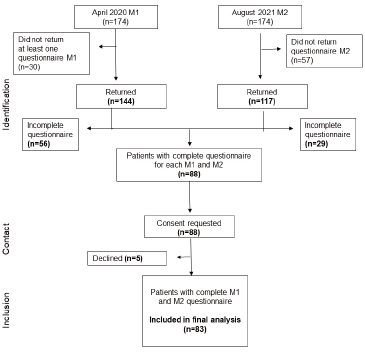
Figure 1. Flow Chart of Patients Included in the Study
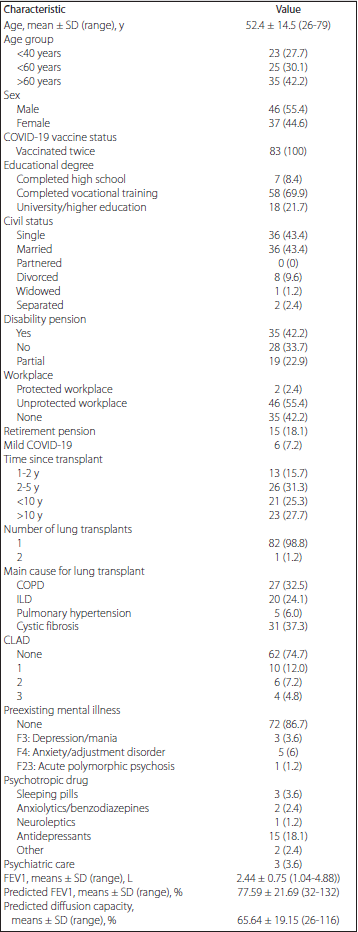
Table 1. Demographic and Clinical Characteristics in Lung Transplant Recipients (N = 83)

Table 2. Psychosocial Wellbeing Over Time in Lung Transplant Recipients (N = 83)
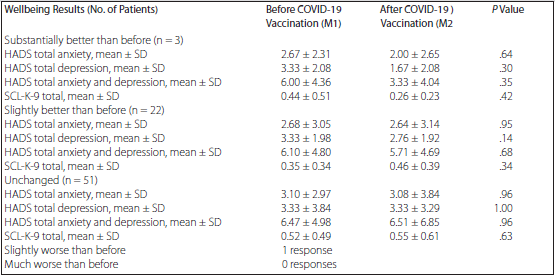
Table 3. Psychosocial Wellbeing in Lung Transplant Recipients (N = 83) Before and After Vaccination Against COVID-19 Stratified by Response