Volume: 23 Issue: 12 December 2025
FULL TEXT
Objectives: Posttransplant lymphoproliferative disor-der is a severe and potentially fatal complication after liver transplant, resulting from immunosuppression-driven uncontrolled lymphoid proliferation. In this study, we aimed to analyze the incidence, clinico-pathological characteristics, management, and outco-mes of posttransplant lymphoproliferative disorder in liver transplant recipients.
Materials and Methods: We conducted a retrospective analysis of 1288 patients who underwent liver transplant between January 2015 and December 2024. Among them, 8 recipients (0.62%) were diagnosed with posttransplant lymphoproliferative disorder based on histopathological and clinical criteria. Baseline characteristics, clinicopathological characteristics, management, and outcome data were collected and statistically evaluated.
Results: Age at time of transplant was 55.5 years (range, 44-62 years), and posttransplant lympho-proliferative disorder was diagnosed at 10.5 months posttransplant (interquartile range, 7.5-28.5 mo; range, 5-44 mo). Clinical manifestations were diverse and nonspecific, with 6 having allograft involvement (75%) and 7 having detectable Epstein-Barr virus positivity (87.5%). Monomorphic B-cell posttransplant lymphoproliferative disorder (B-cell lymphomas and diffuse large B-cell lymphoma) was the most common subtype (87.5%). All recipients with posttransplant lymphoproliferative disorder received immunosup-pression reduction or withdrawal. Three patients with diffuse large B-cell lymphoma-type received chemotherapy, 1 with central nervous system-type received rituximab plus cyclophosphamide, and 1 received rituximab combined with radiofrequency ablation for liver lesions. Of the 8 recipients, 3 had remission and 5 died due to sepsis complications and posttransplant lymphoproliferative disorder. Median time from diagnosis of posttransplant lymphopro-liferative disorder to death was 2 months (range, 1.5-5.5 mo).
Conclusions: Posttransplant lymphoproliferative disor-der, characterized by heterogeneous manifestations, remains a serious complication after liver transplant. Early diagnosis requires a combination of Epstein-Barr virus DNA monitoring and imaging. Definitive patho-logical diagnosis and classification are essential for guiding treatment strategies, including reduction of immunosuppression and rituximab-based chemot-herapy.
Key words : Clinical characteristics, Immunosuppression reduction, Outcomes
Introduction
Posttransplant lymphoproliferative disorder (PTLD) represents a spectrum of lymphoid and plasmacytic proliferations, constituting one of the most serious complications to follow solid-organ transplant (SOT).1 As an iatrogenic immunodeficiency-associated lym-phoproliferative entity, its pathogenesis is predo-minantly driven by immunosuppressive therapy and Epstein-Barr virus (EBV) infection. The incidence of PTLD greatly varies among different transplanted organs, with liver transplant recipients facing a notably elevated risk compared with the general population.
The clinical management of PTLD remains challenging because of its rarity, heterogeneous morphological presentation, varying EBV association, and rapid progression.2 After liver transplant, the development of PTLD severely affects both graft and recipient survival. Early diagnosis and appropriate therapeutic interventions are critical, yet reliable risk stratification and standardized therapeutic protocols are still lacking, particularly for monomorphic and EBV-negative variants.3
The overall incidence of PTLD in SOT is relatively low, resulting in predominantly single-center, small-sample retrospective studies with insufficient statistical power to conduct meaningful subgroup analyses. However, distinct immunological microenvironments and immunosuppressive protocols suggest that PTLD after liver transplant may exhibit unique clinical and pathological characteristics.4 Therefore, organ-specific analysis is essential for optimizing prevention, diagnostic, and therapeutic strategies.
In this retrospective study, we analyzed the clinical data of 1288 patients who underwent liver transplant at the liver transplant center of the First Affiliated Hospital of Xi’an Jiaotong University, China; we summarized the incidence, clinicopathological characteristics, management, and outcomes of PTLD.
Materials and Methods
Study design
We performed a retrospective study of 1288 patients who received liver transplant between January 2015 and December 2024 and were followed at our center. For each recipient, we performed a manual review of electronic medical records.
We analyzed all clinical data, including age, sex, primary liver disease, time to PTLD onset, immuno-suppressive regimen, clinical manifestations, imaging and pathological features, laboratory examinations (including immunosuppressant blood levels and EBV serologies), treatment strategies, and outcomes. We calculated survival time from PTLD diagnosis to death or last follow-up.
The university ethics committee approved this study, which was conducted in accordance with the Declaration of Helsinki. All recipients received liver transplants from deceased donors.
Study population
Our inclusion criteria were as follows: (1) clinical and pathological diagnosis of PTLD, (2) age ≥18 years old, and (3) availability of complete clinical data. Recipients with incomplete data and recipients who had liver retransplant were excluded.
Clinical definitions
The diagnosis of PTLD was confirmed by histology on review by a hematopathologist. Diagnosis of PTLD was classified according to the World Health Organization (WHO) classification (revised in 2017). Epstein-Barr virus-associated PTLD was specifically defined by positive EBV-encoded RNA (EBER) in situ hybridization on pathological tissue. All cases classified as EBV-associated PTLD in our cohort met this criterion. Cases with histopathological features of PTLD but negative EBER results were categorized as EBV-negative PTLD and analyzed separately. The detection of EBV DNA (in blood or tissue) was not based on a uniform prospective protocol but on the judgment of clinical doctors and the clinical practice at that time.
Statistical analyses
We used SPSS version 21.0 software to analyze the data. We expressed continuous variables as mean ± SD or median and classification data as percentages.
Results
Baseline characteristics
Eight of 1288 patients (0.62%) had developed PTLD (5 male and 3 female patients). Patients with PTLD underwent classic orthotopic liver transplant for decompensated cirrhosis (6 cases) and hepatocellular carcinoma (2 cases). Age at time of liver transplant was 55.5 years (range, 44-62 y), and PTLD was diagnosed at 10.5 months posttransplant (interquartile range, 7.5-28.5 mo; range, 5-44 mo). Most recipients (6/8) were immunologically induced with basiliximab. Immunosuppressive therapy was maintained with glucocorticoid, mycophenolate mofetil, and cyclos-porine or tacrolimus. The dosage of immunosup-pressants was adjusted individually according to trough concentration and immune status. Table 1 lists the characteristics of the 8 PTLD transplant recipients.
Clinical manifestations and imaging features of recipients with posttransplant lymphoproliferative disorder
Clinical manifestations of PTLD varied depending on the affected organ. The initial clinical manifestations included fever, liver masses, and gastrointestinal symptoms. Symptoms shown among the 8 recipients included fever (unexplained fever) in 5 recipients, gastrointestinal symptoms (gastrointestinal bleeding and abdominal discomfort) in 4 recipients, asymp-tomatic with liver masses detected during routine follow-up in 2 recipients, and cough, pulmonary nodules, and focal neurological deficits in 1 recipient, suggesting respiratory and neurological infiltration. The clinical manifestations were diverse and atypical, requiring distinction from infectious, cancers, and digestive system disorders (Table 2).
All recipients showed extranodal lymphoma (6 cases in liver, 1 case in lungs and brain, and 1 case in pancreas) and/or multiple site lymph node enlargement by ultrasonography and computed tomography (CT)/magnetic resonance imaging. One recipient had a large duodenal ulcer, as shown by gastroscopy, and a duodenal mucosal biopsy was performed to diagnose PTLD. Among the recipients, 6 underwent positron emission tomography (PET)-CT examination, showing lymphadenopathy or extranodal masses with hypermetabolism of 18F-flurodeoxyglucose, suggesting PTLD; the other 2 patients did not undergo PET-CT (Table 2).
Laboratory data and histopathological diagnosis of posttransplant lymphoproliferative disorder
Laboratory findings were nonspecific but could serve as the initial alarm. Among 8 transplant recipients with PTLD, 4 showed an abnormal increase in blood concentration of immunosuppressant, 6 showed liver dysfunction, and 7 showed increased EBV DNA load (in case 4, cytomegalovirus DNA was 2.15E+004 copies in cerebrospinal fluid, with 3976 and 33 copies in cerebrospinal fluid and bronchoalveolar lavage fluid by next-generation sequencing, respectively). All recipients had normal cytomegalovirus DNA, procalcitonin, creatinine and alpha-fetoprotein level (Table 3).
Pathological biopsy was performed in all 8 PTLD transplant recipients (Figure 1A). Diagnosis of PTLD among study patients was histopathologically confirmed with excisional biopsies. Among 7 with tissue EBV DNA data, EBER in situ hybridization was positive in 6 recipients (Figure 1B) and negative in 1 recipient (case 3; Figure 1C); 1 recipient (case 1) was not tested. Immunohistochemical analysis revealed positive CD20 staining in all cases (Figure 1D). Cases 2 to 8 were monomorphic type, which included 3 cases with diffuse large B-cell lymphomas (DLBCL) and 4 cases with B-cell lymphomas (Figure 1A). Among these patients, 6 were further analyzed by immunohistochemistry according to the Hans classification (CD10, BCL-6, and MUM1), which showed 5 cases were of nongerminal center origin; the other case (case 3) was of germinal center origin (Table 4).
Treatment and prognosis of posttransplant lymphoproliferative disorder
Treatment for PTLD varied by individual recipient; however, all recipients received immunosuppression reduction or withdrawal combined with methyl-prednisolone therapy. Case 1 received only gan-ciclovir antiviral therapy and declined rituximab and chemotherapy. Among the 7 monomorphic PTLD cases, 3 with DLBCL-type received chemotherapy (R-CHOP or R-CHOP followed by R-CHOPE), and 1 with central nervous system (CNS) PTLD (case 4) received rituximab plus cyclophosphamide. Among the remaining 3 monomorphic B-cell PTLD cases, 2 patients (cases 6 and 8) refused rituximab and chemotherapy and 1 patient (case 7) received rituximab combined with radiofrequency ablation for liver lesions (Table 5).
Of 8 transplant recipients with PTLD, 3 survived, with an overall survival rate of 37.5%. As of the last follow-up (August 2025), 3 patients were alive (1 patient achieved complete response with rituximab, 1 achieved complete response with chemotherapy [R-CHOP], and 1 achieved partial remission without treatment). Of the 5 patients who died, 2 refused treatment and 3 had no response to therapy; all died from sepsis complications and PTLD. The median time from diagnosis of PTLD to death was 2 months (range, 1.5-5.5 mo) (Table 5).
Discussion
The incidence of PTLD in our cohort of adult liver transplant recipients was 0.62%, which was slightly lower than the previously reported rate of 1% to 10% in a large registry and single-center series.4,5 This variation in incidence can be attributed to several factors, including the evolution of immunosup-pressive strategies (with higher rates in earlier eras with high doses), the age of recipient (higher in pediatric recipients), variations in induction and maintenance immunosuppression, and the intensity of immunosuppression, as well as disparities in PTLD screening protocols and diagnostic vigilance. With regard to time of onset, our data demonstrated a bimodal distribution of PTLD presentation, a pattern consistently observed in previous reports.6 Early-onset PTLD, which typically occurs within the first year after transplant, was predominantly associated with EBV-positive disease. These cases were frequently driven by a primary EBV infection or reactivation in the context of intense iatrogenic immunosuppression, leading to uncontrolled B-cell proliferation.7 Conversely, late-onset PTLD (occurring beyond 1 year posttransplant) exhibited greater heterogeneity, often encompassing a broader spectrum of diseases with distinct pathogenic mechanisms.8
Several risk factors for PTLD following transplant have been supported by previous evidence.9,10 The most significant risk was EBV seronegativity in the recipient at the time of transplant, especially when receiving an organ from an EBV-seropositive donor.11 The intensity and type of immunosuppressive therapy also play critical roles. T-cell-depleting agents, such as antithymocyte globulin or muromonab-CD3, used for induction or rejection treatment, were strongly associated with increased PTLD risk.12 In addition, prolonged exposure to high levels of maintenance immunosuppressants, particularly calcineurin inhibitors (eg, tacrolimus, cyclosporine), was another contributor. Other signi-ficant risk factors included younger recipient age; pediatric recipients have exhibited higher incidence, largely because of their increased likelihood of being EBV-naïve.13 In our cohort, among the 8 PTLD recipients, 6 were EBV-seronegative at transplant (2 were untested), although donor EBV serostatus was unavailable. Notably, all 8 PTLD cases occurred in adults, with a mean age of 55.5 years. None received T-cell-depleting agents, but 4 had persistently elevated tacrolimus or cyclosporine levels above the target range before onset of PTLD. We hypothesized that the combined use of exogenous immunosuppressants and age-related immune-senescence may synergistically impair immune surveillance and EBV-infected B-cell clearance, thereby substantially elevating PTLD risk.
Clinically, PTLD shows marked heterogeneity and often nonspecific presentation.14 In our study, recipients commonly presented with fever and gastrointestinal symptoms; however, a subset had minimal or no symptoms, underscoring the need for high clinical vigilance in high-risk recipients. Quantitative polymerase chain reaction monitoring of EBV DNA load in peripheral blood was an essential tool, wherein rising or persistently elevated levels strongly suggest uncontrolled viral replication and possible PTLD development, prompting further investigation. Despite sensitivity, these markers still lacked specificity and were just used to determine the necessity for imaging. Imaging evaluation, particu-larly CT and PET-CT, was pivotal for disease staging. Computed tomography adequately identified nodal and extranodal involvement, including allograft infiltration, and PET-CT was essential for lesion localization, treatment response evaluation, and gui-ding biopsies to metabolically active sites, enhancing diagnostic yield. Gastrointestinal endoscopy enables detailed visualization of gastrointestinal lesions, and concurrent tissue biopsy is essential for achieving a definitive diagnosis.15
Definitive diagnosis of PTLD requires histopat-hological confirmation. The pathological spectrum ranges from polymorphic to monomorphic lesions resembling conventional lymphoma. Immunohis-tochemistry was necessary to determine cell origin (B or T cell), assess Ki-67 proliferation index, and evaluate EBV status via EBER in situ hybridization. In our comprehensive analysis, PTLD was classified according to WHO criteria, directly guiding prognosis and therapy. In this study, biopsies of suspicious lesions from 8 PTLD recipients were obtained via ultrasonography, gastroscopy (case 3), and surgery (cases 4, 7, and 8). Pathological examination confirmed 7 cases as monomorphic PTLD (including 3 cases of DLBCL) and 1 case as polymorphic PTLD, consistent with previous reports indicating that PTLD was predominantly monomorphic and of B-cell origin.16
The diagnosis of PTLD required a comprehensive assessment of clinical manifestations, EBV DNA load, imaging findings, and pathological results. In cases of EBV DNAemia or suspicious symptoms, imaging should be initiated promptly, with PET-CT considered for staging and biopsy targeting when necessary. However, definitive diagnosis relied on histopathology and molecular characteristics, which formed the basis for all subsequent treatment decisions.
The optimal treatment strategy for PTLD remains undefined, necessitating a balance between achieving tumor control and preserving allograft function. Therapeutic decisions are primarily guided by the histopathological subtype of PTLD (according to WHO classification), disease stage, and the recipient’s overall clinical status. For most cases of PTLD, particularly early lesions and polymorphic PTLD, the cornerstone of initial management is a graded reduction of immunosuppression. In line with previous guidelines, all recipients in this study received immunosuppression reduction as first-line therapy, and, fortunately, no cases of graft rejection occurred. For recipients with persistent lesions following reduction of immunosuppression or those with aggressive subtypes (eg, monomorphic PTLD, such as DLBCL), targeted immunotherapy with the anti-CD20 monoclonal antibody rituximab is recommended,17 with efficacy of rituximab in CD20-positive B-cell PTLD being well-established.
In cases refractory to rituximab or with advanced disease, combination regimens such as R-CHOP are indicated. Given the impaired liver function, organ dysfunction, risk of infection, and treatment-related toxicity in transplant recipients, the selection of chemotherapy required careful consideration of both efficacy and tolerance.18 Among our patient group, all 5 recipients who received active treatment were administered rituximab. Among them, 3 with DLBCL received CHOP(E) regimens. A complete response was achieved only in case 3, who remained alive after 79 months of follow-up. One recipient with CNS PTLD (case 4) underwent stereotactic brain biopsy and received methotrexate-based chemothe-rapy but died 30 days later due to refractory seizures and septic shock. Another recipient (case 7) received only rituximab combined with laparoscopic liver mass biopsy and radio-frequency ablation, achieving complete response and remaining alive at 27 months. The remaining 3 recipients (cases 1, 6, and 8) declined both rituximab and chemotherapy. Unexpectedly, case 6 attained partial response and was still alive at the 15-month follow-up.
Virus-specific T-cell therapy represents a highly precise form of adoptive immunotherapy that has recently emerged as a novel option for recipients with PTLD refractory or intolerant to conventional regimens.19-20 Although experience in liver transplant recipients remains limited (virus-specific T-cell therapy has not yet been implemented as routine therapy at our center) and challenges persist, such as complex manufacturing and high costs, its precision as an immunomodulatory strategy undoubtedly points to a new direction for the evolving treatment paradigm of PTLD.
Prognosis of PTLD among patients has also demonstrated substantial heterogeneity. Although overall survival rates have improved in recent years, considerable challenges persist in clinical management. The overall mortality rate among our patients was 62.5% (5/8 recipients), which is slightly higher than the 15% to 60% range published by major centers worldwide.21-23 This difference may be attributed to the sepsis complications and higher proportion of aggressive pathological subtypes (eg, monomorphic PTLD in 87.5%) in our cohort. Among the 5 recipients who died, sepsis (n = 3) was a critical contributor to poor outcomes. The underlying mec-hanism can be summarized as follows: PTLD recipients were already in a state of persistent immunosuppression posttransplant, with chemot-herapy or rituximab-based immunochemotherapy further exacerbating bone marrow suppression and immune impairment, creating a vicious cycle of “immunosuppression–anticancer therapy–deeper immunosuppression.” In addition, liver transplant recipients have particular susceptibility to infections due to surgical complexity, biliary-enteric anatomical communication, and pretransplant clinical con-ditions. Therefore, PTLD recipients faced a significantly elevated risk of severe and life-threatening infection. Given this, early and aggressive infection control must be a cornerstone in the clinical management of PTLD.
Because of the limited sample size, univariate and multivariate prognostic analyses were not performed. Nevertheless, we observed that CNS involvement was associated with more aggressive manifestations and poorer outcome,24 with a median survival of only 30 days, significantly shorter than our overall median survival of 2 months.
The findings of our study are consistent with the broad consensus in the international literature: DLBCL is the predominant pathological subtype of PTLD following liver transplant and is strongly associated with EBV infection. More importantly, the high mortality rate in our cohort, driven primarily by treatment-related infections (sepsis), further confirms a global therapeutic challenge, and the vicious cycle formed by the interplay between immunosup-pression and treatment toxicity represents a funda-mental cause of poor patient outcomes.
Our study had several limitations. First, a single-center, retrospective, and small sample size study may have reduced statistical power and introduced selection bias. For example, not all recipients underwent uniform EBV DNA monitoring, which may introduce selection bias and compromise the accurate assessment of EBV’s role in the cohort. Second, treatment decisions were based on physician judgment, contemporary guidelines, and individual status. Furthermore, advancements in diagnostics (eg, the adoption of PET-CT) and treatments during the study period may have contributed to hete-rogeneity in treatment outcomes. Future large-scale, multicenter prospective studies are needed to confirm our results.
Conclusions
Posttransplant lymphoproliferative disorder is a rare, serious, and highly heterogeneous complication following liver transplant. Posttransplant lym-phoproliferative disorder mainly involves the grafted liver and presents with nonspecific manifestations. Early diagnosis requires a combination of EBV-DNA load monitoring and imaging (including PET-CT). We found that definitive pathological diagnosis and classification were essential for guiding treatment strategies. Among our patients, the most common histopathological type was monomorphic B-cell PTLD, with DLBCL being the predominant subtype, and therapy involved reduction of immunosuppression and rituximab, with or without chemotherapy. However, recipients with aggressive subtypes or CNS involvement continued to exhibit poor prognosis despite intensive therapy, with disease progression and sepsis representing the leading causes of death.
References:
- Swerdlow SH, Campo E, Pileri SA, et al. The 2016 revision of the World Health Organization classification of lymphoid neoplasms. Blood. 2016;127(20):2375-2390. doi:10.1182/blood-2016-01-643569
CrossRef - PubMed - Dharnidharka VR, Webster AC, Martinez OM, et al. Post-transplant lymphoproliferative disorders. Nat Rev Dis Primers. 2016;2:15088. doi:10.1038/nrdp.2015.89
CrossRef - PubMed - Allen UD, Preiksaitis JK; AST Infectious Diseases Community of Practice. Post-transplant lymphoproliferative disorders, Epstein-Barr virus infection, and disease in solid organ transplantation: guidelines from the American Society of Transplantation Infectious Diseases Community of Practice. Clin Transplant. 2019;33(9):e13652. doi:10.1111/ctr.13652
CrossRef - PubMed - Tajima T, Hata K, Haga H, et al. Post-transplant lymphoproliferative disorders after liver transplantation: a retrospective cohort study including 1954 transplants. Liver Transpl. 2021; 27(8):1165-1180. doi:10.1002/lt.26034
CrossRef - PubMed - Haider MZ, Zamani Z, Shahid H, et al. Post-transplant lymphoproliferative disorder after liver transplant: a systematic review. Blood. 2020;136(Suppl 1):34-35. doi:10.1182/blood-2020-142843
CrossRef - PubMed:
- Herrero JI, Panizo C. Post-transplant lymphoproliferative disease after liver transplantation. Rev Esp Enferm Dig. 2018;110(2):131-132. doi:10.17235/reed.2017.5387/2017
CrossRef - PubMed - El-Mallawany NK, Rouce RH. EBV and post-transplant lymphoproliferative disorder: a complex relationship. Hematology Am Soc Hematol Educ Program. 2024;2024(1):728-735. doi:10.1182/hematology.2024000583
CrossRef - PubMed - Abdulovski R, Møller DL, Knudsen AD, et al. Early- and late-onset posttransplant lymphoproliferative disorders among adult kidney and liver transplant recipients. Eur J Haematol. 2022;109(4):343-350. doi:10.1111/ejh.13815
CrossRef - PubMed - Malyszko J. Post-transplant lymphoproliferative disorder: risk factors and management. Nephrol Dial Transplant. 2019;9:gfz207. doi:10.1093/ndt/gfz207
CrossRef - PubMed - Fujimoto A, Hiramoto N, Yamasaki S, et al. Risk factors and predictive scoring system for post-transplant lymphoproliferative disorder after hematopoietic stem cell transplantation. Biol Blood Marrow Transplant. 2019;25(7):1441-1449. doi:10.1016/j.bbmt.2019.02.016
CrossRef - PubMed - Walabh P, Moore DP, Hajinicolaou C. Post-transplant lymphoproliferative disorder in pediatric liver transplant recipients: experience from a South African transplant center. Transpl Infect Dis. 2024;26(2):e14221. doi:10.1111/tid.14221
CrossRef - PubMed - Ali H, Soliman K, Daoud A, et al. Relationship between rabbit anti-thymocyte globulin and development of PTLD and its aggressive form in renal transplant population. Ren Fail. 2020;42(1):489-494. doi:10.1080/0886022X.2020.1759636
CrossRef - PubMed - Chen EY, Dilwali N, Mysore KR, Hassan S, Smith SK, Karnsakul W. Navigating Epstein-Barr virus (EBV) and post-transplant lymphoproliferative disorder (PTLD) in pediatric liver transplantation: current knowledge and strategies for treatment and surveillance. Viruses. 2025;17(2):254. doi:10.3390/v17020254
CrossRef - PubMed - Dierickx D, Habermann TM. Post-transplantation lymphoproliferative disorders in adults. N Engl J Med. 2018;378(6):549-562. doi:10.1056/NEJMra1702693
CrossRef - PubMed - Song H, Guja KE, Iagaru A. 18F-FDG PET/CT for evaluation of post-transplant lymphoproliferative disorder (PTLD). Semin Nucl Med. 2021;51(4):392-403. doi:10.1053/j.semnuclmed.2020.12.009
CrossRef - PubMed - Amengual JE, Pro B. How I treat posttransplant lymphoproliferative disorder. Blood. 2023;142(17):1426-1437. doi:10.1182/blood.2023020075
CrossRef - PubMed - Atallah-Yunes SA, Salman O, Robertson MJ. Post-transplant lymphoproliferative disorder: update on treatment and novel therapies. Br J Haematol. 2023;201(3):383-395. doi:10.1111/bjh.18763
CrossRef - PubMed - Jelicic J, Larsen TS, Fialla AD, et al. Clinical characteristics and management of patients with concomitant liver cirrhosis and lymphoma: a systematic review. Clin Lymphoma Myeloma Leuk. 2022;22(11):e981-e991. doi:10.1016/j.clml.2022.07.006
CrossRef - PubMed - Prockop S, Doubrovina E, Suser S, et al. Off-the-shelf EBV-specific T cell immunotherapy for rituximab-refractory EBV-associated lymphoma following transplantation. J Clin Invest. 2020;130(2):733-747. doi:10.1172/JCI121127
CrossRef - PubMed - Khoury R, Grimley MS, Nelson AS, et al. Third-party virus-specific T cells for the treatment of double-stranded DNA viral reactivation and posttransplant lymphoproliferative disease after solid organ transplant. Am J Transplant. 2024;24(9):1634-1643. doi:10.1016/j.ajt.2024.04.009
CrossRef - PubMed - Rubio-Manzanares Dorado M, Álamo Martínez JM, Bernal Bellido C, et al. Post-transplant lymphoproliferative disease in liver transplant recipients. Rev Esp Enferm Dig. 2017;109(6):406-413. doi:10.17235/reed.2017.4228/2016
CrossRef - PubMed - Wójciak M, Gozdowska J, Dęborska-Materkowska D, et al. Posttransplant lymphoproliferative disorder in kidney and liver transplant recipients: a single-center experience. Transplant Proc. 2018;50(7):2154-2158. doi:10.1016/j.transproceed.2018.02.168
CrossRef - PubMed - Janeela AM, Fouzia NA, Zachariah UG. Post-transplantation lymphoproliferative disorder (PTLD): in the liver transplant recipient. J Clin Exp Hepatol. 2024;14(2):101286. doi:10.1016/j.jceh.2023.09.007
CrossRef - PubMed - Kempf C, Tinguely M, Rushing EJ. Posttransplant lymphoproliferative disorder of the central nervous system. Pathobiology. 2013;80(6):310-318. doi:10.1159/000347225
CrossRef - PubMed

Volume : 23
Issue : 12
Pages : 802 - 810
DOI : 10.6002/ect.2025.0225
From the 1Surgical Intensive Care Unit, The First Affiliated Hospital of Xi’an Jiaotong University, Xi’an, China; the 2Department of Hepatobiliary Surgery, the 3Department of Pathology, and the 4Department of Neurosurgery, Yan’an University Xianyang Hospital, Xianyang, China; the 5The First Affiliated Hospital of Xi’an Jiaotong University and the 6Department of Cell Biology and Genetics, School of Basic Medical Sciences, Xi’an Jiaotong University Health Science Center, Xi’an, China
Acknowledgements: This study was supported by the National Natural Science Foundation of China (82500803), the Fundamental Research Funds for the Central Universities (xzy012023005, xzy012023133), the Natural Science Foundation of Shaanxi Province (2023-JC-QN-0898), the Fund of The First Affiliated Hospital of Xi’an Jiaotong University (2024-QN-22), and the Clinical Research Project of the First Affiliated Hospital of Xi’an Jiaotong University (XJTU1AF-CRF-2024-019). Other than described, the authors have not received any funding or grants in support of the presented research or for the preparation of this work and have no declarations of potential conflicts of interest.
Corresponding author: Bo Guo, Department of Cell Biology and Genetics, School of Basic Medical Sciences, Xi’an Jiaotong University Health Science Center, Xi’an 710061, China; and Xiaogang Zhang, Department of Hepatobiliary Surgery, The First Affiliated Hospital of Xi’an Jiaotong University, Xi’an, China
E-mail: bo_guo@xjtu.edu.cn or little_gang@163.com
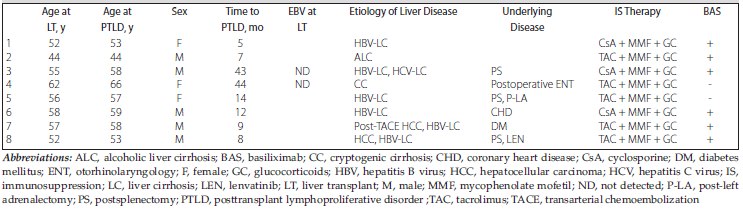
Table 1. Baseline Characteristics of Liver Transplant Recipients with Posttransplant Lymphoproliferative Disorder (N = 8)
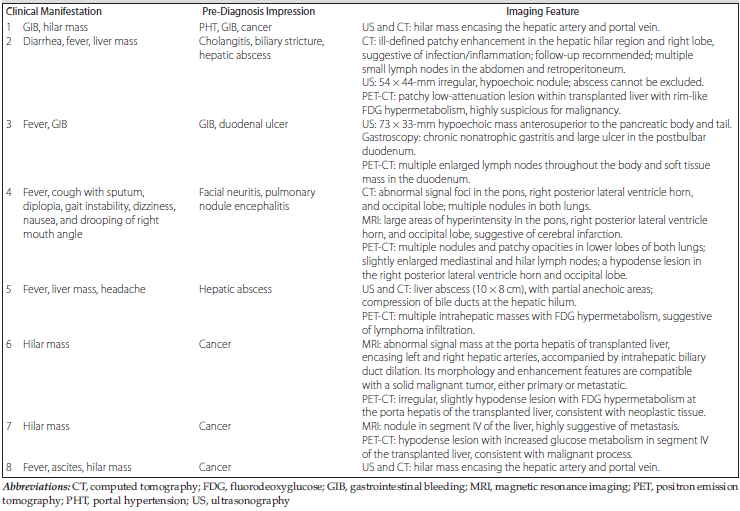
Table 2. Clinical Manifestations and Imaging Features of Liver Transplant Recipients With Posttransplant Lymphoproliferative Disorder (N = 8)
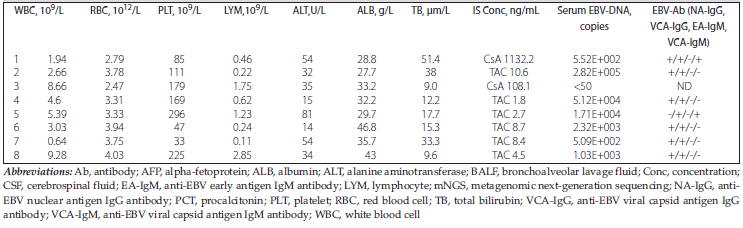
Table 3. Laboratory Data of Liver Transplant Recipients With Posttransplant Lymphoproliferative Disorder (N = 8)
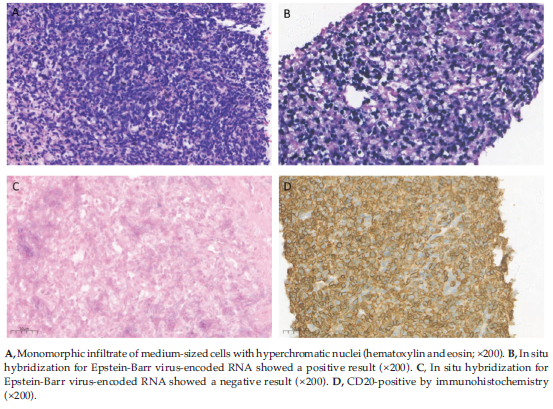
Figure 1. Histology of Posttransplant Lymphoproliferative Disorder
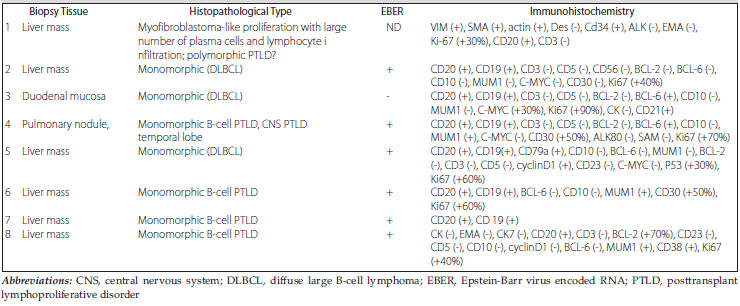
Table 4. Pathological Features of Liver Transplant Recipients With Posttransplant Lymphoproliferative Disorder (N = 8)
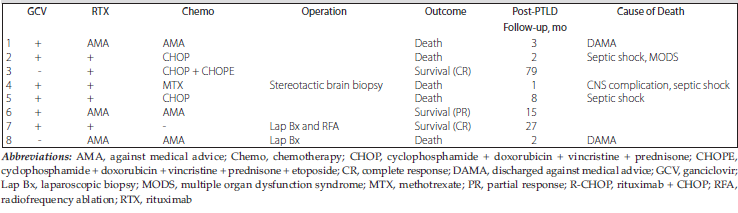
Table 5. Treatment and Prognosis of Liver Transplant Recipients With Posttransplant Lymphoproliferative Disorder (N = 8)