Volume: 23 Issue: 11 November 2025
FULL TEXT
Immune checkpoint inhibitors block inhibitory signals on T cells, enabling the immune system to fight cancer cells more effectively. Immune checkpoints such as programmed cell death protein 1/programmed cell death ligand 1 and cytotoxic T-lymphocyte-associated protein 4 normally limit the immune response, preventing excessive immune reactions. However, cancer cells can evade the immune system by using these signals. Immune checkpoint inhibitors restore T-cell activity by blocking these escape mechanisms and by directing them to destroy cancer cells. Patients undergoing solid-organ transplant must use immuno-suppressive drugs lifelong to prevent organ rejection. Immunosuppressive therapies are necessary for the protection of the transplanted organ, but a potential risk of organ rejection occurs during the use of immune checkpoint inhibitors. In this review, we examined how immune checkpoint inhibitors are used in cancer treatment for transplant patients and the challenges encountered. We examined the effects of treatment on organ rejection, clinical cases that have resulted in success or complications, and future research directions.
Key words : Cancer, Graft rejection, Immune activation
Introduction
Patients who undergo solid-organ transplants (SOTs) require lifelong use of immunosuppressive drugs to prevent the immune system from rejecting the new organ. This treatment also suppresses the immune response against cancer, increasing the risk of cancer in transplant patients. Therefore, malignancy has always been a substantial problem in transplant patients and is the second most common cause of death in these patients.1
Immune checkpoint inhibitors (ICIs) are revolu-tionary treatments that enhance the immune system and generate an effective immune response against cancer cells. Immune checkpoints are mechanisms that prevent immune cells from overreacting, but cancer cells can exploit these mechanisms to evade the immune system. Immune checkpoint inhibitors block programmed cell death protein 1 (PD-1)/programmed cell death ligand 1 (PD-L1) and cytotoxic T-lymphocyte-associated protein 4 (CTLA-4) signals on T cells, thereby disrupting this escape mechanism and allowing the immune system to target cancer cells.2,3 However, this treatment approach carries the risk of organ rejection in transplant patients, which must be balanced with immunosuppressive therapies.4 The use of ICIs can cause the rejection of the transplanted organ because they reactivate the immune system. The risk of organ rejection has been observed, especially when using PD-1/PD-L1 inhibitors.4
In 2015, nivolumab, an anti-PD-1 inhibitor, was the first to receive approval from the US Food and Drug Administration. Since then, ICIs have been incorporated into the treatment of nearly all malignancies. These therapies have greatly improved both progression-free survival and overall survival rates in patients. Notably, immune-related adverse events have been observed in a large number of patients, with some side effects leading to serious complications such as graft loss. In the management of transplant recipients, a balance must be main-tained between treatments aimed at preventing graft rejection and the side effects of ICI therapies used when necessary for cancer treatment. Therefore, understanding the mechanisms of these drugs is important.
Mechanism of Action of Immune Checkpoint Inhibitors
Programmed cell death protein 1/programmed cell death ligand 1 and ligand 2
Programmed cell death protein 1 is a transmembrane protein expressed on T cells, B cells, and natural killer (NK) cells. Programmed cell death protein 1 is an inhibitory molecule that binds to programmed cell death ligand 1 (PD-L1) and programmed cell death ligand 2 (PD-L2); PD-L1 is expressed on the surface of various tissue types, including many tumor cells as well as hematopoietic cells; however, PD-L2 is more restricted to hematopoietic cells. Programmed cell death protein 1 is recognized as a receptor exhibiting a coinhibitory function on activated T cells, B cells, dendritic cells, NK cells, and cells of the myeloid lineage.5 Programmed cell death ligand 1 serves as the primary ligand for PD-1 and can also be expressed on normal tissue cells (eg, epithelial cells).6 T lymphocytes are activated in response to tumor antigens presented by antigen-presenting cells, a process that upregulates PD-1 on the surface of T cells. This upregulation subsequently induces PD-L1 expression within tissue environments.7 The interactions between PD-1 and PD-L1 inhibit apoptosis in the cell, facilitating the conversion of effector T cells into regulatory T cells (Tregs).8 This situation serves as a brake on the functions of uncontrolled cytotoxic T cells. This immune check-point mechanism enables tumor cells to establish an immune escape pathway (Figure 1). As the expression level of PD-L1 on the tumor cell surface increases, the activation of immune escape mechanisms within tumor cells is enhanced. Consequently, the quantifiable PD-L1 level functions as a predictive biomarker for responsiveness to ICIs. The first agent to be used as a PD-1 inhibitor among ICIs is nivolumab. In addition, pembrolizumab, cemiplimab, dostarlimab, and toripalimab are also PD-1 inhibitors. Atezolizumab, durvalumab, and avelumab exert their therapeutic effects by specifically inhibiting the PD-L1 ligand, thereby preventing its interaction with the PD-1 receptor on T cells, which modulates immune escape mechanisms in tumor cells.Antigen-presenting cells present tumor-associated antigens to cytotoxic T cells through the MHC class I pathway, resulting in T-cell activation. To evade immune detection, tumor cells upregulate PD-L1 on their surface, which binds to the PD-1 receptor on T cells. This interaction suppresses T-cell activity, effectively attenuating the immune response against the tumor and enabling immune escape.
Cytotoxic T-lymphocyte-associated protein 4
Cytotoxic T-lymphocyte-associated protein 4 (CTLA-4) is an ICI that regulates and suppresses T-cell activation. It is found on the surface of CD4+ and CD8+ T lymphocytes. Cytotoxic T-lymphocyte-associated protein 4 binds to CD80 and CD86 proteins on antigen-presenting cells, exhibiting similar effects to CD28, which is found on the T-cell surface. This binding effect is greater than that of CD28. As a result of this binding, T-cell functions are suppressed.9 This condition serves as a brake on T-cell activation. In cancer treatment, CTLA-4 inhibitors (such as ipilimumab and tremelimumab) are used to block this inhibitory mechanism, aiming to reveal a stronger immune response against tumor cells.
Lymphocyte activation gene 3
Lymphocyte activation gene 3 (LAG3) molecule, another ICI, is generally expressed by B cells. In addition, LAG3 is also expressed by T lymphocytes, NK cells, and tumor-infiltrating lymphocytes.10 The LAG3 protein binds to MHC class 2, increasing Treg cell activity and inhibiting T lymphocyte activation and proliferation. Relatlimab, a LAG3 inhibitor, is particularly used in combination with nivolumab in the treatment of malignant melanoma.
Posttransplant malignancies and the use of immune checkpoint inhibitors
The risk of malignancy is increased in SOT patients compared with the general population.11 The primary underlying causes of this increased risk is the deactivation of immune control mechanisms that play a role in carcinogenesis due to the immunosup-pressive therapy used and the activation of carcinogenic infections. Posttransplant malignancies are generally seen as de novo cancers.12 Regarding posttransplant malignancies, skin cancers and lymphoproliferative diseases are commonly observed. In a study conducted by Rahatli and colleagues involving 1450 kidney and liver transplant patients, the most frequently seen malignancies were basal cell and squamous cell skin cancers (SCC). In addition, renal cell carcinoma and lymphomas have also been observed. In the same study, the median time to development of malignancy after transplant was 72.5 months, with an incidence rate of 4.2%.13 In SOT patients, malignancies such as hepatocellular carcinoma, Kaposi sarcoma, and thyroid cancers can also be observed. Medications used for immunosup-pression, such as azathioprine and cyclosporine, particularly increase the risk of developing cuta-neous malignancies, especially skin (SCC).14
The use of ICIs in SOT patients began with the administration of ipilimumab by Lipson and colleagues in 2014, in 2 renal transplant patients diagnosed with malignant melanoma.15 In SOT patients, multiple factors play a role in graft rejection after use of ICIs. The primary mechanism is cytotoxic T-cell-mediated rejection. The most important cause among these is the disruption of the PD-1/PD-L1 interaction from the use of ICIs. As a result, T cells become activated, which can lead to graft rejection. In addition, the increased release of cytokines such as interleukin 2 and interferon-gamma can enhance the immune response.16 Cytotoxic T-lymphocyte-associated protein 4 inhibition enhances the costimulation process of T cells, leading to a stronger cellular response against the transplanted organ and exerts an inhibitory effect on Treg cells. The use of ICIs can also activate B lymphocytes, potentially leading to antibody-mediated rejection.17 As a result, all autoimmune mechanisms become activated and contribute to graft rejection.
Literature Review
Existing ICI studies have excluded patients who have undergone SOT, and prospective clinical studies on the use of ICIs in SOT patients are scarce. However, numerous reviews and case series are available. The management of these cases is interpreted based on the results of these reviews. Table 1 lists the main reviews related to this topic.
In a review from Abdel-Wahab and colleagues, 39 SOT patients were administered ICIs because of various malignancies, and graft rejection was detected in 41% of the patients. The average time to rejection was 21 days. Among the patients who experienced graft rejection, 81% had graft loss. In addition, in this study, T-cell-mediated graft rejection was found in half of the patients from whom biopsies were taken.18 In a systematic review from Fisher and colleagues that examined 57 SOT recipients, graft rejection rate was 37%. Notably, a higher rate of rejection was observed in patients who underwent kidney transplant. In addition, median time between transplant and ICI use was 6 years. The leading cause of death was primarily from progression of malignancy.19 This situation makes it more important for us to give ICI treatment according to the benefit-risk ratio in selected patients.
In an analyses from Rünger and colleagues involving 144 SOT recipients, graft rejection rate in patients treated with ICIs for malignancies was 30.5%. This patient group primarily consisted of those with cutaneous cancers such as SCC and malignant melanoma. In the study, although statistically insignificant, better tumor responses were observed in patients who did not experience graft rejection during treatment. Nevertheless, in patients who received immunosuppressive therapy that included mechanistic target of rapamycin (mTOR) inhibitors such as rapamycin, both response rates and graft preservation rates were higher.20 Therefore, the preference for mTOR inhibitors as part of immunosuppressive therapy in the management of these patients may be considered. Esfahani and colleagues reported on sirolimus added to the immunosuppressive therapy of a melanoma patient who developed graft rejection and colitis under anti-PD-1 blockade. Treatment led to an improvement in graft rejection and tumor response. Interestingly, in this case, the number of Treg cells increased, along with elevated levels of IFN-gamma and CD4 T lymphocytes, which helped maintain the effectiveness of anti-PD-1 therapy.21
In a study from Murakami and colleagues, 69 renal transplant patients with most frequent diagnoses of skin SCC and melanoma in the posttransplant period were treated with ICIs, resulting in a rejection rate of 42% (29/69). Among the 29 patients who experienced rejection, 65% (19/29) had graft loss.17,18 However, the overall survival rates of patients receiving ICI therapy were reported to be higher than those who did not receive it (19.8 vs 10.6 months).22 This study was conducted exclusively on renal transplant recipients. Although graft loss rate was high, patients were able to continue their lives with renal replacement therapies and receive their ICI treatments during that time. Such treatment can provide a great contribution to overall survival specifically in cases of malignancy. In this context, particularly in renal transplant patients, administration of ICIs should be considered after detailed discussions with patients and their families, explaining the risk of graft loss. However, the situation is more challenging for patients who have undergone liver, heart, orlung transplants, as there are no replacement therapies like hemodialysis for graft loss in these organs.
In SOT patients, the type of malignancy that is mostly associated with mortality is non-small cell lung cancer. The other most common cancer to cause death is hepatocellular carcinoma.23 In these 2 malignancies, the efficacy of ICIs has been proven and ICIs are recommended as first-line treatment in standard guidelines. Therefore, particularly in kidney transplant patients, prolonging patient survival may be an option, taking into account the risk of graft loss.
The INNOVATED (Immune Checkpoint İnhibitors Outcome Solid Organ Transplant Recipients With Cancer) database is a retrospective data collection project established to evaluate the treatment outco-mes of cancer patients who have undergone SOT treated with ICIs. This database aims to gather real-world data from various centers worldwide to analyze the efficacy and safety of ICI therapy. The INNOVATED database is considered an important resource for understanding the potential benefits and risks of ICI therapy for SOT patients.
Ongoing Trials
Clinical studies are ongoing regarding the use of ICIs in SOT patients. One study is the CONTRAC trial, which is investigating the use of cemiplimab in skin SCC patients who have undergone SOT (ClinicalTrials.gov ID: NCT04339062). In addition, the efficacy and safety of a combination therapy involving tacrolimus, nivolumab, and ipilimumab are being studied in renal transplant recipients with metastatic cancer (ClinicalTrials.gov ID: NCT03816332). For liver transplant recipients, efficacy and safety of the PD-1 inhibitor JS001 are being evaluated (ClinicalTrials.gov ID: NCT03966209). The results of these trials and the above-mentioned project will guide us on ICI efficacy and side effect management in transplant recipients.
Conclusions
The use of ICIs in SOT patients remains a perplexing issue. Maintaining immune balance in these patients is challenging. As seen in case series and other studies, rejection rates in patients receiving ICIs can reach as high as 40% to 50%, and a major portion of deaths in these patients occurs as a result of graft loss. Another challenging factor in this era is the lack of sufficient prospective studies, leading to data scarcity. In addition, there is no definitive guideline that are providing conclusive results. The latest National Comprehensive Cancer Network guidelines recommend risk management for these patients and suggest a multidisciplinary approach.24 In renal transplant patients, if graft loss occurs, ICI therapy may be administered based on a benefit-risk ratio, as dialysis treatment is possible. However, in the case of other organ transplants, such as liver, heart, and lung, the loss of grafts can greatly affect a patient’s life, making the recommendation for ICI use in these patients challenging.
Management of these patients is complex and perplexing. When applying these treatments, nume-rous factors must be considered, including the patient’s age, type and stage of malignancy, tumor burden, function of the transplanted organ, and the immunosuppressive medications used. Treatment decisions should be evaluated in the multidisciplinary tumor boards, and risk-benefit ratio should be taken into consideration on a per-patient basis.
References:
- Szumilas K, Wilk A, Wisniewski P, et al. Current status regarding immunosuppressive treatment in patients after renal transplantation. Int J Mol Sci. 2023;24(12). doi:10.3390/ijms241210301
CrossRef - PubMed - Pardoll DM. The blockade of immune checkpoints in cancer immunotherapy. Nat Rev Cancer. 2012;12(4):252-264. doi:10.1038/nrc3239
CrossRef - PubMed - Ribas A, Wolchok JD. Cancer immunotherapy using checkpoint blockade. Science. 2018;359(6382):1350-1355. doi:10.1126/science.aar4060
CrossRef - PubMed - Kumar V, Shinagare AB, Rennke HG, et al. The safety and efficacy of checkpoint inhibitors in transplant recipients: a case series and systematic review of literature. Oncologist. 2020;25(6):505-514. doi:10.1634/theoncologist.2019-0659
CrossRef - PubMed - Meng L, Wu H, Wu J, et al. Mechanisms of immune checkpoint inhibitors: insights into the regulation of circular RNAS involved in cancer hallmarks. Cell Death Dis. 2024;15(1):3. doi:10.1038/s41419-023-06389-5
CrossRef - PubMed - Han Y, Liu D, Li L. PD-1/PD-L1 pathway: current researches in cancer. Am J Cancer Res. 2020;10(3):727-742.
CrossRef - PubMed - Prete A, Salvatori R. Hypophysitis. https://www.ncbi.nlm.nih.gov/books/NBK519842/. In: Feingold KR, Anawalt B, Blackman MR, eds. Endotext. MDText.com, Inc; 2021.
CrossRef - PubMed - Amarnath S, Mangus CW, Wang JC, et al. The PDL1-PD1 axis converts human TH1 cells into regulatory T cells. Sci Transl Med. 2011;3(111):111ra120. doi:10.1126/scitranslmed.3003130
CrossRef - PubMed - Walker LS, Sansom DM. The emerging role of CTLA4 as a cell-extrinsic regulator of T cell responses. Nat Rev Immunol. 2011;11(12):852-863. doi:10.1038/nri3108
CrossRef - PubMed - Kisielow M, Kisielow J, Capoferri-Sollami G, Karjalainen K. Expression of lymphocyte activation gene 3 (LAG-3) on B cells is induced by T cells. Eur J Immunol. 2005;35(7):2081-2088. doi:10.1002/eji.200526090
CrossRef - PubMed - Chapman JR, Webster AC, Wong G. Cancer in the transplant recipient. Cold Spring Harb Perspect Med. 2013;3(7). doi:10.1101/cshperspect.a015677
CrossRef - PubMed - Eccher A, Girolami I, Marletta S, et al. Donor-transmitted cancers in transplanted livers: analysis of clinical outcomes. Liver Transpl. 2021;27(1):55-66. doi:10.1002/lt.25858
CrossRef - PubMed - Rahatli S, Altundag O, Ayvazoglu Soy E, Moray G, Haberal M. Posttransplant malignancies in adult renal and hepatic transplant patients. Exp Clin Transplant. 2020;18(4):470-473. doi:10.6002/ect.2018.0177
CrossRef - PubMed - Naldi L, Venturuzzo A, Invernizzi P. Dermatological complications after solid organ transplantation. Clin Rev Allergy Immunol. 2018;54(1):185-212. doi:10.1007/s12016-017-8657-9
CrossRef - PubMed - Lipson EJ, Bodell MA, Kraus ES, Sharfman WH. Successful administration of ipilimumab to two kidney transplantation patients with metastatic melanoma. J Clin Oncol. 2014;32(19):e69-71. doi:10.1200/JCO.2013.49.2314
CrossRef - PubMed - Kawashima S, Joachim K, Abdelrahim M, Abudayyeh A, Jhaveri KD, Murakami N. Immune checkpoint inhibitors for solid organ transplant recipients: clinical updates. Korean J Transplant. 2022;36(2):82-98. doi:10.4285/kjt.22.0013
CrossRef - PubMed - Sobhani N, Tardiel-Cyril DR, Davtyan A, Generali D, Roudi R, Li Y. CTLA-4 in regulatory T cells for cancer immunotherapy. Cancers (Basel). 2021;13(6). doi:10.3390/cancers13061440
CrossRef - PubMed - Abdel-Wahab N, Safa H, Abudayyeh A, et al. Checkpoint inhibitor therapy for cancer in solid organ transplantation recipients: an institutional experience and a systematic review of the literature. J Immunother Cancer. 2019;7(1):106. doi:10.1186/s40425-019-0585-1
CrossRef - PubMed - Fisher J, Zeitouni N, Fan W, Samie FH. Immune checkpoint inhibitor therapy in solid organ transplant recipients: a patient-centered systematic review. J Am Acad Dermatol. 2020;82(6):1490-1500. doi:10.1016/j.jaad.2019.07.005
CrossRef - PubMed - Runger A, Schadendorf D, Hauschild A, Gebhardt C. Immune checkpoint blockade for organ-transplant recipients with cancer: a review. Eur J Cancer. 2022;175:326-335. doi:10.1016/j.ejca.2022.08.010
CrossRef - PubMed - Esfahani K, Al-Aubodah TA, Thebault P, et al. Targeting the mTOR pathway uncouples the efficacy and toxicity of PD-1 blockade in renal transplantation. Nat Commun. 2019;10(1):4712. doi:10.1038/s41467-019-12628-1
CrossRef - PubMed - Murakami N, Mulvaney P, Danesh M, et al. A multi-center study on safety and efficacy of immune checkpoint inhibitors in cancer patients with kidney transplant. Kidney Int. 2021;100(1):196-205. doi:10.1016/j.kint.2020.12.015
CrossRef - PubMed - Acuna SA, Fernandes KA, Daly C, et al. Cancer mortality among recipients of solid-organ transplantation in Ontario, Canada. JAMA Oncol. 2016;2(4):463-469. doi:10.1001/jamaoncol.2015.5137
CrossRef - PubMed - National Comprehensive Cancer Network. NCCN Guidelines: management of immunotherapy-related toxicities. 2024. https://www.nccn.org/guidelines/guidelines-detail?category=3&id=1486.
CrossRef - PubMed - d’Izarny-Gargas T, Durrbach A, Zaidan M. Efficacy and tolerance of immune checkpoint inhibitors in transplant patients with cancer: a systematic review. Am J Transplant. 2020;20(9):2457-2465. doi:10.1111/ajt.15811
CrossRef - PubMed - Xie M, Dang ZP, Sun XG, et al. An analysis report on the application of immune checkpoint inhibitors after liver transplantation. Ther Adv Chronic Dis. 2022;13:20406223221099334. doi:10.1177/20406223221099334
CrossRef - PubMed - Miao K, Zhang L. Application of immune checkpoint inhibitors in solid organ transplantation recipients: a systematic review. Interdiscip Sci. 2021;13(4):801-814. doi:10.1007/s12539-021-00437-4
CrossRef - PubMed - Kumar V, Shinagare AB, Rennke HG, et al. The safety and efficacy of checkpoint inhibitors in transplant recipients: a case series and systematic review of literature. Oncologist. 2020;25(6):505-514. doi:10.1634/theoncologist.2019-0659
CrossRef - PubMed - Munker S, De Toni EN. Use of checkpoint inhibitors in liver transplant recipients. United European Gastroenterol J. 2018;6(7):970-973. doi:10.1177/2050640618774631
CrossRef - PubMed - Remon J, Auclin E, Zubiri L, et al. Immune checkpoint blockers in solid organ transplant recipients and cancer: the INNOVATED cohort. ESMO Open. 2024;9(5):103004. doi:10.1016/j.esmoop.2024.103004
CrossRef - PubMed

Volume : 23
Issue : 11
Pages : 757 - 762
DOI : 10.6002/ect.2024.0265
From the Department Of Medical Oncology, Baskent University Ankara Hospital, Ankara, Türkiye
Acknowledgements: The authors have not received any funding or grants in support of the presented research or for the preparation of this work and have no declarations of potential conflicts of interest.
Corresponding author: Efe Hasdemir, Department Of Medical Oncology, Baskent University Ankara Hospital, Ankara, Türkiye
Phone: +90 312 203 6868 E-mail: hasdemir52@gmail.com
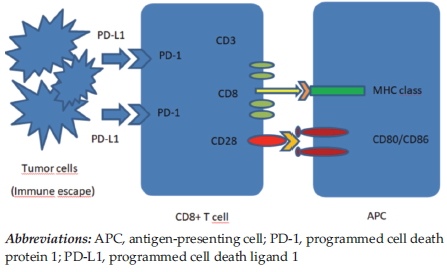
Figure 1. Immune Escape Mechanism of Tumor Cells Through the Programmed Cell Death Protein 1/Programmed Cell Death Ligand 1 Pathway
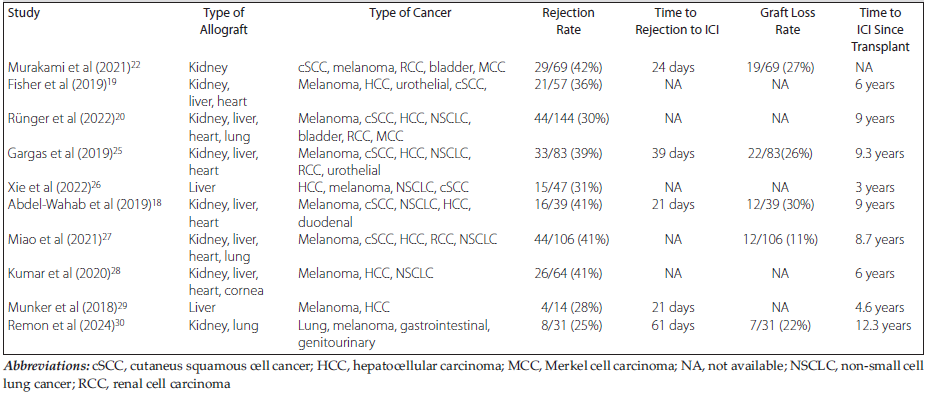
Table 1. Analysis of Solid-Organ Transplant Patients Using Immune Checkpoint Inhibitors: Review Series