Volume: 23 Issue: 10 October 2025
FULL TEXT
Thyroid dysfunction is a well-recognized complication following hematopoietic stem cell transplant, com-monly manifested as nonimmune hypothyroidism secondary to chemotherapy and total body irradiation. Autoimmune thyroid diseases, including Graves disease and Hashimoto thyroiditis, are uncommon. Sequential development of hypothyroidism and hyperthyroidism after hematopoietic stem cell transplant is extremely rare and has only been reported in isolated case reports. We present 2 pediatric cases of this transition and explore the possible pathophysiological mechanisms and implications for long-term endocrine surveillance in hematopoietic stem cell transplant survivors.
Key words : Autoimmune, Endocrine complications, Late effects
Introduction
Thyroid dysfunction is a well-recognized complication following hematopoietic stem cell transplant (HSCT), commonly manifested as nonimmune hypothyroidism secondary to chemotherapy and total body irradiation (TBI).1 Autoimmune thyroid diseases (AITDs), inclu-ding Graves disease and Hashimoto thyroiditis, are uncommon. Sequential development of hypothy-roidism and hyperthyroidism after HSCT is extremely rare and has only been reported in isolated case reports.2-4 Here, we present 2 pediatric cases of this transition and explore the possible pathophysiological mechanisms and implications for long-term endocrine surveillance in HSCT survivors.
Case Report
Case 1
A 15-year-old female patient was diagnosed with malignant peripheral nerve sheath tumor of the right sciatic nerve at 29 months old. She underwent wide local excision, chemotherapy with ifosfamide and doxorubicin per the ARST0332 protocol,5 and local radiotherapy with total dose of 55.8 Gy to the right gluteal region, and remission was achieved.
At age of 5 years, she developed therapy-related myelodysplastic syndrome and underwent a 5/6 and 4/6 human leukocyte antigen (HLA)-matched double-unit cord blood transplant (DCBT), conditioned with cyclophosphamide 120 mg/kg, intravenous busulfan 12.8 mg/kg, antithymocyte globulin (ATG) 7.5 mg/kg, and melphalan 140 mg/m2. Neither cranial radio-therapy (CRT) nor TBI was administered. Graft-versus-host disease (GVHD) prophylaxis consisted of cyclosporin A and mycophenolate mofetil. After DCBT, she experienced acute stage I skin GVHD and stage II gastrointestinal GVHD (overall grade II acute GVHD), which resolved with intravenous methylprednisolone and oral budesonide. Later, she developed chronic pulmonary GVHD, which was treated with inhaled corticosteroid, azithromycin, and montelukast. All immunosuppressants were stopped 6 years after DCBT with lung function normalized.
At 7 years old (18 months after DCBT), she exhibited growth failure with height declining from the 75th to 90th percentile to the 3rd percentile. Routine thyroid function tests (TFTs) at 33 months after transplant revealed elevated levels of thyroid-stimulating hormone (TSH) at 57.3 mIU/L (reference range, 0.27-4.2 mIU/L) and reduced levels of free thyroxine (fT4) at 6.5 pmol/L (reference range, 13-21 pmol/L). Primary hypothyroidism was presu-med secondary to busulfan. Levothyroxine was initiated with TFTs normalized. At 10 years old (54 months after DCBT), follow-up TFTs revealed elevated fT4 at 24 pmol/L with suppressed TSH at 0.24 mIU/L, which prompted dose reduction. By 11 years old (5 years after DCBT), TFTs demonstrated persistently suppressed TSH <0.01 mIU/L and elevated fT4 at 78.5 pmol/L despite discontinuation of levothyroxine.
The patient developed thyrotoxic symptoms, including diarrhea, nightmares, and palpitations. Thyroid autoantibodies were markedly elevated, including TSH receptor antibody (TRAb) at 7.5 IU/L (reference range, <1 IU/L), anti-thyroglobulin (anti-TG) >1000 U (reference range, <101 U), and anti-thyroid peroxidase antibodies (anti-TPO) at 336.1 U (reference range, <101 U). Graves disease was established, and carbimazole was initiated. Thyroid ultrasonography was compatible with thyroid parenchymal disease. She achieved euthyroid status with undetectable TRAb levels 3 years later. Carbimazole was discontinued at 14 years old. She has remained euthyroid at the most recent follow-up, at 16 years old (Figure 1).
Case 2
A 10-year-old boy had been diagnosed with infant pre-B acute lymphoblastic leukemia at 9 months old. He had received chemotherapy per Interfant-06 protocol6 but developed testicular relapse 16 months later. He had undergone salvage chemotherapy (HKPHOSG Relapsed ALL 2007 low risk protocol),7 testicular radiotherapy (24 Gy), followed by a 5/6 HLA-matched unrelated umbilical cord blood transplant at 28 months, conditioned with fluda-rabine 150 mg/m2, thiotepa 10 mg/kg, busulfan, and ATG, without CRT or TBI. The GVHD prophylaxis included cyclosporin A and mycophenolate mofetil. He developed acute grade I skin GVHD and chronic liver GVHD, and both resolved with systemic steroids. Complete remission with persistent full donor chimerism (100%) and molecular remission with undetectable minimal residual disease were achieved.
Serial post-HSCT TFTs were initially normal. At 6 years old (44 months after HSCT), he had presented with growth faltering and lethargy, and primary hypothyroidism was diagnosed with markedly elevated TSH 334 mIU/L with low fT4 <1.3 pmol/L. Thyroid autoantibodies were significantly elevated, with anti-TG, anti-TPO >1000 U, and TRAb >40 IU/L. Levothyroxine was initiated and titrated to 100 μ g per day. Thyroid ultrasonography revealed no focal abnormalities. The TFTs had remained stable until he was 8 years old (69 months after transplant), and follow-up TFTs demonstrated elevated fT4 at 29 pmol/L with suppressed TSH. The patient showed poor weight gain, irritability, tachycardia, and poor temper control. Levothyroxine was discontinued; however, fT4 continued to rise to 66 pmol/L, and TSH was suppressed to <0.01 mIU/L. Thyroid antibody testing revealed elevated TRAb 38.4 IU/L, anti-TG 735.5 U, and anti-TPO >1000 U, which confirmed Graves disease. Carbimazole 7.5 mg daily was started at 9 years old (80 months after HSCT), with symptomatic improvement. His TFTs at 9 years old have remained stable (Table 1, Figure 2).
Discussion
Thyroid dysfunction is a well-recognized complica-tion in pediatric patients following HSCT. The overall reported incidence ranges from 10% to 40%, with reports up to 73%,8 and this incidence also increases with time. These thyroid complications include hypothyroidism,8 AITD,2 and thyroid cancers.11 Nonimmune hypothyroidism is the most common entity, which primarily results from direct thyroid injury from conditioning chemotherapy, notably busulfan,9 or from irradiation to the thyroid or pituitary gland, which compromises the hypothalamic-pituitary-thyroid axis.
Reports of post-HSCT AITD are far less common. In the largest cohort of post-HSCT AITD to date, Au and colleagues have reported a 5-year AITD accrual rate of 2.9% in allogenic HSCT recipients, compared with 2% to 4% lifetime risk in the general population.2 Among pediatric recipients, a 20-year follow-up study reported AITD in 5.3% of cases.9
Two main mechanisms have been proposed. Adoptive immunity is a more well-defined entity. After successful donor engraftment, recipients may acquire donor immunity,10 including autoimmune diseases, through transferal of autoreactive lym-phocyte clones. However, in most post-HSCT AITD cases, the donors have no known thyroid diseases.2 It is believed that the autoreactive clones, which were indolent in the donor, have become active because of immune dysregulation. Peripheral expansion of donor-derived T cells in the host occurs during reconstitution of the adaptive immune system. Immune dysregulation in this process can lead to activation of the antibodies that were previously indolent in the donor, resulting in chronic GVHD and AITD in the recipient.10
Chronic GVHD presents with features resembling autoimmune disorders. Although diagnoses of chronic GVHD in skin, liver, and lungs are well-established observations involving clinical, laboratory, and/or biopsy requirements, thyroid involvement is less well-defined. Only limited histopathologic data exist, but 1 case report has revealed thyroid follicular destruction and infiltrations of CD20+ B lymphocytes and CD4+ and CD3 T lymphocytes, consistent with GVHD.11 Chronic GVHD is a state of T helper type 2 cytokine immune dysregulation affecting multiple organs.
Both of our patients had history of chronic GVHD; thus thyroid involvement stands as a plausible explanation, especially because both recipients had neither personal nor family history of thyroid diseases. Because both patients responded to carbimazole, thyroid biopsy was not performed to ascertain the presence of GVHD. Inherent genetic susceptibility, the effect of conditioning regimens, and, most importantly, GVHD mediated by donor lymphocytes are thought to trigger AITD. This assertion is supported by the markedly higher incidence compared with the baseline population risk, the rarity of AITD in patients who receive chemotherapy or radiotherapy alone, and the strong association with female donor lymphocytes but lack of association with recipient sex.2 These elements indicate a pathogenic contribution of the infused lymphoid cells.
The change of hypothyroidism to hyperthyroidism after HSCT is extremely rare, with only 3 published cases.2-4 Table 2 shows the comparison between our 2 cases and the 3 previously reported cases. However, autoantibody titers were not mentioned in any of these cases.
Therefore, our second case is the first pediatric patient reported to have immune-mediated hypothy-roidism followed by hyperthyroidism. In our first case, the hypothyroidism state was assumed to be chemotherapy-induced, so we did not perform autoantibody measurements. The lack of antibody assessment during the hypothyroid phase remains a limitation for clarification of the underlying immune-mediated etiology. Nonetheless, busulfan is not known to cause hyperthyroidism, suggesting both phases may still be immune-mediated conditions.
For our second patient, it is surprising that the TRAb level was very high at the diagnosis of hypothy-roidism. Although TRAb is typically associated with hyperthyroidism,12 2 functionally distinct types exist: thyroid-stimulating antibodies, which activate the thyrotropin receptor and are the direct cause of Graves disease, and the much less common thyroid-blocking antibodies, which act as competitive inhibitors of TSH binding and lead to hypothyroidism.12 This phenomenon accounts for the oscillating hypothyroidism and hyperthyroidism.13 The clinical status of the patient with thyrotropin receptor autoantibodies is affected by the algebraic sum of thyroid-stimulating antibodies and thyroid-blocking antibodies of varying concentrations and affinity at a particular time point.13 Immune dysregulation during immune reconstitution of adaptive immune system could account for the appearance of indolent antibodies of competitive nature that led to this interesting phenomenon in our patients.
Conclusions
Thyroid dysfunction is a well-recognized complica-tion of HSCT, but sequential hypothyroidism followed by hyperthyroidism is exceedingly rare. Our 2 pediatric cases illustrate this unusual pattern of post-HSCT thyroid dysfunction, which suggests a potential role for immune dysregulation, donor lymphocyte involvement, and immune reconstitution in its pathogenesis. The presently established guideline only recommends annual clinical review for thyroid symptoms and bioc-hemical assessment with TFTs in survivors with any history of TBI or CRT.14 These findings highlight the need for vigilant long-term endocrine monitoring in HSCT survivors even without irradiation, with careful evaluation for AITD, given its potential to fluctuate between hypothyroidism and hyperthy-roidism. Further studies are required to elucidate the mechanisms that underlie this phenomenon and to refine screening and management strategies in this unique population.
References:
- Orio F, Muscogiuri G, Palomba S, et al. Endocrinopathies after allogeneic and autologous transplantation of hematopoietic stem cells. ScientificWorldJournal. 2014;2014:282147. doi:10.1155/2014/282147
CrossRef - PubMed - Au WY, Lie AK, Kung AW, Liang R, Hawkins BR, Kwong YL. Autoimmune thyroid dysfunction after hematopoietic stem cell transplantation. Bone Marrow Transplant. 2005;35(4):383-388. doi:10.1038/sj.bmt.1704766
CrossRef - PubMed - Ishiguro H, Yasuda Y, Tomita Y, et al. Long-term follow-up of thyroid function in patients who received bone marrow transplantation during childhood and adolescence. J Clin Endocrinol Metab. 2004;89(12):5981-5986. doi:10.1210/jc.2004-0836
CrossRef - PubMed - Pieri K, Turner HE, May CJH. Graves’ disease following bone marrow transplantation: a challenging condition to manage. Endocrine Abstracts. 2025. doi:10.1530/endoabs.109.P87
CrossRef - PubMed:
- Spunt SL, Million L, Chi YY, et al. A risk-based treatment strategy for non-rhabdomyosarcoma soft-tissue sarcomas in patients younger than 30 years (ARST0332): a Children’s Oncology Group prospective study. Lancet Oncol. 2020;21(1):145-161. doi:10.1016/S1470-2045(19)30672-2
CrossRef - PubMed - Pieters R, De Lorenzo P, Ancliffe P, et al. Outcome of infants younger than 1 year with acute lymphoblastic leukemia treated with the Interfant-06 Protocol: results from an international phase III randomized study. J Clin Oncol. 2019;37(25):2246-2256. doi:10.1200/JCO.19.00261
CrossRef - PubMed - Cheng FW, Lam GK, Cheuk DK, et al; On Behalf of the Hong Kong Paediatric Haematology and Oncology Study Group. Overview of treatment of childhood acute lymphoblastic leukaemia in Hong Kong. HK J Paediatr (new series). 2019;24:184-191.
CrossRef:
PubMed:
- Dvorak CC, Gracia CR, Sanders JE, et al. NCI, NHLBI/PBMTC First International Conference on Late Effects After Pediatric Hematopoietic Cell Transplantation: endocrine challenges-thyroid dysfunction, growth impairment, bone health, & reproductive risks. Biol Blood Marrow Transplant. 2011;17(12):1725-1738. doi:10.1016/j.bbmt.2011.10.006
CrossRef - PubMed - Cattoni A, Molinari S, Riva B, et al. Thyroid function disorders and secondary cancer following haematopoietic stem cell transplantation in pediatrics: state of the art and practical recommendations for a risk-based follow-up. Front Endocrinol (Lausanne). 2022;13:1064146. doi:10.3389/fendo.2022.1064146
CrossRef - PubMed - Weetman A. Immune reconstitution syndrome and the thyroid. Best Pract Res Clin Endocrinol Metab. 2009;23(6):693-702. doi:10.1016/j.beem.2009.07.003
CrossRef - PubMed - Huang F, Liao N, Guan Y, et al. Graft-vs-host disease-induced hyperthyroidism in a recipient of allogeneic hematopoietic stem cell transplantation: a case report. Transplant Proc. 2020;52(9):2854-2857. doi:10.1016/j.transproceed.2020.06.021
CrossRef - PubMed - Morshed SA, Davies TF. Graves’ disease mechanisms: the role of stimulating, blocking, and cleavage region TSH receptor antibodies. Horm Metab Res. 2015;47(10):727-734. doi:10.1055/s-0035-1559633
CrossRef - PubMed - Melki G, Komal F, Laham L, et al. Oscillating hypothyroidism and hyperthyroidism: a rare autoimmune syndrome. J Endocrinol Metab. 2019;9(3):77-78. doi:10.14740/jem583
CrossRef - PubMed: - Chow EJ, Anderson L, Baker KS, et al. Late effects surveillance recommendations among survivors of childhood hematopoietic cell transplantation: a Children’s Oncology Group Report. Biol Blood Marrow Transplant. 2016;22(5):782-795. doi:10.1016/j.bbmt.2016.01.023
CrossRef - PubMed

Volume : 23
Issue : 10
Pages : 680 - 685
DOI : 10.6002/ect.2025.0189
From the 1Department of Paediatrics and Adolescent Medicine, Alice Ho Miu Ling Nethersole Hospital; the 2Department of Paediatrics and Adolescent Medicine, Hong Kong Children’s Hospital; and the 3Haematopoietic Stem Cell Transplantation and Cellular Therapy Centre, Department of Pediatrics and Adolescent Medicine, Hong Kong Children’s Hospital, Hong Kong Special Administrative Region, China
Acknowledgements: The authors have not received any funding or grants in support of the presented research or for the preparation of this work and have no declarations of potential conflicts of interest.
Corresponding author: Gloria Shir-wey Pang, Hong Kong Children’s Hospital, 1 Shing Cheong Rd, Kowloon Bay, Hong Kong Special Administrative Region, China
Phone: +852 35 13 38 88
E-mail:psw377@ha.org.hk
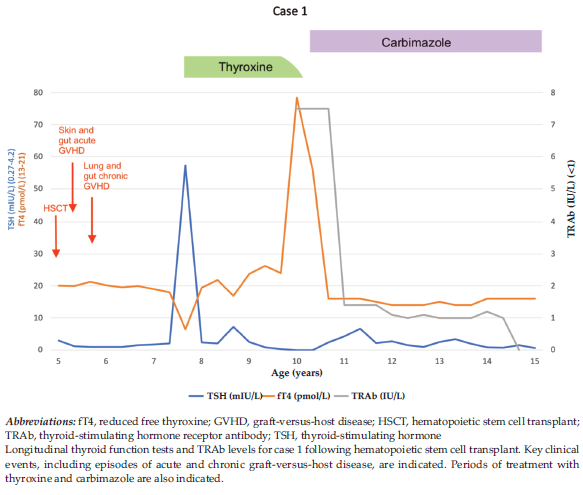
Figure 1. Trends in Thyroid Function Tests in Case 1 Following Hematopoietic Stem Cell Transplant
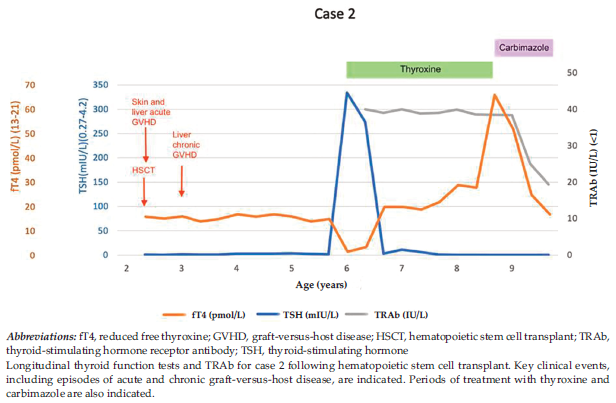
Figure 2. Trends in Thyroid Function Tests in Case 2 Following Hematopoietic Stem Cell Transplant
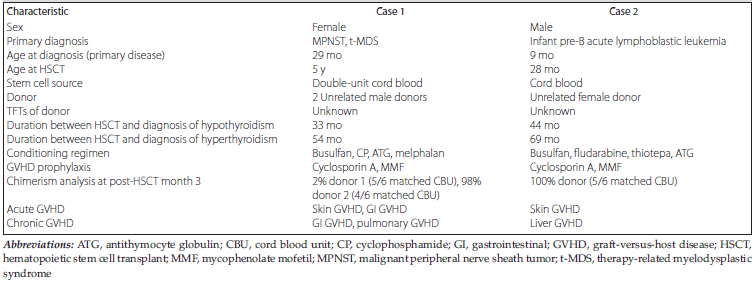
Table 1. Clinical Features of Our 2 Cases
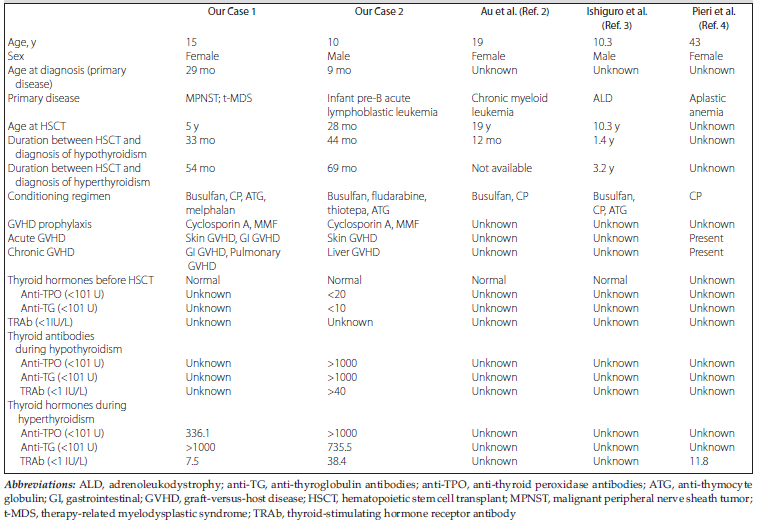
Table 2. Comparison Between Our Cases and Previously Reported Cases