Volume: 23 Issue: 10 October 2025
FULL TEXT
Myeloid-Derived Suppressor Cells for Achieving Transplant Tolerance: Preclinical Testing of CD84+/MerTK+ Myeloid-Derived Suppressor Cells to Control Alloreactivity
Objectives: Myeloid-derived suppressor cells are a naturally occurring, heterogenous group of regulatory cells that are expanded in times of inflammation and can control anti-donor T-cell responses. We sought to clarify which of these heterogenous phenotypes control anti-donor responses and whether CD84 and MerTK may better define a subset of these cells that may best control anti-donor T-cell responses for the purposes of transplantation.
Materials and Methods: We used T-cell proliferation and co-culture assays to assess function of myeloid-derived suppressor cells across a complete major histocompatibility complex mismatch. We used flow cytometry to assess phenotypes of these cells and CD4 T cells.
Results: Granulocyte colony-stimulating factor-expanded myeloid-derived suppressor cells expressed CD84 and MerTK. Among these cells, 9% to 20% were CD84+/MerTK+. MerTK knockout of these cells showed 75% reduction in suppression of T-cell proliferation in co-culture assays versus wild-type cells. Likewise, myeloid-derived suppressor cells from CD84 knockout animals also demonstrated a 70% reduction in suppression of T-cell proliferation. CD84 expression was nearly eliminated (99%) in MerTK knockout animals. To model simultaneous elimination of CD84 and MerTK, we used anti-CD84 blocking antibody in wild-type and MerTK knockout cells. Blocking CD84 among MerTK knockout cells eliminated suppression of T-cell proliferation. In purified CD84+/MerTK+ myeloid-derived suppressor cells, complete elimina-tion of T-cell proliferation was observed.
Conclusions: CD84+ and MerTK+ appear to be required for the suppression of T cells in co-culture assays. Because granulocyte colony-stimulating factor-expanded myeloid-derived suppressor cells were shown in the same model to induce tolerance, CD84+/MerTK+ cells may represent a so-called “ideal” myeloid-derived suppressor cell for tolerance or immunosuppression minimization. Thoughtful opera-tional strategies may allow successful clinical protocols that exploit the suppressive nature of CD84+/MerTK+ myeloid-derived suppressor cells. Future work with human cell lines and clinical studies is required to better understand the role of this important cell type in transplant patients.
Key words : Immunosuppression, T-cell proliferation
Introduction
Transplantation tolerance would reduce the morbi-dity and complexities of conventional pharmacologic immunosuppression.1,2 Our group has previously shown that adoptive transfers of largely undifferen-tiated myeloid-derived suppressor cells (MDSCs)
led to tolerance and that the stimuli for MDSC development was an important indicator for MDSC potency.3-5 Indeed, MDSCs that originate in the bone marrow are generated from downstream immature myeloid cells under conditions of acute inflam-mation. Notably, the type of inflammation to which the MDSCs are exposed informs the MDSC potency.4,6
In our prior reports, we described our observation that MDSCs expanded by granulocyte colony-stimulating factor (GCSF) were more effective for controlling T-cell responses in vitro and in vivo to heterotopic heart transplants, compared with MDSCs expanded by tumors.3-5 Interestingly, we found that transplant alone also stimulates the expansion of MDSCs. These MDSCs, however, were also less effective for controlling anti-donor T-cell responses than GCSF-expanded MDSCs. What was unclear from these initial studies was which specific MDSC population was required for transplant tolerance induction. Indeed, the heterogeneity of the MDSC population has impeded our understanding of the “ideal” MDSCs required for the purposes of controlling alloreactivity.
In phenotypic analyses, we (and others) have found that GCSF-expanded MDSCs expressed CD84.7,8 For T-cell regulation, CD84+ MDSCs have been shown to be more potent than CD84- MDSCs.7 CD84 is a membrane glycoprotein and a member of the signaling lymphocyte activation molecule family (ie, SLAM).9 CD84 is an adhesion molecule expressed on multiple immune cells, a biomarker in malignancies, and a regulator of interactions between T cells and B cells, as well as T-cell cytokine secretion.10 The CD84+ MDSCs exhibit T-cell suppressive capacity and increased reactive oxygen species production.8
MerTK is a receptor tyrosine kinase that regulates cell survival, migration, and differentiation as well as efferocytosis.11-13 MerTK is among the TAM family (Tyro-3, Axl, and Mer) of tyrosine kinases and is expressed on antigen-presenting cells (APC) that contribute to inhibition of inflammatory responses.14 MerTK is expressed on MDSCs and controls T-cell activation and thus may be of benefit in a transplant model. Myeloid-derived suppressor cells expressing MerTK show reduced ischemia-reperfusion injury after lung transplant.15 Further, in a model of allogeneic tolerance using apoptotic splenocytes, MerTK was required for expansion of MDSCs and for suppression of proinflammatory cytokines inclu-ding interferon-α. Conversely, MerTK deficiency resulted in tolerance failure.16
Here, we hypothesized that GCSF-expanded MDSCs that express both CD84 and MerTK may be more effective than CD84-/MerTK- MDSCs, and if so, we could then study potential synergies between the two. In this regard, we used an in vitro model of T-cell suppression to determine how CD84 and MerTK contribute to MDSC function. We found that absence of CD84 and MerTK eliminates T-cell sup-pression among GCSF-expanded MDSCs. We found that CD84+/MerTK+ MDCSs represent appro-ximately 9% to 20% of GCSF-expanded MDSCs and may be responsible for (or at least contribute to) the effects of tolerance observed in our heterotopic heart transplant model.
Based on these results, naturally occurring CD84+/MerTK+ MDSCs may be augmented to suppress anti-donor T-cell responses in transplant recipients. This is important because it could be pos-sible to generate large populations of CD84+/MerTK+ MDSCs for the purposes of induction transplant tolerance in preclinical studies. Better characterization of the ideal MDSC may allow innovations such as off-the-shelf treatments for tolerance inducing or immunosuppressive optimization.
Materials and Methods
Mice
Male and female wild-type (WT) and C57BL/6J and BALB/c mice (6-8 weeks old) were purchased from Jackson Laboratory. Dr. Yuan Zhai (Medical University of South Carolina) generously provided the MerTK knockout (KO, ie, MerTK-/-) mice on C57BL/6J background, and a breeding colony was established.17 Dr. Idit Shacha of the Weizmann Institute of Science, Israel, gifted the CD84 KO (CD84-/-) mice to our group. We housed mice in pathogen-free facilities; mice were fed standard laboratory food and given tap water ad libitum with a light-dark cycle of 12 hours. Animal studies were approved by the Institutional Animal Care and Use Committee at Medical University of South Carolina (Charleston, SC).
Administration of granulocyte colony-stimulating factor and isolation of CD4+ T cells and myeloid-derived suppressor cells
The C57BL/6J or BALB/c or MerTK KO or CD84 KO mice were intraperitoneally injected with 200 ng of GCSF daily for 4 days, and spleens or bone merrow were excised the next day after the last dose.4 Splenic and bone marrow T cells were isolated and purified using the EasySep mouse CD4+ T-cell isolation kit or mouse T-cell isolation kit; purity ranged from 95% to 99% and was determined by flow cytometry. The MDSCs were isolated using the EasySep mouse MDSC (CD11b+/Gr1+) isolation kit (Stemcell Technologies); purity ranged from 98% to 99%.18
Antibodies and reagents
CellTrace Violet (CTV) Cell Proliferation Kit, CellTrace CFSE Cell Proliferation Kit, anti-mCD3 (17A2), and anti-mCD28 (37.51) were used for cell proliferation assays. Anti-mCD25 phycoerythrin (PE)/cyanine (Cy) 7 (PC61.5), anti-mF4/80 peridinin chlorophyll protein (PerCP)/Cy5.5 (BM8), anti-mCD8a PE (53-6.7), anti-mCD8a Alexa Fluor (AF) 700 (53-67), and anti-mCD4 PE/Cy5 (RM-4-5) were purchased from Invitrogen (Thermo Fisher Scientific). Anti-mCD3E (KT3) and anti-mCD28 (37.51) were purchased from Bio X Cell. Anti-mCD16/CD32 (2.4G2), anti-mCD11b PE (M1/70), anti-mCD45 fluorescein isothiocyanate (FITC) (30-F11), anti-mLy-6G and Ly-6c PerCP/Cy5.5 (2.4G2), anti-mLy-6G/Ly-6C (Gr-1) Pacific Blue (RB6-8C5), and anti-mCD4 APC (RM4-5) were purchased from BD Pharmingen. Anti-mLy6G APC/Cy7 (1A8), anti-mLy6C PerCP (HK 1.4), anti-mCD192 (CCR2) PE (SA203G11), anti-mRAE-1y AF647 (CX1), purified anti-mCD84 antibody (mCD84.7), anti-mCD84 PE (mCD84.7), anti-mCD4 FITC (RM4-5), anti-mCD4 PE/Cy5 (RM4-5), anti-mCD11b FITC (M1/70), anti-mCD274 (PD-L1) PerCP/Cy5.5 (0F.9G2), anti-mCD45R/B220 AF700 (RA3-6B2), anti-mCD182(CXCR2) APC (SA044G4), anti-mCD182(CXCR2) APC (SA044G4), anti-mouse MerTK (mer) APC (2B10C42), anti-MerTK PE (2B10C42), and recombinant mG-CSF were purchased from BioLegend (108928); anti-mSTAT3 AF594 (232209), anti-mTGF-β1,2,3 APC (1D11), anti-mCD115 APC (460615), and recombinant granulocyte macrophage colony-stimulating factor were purchased from R&D Systems. CB-1158 hydrochloride was from Chemietek, and 1400W dihydrochloride was from APExBIO Technology.
Analysis of flow cytometry
We treated single-cell suspensions from mouse spleen and bone marrow with the anti-mouse CD16/32 (clone 2.4G2, BD Pharmingen) to block FcRIII/II receptors for 10 minutes and then stained with antibodies according to the recommended assay procedure; we then washed suspensions 2 times in flow cytometry staining buffer (eBioscience). We analyzed samples with a flow cytometer (LSRFortessa; BD Biosciences) and analyzed data with flow cytometry data analysis software (FlowJo; Tree Star).
In vitro myeloid-derived suppressor cells suppression assay
We used suppression assays similar to those used in our prior work.3,4 The CD4+ T cells were isolated from the spleens of the C57BL/6 or BALB/c mice using a CD4 T-cell isolation kit according to the manufacturer’s procedures. Enriched CD4+ T cells were labeled with 5 µmol/L CTV in 1 mL of phosphate-buffered saline for 15 minutes at 37 °C in a 5% CO2 incubator. After we added an excess of fetal calf serum (4 mL) to halt the labeling, we washed samples twice with phosphate-buffered saline or RPMI 1640 (Gibco, Life Technologies). The CTV-labeled cells were cultured in an anti-CD3 antibody (OKT3, 5 µg/mL; Invitrogen or Bio X Cell)-coated 96-well plate in the presence/absence of Gr-1+ MDSCs obtained from the spleen and bone merrow of WT naive controls at different ratios in the complete T-cell culture medium supplemented with anti-CD28 (37.51, 2 µg/mL; Invitrogen or Bio X Cell). A total of 1 × 10⁶ labeled CD4+ T cells were plated in complete media (RPMI 1640, 10% fetal bovine serum, 20 U/mL penicillin, and 50 mg/mL streptomycin) onto flat-bottomed 96-well plates (Corning) coated with 5 µg/mL anti-CD3 and 2 µg/mL anti-CD28 (Bio X Cell). Myeloid-derived suppressor cells isolated from WT naive mice and MerTK-/CD84- KO mice were added at various ratios. T cell MDSCs were co-cultured at 37 °C in a 5% CO2 incubator. Three days after incubation, cells were collected and stained with CD4 APC and CD25 PE/Cy7 for 30 minutes, and the CTV fluorescence intensity was analyzed by flow cytometry. We analyzed MDSC suppression by assessment of T-cell proliferation via flow cytometric analysis of CTV dilution.
Results
In vitro expansion of CD4+ T cells and myeloid-derived suppressor cells: granulocyte colony-stimulating factor expansion impacts expression of key tolerance mediators
Similar to our prior work, mouse peripheral blood mononuclear cells were purified from whole blood. From peripheral blood mononuclear cells, we purified CD4+ T cells and cultured these cells in vitro with anti-CD3/CD28 stimulation. Culture for 72 hours showed 1000-fold increase in T-cell counts, as well as T-cell clustering (Figure 1). Myeloid-derived suppressor cells were isolated from spleen as well as from bone marrow, and with GCSF expansion, were primarily of the granulocytic (Ly6G) phenotype. The monocytic MDSC (M-MDSC; Ly6C) phenotype generally predominates in bone marrow, consistent with our prior work, but GCSF expanded Ly6C+ MDSCs among splenocytes (Figure 2). Phenotypic analysis of GCSF-expanded MDSCs ((Figure 2), top) showed expression of F4/80 and CXCR2, as well as CD84. The CD84 was expressed among ~15% of bone marrow MDSCs and nearly 40% of splenic MDSCs. GCSF increased expression of MerTK only among WT animals. MerTK KO mice, kindly provided by the laboratory of Dr. Yuan Zhai at Medical University of South Carolina, expressed no MerTK (control), but also showed lower expression of critical mediators of MDSC-mediated alloregulation including CD115, PD-L1, TGF-B, CCR2, and Stat3 ((Figure 2), bottom).
MerTK knockout myeloid-derived suppressor cells showed impaired suppression of T-cell proliferation
We first studied the effect of eliminating MerTK among previously suppressive MDSCs. T cells expanded by CD3/CD28 were co-cultured with GCSF and WT MDSCs (Figure 3A). GCSF expansion augmented suppression of T-cell proliferation in a dose-dependent fashion. The GCSF-expanded MDSCs reduced proliferation 3-fold as shown in (Figure 3B). The GCSF-expanded MDSCs from WT mice showed significant reduction in T-cell proliferation (Figure 4A), whereas the MerTK KO mice demonstrated negligible reduction in T-cell proliferation (Figure 4B). These data suggested that MerTK was an important driver of MDSC-mediated T-cell suppression in our model.
CD84 knockout myeloid-derived suppressor cells showed impaired suppression of T-cell proliferation
Next, we studied the expression of CD84 among MerTK KO mice and the effect of CD84 on T-cell proliferation (Figure 5A). To our surprise, the MerTK KO animals expressed very little CD84 (Figure 5B). Compared with WT MDSCs, the CD84 KO mice demonstrated impaired suppression of T-cell proliferation in a dose-dependent manner, similar to the pattern of effectiveness observed with MerTK KO animals (Figure 5C).
Anti-CD84 and MerTK knockout eliminated T-cell suppressive effects of myeloid-derived suppressor cells
To learn the effect on T-cell proliferation among GCSF-expanded MDSCs in the absence of both CD84 and of MerTK, we tested whether blocking CD84 among MerTK KO animals would further impair T-cell proliferation. Different doses of anti-CD84 blocking antibody were tested ((Figure 6) and (Figure 7)). Blocking CD84 with anti-CD84 blocking antibody showed a modest dose response from 0 to 20 µg in vitro, such that 20 µg of anti-CD84 antibody was most significantly associated with impaired T-cell proliferation. We then combined the effects of anti-CD84 antibody with MerTK KO to model the effect of eliminating both MerTK and CD84 (Figure 8). Combining both MerTK KO and anti-CD84 nearly eliminated all suppression of T-cell proliferation.
Frequency of CD84+/MerTK+ myeloid-derived suppressor cells and control of T-cell responses
Because both CD84 and MerTK appeared important for MDSC- mediated control of T-cell proliferation, we then sought to determine what fraction of total MDSCs are double-positive for CD84 and MerTK (Figure 9). Indeed, this combination of markers may represent an ideal subset of MDSCs for the purposes of controlling anti-donor T-cell responses. Among WT MDSCs expanded by GCSF, we found that approximately 9% of splenic and as much as 20% of bone marrow MDSCs are both CD84+ and MerTK+. In vitro CD84+/MerTK+ MDSCs expanded from spleen and bone marrow were quite potent. Importantly, CD84 knockout did not alter MerTK expression, in flow cytometric analysis (Figure 10). In co-culture, purified splenic and bone marrow CD84+/MerTK+ MDSCs expanded by GCSF exhibited near-complete or complete elimination of T-cell proliferation at doses of 1:1 and 1:2. Indeed, purified CD84+/MerTK+ MDSCs are able to control anti-donor T-cell responses in vitro.
Discussion
Organ transplant tolerance has been an elusive yet intriguing goal in transplantation for decades. Early work by Ray Owen19 and Peter Medawar20,21 led to critical advances in T-cell biology promulgated by Kathryn Wood,22 Megan Sykes,1,23 Jonathan Bromberg,24 and David Sachs.1,25,26 In exciting developments, these initial studies led to human trials of bone marrow transplant-induced chimerism and subsequent tolerance of human kidneys.1,27
The most successful studies of tolerance have relied on bone marrow transplant for tolerance induction; however, several animal studies have highlighted the importance of peripheral mec-hanisms of tolerance, as an alternative strategy for induction.27,28 Such peripheral tolerance models include regulatory T cells (Tregs), suppressive monocytes, and, in our own work, MDSCs. We have been particularly interested in peripheral models, with a focus on MDSCs, because MDSCs are naturally occurring cells and could be harnessed to the advantage of the transplant recipient as a mechanism for reducing reliance on pharmacologic immunosuppression while also reducing the requirement for bone marrow transplant.
In an early study of bone marrow transplant-mediated tolerance in a heterotopic heart model of mice, the authors showed that (surprisingly) MDSCs were required for tolerance induction.29 These MDSCs expressed arginase-1 and programmed death-ligand 1, consistent with mechanistic studies of MDSC-mediated T-cell control.5,6,29 Similarly, the authors found that depletion of MDSCs using anti-GR1 monoclonal antibody treatment led to loss of chimerism and subsequent loss of tolerance.29
We were intrigued by prior findings that have linked MDSCs to tolerance induction, and we were inspired that MDSCs might represent a pathway to tolerance independent of bone marrow transplant; therefore, our group sought to determine whether MDSCs could control anti-donor T-cell responses in vitro an in vivo.4,5 We found that, although transplant-induced MDSCs can control T-cell responses, the most potent MDSCs were generated by GCSF. In this regard, we tested the efficacy of GCSF-expanded MDSCs to establish tolerance in vivo and found that adoptive transfers of large numbers of GCSF-expanded MDSCs led to tolerance.4 Further,, elimination of non-MDSC splenocytes in the same study failed to induce tolerance, reducing the possibility that there was a donor-specific transfusion-like effect driving alternative pathways of T-cell regulation. As shown in cancer models, we also found that MDSC infusions for transplants led to downstream Treg expansion.30 Relevant to Treg generation, we observed that depletion of MDSCs in the recipient up to 3 weeks after transplant eliminated tolerance, but that later depletion did not.4 This suggested that perhaps tolerance in the longer term after the MDSC adoptive transfer was mediated not directly by MDSCs, but rather by Tregs.
Those studies though impactful, failed to show us which of the MDSCs among the many and varied phenotypes were primarily responsible for T-cell regulation. To answer this question, and shown in this report, we reviewed our phenotypic analysis for im-portant MDSC markers that may indicate potency and relevance in transplantation. We then cross-referenced these markers with published reports to determine possible targets of highly effective, potentially ideal MDSC markers. Like others, we observed that CD84 was expressed among GCSF-expanded MDSCs, and similarly we were intrigued to see that MerTK was a potent mediator of immune responses but has been poorly studied in transplantation.7,9,12,14,15 We eva-luated both CD84 and MerTK and found that, although treatment/KO individually may reduce T-cell proliferation through MDSC impairment, elimination of both CD84 and MerTK appeared to be additive and may (possibly) point toward an ideal MDSC that when expanded could possibly control T cells and perhaps induce tolerance. These studies were corroborated by our finding that co-culture of purified CD84+/MerTK+ MDSCs expanded by GCSF completely eliminated T-cell responses.
Several findings in this study warrant further discussion. First, it is particularly interesting that CD84 was not expressed among MerTK KO animals. The reason for this lack of expression is not clear. The CD84 gene is expressed on chromosome 1, in the CD2 superfamily.31 In contrast, the MerTK gene is encoded on chromosome 2. MerTK contributes to control of cellular growth and proliferation, however, and perhaps downregulates CD84, which is a known cell survivor receptor.32 Interestingly, we found the same expression relationship was not true in reverse. Specifically, as shown (Figure 10), MerTK was indeed expressed among CD84 KO MDSCs. More work is needed to elucidate the underlying relationship.
The relationship between CD84 and MerTK is also notable. Recent work has shown that the CD84+ monocytes were highly potent controllers of T cells in humans. Separately, MerTK is a key regulator of immune responses and is expressed on MDSCs. CD84 not only contributes to T-cell regulation but also controls M-MDSC expansion as well as CD8 exhaustion.33 The finding that both CD84 and MerTK contribute to MDSC expansion as well as T-cell suppression may partly explain the additive effects of simultaneous expression.
Heterogeneity of MDSC populations has been a rate-limiting step for studies of MDSCs in transplantation. In some ways, this heterogeneity has been the Achilles heel of MDSC studies. Our work may shed light on the MDSC populations most relevant for transplantation.
There are several clear next steps. First, the above work needs to be repeated in vivo. These studies could first take place in a heterotopic heart transplant model. We have plans to pursue transplants using adoptive transfers of purified CD84+/MerTK+ MDSCs. Further, we will want to breed CD84-/MerTK- mice and assess the immune function of the resulting MDSCs. Interestingly, because both CD84 and MerTK help expand MDSCs, it ispossible that CD84-/MerTK- animals may express very few natural MDSCs without GCSF.
Additional next steps include the purification and expansion of CD84+/MerTK+ MDSCs for the purpose of adoptive transfer in larger animal or preclinical studies. Indeed, a possible adaptation of our work shown here is to have an “off-the-shelf” option for transplant tolerance induction for human transplant recipients. Although an off-the-shelf model may seem challenging, we have not yet encountered antigen specificity/restriction of MDSCs, and thus it is conceivable that we could expand, freeze, and infuse off-the-shelf MDSCs at the time of transplant with the goal of inducing tolerance or minimizing reliance on conventional immunosuppressive drugs. Indeed, while these suggestions are speculative, it remains exciting to consider how such findings may inform treatments in the near-term.
References:
- Kawai T, Cosimi AB, Spitzer TR, et al. HLA-mismatched renal transplantation without maintenance immunosuppression. N Engl J Med. 2008;358(4):353-361. doi:10.1056/NEJMoa071074
CrossRef - PubMed - Scalea JR, Okumi M, Villani V, et al. Abrogation of renal allograft tolerance in MGH miniature swine: the role of intra-graft and peripheral factors in long-term tolerance. Am J Transplant. 2014;14(9):2001-2010. doi:10.1111/ajt.12816
CrossRef - PubMed - Lee YS, Saxena V, Bromberg JS, Scalea JR. G-CSF promotes alloregulatory function of MDSCs through a c-Kit dependent mechanism. Cell Immunol. 2021;364:104346. doi:10.1016/j.cellimm.2021.104346
CrossRef - PubMed - Lee YS, Zhang T, Saxena V, et al. Myeloid-derived suppressor cells expand after transplantation and their augmentation increases graft survival. Am J Transplant. 2020;20(9):2343-2355. doi:10.1111/ajt.15879
CrossRef - PubMed - Scalea JR, Lee YS, Davila E, Bromberg JS. Myeloid-derived suppressor cells and their potential application in transplantation. Transplantation. 2018;102(3):359-367. doi:10.1097/TP.0000000000002022
CrossRef - PubMed - Gabrilovich DI, Nagaraj S. Myeloid-derived suppressor cells as regulators of the immune system. Nat Rev Immunol. 2009;9(3):162-174. doi:10.1038/nri2506
CrossRef - PubMed - Lewinsky H, Gunes EG, David K, et al. CD84 is a regulator of the immunosuppressive microenvironment in multiple myeloma. JCI Insight. 2021;6(4):e141683. doi:10.1172/jci.insight.141683. Erratum in JCI Insight. 2023;8(14):e173312.
CrossRef - PubMed - Veglia F, Sanseviero E, Gabrilovich DI. Myeloid-derived suppressor cells in the era of increasing myeloid cell diversity. Nat Rev Immunol. 2021;21(8):485-498. doi:10.1038/s41577-020-00490-y
CrossRef - PubMed - Yan Q, Malashkevich VN, Fedorov A, et al. Structure of CD84 provides insight into SLAM family function. Proc Natl Acad Sci U S A. 2007;104(25):10583-10588. doi:10.1073/pnas.0703893104
CrossRef - PubMed - Cuenca M, Sintes J, Lányi Á, Engel P. CD84 cell surface signaling molecule: an emerging biomarker and target for cancer and autoimmune disorders. Clin Immunol. 2019;204:43-49. doi:10.1016/j.clim.2018.10.017
CrossRef - PubMed - Mehrotra P, Ravichandran KS. Drugging the efferocytosis process: concepts and opportunities. Nat Rev Drug Discov. 2022;21(8):601-620. doi:10.1038/s41573-022-00470-y
CrossRef - PubMed - Holtzhausen A, Harris W, Ubil E, et al. TAM family receptor kinase inhibition reverses MDSC-mediated suppression and augments anti-PD-1 therapy in melanoma. Cancer Immunol Res. 2019;7(10):1672-1686. doi:10.1158/2326-6066.CIR-19-0008
CrossRef - PubMed - Li K, Shi H, Zhang B, Ou X, et al. Myeloid-derived suppressor cells as immunosuppressive regulators and therapeutic targets in cancer. Signal Transduct Target Ther. 2021;6(1):362. doi:10.1038/s41392-021-00670-9
CrossRef - PubMed - Peeters MJW, Dulkeviciute D, Draghi A, et al. MERTK acts as a costimulatory receptor on human CD8+ T cells. Cancer Immunol Res. 2019;7(9):1472-1484. doi:10.1158/2326-6066.CIR-18-0841
CrossRef - PubMed - Leroy V, Manual Kollareth DJ, Tu Z, et al. MerTK-dependent efferocytosis by monocytic-MDSCs mediates resolution of ischemia/reperfusion injury after lung transplant. JCI Insight. 2024;9(19):e179876. doi:10.1172/jci.insight.179876
CrossRef - PubMed - Zhang L, DeBerge M, Wang J, et al. Receptor tyrosine kinase MerTK suppresses an allogenic type I IFN response to promote transplant tolerance. Am J Transplant. 2019;19(3):674-685. doi:10.1111/ajt.15087
CrossRef - PubMed - Zhang H, Ni M, Wang H, et al. Gsk3β regulates the resolution of liver ischemia/reperfusion injury via MerTK. JCI Insight. 2023;8(1):e151819. doi:10.1172/jci.insight.151819
CrossRef - PubMed - Beliakova-Bethell N, Massanella M, White C, et al. The effect of cell subset isolation method on gene expression in leukocytes. Cytometry A. 2014;85(1):94-104. doi:10.1002/cyto.a.22352
CrossRef - PubMed - Martin A. Ray Owen and the history of naturally acquired chimerism. Chimerism. 2015;6(1-2):2-7. doi:10.1080/19381956.2016.1168561
CrossRef - PubMed - Billingham RE, Brent L, Medawar PB. Actively acquired tolerance of foreign cells. Nature. 1953;172(4379):603-606. doi:10.1038/172603a0
CrossRef - PubMed - Silverstein AM. The curious case of the 1960 Nobel Prize to Burnet and Medawar. Immunology. 2016;147(3):269-274. doi:10.1111/imm.12558
CrossRef - PubMed - Wood KJ, Sakaguchi S. Regulatory T cells in transplantation tolerance. Nat Rev Immunol. 2003;3(3):199-210. doi:10.1038/nri1027
CrossRef - PubMed - Zuber J, Sykes M. Mechanisms of mixed chimerism-based transplant tolerance. Trends Immunol. 2017;38(11):829-843. doi:10.1016/j.it.2017.07.008
CrossRef - PubMed - Simon T, Li L, Wagner C, et al. Differential regulation of T-cell immunity and tolerance by stromal laminin expressed in the lymph node. Transplantation. 2019;103(10):2075-2089. doi:10.1097/TP.0000000000002774
CrossRef - PubMed - Cosimi AB, Sachs DH. Mixed chimerism and transplantation tolerance. Transplantation. 2004;77(6):943-6. doi:10.1097/01.tp.0000117779.23431.3f
CrossRef - PubMed - Lan P, Wang L, Diouf B, et al. Induction of human T-cell tolerance to porcine xenoantigens through mixed hematopoietic chimerism. Blood. 2004;103(10):3964-3969. doi:10.1182/blood-2003-10-3697
CrossRef - PubMed - Leventhal JR, Ildstad ST. Tolerance induction in HLA disparate living donor kidney transplantation by facilitating cell-enriched donor stem cell infusion: the importance of durable chimerism. Hum Immunol. 2018;79(5):272-276. doi:10.1016/j.humimm.2018.01.007
CrossRef - PubMed - Leventhal J, Abecassis M, Miller J, et al. Chimerism and tolerance without GVHD or engraftment syndrome in HLA-mismatched combined kidney and hematopoietic stem cell transplantation. Sci Transl Med. 2012;4(124):124ra28. doi:10.1126/scitranslmed.3003509
CrossRef - PubMed - Hongo D, Tang X, Baker J, Engleman EG, Strober S. Requirement for interactions of natural killer T cells and myeloid-derived suppressor cells for transplantation tolerance. Am J Transplant. 2014;14(11):2467-77. doi:10.1111/ajt.12914
CrossRef - PubMed - Fujimura T, Kambayashi Y, Aiba S. Crosstalk between regulatory T cells (Tregs) and myeloid derived suppressor cells (MDSCs) during melanoma growth. Oncoimmunology. 2012;1(8):1433-1434. doi:10.4161/onci.21176
CrossRef - PubMed - Farhangnia P, Ghomi SM, Mollazadehghomi S, Nickho H, Akbarpour M, Delbandi AA. SLAM-family receptors come of age as a potential molecular target in cancer immunotherapy. Front Immunol. 2023;14:1174138. doi:10.3389/fimmu.2023.1174138
CrossRef - PubMed - Binsky-Ehrenreich I, Marom A, Sobotta MC, et al. CD84 is a survival receptor for CLL cells. Oncogene. 2014;33(8):1006-1016. doi:10.1038/onc.2013.31
CrossRef - PubMed - Zhou LX, Jiang YZ, Li XQ, et al. Myeloid-derived suppressor cells-induced exhaustion of CD8+T-cell participates in rejection after liver transplantation. Cell Death Dis. 2024;15(7):507. doi:10.1038/s41419-024-06834-z
CrossRef - PubMed

Volume : 23
Issue : 10
Pages : 629 - 638
DOI : 10.6002/ect.2025.0173
From the Medical University of South Carolina, Charleston, South Carolina, USA
Acknowledgements: The received funding from the Department of Surgery at the Medical University of South Carolina. There was no extramural funding for this project.
Disclaimer: The findings herein have been declared as intellectual property and are under patent-pending protection.
Corresponding author: Joseph R. Scalea, Medical University of South Carolina, 96 Jonathan Lucas Street, MSC 613/CSB 409, Charleston, SC 29425, USA
Phone: +1 843 792 9420
E-mail: scalea@musc.edu
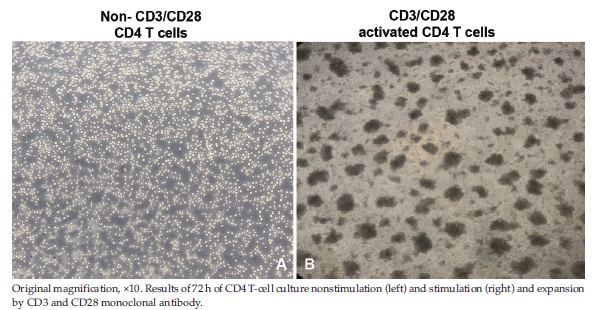
Figure 1.Immune Cell Clustering and Proliferation Analyses Under Leica Light Microscope
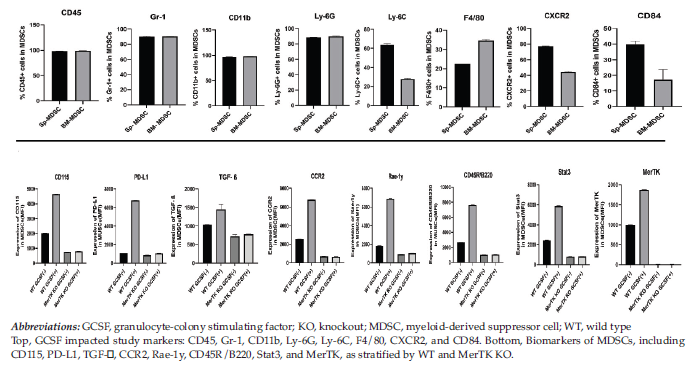
Figure 2.Granulocyte Colony-Stimulating Factor Effect on Study Markers and Biomarkers of Myeloid-Derived Suppressor Cells
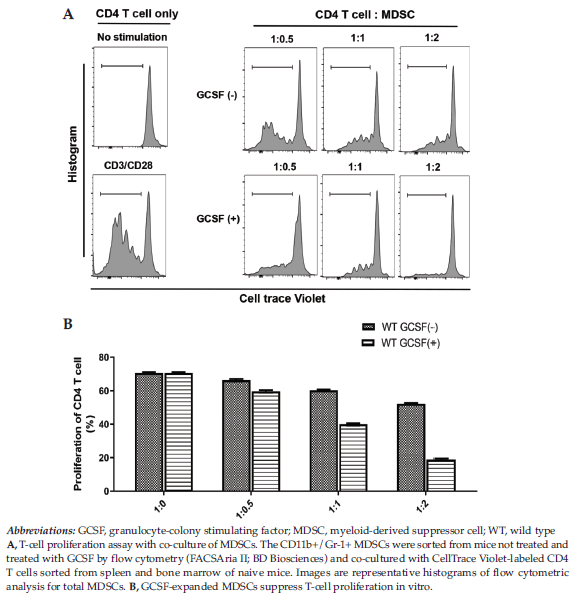
Figure 3.Cell Proliferation Assay and Granulocyte Colony-Stimulating Factor-Expanded Myeloid-Derived Suppressor Cells
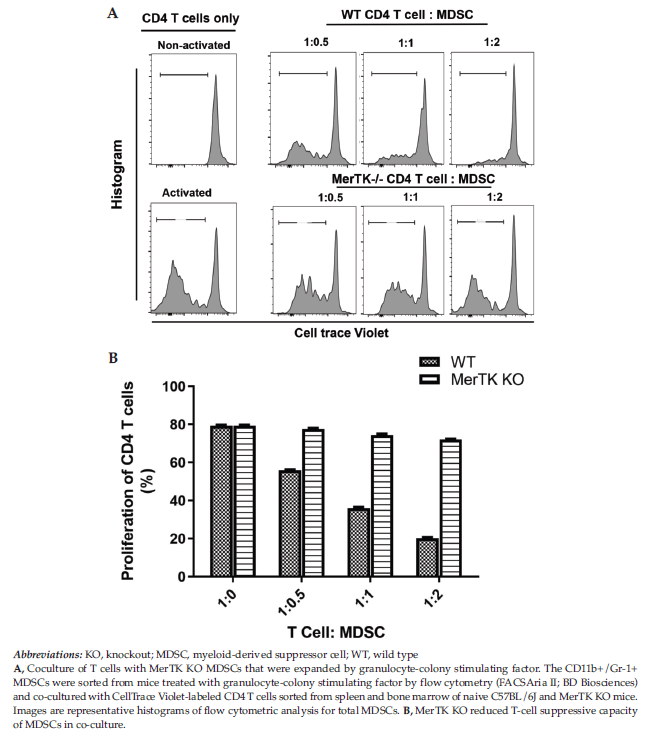
Figure 4.Co-culture of T Cells and Knockout of MerTK
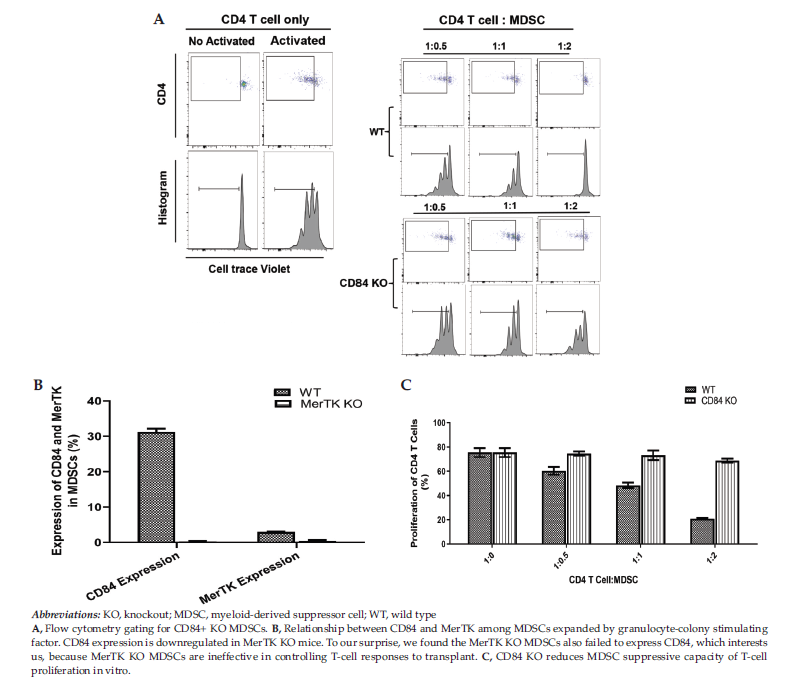
Figure 5.Expression of CD84 Among MerTK Knockout Mice and Effect of CD84 on T-Cell Proliferation
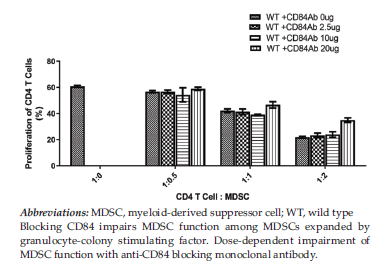
Figure 6.Different Doses of Anti-CD84 Blocking Antibody Were Tested
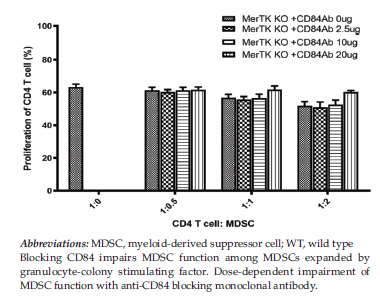
Figure 7.Different Doses of Anti-CD84 Blocking Antibody Were Tested
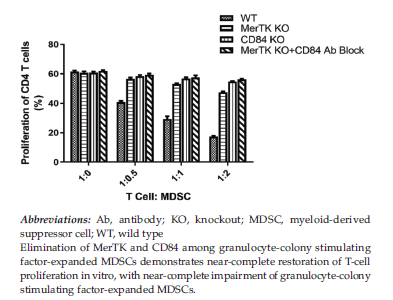
Figure 8.Turning Off T-Cell Suppression: Elimination of Myeloid-Derived Suppressor Cell Alloregulation Through Knockout and Blockade of MerTK and CD84, Respectively
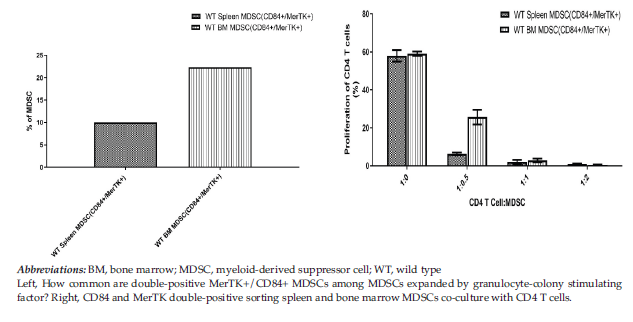
Figure 9.Assessment of Frequency of and Function of CD84+/MerTK+MDSCs
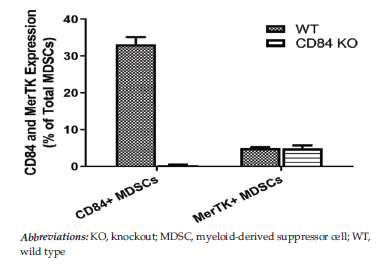
Figure 10.CD84 Knockout Does Not Alter MerTK Expression