Volume: 22 Issue: 8 August 2024
FULL TEXT
Relationship Between Arterial Stiffness, Measured by Cardio-Ankle Vascular Index, and Uremic Toxins, Vascular Calcification, and Inflammation Markers After Kidney Donation
Abstract
Objectives: This study investigated whether kidney transplant donors experience increased arterial stiffness compared with the general population and how arterial stiffness changes over time.
Materials and Methods: Our study included 59 kidney transplant donors and 27 healthy volunteers. All subjects underwent cardio-ankle vascular index measurements. We studied fibroblast growth factor-23, klotho, monocyte chemoattractant protein-1, N-terminal pro-B-type natriuretic peptide, indoxyl sulfate, and p-cresyl sulfate levels.
Results: Cardio-ankle vascular index level was higher in donors 6 to 11 years after donation (8.02 ± 0.24 m/s) than in donors 2 to 6 years after donation (7.02 ± 0.27 m/s) and healthy volunteers (6.65 ± 0.22 m/s). Cardio-ankle vascular index level was positively correlated with age (r = 0.382, P < .001) and levels of triglyceride (r = 0.213, P = .049), blood urea nitrogen (r = 0.263, P = .014), creatinine (r = 0.354, P = .001), calcium (r = 0.228, P = .035), indoxyl sulfate (r = 0.219, P = .042), p-cresyl sulfate (r = 0.676, P ≤ .001), and monocyte chemoattractant protein-1 (r = 0.451, P < .001) and negatively correlated with estimated glomerular filtration rate (r = -0.383, P < .001). Multiple linear regression analysis revealed that age (P = .026, B = 0.244), mean arterial blood pressure (P < .001, B = 0.446), blood urea nitrogen (P = .006, B = 0.302), creatinine (P = .032, B = 0.236), estimated glomerular filtration rate (P = .003, B = -0.323), fibroblast growth factor-23 (P = .007, B = 0.294), N-terminal pro-B-type natriuretic peptide (P = .005, B = 0.304), and monocyte chemoattractant protein-1 (P ≤ .001, B = 0.434) independently predicted cardio-ankle vascular index levels.
Conclusions: Even without additional risk factors, kidney donors should be followed closely for arterial stiffness and cardiovascular disease, especially in the long-term (>5 years) after kidney transplant.
Key words : Arterial stiffness, CAVI, Kidney donors, Monocyte chemoattractant protein-1, Uremic toxins
Introduction
For patients with end-stage renal disease, living donor kidney transplant is the preferred treatment; it improves patient and graft survival and quality of life more than dialysis or deceased donor transplant.1 Although rates of long-term survival and progression to end-stage renal disease in kidney transplant donors are comparable with those of the general population,2 the rising demand for transplantation over the past 25 years has gradually changed the requirements for living donors. This has resulted in an increased prevalence of more marginal donors with higher rates of preexisting hypertension, obesity, and advanced age.3 The future risk of chronic disease and mortality in donors must be considered in light of a shift in donor characteristics toward higher cardiovascular risk.
Arterial stiffness is the loss of viscoelastic properties of the arterial wall caused by a variety of factors (eg, age, hypertension, diabetes, vascular calcification, inflammation). As arteries begin to harden, they also widen and their walls becomes hypertrophied. The result is an increase in systolic blood pressure, a decrease in diastolic blood pressure, and an increase in pulse pressure. All 3 of these changes are known to be major determinants of high cardiovascular morbidity and mortality in the general population and in patients with chronic kidney disease (CKD).4 The cardio-ankle vascular index (CAVI) was created to obtain an arterial stiffness index that is unaffected by blood pressure during measurement and reflects the stiffness of a significant length of the artery.5,6
In this study, we aimed to investigate whether arterial stiffness in kidney transplant donors is increased compared with the general population and, if so, how stiffness changes over time. Kidney transplant donors without additional disease and partially preserved kidney functions were included in this study; a CAVI device was used to measure arterial stiffness. We also evaluated the relationship between CAVI values and levels of uremic toxins, vascular calcification, and inflammation markers after kidney donation.
Cardio-ankle vascular index
Cardio-ankle vascular index reflects the stiffness of the entire artery segment, which includes the aorta, femoral artery, and tibial artery (Figure 1). When blood pressure of the upper brachial artery is used in the CAVI equation, it is assumed that blood pressure in the upper brachial artery is the mean of the blood pressure from the aortic root to the ankle. Therefore, the CAVI value is invalid when blood pressure in the aorta and femoral artery changes markedly, such as femoral arterial arteriosclerosis obliterans. Also, it is inaccurate to measure CAVI in the standing position. The blood pressure in the ankle and brachial artery is quite different when patients are in a standing position.7-9
Fibroblast growth factor-23 and klotho
Fibroblast growth factor-23 (FGF-23) and klotho were recently found to contribute to ectopic calcification in soft tissues, including heart valves and aorta. Because of low 1-25(OH) vitamin D and klotho and high FGF-23, release of calcium from resorbed bone tissue can trigger or accelerate vascular calcification.10
N-terminal pro-B-type natriuretic peptide
Patients with renal insufficiency, whether or not clinically diagnosed with heart failure, frequently have elevated plasma B-type natriuretic peptide (BNP) concentrations. Because BNP is removed through receptor-mediated binding and removal, neutral endopeptidase, and passive excretion, glomerular filtration rate (GFR) is inversely related to BNP concentrations.11-13 Masugata and colleagues stated that serum BNP levels can be used as an indicator of arterial stiffness.14
Indoxyl sulfate and p-cresyl sulfate
In the past decade, indoxyl sulfate (IS) and p-cresyl sulfate (PCS) have emerged as 2 major nephro-vascular and cardiovascular toxins. In vitro studies have shown clear mechanistic pathways for the deleterious properties of these toxins, causing activation of the nuclear factor-KB pathway, resulting in both oxidative stress and stimulation of proinfl-ammatory cytokines. In an experimental rat model study, Opdebeeck and colleagues determined that IS and PCS increased vascular calcification and were associated with glucose intolerance.15,16
Monocyte chemoattractant protein-1
Monocyte chemoattractant protein-1 (MCP-1) released from endothelial cells under the influence of inflammatory cytokines has been shown to activate inflammatory reactions by causing monocytes to migrate to the vessel wall in the early stages of atherosclerosis and to play a role in the pathogenesis of cardiovascular disease and renal damage.17,18
Materials and Methods
We received approval from Pamukkale University Non-Interventional Clinical Research Ethics Committee (October 19, 2021; no. 2021/19) to coduct this study. All procedures performed in studies involving human participants were in accordance with the ethical standards of the institutional and/or national research committee and with the 1964 Helsinki Declaration and its later amendments or comparable ethical standards. Informed consent was obtained from all individual participants included in the study.
We compared 3 groups of study participants, all aged >18 years; participants were similar in terms of age and sex. Of note, patients who were in their first year after kidney donation were excluded from the study, considering that the vascular changes that may have occurred may not have developed yet. Group 1 comprised 30 patients with estimated GFR (eGFR) of >50 mL/min and no additional disease other than kidney transplant donor and who were 2 to 6 years after transplant. Group 2 comprised 29 patients with eGFR >50 mL/min, who had no history of additional disease other than kidney donation, and who were 7 to 11 years after transplant. Of the total 59 kidney donors, 27 donated their kidneys to their spouses, 21 to their children, and 11 to their siblings. Group 3 comprised 27 healthy individuals with normal eGFR (>90 mL/min) values and no history of additional disease.
All participants were asked about their hyper-tension, diabetes mellitus, hyperlipidemia, chronic obstructive pulmonary disease, peripheral arterial disease, and cardiac disease symptoms. Except for the stated cases, individuals with any signs of acute and/or chronic disease were excluded from the study. Those with suspected acute renal failure, history of contrast agent exposure (within the previous 1 month), and not hemodynamically stable were excluded from the study. People with a protein-to-creatinine ratio >0.25 mg/mg in spot urine were not included in the study. Smoking habits of participants were meticulously documented. Current and former smokers were considered to have a positive cigarette smoking history.
After a 15-minute rest period, blood pressure measurements were taken while sitting. Three measu-rements were averaged. We calculated eGFR values based on Chronic Kidney Disease Epidemiology Collaboration (CKD-EPI) equation. Blood and urine samples were collected at 8:00 in the morning after a 12-hour fast. Blood was centrifuged for 3 minutes at 5000 revolutions/min without anticoagulant and stored at -80° C. We used the enzyme-linked im-munosorbent assay method to determine FGF-23, Klotho, MCP-1, PCS, and IS. We used the human FGF-23 ELISA kit (Sunred, catalog no. 201-12-0060), the human Klotho ELISA kit (Sunred, catalog no. 201-12-2782), the human MCP-1 ELISA kit (Sunred, catalog no. 201-12-0125), the human PCS ELISA Kit (Sunred, catalog no. 201-12-6653), and the human IS ELISA kit (Sunred, catalog no. 201-12-7596). Standard methods were used for other laboratory analyses. We determined CAVI by using the Fukuda Denshi model VS-1500 N instrument (Figure 1).
Statistical analyses
We expressed continuous variables as mean and standard error and categorical variables as number and percentage. When parametric test assumptions were met, we used the independent sample t test and one-way analysis of variance (posthoc Scheffe test or Tamhane test) to compare independent group differences and the Pearson product moment correlation analysis to examine the relationship between continuous variables. When parametric test assumptions were not met, we used the Mann-Whitney U test and Kruskal-Wallis analysis of variance (posthoc Mann-Whitney U test with Bonferroni correction) to compare independent group differences; we used Spearman rank correlation coefficient analysis to examine the relationships between continuous variables. We used the chi-square analysis to analyze the differences between categorical variables. We performed multiple linear regression analyses. We used SPSS version 25.0 for statistical analyses. P < .05 was considered statistically significant.
Results
Groups were similar in terms of age, sex, and BMI. Groups 1 and 2 had similar smoking history, with higher smoking level than the control group. Group 2 had the highest mean arterial blood pressure (MABP) value, and there was only a significant difference between groups 2 and 3 (Table 1). (Table 1) lists the laboratory parameters and their relationships between groups.
Group 2 had the highest CAVI value, which was significantly higher in group 2 compared with group 1 and control group. No significant differences in Klotho levels were shown among groups; however, significant differences were found in terms of FGF-23, MCP-1, IS, PCS and NT-proBNP. Groups 1 and 2 had significantly higher levels of FGF-23, MCP-1, and NT-proBNP compared with the control group. Group 2 had significantly higher IS and PCS levels compared with group 1 and control group (Table 1).
We observed a significantly positive correlation between CAVI and age, triglyceride, blood urea nitrogen (BUN), creatinine, calcium, MCP-1, IS, and PCS in the entire cohort. In addition, we observed a significantly negative correlation with CAVI in terms of eGFR in the entire cohort (Table 2).
Age, MABP, BUN, creatinine, eGFR, FGF-23, MCP-1, and NT-proBNP were found to be the parameters that determine CAVI in multiple linear regression analysis. Furthermore, the effect of parathormone on CAVI determination was found to be have borderline significance (Table 3).
Discussion
There are a limited number of studies on arterial stiffness with uremic toxins, vascular calcification, and inflammation markers, which may be effective for studies on advanced morbidity and mortality in kidney transplant donors, and, to our knowledge, there is no study on their association.1,16 In our present study, PCS and IS were higher in kidney donors compared with the control group. In addition, we found a significant positive correlation between PCS and IS and the arterial stiffness marker CAVI. The CAVI value was found to be significantly higher in group 2 compared with group 1 and control group. In multiple linear regression analysis, the modeling parameters of age, MABP, BUN, creatinine, eGFR, FGF-23, NT-proBNP, and MCP-1 were found to be effective in determining the CAVI value.
We calculated CAVI values in accordance with the manufacturer’s recommendations. As a result, CAVI values <8.0 m/s were regarded as normal, whereas values <9.0 m/s but >8.0 m/s were labeled “borderline.” A CAVI value of 9.0 m/s or above was considered as a possible diagnosis of arteriosclerosis.19 In our study, 11 patients (4 in group 1, 7 in group 2, and 0 in the control group) had pathological CAVI levels (≥9 m/s). That is, all patients with pathological CAVI belonged to the kidney donor groups. Group 2 had a significantly higher CAVI level compared with the other 2 groups. In addition, BUN and creatinine values were significantly positively correlated with CAVI, whereas eGFR and CAVI were significantly negatively correlated in the whole cohort. Similar results to the present study were previously shown in several studies on the relationship between CAVI and renal function tests. Zhang and colleagues, in the group with high CAVI value, reported significantly higher creatinine, whereas eGFR values were significantly lower.20 Alizargar and colleagues reported a significant and positive correlation between CAVI and BUN values and found a significant and negative correlation between eGFR and CAVI.21
The intercellular material and smooth muscle cells grow with age, causing thickening of the intima and increased arterial stiffness. In addition, the prolongation of the contact time with traditional risk factors also contributes to this situation.22 Previous research showed a relationship between age and CAVI. In addition, the rate of increase in CAVI in men and women has been reported as approximately 0.5 units in 10 years.5 Similar to previous studies, a significant positive correlation was found between age and CAVI in our study. In addition, previous reports showed that CAVI values are associated with blood pressure.23,24 A significant positive correlation between CAVI and age and MABP in our linear regression analysis confirmed this situation.
When evaluated in terms of fasting blood sugar, high- and low-density lipoproteins, total cholestero,l and triglyceride values, no significant difference was found between the groups. According to recent researches, diabetes is a significant factor in promoting CAVI.6,25 However, no significant association between fasting blood sugar and CAVI was discovered in our investigation. The relatively small number of participants may have caused this situation. In a Japanese population, Nagayama and colleagues reported that lipid parameters are an independent risk factor in determining CAVI.26 In addition, Pavlovska and colleagues reported that high triglyceride levels are associated with high arterial stiffness as measured by CAVI.27 In our study, similar to previous studies, a significant positive correlation was found between triglyceride and CAVI; a borderline significantly positive correlation was also observed between total cholesterol and CAVI.
Increased calcium in vivo, according to Yang and colleagues, may promote the mineralization of human smooth muscle cells by increasing calcium-phosphorus product and strengthening the sodium-dependent phosphate cotransporter-dependent mineralization pathway already shown in human smooth muscle cells.28 This suggests that high serum calcium levels may have a vascular calcification effect. In our study, calcium and parathormone were found to be significantly higher in the donor groups compared with the healthy control group. In addition, considering the correlation of calcium with CAVI, a significant positive correlation was found between these; this result supports previous studies. In patients with CKD and in animal models of CKD, elevated serum parathormone concentrations are related with increased arterial calcification as well as impaired bone mineralization.29,30 The results in our study were similar to previous studies, supporting that parathormone has a significant effect on arterial stiffness.
Both FGF-23 and its co-receptor, klotho, have important roles in the underlying mechanisms of accelerated atherosclerosis, vascular calcification, mineral abnormalities, and osteodystrophy. Gupta and colleagues evaluated 9 studies on early- and late-term FGF-23 and klotho blood levels in kidney donors after kidney transplant and reported that, although results varied, most studies reported that kidney donors had high FGF-23 levels and low klotho levels.31 In our study, FGF-23 levels were significantly higher in kidney donors than in the control group, similar to previous studies; however, no significant difference was observed between the groups in terms of klotho levels. We found only 1 study that evaluated the relationship between CAVI and FGF-23 and klotho; Mert and colleagues found no significant relationship between CAVI with FGF-23 and klotho in patients with stage 3 to 5 CKD.6 In Moe and colleagues, vascular calcification was triggered or accelerated by the release of calcium from resorbed bone tissue when 1-25 OH vitamin D and klotho levels were low with high FGF-23.10 In our present study, in kidney transplant donors, although there was a borderline significant positive correlation between FGF-23 and CAVI, no significant correlation was found between klotho and CAVI. In addition, in linear regression analysis, FGF-23 was an independent risk factor effective in determining CAVI. These results support that FGF-23 can be used as a marker contributing to arterial stiffness.
Natriuretic peptide levels are higher in people with CKD stages 1 to 3, but it remains unclear whether this is due to an increase in extracellular volume or early cardiovascular abnormalities.32 To our knowledge, only a few studies have investigated the relationship between arterial stiffness, which is an indicator of cardiovascular abnormalities, and NT-proBNP, especially in CKD patients. Chen and colleagues, in an investigation of the relationship between arterial stiffness parameter CAVI and NT-proBNP in kidney transplant recipients, found a significant positive correlation between CAVI and NT-proBNP.33 However, we found no published studies on the relationship between CAVI and NT-proBNP in kidney donors. In our study, NT-proBNP was found to be significantly higher in kidney donors (patients with partially preserved eGFR) than in the control group. In addition, NT-proBNP was identified as an independent risk factor in defining CAVI in linear regression analyses. Our results are important because NT-proBNP is relatively easily accessible and can be used as an early marker of arterial stiffness and cardiovascular disease (CVD) risk.
The IS is excreted by the kidneys through proximal tubular secretion; in patients with impaired renal function, IS accumulates in the blood. The position of IS as a uremic toxin was initially established by its ability to accelerate the course of CKD.34 Moreover, eGFR and IS have been shown to be correlated negatively in CKD patients.35 In our present study, IS was significantly higher in the donor groups versus the control group. This situation was consistent with the IS elevation data in CKD reported in previous studies. In addition, although no significant difference was shown between group 1 and group 2 in terms of creatinine and eGFR, IS levels in group 2 were significantly higher than levels in both group 1 and the control group. This indicates that there may be an increase in IS independent of eGFR in kidney donors with time after transplant.
Dou and colleauges examined the effects of IS on endothelial cells in vitro and found that IS inhibited wound healing, nitric oxide formation, and cell proliferation, while increasing oxidative stress.36 ,37 Furthermore, in vitro and in vivo tests showed that human aortic smooth muscle cells exposed to IS could hasten aortic calcification and aortic wall thickening.38,39 In our study, in addition to the significantly higher IS and CAVI values in the donor group compared with the control group, a significant and positive correlation was found between IS and the arterial stiffness indicator CAVI. The results obtained from our study support previous studies in that IS had an effect on endothelial damage and arterial stiffness formation.
The uremic toxin PCS causes cardiovascular damage and progression in CKD patients.40 The worsening glomerular filtration rates cause PCS accumulation in plasma among patients with CKD.41 In our study, PCS was significantly higher in the donor groups versus the control group. In addition, although there was no significant difference between group 1 and group 2 in terms of creatinine and eGFR, PCS levels in group 2 were significantly higher than shown in both group 1 and the control group. Thus, similar to IS, PCS also increases with time after transplant in kidney donors, independent of eGFR. High serum PCS levels promote vascular calcification, arterial stiffness, endothelial dysfunction caused by inflammation, and increased risk of CVD.40,42,43 In our study, a significant and positive correlation was found between PCS and CAVI. Our study suggested that increased levels of PCS and IS may contribute to arterial stiffness and atherosclerosis, thereby impac-ting CAVI. Further research is needed to elucidate the precise nature of the relationship between CAVI and PCS and IS, but it holds promise in better under-standing the vascular implications of PCS and IS and their potential role as a biomarker for cardiovascular risk assessment.
People with severe CKD have higher MCP-1 levels in plasma than people with normal renal function.44 It is unclear whether the higher levels are due to decreased renal clearance or increased MCP-1 synthesis in the context of systemic inflam-mation associated with CKD.45-47 In vitro, uremic toxins such as PCS and IS increase MCP-1 synthesis by vascular smooth muscle and endothelial cells.48,49 In our study, MCP-1 was found to be significantly higher in the donor group than in the control group. In addition, as we mentioned before, PCS and IS were significantly higher in the donor group compared with the control group. Our results support a possible link among PCS, IS and MCP-1.
The proportion of patients who show a connection between MCP-1 and coronary artery disease is rising. Serum MCP-1 levels have been linked to an increased risk of myocardial infarction or death within 10 months in people with unstable coronary syndrome.50 De Lemos and colleagues and Hoogeveen and colleagues found that serum MCP-1 concentrations are associated with a significant increase in the risk of atherosclerosis.51,52 In addition, Mert and colleagues found a significant and positive correlation between MCP-1 and CAVI in their study on patients with and without diabetes and stage 3 to 5 CKD.6 Similar to previous studies, we also found a significant and positive correlation between MCP-1 and CAVI. In addition, multiple linear regression analyses showed that MCP-1 was effective in determining CAVI. This suggests that increased MCP-1 activity may be indicative of a higher CAVI, further implicating the link between arterial stiffness, inflammation, and cardiovascular disease.
This study had some limitations. The patients included in the study group were divided into 2 groups according to the time elapsed after becoming a kidney donor. Instead, the study could have formed both groups from the same kidney donors, divided them into 2 groups according to the time elapsed after transplant, and evaluated the patients prospectively; however, this would have required a long study period. The small number of participants may also be a limiting factor due to the specificity of the patient group. The study was performed at a single center; thus, it is possible that the findings cannot be generally applied. Nevertheless, the data obtained in the study are important in terms of determining the advanced cardiovascular risk of a specific patient group, such as kidney donors, and elucidating its relationship with the parameters that may cause it.
To our knowledge, this is the first study on the measurement of CAVI in kidney transplant donors. The high detection of CAVI in kidney donors with partially preserved kidney functions and without additional disease may indicate that this group has an increased risk of CVD after kidney transplant. In addition, FGF-23, NT-proBNP, IS, PCS, and MCP-1 were found to be significantly higher in the donor groups compared with the control group. These results show that only donating a kidney can cause an increase in uremic toxins, vascular calcification, and inflammation parameters. The multiple linear regression analysis revealed that, in addition to age, MABP, BUN, creatinine, and eGFR, elevated levels of CAVI were independently associated with higher levels of FGF-23, NT-proBNP, and MCP-1 in kidney transplant donors.
Conclusions
Our study emphasized the importance of closely monitoring kidney donors for the development of CVD. The findings suggest that donating a kidney alone can lead to increased levels of arterial stiffness and CVD risk factors. By incorporating biomarkers such as FGF-23, NT-proBNP, IS, PCS, and MCP-1 in conjunction with CAVI into the monitoring process, health care professionals can potentially improve the detection and management of cardiovascular complications in kidney donors.
References:
- Rodriguez RA, Trentin Sonoda M, Agharazii M, Shorr R, Burns KD. Effects of living kidney donation on arterial stiffness: a systematic review protocol. BMJ Open. 2021;11(3):e045518. doi:10.1136/bmjopen-2020-045518
CrossRef - PubMed - Segev DL, Muzaale AD, Caffo BS, et al. Perioperative mortality and long-term survival following live kidney donation. JAMA. 2010;303(10):959-966. doi:10.1001/jama.2010.237
CrossRef - PubMed - Kaisar MO, Nicol DL, Hawley CM, et al. Change in live donor characteristics over the last 25 years: a single centre experience. Nephrology (Carlton). 2008;13(7):646-650. doi:10.1111/j.1440-1797.2008.01039.x
CrossRef - PubMed - Foley RN, Parfrey PS, Sarnak MJ. Clinical epidemiology of cardiovascular disease in chronic renal disease. Am J Kidney Dis. 1998;32(5 Suppl 3):S112-119. doi:10.1053/ajkd.1998.v32.pm9820470
CrossRef - PubMed - Shirai K, Hiruta N, Song M, et al. Cardio-ankle vascular index (CAVI) as a novel indicator of arterial stiffness: theory, evidence and perspectives. J Atheroscler Thromb. 2011;18(11):924-938. doi:10.5551/jat.7716
CrossRef - PubMed - Mert M, Dursun B, Yagci AB, Cetin Kardesler A, Senol H, Demir S. Cardio-ankle vascular index is linked to deranged metabolic status, especially high HbA1c and monocyte-chemoattractant-1 protein, in predialysis chronic kidney disease. Int Urol Nephrol. 2020;52(1):137-145. doi:10.1007/s11255-019-02336-6
CrossRef - PubMed - Hayashi K, Handa H, Nagasawa S, Okumura A, Moritake K. Stiffness and elastic behavior of human intracranial and extracranial arteries. J Biomech. 1980;13(2):175-184. doi:10.1016/0021-9290(80)90191-8
CrossRef - PubMed - Bramwell JC, Hill AV. The velocity of the pulse wave in man. Proc. R. Soc. Lond. B. 1922;93(652):298-306. doi:10.1098/rspb.1922.0022
CrossRef - PubMed - Shirai K, Utino J, Otsuka K, Takata M. A novel blood pressure-independent arterial wall stiffness parameter; cardio-ankle vascular index (CAVI). J Atheroscler Thromb. 2006;13(2):101-107. doi:10.5551/jat.13.101
CrossRef - PubMed - Moe SM, Chen NX. Mechanisms of vascular calcification in chronic kidney disease. J Am Soc Nephrol. 2008;19(2):213-216. doi:10.1681/ASN.2007080854
CrossRef - PubMed - Iwanaga Y, Nishi I, Furuichi S, et al. B-type natriuretic peptide strongly reflects diastolic wall stress in patients with chronic heart failure: comparison between systolic and diastolic heart failure. J Am Coll Cardiol. 2006;47(4):742-748. doi:10.1016/j.jacc.2005.11.030
CrossRef - PubMed - Cataliotti A, Malatino LS, Jougasaki M, et al. Circulating natriuretic peptide concentrations in patients with end-stage renal disease: role of brain natriuretic peptide as a biomarker for ventricular remodeling. Mayo Clin Proc. 2001;76(11):1111-1119. doi:10.4065/76.11.1111
CrossRef - PubMed - McCullough PA, Duc P, Omland T, et al. B-type natriuretic peptide and renal function in the diagnosis of heart failure: an analysis from the Breathing Not Properly Multinational Study. Am J Kidney Dis. 2003;41(3):571-579. doi:10.1053/ajkd.2003.50118
CrossRef - PubMed - Masugata H, Senda S, Inukai M, et al. Association of cardio-ankle vascular index with brain natriuretic peptide levels in hypertension. J Atheroscler Thromb. 2012;19(3):255-262. doi:10.5551/jat.10314
CrossRef - PubMed - Opdebeeck B, Maudsley S, Azmi A, et al. Indoxyl sulfate and p-cresyl sulfate promote vascular calcification and associate with glucose intolerance. J Am Soc Nephrol. 2019;30(5):751-766. doi:10.1681/ASN.2018060609
CrossRef - PubMed - Rossi M, Campbell KL, Johnson DW, et al. Uremic toxin development in living kidney donors: a longitudinal study. Transplantation. 2014;97(5):548-554. doi:10.1097/01.tp.0000436906.48802.c4
CrossRef - PubMed
- Deshmane SL, Kremlev S, Amini S, Sawaya BE. Monocyte chemoattractant protein-1 (MCP-1): an overview. J Interferon Cytokine Res. 2009;29(6):313-326.
CrossRef - PubMed - Deo R, Khera A, McGuire DK, et al. Association among plasma levels of monocyte chemoattractant protein-1, traditional cardiovascular risk factors, and subclinical atherosclerosis. J Am Coll Cardiol. 2004;44(9):1812-1818. doi:10.1016/j.jacc.2004.07.047
CrossRef - PubMed - Sun CK. Cardio-ankle vascular index (CAVI) as an indicator of arterial stiffness. Integr Blood Press Control. 2013;6:27-38. doi:10.2147/IBPC.S34423
CrossRef - PubMed - Zhang C, Zhong Y, Tian H. Increased cardio-ankle vascular index is independently associated with chronic kidney disease: A cross-sectional study in Chinese patients with type 2 diabetes mellitus. J Diabetes Complications. 2019;33(9):623-627. doi:10.1016/j.jdiacomp.2019.05.009
CrossRef - PubMed - Alizargar J, Bai CH, Hsieh NC, Wu SV, Weng SY, Wu JP. Association of kidney function tests with a cardio-ankle vascular index in community-dwelling individuals with a normal or mildly decreased estimated glomerular filtration rate. Medicina (Kaunas). 2019;55(10). doi:10.3390/medicina55100657
CrossRef - PubMed - Zimarino M, Cappelletti L, Venarucci V, et al. Age-dependence of risk factors for carotid stenosis: an observational study among candidates for coronary arteriography. Atherosclerosis. 2001;159(1):165-173. doi:10.1016/s0021-9150(01)00477-4
CrossRef - PubMed - Kadota K, Takamura N, Aoyagi K, et al. Availability of cardio-ankle vascular index (CAVI) as a screening tool for atherosclerosis. Circ J. 2008;72(2):304-308. doi:10.1253/circj.72.304
CrossRef - PubMed - Okura T, Watanabe S, Kurata M, et al. Relationship between cardio-ankle vascular index (CAVI) and carotid atherosclerosis in patients with essential hypertension. Hypertens Res. 2007;30(4):335-340. doi:10.1291/hypres.30.335
CrossRef - PubMed - Ohira M, Endo K, Oyama T, et al. Improvement of postprandial hyperglycemia and arterial stiffness upon switching from premixed human insulin 30/70 to biphasic insulin aspart 30/70. Metabolism. 2011;60(1):78-85. doi:10.1016/j.metabol.2010.06.001
CrossRef - PubMed - Nagayama D, Watanabe Y, Saiki A, Shirai K, Tatsuno I. Lipid parameters are independently associated with cardio–ankle vascular index (CAVI) in healthy Japanese subjects. J Atheroscler Thromb. 2018;25(7):621-633. doi:10.5551/jat.42291
CrossRef - PubMed - Pavlovska I, Kunzova S, Jakubik J, et al. Associations between high triglycerides and arterial stiffness in a population-based sample: Kardiovize Brno 2030 study. Lipids Health Dis. 2020;19(1):170. doi:10.1186/s12944-020-01345-0
CrossRef - PubMed - Yang H, Curinga G, Giachelli CM. Elevated extracellular calcium levels induce smooth muscle cell matrix mineralization in vitro. Kidney Int. 2004;66(6):2293-2299. doi:10.1111/j.1523-1755.2004.66015.x
CrossRef - PubMed - Liu F, Fu P, Fan W, et al. Involvement of parathyroid hormone-related protein in vascular calcification of chronic haemodialysis patients. Nephrology (Carlton). 2012;17(6):552-560. doi:10.1111/j.1440-1797.2012.01601.x
CrossRef - PubMed - Chen Y, Zhao X, Wu H. Arterial stiffness: a focus on vascular calcification and its link to bone mineralization. Arterioscler Thromb Vasc Biol. 2020;40(5):1078-1093. doi:10.1161/ATVBAHA.120.313131
CrossRef - PubMed - Gupta M, Orozco G, Rao M, Gedaly R, Malluche HH, Neyra JA. The role of alterations in alpha-klotho and FGF-23 in kidney transplantation and kidney donation. Front Med (Lausanne). 2022;9:803016. doi:10.3389/fmed.2022.803016
CrossRef - PubMed - Gregg LP, Van Buren PN, Ramsey DJ, et al. Natriuretic peptides, extracellular volume, and subclinical cardiovascular changes in chronic kidney disease stages 1-3: a pilot study. J Investig Med. 2022;10.1136/jim-2022-002467. doi:10.1136/jim-2022-002467
CrossRef - PubMed - Chen YC, Lee MC, Lee CJ, et al. N-terminal pro-B-type natriuretic peptide is associated with arterial stiffness measured using the cardio-ankle vascular index in renal transplant recipients. J Atheroscler Thromb. 2013;20(7):646-653. doi:10.5551/jat.17780
CrossRef - PubMed - Niwa T, Ise M. Indoxyl sulfate, a circulating uremic toxin, stimulates the progression of glomerular sclerosis. J Lab Clin Med. 1994;124(1):96-104.
CrossRef - PubMed - Ford ML, Tomlinson LA, Chapman TP, Rajkumar C, Holt SG. Aortic stiffness is independently associated with rate of renal function decline in chronic kidney disease stages 3 and 4. Hypertension. 2010;55(5):1110-1115. doi:10.1161/HYPERTENSIONAHA.109.143024
CrossRef - PubMed - Dou L, Bertrand E, Cerini C, et al. The uremic solutes p-cresol and indoxyl sulfate inhibit endothelial proliferation and wound repair. Kidney Int. 2004;65(2):442-451. doi:10.1111/j.1523-1755.2004.00399.x
CrossRef - PubMed - Dou L, Jourde-Chiche N, Faure V, et al. The uremic solute indoxyl sulfate induces oxidative stress in endothelial cells. J Thromb Haemost. 2007;5(6):1302-1308. doi:10.1111/j.1538-7836.2007.02540.x
CrossRef - PubMed - Muteliefu G, Enomoto A, Jiang P, Takahashi M, Niwa T. Indoxyl sulphate induces oxidative stress and the expression of osteoblast-specific proteins in vascular smooth muscle cells. Nephrol Dial Transplant. 2009;24(7):2051-2058. doi:10.1093/ndt/gfn757
CrossRef - PubMed - Muteliefu G, Shimizu H, Enomoto A, Nishijima F, Takahashi M, Niwa T. Indoxyl sulfate promotes vascular smooth muscle cell senescence with upregulation of p53, p21, and prelamin A through oxidative stress. Am J Physiol Cell Physiol. 2012;303(2):C126-134. doi:10.1152/ajpcell.00329.2011
CrossRef - PubMed - Chang YC, Lin YL, Lai YH, Wang CH, Hsu BG. Serum p-cresyl sulfate level is an independent marker of peripheral arterial stiffness as assessed using brachial-ankle pulse wave velocity in patients with non-dialysis chronic kidney disease stage 3 to 5. Toxins (Basel). 2022;14(4) :287. doi:10.3390/toxins14040287
CrossRef - PubMed - Gryp T, Vanholder R, Vaneechoutte M, Glorieux G. p-Cresyl sulfate. Toxins (Basel). 2017;9(2):52. doi:10.3390/toxins9020052
CrossRef - PubMed - Foudi N, Palayer M, Briet M, Garnier AS. Arterial remodelling in chronic kidney disease: impact of uraemic toxins and new pharmacological approaches. J Clin Med. 2021;10(17). doi:10.3390/jcm10173803
CrossRef - PubMed - Lai YH, Wang CH, Kuo CH, Lin YL, Tsai JP, Hsu BG. Serum p-cresyl sulfate is a predictor of central arterial stiffness in patients on maintenance hemodialysis. Toxins (Basel). 2019;12(1):10. doi:10.3390/toxins12010010
CrossRef - PubMed - Fukami A, Yamagishi S, Adachi H, et al. High white blood cell count and low estimated glomerular filtration rate are independently associated with serum level of monocyte chemoattractant protein-1 in a general population. Clin Cardiol. 2011;34(3):189-194. doi:10.1002/clc.20834
CrossRef - PubMed - Papayianni A, Alexopoulos E, Giamalis P, et al. Circulating levels of ICAM-1, VCAM-1, and MCP-1 are increased in haemodialysis patients: association with inflammation, dyslipidaemia, and vascular events. Nephrol Dial Transplant. 2002;17(3):435-441. doi:10.1093/ndt/17.3.435
CrossRef - PubMed - Stinghen AE, Goncalves SM, Martines EG, et al. Increased plasma and endothelial cell expression of chemokines and adhesion molecules in chronic kidney disease. Nephron Clin Pract. 2009;111(2):c117-126. doi:10.1159/000191205
CrossRef - PubMed - Murea M, Register TC, Divers J, et al. Relationships between serum MCP-1 and subclinical kidney disease: African American-Diabetes Heart Study. BMC Nephrol. 2012;13:148. doi:10.1186/1471-2369-13-148
CrossRef - PubMed - Maciel RA, Rempel LC, Bosquetti B, et al. p-cresol but not p-cresyl sulfate stimulate MCP-1 production via NF-kappaB p65 in human vascular smooth muscle cells. J Bras Nefrol. 2016;38(2):153-160. doi:10.5935/0101-2800.20160024
CrossRef - PubMed - Masai N, Tatebe J, Yoshino G, Morita T. Indoxyl sulfate stimulates monocyte chemoattractant protein-1 expression in human umbilical vein endothelial cells by inducing oxidative stress through activation of the NADPH oxidase-nuclear factor-kappaB pathway. Circ J. 2010;74(10):2216-2224. doi:10.1253/circj.cj-10-0117
CrossRef - PubMed - Zakynthinos E, Pappa N. Inflammatory biomarkers in coronary artery disease. Journal of cardiology. 2009;53(3):317-333.
CrossRef - PubMed - de Lemos JA, Morrow DA, Sabatine MS, et al. Association between plasma levels of monocyte chemoattractant protein-1 and long-term clinical outcomes in patients with acute coronary syndromes. Circulation. 2003;107(5):690-695. doi:10.1161/01.cir.0000049742.68848.99
CrossRef - PubMed - Hoogeveen RC, Morrison A, Boerwinkle E, et al. Plasma MCP-1 level and risk for peripheral arterial disease and incident coronary heart disease: Atherosclerosis Risk in Communities study. Atherosclerosis. 2005;183(2):301-307. doi:10.1016/j.atherosclerosis.2005.03.007
CrossRef - PubMed

Volume : 22
Issue : 8
Pages : 613 - 621
DOI : 10.6002/ect.2023.0315
From the Departments of 1Nephrology, 2Internal Medicine, 3Surgery, 4Radiology, and 5Biochemistry, Pamukkale University Medical School, Denizli, Turkey; and the 6Department of Measurement and Evaluation, Akdeniz University Faculty of Education, Antalya, Turkey
Acknowledgements: The scientific research projects of Pamukkale University (Turkey/Denizli), under project number 2022TAP001, provided funding for this study. M. Mert thanks his wife, Gizem Sultan Açikgöz Mert, for moral support during the writing process and support in the figure drawing. The authors have no conflict of interests to declare.
Corresponding author: Mehmet Mert, Pamukkale University Faculty of Medicine, Department of Nephrology, Denizli, Turkey
Phone: +90 555 613 31 65
E-mail: dr.mehmetmert@gmail.com
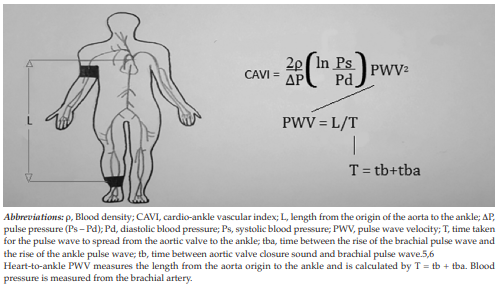
Figure 1.Cardio-Ankle Vascular Index Equation and Measurement Method
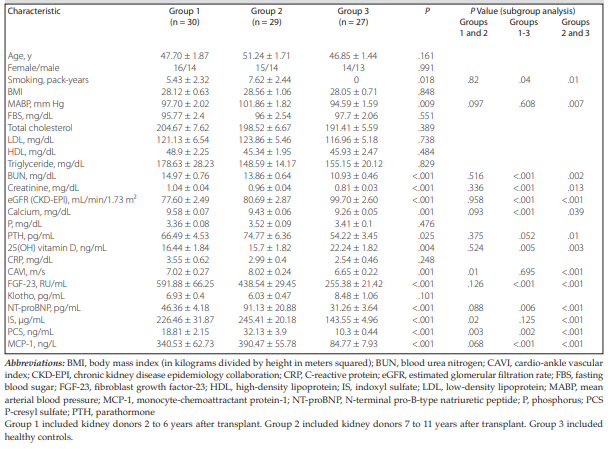
Table 1.Demographic Characteristics, Laboratory Findings, Arterial Stiffness, and Atherosclerotic Markers in Groups
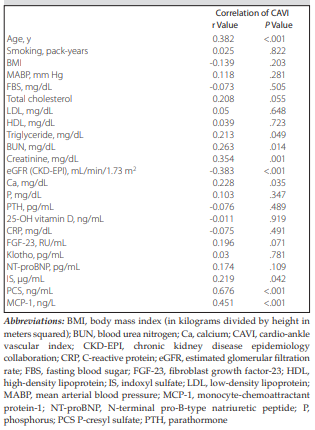
Table 2.Correlation of Demographics and Laboratory Parameters of Whole Cohort With Cardio-Ankle Vascular Index
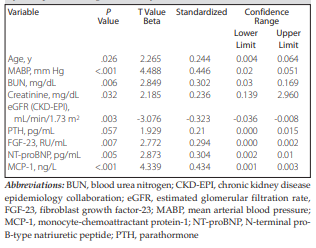
Table 3.Parameter Model for Determination of Cardio-Ankle Vascular Index by Multiple Linear Regression Analysis