Volume: 22 Issue: 8 August 2024
FULL TEXT
Mesenchymal Stem Cells in Liver Diseases: Present Status and Future Perspectives
Abstract
Liver disease is a major worldwide health and economic problem. Allograft liver transplant is the only effective therapy for end-stage liver disease. The shortage of donors, the high costs, postoperative complications, and lifelong immunosuppression are rate-limiting factors for this established line of treatment. Hence, searching for therapeutic alter-natives is mandatory. Stem cells are attractive candi-dates for cell-based therapy for their potential to support liver regeneration with few complications. They can differentiate into specialized cells, including hepatocytes to restore liver structure and function. Stem cells originating from different sources have been investigated for the treatment of liver diseases. In this review, we highlight the role of stem cells as an appropriate source for liver cell replacement in different liver diseases.
Key words : Cirrhosis, End-stage liver disease, Liver regeneration
Introduction
Liver disease is a major worldwide health and economic problem that endangers human life. When the liver disease progresses to liver failure refractory to medical treatment, allograft liver transplantation is the only effective therapy.1 Unfortunately, the shortage of donor organs, the high costs, and surgical complications continue to be rate-limiting factors for this established line of treatment. Furthermore, the necessity for lifelong immunosuppression carries many associated risks. Hence, searching for thera-peutic alternatives to whole organ liver transplant is necessary. Cell therapies have made their way from animal studies to early clinical trials.2
Hepatocytes were the first cell type to be evaluated as a cell-based therapy for liver diseases; however, their use is limited because of some technical difficulties. The scarcity of donor livers from which high-quality hepatocytes can be isolated is the main limiting factor. Another factor is that hepatocytes have a short in vitro survival time. Stem cells (SCs) are also attractive candidates for cell-based therapy for their potential to support liver regeneration with minimally invasive procedures and few complications. They can differentiate into specialized cells, including the hepatocytes that can restore normal structure and function after tissue injury. Stem cells originating from intrahepatic and extrahepatic sources have been investigated for the treatment of liver diseases. Their capacity to differentiate and self-renew make them a reasonable source for the generation of unlimited numbers of hepatocytes.3
For this review, we collected data from previous works published in reputable journals.
Stem Cells
Stem cells are the master cells of the body. They are found in all multicellular organisms and possess 2 special properties: self-renewal and potency. To maintain self-renewal, SCs undergo symmetric and asymmetric divisions. Symmetric division produces 2 daughter cells with SC properties, and asymmetric division gives rise to 1 SC and a progenitor cell. Progenitor cells can go through several cycles of cell division before differentiating into a specialized cell.4
Research in SCs gives hope in the field of organ transplantation and the replacement of lost tissue. Stem cell transplant has become a therapeutic option in developed countries; however, in developing countries, it is still under trial phase.1
Stem cell potency
Potency specifies the differentiation potential of the SCs. They can be totipotent, pluripotent, multipotent, or unipotent. Totipotent SCs are produced from the fusion of an egg and a sperm cell. These cells can differentiate into embryonic and extraembryonic cell types, Pluripotent SCs are the descendants of totipotent cells and can differentiate into any type of tissue in the body, excluding the placenta. Multipotent SCs can produce only cells of a closely related family of cells; for example, hematopoietic stem cells (HSCs) differentiate into red blood cells, white blood cells, and platelets. Unipotent SCs can produce only 1 cell type but have the property of self-renewal, distinguishing them from other cells.5
Classification of stem cells
Two broad categories of SCs exist: embryonic stems cells (ESCs) and adult stem cells (ASCs). Embryonic stem cells can differentiate into all embryonic tissues, and ASCs act as a repair system for the body, replacing damaged cells.
Embryonic stem cells
Embryonic stem cells are procured from the inner cell mass of the blastocyst, the developmental stage before the time of implantation normally occurs in the uterus.6
Properties of embryonic stem cells. Embryonic stem cells can self renew and give rise to all cells of the 3 germ layers (ectoderm, mesoderm, and endoderm). Pluripotency distinguishes ESCs from multipotent cells found in adults, which can only form a limited number of specialized cell types. There are various proteins that regulate the pluripotency of ESCs, such as Oct4, Sox2, KLF4, and Nanong proteins.7
Sources of embryonic stem cells. Human ESCs can be derived from (1) spared gamete or embryos in the blastocyst stage (blastula) that are left over after in vitro fertilization; (2) blastula derived from the somatic cell nucleus transfer technique (ie, embryos derived from cloning technology); and (3) blastula developed through parthenogenetic activation of voluntarily donated oocytes. (4) Another source that is sometimes labeled as ESCs are SCs that are derived from human fetuses, after natural or voluntarily selective abortion. In the scientific literature, however, SCs derived from human fetuses are usually defined as “fetal SCs.” Because the embryo has the ability to grow into a person, but has to be destroyed in the context of research (otherwise SCs could not be extracted), the moral status of embryos is a central area of contention.8
Adult stem cells
Adult stem cells are undifferentiated cells found throughout the body. They divide to replenish dying cells and regenerate damaged tissues. They are also known as somatic SCs or postnatal SCs, which can be found in children and in adults.9 Adult stem cells are assumed to be less potent than ESCs and fetal SCs but have low ethical concerns.
Properties of adult stem cells. The precise definition of ASCs requires that it should possess 2 properties: self renewal (the ability to go through numerous cycles of cell division while maintaining the undifferentiated state) and multipotency (the ability to generate progeny of several distinct cell types).2
Sources of adult stem cells. Adult stem cells with broad differentiation potential appear to exist in adult bone marrow (BM) and in other tissues such as adipose, heart, kidneys, brain, skin, eyes, gastrointestinal tract, liver, pancreas, lungs, breasts, prostate, testicles, ovaries, hair follicle, and dental pulp. In addition, ASCs can be isolated from umbilical cord tissue, umbilical cord blood, amniotic fluid, placenta, and fetal tissues, which are the sources that are collected at the perinatal period; thus ASCs isolated from these tissues are known as perinatal SCs (Figure 1). Stem cells located outside of the BM are generally referred to as tissue SCs. Such SCs are located in sites called niches. The niche is a specialized cellular environment that provides SCs with the support needed for self-renewal.10
Of the ASCs, mesenchymal stem cells (MSCs) and HSC are the most widely used, mainly because they can be obtained from people in diseased states.
Mesenchymal stem cells
Mesenchymal stem cells are multipotent ASCs isolated from a different source with the capacity to differentiate into several mesenchymal lineages. They are distributed almost universally among peri-vascular niches of various human tissues and organs. Mesenchymal stem cells are often synonymously termed stromal cells, whereas other reports distin-guish MSCs as precursors of stromal cells.11
Mesenchymal stem cells can be identified in and isolated from nearly all kinds of human tissues. As first described, human BM-derived MSCs (BM-MSCs) still represent the most frequently inves-tigated human MSC population compared with other tissue-originating human MSCs.12
Other sources include adipose tissue, peripheral blood, heart, and lung. With regard to human MSCs obtained from different neonatal tissues, these postnatal tissues represent a useful ethically noncontroversial alternative that provide certain advantages such as a consistent and enriched MSC source that is easily accessible. These tissues include the amniotic fluid, amniotic membrane, chorionic membrane, chorionic villi, decidua, whole placenta, cord blood, Wharton jelly, and whole umbilical cord.13
Differentiation capacity and markers of mesen-chymal stem cells. With respect to differentiation capacity, MSCs can acquire certain functions asso-ciated with adipogenic, chondrogenic, or osteogenic maturation.14 A panel of multiple markers is required for the characterization of MSCs. The International Society for Cellular Therapy have defined the characterization criteria of all MSC populations, which includes the capacity for plastic adherence, differentiation potential (at least osteogenic, chondrogenic, and adipogenic), and expression of the cell surface markers ecto 5’-nucleotidase (cluster of differentiation [CD]73), extracellular matrix protein (CD90), and endoglin receptor (CD105).15
In addition to the necessity of these 3 surface molecules on MSCs, further criteria require the simultaneous absence of a variety of other specific markers, including the monocytic (CD14), the endothelial (CD31), the hematopoietic progenitor cell marker (CD34), and the leukocyte common antigen (CD45).16
Immunological function of mesenchymal stem cells. The effects of MSCs on innate and adaptive immunity have been reported in the literature. Mesenchymal stem cells have the ability to suppress and regulate the immune system. They are able to migrate to and from injured tissues, exert immune regulatory activities, support repair and regeneration of tissues, inhibit tissue fibrosis, and resist apoptosis.17
Mesenchymal stem cells can secret a wide range of soluble mediators as a response to tissue injury, including anti-inflammatory cytokines, antimicrobial peptides, angiogenic growth factors, and extracellular vesicles.18
Mesenchymal stem cells are known to suppress T-cell and B-cell proliferation and promote regu-latory cell induction. They also modulate the function of monocytes, macrophages, natural killer (NK) cells, and dendritic cells (DCs). They are capable of modifying the maturation of DC, thereby inhibiting their antigen-presenting function and inducing the generation of tolerogenic DCs. This results in downregulated major histocompatibility complex (MHC) II and chemokine expression. Mesenchymal stem cells show intermediate expres-sion of MHC I and do not express MHC II on their surface, which reduces their antigenicity. (Figure 2) shows the immunomodulatory mechanisms of MSCs.19 MSCs exert their immunomodulatory effects via cell-to-cell contact and immune mediators. MSC-mediated immunomodulation and regenerative action is redundant; none of these molecules has a unique role; thus depletion of any one of these molecules would not cause a complete loss of its activities.19
Hematopoietic stem cells
Hematopoietic stem cells are the master cells responsible for lifelong maintenance of hematopoi-esis through differentiation into mature blood cell lineages. Hematopoietic stem cells are localized within specialized BM microenvironments called HSC niches. Recently, based on their ability to self-renew, BM-derived HSCs (BM-HSCs) were cate-gorized into long-term HSCs (LT-HSCs) and short-term HSCs (ST-HSCs), which were previously known as the only HSC subset.20 Long-term HSCs reside predominantly in a quiescent state that can last for weeks to years before intrinsic and extrinsic cues activate some LT-HSCs to either self-renew or generate ST-HSCs, whereas others remain restrained in quiescence. On the other side, ST-HSCs are restricted in self-renewal potential and have a short-term (mostly <1 month) reconstitution ability, sustaining hematopoiesis only for a limited time in vivo.21
Differentiation capacity and markers of hemato-poietic stem cells. Long-term HSCs differentiate into ST-HSCs; subsequently, ST-HSCs differentiate into multipotent progenitors, which have no detectable self- renewal ability. The common myeloid progenitors give rise to myeloid, erythroid, and megakaryocytic lineages, and common lymphoid progenitors produce only lymphoid cells22 (Figure 3).
The 2 subpopulations of HSCs are distinguished from each other according to their CD34 expression, where LT-HSCs are CD34- and ST-HSCs are CD34+. It was long believed that the most primitive HSCs in mammals were CD34 antigen-positive (CD34+). However, recently, LT-HSCs were reported as CD34low/-. In contrast, human CD34– HSCs were hard to identify for a long time mainly because of their rarity.23 Other positive/enrichment markers such as CD133 and CD90 and GPI-80 are described regardless of CD34 expression.24
Role of Stem Cells in Physiological Liver Repair
The liver is constantly subjected to lethal damage from exogenous and endogenous toxins and thus requires injury recovery. The liver is the only internal human organ capable of natural regeneration. Normal regen-eration of the liver is achieved through the proliferation of mature hepatocytes and biliary epithelial cells. Each cell is responsible for propagating its own cell type; for example, hepatocytes produce other hepatocytes, and the same applies to biliary epithelial cells and hepatic stellate cells. Stem cells are not involved in physiologic liver repair, with the exception of Kupffer cells and liver sinusoidal endothelial cells, which can be obtained from BM-derived SCs.25
Kupffer cells secrete proliferation mediators, such as hepatocyte growth factor, tumor necrosis factor-α, interleukin 6, and vascular endothelial growth factor A, which stimulates angiogenesis. Liver sinusoidal endothelial cells are involved in the regulation of the vascular tone and secretion of vasoactive molecules. They also act as antigen-presenting cells, regulating immune homeostasis.26
Liver size increases in some physiological conditions, such as pregnancy, and decreases after severe body weight loss. Although the signaling pathways of these processes have not been fully unveiled, the importance of stability of liver size in relation to body size and need is clear.27
Role of Stem Cells in Liver Diseases
Many types of SCs ameliorate liver injury and may be used to treat liver diseases, including MSCs, ESCs, induced pluripotent stem cells (iPSCs), liver stem cells (LSCs), and peripheral blood stem cells (PBSCs).
Stem cell sources for liver diseases
Bone marrow-derived mesenchymal stem cells
As mentioned, MSCs are adult SCs that could be derived from BM and other tissues. Mesenchymal stem cells are potential therapeutic candidates because of their wide range of sources, low immuno-genicity, and the ability of self-proliferation and differentiation. Research has shown the capacity of BM-MSCs to differentiate into liver-like cells under the action of growth factors and cytokines secreted by hepatocytes or non-parenchymal cells and to participate in the immune regulation, cell proliferation, and injury repair in liver diseases.28,29
Annex stem cells
Annex SCs are pluripotent cells present in the fetal annexes. They can be easily obtained in an inexpensive and noninvasive manner. These cells can be extensively ex vivo expanded without loss of potency and have a broad differen-tiation potential, as a result of their ability to generate progenies of all 3 germ layers. These pluripotent SCs are capable of liver repopulation in vivo, on transplant in animal models. For example, cord blood-derived human SCs have been shown to home at the liver and differentiate into hepatocytes after chronic liver damage in experimental models.30-32
Embryonic stem cells.
As mentioned, ESCs are highly undifferentiated and are the most proliferative pluripotent stem cells. They are more resistant to cryopreservation than ASCs. Mouse ESCs have been successfully transplanted into mouse models of liver injury; a large number of transplanted cells have been observed in the livers and showed a state of proliferation.33 The unlimited proliferation and differentiation capacities of ESCs have high basic and clinical research value in liver diseases. However, the legal and ethical concerns, immune reaction, and tumorigenesis risk of this cell type limit its research and clinical applications.29
Induced pluripotent stem cells
Induced pluripotent stem cells were first derived in a ground-breaking experiment by Takashi and Yamanaka in 2006. They are generated in vitro from somatic cells that were reprogrammed into an ESC-like state by the ectopic expression of 4 SC specific transcription factors (Oct3/4, Klf4, Sox2, and c-Myc [Yamanaka factors]) to bypass the use of ESCs or oocytes and to solve the problem of allogeneic rejection.34 Fibroblasts are the most common source of human iPSCs; however, these cells can be reprog-rammed from other somatic cell types, including primary hepatocytes.35 Different methods of reprog-ramming of iPSCs now exist and can be classified into viral and nonviral groups. The viral methods depend on introducing transcription factors into cells via transfection with a vector. The nonviral approach involves introducing factors into cells through nucleic acids or their products (Figure 4). To date, mature hepatocytes have not been obtained from iPSCs or from ESCs. The cells obtained are called hepatocyte-like cells (HLCs). They share most of the properties of primary hepatocytes but are not functionally mature.36 To date, the application of iPSCs in liver diseases has shown promising results in animal models. The limitations to this cell type include teratoma formation, immune response to pluripotency antigens, and the lack of an efficient, large-scale production system for iPSCs.35
Liver-derived stem cells
Stem cells can be obtained from either adult or fetal livers. Both adult LSCs, also called oval cells, and fetal LSCs, known as hepatoblasts, are bipotent that can differentiate into hepatocytes or cholangiocytes. Oval cells participate in liver regeneration when the hepatocyte capacity of replication is impaired. Hepatoblasts have been used experimentally to repopulate the liver in animal models.37 Human hepatoblasts were also induced to differentiate in culture into mature hepatocytes. The major limitation to the use of LSCs is that their number within a normal liver is very low, making their isolation and expansion challenging and restricting their application to small-scale use.
Peripheral blood stem cells
Peripheral blood stem cells are the only autologous CD34+ cells in peripheral blood. Under normal conditions, PBSCs are very few; however, numbers substantially increase with injection of colony-stimulating factor. After collection, PBSCs can be used to treat diseases, especially blood diseases. Peripheral blood stem cells can differentiate into various hematopoietic system components and also into hepatocytes. Recently, PBSCs were used in the treatment of liver injury.38 However, the specific mechanism and the stability of PBSCs for treating liver diseases are still unclear. Whether PBSCs are an ideal cell source remains to be further verified.29
Advantages and disadvantages of different cell sources are summarized in (Table 1).
Potential applications of stem cells in liver diseases
Hereditary liver diseases
Cell therapy in hereditary liver diseases can serve as a bridge to liver transplant and also offers the opportunity for correction of the metabolic deficiency. Alpha1-antitrypsin deficiency has been genetically corrected in human iPSCs and has subsequently restored protein function in differentiated HLCs both in vitro and in vivo in mice. Disease-corrected HLCs have also been successfully differentiated from iPSCs in a patient with familial hypercholesterolemia.39
Acute liver failure
As mentioned earlier, the liver has the capacity for endogenous regeneration. When acute injury occurs in the liver, repair mechanisms start; however, the liver needs to be functionally supported while regeneration takes place. This may occur by cell transplantation or through a bioartificial liver system. Moharib and colleagues transplanted BM-derived SCs with adult hepatocytes to support the liver after partial hepatectomy in rats.40 When transplanted alone, BM-MSCs ameliorated liver damage and suppressed intrahepatic NK cell activity in mice. In addition, administration of iPSC-derived HLCs rescued fulminant hepatic failure in a severe combined immunodeficient mouse model.41
Stem Cells as Models for Viral Hepatitis and Nonalcoholic Fatty Liver Disease
Primary human hepatocytes have been considered as important in vitro cell culture models for hepatitis viruses; however, their use has many limitations such as poor availability, donor variations, and fast cell culture dedifferentiation. Hepatocyte-like cells derived from different sources such as human ESCs or iPSCs or hepatic progenitor cells or BM-MSCs have solved these challenges and limitations in hepatoma cell lines and primary human hepatocytes, emerging as a promising in vitro cell culture system to study, understand, and investigate basic and translational chronic liver diseases such as hepatitis virus infection, nonalcoholic fatty liver disease (NAFLD), liver cirrhosis, and hepatocellular carcinoma. Moreover, fully differentiated HLCs are characterized by specific liver functions like urea production, indocyanine green uptake, glycogen storage, and inducible cytochrome P450 activity; rescue of these functions have been shown after their transplant in animal models.42
Recently, HLCs derived from iPSCs were reported to support hepatitis B virus (HBV) infection with an efficient enhancement of the transcription machinery and sodium taurocholate cotransporting polypeptide expression. In addition, Yuan and colleagues developed a mouse model to study in vivo HBV infection by engrafting iPSC-derived HLCs into immunodeficient mice.43 Another feature of HLCs is that hepatitis C virus (HCV) can spread from infected cells to adjacent cells, suggesting possible direct cell-to-cell transmission of HCV. Although HLCs represent a unique and highly applicable in vitro and in vivo model to study HCV infection, HLCs have some challenges like poor production of viral particles compared with HuH-7 cell lines.44 The application of HLCs has played a vital role as a model of many physiologically relevant systems to improve our understanding of viral replications, progression, and complications and has contributed to finding novel therapeutic strategies to fight and overcome hepatitis viruses such as HCV, HBV, and hepatitis E virus.45
Nonalcoholic fatty liver disease is the most common global liver disease; lifestyle modification is the first solution because pharmacological treat-ment has yet to be approved. In vitro cell models of NAFLD have varied from different lipids incubated with simple cells models to more advanced 3-dimensional organoids. Other liver cell-based NAFLD models include cultured hepatic cell lines, primary human hepatocytes, cocultures of different liver cells, and engineered liver platforms.46 To mimic pathology in the liver, HLCs derived from iPSCs have been developed and are the gold standard option for NAFLD modeling to study, understand, and monitor disease progression because of the ability to mimic several NAFLD hallmarks, such as cellular mechanisms, genetic alterations, and predisposition related to NAFLD development. To understand NAFLD pathogenesis, like chronic inflammation, insulin resistance, and fibrogenesis, we need relevant and applicable in vitro and in vivo models to accelerate the active trials of NAFLD into the therapeutic market.47
Cirrhosis
Liver cirrhosis is a complication of liver disease that involves the loss of liver cells and scarring of the liver. The treatment of cirrhosis focuses on repairing the disrupted original liver structure, as well as on improving liver function. Mesenchymal stem cells have shown the most benefit in supporting liver function and restoring normal tissue architecture.2
Transplant of MSCs has been performed in patients with cirrhosis caused by different forms of liver disease, such as chronic viral hepatitis, chronic alcohol abuse, primary biliary cirrhosis, autoimmune hepatitis, and heterogeneous cirrhosis. Among them, the experimental results related to liver cirrhosis caused by viral hepatitis are the most convincing. Patients with HCV or HBV transplanted with MSCs have shown improved liver function. In addition, patients with alcoholic cirrhosis have shown improved liver function and a decrease in the fibrotic index after MSC transplant. In a liver fibrosis rat model, BM-MSC infusion suppressed fibrosis progression and ameliorated function in cirrhotic livers after splenectomy.48 In mice with post-Schistosoma infection and hamsters with carbon tetrachloride-induced liver cirrhosis, transplant of human cord blood-derived MSCs (CB-MSCs) improved liver function and structure.32 To date, only a few large controlled trials have been conducted to treat patients with liver cirrhosis with MSC transplant.
Liver Cancer
Stem cell therapy in liver cancer improves liver function after embolization or resection and takes advantage of the graft-versus-tumor effect. The liver has the capacity to regenerate after partial hepatectomy. However, when the functional liver remnant volume reaches the limit of 25%, the risk of postoperative liver failure increases.49 In these cases, administration of autologous BM-derived SCs increased proliferation rates and functional liver remnant volume.40 Theoretically, SC therapy could be used to replace or repair liver tissue damaged by surgery, radiation, or chemotherapy. In addition, the use of BM-MSCs was shown to improve the structure, function, and immune environment of livers with hepatocellular carcinoma in rats.14
However, the most immediate use of SCs may be the screening of new antitumor drugs in vitro, as they are able to provide cellular targets containing all of the patient’s tumor mutations.
Liver Transplantation
Liver transplant is the proven treatment for end-stage liver disease, but the insufficient number of donor organs limits its use. Split liver and living donor liver transplant were developed to overcome the shortage of deceased donor livers available for transplant. These techniques utilize small-for-size livers; therefore, rapid regeneration of the graft to support an adequate liver function is mandatory. Consequently, therapeutic efforts focus on enhancing graft regeneration and supporting liver function.50
The immunomodulatory properties of MSCs have been exploited for heterogeneous purposes in liver graft recipients, including the induction of tolerance, inhibition of acute rejection, and treatment of ischemic biliary lesions.
The use of MSCs for the treatment of biopsy-proven acute liver allograft rejection was evaluated in 27 patients who received conventional immuno-suppression with or without CB-MSC infusion. After a 12-week follow-up, the patients who received MSCs showed lower liver enzyme levels, increased frequency of circulating regulatory T cells, and improved histology compared with patients who did not receive MSCs. The therapeutic effect of 6 doses of CB-MSC was also assessed in liver transplant recipients with ischemic-type biliary lesions. Compared with the control group treated with a traditional protocol, patients who received CB-MSC had significantly lower mortality and higher graft survival.51
Potential Innovations in Stem Cell Therapy
Stem cells are usually transplanted undifferentiated because of their ability of in vivo differentiation. However, new strategies have been introduced to the field of SC therapy, including culture, processing, and differentiation. Stem cells may improve liver regeneration therapy.
Bioengineering approaches
In vitro differentiation could be achieved in 2-dimen-sional or 3-dimensional culture systems. In 2017, El Baz and colleagues differentiated human CB-MSCs in vitro and compared their effect with undif-ferentiated human CB-MSCs and mature hepatocytes when transplanted in a model of liver cirrhosis.30 Different scaffolds have also been studied in the differentiation of SCs into hepatocyte-like SCs in vitro.31 (Figure 5) illustrates some liver bioengineering approaches.
Liver organoids
These cellular structures are derived from the differentiation of SCs in a 3-dimensional environment. They are miniaturized and simplified versions of an organ that are able to maintain long-term cell viability and activity. Some factors affect the success of organoid generation such as cell count and density, the lack of established correct growth factor cocktails, and lack of knowledge on engineered geometry to support cell and organoid viability. In an evaluation of transplant of liver organoids derived from pluripotent cells, after transplant, organoids were able to promote recovery from acute liver failure and restore hepatic function.52
Decellularized/cellularized liver scaffolds
Decellularization is removal of all cells from an organ, revealing the extracellular matrix to be used as a scaffold for a new cell reseeding to rebuild a new functional organ. Liver organoids were shown to generate after perfusion of human umbilical endothelial cells and human fetal liver cells through the vasculature of a whole decellularized liver as a scaffold.53
Liver bioprinting
Cells, matrices, and their configurations can theo-retically be printed, as a result of so-called bioink. These biocompatible materials possess viscosity and physicochemical properties able to maintain cell viability and functionality.54 Up to now, only 3 bioprinted liver-like tissues have been generated. The first experiment was performed to print human ESCs. The second experiment focused on bioprinted HLCs derived from human iPSCs.
Gene editing
Gene therapy aims to treat diseases by modifying the cell genome (eg, by replacing a defective gene). In most cases, gene therapy depends on generating recombinant vectors able to carry and transfer an exogenous coding cassette into patients’ cells. Clustered regularly interspaced short palindromic repeats (CRISPR) and CRISPR-associated protein (CRISPR/Cas) technology has also been applied to a broad range of cell types, including human iPSC and MSCs that might be useful sources of autologous grafts on differentiation into the functional desired cell type. However, in genetic disorders, the generated iPSC would still carry the mutation causing the disease. Therefore, a combination of cell reprogramming and gene engineering technologies could raise the potential for the generation of a cell source for autologous therapies.55
Stem cell priming
When MSCs are transplanted in damaged liver, they express various immune factors that promote liver regeneration. However, depending on the concen-tration of inflammatory cytokines in diseased liver environment, MSCs may lead to increased myofib-roblast activity and worsen hepatic fibrosis. In vitro MSC priming has been shown to enhance the therapeutic effects and at the same time limit unwanted profibrotic properties. Interferon-gamma (IFN-γ)-primed MSCs inhibited the activation of T and NK cells. The anti-inflammatory effect was found to be increased when MSCs were primed with IFN-γ and tumor necrosis factor-α together.28 In addition, priming can increase cell survival posttransplant. Pretreatment with zeaxanthin dipalmitate improved cell survival by suppressing apoptosis, inflammation, and reactive oxygen species production of MSCs.56
Cells can also be encapsulated with a membrane that permits the oxygen and nutrient diffusion inward and metabolites and waste products outward, aiming at prevention of rejection after transplant.57
Bioartificial liver
A promising treatment for acute liver failure is the bioartificial liver, a form of extracorporeal supportive therapy that removes toxins. Although porcine hepatocytes are the most commonly used cell source for bioartificial liver trials, human hepatic bipotent progenitor cells are being evaluated for bioartificial liver application. The major limitation to the use of SCs for the treatment of acute liver failure is the time issue, as culture and differentiate autologous of the adequate number of cells is a long process.58
Alternatives for Stem Cell Transplant
Hepatocyte transplant
Cell therapy using primary hepatocytes has shown effectiveness in animal models, but the success of this approach is limited in the clinical setting because of inflammation, fibrosis, and scar tissue in the failing liver, making the environment unsuitable for hepatocyte engraftment and growth.59 El Baz and colleagues reported that mature hepatocytes could improve liver function earlier than MSCs when transplanted in a cirrhotic liver of mice.30 Hepatocyte transplant is theoretically a promising treatment for metabolic disorders, as it represents a form of “cellular gene therapy” whereby transplanted hepatocytes containing functional versions of a specific gene to replace the dysfunctional disease-causing mutations in that gene. In addition, hepatocyte transplant can act as a bridge to orthotopic liver transplant, with, albeit rare, complete recovery. Some barriers exist for hepatocyte transplant to be reliably curative. Transplanted cells encounter a hostile niche for engraftment and expansion with abundant cellular necrosis and apoptosis. Activated macrophages secrete transforming growth factor-β, which induces hepatocyte senescence.60
Exosomes
Exosomes are extracellular vesicles of ~30 to 150 nm in diameter. They contain donor cell-associated proteins and microribonucleic acid (miRNA), messenger ribonucleic acid (mRNA), and lipids. They coordinate multiple physiological and pathological functions through communication between cells. The advantage of these treatment options over a cell-based therapy is that they are less likely to trigger an immune response.
Mesenchymal stem cell-derived exosomes exert a proregenerative effect, which is mediated by their protein, mRNA, and miRNA contents. Mesenchymal stem cell-derived exosomes replicate the biological activity of MSCs and are thus an alternative to whole cell therapy. They are easily collected from culture medium, stable for long-term storage, nonim-munogenic, and can transfer active substances into recipient cells. In addition, the exosome surface can be modified to enhance targeting of specific cell types, suggesting their promise for cell-free therapy.61
Mesenchymal stem cell-derived exosomes have been shown to suppress hepatocyte necrosis, sinusoidal congestion, and levels of markers of hepatocyte injury in mice with ischemia-reperfusion injury. Moreover, in vivo administration of human BM-MSC exosomes decreased liver fibrosis, enhan-ced liver functionality, inhibited inflammation, and increased hepatocyte regeneration. In addition, CB-MSC exosomes repaired damaged liver tissue and decreased the levels of liver enzymes in a mouse model of acute liver failure.62
Isolation and Purification of Stem Cells
The isolation of pure populations of SCs from a heterogeneous suspension is a critical aspect of basic research and clinical application. Several techniques for SC isolation have been developed. These techniques can be classified into the following: those based on physical parameters (eg, density, size) and affinity-based techniques (eg, magnetic, electrical, chemical). The simplest example of the first category is density gradient separation, in which a density gradient solution is added to a test tube and the cell sample is layered on the top and centrifuged. Cells accumulate at a position where their density matches that of the medium.31 Solutions used for this technique are commercially available (eg, Percoll, RosetteSep, Ficoll-Paque).
In field flow fractionation, cells are exposed to moving forces that move cells, based on their size and morphology, to different collectors. Roda and colleagues selectively isolated human MSCs from fetal membrane and amniotic membrane-derived epithelial cells by a nonequilibrium gravitational field flow fractionation.63
Dielectrophoresis can isolate cells based on their intrinsic electro-physical properties and do not require antibody labeling. A cell is polarized and placed in a nonuniform electric field; the cells move in one direction, based on, for example, their surface charge, size, or nucleic acid content.64
Although these techniques are easy and of low cost, the main disadvantage of using them is the low-purity isolated population and the need for further purification steps.
Some types of SCs have size and density similar to other cells isolated from the same tissue, rendering their isolation by physical parameter-based techniques difficult. To overcome this limitation, affinity-based separation methods have been developed. These methods use SC surface marker-specific antibodies. These antibodies are pretagged with certain molecules captured by automated machines.
Magnet-activated cell sorting allows capturing of target cells bound to magnetic beads when passed through a magnetic field. Target cells usually need to be detached from the magnetic beads after isolation.65
Another technique for isolation of SCs, which tend to adhere to plastic plates and dishes, is preplating. Tissue pieces or heterogeneous samples are cultured for several days in a suitable medium; after adequate time, cells will adhere to the culture surface and can then be harvested.66
Selective media can also be used to favor the proliferation of certain types of SCs over other cells. This can effectively enrich SC population.64
An approved novel SC separation technique uses a temperature-sensitive polymer that is water soluble at 20 °C and precipitates at 32 °C to 35 °C. Stem cell-specific antibodies can be conjugated to this polymer and used to capture SCs in aqueous medium and precipitate them; SCs can then be easily separated by the density gradient separation method.67
Systematic evolution of ligands by exponential enrichment (Cell SELEX) is another novel technique that uses RNA, ssDNA, or modified nucleic acids as nonnaturally presented oligonucleotides (aptamers) to selectively capture target cells.64
Challenges to Use of Stem Cell Therapy
One of the most addressed SC research issues is the isolation of pure populations of SCs. The purity of SC separation by different techniques needs to be substantially improved. Future improvements of isolation of pure population of SCs will play an important role in the development of clinical SC therapy and translational biological research.
Another issue is genetic instability, as genetic instability of human ESCs and iPSCs in culture has been demonstrated. Adult SCs have also shown a degree of genetic instability.68 A detailed charac-terization of the cells, including analysis of surface markers and transcription factors expression, proliferation and differentiation capacities, and genetic analysis of the genome prior to any cell-based treatment, is mandatory to ensure genetic stability of the transplanted cells.
Another concern is the maintenance of the genotypic and phenotypic behavior of SCs in proper condition in vitro. Repeated passaging of SC lines increases the potential for chromosomal aberrations.69 Thus, the transplant of early passaged SCs is preferred to decrease the chance of genetic alterations.
Stem cells are highly sensitive to drugs,70 and treatment during or after transplant can affect the administered SCs. Pharmacokinetic behavior of SCs must be analyzed in a large animal model before being considered for clinical applications.
A major challenge is improper distribution and homing of SCs after transplant. Pluripotent SCs can form teratomas in immunocompromised animals if not well distributed. Therefore, tracking of the distribution of transplanted SCs into the host is necessary. Various labeling techniques can be used to track SCs, such as dye-mediated optical imaging, magnetic resonance imaging, radionuclide imaging, reporter gene labeling, and Y-chromosome markers.71
Therapeutic Safety
To the best of our knowledge, reports of procedural adverse effects and side effects such as cardiac or systemic toxicity induced by SCs are rare. Patients injected with human umbilical CB-MSCs by stereotactic technique into the brain showed no adverse effects over a 24-month follow-up. A mild increase of muscle strength with minimal adverse effects were reported in patients in phase 1 clinical trials after intrathecal and spinal cord injection of MSCs.72 Moreover, safety of treatment was evaluated, and no serious adverse effects were observed during SC transplant. The most important adverse effects after MSC therapy were synovial effusion, which needed overnight observation, and unstable angina after 3 months in a patient who had multiple risk factors, plus pain and swelling. Stem cell therapy was associated with significantly lower rates of all-cause morbidity and mortality compared with conventional treatment.73
Conclusions and Future Perspectives
Stem cell therapies and regenerative medicine may in the future provide solutions to liver donor shortages. Different types of cells have been investigated as potential sources for therapy of different liver diseases. Cell-based therapy, together with the bioartificial liver system and organ engineering techniques, may offer an alternative to liver transplant or at least decrease waitlist mortality rates. Furthermore, with the development of iPSCs, ethical and immune issues have been partially evaded. Before these cell therapies are ready for clinical application, a number of important issues must be highlighted. First, during the differentiation process of these primitive cells into hepatocytes, the use of viral vectors or changes in cell cycle regulators should be avoided to decrease the possibility of tumorigenesis. Second, reliable methods for rapid and large-scale production of high-quality cells for transplant should be approved. Finally, before the conduct of clinical trials, these techniques should be investigated and proven to be successful in large animal models, as they are better predictors of responses in humans than rodents. In addition, further controlled studies are needed to increase clinical safety and efficacy of MSCs.
References:
- Kweon M, Kim JY, Jun JH, Kim GJ. Research trends in the efficacy of stem cell therapy for hepatic diseases based on MicroRNA profiling. Int J Mol Sci. 2020;22(1). doi:10.3390/ijms22010239
CrossRef - PubMed - Yang Y, Xiong J, Wang J, et al. Novel alternative splicing variants of Klf4 display different capacities for self-renewal and pluripotency in mouse embryonic stem cells. Biochem Biophys Res Commun. 2020;532(3):377-384. doi:10.1016/j.bbrc.2020.08.054
CrossRef - PubMed - Huang Y, Miyamoto D, Hidaka M, Adachi T, Gu WL, Eguchi S. Regenerative medicine for the hepatobiliary system: a review. J Hepatobiliary Pancreat Sci. 2021;28(11):913-930. doi:10.1002/jhbp.882
CrossRef - PubMed - Chaigne A, Labouesse C, White IJ, et al. Abscission couples cell division to embryonic stem cell fate. Dev Cell. 2020;55(2):195-208. e195. doi:10.1016/j.devcel.2020.09.001
CrossRef - PubMed - Aghlmandi A, Nikshad A, Safaralizadeh R, Warkiani ME, Aghebati-Maleki L, Yousefi M. Microfluidics as efficient technology for the isolation and characterization of stem cells. EXCLI J. 2021;20:426-443. doi:10.17179/excli2020-3028
CrossRef - PubMed - Fesseha H. Stem cells: source and therapeutic application. J Life Sci Biomed. 2021;11(1):1-12. doi:10.51145/jlsb.2021.1
CrossRef - PubMed - Niu C, Wang S, Guo J, et al. BACH1 recruits NANOG and histone H3 lysine 4 methyltransferase MLL/SET1 complexes to regulate enhancer-promoter activity and maintains pluripotency. Nucleic Acids Res. 2021;49(4):1972-1986. doi:10.1093/nar/gkab034
CrossRef - PubMed - Tozzo P. Oocyte biobanks: old assumptions and new challenges. BioTech (Basel). 2021;10(1):4. doi:10.3390/biotech10010004
CrossRef - PubMed - Bhartiya D. Adult tissue-resident stem cells---fact or fiction? Stem Cell Res Ther. 2021;12(1):73. doi:10.1186/s13287-021-02142-x
CrossRef - PubMed - Charitos IA, Ballini A, Cantore S, et al. Stem cells: A historical review about biological, religious, and ethical issues. Stem Cells Int. 2021;2021:9978837. doi:10.1155/2021/9978837
CrossRef - PubMed - Wright A, Arthaud-Day ML, Weiss ML. Therapeutic use of mesenchymal stromal cells: the need for inclusive characterization guidelines to accommodate all tissue sources and species. Front Cell Dev Biol. 2021;9:632717. doi:10.3389/fcell.2021.632717
CrossRef - PubMed - Nikolits I, Nebel S, Egger D, Kress S, Kasper C. Towards physiologic culture approaches to improve standard cultivation of mesenchymal stem cells. Cells. 2021;10(4). doi:10.3390/cells10040886
CrossRef - PubMed - Rady D, Abbass MMS, El-Rashidy AA, et al. Mesenchymal stem/progenitor cells: the prospect of human clinical translation. Stem Cells Int. 2020;2020:8837654. doi:10.1155/2020/8837654
CrossRef - PubMed - Mansour W, Kamel M, Elzayat E, et al. Therapeutic role of bone marrow-derived mesenchymal stem cells in controlling prognosis of hepatocellular carcinoma in a murine model. Exp Clin Transplant. 2022;20(1):62-68. doi:10.6002/ect.2020.0495
CrossRef - PubMed - Fonseca LN, Bolivar-Mona S, Agudelo T, et al. Cell surface markers for mesenchymal stem cells related to the skeletal system: a scoping review. Heliyon. 2023;9(2):e13464. doi:10.1016/j.heliyon.2023.e13464
CrossRef - PubMed - Bhat S, Viswanathan P, Chandanala S, Prasanna SJ, Seetharam RN. Expansion and characterization of bone marrow derived human mesenchymal stromal cells in serum-free conditions. Sci Rep. 2021;11(1):3403. doi:10.1038/s41598-021-83088-1
CrossRef - PubMed - Huai Q, Zhu C, Zhang X, Dai H, Li X, Wang H. Mesenchymal stromal/stem cells and their extracellular vesicles in liver diseases: insights on their immunomodulatory roles and clinical applications. Cell Biosci. 2023;13(1):162. doi:10.1186/s13578-023-01122-3
CrossRef - PubMed - Kavianpour M, Saleh M, Verdi J. The role of mesenchymal stromal cells in immune modulation of COVID-19: focus on cytokine storm. Stem Cell Res Ther. 2020;11(1):404. doi:10.1186/s13287-020-01849-7
CrossRef - PubMed - Wu X, Jiang J, Gu Z, Zhang J, Chen Y, Liu X. Mesenchymal stromal cell therapies: immunomodulatory properties and clinical progress. Stem Cell Res Ther. 2020;11(1):345-361. doi:10.1186/s13287-020-01855-9
CrossRef - PubMed - Kaufmann KB, Zeng AGX, Coyaud E, et al. A latent subset of human hematopoietic stem cells resists regenerative stress to preserve stemness. Nat Immunol. 2021;22(6):723-734. doi:10.1038/s41590-021-00925-1
CrossRef - PubMed - Takayama N, Murison A, Takayanagi SI, et al. The transition from quiescent to activated states in human hematopoietic stem cells is governed by dynamic 3D genome reorganization. Cell Stem Cell. 2021;28(3):488-501 e410. doi:10.1016/j.stem.2020.11.001
CrossRef - PubMed - Wirth F, Lubosch A, Hamelmann S, Nakchbandi IA. Fibronectin and its receptors in hematopoiesis. Cells. 2020;9(12):2717. doi:10.3390/cells9122717
CrossRef - PubMed - Sonoda Y. Human CD34-negative hematopoietic stem cells: the current understanding of their biological nature. Exp Hematol. 2021;96:13-26. doi:10.1016/j.exphem.2021.02.004
CrossRef - PubMed - Radtke S, Pande D, Cui M, et al. Purification of Human CD34+CD90+ HSCs reduces target cell population and improves lentiviral transduction for gene therapy. Mol Ther Methods Clin Dev. 2020;18:679-691. doi:10.1016/j.omtm.2020.07.010
CrossRef - PubMed - Bennett H, Troutman TD, Sakai M, Glass CK. Epigenetic regulation of Kupffer cell function in health and disease. Front Immunol. 2020;11:609618. doi:10.3389/fimmu.2020.609618
CrossRef - PubMed - Kiseleva YV, Antonyan SZ, Zharikova TS, Tupikin KA, Kalinin DV, Zharikov YO. Molecular pathways of liver regeneration: a comprehensive review. World J Hepatol. 2021;13(3):270-290. doi:10.4254/wjh.v13.i3.270
CrossRef - PubMed - Michalopoulos GK, Bhushan B. Liver regeneration: biological and pathological mechanisms and implications. Nat Rev Gastroenterol Hepatol. 2021;18(1):40-55. doi:10.1038/s41575-020-0342-4
CrossRef - PubMed - Kang SH, Kim MY, Eom YW, Baik SK. Mesenchymal stem cells for the treatment of liver disease: present and perspectives. Gut Liver. 2020;14(3):306-315. doi:10.5009/gnl18412
CrossRef - PubMed - Li S, Bi Y, Duan Z, Chang Y, Hong F, Chen Y. Stem cell transplantation for treating liver diseases: progress and remaining challenges. Am J Transl Res. 2021;13(5):3954-3966.
CrossRef - PubMed - El Baz H, Demerdash Z, Kamel M, et al. Transplant of hepatocytes, undifferentiated mesenchymal stem cells, and in vitro hepatocyte-differentiated mesenchymal stem cells in a chronic liver failure experimental model: a comparative study. Exp Clin Transplant. 2018;16(1):81-89. doi:10.6002/ect.2016.0226
CrossRef - PubMed - El Baz H, Demerdash Z, Kamel M, et al. Induction of hepatic regeneration in an experimental model using hepatocyte-differentiated mesenchymal stem cells. Cell Reprogram. 2020;22(3):134-146. doi:10.1089/cell.2019.0076
CrossRef - PubMed - Kamel MM, Baz HGE, Demerdash Z, et al. Cord blood-derived mesenchymal stem cells with hepatogenic differentiation potential ameliorate chronic liver affection in experimental models. Adv Clin Exp Med. 2018;27(10):1329-1339. doi:10.17219/acem/70430
CrossRef - PubMed - Umezawa A, Sato Y, Kusakawa S, et al. Research and development strategy for future embryonic stem cell-based therapy in Japan. JMA J. 2020;3(4):287-294. doi:10.31662/jmaj.2018-0029
CrossRef - PubMed - Takahashi K, Yamanaka S. Induction of pluripotent stem cells from mouse embryonic and adult fibroblast cultures by defined factors. Cell. 2006;126(4):663-676. doi:10.1016/j.cell.2006.07.024
CrossRef - PubMed - Zhang L, Pu K, Liu X, et al. The application of induced pluripotent stem cells against liver diseases: an update and a review. Front Med (Lausanne). 2021;8:644594. doi:10.3389/fmed.2021.644594
CrossRef - PubMed - Sekine K, Ogawa S, Tsuzuki S, et al. Generation of human induced pluripotent stem cell-derived liver buds with chemically defined and animal origin-free media. Sci Rep. 2020;10(1):17937. doi:10.1038/s41598-020-73908-1
CrossRef - PubMed - Michalik M, Gladys A, Czekaj P. Differentiation of cells isolated from afterbirth tissues into hepatocyte-like cells and their potential clinical application in liver regeneration. Stem Cell Rev Rep. 2021;17(2):581-603. doi:10.1007/s12015-020-10045-2
CrossRef - PubMed - Zhu B, You S, Rong Y, et al. A novel stem cell therapy for hepatitis B virus-related acute-on-chronic liver failure. Braz J Med Biol Res. 2020;53(11):e9728. doi:10.1590/1414-431X20209728
CrossRef - PubMed - Nulty J, Anand H, Dhawan A. Human hepatocyte transplantation: three decades of clinical experience and future perspective. Stem Cells Transl Med. 2024;13(3):204-218. doi:10.1093/stcltm/szad084
CrossRef - PubMed - Moharib MN, Waldemar, Olszewski L, et al. Allogenic hepatocyte transplantation in immunomodulated Lewis rats with acute liver insufficiency following hepatectomy. J Egypt Soc Parasitol. 2014;44(1):221-228. doi:10.12816/0006462
CrossRef - PubMed - Hu XH, Chen L, Wu H, et al. Cell therapy in end-stage liver disease: replace and remodel. Stem Cell Res Ther. 2023;14(1):141. doi:10.1186/s13287-023-03370-z
CrossRef - PubMed - Luo Q, Wang N, Que H, et al. Pluripotent stem cell-derived hepatocyte-like cells: induction methods and applications. Int J Mol Sci. 2023;24(14). doi:10.3390/ijms241411592
CrossRef - PubMed - Yuan L, Liu X, Zhang L, et al. A chimeric humanized mouse model by engrafting the human induced pluripotent stem cell-derived hepatocyte-like cell for the chronic hepatitis B virus infection. Front Microbiol. 2018;9:908. doi:10.3389/fmicb.2018.00908
CrossRef - PubMed - Sun X, Yang X, Zeng C, et al. Modeling hepatitis B virus infection in non-hepatic 293T-NE-3NRs Cells. J Vis Exp. 2020;10.3791/61414(160). doi:10.3791/61414
CrossRef - PubMed - Megahed FAK, Zhou X, Sun P. The interactions between HBV and the innate immunity of hepatocytes. Viruses. 2020;12(3):285. doi:10.3390/v12030285
CrossRef - PubMed - Oseini AM, Cole BK, Issa D, Feaver RE, Sanyal AJ. Translating scientific discovery: the need for preclinical models of nonalcoholic steatohepatitis. Hepatol Int. 2018;12(1):6-16. doi:10.1007/s12072-017-9838-6
CrossRef - PubMed - Megahed FAK, Zhou X, Sun P, Elmaghrabi MM. The interplay between non-alcoholic fatty liver disease and innate immunity in hepatitis B virus patients. Egyptian Liver Journal. 2021;11(1):16. doi:10.1186/s43066-021-00084-w
CrossRef - PubMed - Zhang W, Teng M, Liu B, et al. Repeated autologous bone marrow transfusion through portal vein for treating decompensated liver cirrhosis after splenectomy. Gastroenterol Res Pract. 2018;2018:4136082. doi:10.1155/2018/4136082
CrossRef - PubMed - Ocak I, Topaloglu S, Acarli K. Posthepatectomy liver failure. Turk J Med Sci. 2020;50(6):1491-1503. doi:10.3906/sag-2006-31
CrossRef - PubMed - Masuda Y, Yoshizawa K, Ohno Y, Mita A, Shimizu A, Soejima Y. Small-for-size syndrome in liver transplantation: definition, pathophysiology and management. Hepatobiliary Pancreat Dis Int. 2020;19(4):334-341. doi:10.1016/j.hbpd.2020.06.015
CrossRef - PubMed - Zhang YC, Liu W, Fu BS, et al. Therapeutic potentials of umbilical cord-derived mesenchymal stromal cells for ischemic-type biliary lesions following liver transplantation. Cytotherapy. 2017;19(2):194-199. doi:10.1016/j.jcyt.2016.11.005
CrossRef - PubMed - Kim J, Koo BK, Knoblich JA. Human organoids: model systems for human biology and medicine. Nat Rev Mol Cell Biol. 2020;21(10):571-584. doi:10.1038/s41580-020-0259-3
CrossRef - PubMed - Cardinale V, Lanthier N, Baptista PM, et al. Cell transplantation-based regenerative medicine in liver diseases. Stem Cell Reports. 2023;18(8):1555-1572. doi:10.1016/j.stemcr.2023.06.005
CrossRef - PubMed - Messina A, Luce E, Hussein M, Dubart-Kupperschmitt A. Pluripotent-stem-cell-derived hepatic cells: hepatocytes and organoids for liver therapy and regeneration. Cells. 2020;9(2). doi:10.3390/cells9020420
CrossRef - PubMed - Zabulica M, Jakobsson T, Ravaioli F, et al. Gene editing correction of a urea cycle defect in organoid stem cell derived hepatocyte-like cells. Int J Mol Sci. 2021;22(3). doi:10.3390/ijms22031217
CrossRef - PubMed - Lee SM, Lee SD, Wang SZ, et al. Effect of mesenchymal stem cell in liver regeneration and clinical applications. Hepatoma Research. 2021;7:53. doi:10.20517/2394-5079.2021.07
CrossRef - PubMed - Wang J, Sun M, Liu W, Li Y, Li M. Stem cell-based therapies for liver diseases: an overview and update. Tissue Eng Regen Med. 2019;16(2):107-118. doi:10.1007/s13770-019-00178-y
CrossRef - PubMed - Xie Y, Yao J, Jin W, Ren L, Li X. Induction and maturation of hepatocyte-like cells in vitro: focus on technological advances and challenges. Front Cell Dev Biol. 2021;9:765980. doi:10.3389/fcell.2021.765980
CrossRef - PubMed - Nicolas CT, Kaiser RA, Hickey RD, et al. Ex vivo cell therapy by ectopic hepatocyte transplantation treats the porcine tyrosinemia model of acute liver failure. Mol Ther Methods Clin Dev. 2020;18:738-750. doi:10.1016/j.omtm.2020.07.009
CrossRef - PubMed - Dwyer BJ, Macmillan MT, Brennan PN, Forbes SJ. Cell therapy for advanced liver diseases: repair or rebuild. J Hepatol. 2021;74(1):185-199. doi:10.1016/j.jhep.2020.09.014
CrossRef - PubMed - Ma ZJ, Yang JJ, Lu YB, Liu ZY, Wang XX. Mesenchymal stem cell-derived exosomes: toward cell-free therapeutic strategies in regenerative medicine. World J Stem Cells. 2020;12(8):814-840. doi:10.4252/wjsc.v12.i8.814
CrossRef - PubMed - Jiang L, Zhang S, Hu H, et al. Exosomes derived from human umbilical cord mesenchymal stem cells alleviate acute liver failure by reducing the activity of the NLRP3 inflammasome in macrophages. Biochem Biophys Res Commun. 2019;508(3):735-741. doi:10.1016/j.bbrc.2018.11.189
CrossRef - PubMed - Roda B, Lanzoni G, Alviano F, et al. A novel stem cell tag-less sorting method. Stem Cell Rev Rep. 2009;5(4):420-427. doi:10.1007/s12015-009-9088-7
CrossRef - PubMed - Gothard D, Tare RS, Mitchell PD, Dawson JI, Oreffo RO. In search of the skeletal stem cell: isolation and separation strategies at the macro/micro scale for skeletal regeneration. Lab Chip. 2011;11(7):1206-1220. doi:10.1039/c0lc00575d
CrossRef - PubMed - Korkusuz P, Kose S, Yersal N, Onen S. Magnetic-based cell isolation technique for the selection of stem cells. Methods Mol Biol. 2019;1879:153-163. doi:10.1007/7651_2018_151
CrossRef - PubMed - Zhang Y, Fan Y, Wang Z, et al. Isolation, characterization, and gene modification of dairy goat mesenchymal stem cells from bone marrow. In Vitro Cell Dev Biol Anim. 2012;48(7):418-425. doi:10.1007/s11626-012-9530-z
CrossRef - PubMed - Kamihira M, Kumar A. Development of separation technique for stem cells. Adv Biochem Eng Biotechnol. 2007;106:173-193. doi:10.1007/10_2006_043
CrossRef - PubMed - Chehelgerdi M, Behdarvand Dehkordi F, Chehelgerdi M, et al. Exploring the promising potential of induced pluripotent stem cells in cancer research and therapy. Mol Cancer. 2023;22(1):189-230. doi:10.1186/s12943-023-01873-0
CrossRef - PubMed - Lawlor N, Márquez EJ, Orchard P, et al. Multiomic profiling identifies cis-regulatory networks underlying human pancreatic ? cell identity and function. Cell Rep. 2019;26:788-801.e6. doi:10.1016/j.celrep.2018.12.083
CrossRef - PubMed - Sah JP. Challenges of stem cell therapy in developing country. J Stem Cell Res Ther. 2116;1(3):96-98. doi:10.15406/jsrt.2016.01.00018
CrossRef - PubMed - Yang J, Yan M, Wang Z, et al. Optical and MRI multimodal tracing of stem cells in vivo. Mol Imaging. 2023;2023:4223485. doi:10.1155/2023/4223485
CrossRef - PubMed - Staff NP, Madigan NN, Morris J, et al. Safety of intrathecal autologous adipose-derived mesenchymal stromal cells in patients with ALS. Neurology. 2016;87(21):2230-2234. doi:10.1212/WNL.0000000000003359
CrossRef - PubMed - Permana AT, Bajamal AH, Parenrengi MA, Suroto NS, Lestari P, Fauzi AA. Clinical outcome and safety of stem cell therapy for ischemic stroke: A systematic review and meta-analysis. Surg Neurol Int. 2022;13:206. doi:10.25259/SNI_1174_2021
CrossRef - PubMed

Volume : 22
Issue : 8
Pages : 586 - 599
DOI : 10.6002/ect.2023.0357
From the 1Department of Immunology, Theodor Bilharz Research Institute, Cairo, Egypt; the 2Department of Nucleic Acid Research Department, Genetic Engineering and Biotechnological Research Institute (GEBRI), City for Scientific Researches and Technological Applications (SRTA-City), Alexandria 21934, Egypt; and the 3Department of Pharmacology, Faculty of Veterinary Medicine, Cairo University, Cairo, Egypt
Acknowledgements: The authors have not received any funding or grants in support of the presented research or for the preparation of this work and have no declarations of potential conflicts of interest.
Corresponding author: Attia H. Atta, Pharmacology Department, Faculty of Veterinary Medicine, Cairo University, Cairo, Egypt
Phone: +20 100 6549938
E-mail: attaattia52@cu.edu.eg
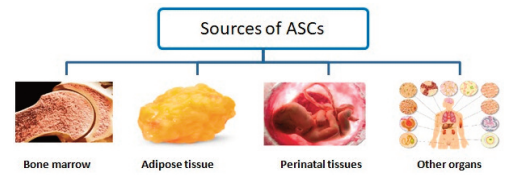
Figure 1.Classification of Adult Stem Cells (ASCs) According to Source
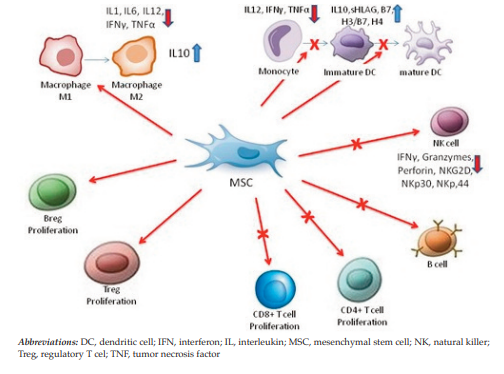
Figure 2.Mechanisms Mediating Immunomodulation of Mesenchymal Stem Cells
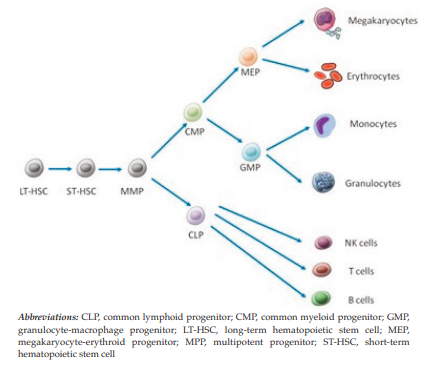
Figure 3.Cell Differentiation Hematopoietic Stem and Progenitor Cell Differentiation
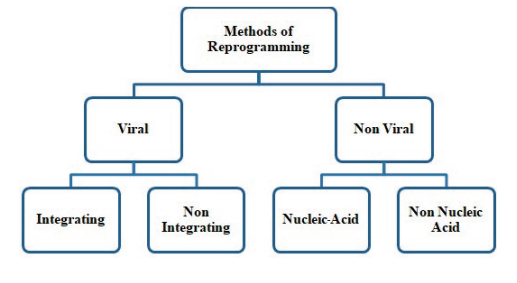
Figure 4.Different Methods of Reprogramming of Induced Pluripotent Stem Cells
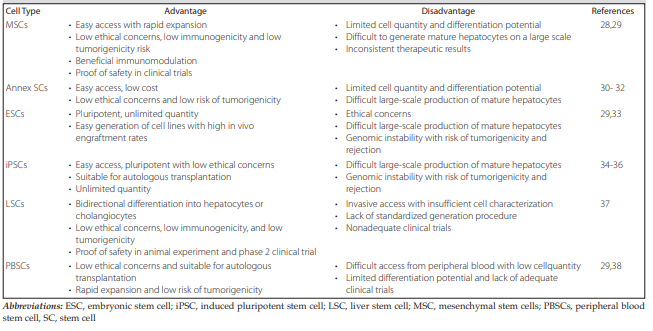
Table 1.Advantages and Disadvantages of Stem Cell Types Used for Treatment of Liver Diseases
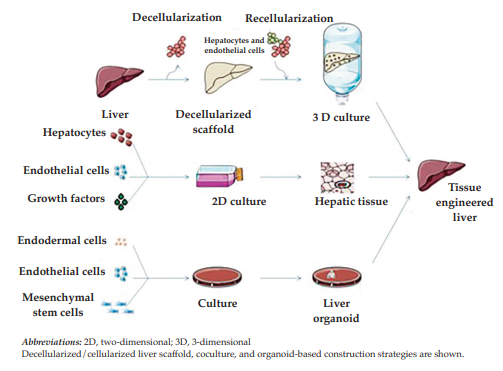
Figure 5.Liver Bioengineering Approaches