Volume: 22 Issue: 6 June 2024
FULL TEXT
Here, we describe an interesting case of a patient with the duplication of inferior vena cava, high-positioned bifurcation of the abdominal aorta with transposition of iliac arteries, and right renal aplasia associated with end-stage renal disease who underwent kidney transplant. In this case, the patient with anorectal malformations with a vaginal fistula was prepared and underwent a kidney transplant. During the surgery, we discovered duplicated inferior vena cava and transposed iliac arteries. After the surgery, computed tomography angiography revealed the inferior vena cava duplication with the 2 connections between the right and left inferior vena cava with the formation of an anomalous circle, high-positioned bifurcation of the abdominal aorta at the level of the L2 vertebral body, and transposition of right and left iliac arteries.
Also, we observed the right kidney aplasia and absence of blood circulation in the left native kidney. In our case, a delayed diagnosis of pyelonephritis resulted in the progression to end-stage renal disease that necessitated a kidney transplant, during which we found these anomalies. We confirmed the asymptomatic course of these anomalies, diagnosed only during radiological imaging or surgical intervention. Patients with congenital anomalies of the kidney and urinary tract should undergo complete investigations before surgical decisions. Diagnosis of this pathology in the preoperative period, especially in transplant patients, will alert the surgery team in advance of the operation and allow preparation for the intraoperative difficulties that are typically associated with anomalies such as inferior vena cava transposition or aplasia.
Key words : End-stage renal disease, High-positioned bifurcation of the abdominal aorta, Inferior vena cava duplication, Renal aplasia, Transposition of iliac arteries
Introduction
In 1793, J. Abernethy was the first to describe an anomaly of the inferior vena cava (IVC) in a 10-month-old infant for which a hepatic segment was absent and venous outflow from the lower half of the body occurred through the azygos vein system, and subsequently there have been reports of different IVC types and IVC tributaries.1
During the embryonic development of the IVC, anomalies may occur during the complex process of segment formation. The hepatic, suprarenal, renal, and infrarenal segments of the IVC are formed from 3 primary longitudinal systems (ie, the subcardinal, supracardinal, and postcardinal veins). This process occurs during the period from week 6 to week 8 of embryogenesis and involves the fusion, persistence, and involution of these veins.2 When the sequence of formation and fusion of IVC segments is disrupted, various types of IVC anomalies can occur.3
Congenital anomalies of the IVC are classified into 3 anatomic categories based on the location: infrarenal (duplicate IVC, persistent left-sided IVC, preaortic IVC, and absence of the infrarenal IVC), renal (accessory left renal vein, retroaortic and circumaortic left renal vein), and suprarenal (absence of the hepatic IVC with azygos continuation, congenital caval stenosis or atresia, and IVC membranes).4 In cases of a duplicated IVC, subsequent to the proper merge of the left IVC with the left renal vein, the IVC anomalously crosses the aorta and connects with the right renal vein and the right IVC. The occurrence rate of this anomaly in the population is between 0.3% and 3%.3
These anomalies of the IVC, whether variants of transposition or duplication, are usually asympto-matic and subclinical due to well-developed collaterals5 and may remain undiscovered unless detected incidentally during radiological imaging.6 Duplication of the IVC may be suspected in cases of recurrent pulmonary embolism after placement of an IVC filter.3
Here, we describe an interesting case of a patient with the duplication of IVC, high-positioned bifurcation of the abdominal aorta (BAA) at the level of the L2 vertebral body, and transposition of iliac arteries and right renal aplasia associated with end-stage renal disease (ESRD) who underwent kidney transplant.
Case Report
A 15-year-old female patient was admitted to the transplant department of the Republican Research Centre of Emergency Medicine (RRCEM) for a kidney transplant. She complained of a headache due to hypertension of more than 150 mm Hg systolic blood pressure, appetite loss, nausea, and general weakness.
In anamnesis, the patient was born with anorectal malformations with a vaginal fistula. There was an atresia of the anal sphincter with a fistula in the vestibule of the vagina and agenesis of the coccyx. At 2 years old, she underwent a colostomy, and 1 year later an abdominoperineal proctoplasty with the Romualdi technique was performed.
At 11 years old, the patient mentioned a pain in the left lumbar region, and investigations of a kidney showed pyelonephritis of a single left kidney. The patient was treated for 3 years by nephrologists. At 14 years old (January 2021), her glomerular filtration rate (GFR) began to decrease, and the second stage of chronic kidney disease (CKD) developed. The CKD progressed during the next 6 months, and in June 2021, to treat the occurrence of a convulsive syndrome, the first emergency hemodialysis was performed through the central venous catheter on the left side. In August 2022, distal arteriovenous fistula on the right forearm was performed. The patient continued on renal replacement therapy by hemodialysis.
Physical examination showed an estimated body mass index of 15.8 kg/m2, blood pressure of 130/90 mm Hg, and daily diuresis of 1 L. The GFR (creatinine clearance) was 1.48 mL/min. Laboratory results revealed anemia (hemoglobin 73 g/L, red blood cell count 2.6 million cells, and hematocrit 23%). Other blood chemistry results showed a glucose level of 4.2 mmol/L, total protein level of 74 g/L, albumin 33 g/L, urea 27.1 mmol/L, creatinine 0.51 mmol/L, potassium 5.7 mmol/L, aspartate aminotransferase 37 U/L, and alanine aminotransferase 41 U/L. Proteinuria was 1.65 g/L. No viral infectious diseases were detected. Ultrasonography showed a single left kidney 4.5 cm in length and 2.7 cm in width. We found an infection in the urine. A urine culture showed a positive result with 100?000 colony forming units/mL of Escherichia coli, which was treated with antibiotic. We evaluated the patient’s 41-year-old mother as a candidate for live donation and established her to be a suitable ABO-compatible donor with 2 human leukocyte antigen mismatches (HLA-A and HLA-B) and a negative crossmatch test.
The patient underwent a kidney transplant with the diagnosis of urinary tract malformation, right kidney aplasia, and end-stage CKD due to a single left kidney pyelonephritis, with hemodialysis from June 2022, symptomatic arterial hypertension, and anemia.
Regarding intraoperative features, after access to the right retroperitoneal space and preparation of the right iliac vessels, the duplicated IVC was revealed. There was a connection between the right IVC and left IVC at the level of the confluence of the iliac veins. Also, we revealed the transposition of the iliac arteries: the left iliac artery was located on the right side between the right IVC and the left IVC, and the right iliac artery was located on the left side of the left IVC (Figure 1). Because the patient had a narrow pelvic ring and a deep location of the right iliac vein, the renal graft vein was joined to the right IVC by an end-to-side anastomosis. The renal graft artery was joined to the right iliac artery by an end-to-side anastomosis. The ureterovesical anastomosis was performed according to the standard Lich-Gregoir procedure with a double J stent. Graft function was immediately observed during surgery.
Postoperative therapy included standard triple immunosuppression with tacrolimus (4 mg/d), mycophenolate mofetil, and prednisolone. The patient also received antiviral therapy (ganciclovir), uroseptic agents (sulfamethoxazole and trimethoprim), antibiotics, and liquid infusion therapy. On posttransplant day 1, diuresis was 11?850 mL, which decreased to 2250 mL on posttransplant day 7. Creatinine level normalized at posttransplant day 1 to 0.096 mmol/L and decreased to 0.051 mmol/L at posttransplant day 7. Proteinuria level was 0.99 g/L on day 1 and 0.066 g/L on posttransplant day 7. Hemoglobin increased from 91 g/L on post-transplant day 1 to 106 g/L on posttransplant day 7. On posttransplant day 4 the GFR (creatinine clearance) increased to a level of 77.6 mL/min.
Doppler ultrasonography showed echogenicity and graft size within reference range (13.3 × 4.5 cm) and adequate flow in the renal graft and iliac vessels (renal artery peak systolic velocity was 114.0 cm/s, with resistive index of 0.68). The PSV on the renal vein was 27 cm/s; and the right IVC measured 0.9 cm. The patient was discharged on posttransplant day 7 in good condition. The double J stent was removed on posttransplant day 21.
Our transplant team has been regularly monitoring the patient’s progress. The kidney function in the 1-year posttransplant period was good. There were no signs of urinary tract infections or other complications. We decided to evaluate the IVC and BAA anomalies in this patient via computed tomography (CT) angiography. We found the IVC duplication with the 2 connections between the right IVC and the left IVC with the formation of the so-called anomalous circle (Figure 2b), high-positioned BAA at the level of the L2 vertebral body, and transposition of right and left iliac arteries (Figure 3). Also, we observed the right kidney aplasia and absence of blood circulation in the left native kidney (Figure 2a). Graft function, vessels, and uretero-vesical anastomoses were in good condition (Figure 2, a-c).
Discussion
Transplantation in the Republic of Uzbekistan developed in 5 stages. Stage I (1972-1991) began with the first kidney transplant in Uzbekistan on September 14, 1972, on the basis of the legislation on organ and tissue transplantation of 1970. Stage II (1991-1998) represented a break in the field of transplantation due to its prohibition by law. Stage III (1998-2017) comprised a series of 48 kidney transplants from living related donors on the basis of an order of the Ministry of Health. Stage IV (2017-2022) comprised a series of 1020 kidney transplants and 26 liver transplants from living related donors on the basis of Cabinet of Ministers Resolution No. 859 of October 17, 2017.7 At this stage, Professor Mehmet Haberal from Baskent University played a substantial role in the development of kidney transplantation at the RRCEM. He provided insight and practical contributions to the successful first 9 transplant surgeries at the RRCEM. In addition, the first kidney transplant to a child in Uzbekistan was performed by Professor Haberal and his team.8
Stage V began on May 11, 2022, with the adoption of a new law by the Republic of Uzbekistan, On the Transplantation of Human Organs and Tissues. According to this new law, the objects of transplantation can be human organs and (or) tissues taken from a living donor or a deceased donor. This law expanded the range of donors for patients in need. Between November 2017 and December 2023, there were 87 liver transplants and 1601 kidney transplants performed in Uzbekistan.
The first duplicated IVC was discovered in 1916 during gross anatomy laboratory studies at the London School of Medicine for Women. Both the right and left supracardinal veins contribute to this anomaly during embryonic development. The most common manifestation is when 2 distinct IVCs originate from each iliac vein. The left IVC usually terminates at the level of the left renal vein before crossing over to join the right IVC.9 When the left IVC crosses over at a lower level than the renal vein, this can result in significant asymmetry in the sizes of the left vein and right vein.3 We have not found reports of the presence of the 2 connections between the right IVC and left IVC: on the upper side at the level of renal veins and on the lower side at the level of connection of iliac veins. This abnormality is likely caused by the presence of a nonobliterated vein between the sacrocardinal veins2 and may result in the formation of an anomalous circle of veins consisting of both left IVC and right IVC joining at the upper and lower sides.
Vascular variations at the BAA are uncommon and are generally detected incidentally by symptoms of chronic lower limb ischemia. The L4 vertebra is the most common location for BAA (67%-83%). However, in rare cases (up to 3%), the BAA may be present at an elevated level of the L3 vertebral body.10 There are only 3 cases with the high-positioned BAA with a horseshoe kidney at the level of the upper L2 vertebral body.11 In our case, the BAA is located on the L2 vertebral body with transposition of right and left iliac arteries, where the left artery is located between the right IVC and left IVC and right artery is located to the left of the left IVC.
The occurrence of a duplicated IVC and renal aplasia is rare. It has been noted that the absence of a single kidney usually occurs only on the right side and is most often seen in male patients.12 The association of congenital anomalies of the IVC with right renal aplasia or hypoplasia has only been reported in 11 cases.13 The IVC anomalies included partial or complete absence of the IVC in 9 patients and a double vena cava in 2 patients.12 Interestingly, only 2 cases of left renal aplasia (first case) and left renal agenesis (second case) with duplicated IVC have been reported in the literature.13 Both cases had a normal contralateral kidney function. End-stage renal failure in patients with the right renal aplasia and congenital anomalies of the IVC has been mentioned only in 1 case.12 Our case also presents duplicated IVC with right renal aplasia with end-stage renal failure. However, our case is the first case to combine duplicated IVC, right renal aplasia, elevated BAA, transposed iliac arteries, and the development of ESRD.
There are several reports of the relationship of duplicated superior vena cava with ESRD14 and several reports of successful kidney donation from a living donor and deceased donor renal transplant with duplicated IVC,15 but we found no information about kidney transplantation in a patient with duplicated IVC, right renal aplasia, elevated BAA, transposed iliac arteries, and the development of ESRD.
To our knowledge, our patient is the first case in the literature with ESRD, duplicated IVC, high-positioned BAA (L2 vertebral body), transposed iliac arteries, and right renal aplasia who underwent kidney transplant. In this case, pyelonephritis of a single left kidney was found too late in our patient at 11 years old, which led to the development of the ESRD at 14 years old. In our case, a complete investigation of these congenital anomalies, which could have prevented the development of pyelonephritis, was not performed, and these anomalies remained undetected until discovery during the kidney transplant procedure.
Conclusions
Anorectal malformations with a vaginal or urethral fistula may be associated with IVC, abdominal aorta, and iliac arteries anomalies with renal aplasia. Early diagnosis of such congenital anomalies could prevent the development of pyelonephritis of a single kidney with end-stage renal failure. In our case, a delayed diagnosis of pyelonephritis resulted in the progression to ESRD, which necessitated a kidney transplant, during which we found these anomalies. We confir-med the asymptomatic course of these anomalies, diagnosed only during radiological imaging or surgical intervention. Patients with congenital ano-malies of the kidney and urinary tract should undergo complete investigations before surgical decisions. Diagnosis of this pathology in the preoperative period, especially in transplant patients, will alert the surgery team in advance of the operation and allow preparation for the intraoperative difficulties that are typically associated with anomalies such as inferior vena cava transposition or aplasia.
References:
- Abernethy J. Account of two instances of uncommon formation in the viscera of the human body: from the Philosophical Transactions of the Royal Society of London. Med Facts Obs. 1797;7:100-108.
CrossRef - PubMed - Desai N, Jinaga N, Sirohi A, Gowda D. Congenital anomalies of inferior vena cava, review of embryogenesis, presentation, associated congenital anomalies and surgical importance. Am J Cardiovasc Thorac Surg. 2018;3(2):1-6. doi:10.15226/2573-864X/3/2/00137
CrossRef - PubMed - Ghandour A, Partovi S, Karuppasamy K, Rajiah P. Congenital anomalies of the IVC-embryological perspective and clinical relevance. Cardiovasc Diagn Ther. 2016;6(6):482-492. doi:10.21037/cdt.2016.11.18
CrossRef - PubMed - Spentzouris G, Zandian A, Cesmebasi A, et al. The clinical anatomy of the inferior vena cava: a review of common congenital anomalies and considerations for clinicians. Clin Anat. 2014;27(8):1234-1243. doi:10.1002/ca.22445
CrossRef - PubMed - Alkhouli M, Morad M, Narins CR, Raza F, Bashir R. Inferior vena cava thrombosis. JACC Cardiovasc Interv. 2016;9(7):629-643. doi:10.1016/j.jcin.2015.12.268
CrossRef - PubMed - Gayer G, Luboshitz J, Hertz M, et al. Congenital anomalies of the inferior vena cava revealed on CT in patients with deep vein thrombosis. AJR Am J Roentgenol. 2003;180(3):729-732. doi:10.2214/ajr.180.3.1800729
CrossRef - PubMed - Khadjibaev A, Khadjibaev F, Anvarov K, Sultanov P. Organ donation in Uzbekistan: achievements and prospects for further development. Exp Clin Transplant. 2020;18(Suppl 2):54-57. doi:10.6002/ect.rlgnsymp2020.L8
CrossRef - PubMed - Khadjibaev F, Sharipova V, Sultanov P, Anvarov K, Ergashev D, Ruzibakieva M. The first successful kidney transplant to a child with abnormality of urinary tract in Uzbekistan: Case report. Exp Clin Transplant. 2020;18(Suppl 1):44-46. doi:10.6002/ect.TOND-TDTD2019.O22
CrossRef - PubMed - Malaki M, Willis AP, Jones RG. Congenital anomalies of the inferior vena cava. Clin Radiol. 2012;67(2):165-171. doi:10.1016/j.crad.2011.08.006
CrossRef - PubMed - Atalar MH, Salk I, Bozbiyik N, Cetin A. Diagnosis of high bifurcation of the abdominal aorta with associated vascular variations: case report with multidedector computed tomography. Pol J Radiol. 2015;80:523-525. doi:10.12659/PJR.895240
CrossRef - PubMed - Roider L, Abdelaziz A, Gaballah AH. CHARGE syndrome with high bifurcation of the abdominal aorta and a horseshoe kidney: A case report. J Vasc Interv Radiol. 2018;29(9):1288-1290 e1. doi:10.1016/j.jvir.2018.04.015
CrossRef - PubMed - Gayer G, Zissin R, Strauss S, Hertz M. IVC anomalies and right renal aplasia detected on CT: a possible link? Abdom Imaging. 2003;28(3):395-399. doi:10.1007/s00261-002-0090-7
CrossRef - PubMed - Vignesh S, Bhat TA. Unique medley of cardinal veins: duplicated superior and inferior venae cavae with left renal agenesis and hemiazygos continuation of left inferior vena cava with drainage into left atrium. Vasc Endovascular Surg. 2022;56(3):330-334. doi:10.1177/15385744211051493
CrossRef - PubMed - Zhu C, Zeitouni F, Warren L, Santos A. Beware of a duplicate superior vena cava. Southwest Resp Crit Care Chron. 2022;10(44):48-51. doi:10.12746/swrccc.v10i44.1055
CrossRef - PubMed - Kamath KA, Vasudevan S, Pandey H. Duplicated inferior vena cava in live-related renal transplant donor nephrectomy. Indian J Transplant. 2023;17(1):136. doi:10.4103/ijot.ijot_51_22
CrossRef - PubMed

Volume : 22
Issue : 6
Pages : 459 - 464
DOI : 10.6002/ect.2024.0047
From the Department of Transplantology, Republican Research Center of Emergency Medicine, Tashkent, Uzbekistan
Acknowledgements: The authors have not received any funding or grants in support of the presented research or for the preparation of this work and have no declarations of potential conflicts of interest. We thank Professor Mehmet Haberal and his team from Baskent University, who provided insight and practical contribution for the first successful kidney transplant in the Republic of Uzbekistan. We express sincere gratitude for all personnel of the RRCEM (surgeons, anesthetists, intensivists, laboratory team, radiography and computed tomography staff, and all nursing personnel) for their daily efforts and commitment, without whom this work would not have been possible.
Corresponding author: Pulat Sultanov, Ministry of Health of the Republic of Uzbekistan,
3-39, M. Ismoiliy Street, Mirzo Ulugbek district, Tashkent, Uzbekistan 100035
E-mail: sultanovpk@gmail.com
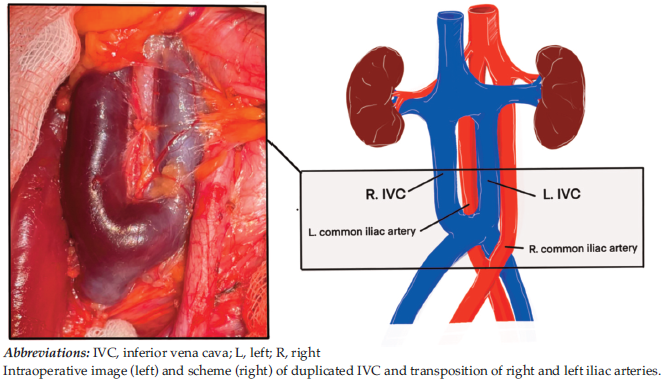
Figure 1.Intraoperative Imaging and Scheme of Duplicated Inferior Vena Cava and Transposition of Right and Left Iliac Arteries
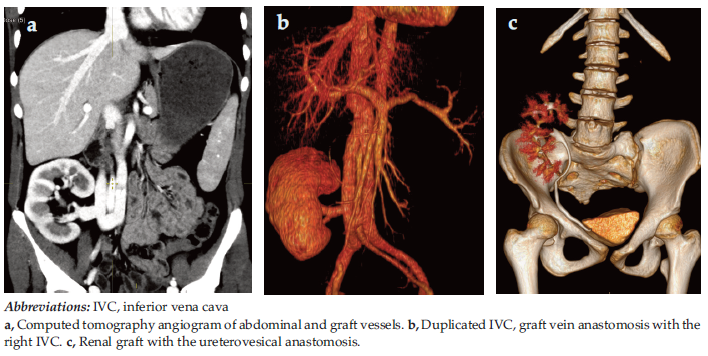
Figure 2.Computed Tomography Angiogram of Abdominal and Graft Vessels, Duplicated Inferior Vena Cava, and Renal Graft With Ureterovesical Anastomosis
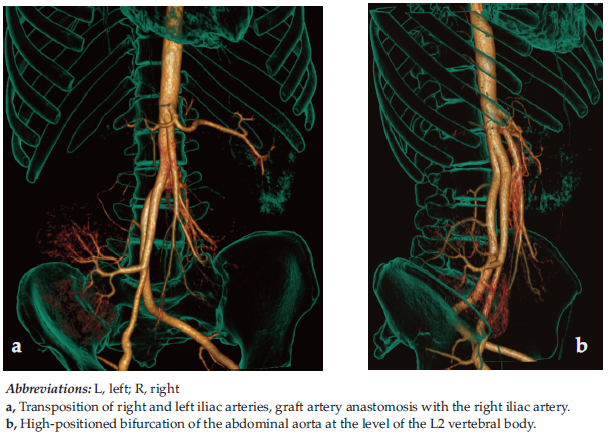
Figure 3.Computed Tomography Angiogram of Abdominal Aorta