Volume: 22 Issue: 5 May 2024
FULL TEXT
Objectives: Urologists represent functional alternatives for transplant surgeons, but their involvement is minimal. Evaluating urologists’ interests in transplant and identifying associated factors may help to determine whether recruitment of more urological providers is a viable strategy to address transplant surgeon shortages in the United States.
Materials and Methods: We emailed a 10-question survey to individuals pursuing urology in the United States and collected demographic data, education and training backgrounds, and preferences for proposed integrated residency programs and abbreviated transplant fellowships. We stratified respondents based on transplant interest (yes/no); we made comparisons by using t-tests for continuous variables and Fisher exact tests for categorical variables. We used multivariable logistic regression to identify factors associated with interest in transplant surgery.
Results: Of 104 respondents, 98 were included in the final analysis, with 47% indicating a current or prior interest in transplantation. Male respondents were 3.7 times more likely than female respondents to be interested (odds ratio = 4.675; 95% CI, 1.411-15.495; P = .012). Participants aged <30 years were 93% less likely than older participants to be interested in transplantation (odds ratio = 0.071; 95% CI, 0.006-0.779; P = .03). International medical graduates reported higher enthusiasm for transplantation compared with US-trained counterparts (89% vs 42%), with a trend toward significance (P = .06). Nearly all (93%, 43/46) who expressed interest endorsed having an integrated training pathway. Only 70% (32/46) supported an abbreviated fellowship (<24 mo). Lifestyle concerns and insufficient exposure during residency were the most frequently cited reasons for lack of interest.
Conclusions: Compared with male and older urology trainees, female and younger urology trainees were less inclined to pursue transplant surgery. Nonetheless, urologists represent an untapped pool of transplant surgeons. Proposing an integrated training program for urologists and increasing exposure to transplantation during urology residency represent potential strate-gies to decrease transplant surgeon shortages.
Key words : Kidney transplantation, Urology, Workforce
Introduction
Transplant surgeons report one of the highest levels of career satisfaction relative to other surgical subspecialties.1,2 Nonetheless, the field struggles with recruitment and retention. Approximately 25% of abdominal transplant fellowship positions remain unfilled annually, and, over the past 20 years, there has been a marked decline in the number of transplant surgery fellowship applicants trained in the United States.3,4 Substantial on-call responsibilities, reim-bursement challenges, and duration of training deter many from pursuing fellowships.5 Furthermore, the rate of attrition is high, owing to the dispro-portionately high rates of burnout observed among transplant surgeons.6 This decrease is concerning because of the growing demand for transplant services. Over the past 20 years, the total volume of transplant cases has increased by >13 000 due to increased rates of organ utilization and end-stage renal disease requiring transplantation plus impro-ved survivorship.7 To ensure continued provision of appropriate and equitable transplant care, it is imperative to address the disparity between the decreasing number of transplant surgeons and the rising transplant cases.
Recent workforce projections in the United States have shown a shortage of 19?184 general surgeons by 2030 and 25?633 by 2050.8 Most transplant specialists are general surgeons. A small proportion are urology providers who have completed fellowships in kidney transplant. As a result, there has been increased reliance on internationally trained physicians to help maintain a stable transplant workforce in the United States.3 In response to the shortage of transplant professionals, the American Society of Transplant Surgeons (ASTS) established the Transplant Surgery Pipeline Task Force in 2018 and tasked it with investigating and proposing strategies to address these labor force concerns. Their efforts focused on making the field more appealing to general surgery residents by suggesting improvements to the residency experience.3 Unfortunately, their recom-mendations overlook the potentially large pool of urologists who possess the knowledge and the skillset to be successful transplant providers.
The American Board of Urology requires at least 5 years of postgraduate medical training, which includes a minimum of 3 months of general surgery and 4 years dedicated specifically to urologic training.9 During these 5 years, urologists gain specific knowledge of the genitourinary system, as well as pathophysiology of urologic diseases,10,11 making them ideal candidates to perform renal transplant. There is an existing pathway for urologists to become kidney transplant surgeons via a 2-year transplant fellowship at a program with United Network for Organ Sharing membership. However, not many follow this path. In 2022, urologists trained in renal transplant only represented 2.7% of practicing urologists.12 This may be attributed to the additional training timeline. Despite differences in training, a 2021 investigation of 173 general surgery-led and 18 urology-led kidney transplant programs found no association between kidney transplant director training and transplant outcomes.13 These results support the role of urologists as functional alternatives to general surgeons in the transplant surgery pipeline.
In light of the predicted shortage of transplant surgeons and decreased interest in the field, efforts to recruit more urologists into transplantation are vital. However, there is currently no guidance on how to accomplish this. The ASTS has not published, endorsed, or adopted any recommendations or strategies for increasing urology participation in transplant surgery. Offering an integrated training program and fellowships that are shorter than the United Network for Organ Sharing-mandated 2-year pathway may be one way to attract more urologists. Research is scarce on interest among urologists in contributing to the transplant surgery workforce. It is unclear what factors motivate urologists to pursue or forgo training in transplantation. Understanding the perceptions of transplant surgery among established urologists and urology trainees is crucial to develo-ping effective strategies to improve recruitment. We assessed the level of interest in transplant surgery during or after residency across the entire training spectrum of urology providers. We hypothesized that a robust urology workforce exists with interest in obtaining transplant training.
Materials and Methods
Participant recruitment
The population of interest encompassed urology attendings, urology trainees (fellows, residents), and medical students across the United States. After approval from the local Institutional Review Board, for survey distribution, we compiled a list of email addresses from peer-reviewed urology journals, including Nature Reviews Urology, Journal of Urology, Prostate Cancer & Prostatic Diseases, and Urology Practice, and through a manual search of professional online profiles available on urology program websites.
Survey administration
We created a 10-question survey by using REDCap and distributed a survey link to potential participants by email. Survey responses were collected over a period of 3 months (September 2023 through November 2023). After 3 failed contact attempts, we considered those individuals lost to follow-up. Respondents were granted the option to complete the survey anonymously.
To ensure that we captured the opinions and preferences of only those pursuing urology, medical students were asked to confirm their interest in urology. Those who were not interested in urology were excluded. Data obtained from the survey included general demographics (age, sex, race, and ethnicity) and information about individual education, training, and medical career background. We asked participants with current or prior interest in transplant surgery to indicate their preference for various type(s) of abdominal transplantation (eg, kidney, liver) and the establishment of combined urology-transplant training programs. Subsequently, participants were prompted to specify the length of any additional training that they felt necessary and appropriate to achieve clinical competency. Conversely, those who were not interested in transplant surgery were encouraged to articulate their reasoning.
Statistical analyses
The primary objective was to gauge the level of interest in the field of transplantation among individuals pursuing urology. Our secondary aim was to identify factors associated with interest in transplantation. Respondent characteristics were grouped and evaluated based on their interest (yes/no) in the field. We used t-tests to compare continuous variables and the Fisher exact test to compare categorical variables. Factors considered for analysis included demographic variables (eg, sex, age, race), as well as education, training, and medical career backgrounds. We performed multivariable logistic regression to identify respondent’s charac-teristics associated with interest in transplantation, adjusting for covariates. All analyses were completed using STATA (version 18, StataCorp). Statistical significance was determined with alpha set to 0.05.
Results
General cohort overview
From 1042 individuals who were emailed survey invitations, 104 completed the survey, resulting in a response rate of 10%. Of the 104 responses, 98 were analyzed further, as 6 medical students indicated that they were not pursuing urology (Figure 1). Table 1 lists a summary of cohort demographics. Age, sex, race, geographical location, and training level were well distributed among survey respondents. Most respondents indicated that they were White (58%) and non-Hispanic (82%). Respondents who indicated being Asian and Black or African American comprised 16% and 6% of the cohort, respectively. Male respondents constituted 67% (66/98) of the cohort population, and female respondents repre-sented 31% (30/98). The remaining 2% were participants who either left the field blank or who self-selected “other.” Respondents who were younger (ie, age ≤40 years) were responsible for a slightly greater proportion of responses compared with respondents who were older than age 40 years (55% vs 45%). However, no individual age bracket represented more than one-third of responses. Participants resided predominantly in the Northeast (44%), and most were affiliated with home institutions that were public (71%) and situated in urban settings (76%).
With respect to training and educational background, the breakdown was as follows: 61% urology attending, 6% urology fellow, 24% urology resident, and 9% medical student. Nearly all were either graduates or current students from a US MD/DO program (90%), whereas the remaining respondents were international medical graduates (IMGs) (10%). Most urology attendings were fellowship-trained (78%, 47/60), and most residents indicated an interest in pursuing a fellowship (70%, 16/23). Overall, 47% (46/98) reported having a current or prior interest in organ transplantation.
Interest in transplant surgery
Of 98 respondents, 46 (46.9%) indicated having a current or prior interest in organ transplantation. Among those interested in organ transplantation, the greatest number of responses were from urology attendings (53%). Within the group interested in transplant, 100.0% (46/46) specified an interest in kidney transplant. These respondents also indicated an interest in combined kidney/liver (13%, 6/46) and combined kidney/liver/pancreas (6.5%, 3/46) transplant (Table 1). When asked whether they were interested in kidney transplant as part of urology residency or fellowship training, 43 of 98 respondents (43.9%) advocated for integrated training (Table 2). Only 3 respondents who had originally expressed interest in transplantation opposed the idea. When prompted to explain their rationale for responding “no,” 2 of the 3 respondents stated that transplant is not a part of general urology and that this additional training would likely hold little interest for urology residents and medical students pursuing urology. The third respondent stated that their urology residency program already incorporates transplant, but they were unopposed to incorporating an additional 12 months of training for achieving kidney-only transplant ability.
Fewer respondents (n = 32) expressed interest in participating in an abbreviated fellowship (<24 months). Those interested in additional fellowship training were asked to indicate appropriate duration of training for urologists to become certified in kidney only and combined kidney, liver, and pancreas transplant. All 32 (100%) reported 6 months of training was sufficient for kidney-only transplant training. Although 28 respondents (87.5%) wrote that 12 months for kidney-only transplant training would be sufficient, 24 months was reported as acceptable by 9 respondents (28.1%) for kidney, liver, and pancreas transplant training (Table 1, Figure 2). Among respondents, 52 (53%) were not interested in transplant surgery. Lifestyle concerns (42.3%), lack of exposure (23.1%), and patient population (11.5%) were the 3 most frequently cited reasons for their disinterest in transplant surgery (Table 3).
Factors associated with interest in transplant surgery
Male respondents were more likely (56% yes vs 44% no; P = .018) and younger respondents (aged ≤30 years) were less likely (28% yes vs 72% no; P = .05) to be interested in the field of transplantation (Table 2). After adjusting for covariates, we found that male respondents were 3.7 times more likely to be interested in the field of transplantation (odds ratio [OR] = 4.675; 95% CI, 1.411-15.495; P = .012), whereas the younger respondents were 93% less likely to be interested in the field of transplant (OR = 0.071; 95% CI, 0.006-0.779; P = .03) (Table 4). No other factors significantly predicted interest in transplantation.
Discussion
Data on interest in transplant surgery among urologists are sparse. A 2019 ASTS evaluation of the abdominal transplant surgery workforce noted only 3.4% (7 of 208) of practicing transplant surgeons in the United States were trained urologists.5 A 2021 investigation of kidney transplant program leadership by Chiodo Ortiz and colleagues noted only 9% (18 of 195) of kidney transplant directors were trained in urology.13 Results from the American Urological Association’s (AUA) 2022 census of the urology workforce have mirrored the ASTS in its findings, with only 2.7% of active urologists reporting having completed a renal transplant fellowship.12 These reports summarize current urology involvement in transplant but do not offer additional insights into factors hindering parti-cipation in the field of transplantation. Our present investigation sought to address this gap in knowledge by being the first to directly examine interest among practicing urologists and urology trainees in transplant surgery.
In total, 47% (46/98) of respondents indicated having a current or prior interest in transplantation. Within this group, there was unanimous interest in kidney transplantation, with only a few also expressing an inclination toward liver and pancreas transplantation. Furthermore, nearly all (94%, 43/46) favored incorporating transplant training into urology residency over the option of completing an abbreviated fellowship. Nevertheless, 70% (32/46) still endorsed fellowships as a pathway for transplant certification. In gauging an appropriate length of fellowship, 6 months of kidney-only training was promoted by all 32 individuals. Interestingly, the desire to pursue a fellowship waned significantly once suggested training durations exceeded 12 months, even if it encompassed additional training in liver and pancreas transplantation. Only 28.1% (9 of 32) reported 24 months as an acceptable duration of training for kidney, liver, and pancreas. Overall, there was significant interest in transplant.
The majority of male respondents showed interest in transplantation (56% yes vs 44% no), and male sex significantly predicted interest in transplant surgery. Male respondents were 3.7 times more likely than female respondents to be interested in organ transplantation (P = .012). In contrast, less than one-third of female respondents (27% yes vs 73% no) reported a favorable view of transplant surgery. Likewise, those who were younger (<30 years) were 93% less likely than older respondents to be interested in the field of transplantation (P = .03). The cumulative report suggests there is a potential pool of urologists interested in pursuing transplantation in their careers. Support exists for integrating transplantation into the urology curriculum or introducing abbreviated fellowships for urology graduates, suggesting that, with proper incentives, more urologists may be willing to contribute to the transplant workforce.
Brief historical overview
Interest in transplant surgery is not without precedent and likely multifactorial. Historically, urologists were the first to perform renal transplants and once exclusively conducted living donor nephrectomies.14 The advent of multiorgan transplant initiatives led to the establishment of fellowship programs covering various organs, largely eliminating the need for organ-specific programs. Today, only a limited number of fellowships that concentrate solely on kidney transplantation have survived.3 Because of the reduction of transplant fellowships that have attracted urologists, there is increased emphasis on vascular techniques and exposure to renal transplantation in urology training programs.14 With these changes, urologist participation has declined substantially over the past 40 years, and general surgeons have become the leading trainees for transplant.15 Nonetheless, the urologist’s role in transplantation remains vital. Urologists help to maximize the utility of suboptimal kidneys, including those with congenital or other abnormalities, such as small renal tumors, horseshoe kidneys, duplex ureters, and nephrolithiasis, which may otherwise be discarded by less experienced surgeons.16 Furthermore, their expertise in robot-assisted techniques enables patients with obesity to be more widely considered for transplantation and helps promote more equitable access to transplant care.17,18
Status of transplant surgery
Fellowships in transplant surgery are among the least competitive and desired paths for surgical residents trained in the United States. The field faces deficits in recruiting applicants for fellowships, with annual percentages of unfilled positions hovering around 25%.3,4 Patterns of low attraction to transplant surgery have been attributed to workforce concerns related to high burnout rates, limited decisional control, and struggles with poor work-life balance.3,5,19 Recent studies have shown that transplant surgeons have higher average nights on call (4.3 nights/week) and hours worked per week (mean of 68.8 hours/week) compared with other surgical subspecialties.20.Rates of burnout and depression among transplant surgeons also rank among the highest in surgery, with more than 33% of surgeons meeting the criteria.2,20 The lack of diversity in the transplant workforce further complicates recruitment efforts. Currently, women comprise 34% of the entire US physician workforce, yet only 13.1% of practicing transplant surgeons in the US identify as female.20 Despite progress, representation of female surgeons in transplant surgery continues to lag behind other surgical specialties. Women still account for a small number of transplant surgeons and program directors.13,20,21 In addition, racial disparities exist in transplant, with the number of African American transplant surgeons at 5.5%, Hispanic at 8.0%, and Asian at 15.2%.20,22 Bridging the gender and ethnicity gaps may not only improve workplace satisfaction among transplant surgeons but can also attract more applicants to a field struggling to recruit.
Status of urology
Unlike transplant surgery, urology continues to be a highly sought-after surgical subspecialty, with a persistent high demand for residency spots. The number of practicing urologists and the urology-to-population ratio has gradually increased over the past decade.12 However, the field does have its own concerns regarding the supply of urology providers. An aging US general population has led to an increased demand for urological care, but the urology workforce is also aging. Presently, 50% of practicing urologists are aged 55 years or older, and 25% of the workforce plan to retire by age 65.12,23 Despite a gradual increase in the number of residency positions,24 concerns of a shortage of urological surgeons persist.25,26
In terms of workforce diversity, urology has a less favorable environment compared with transplant surgery. Urology ranks as the second-most male-dominated specialty overall, following orthopedics, and lags behind other surgical specialties in terms of racial and ethnic representation. Despite a nearly 4% increase since 2014, women still constituted only 11.6% of the entire urology workforce in 2022.12 Organizational culture factors, such as a lack of women in leadership roles, compensation disparities, and lower rates of career advancement and academic promotion, as well as gender bias, microaggressions, and harassment, also play key roles in gender disparities in urology.27 With respect to minority representation, 13.8% of practicing urologists identified as Asian, 4.9% as Hispanics/Latinos, and 2.2% as African American or Black in 2022.12 Progress has been slow in this regard. From 2007 to 2020, urology applicants who identified as Latinx/Hispanic increased by 0.38% annually, but their representation among urology residents remained constant. During the same period, there was a 0.13% annual decrease in the proportion of urology applicants who identified as Black, with no change in the resident population, despite an overall increase in the total number of residents from 1043 to 1734.28
Low interest among young and female urology trainees
Collectively, workforce trends across both specialties provide important insight into the observed dis-parities in transplant interest between male and female and between older and younger individuals pursuing urology. In the urology workforce, 91% are married or partnered and work-life balance remains an important concern for urologists.12 This is increasingly true for young trainees and female trainees, who also tend to be younger.12,29 According to the 2017 AUA census, just 57.6% of female urologists felt they had sufficient time for both family and medicine, whereas the corresponding figure for male urologists was 67.3%.30
Although both fields are marked by concerns related to diversity, equity, and inclusion, urology is not plagued by the same lifestyle concerns as transplant surgery. Therefore, it would be illogical to think that younger trainees and female trainees would be equally or more interested in transplant surgery than their older, male counterparts. Indeed, our results suggest the exact opposite. Fewer than one-third of female respondents (27% yes vs 73% no) viewed transplant surgery favorably. Furthermore, male respondents were 3.7 times more likely to express interest in organ transplantation (P = .012). Likewise, younger respondents (<30 years) were 93% less likely to express interest in the field of transplant (P = .03). Unsurprisingly, lifestyle concerns ranked first among the reasons listed by respondents who denied interest in transplant. Of note, women constitute 11.6% of the urological workforce,12 yet they only encompass 31% (30/98) of the participants in our study. As such, the sex distribution of survey respondents suggested an oversampling of women. However, there was no reason to believe that a greater preponderance of female participants drastically altered the results of our investigation.
Urology’s own aggressive attempts to recruit and retain more trainees, particularly women and underrepresented minorities, are likely to pose a substantial barrier to any potential future efforts dedicated to attracting more urologists to become transplant surgeons. Nonetheless, it may be worthwhile to do so given that female urologists are more likely to complete fellowship training than their male counterparts. In the 2022 AUA census, 71.7% of female urologists under 45 years of age completed a fellowship, compared with 63.9% for male urologists. Among those aged 45 years and above, 58.8% of female urologists were fellowship-trained, whereas only 32.5% of male urologists had completed a fellowship.12 Without an integrated pathway, fellowship is the only currently viable pathway for urologists to become transplant surgeons.
Lack of exposure
Several studies have suggested that discrepancies in resident exposure and limited participation in transplant rotations during training promote feelings of ambivalence toward the field and negatively affect transplant aspirations.3,5 Our data are consistent in this respect and suggest that this trend extends to urology graduates. Among individuals who showed disinterest in transplant procedures, 23.1% (12/52) cited limited involvement during their residency training, ranking second only to lifestyle concerns. This finding may be further substantiated by the high level of interest in transplantation (90%, 9/10) noted among IMGs, which is in stark contrast to the US graduates who were disproportionately less interested (58% [n = 51] no vs 42% [n = 37] yes). Although IMG status did not significantly predict interest in transplantation within our cohort (P = .060), we suspect this association may hold true in a larger cohort with an increased number of responses from this subset.
Internationally, urologists are generally more involved in kidney transplantation, and medical schools and urology residency programs in many countries, including Canada, continue to provide substantial exposure to transplantation.31,32 Thus, it is reasonable to surmise that IMGs involved in this study may have benefited from greater exposure throughout their training relative to US graduates. Our questionnaire did not probe this information, and IMGs were not asked to disclose the country where they completed their initial training, making it difficult to ascertain the degree of exposure they may have had relative to US graduates involved in this investigation. Based on the responses, most IMGs were urology attendings (n = 7), 1 was a fellow, and 2 were residents. At least 2 completed part of their urology training in India, 1 in Mexico, 1 in Germany, and 1 was a Canadian medical graduate. A 2021 survey of past and current urology residents who had completed a transplant rotation noted that 100% of participants had indicated that they had learned valuable vascular surgical techniques and that the skills learned on the transplant rotations were beneficial for urology training.30 In that same report, 93% maintained that urology residents should have clinical transplant experience during their training.
Minimal exposure to transplantation during training may also have factored into why younger respondents were significantly less likely to be inte-rested in transplant surgery than older respondents. Despite increasingly less involvement in transplant surgery itself, many urologists in the United States still participate in the organ procurement and donation process. Having spent less time in these roles, younger trainees may not have developed a similar appreciation for transplantation as some of their older counterparts. Furthermore, older urologists are more likely to have undergone urology residency during a period when transplantation held a more integral role in the curriculum. Further inquiries should characterize the degree of exposure to transplantation among US-trained urological graduates, urology IMGs, and US-trained general surgeons. Future efforts to increase exposure to organ transplantation early in medical school and during urology residency in the United States are necessary to attract more urologists to become transplant surgeons.
Limitations
We acknowledge several limitations. First, the survey had a low survey response rate (10%), which potentially raises concerns about nonresponse bias and the generalizability of our findings. We attributed this low participation to 2 main reasons. First, low response rates are not uncommon for physician surveys.33 Physicians, especially surgeons, maintain busy work schedules and have difficulty finding time throughout the day to complete a survey. Second, our survey lacked institutional support. Having the endorsement or sponsorship from professional associations like the AUA has been shown to improve participation, presumably by lending credibility and adding to the importance of an investigation. We attempted to bolster participation by implementing strategies that have been associated with higher response rates, such as keeping the survey brief, attaching a personalized cover letter, and making multiple follow-up contacts.34,35 Consequently, enough responses were collected to sufficiently power statistical analysis.
Another potential weakness was related to limitations in the data collection process. We did not have access to email listservs from a parent organization like the AUA, which are regularly updated and maintained by paid staff. Alternatively, we obtained emails through peer-reviewed urology journals and online professional profiles, which in addition to potentially being outdated, may have also led to an oversampling of urologists in academia. We welcome the opportunity to redistribute the survey under the auspices of the AUA. This study analyzes self-reported survey data that are subject to incomplete responses, misinterpretation, technical errors, competing demands, and privacy concerns. We attempted to mitigate these issues by requiring a minimum number of required survey fields and providing the option to submit responses anonymously.
Conclusions
Urology provides an alternative training route for pursuing a career in transplant surgery. Our objective was to quantify the current level of interest in this pathway and to evaluate factors that predict interest in transplant surgery. Overall, the results demon-strate that urology remains an underutilized source of potential transplant surgeons and that recruitment should be encouraged. We provide evidence that supports the presence of a pool of urologists interested in pursuing transplant surgery during their career. We note that interest in transplantation is not uniform among urology providers and trainees and there are factors that limit interest in some. Among these, age and sex are significant predictors of interest in transplant surgery in this population. Younger urology trainees and those who identified as female were 93% less likely and 3.7 times less likely to be interested in transplant surgery, respectively. Working to address ongoing workforce concerns associated with transplant surgery, including poor lifestyle and issues related to diversity, equity, and inclusion, is vital to maximizing the recruitment of urologists, particularly among those who are younger and female. Urology is a highly sought-out field that lacks some of these workforce concerns. In addition to resolving these issues, offering additional incentives may be necessary. Proposing an integrated training program and increasing exposure to transplantation during urology residency represent potentially promising strategies to decrease the shortage of transplant surgeons.
References:
- Shanafelt TD, Balch CM, Bechamps GJ, et al. Burnout and career satisfaction among American surgeons. Ann Surg. 2009;250(3):463-471. doi:10.1097/SLA.0b013e3181ac4dfd
CrossRef - PubMed - Balch CM, Shanafelt TD, Sloan JA, Satele DV, Freischlag JA. Distress and career satisfaction among 14 surgical specialties, comparing academic and private practice settings. Ann Surg. 2011;254(4):558-568. doi:10.1097/SLA.0b013e318230097e
CrossRef - PubMed - Quillin RC, 3rd, Cortez AR, Dageforde LA, et al. Transplant surgery pipeline: a report from the American Society of Transplant Surgeons Pipeline Taskforce. J Am Coll Surg. 2021;233(2):262-271. doi:10.1016/j.jamcollsurg.2021.04.032
CrossRef - PubMed - National Resident Matching Program. Results and data: specialties matching service 2023 Appointment Year. National Resident Matching Program; 2022.
CrossRef - PubMed - Kaldas FM, Rocca JP, Bhati CS, et al. The Abdominal Transplant Surgery Workforce: current state and future trends. Clin Transplant. 2019;33(10):e13659. doi:10.1111/ctr.13659
CrossRef - PubMed - Kassam AF, Cortez AR, Winer LK, et al. Extinguishing burnout: National analysis of predictors and effects of burnout in abdominal transplant surgery fellows. Am J Transplant. 2021;21(1):307-313. doi:10.1111/ajt.16075
CrossRef - PubMed - Beaulieu-Jones BR, Rasic G, Howard DS, et al. An interval look at the transplant surgery pipeline: insights from general surgery residents' operative experience Using ACGME operative logs from 2000 to 2021. J Surg Educ. 2023;80(4):511-519. doi:10.1016/j.jsurg.2022.11.006
CrossRef - PubMed - Oslock WM, Satiani B, Way DP, et al. A contemporary reassessment of the US surgical workforce through 2050 predicts continued shortages and increased productivity demands. The American Journal of Surgery. 2022;223(1):28-35.
CrossRef - PubMed - American Board of Urology. General requirements. Accessed January 25, 2024. https://www.abu.org/residency-requirements/#:~:text=The%20resident%20must%20have%20a,the%20PGY1%20and%20chief%20years
CrossRef - PubMed - George Washington University. Urology Residency Handbook, 2017-2018. Accessed January 25, 2024.https://urology.smhs.gwu.edu/sites/g/files/zaskib751/files/2021-07/Handbook_2017-2018.pdf.
CrossRef - PubMed - American Board of Urology. 2024 Information for applicants and candidates. Accessed January 25, 2024. https://www.abu.org/images/pt1/2024CertHandbook.pdf
CrossRef - PubMed - National Resident Matching Program. The state of urology workforce and practice in the United States, 2022. Accessed April 22, 2023. https://www.auanet.org/documents/research/census/State%20Urology%20Workforce%20Practice%20US.pd
CrossRef - PubMed - Chiodo Ortiz A, Choubey AP, Pai K, et al. Kidney transplant surgical director training: Urologists represent a functional alternative to general surgeons. Clin Transplant. 2021;35(8):e14385. doi:10.1111/ctr.14385
CrossRef - PubMed - Sackett DD, Singh P, Lallas CD. Urological involvement in renal transplantation. Int J Urol. 2011;18(3):185-193. doi:10.1111/j.1442-2042.2010.02707.x
CrossRef - PubMed - Nam CS, Daignault-Newton S, Kraft KH, Herrel LA. The future is female: Urology workforce projection from 2020 to 2057. Urol Clin N Am. 2023;50(4):501-513. doi:10.1016/ j.ucl.2 023.06.011
CrossRef - PubMed - Branchereau J, Timsit MO, Neuzillet Y, et al. Management of renal transplant urolithiasis: a multicentre study by the French Urology Association Transplantation Committee. World J Urol. 2018;36(1):105-109. doi:10.1007/s00345-017-2103-8
CrossRef - PubMed - Musquera M, Peri L, Ajami T, et al. Robot-assisted kidney transplantation: update from the European Robotic Urology Section (ERUS) series. BJU Int. 2021;127(2):222-228. doi:10.1111/bju.15199
CrossRef - PubMed - Breda A, Territo A, Gausa L, et al. Robot-assisted kidney transplantation: the European experience. Eur Urol. 2018;73(2):273-281. doi:10.1016/j.eururo.2017.08.02
CrossRef - PubMed - Jesse MT, Abouljoud M, Eshelman A. Determinants of burnout among transplant surgeons: a national survey in the United States. Am J Transplant. 2015;15(3):772-778. doi:10.1111/ajt.13056
CrossRef - PubMed - Valbuena VSM, Obayemi JE, Purnell TS, et al. Gender and racial disparities in the transplant surgery workforce. Curr Opin Organ Transplant. 2021;26(5):560-566. doi:10.1097/MOT.0000000000000915
CrossRef - PubMed - Choubey AP, Bullock B, Choubey AS, Ortiz J. Diversity among transplant surgery fellowship program directors: a call to action. HPB (Oxford). 2022;24(3):386-390. doi:10.1016/j.hpb.2021.07.006
CrossRef - PubMed - Florence LS, Feng S, Foster CE, 3rd, et al. Academic careers and lifestyle characteristics of 171 transplant surgeons in the ASTS. Am J Transplant. 2011;11(2):261-271. doi:10.1111/j.1600-6143.2010.03381.x
CrossRef - PubMed - Gaither TW, Awad MA, Fang R, et al. The near-future impact of retirement on the urologic workforce: results from the American Urological Association Census. Urology. 2016;94:85-89. doi:10.1016/j.urology.2016.04.053
CrossRef - PubMed - Accreditation Council for Graduate Medical Education. Data Resource Book Academic Year 2022-2023. 2023. https://www.acgme.org/globalassets/pfassets/publicationsbooks/2022-2023_acgme_databook_document.pdf.
CrossRef - PubMed - McKibben MJ, Kirby EW, Langston J, et al. Projecting the urology workforce over the next 20 years. Urology. 2016;98:21-26. doi:10.1016/j.urology.2016.07.028
CrossRef - PubMed - Nam CS, Daignault-Newton S, Kraft KH, Herrel LA. Projected US urology workforce per capita, 2020-2060. JAMA Netw Open. 2021;4(11):e2133864. doi:10.1001/jamanetworkopen.2021.33864
CrossRef - PubMed - Dornbier R, Gonzalez CM. Workforce issues in urology. Urol Clin N Am. 2021;48(2):161-171. doi:10.1016/j.ucl.2021.01.001
CrossRef - PubMed - Simons ECG, Arevalo A, Washington SL, et al. Trends in the racial and ethnic diversity in the US urology workforce. Urology. 2022;162:9-19. doi:10.1016/j.urology.2021.07.038
CrossRef - PubMed - Jackson EM, Sellke N, Rhodes S, et al. How female is the future of urology? Projecting various trajectories of the United States urology workforce. Urology. 2023;178:180-186. doi:10.1016/j.urology.2023.04.028
CrossRef - PubMed - American Urological Association. The State of Urology Workforce and Practice in the United States 2017. March 9, 2018. https://www.auanet.org/documents/research/census/DAT-18-2972%20Census%20Book%202017asm.pdf.
CrossRef - PubMed - Levine MA, Chin JL, Rasmussen A, Sener A, Luke PP. The history of renal transplantation in Canada: a urologic perspective. Can Urol Assoc J. 2020;14(12):372-379. doi:10.5489/cuaj.6744
CrossRef - PubMed - Reimold P, Aksoy C, Beckmann J, et al. Development and outcomes of surgical and urological kidney transplantation programs in Germany: a total population analysis from 2006 to 2021. World J Urol. 2024;42(1):65. doi:10.1007/s00345-023-04740-1
CrossRef - PubMed - VanGeest JB, Johnson TP, Welch VL. Methodologies for improving response rates in surveys of physicians: a systematic review. Eval Health Prof. 2007;30(4):303-321. doi:10.1177/0163278707307899
CrossRef - PubMed - Thorpe C, Ryan B, McLean SL, et al. How to obtain excellent response rates when surveying physicians. Fam Pract. 2009;26(1):65-68. doi:10.1093/fampra/cmn097
CrossRef - PubMed - Cho YI, Johnson TP, Vangeest JB. Enhancing surveys of health care professionals: a meta-analysis of techniques to improve response. Eval Health Prof. 2013;36(3):382-407. doi:10.1177/0163278713496425
CrossRef - PubMed

Volume : 22
Issue : 5
Pages : 341 - 350
DOI : 10.6002/ect.2024.0055
From the 1University at Buffalo Jacobs School of Medicine and Biomedical Sciences, Buffalo, New York, USA; the 2Schar School of Policy and Government, George Mason University, Fairfax, Virginia, USA; and the 3Department of Surgery, Division of Transplant Surgery, Erie County Medical Center, Buffalo, New York, USA
Acknowledgements: The authors have not received any funding or grants in support of the presented research or for the preparation of this work and have no declarations of potential conflicts of interest.
Corresponding author: Fernando Bomfim, University at Buffalo Jacobs School of Medicine and Biomedical Sciences, 955 Main Street, Buffalo, NY 14203, USA
Phone: +1 973 396 6435
E-mail: fbomfim@buffalo.edu
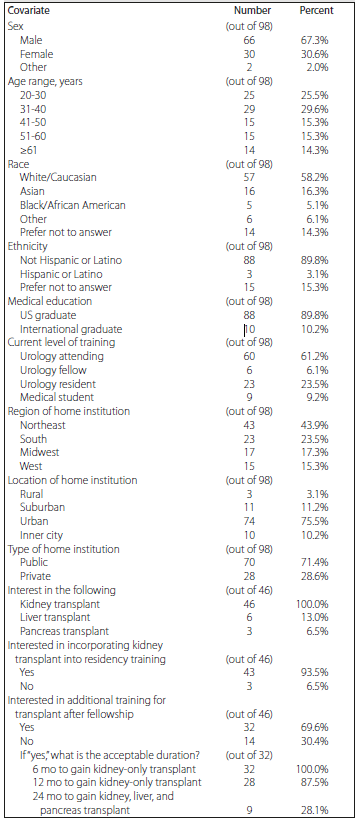
Table 1. Cohort Demographics
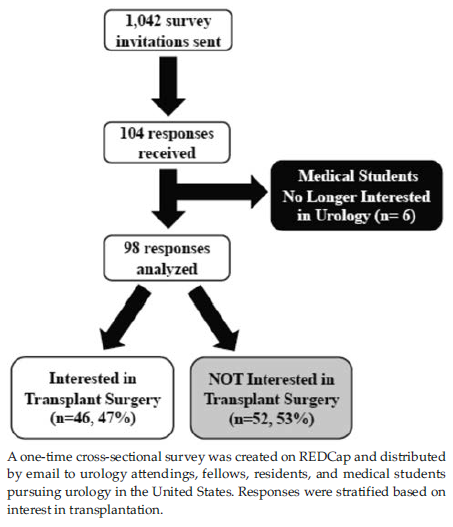
Figure 1. Participant Enrollment Scheme
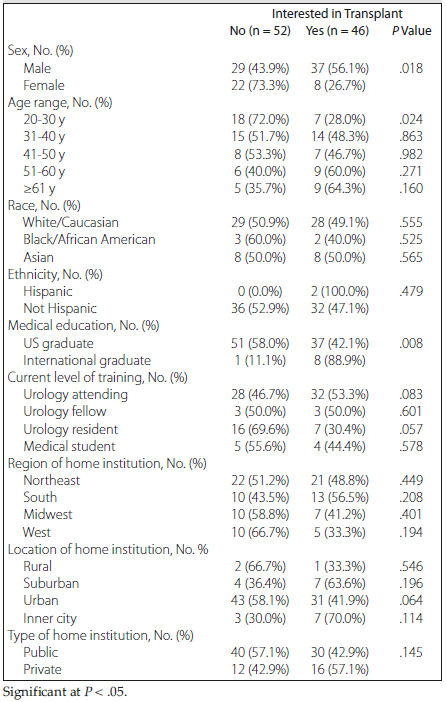
Table 2. Summary of Cohort Demographics Based on Interest in Transplantation
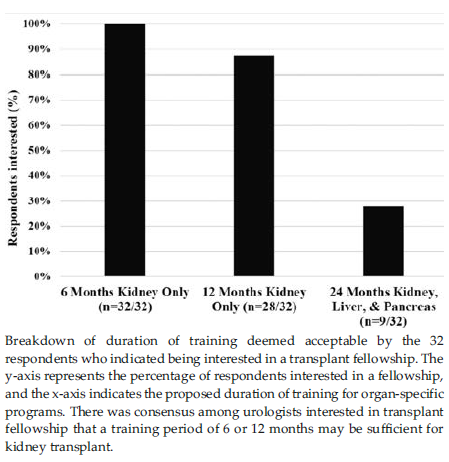
Figure 2. Appropriate Length of Fellowship Training
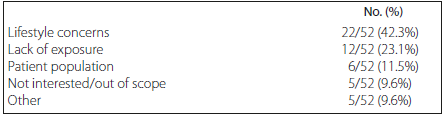
Table 3. Reasons Cited for Lack of Interest in Transplant Surgery
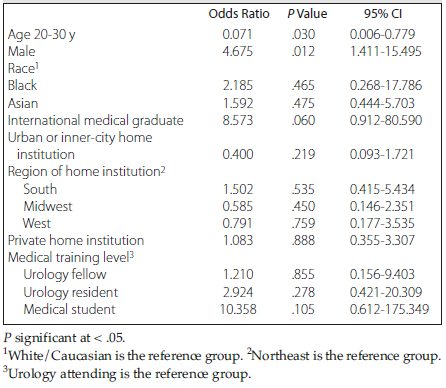
Table 4. Regression Analysis of Respondents Interested in Transplant Surgery