Volume: 22 Issue: 12 December 2024
FULL TEXT
Abstract
Chanarin-Dorfman syndrome is a multisystem inherited metabolic disorder characterized by congenital ichthyosis and lipid droplet accumulation in various organs, including the liver, muscles, and skin. The accumulation of lipids in the liver can lead to cirrhosis, liver failure, and even hepatocellular carcinoma. Here, we present a 17-year-old girl who underwent a deceased donor liver transplant to treat uncompensated cirrhosis due to Chanarin-Dorfman syndrome. She underwent a successful liver transplant in January 2019 and has remained, to date, with a completely normal liver profile, without any posttransplant complications such as infection, rejection, and disease recurrence. There have been a few reported cases of liver transplants in Chanarin-Dorfman syndrome. This unique report presents the 5-year outcome of liver transplant in Chanarin-Dorfman syndrome and aims to improve knowledge about the specific treatment in these rare cases.
Key words : Hepatocellular carcinoma, Hepatomegaly, Ichthyosis, Liver transplantation
Introduction
Chanarin-Dorfman syndrome (CDS) is a rare autosomal recessive genetic disorder characterized by the accumulation of neutral lipids, particularly triglycerides, in various organs, including the liver, muscles, and skin. To our knowledge, approximately 120 cases of CDS have been reported worldwide1 since the syndrome was first described in 1975, indicating its rarity. Most reported cases of CDS are from Mediterranean, Middle Eastern, and East Asian countries.2 Clinical signs of CDS differ among patients, and each patient presents with unique symptoms. The main symptoms include dry, scaly skin (ichthyosis), hepatomegaly, and muscle weakness. The symptoms of CDS can vary significantly, even between siblings with the same gene sequence alteration.3
One of the most serious complications of CDS is liver disease. The accumulation of lipids in the liver causes approximately 10% of these patients to develop liver cirrhosis, although the need for liver transplant (LT) is an exceptional event.4 Because of the rarity of the disease and the associated difficulties in diagnosis and treatment, few cases of LT in CDS patients have been reported. Our case focuses on the 5-year outcome of a deceased donor LT (DDLT) in a 17-year-old female patient diagnosed with CDS, whose preexisting condition is described in detail.
Case Report
A 17-year-old girl with decompensated cirrhosis secondary to CDS was referred to our transplant center after admission to the hepatology department for lower extremity edema 3 months earlier. The patient was diagnosed with CDS at the age of 3 years and developed end-stage liver disease (ESLD), with liver cirrhosis and portal hypertension. She had normal motor and mental development; indeed, her intelligence quotient score was within the average range of classification on the Wechsler Adult Intelligence Scale, Fourth Edition. Physical examination revealed a height of 160 cm and a weight of 69 kg, diffuse ichthyosis, and hyperkeratosis on the body with edematous changes on the arms and legs. Ascites were also detected in the abdomen. Computed tomography showed evidence of cirrhotic changes in the liver, macroscopic liver fat, multiple regenerative hepatic nodules, thrombosis in the main body of the portal vein, splenomegaly, and ascites. The patient presented with a Child-Pugh status of class B and a Model for End-Stage Liver Disease/Model for End-Stage Liver Disease Sodium score of 22. The lipid profile was total cholesterol 70 mg/dL, triglycerides 58 mg/dL, high-density lipoprotein 37 mg/dL, and low-density lipoprotein 30 mg/dL. A peripheral blood smear showed vacuoles within the cytoplasm of circulating granulocytes.
The patient received a DDLT from a 25-year-old male donor with brain death caused by head trauma. The anesthetic plan included total intravenous anesthesia with propofol, fentanyl, and the nondepolarizing muscle relaxant cisatracurium for both induction and maintenance of general anesthesia. Special care was taken to ensure normocapnic ventilation and maintain normothermia during anesthesia for this patient with ichthyosis, including the use of a heating pad on the bed. Precautions were also established for positioning, transportation, and mobilization. The LT was performed according to the piggyback technique. The recipient’s liver after hepatectomy on the day of LT is shown in Figure 1, and the liver biopsy showed severe microvesicular and macrovesicular steatosis.
The patient received methylprednisolone during LT and was maintained postoperatively on mycophenolate mofetil (CellCept), steroids (prednisolone), and a calcineurin inhibitor (tacrolimus). The patient’s postoperative course was uneventful. She stayed in the intensive care unit for 4 days and was discharged from the hospital on postoperative day 14. Since then, she has been in good health, with no signs of rejection or disease recurrence.
Discussion
This report focuses on the outcomes of LT in patients with CDS. Our findings showed excellent outcomes at the 5-year follow-up, without recurrence. Takeda and colleagues5 have reported a 27-year-old Japanese man who underwent living donor LT (LDLT) for decompensated cirrhosis due to CDS, with the patient’s brother as the transplant donor. The patient had ichthyosis and liver dysfunction at birth, followed by observed mental underdevelopment, and intracytoplasmic vacuoles were identified in peripheral blood neutrophils. Although after LDLT the patient’s mental capacity remained unchanged, good liver function was reported for 12 months. In another published case of LT in a patient with CDS and cirrhosis, excellent results were shown after 6 months of follow-up without recurrence.6
A recently published report has detailed the case of a 7-year-old boy with CDS who developed ESLD with portal hypertension. Initial treatment included medications and a low-fat diet. However, his condition progressively worsened, and he was added to the wait list for liver transplant. He underwent DDLT, and the postoperative course was uneventful.3
Although these reports have shown that LT can be a viable treatment for ESLD in patients with CDS, unique challenges exist. Lipid accumulation in the transplanted liver is a major concern, as it can cause early graft dysfunction and increase the risk of posttransplant complications, including infection and rejection. To minimize complications, it is crucial to select donors with healthy livers and to consistently monitor the recipient’s lipid levels before and after LT. Another concern is the possibility of disease recurrence in the transplanted liver. A specific gene sequence alteration has been identified as the cause of CDS; it is not a primary liver disease, and so there is a risk of recurrence in the transplanted liver, even with a healthy donor.
Our case showed an excellent outcome at 5 years of follow-up without recurrence. To our knowledge, no other cases of lipid reaccumulation in liver grafts in CDS patients have been reported. Further studies are needed to clarify the differences in LT outcomes in CDS cases treated with DDLT versus CDS cases treated with LDLT.
Conclusions
Chanarin-Dorfman syndrome is a rare, autosomal recessive, multisystem lipid storage disorder that can result in cirrhosis and negatively affect the patient’s prognosis. Liver transplants could be an effective treatment with excellent outcomes for patients with CDS and decompensated cirrhosis.
References:
- Liang B, Huang H, Zhang J, et al. Case report: Chanarin-Dorfman syndrome: a novel homozygous mutation in ABHD5 gene in a Chinese case and genotype-phenotype correlation analysis. Front Genet. 2022;13:847321. doi:10.3389/fgene.2022.847321
CrossRef - PubMed - Emre S, Unver N, Evans SE, et al. Molecular analysis of Chanarin-Dorfman syndrome (CDS) patients: identification of novel mutations in the ABHD5 gene. Eur J Med Genet. 2010;53(3):141-144. doi:10.1016/j.ejmg.2010.03.002
CrossRef - PubMed - Olnood P. Recommending liver transplant as an exception for Chanarin-Dorfman Syndrome. J Liver. 2023;12:169. doi:10.35248/2167-0889.23.12.169
CrossRef - PubMed - Cakmak E, Bagci G. Chanarin-Dorfman syndrome: a comprehensive review. Liver Int. 2021;41(5):905-914. doi:10.1111/liv.14794
CrossRef - PubMed - Takeda K, Tanaka K, Kumamoto T, et al. Living donor liver transplantation for Dorfman-Chanarin syndrome with 1 year follow-up: case report. Transplant Proc. 2010;42(9):3858-3861. doi:10.1016/j.transproceed.2010.07.105
CrossRef - PubMed - Sánchez-González C, Sánchez Pérez B, Pérez Reyes M, et al. Chanarin-Dorfman syndrome: exceptional liver transplant Indication. Transplant Proc. 2022; 54(9):2535- 2536. doi:10.1016/j.transproceed.2022.07.016
CrossRef - PubMed

Volume : 22
Issue : 12
Pages : 961 - 963
DOI : 10.6002/ect.2024.0280
From the 1Department of Anesthesia and Intensive Care, Faculty of Medicine, and the 2Transplant Research Center, Clinical Research Institute, Mashhad University of Medical Sciences, Mashhad, Iran
Acknowledgements: The authors have not received any funding or grants in support of the presented research or for the preparation of this work and have no declarations of potential conflicts of interest.
Corresponding author: Soheila Milani, Department of Anesthesia and Intensive Care, Faculty of Medicine, Mashhad University of Medical Sciences, Mashhad, Iran
Phone: +98 513 854 3031
E-mail: drmilanis7@gmail.com; Ebrahimns@mums.ac.ir
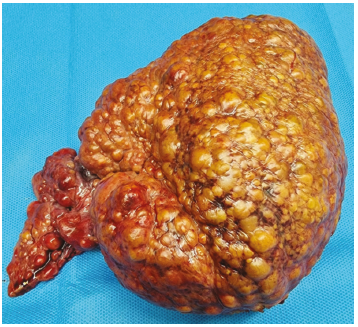
Figure 1. Donor Demographics