Volume: 22 Issue: 11 November 2024
FULL TEXT
Abstract: Ex vivo lung perfusion is an alternative to static cold storage for lung preservation in clinical lung transplantation. This study aimed to compare ex vivo lung perfusion with an acellular solution versus static cold storage and to assess the role of albumin as an additive to the acellular perfusion solution. Rat heart-lung blocks from Sprague-Dawley rats, after 1 hour of warm ischemia, were immersed in a low-potassium dextran solution for another hour. Blocks were then placed on ex vivo lung perfusion for 3 hours, with or without the addition of 70 g/L of albumin. Parameters such as gas exchange, dynamic lung compliance, and pulmonary vascular resistance were evaluated every 30 minutes. Control lungs were preserved in low-potassium dextran solution at 4 °C for 4 hours (static cold storage group). Lung injury was assessed using wet-to-dry ratio, histology, immunohistochemistry, and TUNEL assay. Pulmonary vascular resistance significantly decreased between 30 and 60 minutes of ex vivo lung perfusion, whereas other lung function parameters remained stable throughout the 3 hours. No significant differences were observed between the ex vivo lung perfusion and ex vivo lung perfusion + albumin groups in terms of lung function or pathology assessment. Pathological findings indicated that ex vivo lung perfusion, with or without albumin, resulted in increased edema and apoptotic activity compared with lungs preserved by static cold storage. The addition of albumin to the ex vivo lung perfusion solution did not result in significant improvements in functional parameters or pathological findings.
Key words : Key words: Animal experiment, Lung transplantation, Organ preservation
Introduction
Lung transplantation (LTx) stands as a well-established and life-saving treatment for individuals with end-stage lung diseases.1 Unfortunately, the number of patients waiting for LTx is substantially greater than the number of available donors, and estimates show that about 30% to 40% of patients die while waiting for LTx.2,3 Different strategies have been adopted to expand the donor pool, such as the use of lungs from donors with extended criteria or donors after circulatory death.4 Despite a growing number of LTx procedures, perioperative mortality remains an important concern. One of the main issues after transplant is ischemia-reperfusion-induced lung injury and the subsequent high risk of primary graft dysfunction.5 Ex vivo lung perfusion (EVLP) is an alternative to static cold storage (SCS) for lung preservation in clinical LTx procedures. Advantages of EVLP include the possibility of assessing, reconditioning, and preserving lungs before transplant.6,7 In recent years, several industries have fostered the development of EVLP technology, with technology becoming available to many LTx centers worldwide. These EVLP devices are intended for use with specific protocols, which differ, among other parameters, in the type and composition of the perfusion solution.8 This solution can either be added with red blood cells (cellular perfusate) or be composed exclusively of an electrolyte solution (acellular perfusate). Comparative clinical data between these methods are lacking, and experimental studies have shown conflicting evidence.9,10 STEEN solution (XVIVO Perfusion) is the only commercially available solution intended for use with an acellular EVLP protocol. This solution is an extracellular-type electrolyte solution with dextran 40 to protect the endothelium from complement- and cell-mediated injury with the addition of human albumin to maintain optimal colloid pressure.11,12 STEEN solution may be considered a benchmark of current practice for acellular EVLP. However, costs associated with commercially available EVLP protocols represent a substantial hurdle to the wide adoption of such technology.13 Therefore, research has focused on finding new EVLP perfusion solutions, not only to cut costs of clinical EVLP but also to find better perfusion solutions, which would allow for longer preservation times and greater lung repair capabilities.14,15 Both large and small animal models of EVLP have been developed to guide research in this field.16 Small animal models can offer better means to identify the pathophysiological biomolecular changes associated with ex vivo perfusion.17 The rat model of EVLP, in particular, constitutes a potentially invaluable tool for transplant research.18,19
Materials and Methods
Institutional review board statement
The research protocol was written in compliance with international standards for animal experimentation and received approval by regulatory bodies (49/2020-PR). The project received approval by the Animal Welfare Body of Padua University, after minor revisions, in July 2019 and by the Italian Ministry of Health in January 2020 without further modifications.
Animals and study design
The research protocol was written in compliance with international standards for animal experimentation, including the Guide for the Care and Use of Laboratory Animals published by the National Institutes of Health. We used outbred Sprague-Dawley rats weighing 250 to 350 g from the Interdepartmental Center of Experimental Surgery of Padua University. We maintained animals in a specific pathogen-free environment and fed animals with standard diet and water ad libitum. After terminal anesthesia, exsanguination, and 1 hour of warm ischemia, rat heart-lung blocks were procured. We assigned the heart-lung blocks to the following 3 experimental groups, each composed of 7 heart-lung blocks: (1) control group, in which heart-lung blocks were immersed in low-potassium dextran solution (Perfadex) and stored at 4°C for 4 hours; (2) EVLP group, in which heart-lung blocks were stored in Perfadex for 1 hour (cold ischemia time) and then connected to EVLP for 3 hours; and (3) EVLP + albumin group in which heart-lung blocks underwent the same procedure as in the EVLP group but perfusion solution also had 70 g/L of albumin.
Rat ex vivo lung perfusion system
The EVLP protocol was based on a commercially available system (IL-2 Isolated Perfused Rat or Guinea Pig Lung System; Harvard Apparatus). This device has been used successfully by several research groups.20-26 The perfusion system consisted of a roller pump (REGLO Analog, ISMATEC), a perfusion circuit of 4 mm diameter, a rodent ventilator (VentElite, Harvard Apparatus), a jacketed glass reservoir, a jacketed organ chamber, a circulating thermostatic water bath, and a hollow-fiber oxygenator (D150; Medica S.p.A.) (Figure 1).
Water temperature was regulated by the thermostatic water bath, and water was circulated through the outside of the reservoir, respiratory circuit, and organ chamber to keep the grafts, inhaled gas, and perfusate at a constant temperature. The oxygenator was used to deoxygenate the perfusate using a gas mixture (8% CO2, 6% O2, 86% N2). We measured physiological parameters of perfused lungs by a connected pressure transducer (P75, Harvard Apparatus) for pulmonary artery (PA) pressure, a differential low-pressure transducer for respiratory flow (DLP2.5 type 381; Harvard Apparatus), and a differential pressure transducer for airway pressure (MPX Type 399/2; Harvard Apparatus). We recorded and analyzed the real-time signals from these transducers with a data acquisition system (PULMODYN; Harvard Apparatus).
Surgical procedures
We anesthetized rats via intraperitoneal injection of midazolam (15 mg/kg), clonidine (100 ?g/kg), and tramadol (10 mg/kg), followed by a second injection of propofol (60 mg/kg) after 5 minutes. After a median laparotomy was performed, we injected 500 UI of heparin into the inferior vena cava. Subsequently, rats were tracheostomized and intubated using a 16G intravenous catheter secured with silk ligatures. We initiated mechanical ventilation at room air, with a positive end-expiratory pressure (PEEP) of 3 cmH2O, tidal volume of 6 mL/kg, and respiratory rate of 60 breaths/minute. After median sternotomy, we cut the cardiac apex and euthanized animals by exsanguination. Animals were kept under ventilation at room temperature for 1 hour (warm ischemia time). During this time, we inserted 2 specifically designed metal cannulas (Hugo Sachs Elektronic) into the PA (the PA cannula) through an incision into the outflow tract of the right ventricle and into the left atrium (LA cannula), through the previous incision into the cardiac apex. We secured the cannulas with the previously placed 2-0 silk ligatures. We used an operating microscope to aid with cannulation. At the end of warm ischemia time, we flushed the lungs through the PA cannula with 20 mL of Perfadex at 4 °C, delivered by gravity from a height of 20 cm. We then closed the trachea at end-inspiration with a metal clip and excised the heart-lung block. We kept organs immersed in Perfadex, at 4 °C, for 1 hour (cold ischemia time) in the EVLP and EVLP + albumin group and for 4 hours in the control (SCS) group.
Connection and initiation of EVLP
Fifteen minutes before the conclusion of the cold ischemia period, the EVLP circuit was primed with an in-house low-potassium dextran solution. For this purpose, we utilized a similar composition to a previously published perfusion solution,27 which included 1.5 L of Perfadex, 2.5 g of glucose, 1 g cefazolin, 500 mg methylprednisolone, 50 mEq sodium bicarbonate, 0.18 g calcium, and 30 UI of insulin. Depending on the experimental group (EVLP or EVLP + albumin), we added solution or not with 70 g/L of bovine serum albumin lyophilized powder (Sigma-Aldrich). The solution was made fresh for each experiment; its pH was checked with a pH meter (H198190; Hanna Instruments) and corrected with sodium bicarbonate. We needed ~150 mL of perfusate for priming of the circuit. At the end of cold ischemia time, a retrograde flush (from LA cannula to PA) was performed with 15 to 20 mL of Perfadex, and the PA cannula was connected with the inflow line of the EVLP circuit, making sure that the cannula was completely filled with fluid. We then started perfusion at low flow (2 mL/minute) and connected the LA cannula to the outflow line, marking the start of EVLP (time 0). Over the first 40 minutes, we gradually increased perfusion from 2 mL/minute to a target flow of 7.5 mL/minute. During this period, we slowly rewarmed the circuit to reach 37.5 °C in 40 minutes. We started gas exchange and ventilation after 20 minutes of perfusion, when temperature was >32 °C.
Initial ventilation parameters were as follows: tidal volume = 3 mL/kg, PEEP = 3 cm H2O, and respiratory rate = 60 breaths/minute. Tidal volume was gradually increased to 7 mL/kg (~2 mL per breath for a rat weighing 300 g) over the next 20 minutes. Every 30 minutes, starting from 1 hour of perfusion, we conducted a recruitment maneuver by increasing PEEP to 5 cmH2O and tidal volume to a peak airway pressure of 25 cmH2O. We then obtained a perfusate sample after transit to the lungs and used a blood-gas analyzer (iSTAT; Abbott) to measure the concentration of dissolved O2, dissolved CO2, electrolytes, and glucose in the perfusate (CG4+ ISTAT Cartridge, Abbott). We also monitored PA pressure, airway pressure, and respiratory flow in the lung continuously through integrated transducers. We determined dynamic lung compliance (Cdyn) by analyzing pressure-volume curves. We calculated pulmonary vascular resistance (PVR) from PA pressure and perfusion flow.
After 3 hours of EVLP was completed, we detached the cardiopulmonary block from the circuit. We fixed the left lung in formalin and sent it for pathology. We used the right superior lobe for determination of wet-to-dry ratio (the weight of the specimen was measured fresh and after 24 hours at 60 °C). The same sampling was applied to control lungs after 4 hours of cold ischemia.
Pathologic analyses
Left lung samples were formalin-fixed and paraffin-embedded. We obtained sections representing the entire lung by cutting the specimen along the sagittal axis. We performed histological evaluation as previously described in human samples.28 We quantified different morphological parameters (edema, inflammation, fibrosis, hyperinflation, necrosis) and graded samples with the following scoring system: score 1 = mild (<30% of analyzed tissue), score 2 = moderate (30%-50% of analyzed tissue), and score 3 = severe (>50% of analyzed tissue). We also evaluated and scored for the presence of intraalveolar and interstitial neutrophils, hyaline membranes, proteinaceous material, and alveolar septa thickening, with scoring (score 0-2) as suggested by the latest American Thoracic Society (ATS) guidelines for assessment of lung injury on experimental animals.29
Serial sections from the same paraffin-embedded lung specimens were used for terminal deoxyribonucleotidyl transferase-mediated dUTP-digoxigenin nick end labeling (TUNEL) assay. We conducted molecular analysis for apoptosis detection by the TUNEL technique. At least 300 cells were counted in 3 high-power fields. Apoptotic index was expressed as number of TUNEL-positive cells/total cell number × 100. We tested for expression of inflammatory cytokines (interleukin [IL]-6, IL-8, IL-10, tumor necrosis factor [TNF]-? and inducible nitric oxide synthase [iNOS]), by using the following antibodies: Clone 1.2-2B11-2G10 for IL-6, Clone ab106350 for IL-8, Clone GT5111 for IL-10, Clone TNFA/1172 for TNF-?, and Clone SP126 for iNOS (all from Abcam). We performed a semi-quantitative evaluation, based on a scale from 0 to 3. Score 1, 2, and 3 were assigned in case of single immunoreactive cells or single immunoreactive foci (ie, focal to oligofocal), scattered foci (ie, multifocal), and numerous to coalescing foci of immunoreactive cells, respectively. For all assessments, the pathologist was blinded to the experimental group of the specimens.
Statistical analyses
For estimation of sample size, the apoptotic index assessed by TUNEL assay in the 3 experimental groups was considered the primary outcome variable. In a 1-way analysis of variance model, a sample size of 6 animals per group allowed the detection of a difference of 5% in the apoptotic index at a 5% significance level, with 80% power, assuming a standard deviation of 1.5%. Sample size was increased to 7 animals per group (15%) to account for nonnormal distributions and the use of nonparametric tests. We presented numerical variables as median and interquartile range and categorical variables as count and percentage. We compared pathologic variables with the Kruskal-Wallis test and Fisher exact test as appropriate. We assessed differences in lung function parameters between the experimental groups with the Wilcoxon signed rank test, with Benjamini-Hochberg correction for multiple tests. P < .05 was considered significant. We used R software (R Foundation for Statistical Computing) for data analyses.
Results
Lung function parameters during ex vivo lung perfusion
The 3-hour EVLP protocol was completed for 14 animal grafts: 7 from the EVLP group and 7 from the EVLP + albumin group. Pulmonary gas exchange function remained stable in both groups. In particular, median PO2 values at 30 minutes were 153 mm Hg (IQR, 150-158) in the EVLP group and 151 mm Hg (IQR, 147-157) in the EVLP + albumin group, whereas median PO2 values at 180 minutes were 140 mm Hg (IQR, 137-145) in the EVLP group and 137 mm Hg (IQR, 135-145) in the EVLP + albumin group (P > .05). Pulmonary vascular resistances decreased significantly in both groups between 30 and 60 minutes of perfusion: -26.3% (95% CI, -35.3% to -22.2%; P = .031) in the EVLP group and -49.9% (95% CI, -54.2% to -41.2%; P = .016) in the EVLP + albumin group, after which values remained stable (Figure 2). Although a nonsignificant trend toward an increase in Cdyn was observed over the first 90 minutes, values remained stable in both groups over the 180 minutes. Overall, no significant difference was observed in PO2, PVR, or Cdyn between the 2 experimental groups (P > .05).
Histologic assessment
Table 1 shows the result of pathologic assessment of lung injury according to the experimental group. Among standard histologic parameters, significantly higher edema scores were observed in the 2 EVLP groups compared with the control group (P = .023), whereas no differences were shown in the extent of inflammation, fibrosis, and hyperinflation. No histologic signs of necrosis were observed in any of the experimental groups; furthermore, wet-to-dry ratios were comparable among the 3 groups. Among histologic parameters suggested by ATS guidelines,29 marginally significant differences were observed in the scores of intraalveolar neutrophils, which were higher in the EVLP + albumin group (P = .049), and interstitial neutrophils, which were higher in the control group (P = .043). No differences were observed in the presence of hyaline membranes or proteinaceous materials.
Immunohistochemistry and TUNEL assay
A marginally significant difference (P = .046) was observed in the percentage of apoptotic cells observed by TUNEL assay, which was lower in the control group (median = 1.55% [IQR, 0.45%-2.9%]) compared with the EVLP and EVLP + albumin groups (median = 5.60%, [IQR, 4%-8%] and median = 4.7% [IQR, 3%-5%], respectively). Semi-quantitative scoring of inflammatory cytokines (including IL-6, IL-8, IL-10, TNF-?, and iNOS) was comparable among groups, with most specimens showing a mild to moderate (grades 1 to 2) expression of inflammatory cytokines (Table 2 and Figure 3).
Discussion
Development and setting up of the ex vivo lung perfusion rat model
Ex vivo lung perfusion is a key tool for translational science in the lung. In fact, experiments performed on a porcine model by Professor Steen refined this technology, resulting in gained interest by the scientific community.11 Currently, EVLP is used for clinical LTx procedures by many LTx centers worldwide; however, several aspects still remain controversial. Among these, one concern is the optimal composition of the perfusion solution.9,10 However, areas for improvement include all aspects of EVLP, including the modality of ventilation, the composition of inhaled gas mixture, and the overall perfusion duration.30 Furthermore, several therapeutic approaches for organ reconditioning or regeneration are currently being tested, and this is where animal models of EVLP have become fundamental.31 Most EVLP research has focused on large animals, particularly pigs, because of their clinical similarity to humans. However, the high cost associated with pig experimentation limits the testing of potential novel therapies. The EVLP rat model offers a cost-effective alternative but presents technical challenges because of downsizing of EVLP devices used in humans. Rat lungs are also more prone to injury, and perfusion times are shorter compared with pig EVLP,17 contributing to its underutilization in research.32 According to our experience, ~20 experiments were needed to refine a standardized protocol. As far as the surgical procedure is concerned, the most critical part is cannulation of the LA. Although other authors have chosen not to cannulate the atrium,24 a closed circuit allows regulation of venous pressure, helping to maintain positive pressure in the LA, preventing microvessel collapse, and improving lung function during EVLP.33,34 Overall, our experience was similar to that of other investigators, who reported that the model was associated with a tedious learning curve and that more than 30 perfusions were necessary to achieve reproducible results.35
Trends of physiologic parameters during ex vivo lung perfusion
Our results suggested that, over the 3 hours of perfusion, no significant deteriorations were observed in oxygenation capacity, PVR, or Cdyn (Figure 3). The initial decrease observed in PVR in both experimental groups undergoing EVLP was consistent with what is commonly observed in our clinical practice, usually paralleling the stepwise increase in perfusion flow during the earlier phase of the protocol. This trend is consistent with previous findings from studies that used the rat EVLP model.23,35 A trend toward an increase in Cdyn was observed over the first 90 minutes (Figure 3C), although not significant. In particular, we observed that after each recruitment maneuver there was a significant increase in Cdyn and that the first recruitment maneuvers (ie, those performed at 60 and 90 minutes) were more beneficial than the subsequent ones (Figure 4). This effect can be explained by the reexpansion of atelectatic lung areas, which may be present after a prolonged period of absence of ventilation. Our finding highlights the role of recruitment maneuvers as a fundamental component of an EVLP protocol.
Overall, our reported trends among physiologic parameters compared favorably with those reported by other investigators with a similar model. In particular, in 2014, Noda and colleagues23 described a model of rat EVLP followed by transplantation. Lungs were perfused for 4 hours after 1 hour of cold ischemia time; however, during EVLP, the investigators observed a progressive decrease in Cdyn and oxygenation capacity, paralleled by an increase in PVR. Similarly, Nelson and colleagues36 observed an increase in lung weight with stable vascular resistance during 1 hour of EVLP, but other functional parameters were not reported. In more recent reports, stable physiologic parameters were observed over comparable EVLP perfusion times by the Lausanne and Toronto groups.21,25
Role of albumin as an additive to ex vivo lung perfusion solutions
Albumin is a key component of STEEN solution, which is the only perfusion solution approved for clinical use without the addition of blood products.37 The rationale for its use is to provide a high oncotic pressure to the perfusion solution, which helps to delay the onset of lung edema.38 In addition, other investigators have suggested that STEEN solution may exert its beneficial effects thanks to cytoprotective and antioxidant properties.39 On the other hand, the Organ Care System (OCS, TransMedics) lung perfusion solution relies solely on high-molecular weight dextran, rather than albumin, to maintain a normal endovascular-interstitial fluid gradient (Table 3).
With an intent to reduce costs associated with EVLP, of importance is determining the role of albumin and whether its omission results in significant differences in physiologic parameters and/or lung injury scores. In fact, cost and availability remain a large hurdle to the wide adoption of EVLP technology. In a recent analysis of the cost, the DEVELOP-UK trial showed an estimated overall increase in cost of $47,000 per run for EVLP compared with conventional cold static preservation,13 which prompted other investigators to test in-house perfusion solutions.14,15 According to our results, no significant differences were observed both in the trend of lung function parameters (Figure 2) and in lung injury scores (Table 1). However, this finding should be interpreted with caution, since perfusion time in this experiment was only 3 hours, which is, in many cases, less than the average duration of clinical EVLP. We do not know the effect of albumin omission from the perfusion solution for longer EVLP times. Therefore, further investigations are necessary with longer perfusion times and/or different animal models to confirm such results, which could help make EVLP more affordable and cost-effective in clinical practice.
Pathologic evaluation of lung injury
The assessment of lung injury in animal models is crucial because of differences from clinical settings and lack of standardized outcome measures. We evaluated histologic lung injury using 2 scoring systems: one from our institutional protocols28 and another compliant with ATS guidelines for animal models.29 We evaluated alveolar-capillary barrier alterations by assessing the wet-to-dry ratio, an indirect indicator of extravascular lung water. Inflammatory response was evaluated by measuring cytokines and iNOS in lung tissue. We determined lung function parameters to assess physiological dysfunction in the EVLP groups. Thus, all 4 domains recommended by ATS guidelines were examined.29 In addition to comparing lung injury extent between the 2 EVLP groups, which showed similar results across all 4 domains, we validated this EVLP model against the current standard (SCS). Although most parameters were comparable, the EVLP groups exhibited significantly higher lung edema scores and apoptotic indexes than the control group. These findings suggest that EVLP may induce more lung injury and edema than SCS, despite the absence of necrosis on histology or gross alterations in physiological parameters and wet-to-dry ratio. The apparent contrast between the result of the wet-to-dry ratio and the edema score may be a consequence of the different lung regions that were sampled for the 2 analyses. In fact, the right superior lobe was used for analysis of wet-to-dry ratio, whereas sagittal sections of the entire left lung were used for assessment of the edema score. The upright position of the lungs during EVLP may have contributed to gravity-induced edema predominantly in the lower lung areas, sparing the right upper lobe.
Overall, our findings are in contrast with human EVLP studies, where lower apoptotic indexes and overall lung injury scores were observed in lungs preserved by EVLP compared with SCS.28 On the other hand, results of the TUNEL assay performed on rat lungs preserved by EVLP were comparable with prior studies, in similar experimental conditions.21
The interpretation of these results must consider several factors. First, EVLP creates a nonphysiological environment wherein the lung is kept at normothermia and comes in contact with exogenous substances and materials. The rationale for this is to assess the organs and, potentially, to revert an initial injury by the administration of specific therapies. However, when the initial injury is not evident, the potential for organ recovery cannot be adequately assessed. In this case, lungs were left in situ for 1 hour at room temperature and ventilated before they were assigned to either the EVLP or SCS group. However, it is known that lungs tolerate warm ischemia better than other organs, with safe retrieval considered up to 3 hours after cardiac death and experimental studies suggesting safe warm ischemic times up to 5 hours.40 Second, compared with humans, the rat model is more susceptible to various injuries, and few studies have extended EVLP duration beyond 3 hours,21,26 in contrast to porcine models where durations of up to 12 hours16 or 24 hours10 are reported.
The rat EVLP model is increasingly being used in scientific literature; however, in many studies, a comparison with a control, non-EVLP group has been lacking,20,21,24,36 or, when this is present, it is constituted by fresh lung tissue, sent for analysis after lung retrieval, under the same experimental conditions as the EVLP groups, without any further intervention.25,41 Therefore, to the best of our knowledge, an assessment of the degree of lung injury in EVLP lungs compared with lungs undergoing SCS has never been reported. Our results suggested that, as opposed to the clinical setting where EVLP is a safe preservation strategy, which may lead to even reduced rates of lung injury compared with SCS,28 the same may not apply to the rat model. However, these findings are not conclusive and need further testing.
The utility of the rat EVLP model should not be underestimated. In fact, the EVLP platform constitutes an invaluable tool for evaluation of experimental treatments, as well as for studying physiology of isolated organs in different experimental conditions, which cannot easily be replicated otherwise.17 Authors approaching this model, however, should acknowledge that, to some extent, a certain degree of lung injury may occur, and results obtained from comparison with non-EVLP groups may not be easily be interpretable or translatable to larger animal models. Moreover, it is possible that, with further research and refinement of materials and techniques of rat EVLP, the characteristics of the model will be improved.
Conclusions
In our rat EVLP model, the addition of albumin to EVLP perfusion solution did not lead to an evident benefit in lung function or lung injury parameters, but this result should be interpreted with caution and tested on larger animal models for longer perfusion times. Compared with SCS, EVLP rat lungs experienced a higher rate of edema and higher apoptotic index, although in the absence of overt physiological dysfunction. These findings are not conclusive but hint toward higher degree of lung injury in EVLP lungs compared with SCS lungs, which, if confirmed by further experiments, should be acknowledged as an inherent limitation of the rat EVLP model.
References:
- Chambers DC, Yusen RD, Cherikh WS, et al. The Registry of the International Society for Heart and Lung Transplantation: thirty-fourth adult lung and heart-lung transplantation report-2017; focus theme: allograft ischemic time. J Heart Lung Transplant. 2017;36(10):1047-1059. doi:10.1016/j.healun.2017.07.016
CrossRef - PubMed - Titman A, Rogers CA, Bonser RS, Banner NR, Sharples LD. Disease-specific survival benefit of lung transplantation in adults: a national cohort study. Am J Transplant. 2009;9(7):1640-1649. doi:10.1111/j.1600-6143.2009.02613.x
CrossRef - PubMed - Kourliouros A, Hogg R, Mehew J, et al. Patient outcomes from time of listing for lung transplantation in the UK: are there disease-specific differences? Thorax. 2019;74(1):60-68. doi:10.1136/thoraxjnl-2018-211731
CrossRef - PubMed - Noda K, Furukawa M, Chan EG, Sanchez PG. Expanding donor options for lung transplant: extended criteria, donation after circulatory death, ABO incompatibility, and evolution of ex vivo lung perfusion. Transplantation. 2023;107(7):1440-1451. doi:10.1097/TP.0000000000004480
CrossRef - PubMed - Lee JC, Christie JD. Primary graft dysfunction. Proc Am Thorac Soc. 2009;6(1):39-46. doi:10.1513/pats.200808-082GO
CrossRef - PubMed - Cypel M, Yeung JC, Liu M, et al. Normothermic ex vivo lung perfusion in clinical lung transplantation. N Engl J Med. 2011;364(15):1431-1440. doi:10.1056/NEJMoa1014597
CrossRef - PubMed - Slama A, Schillab L, Barta M, et al. Standard donor lung procurement with normothermic ex vivo lung perfusion: a prospective randomized clinical trial. J Heart Lung Transplant. 2017;36(7):744-753. doi:10.1016/j.healun.2017.02.011
CrossRef - PubMed - Makdisi G, Makdisi T, Jarmi T, Caldeira CC. Ex vivo lung perfusion review of a revolutionary technology. Ann Transl Med. 2017;5(17):343. doi:10.21037/atm.2017.07.17
CrossRef - PubMed - Roman M, Gjorgjimajkoska O, Neil D, et al. Comparison between cellular and acellular perfusates for ex vivo lung perfusion in a porcine model. J Heart Lung Transplant. 2015;34(7):978-987. doi:10.1016/j.healun.2015.03.023
CrossRef - PubMed - Loor G, Howard BT, Spratt JR, et al. Prolonged EVLP using OCS lung: cellular and acellular perfusates. Transplantation. 2017;101(10):2303-2311. doi:10.1097/TP.0000000000001616
CrossRef - PubMed - Steen S, Liao Q, Wierup PN, Bolys R, Pierre L, Sjoberg T. Transplantation of lungs from non-heart-beating donors after functional assessment ex vivo. Ann Thorac Surg. 2003;76(1):244-252; discussion 252. doi:10.1016/s0003-4975(03)00191-7
CrossRef - PubMed - Kraft SA, Fujishima S, McGuire GP, Thompson JS, Raffin TA, Pearl RG. Effect of blood and albumin on pulmonary hypertension and edema in perfused rabbit lungs. J Appl Physiol (1985). 1995;78(2):499-504. doi:10.1152/jappl.1995.78.2.499
CrossRef - PubMed - Fisher A, Andreasson A, Chrysos A, et al. An observational study of donor ex vivo lung perfusion in UK lung transplantation: DEVELOP-UK. Health Technol Assess. 2016;20(85):1-276. doi:10.3310/hta20850
CrossRef - PubMed - Buchko MT, Himmat S, Aboelnazar NS, et al. A low-cost perfusate alternative for ex vivo lung perfusion. Transplant Proc. 2020;52(10):2941-2946. doi:10.1016/j.transproceed.2020.05.007
CrossRef - PubMed - Olbertz C, Pizanis N, Baumker H, et al. Use of modified Custodiol-N as perfusion solution in ex vivo lung perfusion. Am J Transl Res. 2020;12(1):153-161.
CrossRef - PubMed - Cypel M, Yeung JC, Hirayama S, et al. Technique for prolonged normothermic ex vivo lung perfusion. J Heart Lung Transplant. 2008;27(12):1319-1325. doi:10.1016/j.healun.2008.09.003
CrossRef - PubMed - Nelson K, Bobba C, Ghadiali S, Hayes D, Jr., Black SM, Whitson BA. Animal models of ex vivo lung perfusion as a platform for transplantation research. World J Exp Med. 2014;4(2):7-15. doi:10.5493/wjem.v4.i2.7
CrossRef - PubMed - Zampieri D, Azzollini N, Vuljan S, et al. Vein suturing results in worse lung graft outcomes compared to the cuff method. Eur Surg Res. 2019;60(3-4):106-116. doi:10.1159/000501805
CrossRef - PubMed - Guo H, Nie J, Fan K, et al. Improvements of surgical techniques in a rat model of an orthotopic single lung transplant. Eur J Med Res. 2013;18(1):1. doi:10.1186/2047-783X-18-1
CrossRef - PubMed - Menezes AQ, Pego-Fernandes PM, Cardoso PF, et al. Comparison of Celsior and Perfadex lung preservation solutions in rat lungs subjected to 6 and 12 hours of ischemia using an ex-vivo lung perfusion system. Clinics (Sao Paulo). 2012;67(11):1309-1314. doi:10.6061/clinics/2012(11)15
CrossRef - PubMed - Ohsumi A, Kanou T, Ali A, et al. A method for translational rat ex vivo lung perfusion experimentation. Am J Physiol Lung Cell Mol Physiol. 2020;319(1):L61-L70. doi:10.1152/ajplung.00256.2019
CrossRef - PubMed - Motoyama H, Chen F, Ohsumi A, et al. Protective effect of plasmin in marginal donor lungs in an ex vivo lung perfusion model. J Heart Lung Transplant. 2013;32(5):505-510. doi:10.1016/j.healun.2013.02.007
CrossRef - PubMed - Noda K, Shigemura N, Tanaka Y, et al. Successful prolonged ex vivo lung perfusion for graft preservation in rats. Eur J Cardiothorac Surg. 2014;45(3):e54-e60. doi:10.1093/ejcts/ezt598
CrossRef - PubMed - Bassani GA, Lonati C, Brambilla D, Rapido F, Valenza F, Gatti S. Ex vivo lung perfusion in the rat: detailed procedure and videos. PLoS One. 2016;11(12):e0167898. doi:10.1371/journal.pone.0167898
CrossRef - PubMed - Wang X, Wang Y, Parapanov R, et al. Pharmacological reconditioning of marginal donor rat lungs using inhibitors of peroxynitrite and poly (ADP-ribose) polymerase during ex vivo lung perfusion. Transplantation. 2016;100(7):1465-1473. doi:10.1097/TP.0000000000001183
CrossRef - PubMed - Arni S, Maeyashiki T, Citak N, Opitz I, Inci I. Subnormothermic ex vivo lung perfusion temperature improves graft preservation in lung transplantation. Cells. 2021;10(4). doi:10.3390/cells10040748
CrossRef - PubMed - Martens A, Montoli M, Faggi G, et al. Argon and xenon ventilation during prolonged ex vivo lung perfusion. J Surg Res. 2016;201(1):44-52. doi:10.1016/j.jss.2015.10.007
CrossRef - PubMed - Calabrese F, Schiavon M, Perissinotto E, et al. Organ care system lung resulted in lower apoptosis and iNOS expression in donor lungs. Am J Transplant. 2020;20(12):3639-3648. doi:10.1111/ajt.16187
CrossRef - PubMed - Kulkarni HS, Lee JS, Bastarache JA, et al. Update on the features and measurements of experimental acute lung injury in animals: an official American Thoracic Society workshop report. Am J Respir Cell Mol Biol. 2022;66(2):e1-e14. doi:10.1165/rcmb.2021-0531ST
CrossRef - PubMed - Roman MA, Nair S, Tsui S, Dunning J, Parmar JS. Ex vivo lung perfusion: a comprehensive review of the development and exploration of future trends. Transplantation. 2013;96(6):509-518. doi:10.1097/TP.0b013e318295eeb7
CrossRef - PubMed - Tane S, Noda K, Shigemura N. Ex vivo lung perfusion: a key tool for translational science in the lungs. Chest. 2017;151(6):1220-1228. doi:10.1016/j.chest.2017.02.018
CrossRef - PubMed - Watanabe T, Cypel M, Keshavjee S. Ex vivo lung perfusion. J Thorac Dis. 2021;13(11):6602-6617. doi:10.21037/jtd-2021-23
CrossRef - PubMed - Petak F, Habre W, Hantos Z, Sly PD, Morel DR. Effects of pulmonary vascular pressures and flow on airway and parenchymal mechanics in isolated rat lungs. J Appl Physiol (1985). 2002;92(1):169-178. doi:10.1152/jappl.2002.92.1.169
CrossRef - PubMed - Linacre V, Cypel M, Machuca T, et al. Importance of left atrial pressure during ex vivo lung perfusion. J Heart Lung Transplant. 2016;35(6):808-814. doi:10.1016/j.healun.2016.02.008
CrossRef - PubMed - Pego-Fernandes PM, Werebe E, Cardoso PF, et al. Experimental model of isolated lung perfusion in rats: first Brazilian experience using the IL-2 isolated perfused rat or guinea pig lung system. Transplant Proc. 2010;42(2):444-447. doi:10.1016/j.transproceed.2010.01.016
CrossRef - PubMed - Nelson K, Bobba C, Eren E, et al. Method of isolated ex vivo lung perfusion in a rat model: lessons learned from developing a rat EVLP program. J Vis Exp. 2015;10.3791/52309(96). doi:10.3791/52309
CrossRef - PubMed - Steen S, Inventor. Evaluation and preservation solution. US Patent No. 7255983. 2007.
CrossRef - PubMed - Chang RS, Wright K, Effros RM. Role of albumin in prevention of edema in perfused rabbit lungs. J Appl Physiol Respir Environ Exerc Physiol. 1981;50(5):1065-1070. doi:10.1152/jappl.1981.50.5.1065
CrossRef - PubMed - Pagano F, Nocella C, Sciarretta S, et al. Cytoprotective and antioxidant effects of Steen solution on human lung spheroids and human endothelial cells. Am J Transplant. 2017;17(7):1885-1894. doi:10.1111/ajt.14278
CrossRef - PubMed - Ulicny KS, Jr., Egan TM, Lambert CJ, Jr., Reddick RL, Wilcox BR. Cadaver lung donors: effect of preharvest ventilation on graft function. Ann Thorac Surg. 1993;55(5):1185-1191. doi:10.1016/0003-4975(93)90031-c
CrossRef - PubMed - Inokawa H, Sevala M, Funkhouser WK, Egan TM. Ex-vivo perfusion and ventilation of rat lungs from non-heart-beating donors before transplant. Ann Thorac Surg. 2006;82(4):1219-1225. doi:10.1016/j.athoracsur.2006.05.004
CrossRef - PubMed

Volume : 22
Issue : 11
Pages : 865 - 874
DOI : 10.6002/ect.2024.0185
From the 1Department of Cardiac, Thoracic, Vascular Sciences, and Public Health-DCTV, Padua University Hospital, Padua, Italy; the 2L.i.f.e.L.a.b. Program, Consorzio per la Ricerca Sanitaria (CORIS), Veneto Region, Padova, Italy; the 3Division of Anesthesiology, Padua University Hospital, Padua, Italy; and the 4Department of Surgery, Oncology and Gastroenterology-DISCOG, Padua University Hospital, Padua, Italy
Acknowledgements: The authors thank the scientific board of the L.i.f.e.L.a.b. Program for its support and supervision during the project and the administrative team of Consorzio per la Ricerca Sanitaria’(CORIS) of the Veneto Region for its administrative support and problem solving. This research was funded by the CORIS/L.i.f.e.L.a.b. Program, grant number DGR1017 (July 17, 2018). The authors have no declarations of potential conflicts of interest.
Corresponding author: Marco Mammana, Department of Cardiac, Thoracic, Vascular Sciences and Public Health-DCTV, Padua University Hospital, Via Giustiniani 2, 35128 Padua, Italy
E-mail: marco.mammana@aopd.veneto.it
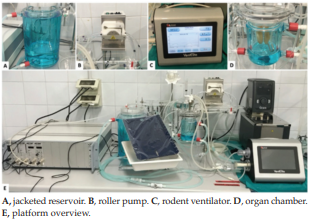
Figure 1. Components of the Ex Vivo Lung Perfusion Platform
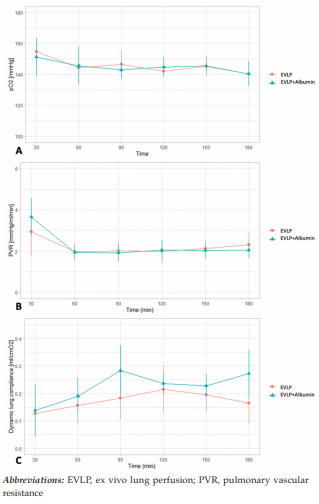
Figure 2. Trend of Lung Function Parameters During 3 Hours of Ex Vivo Lung Perfusion
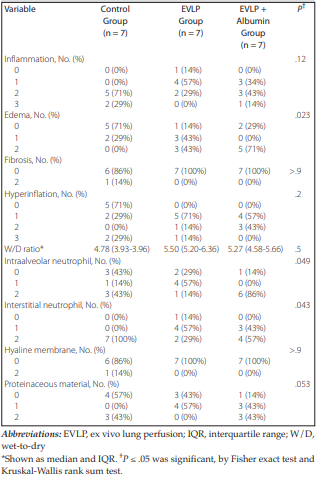
Table 1. Results of Histology and Wet-to-Dry Ratio
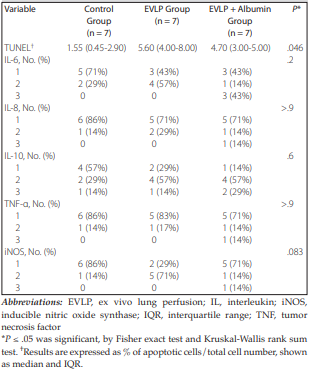
Table 2. Results of TUNELAssay and Immunohistochemistry
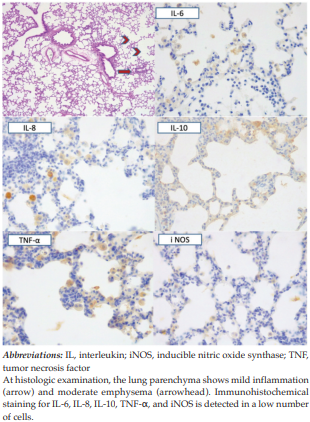
Figure 3. Pathologic Specimen From the Ex Vivo Lung Perfusion + Albumin Group
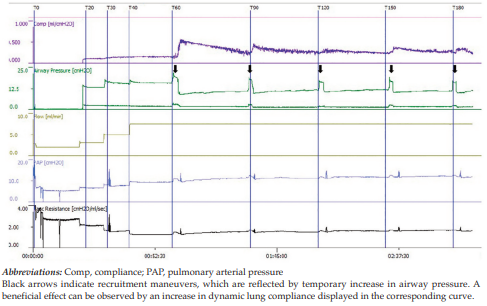
Figure 4. Rough Curves of Main Physiologic Parameters Recorded by the PULMODYN Software During an Ex Vivo Lung Perfusion Experiment
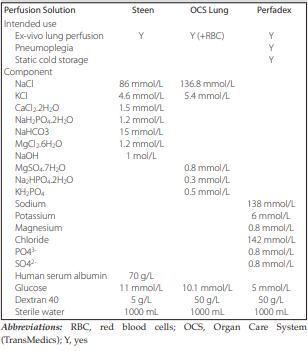
Table 3. Intended Uses and Composition of Commercially Available Lung Perfusion Solution