Volume: 21 Issue: 7 July 2023
FULL TEXT
Objectives: Transplant is the gold standard treatment for end-stage renal disease, and yet infectious complications frequently arise in kidney recipients in the context of immunosuppression therapy, with urinary tract infection being the most common. We aimed to assess the prevalence of posttransplant urinary tract infections in kidney transplant recipients and assess the effects on kidney allograft and overall patient outcomes.
Material and Methods: We performed a retrospective analysis of data from State University of New York Upstate University Hospital from January 2016 to November 2022 to assess transplant outcomes in patients who underwent a kidney transplant at our center and met the inclusion criteria.
Results: There were 507 renal allograft recipients who met our inclusion criteria and were assessed for the incidence of urinary tract infection within the first year after transplant. Urinary tract infection was recurrent in 113 transplant recipients (55.6%) within the first year, and 118 (58.1%) were on prophylactic antibiotics at urinary tract infection diagnosis. We observed no relation between recurrence of urinary tract infection and use of prophylactic antibiotics (P = .21). Overall allograft survival rate was 92.1% in the urinary tract infection group and 96.7% in the group without urinary tract infection, which was significantly different (P = .02). Urinary tract infection significantly affected allograft survival (hazard ratio, 3.51; 95% CI, 1.49-8.23; P = .004). Overall patient survival rates were 86.7% and 91.4% in the groups with and without urinary tract infection, respectively (P = .08).
Conclusions: We determined that allograft survival was significantly greater in the group without urinary tract infection versus the urinary tract infection group. We found no relation between urinary tract infection recurrence and prophylactic antibiotics. We also found that overall patient survival was not significantly different in the group with urinary tract infection versus the group without urinary tract infection.
Key words : Acute kidney injury, Kidney transplantation, UTI
Introduction
Kidney transplant is well-established for improved long-term quality of life in individuals with end-stage renal disease. Benefits following transplant include enhanced quality of life, decreased mortality rate, and improved cost efficiency compared with regular dialysis.1 Despite transplant serving as the gold standard for patients with end-stage renal disease, infectious complications frequently arise in kidney transplant recipients in the context of immunosuppression therapy, with urinary tract infection (UTI) being the most common.2 Additionally, although the risk of UTI is present after other solid-organ transplants such as lung, liver, and heart, the Spanish Network for Research on Infection in Transplantation has reported that renal transplants have the highest incidence of UTI (7.3%).3 These factors warrant further consideration of the effect of UTI on kidney transplant recipients.
It has been established that UTI among kidney transplant recipients is most likely to occur within the first year after transplant, and Enterococcus spp., Escherichia coli, and Pseudomonas aeruginosa are the predominant uropathogens.2-4 The most common complications of UTI in kidney recipients include increased risk of hemodynamic instability, sepsis, subsequent hospitalization, secondary bacteremia, allograft pain, and, in the late stages, graft failure.2-5 However, there remains some controversy about the effect of UTI on allograft function and survival. Previous studies of the effects of UTI in kidney transplant recipients have revealed conflicting results: some studies have shown impaired renal allograft function or survival after UTI, and others have shown no significant effect on these measures.6-11
Additional research is imperative to clarify the controversial influence of UTI on kidney recipients. Thus, this study aims to assess the prevalence of UTI in patients after kidney transplant and to understand and assess the effects of UTI on kidney allograft and overall patient outcomes.
Materials and Methods
Ethical compliance
All procedures performed in studies involving human participants were in accordance with the ethical standards of the institutional and/or national research committee and with the 1964 Helsinki Declaration and its later amendments or comparable ethical standards.
Study design
We performed a retrospective analysis of data from State University of New York Upstate University Hospital from January 2016 to November 2022 to assess transplant outcomes in the recipients. The data were collected from patient charts from the electronic medical record system. We included only adult patients (>16 years old) who had received a renal transplant. Recipients who received a kidney from a living donor with a first-degree relation were included. Simultaneous kidney-pancreas recipients, other multiorgan transplant recipients, pediatric patients (<16 years old), and patients with mortality within 30 days were excluded. We defined UTI as an infection of the urinary tract system confirmed with a positive urinalysis and culture by the hospital laboratory. We did not include events of asymptomatic bacteriuria or insignificant urine cultures due to the high likelihood of spontaneous bacterial clearance. Recurrent UTI is defined as ≥2 infections in 6 months or ≥3 infections in 1 year. All patients received trimethoprim-sulfamethazine (TMP-SMX) for the first 3 months after the transplant as prophylaxis against Pneumocystis carinii pneumonia.
Cold ischemia time was defined as the period from the start of perfusion with cold preservation fluid after cessation of circulation, due to cardiac arrest or arterial clamping, until the beginning of the first vascular anastomosis at implant. Delayed graft function was defined as failure of the renal transplant to function immediately, with the need for dialysis in the first week after transplant. The kidney donor profile index is a cumulative percentage scale index ranging from 0 to 100 and represents the risk for kidney transplant failure, and higher values indicate a higher chance of kidney allograft failure during the preceding year.
Outcome definitions
The primary objective was to assess the incidence rate, etiology, and effects of UTI on the renal allograft within the first year after renal transplant. The secondary objective was to assess the effects of UTI occurrence on the patient survival rate and graft survival rate.
Statistical analyses
The primary analyses measured the baseline characteristics in the groups of interest. The t test was used for univariate analysis of continuous variables, the chi-square test was used for categorical variables, and Kaplan-Meier curves were used to assess patient survival rate and graft survival rate. Cox regression analysis was performed to assess the relation and effect of multiple variables on allografts, as well as the patient survival outcomes, which are reported as hazard ratios with 95% confidence intervals. Categorical data were summarized as proportions and percentages, and continuous data were summarized as mean values and SD. P < .05 was considered significant, and P < .1 was considered a trend.
Results
There were 507 renal allograft recipients who met our inclusion criteria and were assessed for the incidence of UTI within the first year after the transplant and included in the study cohort. Of these 507 allograft recipients, 203 (40%) had at least 1 diagnosed episode of UTI within the first year, and 304 (60%) did not have any episode of UTI within the first year. The mean follow-up time was 39 months in the UTI group and 40 months in the no-UTI group. Table 1 shows the demographic comparisons of the recipients and shows that there was a significant difference in all aspects of the recipient demographics. The mean recipient age in the UTI and no-UTI groups was 52.13 ± 14.18 and 48.63 ± 15.03 years, respectively (P = .008). The rate of delayed graft function was 36.4% in the UTI group and 25.6% in the no-UTI group (P = .009). The cold ischemia time also was significantly different between the groups (P = .01). The kidney donor profile index was 46.45 ± 26.87 in the UTI group and 38.69 ± 29.09 in the no-UTI group (P = .002).
As expected, female sex was a contributing factor to the incidence of UTI, as 62% of recipients who were diagnosed with UTI were female patients compared with the number of female patients in the no-UTI group, which was only 28%. Recurrent UTI was observed in 113 recipients (55.6%) within the first year, and 118 (58.1%) were on prophylactic antibiotics when the UTI was diagnosed. We also compared the incidence of recurrent UTI in patients who were on prophylactic antibiotics to see whether the prop-hylactic antibiotics would prevent the UTI recurrence. Of the 113 recipients with recurrent UTI, 70 (61.9%) were on prophylactic antibiotics. However, we did not see any relation between the recurrence of UTI and use of prophylactic antibiotics (P = .21).
Escherichia coli was the most common micro-organism that caused UTI, with a 29.8% prevalence. Enterococcus was the second most common micro-organism, with a 16.7% prevalence. Klebsiella and Pseudomonas were among the most common microorganisms that grew in urine culture, with 16.5% and 14.1% prevalence, respectively. The 1-year glomerular filtration rate (GFR) was significantly better in the no-UTI group versus the UTI group (50.63 ± 19.78 vs. 61.03 ± 19.49 mL/min/1.73 m2, respectively; P < .0001).
The overall allograft survival rate was 92.1% in the UTI group and 96.7% in the no-UTI group, which was significantly different (Figure 1A; P = .02). The Cox regression analysis was also performed to assess the effects of the other variables on the graft survival rate. Table 2 summarizes the variables involved in the analysis. We observed that UTI significantly affected allograft survival (hazard ratio, 3.51; 95% CI, 1.49-8.23; P = .004) (Figure 1B). We also compared the allograft survival rate of the recipients who had a recurrent UTI versus those who had a single UTI episode, to see whether the UTI recurrence would affect the allograft survival. The overall allograft survival rate was 91.2% in the recurrent UTI group and 93.3% in the nonrecurrent UTI group. The dif-ference was insignificant, and the UTI recurrence did not affect the allograft survival (P = .68; Figure 1C).
The overall patient survival rate was 86.7% in the UTI group and 91.4% in the no-UTI group, which was not significantly different, but a trend was observed (P = .08; Figure 1D). The Cox regression analysis was also performed to assess the effects of the other variables on the patient survival rate.
Again, UTI significantly affected the patient survival rate, with a hazard ratio of 1.99 (95% CI, 1.12-3.53; P = .01) (Figure 1E). Table 3 summarizes the effects of different variables on patient survival rates.
Discussion
This study aimed to determine the effect of UTI on renal allograft survival. We determined that allograft survival was significantly greater in the no-UTI group than in the UTI group. Our findings are consistent with a more extensive study with 2469 participants conducted by Britt and colleagues, which demonstrated more prolonged allograft survival in the no-UTI group.12 However, previous studies of allograft survival rates in no-UTI versus UTI patients have shown conflicting results. An American study with 101 patients and an Iranian study with 247 patients both concluded that any UTI did not influence allograft survival.13,14
It has been speculated whether the incidence of UTI in renal transplant is a marker for poor health or whether the infection causes inflammation and subsequent damage to the urinary tract and, therefore, the allograft.7 In support of UTI as a marker for poor allograft function, the studies of Kamath and colleagues,15 Pelle and colleagues,4 and Fiorante and colleagues9 all reported that the recorded incidence of pyelonephritis did not have long-term effects on graft function.
Even so, the mechanism of allograft injury from UTI is consistent with our results. Urinary pathogens increase the activation of cytokines like tumor necrosis factor ?, interleukin-1, interleukin-6, and interleukin-8, all of which cause inflammation and eventually cause scarring and reduced graft function.16
In the general population, UTIs are ubiquitous, especially among women.17 However, the incidence is much higher among renal allograft recipients.17,18 The UTI rate in renal transplant recipients has been reported anywhere from 23% to 75%; the present study had an overall 1-year UTI rate of 40%.18 The UTI rate varies significantly due to the screening rate for bacteriuria and clinical definitions of UTI. One of the methods to reduce the incidence of UTI is antibiotic prophylaxis, typically in the form of TMP-SMX. Prophylaxis with TMP-SMX effectively covers the common opportunistic pathogen, Pneumocystis jirovecii, and Escherichia coli, the most commonly isolated bacteria in UTI. There is mixed evidence on the effectiveness of TMP-SMX and its reduction in UTI incidence. In the study by Ergin and colleagues, 73.9% of all UTI cases were resistant to TMP-SMX.19 Senger and colleagues also reported a 70.6% resistance to TMP-SMX among the E. coli isolates from the UTI cases diagnosed 6 months after kidney transplant.20
We found that there was no relation between UTI recurrence and prophylactic antibiotics. A meta-analysis by Green and colleagues of 545 renal transplant patients has reported results that are consistent with our findings. Green and colleagues determined that prophylactic antibiotics reduced the incidence of sepsis with bacteremia and the risk of bacteriuria. However, there was no reduction in all-cause mortality.21 Additionally, prophylaxis has been shown to generate antibiotic-resistant organisms.22
Urinary tract infections may occur anytime during the lifetime of the allograft; most commonly, however, these infections occur within the first 3 to 6 months.18 Similar to our findings, Tekkarismaz and colleagues reported a 37.9% UTI incidence rate during the first year after transplant. Similar to the normal population, the significant risk factors for UTI in kidney transplant recipients were female sex, diabetes, and urethral stent placement.23
Notably, a retrospective study of over 28 000 Medicare renal transplant patients determined that the incidence of UTI was no different between men and women in the first 6 months after the transplant.7 We observed that during a year, as in many other studies, most of the constituents of the UTI group were women.7,12-14,18 The higher incidence of women in the UTI group is not surprising, in light of the relative proximity of the urethra to the rectum and the overall shorter length of the urethra in female patients. Within the UTI group, multiple different organisms were cultured. This study observed E. coli as the most commonly cultured organism (29.8%) and is known as the most commonly cultured organism in allograft UTI, which is consistent with multiple other studies worldwide. 6,14,24
An interesting consideration from a 2006 American study was the investigation into the pathogenicity of E. coli via its virulence factors. The study reported that E. coli expressing P fimbriae were more likely to experience allograft injury.25 This finding could suggest why studies like ours with a large percentage of documented E. coli UTIs have noticed a significant difference in allograft survival between the no-UTI and UTI groups.
In the present study, we found that overall patient survival between the UTI and no-UTI groups was not significantly different. Two recent cohort studies have presented similar results. Bodro and colleagues reported no difference in the rate of acute rejection, allograft function, allograft loss, or 1-year mortality for patients in the UTI and no-UTI groups.26 Britt and colleagues found that there was not a significant difference in overall patient survival between the UTI and no-UTI groups; however, in contrast to our study, they found that recurrent UTI significantly reduced patient survival compared with no UTI.12 Although not a direct comparison with Britt and colleagues, we found that comparison of allograft survival in both recurrent and nonrecurrent groups did not yield significant results.
The estimated GFR (eGFR) is one of the most commonly used markers for renal function. We found the 1-year eGFR was significantly greater in the no-UTI group. This finding contrasts with Ariza-Heredia and colleagues, who determined that eGFR was not considerably different between UTI and no-UTI groups.13 Nevertheless, Ariza-Heredia and colleagues did find a significant difference between the UTI and no-UTI groups by using iGFR, a nuclear imaging technique that measures the GFR with greater precision.13 However, there were only a select few patients for whom their GFR was measured this way, and a selection bias was mentioned.
The present study, although thoroughly conducted and honestly recorded, should be interpreted within the scope of its limitations. First, this is a retrospective cohort study, and there are biases that are associated with this design. Second, this study was conducted at a single transplant center, and the significant variation in structure, care, and treatment among transplant centers has been documented and proved in the past.27 Additionally, since UTI is often asymptomatic in renal transplant recipients, the definition of UTI can differ among institutions. Our definition of UTI is consistent with studies of similar focus.11-14,28 Therefore, although we screen for asymptomatic bacteriuria in the first 6 months of treatment, centers that screen for a more extended period may document a greater incidence of UTI and vice versa. Since this study was conducted retrospectively, we also note the probability of UTIs treated elsewhere but not documented within our medical records. Also, we believe this study would benefit from a prospective approach to reduce biases associated with retrospective studies.
References:
- Schnuelle P, Lorenz D, Trede M, Van Der Woude FJ. Impact of renal cadaveric transplantation on survival in end-stage renal failure: evidence for reduced mortality risk compared with hemodialysis during long-term follow-up. J Am Soc Nephrol. 1998;9(11):2135-2141. doi:10.1681/ASN.V9112135
CrossRef - PubMed - Alangaden GJ, Thyagarajan R, Gruber SA, et al. Infectious complications after kidney transplantation: current epidemiology and associated risk factors. Clin Transplant. 2006;20(4):401-409. doi:10.1111/j.1399-0012.2006.00519.x
CrossRef - PubMed - Vidal E, Torre-Cisneros J, Blanes M, et al. Bacterial urinary tract infection after solid organ transplantation in the RESITRA cohort. Transpl Infect Dis. 2012;14(6):595-603. doi:10.1111/j.1399-3062.2012.00744.x
CrossRef - PubMed - Pelle G, Vimont S, Levy PP, et al. Acute pyelonephritis represents a risk factor impairing long-term kidney graft function. Am J Transplant. 2007;7(4):899-907. doi:10.1111/j.1600-6143.2006.01700.x
CrossRef - PubMed - Goldman JD, Julian K. Urinary tract infections in solid organ transplant recipients: Guidelines from the American Society of Transplantation Infectious Diseases Community of Practice. Clin Transplant. 2019;33(9):e13507. doi:10.1111/ctr.13507
CrossRef - PubMed - Chuang P, Parikh CR, Langone A. Urinary tract infections after renal transplantation: a retrospective review at two US transplant centers. Clin Transplant. 2005;19(2):230-235. doi:10.1111/j.1399-0012.2005.00327.x
CrossRef - PubMed - Abbott KC, Swanson SJ, Richter ER, et al. Late urinary tract infection after renal transplantation in the United States. Am J Kidney Dis. 2004;44(2):353-362. doi:10.1053/j.ajkd.2004.04.040
CrossRef - PubMed - Naik AS, Dharnidharka VR, Schnitzler MA, et al. Clinical and economic consequences of first-year urinary tract infections, sepsis, and pneumonia in contemporary kidney transplantation practice. Transpl Int. 2016;29(2):241-252. doi:10.1111/tri.12711
CrossRef - PubMed - Fiorante S, Fernandez-Ruiz M, Lopez-Medrano F, et al. Acute graft pyelonephritis in renal transplant recipients: incidence, risk factors and long-term outcome. Nephrol Dial Transplant. 2011;26(3):1065-1073. doi:10.1093/ndt/gfq531
CrossRef - PubMed - Papasotiriou M, Savvidaki E, Kalliakmani P, et al. Predisposing factors to the development of urinary tract infections in renal transplant recipients and the impact on the long-term graft function. Ren Fail. 2011;33(4):405-410. doi:10.3109/0886022X.2011.568137
CrossRef - PubMed - Camargo LF, Esteves AB, Ulisses LR, Rivelli GG, Mazzali M. Urinary tract infection in renal transplant recipients: incidence, risk factors, and impact on graft function. Transplant Proc. 2014;46(6):1757-1759. doi:10.1016/j.transproceed.2014.05.006
CrossRef - PubMed - Britt NS, Hagopian JC, Brennan DC, et al. Effects of recurrent urinary tract infections on graft and patient outcomes after kidney transplantation. Nephrol Dial Transplant. 2017;32(10):1758-1766. doi:10.1093/ndt/gfx237
CrossRef - PubMed - Ariza-Heredia EJ, Beam EN, Lesnick TG, Cosio FG, Kremers WK, Razonable RR. Impact of urinary tract infection on allograft function after kidney transplantation. Clin Transplant. 2014;28(6):683-690. doi:10.1111/ctr.12366
CrossRef - PubMed - Shams SF, Eidgahi ES, Lotfi Z, et al. Urinary tract infections in kidney transplant recipients 1(st) year after transplantation. J Res Med Sci. 2017;22:20. doi:10.4103/1735-1995.200274
CrossRef - PubMed - Kamath NS, John GT, Neelakantan N, Kirubakaran MG, Jacob CK. Acute graft pyelonephritis following renal transplantation. Transpl Infect Dis. 2006;8(3):140-147. doi:10.1111/j.1399-3062.2006.00148.x
CrossRef - PubMed - Martin-Gandul C, Mueller NJ, Pascual M, Manuel O. The impact of infection on chronic allograft dysfunction and allograft survival after solid organ transplantation. Am J Transplant. 2015;15(12):3024-3040. doi:10.1111/ajt.13486
CrossRef - PubMed - Foxman B. Epidemiology of urinary tract infections: incidence, morbidity, and economic costs. Dis Mon. 2003;49(2):53-70. doi:10.1067/mda.2003.7
CrossRef - PubMed - Parasuraman R, Julian K; the AST Infectious Diseases Community of Practice. Urinary tract infections in solid organ transplantation. Am J Transplant. 2013;13 Suppl 4:327-336. doi:10.1111/ajt.12124
CrossRef - PubMed - Ergin F, Arslan H, Yapar G, Karakayali H, Haberal M. Urinary tract infections in renal transplant recipients. Transplant Proc. 2003;35(7):2685-2686. doi:10.1016/j.transproceed.2003.08.036
CrossRef - PubMed - Senger SS, Arslan H, Azap OK, Timurkaynak F, Cagir U, Haberal M. Urinary tract infections in renal transplant recipients. Transplant Proc. 2007;39(4):1016-1017. doi:10.1016/j.transproceed.2007.02.060
CrossRef - PubMed - Green H, Rahamimov R, Gafter U, Leibovitci L, Paul M. Antibiotic prophylaxis for urinary tract infections in renal transplant recipients: a systematic review and meta-analysis. Transpl Infect Dis. 2011;13(5):441-447. doi:10.1111/j.1399-3062.2011.00644.x
CrossRef - PubMed - Choi SU, Lee JH, Oh CK, et al. Clinical significance of prophylactic antibiotics in renal transplantation. Transplant Proc. 2013;45(4):1392-1395. doi:10.1016/j.transproceed.2012.10.059
CrossRef - PubMed - Tekkarismaz N, Ozelsancak R, Micozkadioglu H, et al. Risk factors for urinary tract infection after kidney transplant: a retrospective analysis. Exp Clin Transplant. 2020;18(3):306-312. doi:10.6002/ect.2019.0081
CrossRef - PubMed - Sorto R, Irizar SS, Delgadillo G, Alberu J, Correa-Rotter R, Morales-Buenrostro LE. Risk factors for urinary tract infections during the first year after kidney transplantation. Transplant Proc. 2010;42(1):280-281. doi:10.1016/j.transproceed.2009.11.029
CrossRef - PubMed - Rice JC, Peng T, Kuo YF, et al. Renal allograft injury is associated with urinary tract infection caused by Escherichia coli bearing adherence factors. Am J Transplant. 2006;6(10):2375-2383. doi:10.1111/j.1600-6143.2006.01471.x
CrossRef - PubMed - Bodro M, Sanclemente G, Lipperheide I, et al. Impact of antibiotic resistance on the development of recurrent and relapsing symptomatic urinary tract infection in kidney recipients. Am J Transplant. 2015;15(4):1021-1027. doi:10.1111/ajt.13075
CrossRef - PubMed - Israni A, Dean CE, Salkowski N, et al. Variation in structure and delivery of care between kidney transplant centers in the United States. Transplantation. 2014;98(5):520-528. doi:10.1097/TP.0000000000000094
CrossRef - PubMed - Suarez Fernandez ML, Ridao Cano N, Alvarez Santamarta L, Gago Fraile M, Blake O, Diaz Corte C. A current review of the etiology, clinical features, and diagnosis of urinary tract infection in renal transplant patients. Diagnostics (Basel). 2021;11(8):1456. doi:10.3390/diagnostics11081456
CrossRef - PubMed

Volume : 21
Issue : 7
Pages : 556 - 561
DOI : 10.6002/ect.2023.0057
From the Department of Surgery, Division of Transplantation, State University of New York Upstate Medical University, Syracuse, New York, USA
Acknowledgements: The authors have not received any funding or grants in support of the presented research or for the preparation of this work and have no declarations of potential conflicts of interest.
Corresponding author: Reza F. Saidi, Division of Transplant Services, Department of Surgery, SUNY Upstate Medical University, 750 East Adams Street, Syracuse, NY 13210, USA
Phone: +1 315 464 7329
E-mail: SaidiR@upstate.edu

Table 1. Demographic Characteristics of Patients With Urinary Tract Infection Versus Patients Without Urinary Tract Infection
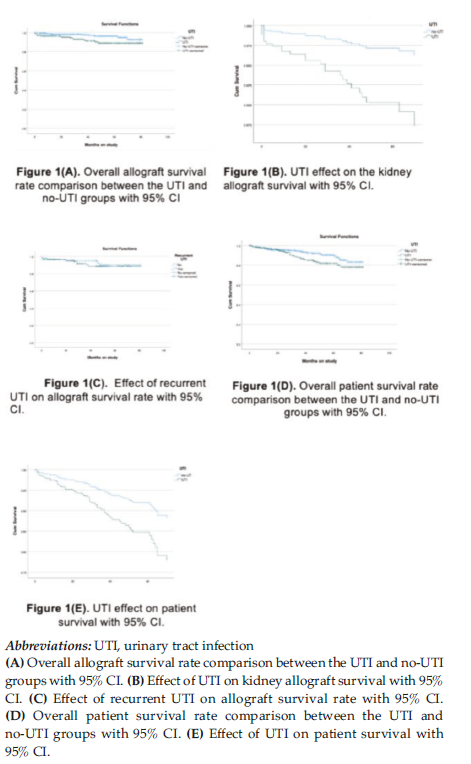
Figure 1. Effect of Urinary Tract Infection on Patient and Allograft Survival Rates
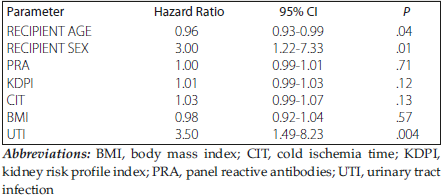
Table 2. Cox Regression Analysis and Effects of Other Variables on Graft Survival Rate
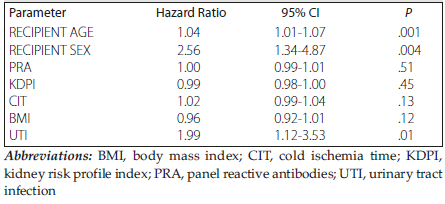
Table 3. Cox Regression Analysis and Effects of Other Variables on Patient Survival Rate