Volume: 21 Issue: 5 May 2023
FULL TEXT
Objectives: Although the number of kidney transplants among elderly patients has been steadily increasing, no specific recommendations have been established for treatment of elderly patients. In general, elderly recipients are considered to be at lower risk of cell rejection and require less intense immunosuppression than younger recipients. However, a recent report from Japan reported that chronic T-cell-mediated rejection was more frequent in elderly living-donor kidney transplant recipients. In this study, we investigated the effects of aging on antidonor T-cell responses in living-donor kidney transplant recipients.
Materials and Methods: We retrospectively evaluated 70 adult living-donor kidney transplant recipients with negative crossmatches and cyclosporine-based immunosuppressive regimens. To evaluate antidonor T-cell responses, serial mixed lymphocyte reaction assays were performed. We compared results in elderly (≧65 years) versus nonelderly recipients.
Results: Regarding donor characteristics, elderly recipients were more likely than nonelderly recipients to receive a transplant from their spouse. The number of mismatches at the HLA-DRB1 loci was significantly higher in the elderly group than in the nonelderly group. As a result, the proportion of patients with antidonor hyporesponsiveness in the elderly group did not increase over the postoperative course.
Conclusions: Antidonor T-cell responses in elderly living-donor kidney transplant recipients were not attenuated over time. Thus, caution is required regarding the imprudent reduction of immuno-suppressants in elderly living-donor kidney transplant recipients. A rigorously designed, large-scale, prospective study is required to validate these results.
Key words : Immunosenescence, Mixed lymphocyte reaction, Tailored immunosuppression
Introduction
Due to a globally aging population with end-stage kidney disease and improved survival on dialysis, the number of elderly patients requiring kidney transplant (KT) is steadily increasing worldwide.1-4 Previous studies have shown that KT in elderly patients can significantly reduce mortality compared with dialysis.5,6 Under such circumstances, similar to other countries,7,8 the number of KTs for patients aged >60 years in Japan has increased over the past decade, from 286 in 2010 (21.5% of the total) to 468 in 2020 (30.4% of the total).
Understandably, transplant procedures in elderly recipients are more complicated because of preexisting comorbidities, frailty, changes in pharmacokinetics (PK) and pharmacodynamics of immunosuppressive drugs, and changes in immunoreactivity. Several studies have shown that elderly patients have increased susceptibility to infectious diseases and cancer.9-11 Moreover, immunosenescence affects all immune compartments, with the most striking changes observed in T-cell functions.12
Although the number of KT procedures among elderly patients has increased, no specific recom-mendations have been established for treatment of elderly KT recipients. Recent findings from a United States transplant registry-based study suggested that risk-adjusted death-censored graft failure is higher among elderly patients who received antimetabolite avoidance, mammalian target of rapamycin inhibitor-based, and cyclosporine (CsA)-based regimens.8
In general, elderly recipients appear to have a lower risk of cellular rejection than younger recipients and may require less intense immunosup-pression. Previous studies have reported that elderly recipients have improved short-term death-censored graft survival compared with younger patients, probably due to immunosenescence and decreased acute rejection risk.13,14 However, a recent report from the Japan Academic Consortium of Kidney Transplantation revealed that, although elderly patients had graft survival rates similar to younger patients, elderly patients had inferior patient survival and more complications, such as sepsis, hepatic disorders, posttransplant diabetes mellitus, malig-nancy, and cardiovascular disease, than younger patients.15 Notably, higher chronic T-cell-mediated rejection (TCMR) was observed in the elderly group.15 Such incongruous findings prompted us to investigate the effects of aging on antidonor T-cell responses in elderly KT recipients. To evaluate antidonor T-cell responses, mixed lymphocyte reaction (MLR) assays using the intracellular fluorescent dye carboxyf-luorescein diacetate succinimidyl ester (CFSE)-labeling technique (CFSE-MLR) were performed.16 The objective of this study was to elucidate whether elderly KT recipients have reduced antidonor T-cell responses compared with nonelderly KT recipients based on CFSE-MLR.
Materials and Methods
Patients
Between January 2010 and December 2021, 76 patients underwent crossmatch-negative, living-donor KT with a CsA-based immunosuppressive regimen at the Hiroshima University Hospital. Six patients were excluded from the study because of incomplete immune monitoring data caused by a limited volume of stored lymphocytes from donors for in vitro MLR assays. The remaining 70 patients (44 ABO blood type-compatible recipients and 26 ABO blood type-incompatible recipients) were enrolled in our study. A complete clinical history, including age, sex, primary disease, body mass index, HLA mismatch, relationship, and dialysis period, was recorded at the time of transplantation. Elderly recipients were defined as those aged ≧65 years (≧75th percentile). In our study group, 15 were elderly and 55 were nonelderly recipients.
This study was conducted in accordance with the Declaration of Helsinki and was approved by the Institutional Review Board of the Hiroshima University Hospital (no. Hi-77); informed consent was obtained from all patients.
HLA typing and anti-HLA antibody testing
HLA (-A, -B, -C, -DRB1, and -DQB1) typing of donors and recipients was performed with the use of xMAP R Technology (Luminex) and polymerase chain reaction sequence-specific oligonucleotide probes at high resolution (Wakunaga). Anti-HLA antibodies in all recipients were analyzed before transplant and monitored annually post-KT. Serum samples were examined for immunoglobulin G antibodies against HLA class I or II using different methodologies, including WAKFlow Screening test reagents (Wakunaga) and LABScreen Mixed (One Lambda). All positive samples were reevaluated, and donor-specific anti-HLA antibodies (DSAs) were identified using the LABScreen single antigen assay (One Lambda). Mean fluorescence intensity values >1000 for DSAs, relative to the 2 field resolutions for HLA-A, -B, -C, -DRB1, and -DQB1, were considered positive.
Desensitization protocol and immunosuppressive regimen
Preoperative desensitization was performed in ABO blood type-incompatible cases. Two weeks before KT, a single dose of rituximab (375 mg/m2 body surface area) was administered to patients. Patients then received CsA (target trough level of 80-100 ng/mL) and mycophenolate mofetil (MMF; 20 mg/kg/day) and underwent between 0 and 5 plasmapheresis sessions to achieve at least a 16-fold preoperative reduction in anti-blood group isoagglutinin titers. The basic CsA-based immunosuppressive regimen following KT has been previously described.16
Immune monitoring via in vitro mixed lymphocyte reaction assays
To evaluate the antidonor immune reactivity of the patients, T-cell responses to alloantigens were evaluated by MLR assays using an intracellular CFSE labeling technique before KT, at 1, 3, 6, and 12 months after KT, and annually after KT. The detailed regimens and calculation of the stimulation indices have been described previously.17 After analyses of the proliferation of CD4+ and CD8+ T-cell subsets, we categorized the immune status as hyporesponsive, normoresponsive, or hyperresponsive of CD4+ or CD8+ T cells.18,19
Definitions and other laboratory data
Serum creatinine levels were monitored every day until postoperative week 2 and at least every other day until postoperative week 4. We defined TCMR as graft dysfunction evidenced by elevated serum creatinine levels in the absence of vascular or urinary complications or infections. Vascular and urinary complications were identified using Doppler ultrasonography. We based TCMR diagnosis on the Banff criteria in episodic biopsies. Episodes of rejection were initially treated with either mini-pulse (125-250 mg intravenous methylprednisolone for 2 or 3 days) or steroid pulse (500 mg intravenous methylp-rednisolone for ≧3 days) according to the clinical severity of TCMR, with a gradual tapering of the dose and return to the previous oral triple-drug regimen.
The criteria for urinary tract infections were the presence of microbes at a concentration of >104 CFU/mL of urine or >103 CFU/mL after culture with clinical signs and symptoms and the use of antibacterial agents. Cytomegalovirus (CMV) antigenemia positivity was defined as the detection of ≧3/50000 CMV pp65-positive cells. Clinical and laboratory data were obtained from the patient’s medical records.
Statistical analyses
We used JMP version 16 (SAS Institute) for statistical analyses. Quantitative variables are expressed as mean ± SD or median and range. We used t test, Wilcoxon-Mann-Whitney test, chi-square test, and the Fisher exact test to compare variables between elderly and nonelderly groups. We used Kaplan-Meier analysis to compare the time-to-event variables. We examined differences between the curves using the log-rank test. Statistical significance was defined as P < .05.
Results
Baseline characteristics of elderly patients versus nonelderly recipients
The baseline characteristics of the 70 KT recipients according to age are summarized in (Table 1). The elderly group (age ≧65 years) was more likely to have diabetes as the primary disease. Regarding donor characteristics, elderly recipients were more likely than nonelderly recipients to undergo transplants with donations from spouses. The number of mismatches at the HLA-DRB1 loci was significantly higher in the elderly group than in the nonelderly group. Other demographic variables, including sex, dialysis period, and ABO-blood type compatibility, were comparable between the 2 groups.
Comparison of antidonor T-cell immune responses between elderly and nonelderly recipients
Five years after KT, serum creatinine levels were comparable between the 2 groups. Although the trough levels of CsA were comparable between the 2 groups, the dosage of CsA was significantly lower in the elderly group than in the nonelderly group (Figure 1). The dosages of methylprednisolone and MMF were also comparable, except in the early period after KT. In contrast to expectations, the proportion of patients in the elderly group showing a decreased antidonor response did not increase over time (Figure 2).
Posttransplant complications and patiet survival
(Table 2) shows the posttransplant complications of the elderly and nonelderly groups for the following incidences: CMV antigenemia positivity, urinary tract infection, TCMR, de novo DSA, cardiovascular disease, and malignancy. One patient in the elderly group and 2 patients in the nonelderly group had TCMR in the early postoperative period, but the difference was not statistically significant. De novo DSA production was observed in 1 patient in the elderly group and 7 patients in the nonelderly group, but no antibody-mediated rejection was observed during the observation period. For other factors, no significant group differences were shown in incidence except for positive CMV antigenemia. In this study, death with a functioning graft was found to be the leading cause of graft loss. The between-group patient survival rates were also compatible (Figure 3).
Discussion
Immunosenescence encompasses a series of aging-induced modifications in the immune system that are primarily characterized by dysfunctional immune responses and increased systemic inflammation, termed “inflamm-aging.”20,21 Immunosenescence affects all immune compartments, with the most striking changes observed in the phenotypes and functions of CD4+ and CD8+ T-cell components and with less frequent observations in components of innate immunity.12 Based on the concept that elderly patients may have a reduced immune response to the transplanted organ, the immunosuppressive load in elderly recipients tends to be reduced after KT. However, prospective multicenter randomized controlled trials assessing immunosuppressive agents in elderly recipients are currently unavailable because elderly patients are usually excluded from clinical trials.22,23
After KT, a combined treatment with calcineurin inhibitors (CsA or tacrolimus), mycophenolic acid, methylprednisolone, and basiliximab induction therapy is the most frequently used across all age groups.24,25 However, age-related changes in both the PK and pharmacodynamics of immunosup-pressants may result in different outcomes in KT recipients. It has been reported that the PK of mycophenolic acid and basiliximab is not affected by the physiological changes in elderly patients.26,27 In contrast, serum trough levels of calcineurin inhibitors, independent of the choice, were 50% higher in elderly KT recipients when normalized for dose and weight.28 In other words, elderly recipients may require lower doses of calcineurin inhibitors to obtain the same therapeutic levels because of a decrease in the metabolism of CYP3A4 isozymes and reduced P-glycoprotein activity, resulting in enhanced bioavailability.28 In this study, consistent with previous reports,28,29 the dosages of CsA required to maintain comparable trough levels were significantly lower among elderly recipients than among nonelderly recipients. In contrast, the dosages of methylprednisolone and MMF were comparable between the 2 groups.
We performed a serial CFSE-MLR assay to evaluate the status of T-cell immunity in KT recipients. During the observation period, a certain number of patients presented hyper T-cell responses to donor stimuli in both groups. Notably, the proportion of patients in the elderly group who had antidonor hyperresponsiveness gradually increased over time with a reduced dosage of immunosup-pressants. Fritsche and colleagues showed a strong relationship between the degree of HLA mismatch and acute rejection in elderly KT recipients.30 In our study, elderly recipients were more likely to receive transplants from spouses with a high number of HLA-DRB1 mismatches. Moreover, elderly recipients might have preformed donor-reactive T cells by sensitizations, resulting in T-cell hyperresponsiveness. This may be the reason for the high prevalence of chronic TCMR in the elderly group in the previous study.15 Therefore, caution is required regarding the imprudent reduction of immunosuppressants in elderly recipients.
Our study had several limitations. First, our study reported single-center retrospective data with a relatively small sample size and with the associated risk of a type II error; therefore, risk quantification should be interpreted cautiously and validated in a larger independent cohort. Second, our analyses included only living-donor KT cases because of the small number of deceased-donor KTs in Japan. Third, although cases of de novo DSA production were observed in this study, no antibody-mediated rejection was observed during the observation period. Additional long-term observational studies are needed to evaluate graft survival, function, rejection rates, and other complications. Finally, our protocol is a CsA-based immunosuppressive regimen, whereas a tacrolimus-based immunosup-pressive regimen is preferred worldwide because of a better patient outcome.31 Further validation studies with tacrolimus-based immunosuppression are required to confirm our results. Despite the above-mentioned limitations, to the best of our knowledge, this study is the first to investigate the influence of aging on antidonor T-cell responses by comparing elderly and nonelderly KT recipients. We believe that these observations will potentially be of immense value in tailoring personalized immunosuppressive treatment protocols.
Conclusions
Antidonor T-cell responses are not attenuated in elderly KT recipients receiving a CsA-based immunosuppressive regimen. Thus, caution is required regarding the imprudent reduction of immunosuppressants in elderly recipients. A rigorously designed, large-scale, prospective study is needed to validate our results.
References:
- Danovitch GM, Gill J, Bunnapradist S. Immunosuppression of the elderly kidney transplant recipient. Transplantation. 2007;84(3):285-291. doi:10.1097/01.tp.0000275423.69689.dc
CrossRef - PubMed - Stevens LA, Viswanathan G, Weiner DE. Chronic kidney disease and end-stage renal disease in the elderly population: current prevalence, future projections, and clinical significance. Adv Chronic Kidney Dis. 2010;17(4):293-301. doi:10.1053/j.ackd.2010.03.010
CrossRef - PubMed - Abecassis M, Bridges ND, Clancy CJ, et al. Solid-organ transplantation in older adults: current status and future research. Am J Transplant. 2012;12(10):2608-2622. doi:10.1111/j.1600-6143.2012.04245.x
CrossRef - PubMed - Knoll GA. Kidney transplantation in the older adult. Am J Kidney Dis. 2013;61(5):790-797. doi:10.1053/j.ajkd.2012.08.049
CrossRef - PubMed - Wolfe RA, Ashby VB, Milford EL, et al. Comparison of mortality in all patients on dialysis, patients on dialysis awaiting transplantation, and recipients of a first cadaveric transplant. N Engl J Med. 1999;341(23):1725-1730. doi:10.1056/NEJM199912023412303
CrossRef - PubMed - Rao PS, Merion RM, Ashby VB, Port FK, Wolfe RA, Kayler LK. Renal transplantation in elderly patients older than 70 years of age: results from the Scientific Registry of Transplant Recipients. Transplantation. 2007;83(8):1069-1074. doi:10.1097/01.tp.0000259621.56861.31
CrossRef - PubMed - Dreyer GJ, de Fijter JW. Transplanting the elderly: mandatory age- and minimal histocompatibility matching. Front Immunol. 2020;11:359. doi:10.3389/fimmu.2020.00359
CrossRef - PubMed - Lentine KL, Cheungpasitporn W, Xiao H, et al. Immunosuppression regimen use and outcomes in older and younger adult kidney transplant recipients: a national registry analysis. Transplantation. 2021;105(8):1840-1849. doi:10.1097/TP.0000000000003547
CrossRef - PubMed - Dorshkind K, Swain S. Age-associated declines in immune system development and function: causes, consequences, and reversal. Curr Opin Immunol. 2009;21(4):404-407. doi:10.1016/j.coi.2009.07.001
CrossRef - PubMed - McKay D, Jameson J. Kidney transplantation and the ageing immune system. Nat Rev Nephrol. 2012;8(12):700-708. doi:10.1038/nrneph.2012.242
CrossRef - PubMed - Betjes MG. Immune cell dysfunction and inflammation in end-stage renal disease. Nat Rev Nephrol. 2013;9(5):255-265. doi:10.1038/nrneph.2013.44
CrossRef - PubMed - Schaenman JM, Rossetti M, Sidwell T, et al. Increased T cell immunosenescence and accelerated maturation phenotypes in older kidney transplant recipients. Hum Immunol. 2018;79(9):659-667. doi:10.1016/j.humimm.2018.06.006
CrossRef - PubMed - Meier-Kriesche HU, Ojo AO, Cibrik DM, et al. Relationship of recipient age and development of chronic allograft failure. Transplantation. 2000;70(2):306-310. doi:10.1097/00007890-200007270-00012
CrossRef - PubMed - Lufft V, Kliem V, Tusch G, Dannenberg B, Brunkhorst R. Renal transplantation in older adults: is graft survival affected by age? A case control study. Transplantation. 2000;69(5):790-794. doi:10.1097/00007890-200003150-00019
CrossRef - PubMed - Okumi M, Unagami K, Kakuta Y, et al. Elderly living donor kidney transplantation allows worthwhile outcomes: The Japan Academic Consortium of Kidney Transplantation study. Int J Urol. 2017;24(12):833-840. doi:10.1111/iju.13443
CrossRef - PubMed - Morimoto H, Ide K, Tanaka Y, et al. Different sensitivity of rituximab-treatment to B-cells between ABO-incompatible kidney and liver transplantation. Hum Immunol. 2016;77(6):456-463. doi:10.1016/j.humimm.2016.04.013
CrossRef - PubMed - Tanaka Y, Ohdan H, Onoe T, Asahara T. Multiparameter flow cytometric approach for simultaneous evaluation of proliferation and cytokine-secreting activity in T cells responding to allo-stimulation. Immunol Invest. 2004;33(3):309-324. doi:10.1081/imm-120038079
CrossRef - PubMed - Tanaka Y, Tashiro H, Onoe T, Ide K, Ishiyama K, Ohdan H. Optimization of immunosuppressive therapy based on a multiparametric mixed lymphocyte reaction assay reduces infectious complications and mortality in living donor liver transplant recipients. Transplant Proc. 2012;44(2):555-559. doi:10.1016/j.transproceed.2012.01.038
CrossRef - PubMed - Ono K, Ide K, Kashihara M, et al. Polymorphisms in CTLA-4 predict de novo donor specific antibody formation after kidney transplantation. Hum Immunol. 2022;83(6):494-498. doi:10.1016/j.humimm.2022.03.008
CrossRef - PubMed - Sato Y, Yanagita M. Immunology of the ageing kidney. Nat Rev Nephrol. 2019;15(10):625-640. doi:10.1038/s41581-019-0185-9
CrossRef - PubMed - Heinbokel T, Elkhal A, Liu G, Edtinger K, Tullius SG. Immunosenescence and organ transplantation. Transplant Rev (Orlando). 2013;27(3):65-75. doi:10.1016/j.trre.2013.03.001
CrossRef - PubMed - Kidney Disease: Improving Global Outcomes Transplant Work Group. KDIGO clinical practice guideline for the care of kidney transplant recipients. Am J Transplant. 2009;9 Suppl 3:S1-S155. doi:10.1111/j.1600-6143.2009.02834.x
CrossRef - PubMed - Blosser CD, Huverserian A, Bloom RD, et al. Age, exclusion criteria, and generalizability of randomized trials enrolling kidney transplant recipients. Transplantation. 2011;91(8):858-863. doi:10.1097/TP.0b013e31820f42d9
CrossRef - PubMed - Kaufman DB, Leventhal JR, Axelrod D, Gallon LG, Parker MA, Stuart FP. Alemtuzumab induction and prednisone-free maintenance immunotherapy in kidney transplantation: comparison with basiliximab induction--long-term results. Am J Transplant. 2005;5(10):2539-2548. doi:10.1111/j.1600-6143.2005.01067.x
CrossRef - PubMed - Shi YY, Hesselink DA, van Gelder T. Pharmacokinetics and pharmacodynamics of immunosuppressive drugs in elderly kidney transplant recipients. Transplant Rev (Orlando). 2015;29(4):224-230. doi:10.1016/j.trre.2015.04.007
CrossRef - PubMed - Tang JT, de Winter BC, Hesselink DA, Sombogaard F, Wang LL, van Gelder T. The pharmacokinetics and pharmacodynamics of mycophenolate mofetil in younger and elderly renal transplant recipients. Br J Clin Pharmacol. 2017;83(4):812-822. doi:10.1111/bcp.13154
CrossRef - PubMed - Chapman TM, Keating GM. Basiliximab: a review of its use as induction therapy in renal transplantation. Drugs. 2003;63(24):2803-2835. doi:10.2165/00003495-200363240-00009
CrossRef - PubMed - Jacobson PA, Schladt D, Oetting WS, et al. Lower calcineurin inhibitor doses in older compared to younger kidney transplant recipients yield similar troughs. Am J Transplant. 2012;12(12):3326-3336. doi:10.1111/j.1600-6143.2012.04232.x
CrossRef - PubMed - Falck P, Asberg A, Byberg KT, et al. Reduced elimination of cyclosporine A in elderly (>65 years) kidney transplant recipients. Transplantation. 2008;86(10):1379-1383. doi:10.1097/TP.0b013e31818aa4b6
CrossRef - PubMed - Fritsche L, Horstrup J, Budde K, et al. Old-for-old kidney allocation allows successful expansion of the donor and recipient pool. Am J Transplant. 2003;3(11):1434-1439. doi:10.1046/j.1600-6135.2003.00251.x
CrossRef - PubMed - Ekberg H, Tedesco-Silva H, Demirbas A, et al. Reduced exposure to calcineurin inhibitors in renal transplantation. N Engl J Med. 2007;357(25):2562-2575. doi:10.1056/NEJMoa067411
CrossRef - PubMed

Volume : 21
Issue : 5
Pages : 422 - 427
DOI : 10.6002/ect.2023.0014
From the Department of Gastroenterological and Transplant Surgery, Graduate School of Biomedical and Health Sciences, Hiroshima University, Hiroshima, Japan
Acknowledgements: We thank J. Piao and K. Mitani for technical assistance and encouragement. This study was conducted in part at the Research Facilities for Laboratory Animal Science, Natural Science Center for Basic Research and Development (N-BARD), Hiroshima University. This study was supported by JSPS KAKENHI grant JP20K08982 and AMED grant JP21ek0510029. The authors have no declarations of potential conflicts
Corresponding author: Kentaro Ide, Department of Gastroenterological and Transplant Surgery, Graduate School of Biomedical and Health Sciences, Hiroshima University, 1-2-3 Kasumi Minami-ku, Hiroshima 734-8551, Japan
Phone: +81 82 257 5222
E-mail: ideken@hiroshima-u.ac.jp
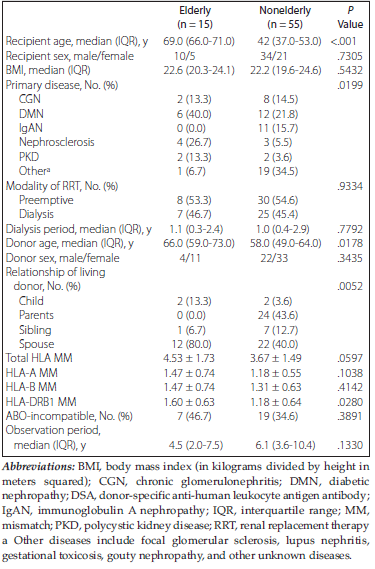
Table 1.Baseline Characteristics of Elderly Patients Versus Nonelderly Recipients
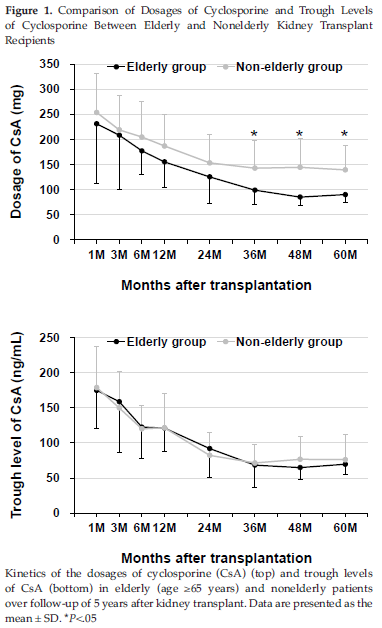
Figure 1.Comparison of Dosages of Cyclosporine and Trough Levels of Cyclosporine Between Elderly and Nonelderly Kidney Transplant Recipients
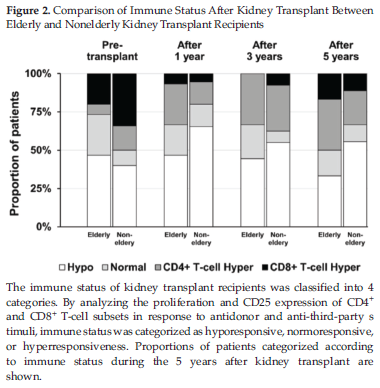
Figure 2.Comparison of Immune Status After Kidney Transplant Between Elderly and Nonelderly Kidney Transplant Recipients
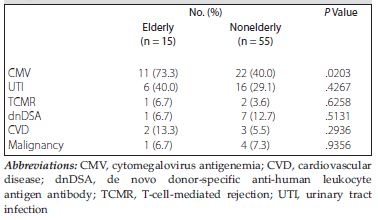
Table 2.Posttransplant Complications of Elderly Patients Versus Nonelderly Recipients
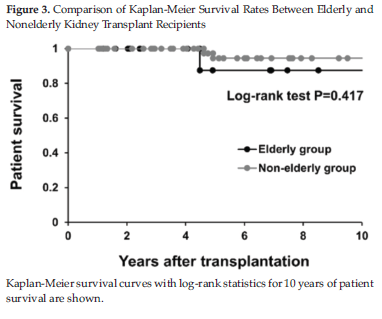
Figure 3.Comparison of Kaplan-Meier Survival Rates Between Elderly and Nonelderly Kidney Transplant Recipients