Volume: 21 Issue: 4 April 2023
FULL TEXT
Dyskeratosis congenita is a rare congenital telo-meropathy characterized by cutaneous and nail dystrophy, oral leukoplakia, and bone marrow failure. Pulmonary fibrosis and cancers are late mani-festations. Allogeneic hematopoietic stem cell transplant represents the only cure for those with bone marrow failure with this disease, but outcomes reported are overall poor, with organ toxicities, graft failure, and graft-versus-host disease as main issues. Although reduced intensity conditioning regimens seem to be related to better outcomes, a standard regimen for dyskeratosis congenita has never been defined. Here, we report a successful long-term outcome of an 8-year-old girl with dyskeratosis congenita who received 2 consecutive allogeneic hematopoietic stem cell transplants from different unrelated donors, because of rejection after the first one, both conditioned with fludarabine-based reduced intensity conditioning regimen. The second transplant was complicated by severe hemorrhagic cystitis and acute grade IV graft-versus-host disease in the early phase and mild chronic graft-versus-host disease and ureteral stenosis in the late phase. This experience confirms that dyskeratosis congenita is at high risk for transplant-related morbidity but that a fludarabine-based reduced intensity conditioning regimen is a safe and feasible option as a preparative regimen, as shown here in a second transplant after first graft rejection. To reduce the risk of graft-versus-host disease, more effective prophylaxis schedules should be chosen in cases of unrelated donor, and haploidentical hematopoietic stem cell transplant with in vitro α/β+ and CD19+ depletion should be considered.
Key words : Allogeneic hematopoietic stem cell transplant, Bone marrow failure, Reduced intensity conditioning regimen
Introduction
Dyskeratosis congenita (DC) is a rare heterogeneous inherited disorder, characterized by abnormal skin pigmentation, oral leukoplakia, nail dystrophy, and bone marrow failure.1,2 Cancer predisposition with increased risk of squamous cell carcinoma and hepatolymphoid neoplasms and pulmonary fibrosis represent typical severe features of the disease.3 About 60% to 70% of affected patients carry a mutation in telomerase genes (DKC1, TERC, TERT, NOP10, and NHP2), which are required to synthesize the tandem repeats of the TTAGGG sequencing or of the telosome/shelterin complex proteins (TINF2) acting at chromosome ends.4 Their defect leads to telomere shortness and consequent chromosomal instability, with premature stem cell exhaustion, tissue failure, and high tissue sensitivity to toxic damage.5 Moreover, high sensibility to oxidative stress has been demonstrated in DC-cultured cells.6 Androgen therapy has been reported to improve bone marrow function7; however, allogeneic hematopoietic stem cell transplant (HSCT) still represents the only curative option for DC-related bone marrow failure.
Few reports on HSCT for DC have been published so far. Although overall survival has progressively improved over the years with the introduction of reduced intensity conditioning (RIC) regimens,8 organ toxicities, graft failure, and graft-versus-host disease (GVHD) remain important issues.8,9 Here, we describe an 8-year-old girl with DC who received 2 successive allogeneic HSCTs.
Case Report
The child was the only daughter of a family without significant history for hereditary diseases. She was asymptomatic until the 7th year of life when nail dystrophy appeared. After 10 months, she was referred to our institute for trilineage cytopenia. Laboratory results showed hemoglobin level of 6.5 g/dL, white blood cell count of 2.8 × 10⁹/L (absolute neutrophil count of 0.6 × 10⁹/L), and a platelet count of 10 × 109/L. Bone marrow aspirate and biopsies showed severe hypoplasia, without any signs of malignancy or infections. The clinical suspicion of DC was confirmed by the identification of C844 C>T, p.Arg 282 Cys on exon 6 mutation on TINF2 gene. The mutation was de novo as the parent’s genetic study excluded its inheritance. Functional respiratory tests and lung computed tomography scan were normal. Because of transfusion dependency, the patient received androgen therapy with danazol without significant improvement.
First hematopoietic stem cell transplant
Five months after diagnosis, at the age of 8 years and 3 months, in the absence
of a sibling donor, the patient underwent a first HSCT from a 10/10 HLA-matched
unrelated donor after a fludarabine-based RIC regimen and GVHD prophylaxis
including alemtuzumab (anti-CD52 monoclonal antibody) (Table 1 and Figure 1A).
Because of full-matched HLA compatibility, anti-HLA antibodies were not tested.
A major early complication was severe BK virus-related hemorrhagic cystitis
(grade 4) that was managed with antiviral therapy with low-dose cidofovir (1
mg/kg twice weekly),10 bladder irrigation with hyaluronate-based drug, and
analgesic therapy. After initial mixed chimerism, neutrophil engraft-ment,
achieved on day +23, was followed by complete secondary rejection on day +41.
Second hematopoietic stem cell transplant
At day 77 after the first transplant, a second allogeneic HSCT from a different
donor was performed, using a RIC regimen with fludarabine and cyclophosphamide
and a single-dose total body irradiation (Figure 1B). Oral mucositis (World
Health Organization grade 4), the recurrence of severe and prolonged grade 4
BK-virus related hemorrhagic cystitis, and acute GVHD grade IV of skin and gut
represented the main early complications after the second transplant (Table 1).
Acute GVHD, after initial steroid resistance, was successfully treated with second- and further-line therapies, which included etanercept (0.4 mg/kg twice weekly for a total of 16 subcutaneous doses), daily oral budesonide, and third-party mesenchymal cell infusions (a total of 3 infusions).
However, chronic/overlap GVHD persisted, with malabsorption/anorexia and scleroderma. The patient required further treatment with extracorporeal photochemotherapy, imatinib, and prolonged low-dose steroids, which slowly achieved a complete response. Cytomegalovirus reactivation characterized the periods of uncontrolled GVHD.
Due to the lack of platelet recovery, 5 months after HSCT, the patient received a boost of donor-derived stem cells (CD34+ selected), which led to a stable platelet engraftment, achieved 15 days after the infusion, and to a complete resolution of hemor-rhagic cystitis. After the slow but progressive response of chronic GVHD and the improvement of intestinal malabsorption, the patient was discharged after 10 months of continuous hospitalization.
Twenty-one months after HSCT, an acute event with abdominal pain and hematuria occurred. Ultrasonography and computed tomography scans showed a bilateral hydronephrosis with dilatation of renal pelvis related to distal ureteral obstruction, which was confirmed with urinary tract endoscopy that excluded histologic abnormalities of the bleeding mucosal lesions. The bleeding ureteral stenosis and the consequent hydronephrosis were resolved by insertion of ureteral stents, with the patient’s general condition improved during hyperbaric oxygen therapy.
Currently, 5 years after second HSCT, the patient is 13 years old and has good quality of life. She shows a mild cutaneous chronic GVHD controlled by topical products; blood count is normal with a stable full-donor chimerism. Intestinal function has normalized, although weight gain and statural growth are still delayed, as expected with this disease. The ureteral stenosis persists but is well-controlled by bilateral stents, replaced yearly without significant infections. She is receiving a follow-up program, which includes evaluations of late DC manifestations, such as pulmonary involvement (so far absent), and the development of cancers.
Discussion
The case reported here shows a successful outcome in a patient with DC after a second HSCT from a matched unrelated donor performed after rejection of the first one; however, the complications that occurred confirm that DC patients are at high risk for transplant-related issues.
Historically, HSCT has been associated with significant morbidity and mortality due to high sensitivity of DC patients to transplant-related damage. Thus far, only a small number of HSCTs in DC have been reported (Table 2), which have shown high frequency and severity of transplant-related complications. These complications mainly include organ toxicity, engraftment failure, and endothelial complications, leading to death in most of them, in particular when an alternative donor had been selected. Among these, outcomes of patients reported to have failed engraftment and to have received a second transplant were poor, with death occurring in the first weeks after transplant because of infections or toxicity (Table 2).
The increased organ toxicity in DC patients is due to the telomeropathy-related tissue fragility, and it is considered the cause of the higher frequency of transplant-related morbidity and mortality observed after myeloablative conditioning regimens.9 The introduction of RIC regimens seems to have played a crucial role in the reduction of toxicity and in the improved outcomes in these patients.8 A recently published systematic literature review11 concerning HSCT in DC showed 5- and 10-year overall survival rates of 57% and 23% with the use of alternative donors as the main variable related to worse outcomes (P < .001). In addition, even if 5-year overall survival rates were similar between conditioning regimens (P = .16), the overall survival at last follow-up reported was significantly better after RIC than after myeloablative conditioning regimens (66% vs 40%; P < .01). Engraftment failure (observed in 17% of cases), infections, and hemorrhage have been the main causes of death in the early phase and pulmonary and liver disease and vascular com-plications in the late phases.11
Our patient received a fludarabine-based RIC with both transplants; the rejection observed after first transplant, prepared with alemtuzumab (Table 1, Figure 1), confirmed that DC can result in high risk of engraftment failure. As suggested previously,12 alemtuzumab administration more distant from graft infusion could allow sufficient T-cell depletion in recipients with less in vivo T-cell depletion of the graft, reducing the risk of rejection and preserving an effective GVHD prophylaxis. In the second transplant, our patient received a higher dose of fludarabine in combination with cyclophosphamide, a single-dose total body irradiation (300 cGy), and antilymphocyte serum (antithymocyte globulin) (Figure 1B), which may have provided the needed immunosuppression to obtain full donor engraft-ment without fatal toxicity.
Telomeropathy-related hematopoietic dysfunction, which seems to impair the proliferative potential of stem cells and mesenchymal cell function and to modify cytokine expression in DC patients,13 may have also played a role regarding engraftment issues, since this leads to an unfavorable bone marrow microenvironment.14 In our patient, the use of donor-derived CD34+ boost was crucial to overcoming the poor engraftment observed after the second transplant, and third-party mesenchymal cell infusion, given as GVHD treatment, may have also created a better environment in the bone marrow.
Severe ureteral complications occurred as the result of both the underlying unsuitable DNA repair mechanism and BK virus infection. Moreover, in a patient carrying a TINF2 mutation, which is known to be related to a severe phenotype,15 the presence of a congenital anatomic malformation due to the disease cannot be excluded. Despite prophylaxis and a well-matched alternative donor, our patient experienced severe GVHD, which represents an important issue in this setting of patients since it could overload the risk of long-term DC manifestations, including pulmonary fibrosis and cancers. To reduce the risk of GVHD, donor selection and GVHD prophylaxis should be accurately performed. The low GVHD incidence after α/β+ CD3+ cell and CD19+ cell-depleted haploidentical HSCT for nonmalignant disease16 suggests that this approach could be considered for DC patients who lack a sibling donor.
In conclusion, this case confirms that fludarabine-based RIC is a feasible option for transplant in DC patients. Although a standard regimen for DC has not yet been defined and the choice should be made on a case-by-case basis according to the selected donor and the patient’s morbidity, an immunosup-pressive conditioning regimen such as fludarabine-based RIC plus mini-total body irradiation could be generally advisable, especially in cases of a second transplant.
References:
- Townsley DM, Dumitriu B, Young NS. Bone marrow failure and the telomeropathies. Blood. 2014;124(18):2775-2783.
CrossRef - PubMed - Dokal I. Dyskeratosis congenita in all its forms. Br J Haematol. 2000;110(4):768-779.
CrossRef - PubMed - Nelson ND, Bertuch AA. Dyskeratosis congenita as a disorder of telomere maintenance. Mutat Res. 2012;730(1-2):43-51.
CrossRef - PubMed - Mason PJ, Bessler M. The genetics of dyskeratosis congenita. Cancer Genet. 2011;204(12):635-645.
CrossRef - PubMed - Ma H, Zhou Z, Wei S, et al. Shortened telomere length is associated with increased risk of cancer: a meta-analysis. PLoS One. 2011;6(6):e20466.
CrossRef - PubMed - von Zglinicki T. Role of oxidative stress in telomere length regulation and replicative senescence. Ann N Y Acad Sci. 2000;908:99-110.
CrossRef - PubMed - Khincha PP, Wentzensen IM, Giri N, Alter BP, Savage SA. Response to androgen therapy in patients with dyskeratosis congenita. Br J Haematol. 2014;165(3):349-357.
CrossRef - PubMed - Ayas M, Nassar A, Hamidieh AA, et al. Reduced intensity conditioning is effective for hematopoietic SCT in dyskeratosis congenita-related BM failure. Bone Marrow Transplant. 2013;48(9):1168-1172.
CrossRef - PubMed - Gadalla SM, Sales-Bonfim C, Carreras J, et al. Outcomes of allogeneic hematopoietic cell transplantation in patients with dyskeratosis congenita. Biol Blood Marrow Transplant. 2013;19(8):1238-1243.
CrossRef - PubMed - Cesaro S, Hirsch HH, Faraci M, et al. Cidofovir for BK virus-associated hemorrhagic cystitis: a retrospective study. Clin Infect Dis. 2009;49(2):233-240.
CrossRef - PubMed - Barbaro P, Vedi A. Survival after hematopoietic stem cell transplant in patients with dyskeratosis congenita: systematic review of the literature. Biol Blood Marrow Transplant. 2016;22(7):1152-1158.
CrossRef - PubMed - Marsh RA, Kim MO, Liu C, et al. An intermediate alemtuzumab schedule reduces the incidence of mixed chimerism following reduced-intensity conditioning hematopoietic cell transplantation for hemophagocytic lymphohistiocytosis. Biol Blood Marrow Transplant. 2013;19(11):1625-1631.
CrossRef - PubMed - Ju Z, Jiang H, Jaworski M, et al. Telomere dysfunction induces environmental alterations limiting hematopoietic stem cell function and engraftment. Nat Med. 2007;13(6):742-747.
CrossRef - PubMed - Balakumaran A, Mishra PJ, Pawelczyk E, et al. Bone marrow skeletal stem/progenitor cell defects in dyskeratosis congenita and telomere biology disorders. Blood. 2015;125(5):793-802.
CrossRef - PubMed - Savage SA, Giri N, Baerlocher GM, Orr N, Lansdorp PM, Alter BP. TINF2, a component of the shelterin telomere protection complex, is mutated in dyskeratosis congenita. Am J Hum Genet. 2008;82(2):501-509.
CrossRef - PubMed - Bertaina A, Merli P, Rutella S, et al. HLA-haploidentical stem cell transplantation after removal of alphabeta+ T and B cells in children with nonmalignant disorders. Blood. 2014;124(5):822-826.
CrossRef - PubMed - Mahmoud HK, Schaefer UW, Schmidt CG, et al. Marrow transplantation for pancytopenia in dyskeratosis congenita. Blut. 1985;51(1):57-60.
CrossRef - PubMed - Conter V, Johnson FL, Paolucci P, et al. Bone marrow transplantation for aplastic anemia associated with dyskeratosis congenita. Am J Pediatr Hematol Oncol. 1988;10:99-102.
CrossRef - Berthou C, Devergie A, D'Agay MF, et al. Late vascular complications after bone marrow transplantation for dyskeratosis congenita. Br J Haematol. 1991;79(2):335-336.
CrossRef - PubMed - Dokal I, Bungey J, Williamson P, et al. Dyskeratosis congenita fibroblasts are abnormal and have unbalanced chromosomal rearrangements. Blood. 1992;80(12):3090-3096.
PubMed - Langston AA, Sanders JE, Deeg HJ, et al. Allogeneic marrow transplantation for aplastic anaemia associated with dyskeratosis congenita. Br J Haematol. 1996;92(3):758-765.
CrossRef - PubMed - Yabe M, Yabe H, Hattori K, et al. Fatal interstitial pulmonary disease in a patient with dyskeratosis congenita after allogeneic bone marrow transplantation. Bone Marrow Transplant. 1997;19(4):389-392.
CrossRef - PubMed - Rocha V, Devergie A, Socié G, et al. Unusual complications after bone marrow transplantation for dyskeratosis congenita. Br J Haematol. 1998;103(1):243-248.
CrossRef - PubMed - Lau YL, Ha SY, Chan CF, et al. Bone marrow transplant for dyskeratosis congenita. Br J Haematol. 1999;105(2):571.
CrossRef - PubMed - Shaw PH, Haut PR, Olszewski M, et al. Hematopoietic stem-cell transplantation using unrelated cord-blood versus matched sibling marrow in pediatric bone marrow failure syndrome: one center's experience. Pediatr Transplant. 1999;3(4):315-321.
CrossRef - PubMed - Ghavamzadeh A, Alimoghadam K, Nasseri P, et al. Correction of bone marrow failure in dyskeratosis congenita by bone marrow transplantation. Bone Marrow Transplant. 1999;23(3):299-301.
CrossRef - PubMed - Cossu F, Vulliamy TJ, Marrone A, et al. A novel DKC1 mutation, severe combined immunodeficiency (T+B-NK- SCID) and bone marrow transplantation in an infant with Hoyeraal-Hreidarsson syndrome. Br J Haematol. 2002;119(3):765-768.
CrossRef - PubMed - Nobili B, Rossi G, De Stefano P, et al. Successful umbilical cord blood transplantation in a child with dyskeratosis congenita after a fludarabine-based reduced-intensity conditioning regimen. Br J Haematol. 2002;119(2):573-574.
CrossRef - PubMed - Dror Y, Freedman MH, Leaker M, et al. Low-intensity hematopoietic stem-cell transplantation across human leucocyte antigen barriers in dyskeratosis congenita. Bone Marrow Transplant. 2003;31(10):847-850.
CrossRef - PubMed - Kang SK, Kirkpatrick JP, Halperin EC. Low-dose radiation for posttransplant lymphoproliferative disorder. Am J Clin Oncol. 2003;26(2):210-214.
CrossRef - PubMed - Güngör T, Corbacioglu S, Storb R, et al. Nonmyeloablative allogeneic hematopoietic stem cell transplantation for treatment of dyskeratosis congenita. Bone Marrow Transplant. 2003;31(5):407-410.
CrossRef - PubMed - Brazzola P, Duval M, Fournet JC, et al. Fatal diffuse capillaritis after hematopoietic stem-cell transplantation for dyskeratosis congenita despite low-intensity conditioning regimen. Bone Marrow Transplant. 2005;36(12):1103-1105.
CrossRef - PubMed - Ayas M, Al-Musa A, Al-Jefri A, et al. Allogeneic stem cell transplantation in a patient with dyskeratosis congenita after conditioning with low-dose cyclophosphamide and anti-thymocyte globulin. Pediatr Blood Cancer. 2007;49(1):103-104.
CrossRef - PubMed - Amarasinghe K, Dalley C, Dokal I, et al. Late death after unrelated-BMT for dyskeratosis congenita following conditioning with alemtuzumab, fludarabine and melphalan. Bone Marrow Transplant. 2007;40(9):913-914.
CrossRef - PubMed - Ostronoff F, Ostronoff M, Calixto R, et al. Fludarabine, cyclophosphamide, and antithymocyte globulin for a patient with dyskeratosis congenita and severe bone marrow failure. Biol Blood Marrow Transplant. 2007;13(3):366-368.
CrossRef - PubMed - Coman D, Herbert A, McGill J, et al. Unrelated cord blood transplantation in a girl with Hoyeraal-Hreidarsson syndrome. Bone Marrow Transplant. 2008;42(4):293-294.
CrossRef - PubMed - Ruggeri A, de Latour RP, Rocha V, et al. Double cord blood transplantation in patients with high risk bone marrow failure syndromes. Br J Haematol. 2008;143(3):404-408.
CrossRef - PubMed - Straathof KC, Rao K, Eyrich M, et al. Haemopoietic stem-cell transplantation with antibody-based minimal-intensity conditioning: a phase 1/2 study. Lancet. 2009;374(9693):912-920.
CrossRef - PubMed - Vuong LG, Hemmati PG, Neuburger S, et al. Reduced-intensity conditioning using fludarabine and antithymocyte globulin alone allows stable engraftment in a patient with dyskeratosis congenita. Acta Haematol. 2010;124(4):200-203.
CrossRef - PubMed - Nishio N, Takahashi Y, Ohashi H, et al. Reduced-intensity conditioning for alternative donor hematopoietic stem cell transplantation in patients with dyskeratosis congenita. Pediatr Transplant. 2011;15(2):161-166.
PubMed - Dietz AC, Orchard PJ, Baker KS, et al. Disease-specific hematopoietic cell transplantation: nonmyeloablative conditioning regimen for dyskeratosis congenita. Bone Marrow Transplant. 2011;46(1):98-104.
CrossRef - PubMed - Coliţă A, Tanase A, Varady Z, et al. Fludarabine, low-dose cyclophosphamide and rabbit antithymocyte globulin allowed stable engraftment after allogeneic peripheral blood stem cell transplantation for poly-transfused dyskeratosis congenita patient: case report. Transplant Proc. 2013;45(7):2849-2853.
CrossRef - PubMed - Isoda T, Mitsuiki N, Ohkawa T, et al. Irreversible leukoencephalopathy after reduced-intensity stem cell transplantation in a dyskeratosis congenita patient with TINF2 mutation. J Pediatr Hematol Oncol. 2013;35(4):e178-182.
CrossRef - PubMed - Ehlert K, Rossig C, Groll AH, at al. Diffuse hemorrhagic colitis in a patient with dyskeratosis congenita after nonmyeloablative allogeneic hematopoietic stem cell transplantation. J Pediatr Hematol Oncol. 2015;37(1):e41-44.
CrossRef - PubMed - Algeri M, Comoli P, Strocchio L, et al. Successful T-cell-depleted haploidentical hematopoietic stem cell transplantation in a child with dyskeratosis congenita after a fludarabine-based conditioning regimen. J Pediatr Hematol Oncol. 2015;37(4):322-326.
CrossRef - PubMed - Brown M, Myers D, Shreve N, et al. Reduced intensity conditioning regimen with fludarabine, cyclophosphamide, low dose TBI and alemtuzumab leading to successful unrelated umbilical cord stem cell engraftment and survival in two children with dyskeratosis congenita. Bone Marrow Transplant. 2016;51(5):744-746.
CrossRef - PubMed - Nelson AS, Marsh RA, Myers KC, et al. A reduced-intensity conditioning regimen for patients with dyskeratosis congenita undergoing hematopoietic stem cell transplantation. Biol Blood Marrow Transplant. 2016;22(5):884-888.
CrossRef - PubMed

Volume : 21
Issue : 4
Pages : 368 - 374
DOI : 10.6002/ect.2016.0302
From the 1Stem Cell Transplantation Unit, Department of Pediatric Hematology and
Oncology, Istituto Giannina Gaslini, and the 2Hematology Unit, Department of
Pediatric Hematology and Oncology, Istituto Giannina Gaslini, Genoa, Italy
Acknowledgements: The authors have no conflict of interest or funding sources to
declare.
Corresponding author: Stefano Giardino, Stem Cell Transplantation Unit,
Pediatric Hematology-Oncology Department, Istituto Giannina Gaslini, Largo G.
Gaslini, 5; 16147 Genova, Italy
Phone: +39 010 56362405
E-mail: stefanogiardino@gaslini.org;
stefano.giardino@libero.it
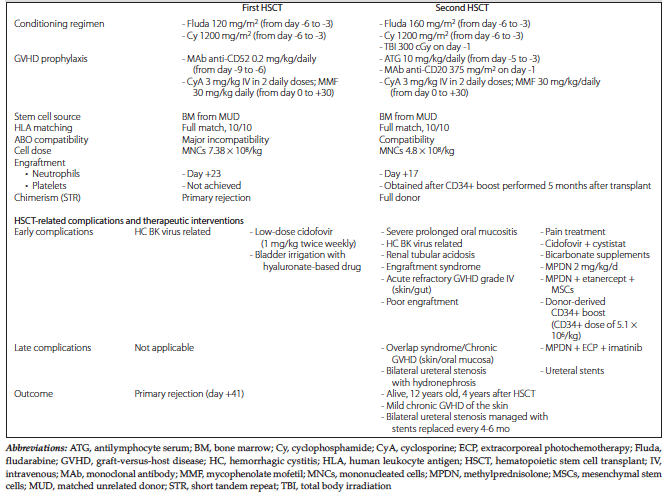
Table 1. Hematopoietic Stem Cell Transplant Characteristics and Outcomes
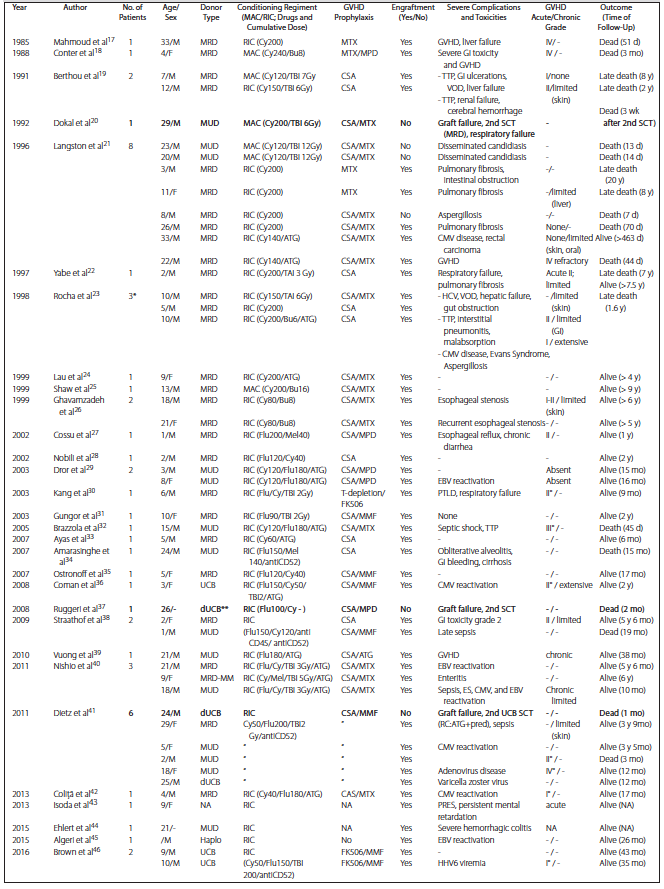
Table 2. Case Reports and Series on Hematopoietic Stem Cell Transplant in Dyskeratosis Congenita: Literature Review
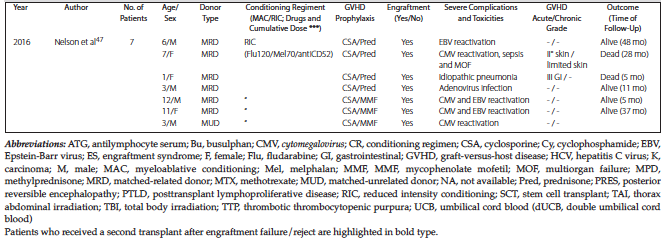
Table 2. Case Reports and Series on Hematopoietic Stem Cell Transplant in Dyskeratosis Congenita: Literature Review
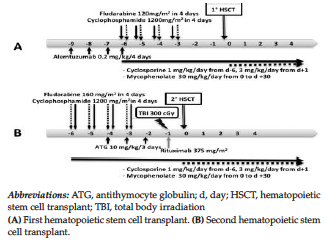
Figure 1. Conditioning Regimen Schedules