Volume: 21 Issue: 4 April 2023
FULL TEXT
Objectives: The incidence of diabetes significantly increases after kidney transplant, and the associated gut microbiota are closely related to diabetes. However, the gut microbiota of recipients with diabetes after kidney transplant remain unexplored.
Materials and Methods: Feces samples from recipients with diabetes 3 months after kidney transplant were collected and analyzed using high-throughput 16S rRNA gene sequencing.
Results: Our study included 45 transplant recipients:23 posttransplant diabetes mellitus recipients, 11 recipients without diabetes mellitus, and 11 recipients with preexisting diabetes mellitus. No significant differences in intestinal flora richness and α diversity were observed among the 3 groups. However, principal coordinate analysis based on UniFrac distance revealed significant differences in β diversity. At the phyla level, the abundance of Proteobacteria in posttransplant diabetes mellitus recipients decreased (P = .028), whereas that of Bactericide (P = .004) increased. At the class level, the abundance of Gammaproteobacteria (P = .037) decreased, whereas that of Bacteroidia (P = .004) increased. At the order level, the abundance of Enterobacteriales (P = .039) decreased, whereas Bacteroidales (P = .004) increased. At the family level, the abundance of Enterobacteriaceae (P = .039) and Peptostreptococcaceae (P = .008) decreased, whereas Bacteroidaceae (P = .010) increased. At the genus level, the abundance of Lachnospiraceae incertae sedis (P = .008) decreased, whereas Bacteroides (P = .010) increased. Furthermore, KEGG analysis identified 33 pathways, among which the biosynthesis of unsaturated fatty acids was closely related to gut microbiota and posttransplant diabetes mellitus.
Conclusions: To our knowledge, this is the first comprehensive analysis of the gut microbiota from posttransplant diabetes mellitus recipients. The microbial composition of stool samples of post-transplant diabetes mellitus recipients was significantly different from recipients without diabetes and with preexisting diabetes. The number of bacteria producing short-chain fatty acids decreased, whereas pathogenic bacteria increased.
Key words : Kidney transplantation, Microbial composition, Short-chain fatty acids
Introduction
Kidney transplant (KT) is the preferred therapy for patients with end-stage renal disease. Compared with dialysis, KT has been reported to increase the quality of life and reduce the risk of death.1,2 Moreover, immunosuppressive drugs have been long recommended to prevent rejection after KT. However, immunosuppressive drugs can lead to infection, diabetes, hypertension, and other side effects. The risk of new-onset diabetes after transplant (NODAT) is significantly increased in patients with normal blood glucose before KT. Approximately 20% of KT recipients are diagnosed with diabetes in the first year after transplant,3,4 with a higher incidence than shown in patients with end-stage renal disease without transplant.
New-onset diabetes after transplant has adverse effects on the quality of life of KT recipients, including rejection, infection, graft loss, cardiovascular compli-cations related to diabetes, and even death in some serious cases.5-7 The main cause of NODAT is the use of immunosuppressive drugs. Other risk factors include obesity, metabolic syndrome, insulin resistance, and hypertriglyceridemia. New-onset diabetes after transplant is considered to be the new type 2 diabetes (T2DM) after organ transplant; however, it does not include patients not diagnosed before surgery.
Because of factors such as the influence of hemodialysis on blood sugar, certain cases of diabetes are not diagnosed before KT. Therefore, it is more accurate to use the term posttransplant diabetes mellitus (PTDM) in clinical settings, whereas NODAT can be used in the laboratory. Because of the high incidence of early hyperglycemia posttransplant, NODAT is usually diagnosed at least 3 months after transplant.8,9 The pathogenesis of NODAT is complex and unclear. Older recipients and the use of immunosuppressants, especially calcineurin inhibitors and glucocorticoids, are reported risk factors for NODAT along with the traditional risk factors of T2DM.10 Moreover, rational exercise, oral hypog-lycemic drugs, and insulin use are commonly used for the prevention and treatment of diabetes.11 However, these strategies cannot fundamentally prevent the development of diabetes and the related complications.
The number of microorganisms in the body of healthy adults is 10 times more than the number of human cells in the body, with >70% of them located in the intestine. Gut microbiota (GM) have beneficial functions in the host, such as digestion and energy collection, protection from pathogen colonization, immune system regulation, fat storage, neuropsyc-hological development, homeostasis, and xenobiotic metabolism.12,13 Under normal conditions, GM maintains the steady-state balance between different subspecies; however, under pathological conditions, flora imbalance occurs.
Various studies have reported that dysbacteriosis is related to many common chronic cardiovascular diseases (hypertension),14-16 metabolic diseases (diabetes and obesity),17-19 nervous system diseases,20,21 and inflammatory bowel disease.12,22 Recently, with the development of high-throughput gene sequencing technology, GM-related research can provide an effective alternative to traditional live bacteria culture methods.23-25
Gut microbiota play an important role in the occurrence and development of T2DM in the nontransplant general population. Gut microbiota also participate in the occurrence of diabetes and regulates insulin sensitivity. Moreover, GM in patients with diabetes are characterized by a decrease in the abundance of short-chain fatty acids (SCFAs) producing bacteria (Roseburia intestinalis and Roseburia inulinivorans) and an increase in opportunistic pathogens (Bacteroides caccae and Clostridium symbiosum).26 Notably, the GM of KT recipients show similar changes,27-29 indicating that GM could be closely related to PTDM and other diseases. However, research on the GM of patients with PTDM is scarce.
To explore the characteristics of GM in PTDM recipients and evaluate the correlation between PTDM and GM, we collected fresh fecal samples of recipients without diabetes mellitus (NDM group), recipients with preexisting diabetes mellitus (PEDM group), and recipients with PTDM (PTDM group) for 16S rRNA gene sequencing.
Materials and Methods
Ethics statement
This study was approved by the Ethics Committee of the Second Affiliated Hospital of Hengyang Medical School. All participants provided written informed consent before enrollment.
Definition of patients, diabetes mellitus, and posttransplant diabetes mellitus
From September 2021 to September 2022, fresh feces samples were collected from KT recipients who were followed up at the outpatient department of the Second Affiliated Hospital of Hengyang Medical School.
Inclusion criteria included KT recipients who (1) underwent KT at least 3 months before study start, (2) did not use antibiotics in the last month, (3) had simple KT (not combined transplant, eg, liver kidney combined transplantation, pancreas-kidney combined transplantation), (4) did not currently present with diarrhea or intestinal infection or have history of gastrectomy/colectomy, (5) had serum creatinine is lower than 178 ?mol/L, and (6) had stool sample that met the test requirements. We included 45 KT recipients in the study.
We defined T2DM and PTDM according to the diagnostic criteria of the American Diabetes Association30; however, no oral glucose tolerance test was conducted. Importantly PTDM is usually clinically diagnosed at least 3 months after transplant.
Treatment plan for transplant patients
Basiliximab or rabbit anti-human thymocyte immunoglobulin was routinely used for immune induction. The posttransplant immunosuppressive regimen was as follows: methylprednisolone (500 mg) during the operation, followed by 500 mg on the first day after transplant, with doses then slowly reduced and maintained at 5 mg oral administration 2 weeks after transplant. The target trough concentration of tacrolimus was maintained at 5 to 9 ng/mL, and the concentration of mycophenolate mofetil (area under the curve) was maintained at 30 to 60 mg•h/L. Antibiotics were routinely used to prevent and treat infections posttransplant, whereas compound sulfame-thoxazole was used to prevent pneumocystis infection based on the patient’s condition and willingness to undergo treatment. Furthermore, ganciclovir was also used to prevent cytomegalovirus infection.
Sample collection, DNA extraction, and polymerase chain reaction technology
A plastic cup was used to collect fresh and pollution-free fecal samples, which were frozen and stored at -80 ? until analyses. The DNA of fecal microorganisms was extracted using the QIAamp DNA Stool Mini Kit (Qiagen), which was then amplified using an ABI 2720 Thermal Cycler (Thermo Fisher Scientific). Using the bacterial genomic DNA as a template, we amplified the hypervariable region of the 16S rRNA gene V3-V4 by 3 repeated reactions with primers using the following primers: Illumina adapter sequence 1+ CCTACGGGNGGCWGCAG (forward) and Illumina adapter sequence 2+ GACTACHVGGG-TATCTAATCC (reverse). We collected the polymerase chain reaction (PCR) products and purified them using Agencourt AMPure XP magnetic beads (Beckman Coulter). We used a DNA polymerase kit (Transgen) for analyses. Furthermore, the Nanodrop 2000 (10×Genomics) and Invitrogen Qubit 3.0 Spectrop-hotometer (Thermo Fisher Scientific) were used for DNA quantification.
Sequence quality control and microbiota sequencing
After the PCR products were quantified, mixed, and quality checked in the library, the library was sequenced on the NovaSeq6000 platform using a 2-terminal sequencing strategy. The original reads were filtered, and the low-quality reads were removed using the following filtering steps. First, TrimGalore was used to filter the original reads at Q20, and the adapter sequence and the reads with a length <100 bp were deleted. Second, the paired reads from the original DNA fragment were merged with FLASH2, and then the low-quality sequence was further deleted. Third, Mothur was used to find and remove the primers in the sequence, including N-base/homopolymer >6 bp. Finally, we used “usearch” to remove reads with an error rate >2 and length <100 bp to obtain clean reads for further analysis. Furthermore, the sequences were clustered, and an operational taxonomic unit (OTU) with 97% pairing identity was designated as the threshold. We used UPARSE to remove the chimeras. We classified OTUs with a confidence threshold of 80%.31 All samples were sequenced in the same laboratory at the same time, and bioinformatics analysis was conducted by the Genasky Biotechnology Company.
Statistical analyses
For clinical data, values are expressed as the mean ± SD (normally distributed variables) or median (nonnormally distributed variables). Differences between the average values of more than 2 groups were analyzed using 1-way analysis of variance (ANOVA) (normally distributed data) or Kruskal-Wallis ANOVA (nonnormally distributed variables). Categorical variables are expressed in percentages, which were analyzed using chi-square tests. We used SPSS version 21 for statistical analysis, and P < .05 was considered statistically significant.
For data on microbial communities, α diversity was assessed using QIIME. The observed species Chao1 and abundance-based coverage estimator indexes represent species richness, whereas Shannon, Simpson, and Coverage in the index represent species diversity. Wilcoxon rank sum test (2 samples) and ANOVA (3 samples) were used to evaluate the α-diversity differences among the groups. We used R package (R Foundation) to generate a Venn diagram for the visualization of the shared and unique OTUs among groups. To compare the fecal GM composition of KT recipients in the PTDM, NDM and PEDM groups, β diversity was analyzed by calculating weighted and unweighted UniFrac distance measures.
We used QIIME for principal coordinate analysis (PCoA) to visualize the distance measurement as a 3-dimensional graph and partial least squares discriminant analysis for unsupervised analysis in cases of large differences in sample sizes among the test groups. We used GraphPad software to visualize the differences in the microbiota abundance at the level of phyla, class, order, family, and genus between the groups as a cumulative histogram.
We used ANOVA to test the significance of the mean difference between 2 or more groups, allowing identification of species with significant differences in multiple groups at each classification level. The linear discriminant analysis effect quantity method (LEfSe) supported high-dimensional classification comparison and was used to select species that were most likely to explain the differences among groups. We used the PICRUSt2 analysis tool and KEGG database to predict and analyze specific functions.
Results
Demographic and clinical characteristics of study patients
The study included 45 KT recipients, including 23 recipients in the PTDM group, 11 in the NDM group, and 11 in the PEDM group. The demographic and clinical characteristics of patients are shown in Table 1. The initial immune maintenance scheme of the 3 groups of recipients was a triple scheme (tacrolimus + mycophenolate mofetil + prednisone), and no differences in sex, diabetes family history, immune induction scheme, time after transplant, dialysis time, tacrolimus concentration, creatinine level, alanine aminotransferase level, and blood urea nitrogen were observed. Compared with the NDM group, the PTDM group recipients were older, were administered less sulfamethoxazole, had a higher incidence of adverse reactions and virus infections, high body mass index, and high hemoglobin A1c level.
Gene sequencing data and α and β diversity
We obtained 3?380?654 high-quality filtered reads from 45 stool samples, with 75?251 reads in a single sample. Figure 1A presents the distribution of sample reads. Reads were classified as 2007 OTUs, 268 of which were common among the 3 patient groups. We found that 276, 351, and 839 OTUs were unique to the NDM, PEDM, and PTDM groups, respectively (Figure 1B). The top 3 abundant species at the phyla level were Firmicutes, Bacteroidetes, and Proteobacteria (Figure 1C). The α diversity results showed that the observed species (abundance P = .185; Figure 2A), Chao1 index (abundance P = .1820; Figure 2B), abundance-based coverage estimator index (abundance, P = 0.182, Fig. 2C), Shannon index (diversity P = .115; Figure 2D), Simpson index (diversity P = .244; Figure 2E), and Coverage (diversity P = .244; Figure 2F) were not statistically significant among the 3 patient groups. These results indicate that there was no significant difference in GM abundance and α diversity between the recipients in the PTDM and NDM groups.
We used PCoA analysis based on UniFrac distance to visualize the similarity of GM among the NDM, PEDM, and PTDM groups using a 3-dimensional map. Notably, different bacterial characteristics were observed on the unweighted and weighted UniFrac PCoA maps (Figure 3, A and B). Furthermore, partial least squares discriminant analysis revealed significant differences among the 3 groups (Figure 3, C and D). With the permutation multivariate ANOVA evaluation data, we observed statistically significant differences in unweighted and weighted UniFrac distances among the PTDM, NDM, and PEDM groups (P = .046, P = .035). These findings indicate that the GM of KT recipients with PTDM was significantly different from that of NDM and PEDM recipients.
Relative abundance of gut microbiota in the patient groups
The GM of stool samples from recipients in the PTDM, NDM, and PEDM groups were visualized as a cumulative histogram, displaying the differences in the relative abundance of bacteria among the groups at the phyla, class, order, family, and genus levels (Figure 4). The average relative abundances of major bacteria phyla, class, order, family, and genus in each group are shown in Table 2. At the phyla level, Firmicutes was the most common GM (61.5% in the NDM group, 69.8% in the PEDM group, and 58.8% in the PTDM group). Notably, Proteobacteria abundance in PTDM recipients at the phyla level decreased (NDM group 22.8%, PEDM group 13.3%, and PTDM group 9.5%; P = .028), whereas the abundance of Bacteroidetes increased (NDM group 7.0%, PEDM group 14.3%, and PTDM group 23.8%; P = .004). At the class level, the abundance of Gammaproteobacteria decreased (26.3% in the NDM group, 12.5% in the PEDM group, and 8.5% in the PTDM group; P = .037), whereas that of Bacteroidia increased (7.0% in the NDM group, 14.3% in the PEDM group, and 23.8% in PTDM group; P = .004).
At the order level, the abundance of Enterobacteriales decreased (26.1% in the NDM group, 12.5% in the PEDM group, and 8.4% in the PTDM group; P = .039), whereas that of Bacteroidales increased (7.0% in the NDM group, 14.3% in the PEDM group, and 23.8% in the PTDM group; P= .004). At the family level, Enterobacteriaceae (26.1% in the NDM group, 12.5% in the PEDM group, and 8.4% in the PTDM group; P = .039) and Peptostreptococcaceae (7.3% in the NDM group, 3.2% in the PEDM group, and 2.1% in the PTDM group; P = .008) decreased, whereas Bacteroidaceae (6.3% in the NDM group, 13.0% in the PEDM group, and 20.9% in the PTDM group, P = .010) increased; At the genus level, Lachnospiraceae incertae sedis decreased (10.4% in the NDM group, 3.7% in the PEDM group, and 7.3% in the PTDM group; P = .008), whereas Bacteroides increased (6.3% in the NDM group, 11.3% in the PEDM group, and 20.9% in the PTDM group; P = .010).
Special taxa associated with posttransplant diabetes mellitus in kidney transplant recipients
The LEfSe algorithm identified the specific group of GM related to PTDM, revealing 2 phyla (Fusobacteria and Bacteroidetes), 2 classes (Fusobacteriia and Bacteroidia), 2 orders (Fusobacteriales and Bacteroidales), 2 families (Fusobacteriaceae and Synergistaceae), and 2 genera (Desulfovibrio and Fusobacterium) that were enriched in the PTDM group. One family (Lactobacillaceae) and 2 genera (Lactobacillus and Alloscardovia) were enriched in the PEDM group. Furthermore, 2 genera (Lachnospiraceae incertae sedis and Terrisporobacter) and 1 species (Helicobacter ganmani) were enriched in the NDM group (Figure 5).
Potential functional pathways related to posttransplant diabetes mellitus
We used the PICRUSt analysis and KEGG to infer the functional pathways of GM. Generally, the microbial characteristics among the PTDM, NDM, and PEDM groups could not be clearly distinguished based on their functions; however, 33 KEGG pathways with significant differences in GM abundance among the 3 groups were identified (P < .05), of which 20 were the most significant (Table 3). The PTDM group showed an increase in the following pathways: steroid hormone biosynthesis, two-component system, glycosaminoglycan degradation, other glycan degradation, protein digestion and absorption, cell apoptosis, secondary bile acid biosynthesis, and primary bile acid biosynthesis. However, a decrease was observed in fluorobenzoic acid degradation, bacterial chemotaxis, nitrotoluene degradation, ABC transporter, lysine degradation, flagella assembly, and unsaturated fatty acid biosynthesis.
Discussion
We analyzed the composition and diversity of GM from fecal samples collected from 45 KT recipients (23 PTDM, 11 NDM, and 11 PEDM) and compared results using high-throughput gene sequencing. Our results showed that 276, 351, and 839 OTUs were observed in the NDM, PEDM, and PTDM groups, respectively. At the phyla level, the top 3 abundant species were Firmicutes, Bacteroidetes, and Proteobacteria. Although α diversity revealed that the species richness (Chao1 index, abundance-based coverage estimator index) and diversity (Shannon index, Simpson index, and Coverage) of each group were not significantly different, β diversity assessment using unweighted and weighted UniFrac distance showed significant differences among the GM of PTDM, NDM, and PEDM recipient groups. The relative abundance of GM in the phyla (Bacteroidetes), class (Bacteroidia), order (Bacteroidales), family (Bactoidaceae and Clostridiaceae 1), and genus (Bacteroides and Clostridium sensu stricto) of PTDM recipients increased, whereas abundance in the phyla (Proteobacteria), class (Gammaproteobacteria), order (Enterobacteriales), family (Enterobacteriaceae and Peptostreptococcaceae), and genus (Lachnospiraceae incertae sedis, Terrisporobacter, and Romboutsia) decreased.
Several studies on GM after KT have confirmed that the GM of fecal samples display significant differences before and after KT.32-34 In contrast, we focused on comparing the composition of the GM in the feces of PTEM, NDM, and PEDM recipients. The numbers of OTUs in the PTDM group (n = 839 versus 276 and 351 in the NDM and PEDM groups) that we identified could be attributed to twice as many patients in the PTDM group versus in the NDM and PEDM groups. Moreover, the GM-influencing factors of KT recipients are multiple and extremely complex. Although GM diversity is related to the occurrence of various diseases, such as diabetes, in the nontransplant general population, we observed no significant difference in GM richness and α diversity among the 3 groups. Taur and colleagues stratified patients according to the level of GM diversity after transplant and found the main reason for diversity was use of antibiotics, whereas our study excluded patients who had recently been infected and used antibiotics.35
To the best of our knowledge, only 1 similar study on the GM of PTDM recipients has been reported. Lecronier and colleagues36 collected stool samples of KT recipients before and 3 to 9 months after transplant. Among 50 patients (19 control patients without diabetes, 15 patients with NODAT, and 16 patients with T2DM before KT [PEDM]), stool bacterial DNA was extracted, with 9 bacteria or bacterial groups quantified using PCR. Before KT, the detection rate of Lactobacillus species in the control group was lower than that in the NODAT and PEDM groups (60%, 87.5%, and 100%, respectively, P = .08). The relative abundance of Faecalibacterium prausnitzii in the PEDM group was 30 times lower than that in the control group (P = .002); however, in the NODAT group, no statistical difference was observed. The relative abundance of Lactobacillus species in patients with NODAT and patients with PEDM increased after KT (20-fold, P = .06 and 25-fold, P = .02, respectively). However, the proportion of Akkermansia muciniphila in patients with NODAT and patients with PEDM decreased after KT (2500 times, P = .04 and 50?000 times, P = .0001, respectively). After KT, the relative abundance of Lactobacillus species in patients with diabetes was 25 times higher than that in the control group (P = .07). Moreover, A muciniphila abundance was 2000 times lower (P = .002).
Several studies have confirmed that A muciniphila can produce SCFAs (acetate, propionate) and improve blood glucose and insulin resistance.37-39 However, the number of pathogenic bacteria Lactobacillus species in PEDM recipients increased significantly. Similarly, in our study, compared with NDM recipients, the richness of Lachnospiraceae incertae sedis in PTDM recipients was significantly reduced. Several studies have confirmed that Lachnospiraceae incertae sedis can also produce SCFAs (butyrate) and improve blood glucose and insulin resistance.40-42 However, the types of bacteria related to PTDM in the 2 studies differed, which could be attributed to the following reasons. (1) The study of Lecronier and colleagues was a prospective study, whereas ours is a cross-sectional study. The patients included had undergone surgery 3 to 252 months earlier. Furthermore, the authors aimed to elucidate the early-stage GM after KT. (2) Lecronier and colleagues used PCR to quantify 9 bacterium types or bacterial populations, whereas we used 16S rRNA gene sequencing to detect the whole GM. (3) Our study did not consider the differences between A muciniphila and Lactobacillus species, which could be related to ethnic differences. (4) The immunosup-pression schemes and related treatment measures differed between the 2 studies. Nevertheless, similar conclusions were obtained: in patients with PTDM, intestinal flora imbalance occurs, pathogenic bacteria increases, and probiotic-producing SCFAs decrease.
Gut microbiota have many functions beneficial to the host, such as digestion and energy collection, protection from pathogen colonization, immune system regulation, and energy metabolism. We identified 33 pathways in our study. Among these pathways, steroid hormone biosynthesis, glycosa-minoglycan degradation, other glycan degradation, protein digestion and absorption, bacterial chemotaxis, and unsaturated fatty acid biosynthesis are speculated to be closely related to the occurrence and development of PTDM. Posttransplant diabetes mellitus has been strongly associated with the use of steroids (glucocorticoids).43,44 Moreover, unsaturated fatty acids, especially SCFAs, are involved in the occurrence of diabetes and the regulation of insulin sensitivity in the nontransplant general population.45,46
Despite the various advantages, our study had several limitations. First, this was a small sample cross-sectional study; thus, a large-scale prospective analysis is needed to validate our results. Second, because our study only detected GM at a certain time, we did not compare the changes of GM before and after transplant; therefore, the causal relationship between GM and PTDM after KT could not be determined. Third, because of the large post-transplant time span of patients enrolled in the study and not every patient was followed up in the same health facility, it is difficult to accurately collect data on the frequency of antibiotic use and adverse effects. Although the differences in posttransplant time among the groups of KT recipients were not significant, there may be differences in the frequency of antibiotic use and adverse effects, which could create a bias. Finally, we used 16S rRNA gene sequencing, which can detect intestinal bacteria but not nonbacterial microorganisms (such as viruses and fungi). The potential functional pathways of GM can only be predicted through PICRUSt analysis, whereas whole genome sequencing can identify all types of microorganisms and directly reveal their coded functional pathways. Therefore, further verification of the causal relationship between GM and PTDM and exploration of the relevant mechanisms through animal studies and clinical prospective trials are required.
Conclusions
To our knowledge, the GM of PTDM recipients were comprehensively analyzed for the first time. The microbial composition of fecal samples of PTDM recipients was noted to be significantly different from that of NDM and PEDM recipients. Notably, the number of SCFAs producing bacteria decreased, whereas the number of pathogenic bacteria increased. Although the role of the changes in GM in the development of PTDM remains unclear, this study provides a foundation for further exploration and the development of novel strategies to prevent PTDM.
References:
- Tarasewicz A, D?bska-?lizie? A, Rutkowska B, Szurowska E. Living donor preemptive kidney transplantation in tuberous sclerosis complex patient and the role of mammalian target of rapamycin inhibitor: a case report. Transplant Proc. 2020;52(8):2520-2523. doi:10.1016/j.transproceed.2020.01.128
CrossRef - PubMed - Schoot TS, Perry M, Hilbrands LB, van Marum RJ, Kerckhoffs APM. Kidney transplantation or dialysis in older adults-an interview study on the decision-making process. Age Ageing. 2022;51(6):afac111. doi:10.1093/ageing/afac111
CrossRef - PubMed - Ducloux D, Courivaud C. Prevention of post-transplant diabetes mellitus: towards a personalized approach. J Pers Med. 2022;12(1):116. doi:10.3390/jpm12010116
CrossRef - PubMed - Yousif E, Abdelwahab A. Post-transplant diabetes mellitus in kidney transplant recipients in Sudan: a comparison between tacrolimus and cyclosporine-based immunosuppression. Cureus. 2022;14(2):e22285. doi:10.7759/cureus.22285
CrossRef - PubMed - Malik RF, Jia Y, Mansour SG, et al. Post-transplant diabetes mellitus in kidney transplant recipients: a multicenter study. Kidney360. 2021;2(8):1296-1307. doi:10.34067/KID.0000862021
CrossRef - PubMed - Martinez Cantarin MP. Diabetes in kidney transplantation. Adv Chronic Kidney Dis. 2021;28(6):596-605. doi:10.1053/j.ackd.2021.10.004
CrossRef - PubMed - Rodríguez-Rodríguez AE, Porrini E, Hornum M, et al. Post-transplant diabetes mellitus and prediabetes in renal transplant recipients: an update. Nephron. 2021;145(4):317-329. doi:10.1159/000514288
CrossRef - PubMed - Chevallier E, Jouve T, Rostaing L, Malvezzi P, Noble J. pre-existing diabetes and PTDM in kidney transplant recipients: how to handle immunosuppression. Expert Rev Clin Pharmacol. 2021;14(1):55-66. doi:10.1080/17512433.2021.1851596
CrossRef - PubMed - Montada-Atin T, Prasad GVR. Recent advances in new-onset diabetes mellitus after kidney transplantation. World J Diabetes. 2021;12(5):541-555. doi:10.4239/wjd.v12.i5.541
CrossRef - PubMed - Jenssen T, Hartmann A. Post-transplant diabetes mellitus in patients with solid organ transplants. Nat Rev Endocrinol. 2019;15(3):172-188. doi:10.1038/s41574-018-0137-7
CrossRef - PubMed - Hecking M, Sharif A, Eller K, Jenssen T. Management of post-transplant diabetes: immunosuppression, early prevention, and novel antidiabetics. Transpl Int. 2021;34(1):27-48. doi:10.1111/tri.13783
CrossRef - PubMed - Gomaa EZ. Human gut microbiota/microbiome in health and diseases: a review. Antonie Van Leeuwenhoek. 2020;113(12):2019-2040. doi:10.1007/s10482-020-01474-7
CrossRef - PubMed - Yang K, Niu J, Zuo T, et al. Alterations in the gut virome in obesity and type 2 diabetes mellitus. Gastroenterology. 2021;161(4):1257-1269.e13. doi:10.1053/j.gastro.2021.06.056
CrossRef - PubMed - Li J, Zhao F, Wang Y, et al. Gut microbiota dysbiosis contributes to the development of hypertension. Microbiome. 2017;5(1):14. Published 2017 Feb 1. doi:10.1186/s40168-016-0222-x
CrossRef - PubMed - Yang T, Richards EM, Pepine CJ, Raizada MK. The gut microbiota and the brain-gut-kidney axis in hypertension and chronic kidney disease. Nat Rev Nephrol. 2018;14(7):442-456. doi:10.1038/s41581-018-0018-2
CrossRef - PubMed - Verhaar BJH, Prodan A, Nieuwdorp M, Muller M. Gut microbiota in hypertension and atherosclerosis: a review. Nutrients. 2020;12(10):2982. doi:10.3390/nu12102982
CrossRef - PubMed - Pitocco D, Di Leo M, Tartaglione L, et al. The role of gut microbiota in mediating obesity and diabetes mellitus. Eur Rev Med Pharmacol Sci. 2020;24(3):1548-1562. doi:10.26355/eurrev_202002_20213
CrossRef - PubMed - Scheithauer TPM, Rampanelli E, Nieuwdorp M, et al. Gut microbiota as a trigger for metabolic inflammation in obesity and type 2 diabetes. Front Immunol. 2020;11:571731. doi:10.3389/fimmu.2020.571731
CrossRef - PubMed - Iatcu CO, Steen A, Covasa M. Gut microbiota and complications of type-2 diabetes. Nutrients. 2021;14(1):166. doi:10.3390/nu14010166
CrossRef - PubMed - Parashar A, Udayabanu M. Gut microbiota: implications in Parkinson’s disease. Parkinsonism Relat Disord. 2017;38:1-7. doi:10.1016/j.parkreldis.2017.02.002
CrossRef - PubMed - Pluta R, U?amek-Kozio? M, Januszewski S, Czuczwar SJ. Gut microbiota and pro/prebiotics in Alzheimer’s disease. Aging (Albany NY). 2020;12(6):5539-5550. doi:10.18632/aging.102930
CrossRef - PubMed - Lavelle A, Sokol H. Gut microbiota-derived metabolites as key actors in inflammatory bowel disease. Nat Rev Gastroenterol Hepatol. 2020;17(4):223-237. doi:10.1038/s41575-019-0258-z
CrossRef - PubMed - Jin Y, Lu L, Tu W, Luo T, Fu Z. Impacts of polystyrene microplastic on the gut barrier, microbiota and metabolism of mice. Sci Total Environ. 2019;649:308-317. doi:10.1016/j.scitotenv.2018.08.353
CrossRef - PubMed - Salgaço MK, Oliveira LGS, Costa GN, Bianchi F, Sivieri K. Relationship between gut microbiota, probiotics, and type 2 diabetes mellitus. Appl Microbiol Biotechnol. 2019;103(23-24):9229-9238. doi:10.1007/s00253-019-10156-y
CrossRef - PubMed - Salamone D, Rivellese AA, Vetrani C. The relationship between gut microbiota, short-chain fatty acids and type 2 diabetes mellitus: the possible role of dietary fibre. Acta Diabetol. 2021;58(9):1131-1138. doi:10.1007/s00592-021-01727-5
CrossRef - PubMed - Zhang L, Chu J, Hao W, et al. Gut microbiota and type 2 diabetes mellitus: association, mechanism, and translational applications. Mediators Inflamm. 2021;2021:5110276. doi:10.1155/2021/5110276
CrossRef - PubMed - Shin NR, Whon TW, Bae JW. Proteobacteria: microbial signature of dysbiosis in gut microbiota. Trends Biotechnol. 2015;33(9):496-503. doi:10.1016/j.tibtech.2015.06.011
CrossRef - PubMed - Ardalan M, Vahed SZ. Gut microbiota and renal transplant outcome. Biomed Pharmacother. 2017;90:229-236. doi:10.1016/j.biopha.2017.02.114
CrossRef - PubMed - Swarte JC, Douwes RM, Hu S, et al. Characteristics and dysbiosis of the gut microbiome in renal transplant recipients. J Clin Med. 2020;9(2):E386. doi:10.3390/jcm9020386
CrossRef - PubMed - American Diabetes Association. 2. Classification and diagnosis of diabetes: standards of medical care in diabetes-2018. Diabetes Care. 2018;41(Suppl 1):S13-S27. doi:10.2337/dc18-S002
CrossRef - PubMed - Li C, Huang Q, Yang R, et al. Gut microbiota composition and bone mineral loss-epidemiologic evidence from individuals in Wuhan, China. Osteoporos Int. 2019;30(5):1003-1013. doi:10.1007/s00198-019-04855-5
CrossRef - PubMed - Xiao J, Peng Z, Liao Y, et al. Organ transplantation and gut microbiota: current reviews and future challenges. Am J Transl Res. 2018;10(11):3330-3344.
CrossRef - PubMed - Lee JR, Magruder M, Zhang L, et al. Gut microbiota dysbiosis and diarrhea in kidney transplant recipients. Am J Transplant. 2019;19(2):488-500. doi:10.1111/ajt.14974
CrossRef - PubMed - Winichakoon P, Chaiwarith R, Chattipakorn N, Chattipakorn SC. Impact of gut microbiota on kidney transplantation. Transplant Rev (Orlando). 2022;36(1):100668. doi:10.1016/j.trre.2021.100668
CrossRef - PubMed - Taur Y, Xavier JB, Lipuma L, et al. Intestinal domination and the risk of bacteremia in patients undergoing allogeneic hematopoietic stem cell transplantation. Clin Infect Dis. 2012;55(7):905-914. doi:10.1093/cid/cis580
CrossRef - PubMed - Lecronier M, Tashk P, Tamzali Y, et al. Gut microbiota composition alterations are associated with the onset of diabetes in kidney transplant recipients. PLoS One. 2020;15(1):e0227373. doi:10.1371/journal.pone.022737
CrossRef - PubMed - Plovier H, Everard A, Druart C, et al. A purified membrane protein from Akkermansia muciniphila or the pasteurized bacterium improves metabolism in obese and diabetic mice. Nat Med. 2017;23(1):107-113. doi:10.1038/nm.4236
CrossRef - PubMed - Depommier C, Everard A, Druart C, et al. Supplementation with Akkermansia muciniphila in overweight and obese human volunteers: a proof-of-concept exploratory study. Nat Med. 2019;25(7):1096-1103. doi:10.1038/s41591-019-0495-2
CrossRef - PubMed - Hasani A, Ebrahimzadeh S, Hemmati F, Khabbaz A, Hasani A, Gholizadeh P. The role of Akkermansia muciniphila in obesity, diabetes and atherosclerosis. J Med Microbiol. 2021;70(10). doi:10.1099/jmm.0.001435
CrossRef - PubMed - Fu X, Liu Z, Zhu C, Mou H, Kong Q. Nondigestible carbohydrates, butyrate, and butyrate-producing bacteria. Crit Rev Food Sci Nutr. 2019;59(sup1):S130-S152. doi:10.1080/10408398.2018.1542587
CrossRef - PubMed - Zhao X, Zhang Y, Guo R, et al. The alteration in composition and function of gut microbiome in patients with type 2 diabetes. J Diabetes Res. 2020;2020:8842651. doi:10.1155/2020/8842651
CrossRef - PubMed - Li SC, Xiao Y, Wu RT, et al. Comparative analysis of type 2 diabetes-associated gut microbiota between Han and Mongolian people. J Microbiol. 2021;59(7):693-701. doi:10.1007/s12275-021-0454-8
CrossRef - PubMed - De Lucena DD, Rangel ÉB. Glucocorticoids use in kidney transplant setting. Expert Opin Drug Metab Toxicol. 2018;14(10):1023-1041. doi:10.1080/17425255.2018.1530214
CrossRef - PubMed - Lombardi Y, François H. Belatacept in kidney transplantation: what are the true benefits? A systematic review. Front Med (Lausanne). 2022;9:942665. doi:10.3389/fmed.2022.942665
CrossRef - PubMed - Birkeland E, Gharagozlian S, Birkeland KI, et al. Prebiotic effect of inulin-type fructans on faecal microbiota and short-chain fatty acids in type 2 diabetes: a randomised controlled trial. Eur J Nutr. 2020;59(7):3325-3338. doi:10.1007/s00394-020-02282-5
CrossRef - PubMed - Blaak EE, Canfora EE, Theis S, et al. Short chain fatty acids in human gut and metabolic health. Benef Microbes. 2020;11(5):411-455. doi:10.3920/BM2020.0057
CrossRef - PubMed

Volume : 21
Issue : 4
Pages : 350 - 360
DOI : 10.6002/ect.2022.0366
From the 1Department of Urology, The First Affiliated Hospital of Soochow University, Suzhou, Jiangsu, China; the 2Department of Urology, The Second Affiliated Hospital of the University of South China, Hengyang, Hunan, China; and the 3School of Materials Science and Engineering, Hunan Institute of Technology, Hengyang, Hunan, China
Acknowledgements: We thank the staff members involved in the study. The study was supported by the clinical medical technology innovation guidance project of Hunan Provincial Science and Technology Department (2021SK51708) and the Suzhou Science Research Foundation (201900180034). The authors have no declarations of potential conflicts of interest.
Corresponding author: Jun Ouyang or Jianglei Zhang
E-mail: ouyangjun99@sina.com or Zjl3166@yeah.net
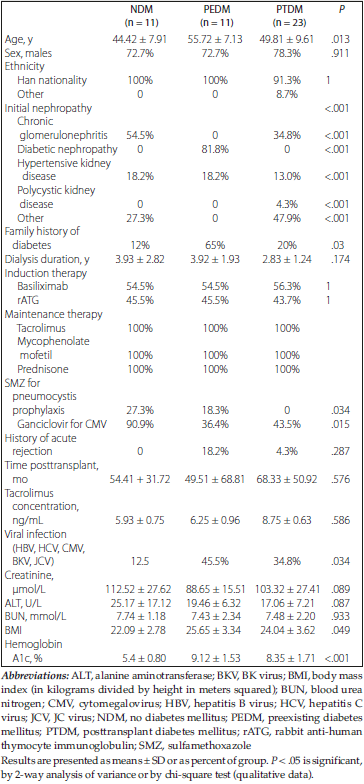
Table 1. Demographic and Clinical Characteristics of Kidney Transplant Recipients
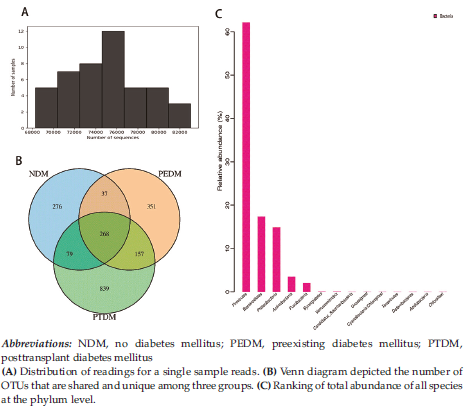
Figure 1. Sequencing Data of the Gut Microbiota Among the Kidney Transplant Groups
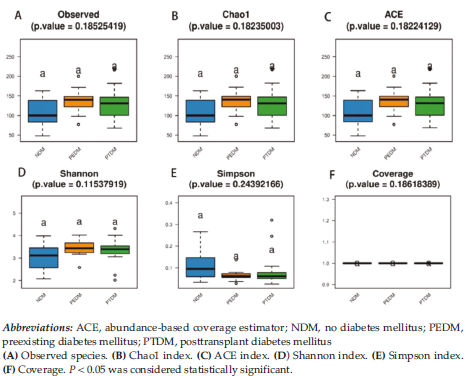
Figure 2. Alpha Diversity of the Gut Microbiota Among the Kidney Transplant Groups
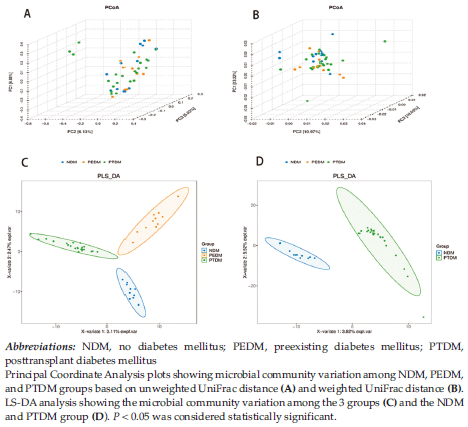
Figure 3. Principal Coordinate Analysis Plots and LS-DA Analysis
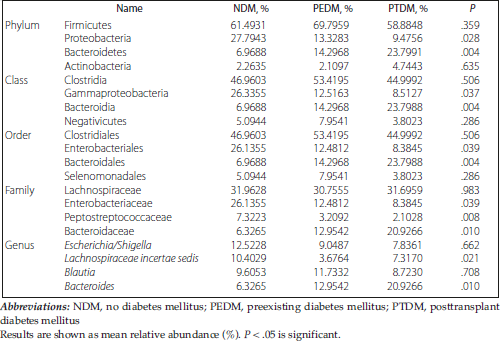
Table 2. Comparison of Relative Abundance of Gut Microbiota Among Kidney Transplant Recipients
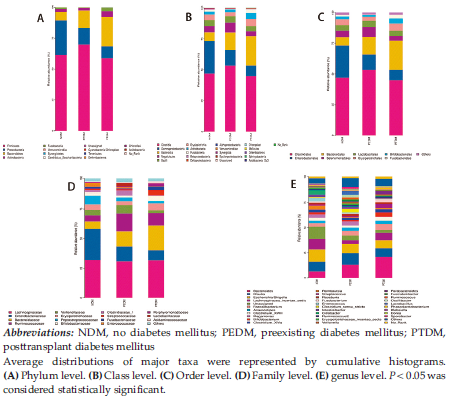
Figure 4. Relative Abundance of Gut Microbiota Among the Study Groups
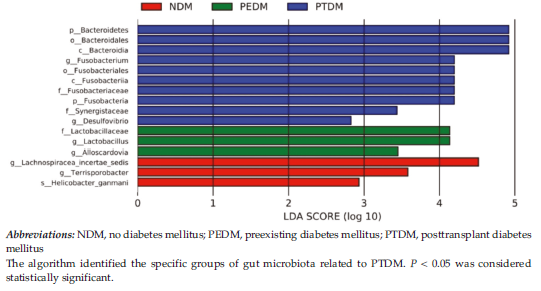
Figure 5. Linear Discriminant Analysis Effect Quantity Analysis of Gut Microbiota of Recipients in the PTDM Group Compared With NDM and PTDM Groups
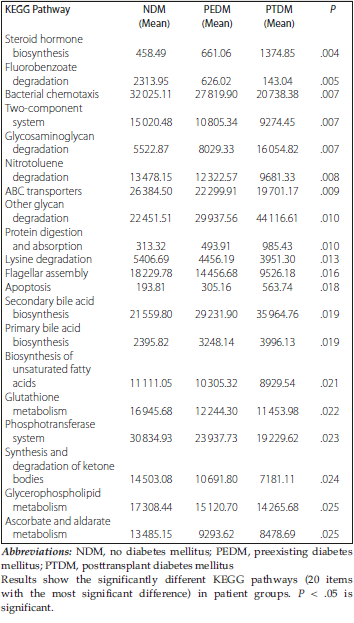
Table 3. Average Abundance of Functional KEGG Pathways Among Kidney Transplant Recipients