Volume: 21 Issue: 4 April 2023
FULL TEXT
Objectives: Liver transplant represents a widespread therapeutic option for patients with end-stage liver failure. Up to now, most of the scores describing the probability of liver graft survival have shown poor predictive performance. With this in mind, the present study seeks to analyze the predictive value of recipient comorbidities on liver graft survival within the first year.
Materials and Methods: The study included pros-pectively collected data from patients who received a liver transplant at our center from 2010 to 2021. A predictive model was then developed through an Artificial Neural Network that included the parameters associated with graft loss as identified by the Spanish Liver Transplant Registry report and comorbidities with prevalence >2% present in our study cohort.
Results: Most patients in our study were men (75.5%); mean age was 54.8 ± 9.6 years. The main cause of transplant was cirrhosis (86.7%), and 67.4% of patients had some associated comorbidities. Graft loss due to retransplant or death with dysfunction occurred in 14% of cases. Of all the variables analyzed, we found 3 comorbidities associated with graft loss (as shown by informative value and normalized informative value, respectively): antiplatelet and/or anticoagulants treatments (0.124 and 78.4%), previous immunosup-pression (0.110 and 69.6%), and portal thrombosis (0.105 and 66.3%). Remarkably, our model showed a C statistic of 0.745 (95% CI, 0.692-0.798; asymptotic
P < .001), which was higher than others found in previous studies.
Conclusions: Our model identified key parameters that may influence graft loss, including specific recipient comorbidities. The use of artificial intelligence methods could reveal connections that may be overlooked by conventional statistics.
Key words : Artificial intelligence, Graft rejection, Machine learning, Outcome prediction
Introduction
Liver transplant (LT) is considered the only available therapeutic option for many patients with end-stage liver failure. Still, over half of patients that undergo LT will have at least 1 significant complication during the first year posttransplant. In this context, the criteria for assigning an organ should include the appropriate balance between benefit and utility, in which the concept of “survival benefit” plays a pivotal role.1 High rates of LT complications could also be attributed to an increase in organs transplanted from marginal donors (eg, older age, asystole donors, donors with expanded criteria) and/or the clinical characteristics of the recipient (eg, age, disease state, comorbidities).
Comorbidity, coined by Alvan Fenstein in 1970, can have several interpretations. More specifically, multimorbidity could be defined as the presence of different diseases or conditions that coexist with a main chronic disease.2,3 Indications for LT have progressively expanded, which, in addition to the admission of older patients on transplant wait lists, have resulted in an growing number of comorbidities among transplant recipients.4 This has led to a myriad of studies devoted to determining how specific comorbidities affect LT outcomes, for example, coronary disease,5-7 chronic kidney disease,8 diabetes,9 and nonhepatic cancer.10 However, so far, most of the indicators described to adjust the donor-recipient allocation have not only ignored recipient comor-bidities but share some common flaws, such as limited external validity when applied to populations other than those initially described11,12 and the use of the logistic regression as the principal statistical tool.13,14
In addition to conventional methods, the imple-mentation of techniques from artificial intelligence, such as big data analysis and machine learning, may significantly enhance clinical research and subsequently improve clinical practice in the future.15 Of note, artificial neural networks (ANNs) have emerged as an alternative multivariate analysis method, which could better address the complexity found among patients with different comorbidities.
In this study, we aimed to explore and analyze the predictive value of the recipient comorbidities in liver graft survival within the first year post-transplant by conventional and artificial intelligence methods.
Materials and Methods
Data sources
The study included prospectively collected data from all the patients who received LTs (first transplant) at the Lozano Blesa University Clinical Hospital (Aragón, Spain) from 2010 to 2021. The study complied with Organic Law 15/1999 on Personal Data Protection and was approved by the Aragon Ethics Committee (CEICA, for its acronym in Spanish) (Act 1/2022).
Variables and event
Three large groups of variables were collected (Table 1).16 Donor data included age, sex, cause of death, and donation after cardiac death or after brain death. Recipient data included demographic and anthropometric characteristics of the recipient. Characteristics of liver disease included list entry code, etiology of liver disease, Model for End-Stage Liver Disease (MELD) score, Child-Pugh score, and recipient comorbidities. Transplant data included surgery variables (time on wait list, cold ischemia time). Evolution variables included patient death. Survival time and cause of death were collected according to the Spanish Liver Transplant Registry (RETH) categorization and the graft function in case of death (death with/without functioning graft, retransplant).
The event under study was loss of the graft in the first year, either by retransplant or death due to any cause with graft dysfunction.
Conventional statistics
For quantitative variables, we obtained central tendency parameters (arithmetic, geometric, and harmonic mean and mode), dispersion measures (standard deviation, standard error, coefficient of variation, range, and variance), and shape measures (kurtosis coefficient or flattening and coefficient of asymmetry). For qualitative variables, we calculated the distribution of responses per group.
We used the Pearson chi-square derived from contingency tables for qualitative variables and the t test or nonparametric test for quantitative variables, depending on their normality distribution.
Artificial neural network
A predictive model was created using an ANN (multilayer perceptron), which included the statis-tically significant variables associated with graft survival according to the RETH report, based on data from 28?609 patients (Cox analysis),17 and the comorbidities collected with a prevalence >2%.16
In the exploratory ANN model, the data were randomly divided into training (70%) and testing (30%) samples. The hyperbolic tangent activation function was used in the hidden layer and the softmax function in the output layer. The training parameters were as follows: batch, scaled conjugate gradient as the algorithm, initial lambda 0.0000005, initial sigma 0.00005, and center of interval 0.
Sensitivity analysis of the artificial neural network
A sensitivity analysis, also known as information value (IV) analysis, was performed to retrieve the optimal variables in the construction of the ANN model.18 An IV value greater than 0.03 was considered clinically important (predictive), values between 0.03 and 0.1 were considered somewhat predictive, and values greater than > 0.1 were considered highly predictive.
Programs
For data treatment, we used the IBM SPSS statistics package version 26.0. For the design and validation of the ANN, we used IBM Neural Network program version 25.0. A Wald P < .05 was considered significant.
Results
General description
The general description of the series studied is shown in (Table 2). Most patients were male (75.5%), the mean age of the patients was 54.8 ± 9.6 years, the main cause of the transplant was cirrhosis (86.7%), and 67.4% of the patients had some associated comorbidities.
Description of groups: event
Graft loss due to retransplant or death with dysfunction occurred in 14% of cases. In (Table 3), the 2 event groups are shown in terms of the variables from the RETH report with regard to statistical significance for liver graft survival. We found that only donor age (52.8 ± 17.5 vs 57.0 ± 17.1 years; P < .05) and liver infection caused by hepatitis C virus (30.7% vs 46.4%; P < .01) were significant between groups.
Description of groups: comorbidities
(Table 4) shows a description of the 2 event groups in relation to all the comorbidities analyzed. Of all the comorbidities studied, only the use of antiplatelet and/or anticoagulant agents (4.5% vs 11.9%; P < .01) and portal thrombosis (30.7% vs 46.4%; P < .01) showed significant relation with the occurrence of the event.
Artificial neural network: information value
From the 6 variables recognized by RETH as independent predictors of graft survival and the 5 comorbidities from our series with a prevalence >2% in both groups, an 11:8:2 ANN was deployed (Figure 1). The sensitivity analysis of the variables included in the network was used to estimate the IV parameter and normalized IV (IVn), as detailed in (Table 5). Of note, almost all the variables showed a certain predictive power, with the highest values for recipient age (IV: 0.159; IVn: 100%) and donor age (IV: 0.132; IVn: 83.1%), followed by 3 morbidities. These were antiplatelet and/or anticoagulant (IV: 0.124; IVn: 78.4%) treatment, previous immunosup-pression (IV: 0.110; IVn: 69.6%), and portal thrombosis (IV: 0.105; IVn: 66.3%). In contrast, the presence of associated hepatocellular carcinoma did not show predictive value in graft survival (IV: 0.019; IVn: 11.8%).
Discussion
Many indicators have been described to predict the probability of liver graft survival; however, they typically underperform when extrapolated to the general population (ie, external validation). In this regard, a recent meta-analysis that included 12 articles and published in 202119 reviewed the prediction capacity of the Donor Risk Index, Eurotransplant Donor Risk Index, and Balance of Risk scores. The authors concluded that these 3 scores did not discriminate well between graft loss and survival. In addition, the result of the transplant was mainly influenced by donor age, MELD score, and the etiology of the liver failure.
In 2021, a retrospective cohort of 177 patients in Brazil was also published,20 which evaluated Survival Outcomes After Liver Transplant, Balance of Risk, and Donor Risk indices. The Survival Outcomes After Liver Transplant score, which includes recipient data among its variables, was the only one offering an area under the curve >0.7 (0.73), followed by the Balance of Risk index (0.69). Hence, the authors concluded that the scores that consider data from both the recipient and the donor (Survival Outcomes After Liver Transplant and Balance of Risk) consistently offered more accurate predictions of graft survival.
In light of the above, one of the reasons underlying the poor external validity of these indicators could be the lack of sufficient information from the recipient. In the literature, we can observe the emphasis typically given to the presence of high MELD values21,22 or to specific pathologies that may incur a contraindication for transplantation23 and the few studies reporting the impact of recipient multiple morbidities. For example, Volk and colleagues24 proposed a modified Charlson Index to predict mortality at 5 years, Cardoso and colleagues25 found 6 variables related to 5-year mortality, and Tovikkai and colleagues,26 in a study conducted in the United Kingdom, observed that there are 4 factors related to the risk of mortality at 90 days (congestive heart failure, history of extrahepatic malignant disease, cardiovascular disease, and chronic kidney disease). However, only cardiovascular disease was an independent risk factor for mortality in all periods studied (90 days, 1 year, and 5 years).
In a 2020 review about the selection criteria for LT recipients, the authors raised the importance of not only considering the cause of liver failure but also including some comorbidities of the recipient, especially those that are now considered relative contraindications for LT and were previously considered absolute.27 Among these pathologies, the authors stressed the importance of portal venous thrombosis, HIV, and morbid obesity, which were also analyzed in our study. Furthermore, they claimed that, in some transplant candidates (eg, patients over 65 years), it should be carefully assessed whether they present a “favorable comorbidity profile.”
In the Danish Comorbidity Liver Transplant Recipient project, a prospective study initiated in Denmark in 2021,28 many of the comorbidities included in ours were considered. However, rather than analyzing the survival of the graft, the authors monitored the survival of the patient. One of the objectives was to determine whether all these comorbidity factors could be used to develop guidelines for detection, monitoring, and treatment in LT.
In our study, we evaluated how comorbidities can influence graft survival, introducing them into an ANN model with 6 independent risk factors, previously identified through the National Multicenter Registry (RETH, with more than 28?000 patients). Of the 11 variables analyzed, 10 were found to have a certain predictive capacity, and 3 of them were comorbidities. Our model showed a C statistic of 0.745 (95% CI, 0.692-0.798; asymptotic P < .001), which was higher than others indicated in previous works (Figure 2).
Arguably, the ANN built in this study outper-forms other strategies by accounting for outliers and nonlinear interactions between the input variables, so that weak or previously unrecognized relationships between the included parameters emerged. In this manner, ANNs can reveal connections between data sets that would not reach significance using conven-tional statistics, as observed in other studies.29,30
Nonetheless, our study had some limitations. First, the data were collected retrospectively and from a single center, which can lead to a population bias. Second, the sample is rather small, restraining the prevalence of multimorbidity in both groups. Finally, the sensitivity analysis is based on an ANN model that provides a moderate network perfor-mance (C statistic of 0.745; 95% CI, 0.692-0.798), yet in line with other ANN models in the literature.
Conclusions
When developing an ANN model, apart from including consistent variables (such as donor and recipient age), it is also recommended to add recipient comorbidities. In addition, as presented here, some comorbidities can be highly predictive clinical factors in liver graft survival during the first year.
References:
- Knight M, Barber K, Gimson A, Collett D, Neuberger J, Liver Advisory Group of National Health Service Blood Transplant. Implications of changing the minimal survival benefit in liver transplantation. Liver Transpl. 2012;18(5):549-557. doi:10.1002/lt.23380
CrossRef - PubMed - Bernabeu-Wittel M, Alonso-Coello P, Rico-Blazquez M, Rotaeche del Campo R, Sanchez Gomez S, Casariego Vales E. [Development of clinical practice guidelines for patients with comorbidity and multiple diseases]. Aten Primaria. 2014;46(7):385-392. doi:10.1016/j.aprim.2013.11.013
CrossRef - PubMed - Uhlig K, Leff B, Kent D, et al. A framework for crafting clinical practice guidelines that are relevant to the care and management of people with multimorbidity. J Gen Intern Med. 2014;29(4):670-679. doi:10.1007/s11606-013-2659-y
CrossRef - PubMed - Ravaioli M, Grande G, Di Gioia P, et al. Risk avoidance and liver transplantation: a single-center experience in a national network. Ann Surg. 2016;264(5):778-786. doi:10.1097/SLA.0000000000001887
CrossRef - PubMed - D’Avola D, Cuervas-Mons V, Marti J, et al. Cardiovascular morbidity and mortality after liver transplantation: the protective role of mycophenolate mofetil. Liver Transpl. 2017;23(4):498-509. doi:10.1002/lt.24738
CrossRef - PubMed - Snipelisky DF, McRee C, Seeger K, Levy M, Shapiro BP. Coronary interventions before liver transplantation might not avert postoperative cardiovascular events. Tex Heart Inst J. 2015;42(5):438-442. doi:10.14503/THIJ-14-4738
CrossRef - PubMed - Skaro AI, Gallon LG, Lyuksemburg V, et al. The impact of coronary artery disease on outcomes after liver transplantation. J Cardiovasc Med (Hagerstown). 2016;17(12):875-885. doi:10.2459/JCM.0000000000000207
CrossRef - PubMed - Nair S, Verma S, Thuluvath PJ. Pretransplant renal function predicts survival in patients undergoing orthotopic liver transplantation. Hepatology. 2002;35(5):1179-1185. doi:10.1053/jhep.2002.33160
CrossRef - PubMed - Kuo HT, Lum E, Martin P, Bunnapradist S. Effect of diabetes and acute rejection on liver transplant outcomes: an analysis of the organ procurement and transplantation network/united network for organ sharing database. Liver Transpl. 2016;22(6):796-804. doi:10.1002/lt.24414
CrossRef - PubMed - Brattstrom C, Granath F, Edgren G, Smedby KE, Wilczek HE. Overall and cause-specific mortality in transplant recipients with a pretransplantation cancer history. Transplantation. 2013;96(3):297-305. doi:10.1097/TP.0b013e31829854b7
CrossRef - PubMed - Winter A, Feray C, Audureau E, et al. External validation of the Donor Risk Index and the Eurotransplant Donor Risk Index on the French liver transplantation registry. Liver Int. 2017;37(8):1229-1238. doi:10.1111/liv.13378
CrossRef - PubMed - Collett D, Friend PJ, Watson CJ. Factors associated with short- and long-term liver graft survival in the United Kingdom: development of a UK donor liver index. Transplantation. 2017;101(4):786-792. doi:10.1097/TP.0000000000001576
CrossRef - PubMed - Feng S, Goodrich NP, Bragg-Gresham JL, et al. Characteristics associated with liver graft failure: the concept of a donor risk index. Am J Transplant. 2006;6(4):783-790. doi:10.1111/j.1600-6143.2006.01242.x
CrossRef - PubMed - Braat AE, Blok JJ, Putter H, et al. The Eurotransplant donor risk index in liver transplantation: ET-DRI. Am J Transplant. 2012;12(10):2789-2796. doi:10.1111/j.1600-6143.2012.04195.x
CrossRef - PubMed - Nunez Reiz A, Armengol de la Hoz MA, Sanchez Garcia M. big data analysis and machine learning in intensive care units. Med Intensiva (Engl Ed). 2019;43(7):416-426. doi:10.1016/j.medin.2018.10.007
CrossRef - PubMed - La Organización Nacional de Trasplantes. El Registro Español de Trasplante Hepático (RETH). http://www.ont.es/infesp/Paginas/RegistroHepatico.aspx
CrossRef - PubMed - Sociedad Española de Trasplante hepático. Memoria de Resultados del Registro Español de Trasplante Hepático. 2020; http://www.sethepatico.org.
CrossRef - PubMed - Hong WD, Ji YF, Wang D, Chen TZ, Zhu QH. Use of artificial neural network to predict esophageal varices in patients with HBV related cirrhosis. Hepat Mon. 2011;11(7):544-547.
CrossRef - PubMed - Lozanovski VJ, Probst P, Arefidoust A, et al. Prognostic role of the Donor Risk Index, the Eurotransplant Donor Risk Index, and the Balance of Risk score on graft loss after liver transplantation. Transpl Int. 2021;34(5):778-800. doi:10.1111/tri.13861
CrossRef - PubMed - Torterolli F, Watanabe RK, Tabushi FI, et al. Bar, Soft and Dri post-hepatic transplantation: what is the best for survival analysis? Arq Bras Cir Dig. 2021;34(1):e1576. doi:10.1590/0102-672020210001e1576
CrossRef - PubMed - Grat M, Wronka KM, Patkowski W, et al. Effects of donor age and cold ischemia on liver transplantation outcomes according to the severity of recipient status. Dig Dis Sci. 2016;61(2):626-635. doi:10.1007/s10620-015-3910-7
CrossRef - PubMed - Schlegel A, Linecker M, Kron P, et al. Risk assessment in high- and low-MELD liver transplantation. Am J Transplant. 2017;17(4):1050-1063. doi:10.1111/ajt.14065
CrossRef - PubMed - Schoening W, Helbig M, Buescher N, et al. Eurotransplant donor-risk-index and recipient factors: influence on long-term outcome after liver transplantation - a large single-center experience. Clin Transplant. 2016;30(5):508-517. doi:10.1111/ctr.12714
CrossRef - PubMed - Volk ML, Hernandez JC, Lok AS, Marrero JA. Modified Charlson comorbidity index for predicting survival after liver transplantation. Liver Transpl. 2007;13(11):1515-1520. doi:10.1002/lt.21172
CrossRef - PubMed - Cardoso FS, Bagshaw SM, Abraldes JG, et al. Comorbidities have a limited impact on post-transplant survival in carefully selected cirrhotic patients: a population-based cohort study. Ann Hepatol. 2015;14(4):505-514.
CrossRef - PubMed - Tovikkai C, Charman SC, Praseedom RK, Gimson AE, van der Meulen J. Time-varying impact of comorbidities on mortality after liver transplantation: a national cohort study using linked clinical and administrative data. BMJ Open. 2015;5(5):e006971. doi:10.1136/bmjopen-2014-006971
CrossRef - PubMed - Mahmud N. Selection for liver transplantation: indications and evaluation. Curr Hepatol Rep. 2020;19(3):203-212. doi:10.1007/s11901-020-00527-9
CrossRef - PubMed - Thomsen MT, Hogh J, Knudsen AD, et al. The Danish comorbidity in liver transplant recipients study (DACOLT): a non-interventional prospective observational cohort study. BMC Gastroenterol. 2021;21(1):145. doi:10.1186/s12876-021-01733-5
CrossRef - PubMed - Andersson B, Andersson R, Ohlsson M, Nilsson J. Prediction of severe acute pancreatitis at admission to hospital using artificial neural networks. Pancreatology. 2011;11(3):328-335. doi:10.1159/000327903
CrossRef - PubMed - Hong WD, Chen XR, Jin SQ, Huang QK, Zhu QH, Pan JY. Use of an artificial neural network to predict persistent organ failure in patients with acute pancreatitis. Clinics (Sao Paulo). 2013;68(1):27-31. doi:10.6061/clinics/2013(01)rc01
CrossRef - PubMed

Volume : 21
Issue : 4
Pages : 338 - 344
DOI : 10.6002/ect.2022.0372
From the 1Intensive Care Unit, the 2Department of Gastroenterology, Liver Unit, and the 3Department of Surgery, Hepatic Surgery Unit, University Hospital Lozano Blesa; the 4Health Research Institute of Aragon (IIS Aragon); the 5Department of Medicine and the 6Department of Surgery, University of Zaragoza; and the 7Transplant Procurement Management, University Hospital Lozano Blesa, Zaragoza, Spain
Acknowledgements: The authors have not received any funding or grants in support of the presented research or for the preparation of this work and have no declarations of potential conflicts of interest. The authors thank all those responsible for RETH.
Corresponding author: María Montes Aranguren, Intensive Care Unit, University Hospital Lozano Blesa, Avda. San Juan Bosco 15, 50009 Zaragoza, Spain
Phone: +34 976 76 57 00
E-mail:mpmontes@salud.aragon.es
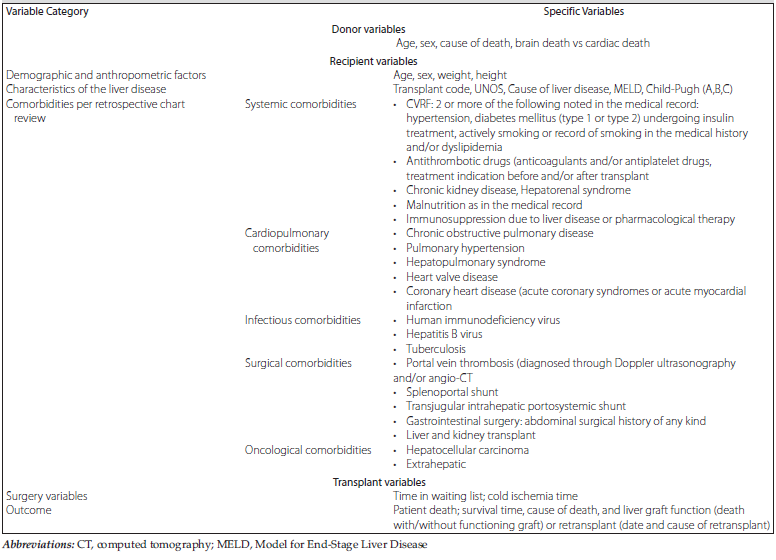
Table 1. Definition of the Variables and Comorbidities16
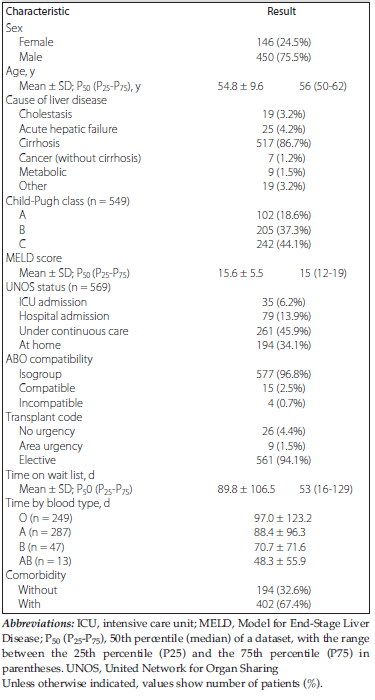
Table 2. Main Characteristics of the Cohort (N = 596)
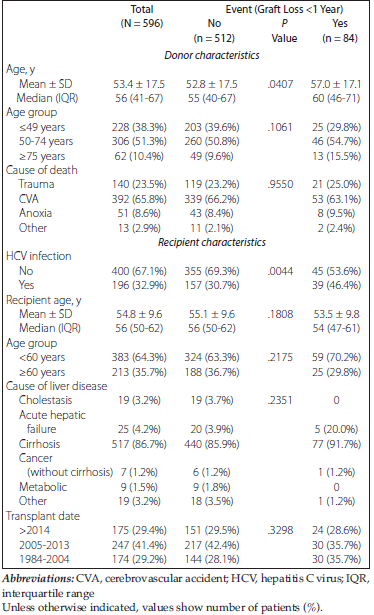
Table 3. Description of Groups in Terms of the Spanish Liver Transplant Registry (RETH) Variables
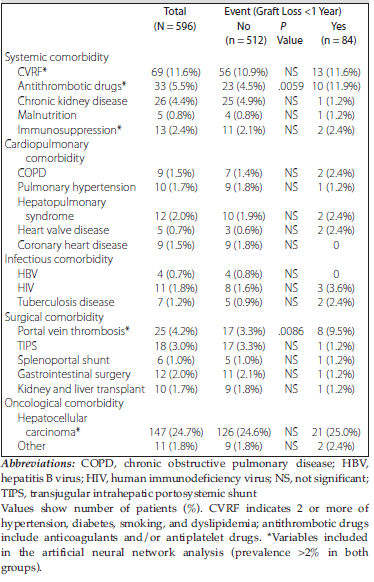
Table 4. Description of Groups in Relation to Comorbidities
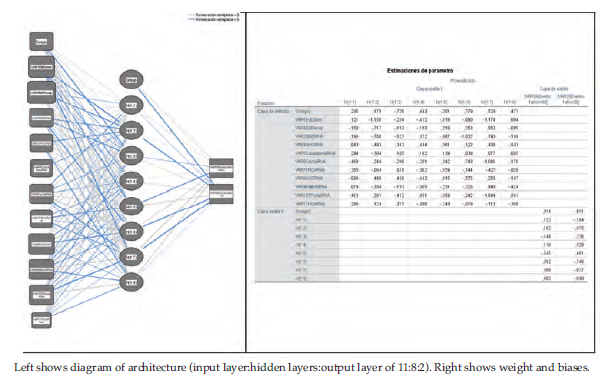
Figure 1. Artificial Neural Network Results
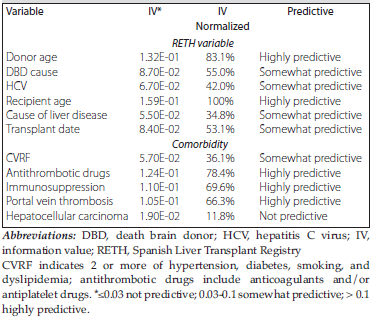
Table 5. Sensitivity Analysis: Variables Ranked According to the Information Value of the Artificial Neural Networks
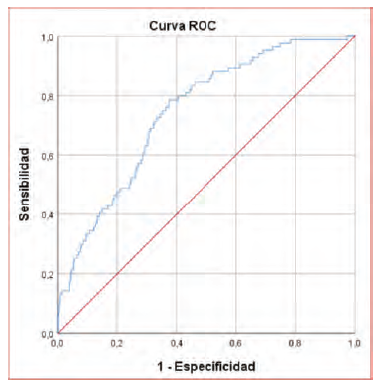
Figure 2. Receiver Operating Characteristic Curve of the Obtained Model