Volume: 19 Issue: 10 October 2021
FULL TEXT
Abstract
Renal transplant is considered the best therapeutic option for suitable patients with end-stage kidney failure. Hematological complications that occur after kidney transplant include posttransplant anemia, leukopenia, neutropenia, and thrombocytopenia. Severely persistent leukopenia and neutropenia events predispose patients to infection, including opportunistic infections. The mainstay tactic for such complications is to reduce the burden of the immunosuppression by the offending agent, but this tactic is associated with increased risk of acute rejection. Given the absence of laboratory investigations to specifically identify the culprit, a complete withdrawal of these agents may be the ultimate diagnostic option. Future therapeutic strategies, however, should focus
on reducing the immunosuppressive burden, the introduction of less myelotoxic agents, early recognition, and prompt treatment of infectious episodes. This will help in the optimization of the myelopoietic function and normalization of the hematological profile, resulting in better allograft and patient survival.
Key words : Drug-induced cytopenia, Posttransplant leukopenia, Posttransplant neutropenia, Posttransplant thrombocytopenia, Renal transplantation
Introduction
Immunosuppressive drugs are crucial to allograft survival in transplant recipients. However, a number of these drugs are associated with hematological complications. Myelosuppression presenting as cytopenia is not uncommon in kidney transplant recipients (KTRs).1 From 20% to 60% of KTRs experience at least 1 episode of cytopenia after transplant.2 Most episodes of cytopenia are observed during the first 3 months.2 The list of culprit agents includes mycophenolate mofetil (MMF) and enteric-coated mycophenolate sodium,3-5 ganciclovir and valganciclovir,3,6,7 antithymocyte globulin (ATG),8 tacrolimus,9 sirolimus, and trimethoprim-sulfamethoxazole.10 Cautious reduction or complete withdrawal of the offending agent may be urgently warranted; however, as described here, potential risks should be expected and managed accordingly.
The higher risk of acute rejection after reduction of myelosuppressive immunosuppressive agents requires careful consideration. There is an increased risk of infection, including opportunistic infections, for example, cytomegalovirus (CMV), after cessation of valganciclovir or risk of Pneumocystis jirovecii after trimethoprim-sulfamethoxazole withdrawal.11
Cytopenia can be identified as follows: pancytopenia involves all 3 cells lines, that is, white blood cells (WBCs), red blood cells (RBCs), and platelets; bicytopenia involves 2 of 3 cell lines; thrombocytopenia involves low platelet count; and leukopenia can be graded according to the Common Terminology Criteria for Adverse Events (CTCAE) into 4 levels.12 These levels are 3000 cells/mm3 (normal), 2000 to 3000 WBCs/mm3, 1000 to 2000 WBCs/mm3, and <1000 WBC/mm3 (the latter 3 levels indicating abnormal with variable severities). Leukopenia is also termed alternatively with neutropenia, although these terms are not synonymous. Many laboratories indicate 4000 cells/mm3 as the lower limit of normal. Other laboratories have used neutropenia to classify severity of granulocytopenia.
Absolute neutrophil count (ANC) is used to assess the magnitude of neutropenic severity as follows13: ANC = (WBCs/μL) × (percentage of polymorphonuclear cells + bands)/100. An ANC of <1500/μL or <1.5 × 10⁹/L can be termed neutropenia and graded as mild, moderate, or severe. Mild neutropenia is ANC level of 1000 to 1500/μL or 1 to 1.5 × 10⁹/L, moderate neutropenia is ANC level of 500 to 999/μL or 0.5 to 0.99 × 10⁹/L, and severe neutropenia (agranulocytosis) is ANC level of <500/μL or <0.5 × 10⁹/L (Figure 1).11
Platelet count of 150 000/mm3 is considered the lower limit of normal level in many laboratories.11 The CTCAE (Figure 2) has also graded thrombocytopenia into 4 levels.12 These levels are grade I or subnormal (75 000-150,000 cells//mm3), grade II or low (50000-75000 cells/mm3, grade III or moderate (25 000-50 000 cells/mm3), and grade IV or critical (<25 000/mm3) (Figure 2).
Consequences of Hematological Cytopenia
Neutrophils and lymphocytes have fundamental roles in prevention of infection. However, as detailed here, cytopenia can cause additional drawbacks.
Leukopenic KTRs are vulnerable to the development of opportunistic infections. When ANC is <1000 cells/μL, susceptibility to infection increases. The predisposition to frequency and severity of infection is related to duration of neutropenia and magnitude of neutropenic decline. Infection with Escherichia coli is also more prevalent in neutropenic KTRs.14,15
Neutropenic KTRs commonly experience more intra-abdominal infections (22.5%) than those with normal neutrophil counts (7%-10%). Both tacrolimus and MMF therapy are commonly associated with neutropenia.14 Withdrawal of prophylactic agents
for CMV or Pneumocystis jirovecii opens the door to their spread. To summarize, leukopenia augments the risk of infection by disrupting immunogenic integrity and liability of ubiquitous and opportunistic infections.
In an attempt to reduce the severity of neutropenia, transplant physicians often reduce or withhold MMF. Despite the expected rise in WBC counts, risk of rejection increases, which is usually evident in the first year posttransplant. For example, Zafrani and associates14 observed that increased mycophenolic acid (MPA)-free periods were considered a robust predictor of acute rejection. Vanhove and associates16 reported a significantly high risk of acute allograft rejection with more than 50% reduction in MMF dosage. Therefore, physicians should be cautious in the treatment of patients with high immunological risk, especially those within 3 months after transplant.
Given the absence of robust evidence-based strategies to manage drug-induced cytopenia after kidney transplant, transplant clinicians should carefully analyze patient drug history and clinical experience (by trial and error) to find the offending medication. In addition to hematological cytopenia (eg, due to MMF, rituximab, and ATG), a number of clinical situations may also result in cytopenia.11
Drug-Induced Leukopenia and Neutropenia
As detailed here, a number of agents have been implicated in posttransplant leukopenia and neutropenia development (Figure 3 and Figure 4).
Rituximab
Rituximab is a potent chimeric anti-CD20 monoclonal antibody that binds CD20 antigen, resulting in B-cell depletion and thus affecting phagocytosis by macrophages, complement-mediated cytotoxicity, and antibody-dependent cell-mediated toxicity by natural killer cells.17 Rituximab is commonly used as a part of the induction agent in ABO-incompatible transplant procedures,18,19 in the treatment of acute rejection episodes,20 in attempted treatment of chronic antibody-mediated rejection,21,22 and in resolution therapy of posttransplant lymphoproliferative disorder.23
Rituximab-induced cytopenia (grade 3/4) has been reported in 48% of patients in 1 trial as follows: 40% lymphopenia, 6% neutropenia, and 4% leukopenia in patients with lymphoma.24 Cytopenia can occur 4 weeks after start of rituximab therapy (late-onset neutropenia). Late-onset neutropenia can be defined as neutropenia that is observed 4 weeks after the last dose of rituximab after exclusion of other causes (ie, use of ganciclovir, valganciclovir, or MMF). The reported incidence of late-onset neutropenia in KTRs has approached 37.5% to 48%,25,26 with a time gap of 38 to 175 days and duration of 5 to 77 days. Late-onset neutropenia is usually observed after the sixth rituximab dose. Mycophenolate mofetil, ganciclovir, and valganciclovir are frequently implicated in its evolution.26-29 The reported incidence of leukopenia after rituximab therapy ranges from 19% to 24.6% with an average relative risk of leukopenia of about 8.8 if rituximab is administrated as induction therapy in an ABO-compatible nonsensitized KTR.30
With regard to rituximab management, the threshold of suspicion of rituximab-induced toxicity should be lowered, particularly 6 weeks after the sixth rituximab dose. Dose reduction or drug withdrawal is usually the ideal response for hematological recovery.31
Antithymocyte globulin
Thymoglobulin activity is not confined to T cells; rather, a wide range of blood cells are vulnerable to the antibody effects of this agent, including T cells, B cells, natural killer cells, monocytes, neutrophils, platelets, and RBCs.32,33 Moreover, cross-reaction of antibodies toward nonlymphoid tissue may result in the development of neutropenia.34 Both higher doses of ATG and the nonspecific avidity to neutrophils and platelets may induce neutropenia.35
Leukopenia incidence with ATG is variable, with studies showing 10%,36 38%,37 33.5%,38 and 50%,39 as a result of differences in protocols and variabilities in periods of administration. The highest incidence (50%), however, as reported by Gaber and colleagues, may be explained by the concurrent use of azathioprine.39 However, Brennan and associates reported etiologies leading to ATG cessation/dose reduction as leukopenia in 45.2% and as combined leukopenia and thrombocytopenia in 14.3% of studied KTRs38 (Figure 5).
The dose of ATG should be halved when platelet count reaches 50 000 to 75 000 per mm3 or WBC count reaches 2000 to 3000 per mm3.36,39 Treatment with ATG should be held when platelet count declines to less than 50 000 per mm3 or when WBC count is less than 2000 per mm3. CD3+ T-cell count should be monitored when less than 0.05 × 10⁹/L (<50/μL; normal range, 128-131/μL) to avoid unnecessary higher doses. This approach is successful in reducing the incidence of acute rejection episodes, infections, and cytopenia.40 Total lymphocyte count should be maintained as less than 0.3 × 10⁹/L, which is a suitable alternative if CD3 monitoring is not available.
Other medications that may cause cytopenia should also be monitored, including MMF (hold off MMF with concurrent ATG-induced cytopenia37) and steroids (loss of stimulatory effects on bone marrow in early steroid withdrawal regimens after ATG induction can be complicated with a higher incidence of leukopenia41).
Alemtuzumab
Alemtuzumab is an anti-CD52 humanized monoclonal immunoglobulin G1 antibody. The former is a glycoprotein expressed on mononuclear cells (eg, T and B lymphocytes), monocytes, and natural killer cells. Alemtuzumab can be administrated as an induction agent42,43 or as antirejection medication.44,45
With alemtuzumab, the leukopenic incidence in KTRs ranges from 33.3% to 42% in various reports.34,46 The incidence is higher (47%) if neutropenia is also present.47 Compared with ATG, the myelotoxic effects of alemtuzumab are more severe,34,46 with the lowest WBC counts observed 130 days after the last given dose.47 However, infectious episodes are usually not life-threatening.46,47 A dose reduction of MMF, in response to alemtuzumab-induced leukopenia, may reach 14 mg/kg, a dose that is much less than that required for ATG-induced leukopenia. Subsequently, a strict monitoring of allograft function at that time is mandated, particularly in high-risk KTRs.48,49 Through B-cell dysregulation, alemtuzumab has been blamed in the evolution of many autoimmune disorders. With regard to management, dose modification of other drugs such as MMF or valganciclovir or cotrimoxazole is required.
Interleukin receptor antagonists
Two interleukin 2 receptor (IL-2R) antagonist induction agents are basiliximab, a monoclonal chimeric, and daclizumab, a humanized murine antibody against CD25 that can suppress IL-2-mediated T-cell activation and proliferation in KTRs.50 The latter agent has been withdrawn from the market. Because anti-IL-2R activity is confined to activated T cells, their leukopenic and thrombocytopenic drawbacks are currently rare compared with drawbacks with ATG and alemtuzumab (10% to 15% vs 5% for basiliximab).51 Moreover, leukopenia has been reported to be 3.6 times higher in KTRs with alemtuzumab induction compared with basiliximab.52 Brennan and colleagues reported leukopenia in 33.3% of their patients who received ATG induction. In comparison, the incidence of leukopenia was 10.6% for KTRs who received basiliximab.38 Another study reported a significantly higher incidence of leukopenia in KTRs who received thymoglobulin compared with those who received basiliximab (22.8% vs 11.8%; P < . 05).53 Considering all these observations, the anti-IL-2R agents would be an optimum therapeutic option for leukopenic KTRs with low/moderate risk of rejection.
Mycophenolic mofetil and enteric-coated mycophenolate sodium
These agents are inosine monophosphate dehydrogenase inhibitors that can inhibit both cell-mediated and humoral immune responses through suppression of guanosine nucleotide synthesis de novo pathways in T/B lymphocytes, arresting their differentiation.11
With regard to MMF hematotoxicity, 11.8% to 40% of KTRs can develop leukopenia related to MMF therapy.54,55 Both ATG-related and alemtuzumab-related cytopenia may mask the diagnosis of MMF myelotoxicity, as they may require MMF dose reduction.56 Single-nucleotide polymorphism has its role in the development of MMF-related cytopenia.57 The hematological sequelae with myelosuppression are the most common cause requiring MMF dose reduction, with 46.5% of MMF-reducing events due to leukopenia, anemia, thrombocytopenia, and pancytopenia.16
The myelotoxic impact of MMF is dose dependent and is usually related to the trough levels of MPA.2,58 Concomitant administration of valganciclovir,3 valacyclovir, and fenofibrate59 may exaggerate MMF-related leukopenia.
To manage cytopenia, a dose reduction or complete withdrawal seems to be a reasonable response to MMF-induced neutropenia and leukopenia.58,60 However, this response would trigger the risk of acute rejection, with subsequent high risk of graft loss in many retrospective reports. Nevertheless, this risk has still not been substantiated for the following reasons: retrospective nature of studies and intensity of the immunological risk and its role in predisposition of rejection. Dose reduction of MMF has been mostly attempted in the first year posttransplant, a time of highest risk of allograft rejection.
Several approaches could be added for the management of this type of leukopenia, including preemptive dose reduction of MMF after ATG and alemtuzumab induction, shifting to a suitable mammalian target of rapamycin inhibitor (eg, sirolimus or everolimus may reverse cytopenia5,61), and halving the CMV prophylactic dose of valganciclovir, which could also be another preventive measure. Efficacy of valganciclovir 450 mg daily has been proven to be equal to a dose of 900 mg daily for CMV prophylaxis.62 For resistant cases, cessation of both MMF and valganciclovir may be the last resort for cytopenia reversal.46
Tacrolimus
Tacrolimus is the mainstay of clinical immunosuppression regimens.63 Although much less common in renal transplant recipients, 16.92% of hematological alterations in cardiothoracic transplant recipients were related to tacrolimus therapy, including anemia, neutropenia, and combined anemia/neutropenia.11 Tacrolimus may also intensify MMF myelotoxicity, and tacrolimus and MMF combinations have been shown to induce neutropenia in 28% of KTRs.14
Mechanisms of tacrolimus-induced neutropenia include direct suppression of myeloid cells, with bone marrow hypoplasia observed in hepatic transplant recipients,64 altered cytokine production by T lymphocytes and monocytes, and production of antimyeloid precursors and anti-mature neutrophil antibodies. Tacrolimus has been shown to prevent MPA glucuronidation that results in intensification of blood levels.65 In contrast to cyclosporine, tacrolimus does not interfere with MMF enterohepatic circulation, leading to augmented MPA levels.66 A combination of tacrolimus and MMF expands the area under the curve for MMF within 3 months by approximately 20% to 30%.
However, tacrolimus-induced direct myeloid inhibition has not been observed in vitro.67 A stunted myeloid maturation has not been proven in vivo.9 Direct inhibition of myeloid precursors may not be a convincing mechanism for tacrolimus-induced neutropenia and leukopenia.
Tacrolimus-induced neutropenia can be observed within the first 3 months after transplant.9 There is no particular test for diagnosis, except for leukocytic count normalization after the withdrawal of tacrolimus.9 A dose reduction of MMF is suggested in patients on dual immunosuppression therapy.68,69 In such patients, other alternatives include everolimus, belatacept, or eculizumab.65,66
Azathioprine
Azathioprine is a traditional antimetabolite that was introduced in 1960 and has been greatly replaced by the more potent MMF in immunosuppression after kidney transplant. Azathioprine may induce leukopenia and neutropenia in almost half of KTRs, particularly with doses greater than 1.99 mg/kg body weight/day. Most cases of azathioprine-induced leukopenia present in the first month after transplant. In this situation, a dose reduction or transient drug withdrawal is usually sufficient. Of note, a past history of drug-induced leukopenic events would increase the risk of leukopenia by 70%.11
An important factor to determine the magnitude of azathioprine-induced myelotoxicity is thiopurine S-methyl transferase (TPMT) activity. Moderately active TPMT may lead to higher risk of myelotoxicity with conventional doses of azathioprine. Patients with complete lack or low TPMT activity are vulnerable to developing severe, life-threatening myelotoxicity.
To ameliorate the risk of myelosuppression, 2 techniques have been proposed. The first is monitoring of 6-thioguanine nucleotide in RBCs, which is an efficacious and more beneficial method than monitoring of 6-mercaptopurine in plasma.70,71 Genotyping and phenotyping of TPMT may also help to recognize KTRs at higher risk for myelotoxicity.72-74
Drugs that interact with azathioprine include allopurinol, which inhibits xanthine oxidase activity leading to decline in purine metabolism to uric acid. Therefore, concomitant administration with allopurinol necessitates dose reduction of azathioprine by 25% to 50%; otherwise, catastrophic myelosuppression will ensue. Of note, the need for azathioprine instead of MMF is frequently utilized in areas with low economic standards.75
Azathioprine levels should be monitored weekly, with full blood count monitoring in the first month, then twice per month during the second and third months, and then monthly or less according to dose adjustment.76
Mammalian target of rapamycin inhibitors
The most common mammalian target of rapamycin inhibitors (mTORi), sirolimus and everolimus, have been involved in many myelotoxic side effects.77,78 Leukopenia has been reported in a meta-analysis of 8 trials that involved conversion from calcineurin inhibitor (CNI) to mTORi.79 Severity of myelotoxicity is dose dependent,80 with involvement of about 20% of KTRs on sirolimus. A trough level of >12 ng/dL
has been shown to be highly associated with development of leukopenia and thrombocytopenia,81 although it can commonly occur even with lower drug levels.
Sirolimus and MMF combination therapy after alemtuzumab induction in steroid and CNI-free regimens may result in severe leukopenia.82 Everolimus therapy, on the other hand, can be also complicated by leukopenia (11%-19%).83 The development of cytopenia with mTORi agents can be usually observed within the first 4 to 8 weeks. For patients with sirolimus-induced cytopenia, 7% need dose reduction, 4% need drug withdrawal, and 89% resolve spontaneously.11
Mechanisms postulated for mTORi-induced myelotoxicity include disrupted signal transduction by mTORi through the gp130 β chain and platelet aggregation and degranulation triggered by sirolimus responding to adenosine monophosphate and thrombin effects in vitro. Variable cytokines (interleukin 11, granulocyte colony-stimulating factor [G-CSF], and erythropoietin) can stimulate production of RBCs, leukocytes, and platelets via signal transduction of the gp130 β chain. Therefore, mTORi may induce cytopenia via inhibition of signal transduction through gp130 β-chain inhibition.
In most patients, mTORi-induced leukopenia resolves spontaneously. If it persists, then a reduction of the MMF dose with simultaneous reduction of mTORi to a lower therapeutic range is required.84 However, drug cessation may be the last resort for resistant cases.85
Valganciclovir
The higher bioavailability of this agent (70% vs 7% for oral ganciclovir) has also affected its myelotoxicity profile42,43 (Figure 6).
Although 10% to 28% of KTRs are vulnerable for leukopenia development,3,38,41,42 4.9% to 37.5% of patients may develop neutropenia.3,38-40 The resultant cytopenia may be potentiated by several factors, including higher doses of the drug (900 mg or more) having a significant impact on leukopenia and neutropenia development,43 low body mass index, which is a significant potentiating factor for leukopenia,40 and concomitant MMF administration, which can also aggravate valganciclovir myelotoxicity.3,86
Although leukopenia can develop within 3 months,3 resolution of leukopenia can occur spontaneously with or without treatment. Risk of infection is usually low.3,42 The need for G-CSF administration may be required with prolonged periods of prophylaxis.41
Dose reduction to 450 mg/day or transient drug cessation may be sufficient for cytopenia reversal. This dose level, however, has been shown to be equally effective as 900 mg/day for CMV prophylaxis; consequently, the lower dose has been recommended.62
Ganciclovir
Ganciclovir is used for anti-CMV therapy and prophylaxis in KTRs. The bioavailability of this drug is rather poor when given orally; therefore, it is always given intravenously. Through its myelosuppressive effects, ganciclovir causes leukopenia, with rates of 7.1% to 23.1%.42 Compared with valganciclovir, ganciclovir exerts modest myelosuppression. Considering the higher bioavailability of valganciclovir (10 times versus that with ganciclovir), the risk of neutropenia in the former agent exceeds 188%.43
A lesser incidence of leukopenia (7.1% vs 13.5%) and neutropenia (3.2% vs 8.2%) was observed in ganciclovir-treated patients compared with those on valganciclovir therapy, as reported by Tan and associates.42 Although patients (23%) on ganciclovir therapy respond to dose reduction, some (2.4%) require ganciclovir cessation.42
Valacyclovir
Valacyclovir is a remarkable agent for CMV prophylaxis and treatment of herpes simplex in KTRs. Compared with valganciclovir and ganciclovir, myelotoxicity with valacyclovir is relatively mild. Incidence of leukopenia ranges from 6% to 14% in randomized clinical trials. The risk of neutropenia with valganciclovir therapy is currently 730% higher than with valacyclovir.43 However, combined MMF and valacyclovir therapy may aggravate drug-induced myelotoxicity.87 Moreover, MMF may aggravate bone marrow toxicity by increasing the intracellular concentration of valacyclovir.88 When compared with ganciclovir, dose modification is less frequently employed with valacyclovir. In addition, withdrawal of ganciclovir is more frequent (23.1% vs 8.3%) compared with valacyclovir.87 However, the pill burden of valacyclovir is higher and the neurological complications are more frequent.11
Trimethoprim-sulfamethoxazole
Trimethoprim-sulfamethoxazole is a commonly used drug for Pneumocystis jirovecii prophylaxis. Several types of cytopenia are associated with use of trimethoprim-sulfamethoxazole; these include neutropenia and leukopenia and megaloblastic anemia. Trimethoprim per se can cause dose-dependent inhibition of granulopoiesis in vitro. Folinic acid can reverse this side effect. Similarly, folate-depleted granulocyte precursors have been observed in another in vitro report.11
The use of trimethoprim-sulfamethoxazole for Pneumocystis jirovecii prophylaxis in KTRs may induce leukopenia in only 2% of recipients. However, combined azathioprine therapy with trimethoprim-sulfamethoxazole can aggravate drug-induced myelosuppression.88
Dapsone
Dapsone is an alternate agent for Pneumocystis jirovecii prevention that is associated with many hematological complications, including neutropenia.69 Moreover, the neutropenic effects of dapsone may be aggravated by development of agranulocytosis (Figure 7).44
Drug-Induced Lymphopenia
In leukopenic KTRs, it is essential to recognize lymphopenia, which is different from leukopenia due to neutropenia. The latter is usually complicated by augmented risk of serious infection; on the other hand, lymphopenia is usually the result of induction therapy with lymphocyte-depleting medication (eg, rabbit ATG).89
Posttransplant Drug-Induced Thrombocytopenia
A number of medications have been implicated in the evolution of posttransplant thrombocytopenia (Figure 8).
Rituximab
Rituximab-induced thrombocytopenia (grade 3/4) has been reported in 48% of patients in one trial, with rate of thrombocytopenia in 2% of lymphoma patients. Because rituximab-related thrombocytopenia rarely induces bleeding, platelet infusion is rarely indicated.31
Antithymocyte globulin
Cross-reaction of antibodies toward nonlymphoid tissue may result in the development of thrombotic events and thrombocytopenia.34 Both higher doses of ATG and its nonspecific affinity to platelet cells may induce thrombocytopenia.35 An incidence of thrombocytopenia ranging from 10% to 26.5% has been reported in KTRs.11 Brennan and associates reported cessation or reduction in doses of ATG due to thrombocytopenia in 11.9% of KTRs.38
For treatment, medications that affect cytopenia prevalence should be monitored (eg, holding off or reducing MMF with concurrent ATG-induced cytopenia).37 Thrombocytopenia can also be exacerbated with ATG and mTORi combination.11
Alemtuzumab
Autoimmune thrombocytopenia has been observed in multiple sclerosis and chronic lymphocytic leukemia with an incidence ranging from 1% to 2.5%.90,91 Alemtuzumab-induced thrombocytopenia has been observed in 14% of KTRs. Bleeding requiring surgical intervention has been observed in 12% of KTRs.90Interleukin receptor antagonists
Because anti-IL-2R activity is confined to activated T cells, their thrombocytopenic drawbacks are currently rare compared with that shown with ATG and alemtuzumab (5% for basiliximab).46 With regard to ATG, Brennan and colleagues have reported thrombocytopenia in 14.6% of patients who received ATG, in contrast to thrombocytopenia in 5.8% of KTRs who received basiliximab therapy.34 Another study reported a significantly higher incidence of thrombocytopenia in KTRs who received thymoglobulin compared with those who received basiliximab (8.1% vs 2.8%; P < .05).48 Considering these observations, an anti-IL-2R agent would be an optimum therapeutic option for thrombocytopenic KTRs with low/moderate risk of rejection.
Mycophenolic mofetil and enteric-coated mycophenolate sodium
The hematological sequelae of myelosuppression are the most common reason for reducing MMF dose. Up to 46.5% of patients require a reduction in MMF dose for leukopenia, anemia, thrombocytopenia, and pancytopenia.16 Myelotoxicity of MMF is dose dependent and usually related to the trough levels of MPA.2,70
Mammalian target of rapamycin inhibitors
The most common members of mTORi are sirolimus and everolimus, which cause a range of myelotoxic sequelae.77,78 Thrombocytopenia has been reported in a meta-analysis of 8 trials that described shift from CNI to mTORi.79 Severity of myelotoxicity is dose dependent,80 with involvement in perhaps 20% of KTRs on sirolimus therapy. A trough level of >12 ng/dL is associated with thrombocytopenia.81 Everolimus therapy is associated with thrombocytopenia in 10% to 17% patients.82 A suggested mechanism of mTORi-induced myelotoxicity is the potential predisposition to thrombocytic microangiopathy with subsequent development of thrombocytopenia. Both everolimus84-86 and sirolimus87,88 have a potential capability to induce thrombocytic microangiopathy.
Ganciclovir
This poorly bioavailable agent can be given orally or through an intravenous route in a high dose (1 g at 3 times/day). Through its myelosuppressive effect, it can induce thrombocytopenia in 23.1% of KTRs.42
Trimethoprim-sulfamethoxazole
Several hematologic complications have been observed with this agent, including thrombocytopenia.
Differential Diagnosis of Drug-Induced Leukopenia and Thrombocytopenia
In addition to medication-induced myelotoxicity, a variety of etiologies can share in the development of these serious hematological events, including B12, folic acid, zinc, and copper deficiencies, as shown in a nontransplant cohort.92
Epstein-Barr virus-induced posttransplant proliferative disorders invade bone marrow of recipients, causing cytopenia.11 Cytomegalovirus, parvovirus B19, human herpesvirus 6, influenza viruses, and ehrlichiosis (a tick-borne bacterial infection) can lead to myelosuppression-induced cytopenia.11
Hemophagocytic Syndrome
Hemophagocytic syndrome can be associated with cytopenia. Several viral infections (CMV, adenovirus, Epstein-Barr virus, human herpesvirus 8, human herpesvirus 6, parvovirus B19, and BK polyomavirus) have been incriminated in hemophagocytic syndrome evolution.93
Thrombocytic microangiopathy with consequent thrombocytopenia can develop in the following situations: renal ischemic events, antibody-mediated rejection,2 and viral infection (CMV, human immunodeficiency virus, and parvovirus B19).
Therapy for Drug-Induced Hematological Cytopenia
In addition to the aforementioned protocols, there are a number of other specific interventions, as detailed below.
Specific treatment of neutropenia
In medical emergencies, such as severe pneumonia and septic shock, measurement of ANC can be used to evaluate the severity of neutropenia, with severe neutropenia indicated by ANC <500/μL or <0.5 × 10⁹/L.94 A further decline in WBC count (ANC <100 cells/mm3) persisting more than 7 days constitutes an extremely high risk of opportunistic infection.95 Consequently, the first step is determining the patient’s full detailed history to unravel possible culprit(s). With no suitable diagnostic tools to recognize culprit medications, a dose reduction or complete withdrawal of the suspected agent with correction of WBC count may serve as the only available technique to find a diagnosis. The next therapeutic step for WBC count correction would be administration of “colony-stimulating” factors if there is no accepted response to the previous maneuvers. Of note, an increased expression of inflammatory cytokines may lead to activation of the innate immunity that, in turn, would activate the adaptive immune system leading to acute rejection as a side effect.96
Colony-stimulating factors have been introduced to manage severe leukopenia in KTRs.46 Granulocyte colony-stimulating factor has 3 major effects: neutrophil proliferation, reduction of inflammatory cytokines (eg, tumor necrosis factor, interleukin 1 [IL-1], IL-12, and interferon), and production of anti-inflammatory soluble tumor necrosis factor receptors p55 and p75, in addition to IL-l receptor antagonist and prostaglandin E2.97-99 Granulocyte colony-stimulating factor has minimal effects on lymphocytes as they are devoid of specific G-CSF receptors.97 Some evidence has suggested that G-CSF may decrease rejection episodes.99,100 Several studies have reported improved WBCs counts, fewer infection episodes, and absence of related rejection episodes.101
Granulocyte-monocyte colony-stimulating factor (GM-CSF) is a stimulating agent that can activate neutrophils, monocytes, macrophages, and dendritic cells. Unlike G-CSF, GM-CSF involves a proinflammatory criterion. However, safety of this agent has been documented in solid-organ transplant patients, with improved WBC count and fewer infectious episodes. The safety and efficacy of this agent, however, warrant more randomized clinical trials.62
Summary
Through clinical assessments, culprit medications in cytopenia have been identified, including MMF, trimethoprim-sulfamethoxazole, valganciclovir, ganciclovir, alemtuzumab, and ATG. The first therapeutic step is reduction or complete withdrawal of the suspected agent. Until correction of cytopenia is accomplished, the treating clinician should remain alert to look for (1) an opportunistic infection and (2) early signs of acute rejection as a result of reduction of immunosuppression. Based on findings from G-CSF or GM-CSF use in oncology, these agents can be utilized in solid-organ transplant, but there is no consensus. The prophylactic administration of these agents is suggested in patients with febrile neutropenia,103 those with diminished bone marrow reserves (eg, ANC <1.5 × 10⁹/L) due to extensive radiotherapy, patients with AIDS/human immunodeficiency virus infection, and patients older than 65 years. On the other hand, therapeutic indications include sepsis, hypotension, neutropenic pyrexia of >7 days, pneumonia or fungal infections, and adjunctive therapy along with antibiotics in the aforementioned indications.103 Some conditions constitute medical emergencies of worse outcome that necessitate prophylactic administration of these agents, including prolonged pyrexia, severe neutropenia with ANC <500/μL,94 and prolonged neutropenia of more than 7 days.95
Thrombocytopenia in kidney transplant can be attributed to either bone marrow suppression or to an idiosyncratic drug reaction.104 The following steps in care are suggested: if thrombocytopenia is due to idiosyncratic reaction (eg, due to trimethoprim-sulfamethoxazole), then immediate withdrawal of the suspected agent is required105,106; if bone marrow suppression is the underlying mechanism, dose reduction or complete drug cessation is required for correction of platelet decline.
Occasionally, platelet transfusion may be required, such as in life-threatening bleeding risk, serious decline of platelet count (<20 000/mm3), or before an invasive procedure (eg, organ biopsy; Figure 9).107 The recommended cut-off therapeutic level for platelet transfusion should be >50 000/mm3 with commencement of invasive maneuvers (eg, allograft biopsy, gastroscopic studies, indwelling catheter application, transbronchial biopsy, and laparotomy108).
Before ocular and neurosurgical invasive procedures, a minimum platelet count of ≥100 000/mm3 is usually advised.108 For lumbar puncture procedures, a platelet count of ≥50 000/ mm3 is recommended.109 Because of the high vascularity of renal tissue, a minimum level of 100 000/mm3 is usually recommended for renal invasive procedures.110 The treating clinician should be aware that anemia associated with bleeding may lead to a major bleeding event, and platelet transfusion at that time may be required even if the platelet count is >100 000/μL.111,112 The risk of CMV-transmitted infection via platelet transfusion is considered a rare event; however, presence of leukocytes may occasionally permit this transmission.
In summary, in view of the paucity of data on immunosuppressive medication-induced cytopenia and the few randomized controlled trials, our present article serves to focus on the most recent evidence-based information.
Further Developments
Thrombopoietin receptor agonists have been efficacious in thrombocytopenia management. These agents include romiplostim and eltrombopag, which have been used with better results in “idiopathic thrombocytopenic purpura” therapy.113,114 Eltrombopag has also been successful in the management of hepatitis C virus infection and aplastic anemia-associated thrombocytopenia,115,116 and both romiplostim and eltrombopag have shown good results in treatment of chemotherapy-related thrombocytopenia.117-120 Several trials have reported no response to romiplostim therapy to correct platelet counts in patients with tacrolimus-associated thrombocytopenia.121 However, another case report documented a marvelous response to eltrombopag therapy in plasmapheresis in KTRs with transplant-related immune thrombocytopenia.122 Further studies are warranted to elucidate both the safety and efficacy of these agents in drug-induced thrombocytopenia in KTRs.Conclusions
Kidney transplant recipients often present with hematological cytopenia. The risk of infection, including opportunistic, is life-threatening in the presence of leukopenia and neutropenia. Moreover, risk of bleeding can be also triggered once thrombocytopenia ensues. Drug withdrawal or dose reduction may be the only technique to recognize the suspected medication or medications. Severe neutropenia (ie, agranulocytosis) may have a grave outcome, particularly in patients with neutropenic fever. A number of new agents have been introduced to manage serious cytopenia (eg, G-CSF, GM-CSF, and thrombopoietic agents); however, there is dearth of safety and efficacy profiles for these novel agents.
References:
- 1. Jafari A, Najivash P, Khatami MR, Dashti-Khavidaki S. Cytopenia occurrence in kidney transplant recipients within early post-transplant period. J Res Pharm Pract. 2017;6(1):31-39. doi:10.4103/2279-042X.200983
CrossRef - PubMed - Yang Y, Yu B, Chen Y. Blood disorders typically associated with renal transplantation. Front Cell Dev Biol. 2015;3:18. doi:10.3389/fcell.2015.00018
CrossRef - PubMed - Brum S, Nolasco F, Sousa J, et al. Leukopenia in kidney transplant patients with the association of valganciclovir and mycophenolate mofetil. Transplant Proc. 2008;40(3):752-754. doi:10.1016/j.transproceed.2008.02.048
CrossRef - PubMed - Wu SW, Chang HR, Lai YR, Lian JD. Non-life-threatening leukopenia in a renal transplant recipient with acute overdose of mycophenolate mofetil. Transplant Proc. 2008;40(10):3770-3771. doi:10.1016/j.transproceed.2008.06.100
CrossRef - PubMed - Shin BC, Chung JH, Kim HL. Sirolimus: a switch option for mycophenolate mofetil-induced leukopenia in renal transplant recipients. Transplant Proc. 2013;45(8):2968-2969. doi:10.1016/j.transproceed.2013.08.040
CrossRef - PubMed - Danziger?Isakov L, Mark Baillie G. Hematologic complications of anti?CMV therapy in solid organ transplant recipients. Clinical transplantation. 2009;23(3):295-304. doi: 10.1111/j.1399-0012.2008.00942.x.
CrossRef - PubMed - Said T, Nampoory MR, Pacsa AS, et al. Oral valgancyclovir versus intravenous gancyclovir for cytomegalovirus prophylaxis in kidney transplant recipients. Transplant Proc. 2007;39(4):997-999. doi:10.1016/j.transproceed.2007.03.046
CrossRef - PubMed - Radivojevi? D, Blagojevi?-Lazi? R, Risti? S, Lauševi? M, Ležai? V. Efficacy and safety of single and multiple dose antithymocyte globulin induction treatment in living related renal transplantation. Biomed Aging Pathol. 2011;1(2):78-83.
CrossRef - PubMed - De Rycke A, Dierickx D, Kuypers DR. Tacrolimus-induced neutropenia in renal transplant recipients. Clin J Am Soc Nephrol. 2011;6(3):690-694. doi:10.2215/CJN.07320810
CrossRef - PubMed - Gabardi S, Millen P, Hurwitz S, Martin S, Roberts K, Chandraker A. Atovaquone versus trimethoprim-sulfamethoxazole as Pneumocystis jirovecii pneumonia prophylaxis following renal transplantation. Clin Transplant. 2012;26(3):E184-190. doi:10.1111/j.1399-0012.2012.01624.x
CrossRef - PubMed - Khalil MAM, Khalil MAU, Khan TFT, Tan J. Drug-induced hematological cytopenia in kidney transplantation and the challenges it poses for kidney transplant physicians. J Transplant. 2018;2018:9429265. doi:10.1155/2018/9429265
CrossRef - PubMed - National Institutes of Health. A Comprehensive Listing. http://www.evs.nci.nih.gov/ftp1/CTCAE/CTCAE_4.03_20100614_Quick Reference_8.5x11.pdf.
CrossRef - PubMed - Dale DC, Cottle TE, Fier CJ, et al. Severe chronic neutropenia: treatment and follow-up of patients in the Severe Chronic Neutropenia International Registry. Am J Hematol. 2003;72(2):82-93. doi:10.1002/ajh.10255
CrossRef - PubMed - Zafrani L, Truffaut L, Kreis H, et al. Incidence, risk factors and clinical consequences of neutropenia following kidney transplantation: a retrospective study. Am J Transplant. 2009;9(8):1816-1825. doi:10.1111/j.1600-6143.2009.02699.x
CrossRef - PubMed - de Souza RM, Olsburgh J. Urinary tract infection in the renal transplant patient. Nat Clin Pract Nephrol. 2008;4(5):252-264. doi:10.1038/ncpneph0781
CrossRef - PubMed - Vanhove T, Kuypers D, Claes KJ, et al. Reasons for dose reduction of mycophenolate mofetil during the first year after renal transplantation and its impact on graft outcome. Transpl Int. 2013;26(8):813-821. doi:10.1111/tri.12133
CrossRef - PubMed - Taylor RP, Lindorfer MA. Drug insight: the mechanism of action of rituximab in autoimmune disease--the immune complex decoy hypothesis. Nat Clin Pract Rheumatol. 2007;3(2):86-95. doi:10.1038/ncprheum0424
CrossRef - PubMed - Shirakawa H, Ishida H, Shimizu T, et al. The low dose of rituximab in ABO-incompatible kidney transplantation without a splenectomy: a single-center experience. Clin Transplant. 2011;25(6):878-884. doi:10.1111/j.1399-0012.2010.01384.x
CrossRef - PubMed - Fuchinoue S, Ishii Y, Sawada T, et al. The 5-year outcome of ABO-incompatible kidney transplantation with rituximab induction. Transplantation. 2011;91(8):853-857. doi:10.1097/TP.0b013e31820f08e8
CrossRef - PubMed - Zarkhin V, Li L, Kambham N, Sigdel T, Salvatierra O, Sarwal MM. A randomized, prospective trial of rituximab for acute rejection in pediatric renal transplantation. Am J Transplant. 2008;8(12):2607-2617. doi:10.1111/j.1600-6143.2008.02411.x
CrossRef - PubMed - Fehr T, Rusi B, Fischer A, Hopfer H, Wuthrich RP, Gaspert A. Rituximab and intravenous immunoglobulin treatment of chronic antibody-mediated kidney allograft rejection. Transplantation. 2009;87(12):1837-1841. doi:10.1097/TP.0b013e3181a6bac5
CrossRef - PubMed - Rostaing L, Guilbeau-Frugier C, Fort M, Mekhlati L, Kamar N. Treatment of symptomatic transplant glomerulopathy with rituximab. Transpl Int. 2009;22(9):906-913. doi:10.1111/j.1432-2277.2009.00896.x
CrossRef - PubMed - Svoboda J, Kotloff R, Tsai DE. Management of patients with post-transplant lymphoproliferative disorder: the role of rituximab. Transpl Int. 2006;19(4):259-269. doi:10.1111/j.1432-2277.2006.00284.x
CrossRef - PubMed - Genentech. Rituxan Prescribing information. Accessed April 19, 2017. https://www.gene.com/download/pdf/rituxan_prescribing.pdf.
CrossRef - PubMed - Wolach O, Bairey O, Lahav M. Late-onset neutropenia after rituximab treatment: case series and comprehensive review of the literature. Medicine (Baltimore). 2010;89(5):308-318. doi:10.1097/MD.0b013e3181f2caef
CrossRef - PubMed - Ishida H, Inui M, Furusawa M, Tanabe K. Late-onset neutropenia (LON) after low-dose rituximab treatment in living related kidney transplantation--single-center study. Transpl Immunol. 2013;28(2-3):93-99. doi:10.1016/j.trim.2013.01.003
CrossRef - PubMed - Kabei K, Uchida J, Iwai T, et al. Late-onset neutropenia and acute rejection in ABO-incompatible kidney transplant recipients receiving rituximab and mycophenolate mofetil. Transpl Immunol. 2014;31(2):92-97. doi:10.1016/j.trim.2014.06.001
CrossRef - PubMed - Faguer S, Kamar N, Guilbeaud-Frugier C, et al. Rituximab therapy for acute humoral rejection after kidney transplantation. Transplantation. 2007;83(9):1277-1280. doi:10.1097/01.tp.0000261113.30757.d1
CrossRef - PubMed - Tanabe K. Japanese experience of ABO-incompatible living kidney transplantation. Transplantation. 2007;84(12 Suppl):S4-7. doi:10.1097/01.tp.0000296008.08452.4c
CrossRef - PubMed - Cheungpasitporn W, Thongprayoon C, Edmonds PJ, Bruminhent J, Tangdhanakanond K. The effectiveness and safety of rituximab as induction therapy in ABO-compatible non-sensitized renal transplantation: a systematic review and meta-analysis of randomized controlled trials. Ren Fail. 2015;37(9):1522-1526. doi:10.3109/0886022X.2015.1077310
CrossRef - PubMed - Dhand S, Bahrain H. Rituximab-induced severe acute thrombocytopenia: a case report and review of literature. Cancer Invest. 2008;26(9):913-915. doi:10.1080/07357900802010509
CrossRef - PubMed - Beiras-Fernandez A, Thein E, Chappel D, et al. Polyclonal anti-thymocyte globulins influence apoptosis in reperfused tissues after ischaemia in a non-human primate model. Transpl Int. 2004;17(8):453-457. doi:10.1007/s00147-004-0736-1
CrossRef - PubMed - Preville X, Flacher M, LeMauff B, et al. Mechanisms involved in antithymocyte globulin immunosuppressive activity in a nonhuman primate model. Transplantation. 2001;71(3):460-468. doi:10.1097/00007890-200102150-00021
CrossRef - PubMed - Shamsaeefar A, Roozbeh J, Khajerezae S, et al. Effects of induction therapy with alemtuzumab versus antithymocyte globulin among highly sensitized kidney transplant candidates. Saudi J Kidney Dis Transpl. 2016;27(4):665-670. doi:10.4103/1319-2442.185221
CrossRef - PubMed - Starzl TE, Murase N, Abu-Elmagd K, et al. Tolerogenic immunosuppression for organ transplantation. Lancet. 2003;361(9368):1502-1510. doi:10.1016/s0140-6736(03)13175-3
CrossRef - PubMed - Lebranchu Y, Bridoux F, Buchler M, et al. Immunoprophylaxis with basiliximab compared with antithymocyte globulin in renal transplant patients receiving MMF-containing triple therapy. Am J Transplant. 2002;2(1):48-56. doi:10.1034/j.1600-6143.2002.020109.x
CrossRef - PubMed - Gurk-Turner C, Airee R, Philosophe B, Kukuruga D, Drachenberg C, Haririan A. Thymoglobulin dose optimization for induction therapy in high risk kidney transplant recipients. Transplantation. 2008;85(10):1425-1430. doi:10.1097/TP.0b013e31816dd596
CrossRef - PubMed - Brennan DC, Daller JA, Lake KD, Cibrik D, Del Castillo D; Thymoglobulin Induction Study Group. Rabbit antithymocyte globulin versus basiliximab in renal transplantation. N Engl J Med. 2006;355(19):1967-1977. doi:10.1056/NEJMoa060068
CrossRef - PubMed - Gaber AO, First MR, Tesi RJ, et al. Results of the double-blind, randomized, multicenter, phase III clinical trial of Thymoglobulin versus Atgam in the treatment of acute graft rejection episodes after renal transplantation. Transplantation. 1998;66(1):29-37. doi:10.1097/00007890-199807150-00005
CrossRef - PubMed - Krasinskas AM, Kreisel D, Acker MA, et al. CD3 monitoring of antithymocyte globulin therapy in thoracic organ transplantation. Transplantation. 2002;73(8):1339-1341. doi:10.1097/00007890-200204270-00026
CrossRef - PubMed - Woodle ES, Peddi VR, Tomlanovich S, Mulgaonkar S, Kuo PC, Investigators TS. A prospective, randomized, multicenter study evaluating early corticosteroid withdrawal with Thymoglobulin in living-donor kidney transplantation. Clin Transplant. 2010;24(1):73-83. doi:10.1111/j.1399-0012.2009.01127.x
CrossRef - PubMed - Tan HP, Donaldson J, Basu A, et al. Two hundred living donor kidney transplantations under alemtuzumab induction and tacrolimus monotherapy: 3-year follow-up. Am J Transplant. 2009;9(2):355-366. doi:10.1111/j.1600-6143.2008.02492.x
CrossRef - PubMed - Watson CJ, Bradley JA, Friend PJ, et al. Alemtuzumab (CAMPATH 1H) induction therapy in cadaveric kidney transplantation--efficacy and safety at five years. Am J Transplant. 2005;5(6):1347-1353. doi:10.1111/j.1600-6143.2005.00822.x
CrossRef - PubMed - Hanaway MJ, Woodle ES, Mulgaonkar S, et al. Alemtuzumab induction in renal transplantation. N Engl J Med. 2011;364(20):1909-1919. doi:10.1056/NEJMoa1009546
CrossRef - PubMed - Reams BD, Musselwhite LW, Zaas DW, et al. Alemtuzumab in the treatment of refractory acute rejection and bronchiolitis obliterans syndrome after human lung transplantation. Am J Transplant. 2007;7(12):2802-2808. doi:10.1111/j.1600-6143.2007.02000.x
CrossRef - PubMed - Hartmann EL, Gatesman M, Roskopf-Somerville J, Stratta R, Farney A, Sundberg A. Management of leukopenia in kidney and pancreas transplant recipients. Clin Transplant. 2008;22(6):822-828. doi:10.1111/j.1399-0012.2008.00893.x
CrossRef - PubMed - Smith A, Couvillion R, Zhang R, et al. Incidence and management of leukopenia/neutropenia in 233 kidney transplant patients following single dose alemtuzumab induction. Transplant Proc. 2014;46(10):3400-3404. doi:10.1016/j.transproceed.2014.07.070
CrossRef - PubMed - Bank JR, Heidt S, Moes DJ, et al. Alemtuzumab induction and delayed acute rejection in steroid-free simultaneous pancreas-kidney transplant recipients. Transplant Direct. 2017;3(1):e124. doi:10.1097/TXD.0000000000000634
CrossRef - PubMed - Ishizawa K, Fukuhara N, Nakaseko C, et al. Safety, efficacy and pharmacokinetics of humanized anti-CD52 monoclonal antibody alemtuzumab in Japanese patients with relapsed or refractory B-cell chronic lymphocytic leukemia. Jpn J Clin Oncol. 2017;47(1):54-60. doi:10.1093/jjco/hyw146
CrossRef - PubMed - Sageshima J, Ciancio G, Chen L, Burke GW, 3rd. Anti-interleukin-2 receptor antibodies-basiliximab and daclizumab-for the prevention of acute rejection in renal transplantation. Biologics. 2009;3:319-336. doi:10.2147/btt.2009.3257
CrossRef - PubMed - Zaza G, Tomei P, Granata S, Boschiero L, Lupo A. Monoclonal antibody therapy and renal transplantation: focus on adverse effects. Toxins (Basel). 2014;6(3):869-891. doi:10.3390/toxins6030869
CrossRef - PubMed - 3C Study Collaborative Group, Haynes R, Harden P, et al. Alemtuzumab-based induction treatment versus basiliximab-based induction treatment in kidney transplantation (the 3C Study): a randomised trial. Lancet. 2014;384(9955):1684-1690. doi:10.1016/S0140-6736(14)61095-3
CrossRef - PubMed - Chen G, Gu J, Qiu J, et al. Efficacy and safety of thymoglobulin and basiliximab in kidney transplant patients at high risk for acute rejection and delayed graft function. Exp Clin Transplant. 2013;11(4):310-314. doi:10.6002/ect.2012.0103
CrossRef - PubMed - Le Meur Y, Buchler M, Thierry A, et al. Individualized mycophenolate mofetil dosing based on drug exposure significantly improves patient outcomes after renal transplantation. Am J Transplant. 2007;7(11):2496-2503. doi:10.1111/j.1600-6143.2007.01983.x
CrossRef - PubMed - Gaston RS, Kaplan B, Shah T, et al. Fixed- or controlled-dose mycophenolate mofetil with standard- or reduced-dose calcineurin inhibitors: the Opticept trial. Am J Transplant. 2009;9(7):1607-1619. doi:10.1111/j.1600-6143.2009.02668.x
CrossRef - PubMed - Ciancio G, Burke GW, Gaynor JJ, et al. A randomized trial of three renal transplant induction antibodies: early comparison of tacrolimus, mycophenolate mofetil, and steroid dosing, and newer immune-monitoring. Transplantation. 2005;80(4):457-465. doi:10.1097/01.tp.0000165847.05787.08
CrossRef - PubMed - Jacobson PA, Schladt D, Oetting WS, et al. Genetic determinants of mycophenolate-related anemia and leukopenia after transplantation. Transplantation. 2011;91(3):309-316. doi:10.1097/TP.0b013e318200e971
CrossRef - PubMed - Mudge DW, Atcheson BA, Taylor PJ, Pillans PI, Johnson DW. Severe toxicity associated with a markedly elevated mycophenolic acid free fraction in a renal transplant recipient. Ther Drug Monit. 2004;26(4):453-455. doi:10.1097/00007691-200408000-00017
CrossRef - PubMed - Alvarez PA, Egozcue J, Sleiman J, Moretti L, Di Girolamo G, Keller GA. Severe neutropenia in a renal transplant patient suggesting an interaction between mycophenolate and fenofibrate. Curr Drug Saf. 2012;7(1):24-29. doi:10.2174/157488612800492708
CrossRef - PubMed - Matsui K, Shibagaki Y, Sasaki H, Chikaraishi T, Yasuda T, Kimura K. Mycophenolate mofetil-induced agranulocytosis in a renal transplant recipient. Clin Exp Nephrol. 2010;14(6):637-640. doi:10.1007/s10157-010-0323-y
CrossRef - PubMed - Savvidaki E, Kazakopoulos P, Papachristou E, et al. Replacement of mycophenolate acid with everolimus in patients who became neutropenic after renal transplant. Exp Clin Transplant. 2014;12(1):31-36. doi:10.6002/ect.2013.0109
CrossRef - PubMed - Kalil AC, Mindru C, Florescu DF. Effectiveness of valganciclovir 900 mg versus 450 mg for cytomegalovirus prophylaxis in transplantation: direct and indirect treatment comparison meta-analysis. Clin Infect Dis. 2011;52(3):313-321. doi:10.1093/cid/ciq143
CrossRef - PubMed - Webster AC, Woodroffe RC, Taylor RS, Chapman JR, Craig JC. Tacrolimus versus ciclosporin as primary immunosuppression for kidney transplant recipients: meta-analysis and meta-regression of randomised trial data. BMJ. 2005;331(7520):810. doi:10.1136/bmj.38569.471007.AE
CrossRef - PubMed - Nosari A, Marbello L, De Carlis LG, et al. Bone marrow hypoplasia complicating tacrolimus (FK506) therapy. Int J Hematol. 2004;79(2):130-132. doi:10.1532/ijh97.e0213
CrossRef - PubMed - Balogh A, Merkel U, Muller D. Can xipamide or tacrolimus inhibit the glucuronidation of mycophenolic acid in rat liver slices? Exp Toxicol Pathol. 2003;54(5-6):375-379. doi:10.1078/0940-2993-00273
CrossRef - PubMed - van Gelder T, Klupp J, Barten MJ, Christians U, Morris RE. Comparison of the effects of tacrolimus and cyclosporine on the pharmacokinetics of mycophenolic acid. Ther Drug Monit. 2001;23(2):119-128. doi:10.1097/00007691-200104000-00005
CrossRef - PubMed - Koenig JM, Matharoo N, Stegner JJ, Schowengerdt KO, Jr. Tacrolimus: in vitro effects on myelopoiesis, apoptosis, and CD11b expression. J Heart Lung Transplant. 2005;24(9):1332-1336. doi:10.1016/j.healun.2004.08.007
CrossRef - PubMed - Yau WP, Vathsala A, Lou HX, Chan E. Is a standard fixed dose of mycophenolate mofetil ideal for all patients? Nephrol Dial Transplant. 2007;22(12):3638-3645. doi:10.1093/ndt/gfm468
CrossRef - PubMed - Naito T. [Optimal immunosuppressive therapy based on pharmacokinetics and pharmacodynamics of antimetabolites in clinical practice]. Yakugaku Zasshi. 2010;130(12):1695-1700. doi:10.1248/yakushi.130.1695
CrossRef - PubMed - Weinshilboum R. Thiopurine pharmacogenetics: clinical and molecular studies of thiopurine methyltransferase. Drug Metab Dispos. 2001;29(4 Pt 2):601-605.
CrossRef - PubMed - McLeod HL, Siva C. The thiopurine S-methyltransferase gene locus -- implications for clinical pharmacogenomics. Pharmacogenomics. 2002;3(1):89-98. doi:10.1517/14622416.3.1.89
CrossRef - PubMed - Clunie GP, Lennard L. Relevance of thiopurine methyltransferase status in rheumatology patients receiving azathioprine. Rheumatology (Oxford). 2004;43(1):13-18. doi:10.1093/rheumatology/keg442
CrossRef - PubMed - Budhiraja P, Popovtzer M. Azathioprine-related myelosuppression in a patient homozygous for TPMT*3A. Nat Rev Nephrol. 2011;7(8):478-484. doi:10.1038/nrneph.2011.74
CrossRef - PubMed - Kurzawski M, Dziewanowski K, Gawronska-Szklarz B, Domanski L, Drozdzik M. The impact of thiopurine s-methyltransferase polymorphism on azathioprine-induced myelotoxicity in renal transplant recipients. Ther Drug Monit. 2005;27(4):435-441. doi:10.1097/01.ftd.0000164393.09402.c9
CrossRef - PubMed - KDIGO Guidelines. Accessed May 14, 2017. https://kdigo.org/wp-content/uploads/2017/02/2017-KDIGO-CKD-MBD-GL-Update.pdf
CrossRef - PubMed - Prometheus Laboratories. IMURAN (azathioprine) Product Information. Accessed May 14, 2017. https://www.accessdata.fda.gov/drugsatfda_docs/label/2011/016324s034s035lbl.pdf
CrossRef - PubMed - Augustine JJ, Knauss TC, Schulak JA, Bodziak KA, Siegel C, Hricik DE. Comparative effects of sirolimus and mycophenolate mofetil on erythropoiesis in kidney transplant patients. Am J Transplant. 2004;4(12):2001-2006. doi:10.1111/j.1600-6143.2004.00612.x
CrossRef - PubMed - Sofroniadou S, Goldsmith D. Mammalian target of rapamycin (mTOR) inhibitors: potential uses and a review of haematological adverse effects. Drug Saf. 2011;34(2):97-115. doi:10.2165/11585040-000000000-00000
CrossRef - PubMed - Webster AC, Lee VW, Chapman JR, Craig JC. Target of rapamycin inhibitors (sirolimus and everolimus) for primary immunosuppression of kidney transplant recipients: a systematic review and meta-analysis of randomized trials. Transplantation. 2006;81(9):1234-1248. doi:10.1097/01.tp.0000219703.39149.85
CrossRef - PubMed - Rostaing L, Kamar N. mTOR inhibitor/proliferation signal inhibitors: entering or leaving the field? J Nephrol. 2010;23(2):133-142
CrossRef - PubMed - Dansirikul C, Duffull SB, Morris RG, Tett SE. Relationships between sirolimus dosing, concentration and outcomes in renal transplant recipients. Br J Clin Pharmacol. 2005;60(5):560-565. doi:10.1111/j.1365-2125.2005.02473.x
CrossRef - PubMed - Flechner SM, Friend PJ, Brockmann J, et al. Alemtuzumab induction and sirolimus plus mycophenolate mofetil maintenance for CNI and steroid-free kidney transplant immunosuppression. Am J Transplant. 2005;5(12):3009-3014. doi:10.1111/j.1600-6143.2005.01123.x
CrossRef - PubMed - Kovarik JM, Kaplan B, Tedesco Silva H, et al. Exposure-response relationships for everolimus in de novo kidney transplantation: defining a therapeutic range. Transplantation. 2002;73(6):920-925. doi:10.1097/00007890-200203270-00016
CrossRef - PubMed - Holdaas H, Midtvedt K, Asberg A. A drug safety evaluation of everolimus in kidney transplantation. Expert Opin Drug Saf. 2012;11(6):1013-1022. doi:10.1517/14740338.2012.722993
CrossRef - PubMed - Waduud MA, McMillan M, Jardine A. Valganciclovir-induced leucopenia in renal transplant recipients treated with mycophenolate mofetil. Scottish Univ Med J. 2014;3(2):17-21.
CrossRef - PubMed - Doyle AM, Warburton KM, Goral S, Blumberg E, Grossman RA, Bloom RD. 24-week oral ganciclovir prophylaxis in kidney recipients is associated with reduced symptomatic cytomegalovirus disease compared to a 12-week course. Transplantation. 2006;81(8):1106-1111. doi:10.1097/01.tp.0000204048.90367.97
CrossRef - PubMed - Royer B, Zanetta G, Berard M, et al. A neutropenia suggesting an interaction between valacyclovir and mycophenolate mofetil. Clin Transplant. 2003;17(2):158-161. doi:10.1034/j.1399-0012.2003.00052.x
CrossRef - PubMed - Mitsides N, Greenan K, Green D, et al. Complications and outcomes of trimethoprim-sulphamethoxazole as chemoprophylaxis for pneumocystis pneumonia in renal transplant recipients. Nephrology (Carlton). 2014;19(3):157-163. doi:10.1111/nep.12201
CrossRef - PubMed - Reindl-Schwaighofer R, Oberbauer R. Blood disorders after kidney transplantation. Transplantation Reviews. 2014 Apr 1;28(2):63-75. doi: 10.1016/j.trre.2013.10.001.
CrossRef - PubMed - Muthusamy AS, Vaidya AC, Sinha S, Roy D, Elker DE, Friend PJ. Alemtuzumab induction and steroid-free maintenance immunosuppression in pancreas transplantation. Am J Transplant. 2008;8(10):2126-2131. doi:10.1111/j.1600-6143.2008.02373.x
CrossRef - PubMed - Havrdova E, Horakova D, Kovarova I. Alemtuzumab in the treatment of multiple sclerosis: key clinical trial results and considerations for use. Ther Adv Neurol Disord. 2015;8(1):31-45. doi:10.1177/1756285614563522
CrossRef - PubMed - Smith EP. Hematologic disorders after solid organ transplantation. Hematology Am Soc Hematol Educ Program. 2010;2010:281-286. doi:10.1182/asheducation-2010.1.281
CrossRef - PubMed - Karras A, Thervet E, Legendre C; Groupe Cooperatif de transplantation d'Ile de France. Hemophagocytic syndrome in renal transplant recipients: report of 17 cases and review of literature. Transplantation. 2004;77(2):238-243. doi:10.1097/01.TP.0000107285.86939.37
CrossRef - PubMed - Andres E, Zimmer J, Mecili M, Weitten T, Alt M, Maloisel F. Clinical presentation and management of drug-induced agranulocytosis. Expert Rev Hematol. 2011;4(2):143-151. doi:10.1586/ehm.11.12
CrossRef - PubMed - Freifeld AG, Bow EJ, Sepkowitz KA, et al. Clinical practice guideline for the use of antimicrobial agents in neutropenic patients with cancer: 2010 update by the infectious diseases society of america. Clin Infect Dis. 2011;52(4):e56-93. doi:10.1093/cid/cir073
CrossRef - PubMed - Baldwin WM, 3rd, Larsen CP, Fairchild RL. Innate immune responses to transplants: a significant variable with cadaver donors. Immunity. 2001;14(4):369-376. doi:10.1016/s1074-7613(01)00117-0
CrossRef - PubMed - von Aulock S, Boneberg EM, Hartung T. Intermittent G-CSF (filgrastim) treatment cannot induce lymphocytosis in volunteers. Clin Pharmacol Ther. 2000;68(1):104
CrossRef - PubMed - von Aulock S, Boneberg EM, Diterich I, Hartung T. Granulocyte colony-stimulating factor (filgrastim) treatment primes for increased ex vivo inducible prostanoid release. J Pharmacol Exp Ther. 2004;308(2):754-759. doi:10.1124/jpet.103.058198
CrossRef - PubMed - Vrtovec B, Haddad F, Pham M, et al. Granulocyte colony-stimulating factor therapy is associated with a reduced incidence of acute rejection episodes or allograft vasculopathy in heart transplant recipients. Transplant Proc. 2013;45(6):2406-2409. doi:10.1016/j.transproceed.2013.01.106
CrossRef - PubMed - Xu J, von Aulock S, Lucas R, Wendel A. Potential of colony-stimulating factors to improve host defense in organ transplant recipients. Curr Opin Organ Transplant. 2004;9(4):411-417. doi:10.1097/01.mot.0000146562.43151.e4
CrossRef - PubMed - Turgeon N, Hovingh GK, Fishman JA, et al. Safety and efficacy of granulocyte colony-stimulating factor in kidney and liver transplant recipients. Transpl Infect Dis. 2000;2(1):15-21. doi:10.1034/j.1399-3062.2000.020104.x
CrossRef - PubMed - Page AV, Liles WC. Granulocyte colony-stimulating factor, granulocyte-macrophage colony-stimulating factor, and other immunomodulatory therapies for the treatment of infectious diseases in solid organ transplant recipients. Curr Opin Organ Transplant. 2008;13(6):575-580. doi:10.1097/MOT.0b013e3283186b80
CrossRef - PubMed - Crawford J, Caserta C, Roila F, Group EGW. Hematopoietic growth factors: ESMO Clinical Practice Guidelines for the applications. Ann Oncol. 2010;21 Suppl 5:v248-251. doi:10.1093/annonc/mdq195
CrossRef - PubMed - Aster RH, Curtis BR, McFarland JG, Bougie DW. Drug-induced immune thrombocytopenia: pathogenesis, diagnosis, and management. J Thromb Haemost. 2009;7(6):911-918. doi:10.1111/j.1538-7836.2009.03360.x
CrossRef - PubMed - Hayashi M, Strouse JJ, Veltri MA, Curtis BR, Takemoto CM. Immune thrombocytopenia due to Trimethoprim-Sulfamethoxazole; under-recognized adverse drug reaction in children? Pediatr Blood Cancer. 2015;62(5):922-923. doi:10.1002/pbc.25430
CrossRef - PubMed - Papaioannides D, Bouropoulos C, Korantzopoulos P. Co-trimoxazole induced acute thrombocytopenic purpura. Emerg Med J. 2003;20(3):E3. doi:10.1136/emj.20.3.e3
CrossRef - PubMed - Lawrence JB, Yomtovian RA, Hammons T, et al. Lowering the prophylactic platelet transfusion threshold: a prospective analysis. Leuk Lymphoma. 2001;41(1-2):67-76. doi:10.3109/10428190109057955
CrossRef - PubMed - Murphy MF, Wallington TB, Kelsey P, et al; British Committee for Standards in Haematology, Blood Transfusion Task Force. Guidelines for the clinical use of red cell transfusions. Br J Haematol. 2001;113(1):24-31. doi:10.1046/j.1365-2141.2001.02701.x
CrossRef - PubMed - Vavricka SR, Walter RB, Irani S, Halter J, Schanz U. Safety of lumbar puncture for adults with acute leukemia and restrictive prophylactic platelet transfusion. Ann Hematol. 2003;82(9):570-573. doi:10.1007/s00277-003-0707-0
CrossRef - PubMed - Brachemi S, Bollee G. Renal biopsy practice: What is the gold standard? World J Nephrol. 2014;3(4):287-294. doi:10.5527/wjn.v3.i4.287
CrossRef - PubMed - Webert K, Cook RJ, Sigouin CS, Rebulla P, Heddle NM. The risk of bleeding in thrombocytopenic patients with acute myeloid leukemia. Haematologica. 2006;91(11):1530-1537
CrossRef - PubMed - Slichter SJ, Davis K, Enright H, et al. Factors affecting posttransfusion platelet increments, platelet refractoriness, and platelet transfusion intervals in thrombocytopenic patients. Blood. 2005;105(10):4106-4114. doi:10.1182/blood-2003-08-2724
CrossRef - PubMed - Kuter DJ, Bussel JB, Lyons RM, et al. Efficacy of romiplostim in patients with chronic immune thrombocytopenic purpura: a double-blind randomised controlled trial. Lancet. 2008;371(9610):395-403. doi:10.1016/S0140-6736(08)60203-2
CrossRef - PubMed - Bussel JB, Cheng G, Saleh MN, et al. Eltrombopag for the treatment of chronic idiopathic thrombocytopenic purpura. N Engl J Med. 2007;357(22):2237-2247. doi:10.1056/NEJMoa073275
CrossRef - PubMed - McHutchison JG, Dusheiko G, Shiffman ML, et al. Eltrombopag for thrombocytopenia in patients with cirrhosis associated with hepatitis C. N Engl J Med. 2007;357(22):2227-2236. doi:10.1056/NEJMoa073255
CrossRef - PubMed - Olnes MJ, Scheinberg P, Calvo KR, et al. Eltrombopag and improved hematopoiesis in refractory aplastic anemia. N Engl J Med. 2012;367(1):11-19. doi:10.1056/NEJMoa1200931
CrossRef - PubMed - Parameswaran R, Lunning M, Mantha S, et al. Romiplostim for management of chemotherapy-induced thrombocytopenia. Support Care Cancer. 2014;22(5):1217-1222. doi:10.1007/s00520-013-2074-2
CrossRef - PubMed - Kuter DJ. Managing thrombocytopenia associated with cancer chemotherapy. Oncology (Williston Park). 2015;29(4):282-294
CrossRef - PubMed - Winer ES, Safran H, Karaszewska B, et al. Eltrombopag with gemcitabine-based chemotherapy in patients with advanced solid tumors: a randomized phase I study. Cancer Med. 2015;4(1):16-26. doi:10.1002/cam4.326
CrossRef - PubMed - Chawla SP, Staddon A, Hendifar A, Messam CA, Patwardhan R, Kamel YM. Results of a phase I dose escalation study of eltrombopag in patients with advanced soft tissue sarcoma receiving doxorubicin and ifosfamide. BMC Cancer. 2013;13:121. doi:10.1186/1471-2407-13-121
CrossRef - PubMed - Mathew A, Woytowitz D, Smith RE, Mehta RP. Tacrolimus-Induced refractory immune thrombocytopenia in solid organ transplant patients. Blood. 2013;122:2317.
CrossRef - PubMed - Grenda R, Jarmuzek W, Latoszynska J, Prokurat S, Rubik J. Eltrombopag (thrombopoietin-receptor agonist) and plasmapheresis as rescue therapy of acute post-renal transplant immune thrombocytopenia in a child with Schimke immuno-osseous dysplasia-case report. Pediatr Transplant. 2016;20(8):1148-1151. doi:10.1111/petr.12828
CrossRef - PubMed

Volume : 19
Issue : 10
Pages : 999 - 1013
DOI : 10.6002/ect.2020.0100
From the 1Jaber El Ahmed Military Hospital, Nephrology Department, Safat, Kuwait; the 2Faculty of Health and Science, University of Liverpool, Institute of Learning and Teaching, School of Medicine, Liverpool, United Kingdom; the 3Doncaster Royal Infirmary, Doncaster, United Kingdom; the 4Royal Hospital for Children, Glasgow, Scotland, United Kingdom; the 5Royal Liverpool University Hospitals, Liverpool, United Kingdom; and the 6Sheffield Teaching Hospitals, Sheffield, United Kingdom
Acknowledgements: The authors have not received any funding or grants in support of the presented research or for the preparation of this work and have no declarations of potential conflicts of interest.
Authors contributions: F. Abbas designed the study, performed data collection, and wrote the manuscript; M. El Kossi, I. Shaheen, and A. Sharma reviewed and edited the manuscript; and A. Halawa conceptualized and designed the study, supervised data collection, and reviewed and edited the manuscript.
Corresponding author: Ahmed Halawa, Sheffield Teaching Hospital, University of Liverpool, Herries Road, Sheffield S5 7AU, United Kingdom
Phone: +44 778 754 2128
E-mail: ahmed.halawa@liverpool.ac.uk

Figure 1. Absolute Neutrophil Count Grades of Neutropenia
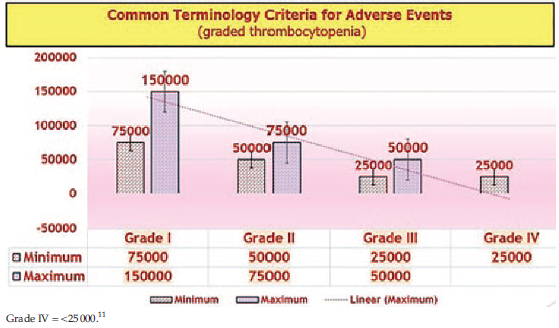
Figure 2. Common Terminology Criteria for Adverse Events, Graded Thrombocytopenia
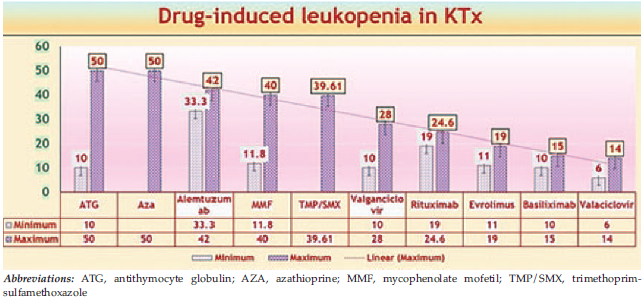
Figure 3. Incidence of Drug-Induced Leukopenia in Kidney Transplant Recipients
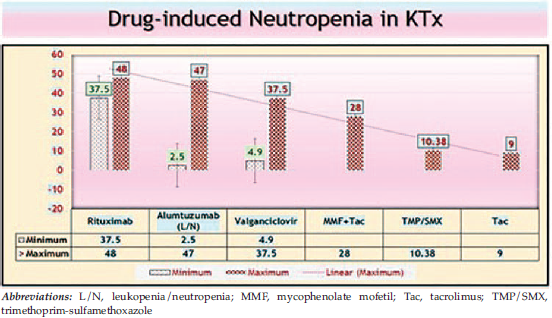
Figure 4. Incidence of Drug-Induced Neutropenia in Kidney Transplant Recipients
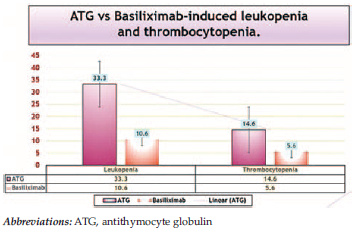
Figure 5. Incidence of Antithymocyte Globulin- Versus Basiliximab-Induced Leukopenia and Thrombocytopenia11
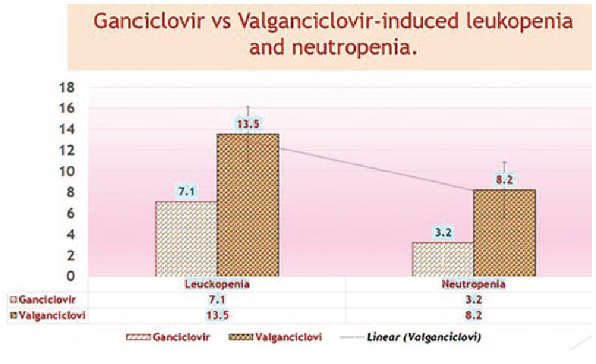
Figure 6. Incidence of Ganciclovir- Versus Valganciclovir-Induced Leukopenia and Neutropenia11
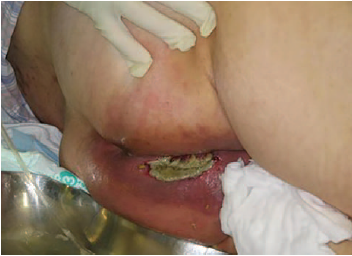
Figure 7. Dapsone-Induced Agranulocytosis Leading to Perianal Abscess and Death70
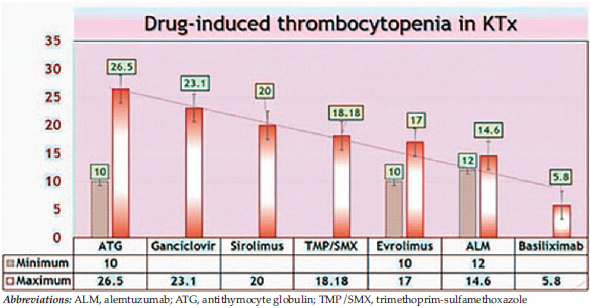
Figure 8. Incidence of Drug-Induced Thrombocytopenia in Kidney Transplant Recipients