Volume: 17 Issue: 2 April 2019
FULL TEXT
Objectives: Increased transfusion requirements in liver transplantation have been reported to be associated with worsened outcomes, more frequent reinterventions, and higher expenses. Anesthesiologists might counteract this through improved coagulation management. We evaluated the effects of rotational thromboelastometry on transfusion and coagulation product requirements and on outcome measurements.
Materials and Methods: Patients who were 14 years or older and who were undergoing liver transplant at Hannover Medical School between January 2005 and December 2009 were included in this retrospective analysis. Demographic, clinical, and laboratory data, use of rotational thromboelastometry, intraoperative need for blood or coagulation products and antifibrinolytic substances, and clinical course were recorded. Correlations were examined using appropriate statistical tests.
Results: Our study included 413 patients. Use of rotational thromboelastometry was associated with less frequent intraoperative administration of red blood cell concentrates, fresh frozen plasma, platelet concentrates, prothrombin complex concentrates, and antithrombin concentrates (all P < .05). In addition, univariate and multivariate tests showed that rotational thromboelastometry was correlated with decreased need for red blood cell concentrates and fresh frozen plasma (all P < .05). Intraoperative administration rates of antifibrinolytic substances and fibrinogen concentrate were significantly increased in patients who received rotational thromboelastometry monitoring (both P < .05). However, use of rotational thromboelastometry was not associated with massive transfusion rates (> 10 units vs less), clinical outcome, or length of stay in the intensive care unit (all P > .05).
Conclusions: Use of rotational thromboelastometry during liver transplant may reduce the need for intraoperative transfusion and coagulation products. Relevant effects of rotational thromboelastometry on patient outcomes or lengths of stay in the intensive care unit could not be ascertained. However, readjustment of therapeutic thresholds may improve the clinical impact.
Key words : Coagulation products, Fresh frozen plasma, Red blood cell concentrates
Introduction
In the context of liver transplantation (LT), there is frequent concern with blood loss and subsequent transfusion requirements.1,2 Various improvements in perioperative management have already led to reduced transfusion requirements.1,2 Nonetheless, in the 2000s, serious blood loss still occurred in 20% of LT patients.3
Increased transfusion requirements in LT are correlated with worsened outcomes,2 higher rates of surgical reinterventions,4 more frequent septic episodes,5 and prolonged lengths of stay in the intensive care unit (ICU).5 In addition, these requirements can subsequently endanger further patients by exhausting blood bank capacities.6 Whereas surgeons can use more cautious operation techniques, anesthesiologists must focus on strict corrections of volume load, acid-base, electrolyte, and body temperature imbalances,7 as well as advanced pharmacologic strategies.1
Possible coagulation derangements that aggravate LT have been described in detail7 and may occur at any time perioperatively. Hence, conventional coagulation tests fail to adequately monitor hemostasis in such settings due to being limited to a small number of components of the clotting process and their delayed availability.8,9 Reliable preoperative identification of high-risk patients likewise appears difficult.3 Consequently, intraoperative use of rotational thromboelastometry (ROTEM, TEM Innovations GmbH, Munchen, Germany) could be beneficial through integral hemostatic point-of-care evaluation9,10 and especially detection of hyperfibrinolysis.9,11
Here, we evaluated whether use of ROTEM during LT was associated with changes in transfusion and coagulation product requirements. In addition, its effects on clinical outcomes and length of first postoperative ICU stay were analyzed.
Materials and Methods
Ethics committee approval
A favorable opinion for this study was issued by the chairman of the Ethics
Committee of Hannover Medical School.
Study design and data sources
All patients who were 14 years or older and who underwent LT at Hannover Medical
School between January 2005 and December 2009 were included in this study. Data
were acquired retrospectively from various sources, as mentioned below.
Parameters
Age and sex were collected from patient medical records. Body mass index was
calculated by height and weight as collected from anesthesia reports. The main
underlying liver disease (categorized according to the International Statistical
Classification of Diseases and Related Health Problems, 10th revision, German
modification) leading to the operation and surgical circumstances (precedent LT,
split LT, cold ischemia time, and length of surgical procedure) were collected
from operation reports. Preoperative laboratory blood parameters (hemoglobin
levels, leukocyte and thrombocyte counts, international normalized ratio,
partial thromboplastin time, creatinine, urea, aspartate aminotransferase,
alanine aminotransferase, glutamate dehydrogenase, alkaline phosphatase,
gamma-glutamyltransferase, bilirubin, lipase, cholinesterase, C-reactive
protein, protein, fibrinogen, coagulation factors II and V, and antithrombin
III) were recorded from our digital hospital information system. The Model for
End-Stage Liver Disease scores were calculated according to Kamath and
associates.12
Intraoperative use of ROTEM as per a digital export from our ROTEM device database was used to define the ROTEM and non-ROTEM diagnostic subgroups (patients who received or did not receive ROTEM monitoring).
Intraoperative administered amounts of blood products (red blood cell concentrate [RBC], fresh frozen plasma [FFP], platelet concentrate [PC]) were recorded quantitatively from anesthesia reports; intraoperative administration of coagulation products (prothrombin complex concentrate, fibrinogen concentrate, antithrombin concentrate, factor XIII concentrate) and antifibrinolytic substances (aprotinin or tranexamic acid) were recorded as dichotomized variables (none vs any) from anesthesia reports. Massive transfusion was defined as “more than 10 units,” which is in line with common definitions.13
Length of stay in the first postoperative ICU and clinical outcomes (death before discharge from first postoperative ICU [poor outcome] versus survival until discharge from first postoperative ICU [good outcome]) were recorded from operation reports and ICU discharge documents.
Treatment and procedures
Surgical and anesthesia procedures were performed in accordance with in-house
standards. Basic anesthesiological care consisted of continuous vital parameter
monitoring with differentiated respiratory, cardiocirculatory, and warming
management. Blood-gas analyses (point-of-care) and necessary conventional
laboratory tests (responsible central laboratories) were generally performed at
the start of the operation, at the beginning of the anhepatic phase, and after
reperfusion. Additional blood tests or deviations from this scheme were
implemented at the discretion of the responsible anesthesiologist. Transfusion
therapy followed German guidelines.14 Cell saver products were used whenever
possible, taking into account known contraindications.15 Heparin or
antifibrinolytic substances were not routinely administered.
The use of ROTEM was at the discretion of the responsible anesthesiologist. Common testing times were at the beginning of the surgical procedure, at the start of the anhepatic stage, and after reperfusion; the responsible anesthesiologist could perform additional tests or deviate from this scheme if necessary. Standard reference intervals provided by the manufacturer were available for therapeutic decisions, and responsible specialists were principally free to initiate measures of their choice at any time.
Statistical analyses
Quantitative data are shown as arithmetic mean values and their respective
standard deviations. Chi-squared tests or Fisher exact tests (if more than 20%
of all cells had an expected count of less than 5) were used for univariate
comparisons of qualitative variables. Univariate differences among quantitative
parameters for different groups were examined via the Mann-Whitney U test
(asymptotic significance). Correlations of quantitative variables were examined
with Spearman rank correlation coefficient. P < .05 was considered statistically
significant.
To further evaluate correlations between use of ROTEM and RBC or FFP requirements, multivariate linear regression analysis was performed (significance level of P < .05; enter method with entry F probability of 0.05 and removal F probability of 0.1). Underlying models consisted of all relevant pre- and perioperative variables that univariately correlated with the respective target parameters at P < .1. Statistical analyses were performed with SPSS software (SPSS: An IBM Company, IBM Corporation, Armonk, NY, USA).
Results
Demographic and clinical data
Analyses of all included transplant recipients resulted in 82 patients in the
ROTEM group and 331 patients in the non-ROTEM group. Of these, 40.2% and 40.5%
patients were female in the ROTEM and non-ROTEM group, respectively. In the
ROTEM versus non-ROTEM group, mean age was 45.9 ± 13.0 versus 48.3 ± 12.4 years
and mean body mass index was 24.3 ± 4.9 versus 25.2 ± 4.5 kg/m2, respectively.
There were no significant differences between groups regarding these parameters
(all P > .05). Nine patients in the ROTEM group and 24 patients in the non-ROTEM
group had split transplant procedures, with 6 and 7 patients, respectively,
having early retransplants.
According to the International Statistical Classification of Diseases and Related Health Problems, the most frequent underlying liver diseases were fibrosis and cirrhosis of the liver (n = 121), alcoholic liver disease (n = 47), other diseases of the biliary tract (n = 47), malignant neoplasm of liver and intrahepatic bile ducts (n = 37), and hepatic failure, not elsewhere classified (n = 35). Calculation of Model for End-Stage Liver Disease scores resulted in mean values of 18.2 ± 9.1 and 18.2 ± 8.4 for patients with and without ROTEM monitoring (P > .05).
In the ROTEM versus non-ROTEM group, mean operation time was 247 ± 149 versus 232 ± 83 minutes and mean cold ischemia time was 613 ± 153 versus 633 ± 175 minutes, respectively. There were no significant differences between groups for both parameters (both P > .05).
Preoperative laboratory data
Detailed preoperative laboratory results are presented in Table 1. In summary,
mean preoperative levels of aspartate aminotransferase, alanine
aminotransferase, glutamate dehydrogenase, bilirubin, lipase, creatinine, and
urea were increased, whereas mean preoperative concentrations of hemoglobin and
platelet counts were decreased compared with reference levels. The conventional
coagulation parameters (international normalized ratio and partial
thromboplastin time) tended to be elevated, and antithrombin III decreased,
whereas the mean fibrinogen level matched the reference level. When we compared
patients with and without ROTEM monitoring, a significant difference was only
shown for coagulation factor V (P = .009).
Blood and coagulation products
Mean intraoperative blood product consumption was 8.1 ± 8.1 RBC units, 9.5 ± 7.4
FFP units, and
1.1 ± 1.6 PC units. Of total patients, 6.8% received no RBC transfusion, 21.5%
required an intraoperative massive transfusion of RBC (according to our
definition), 5.1% did not receive any FFP, 31.2% received a massive transfusion
of FFP, and 54.2% did not receive any PC transfusions. Regarding coagulation
products, 34.1% of patients received prothrombin complex concentrate, 38.3%
received fibrinogen concentrate, 32.7% received antithrombin concentrate, 6.5%
received factor XIII concentrate, and 24.5% received antifibrinolytic
substances.
Effects of the use of rotational thromboelastometry
Patients in the ROTEM group received significantly less RBC (P = .034), FFP (P =
.005), and PC (P = .014). In addition, RBC (P = .029), FFP (P < .001), and PC (P
= .009) transfusion rates (any vs none) were lower in the ROTEM group, although
intraoperative massive transfusion rates of RBC (P = .089) and FFP (P = .078)
were not significantly different compared with that shown in non-ROTEM patients.
Categorized overviews of RBC and FFP transfusion requirements differentiated
according to use of ROTEM are shown in Figure 1 and Figure 2.
Intraoperative administration of prothrombin complex concentrate (P = .019) and antithrombin concentrate (P = .021) was significantly less frequent in ROTEM patients, whereas this group received more often antifibrinolytics (P = .046) and fibrinogen concentrate (P = .029). There was no significant difference regarding intraoperative administration of factor XIII concentrate (P = .857). Detailed results are presented in Table 2.
Regarding outcomes, 16.9% of patients died before discharge from first postoperative ICU stay. We found that 12.2% of patients in the ROTEM group and 18.1% of patients in the non-ROTEM group had poor outcomes (P = .200). A detailed correlation analyses regarding use of ROTEM versus outcomes differentiated according to the most frequent underlying liver diseases revealed no significant results either (all P > .05).
On average, in the ROTEM versus non-ROTEM group, patients spent 24.7 ± 30.1 versus 24.0 ± 36.9 postoperative days in the ICU. Mean length of stay in the first postoperative ICU was not significantly correlated with the use of ROTEM (P = .203).
Effects of the administration of blood and coagulation products
In general, increased transfusion quantities of RBC, FFP, and PC were associated
with worsened outcomes (all P < .001). Dichotomization according to
“intraoperative transfusion of any quantity” versus “no intraoperative
transfusion” resulted in no significant association for either RBC (P = .064) or
FFP (P = .226) with outcome, whereas massive administration of RBC and FFP (both
P < .001) and intraoperative PC transfusion (any vs none; P = .004) were
significantly associated with worsened outcomes. Figure 3 and Figure 4 show
categorized overviews of RBC and FFP transfusion requirements differentiated
according to outcome.
The administration of prothrombin complex concentrate (P = .001), fibrinogen concentrate (P = .006), antithrombin concentrate (P = .005), and antifibrinolytics (P < .001) was significantly correlated with worsened outcomes. Factor XIII concentrate administration was not correlated with outcome (P = .792). Detailed results are presented in Table 2.
Multivariate analyses of the effects of rotational thromboelastometry on red
blood cell concentrate and fresh frozen plasma requirements
We conducted multivariate analyses to investigate obtained univariate
correlations regarding the use of ROTEM and RBC or FFP requirements for
potential further covariates. Underlying models were generated through inclusion
of demographic, preoperative laboratory, and perioperative variables associated
with respective transfusion requirements at P < .1 as shown in Table 3. Use of
ROTEM was multivariately correlated with both RBC (P = .041; B = -2.212; 95%
confidence interval [CI], -4.332 to -0.092) and FFP consumption (P = .008; B =
-2.614; 95% CI, -4.545 to -0.683). Further parameters multivariately correlated
with RBC requirements were preoperative hemoglobin value (P = .003; B = - 0.663;
95% CI, -1.103 to -0.223), preoperative thrombocyte count (P = .040; B = -0.009;
95% CI, -0.017 to 0.000), preoperative C-reactive protein value (P = .001; B =
0.070; 95% CI, 0.029 to 0.111), and length of operation (P < .001; B = 0.025;
95% CI, 0.016 to 0.035). Further parameters multivariately associated with FFP
consumption were patient sex (P = .034; B = 1.646; 95% CI, 0.127 to 3.164; 1 =
male, 0 = female), preoperative bilirubin value (P = .010; B = 0.008; 95% CI,
0.002 to 0.015), and length of operation (P < .001; B = 0.033; 95% CI, 0.024 to
0.042).
Discussion
This study indicates that use of ROTEM in LT is associated with fewer instances of administration of blood products, prothrombin complex concentrate, and antithrombin concentrate through modified hemostaseologic management. The observed effects on RBC and FFP consumption were more prominent in patients with minor substitution requirements.
Major intraoperative RBC transfusion requirements and massive transfusions were associated with worse patient outcomes in our study; other authors also reported varying associations of increased RBC transfusion requirements and worsened outcomes.2,16,17 Results may have been attributable to potential adverse effects of allogenic blood transfusion, such as hemolysis, fever, anaphylaxis, acute lung injury, sepsis, or coagulopathy18 despite countermeasures such as infection prevention4 and leukodepletion.19 Interestingly, outcomes of patients who received one or more RBC units did not differ from patients who received no RBC transfusion at all. Consequently, targeted prevention of larger transfusion amounts appears to be the most promising focal point for therapy. However, transfusion requirements may be compounded by concomitant conditions or diseases4 that potentially compromise outcomes beyond adverse effects.
Patients undergoing LT are commonly characterized by lowered levels of both pro- and anticoagulatory factors, which result in a functionally rebalanced state that can easily decompensate.20,21 In addition, thrombocytopenia and impaired platelet function are frequent findings but are compensated for by elevated levels of von Willebrand factor and reduced levels of ADAMTS-13.21 Beyond that, various intraoperative derangements are to be expected. Although only mild coagulation alterations are likely during the pre-anhepatic stage, hyperfibrinolysis due to lack of tissue plasminogen activator clearance is frequent during the anhepatic phase.20 During and after reperfusion, thrombocytopenia, increased fibrinolysis, and release of heparin-like substances can also occur.20
Major intraoperative FFP requirements, massive administration of FFP, and transfusion of one or more PC were associated with worsened outcomes in our study. Other authors have described similar correlations.3 Possible reasons that could lead to poor results succeeding FFP transfusion may include acute lung injury, allergic reactions, cardiac overload,22,23 hemolysis, febrile reactions, and infectious diseases.23 After PC transfusion, a variety of anaphylactic, hemolytic, or further immunologic reactions may occur.24 Data from coronary artery bypass graft surgery have indicated associations between PC transfusion and postoperative infection, need for vasopressors and inotropes, stroke, and death.25 In experimental LT, PC transfusion was also suggested to be associated with reperfusion injury.16 Interestingly, administration of coagulation products and antifibrinolytic substances was likewise correlated with worsened outcomes in our study, whereas prothrombin complex concentrate was reported to be safe, given that thromboembolic events are rare.21 However, results have to be interpreted in the context of the hemodynamic particularities of patients with liver disease, with compensatory capabilities being restricted due to hyperdynamic cardiocirculatory conditions and impaired myocardial function.26 In addition, during LT, venal occlusion causes a marked decrease in venous return and cardiac output, whereas reperfusion can be characterized by compromised cardiovascular function and peripheral dilatation due to metabolic remnants from the periphery and the donor graft in the returning venous blood.26 Both situations could lead to hemodynamic decompensation and clearly necessitate structured counteractions, and a balanced approach, including adjusted vasopressor and restricted fluid therapy, appears most promising to avoid cardiac decompensation and unnecessary pulmonary complications.27,28 In consequence, it appears reasonable to individually administer coagulation therapeutics according to overall clinical impression, volume load, central venous pressure,29 and ascertained coagulation factor deficits.
Conventional laboratory parameters do not reflect all relevant in vivo processes30 and in particular fail to reliably detect hyperfibrinolysis,9 which was reported to occur in up to 82.5% of LT cases.31 Fittingly, administration of aprotinin during LT was described to reduce blood loss or transfusion requirements.32,33 However, one-third of hyperfibrinolytic incidents are self-limiting after reperfusion,9 and a prothrombotic state may occur.34 Hence, prophylactic administration of antifibrinolytics has been recommended for high-risk patients only,9 although no coherent definition of such patients exists.35 Consequently, it appears reasonable to reserve antifibrinolytic therapy for patients with prevalent hyperfibrinolysis, which makes convenient diagnostic tools such as ROTEM necessary.
In our study, use of ROTEM was significantly associated with more frequent intraoperative administration of fibrinogen concentrate and antifibrinolytics, whereas intraoperative administration rates of blood and further coagulation products were significantly decreased in patients who received ROTEM monitoring. Moreover, quantitative transfusion requirements of RBC and FFP were reduced in these patients according to both uni- and multivariate analyses. In our review of results from other authors, Noval-Padillo and associates described reduced transfusion requirements after intraoperative fibrinogen administration according to ROTEM and further parameters.36 Trzebicki and colleagues described decreased RBC requirements in their therapeutic group that received tranexamic acid according to defined ROTEM thresholds; requirements were moreover similar to another previous cohort that routinely received aprotinin.33 In summary, data indicate that ROTEM may be able to identify patients who benefit from antifibrinolytic therapy and fibrinogen concentrate administration without being inferior to general antifibrinolytic prophylaxis.
Despite individual correlations found for use of ROTEM and decreased transfusion rates and requirements on the one hand and fewer massive transfusions and better outcomes on the other hand, we did not find that use of ROTEM was associated with better outcomes or shorter lengths of stays in the first postoperative ICU. Similarly, meta-analysis results that focused on severe bleeding in general indicated a thromboelastography- or ROTEM-associated reduction in bleeding amounts without significant effects on mortality.37 It is presumed that this lack of correlation may be attributable to concomitant diseases and overall patient conditions being reflected in transfusion requirements as discussed above. In line with this theory, coagulation optimization may reduce transfusion requirements in terms of a direct symptomatic therapy without improving outcomes due to numerous further influences that cannot be compensated for.
Alternatively, use of ROTEM may not necessarily have an effect on larger transfusion amounts. In our study, patients who had ROTEM monitoring received significantly less frequent > 3 versus 0 to 3 RBC units than patients who did not have ROTEM monitoring. However, differentiations according to 0 to 6 versus > 6 units and 0 to 10 versus > 10 units were not significantly associated with ROTEM use. In contrast, significant associations of larger transfusion quantities and poor outcomes were steadily obtained for all of these dichotomizations. Consequently, therapeutic threshold adjustments specifically aimed at prevention of major transfusion requirements may be an option to enhance clinical outcomes.
This study has obvious limitations, mainly due to its retrospective design. The treatment groups with and without ROTEM monitoring were distinctly different in quantity and were not precisely matched, although preoperative data indicated similar preexisting conditions. Because of a lack of details on some data and comparability, we were not able to distinguish between bleeding causes related to the recipient, donor, graft, or procedure or to assess the relevance of the use of cell savers with regard to retransfusion volumes or time points. In all cases, a structured prospective approach is mandatory for sufficient differentiation. Moreover, some additional data on cardiopulmonary status, preceding preoperative administration of blood or coagulation products, and differentiation between living and deceased donors were not available. Finally, although not always mentioned in detail, the cited studies commonly differed from ours with regard to design, setting, and patient cohort.
Conclusions
Use of ROTEM during LT may reduce the requirements for RBC, FFP, PC, prothrombin complex concentrate, and antithrombin concentrate through altered hemostaseologic management. We were unable to ascertain relevant effects on patient outcome or length of first postoperative ICU stay. Future adjustments of therapeutic ROTEM thresholds and focus on prevention of major transfusion requirements may enhance the clinical impact.
References:
- . de Boer MT, Molenaar IQ, Hendriks HG, Slooff MJ, Porte RJ. Minimizing blood loss in liver transplantation: progress through research and evolution of techniques. Dig Surg. 2005;22(4):265-275.
CrossRef - PubMed - Massicotte L, Sassine MP, Lenis S, Seal RF, Roy A. Survival rate changes with transfusion of blood products during liver transplantation. Can J Anaesth. 2005;52(2):148-155.
CrossRef - PubMed - Dalmau A, Sabate A, Aparicio I. Hemostasis and coagulation monitoring and management during liver transplantation. Curr Opin Organ Transplant. 2009;14(3):286-290.
CrossRef - PubMed - Hendriks HG, van der Meer J, de Wolf JT, et al. Intraoperative blood transfusion requirement is the main determinant of early surgical re-intervention after orthotopic liver transplantation. Transpl Int. 2005;17(11):673-679.
CrossRef - PubMed - Findlay JY, Rettke SR. Poor prediction of blood transfusion requirements in adult liver transplantations from preoperative variables. J Clin Anesth. 2000;12(4):319-323.
CrossRef - PubMed - Ramos E, Dalmau A, Sabate A, et al. Intraoperative red blood cell transfusion in liver transplantation: influence on patient outcome, prediction of requirements, and measures to reduce them. Liver Transpl. 2003;9(12):1320-1327.
CrossRef - PubMed - Ozier Y, Steib A, Ickx B, et al. Haemostatic disorders during liver transplantation. Eur J Anaesthesiol. 2001;18(4):208-218.
CrossRef - PubMed - Wang SC, Shieh JF, Chang KY, et al. Thromboelastography-guided transfusion decreases intraoperative blood transfusion during orthotopic liver transplantation: randomized clinical trial. Transplant Proc. 2010;42(7):2590-2593.
CrossRef - PubMed - Görlinger K. [Coagulation management during liver transplantation]. Hämostaseologie. 2006;26(3 Suppl 1):S64-76.
PubMed - Seo H, Choi JH, Moon YJ, Jeong SM. FIBTEM of thromboelastometry does not accurately represent fibrinogen concentration in patients with severe hypofibrinogenemia during liver transplantation. Ann Transplant. 2015;20:342-350.
CrossRef - PubMed - Lang T, von Depka M. [Possibilities and limitations of thrombelastometry/-graphy]. Hämostaseologie. 2006;26(3 Suppl 1):S20-29.
PubMed - Kamath PS, Wiesner RH, Malinchoc M, et al. A model to predict survival in patients with end-stage liver disease. Hepatology. 2001;33(2):464-470.
CrossRef - PubMed - Pham HP, Shaz BH. Update on massive transfusion. Br J Anaesth. 2013;111 Suppl 1:i71-82.
CrossRef - PubMed - Vorstand der Bundesärztekammer. Querschnitts-Leitlinien (BÄK) zur Therapie mit Blutkomponenten und Plasmaderivaten (4. überarbeitete und aktualisierte Auflage); 2014.
- Esper SA, Waters JH. Intra-operative cell salvage: a fresh look at the indications and contraindications. Blood Transfus. 2011;9(2):139-147.
PubMed - de Boer MT, Christensen MC, Asmussen M, et al. The impact of intraoperative transfusion of platelets and red blood cells on survival after liver transplantation. Anesth Analg. 2008;106(1):32-44, table of contents.
CrossRef - PubMed - Wiederkehr JC, Igreja MR, Nogara MS, et al. Analysis of survival after primary liver transplantation: multivariate analysis of 155 cases in a single center. Transplant Proc. 2010;42(2):511-512.
CrossRef - PubMed - Sahu S, Hemlata, Verma A. Adverse events related to blood transfusion. Indian J Anaesth. 2014;58(5):543-551.
CrossRef - PubMed - Vamvakas EC, Blajchman MA. Transfusion-related mortality: the ongoing risks of allogeneic blood transfusion and the available strategies for their prevention. Blood. 2009;113(15):3406-3417.
CrossRef - PubMed - Senzolo M, Burra P, Cholongitas E, Burroughs AK. New insights into the coagulopathy of liver disease and liver transplantation. World J Gastroenterol. 2006;12(48):7725-7736.
CrossRef - PubMed - Clevenger B, Mallett SV. Transfusion and coagulation management in liver transplantation. World J Gastroenterol. 2014;20(20):6146-6158.
CrossRef - PubMed - Holland L, Sarode R. Should plasma be transfused prophylactically before invasive procedures? Curr Opin Hematol. 2006;13(6):447-451.
CrossRef - PubMed - Pandey S, Vyas GN. Adverse effects of plasma transfusion. Transfusion. 2012;52 Suppl 1:65S-79S.
CrossRef - PubMed - Kiefel V. Reactions induced by platelet transfusions. Transfus Med Hemother. 2008;35(5):354-358.
CrossRef - PubMed - Spiess BD, Royston D, Levy JH, et al. Platelet transfusions during coronary artery bypass graft surgery are associated with serious adverse outcomes. Transfusion. 2004;44(8):1143-1148.
CrossRef - PubMed - Mandell MS, Katz JJ, Wachs M, Gill E, Kam I. Circulatory pathophysiology and options in hemodynamic management during adult liver transplantation. Liver Transpl Surg. 1997;3(4):379-387.
CrossRef - PubMed - Sahmeddini MA, Janatmakan F, Khosravi MB, et al. Restricted crystalloid fluid therapy during orthotopic liver transplant surgery and its effect on respiratory and renal insufficiency in the early post-operative period: a randomized clinical trial. Int J Organ Transplant Med. 2014;5(3):113-119.
PubMed - Ponnudurai RN, Koneru B, Akhtar SA, et al. Vasopressor administration during liver transplant surgery and its effect on endotracheal reintubation rate in the postoperative period: a prospective, randomized, double-blind, placebo-controlled trial. Clin Ther. 2005;27(2):192-198.
CrossRef - PubMed - Massicotte L, Lenis S, Thibeault L, Sassine MP, Seal RF, Roy A. Effect of low central venous pressure and phlebotomy on blood product transfusion requirements during liver transplantations. Liver Transpl. 2006;12(1):117-123.
CrossRef - PubMed - Ozier Y, Klinck JR. Anesthetic management of hepatic transplantation. Curr Opin Anaesthesiol. 2008;21(3):391-400.
CrossRef - PubMed - Dalmau A, Sabate A, Koo M, et al. The prophylactic use of tranexamic acid and aprotinin in orthotopic liver transplantation: a comparative study. Liver Transpl. 2004;10(2):279-284.
CrossRef - PubMed - Porte RJ, Molenaar IQ, Begliomini B, et al. Aprotinin and transfusion requirements in orthotopic liver transplantation: a multicentre randomised double-blind study. EMSALT Study Group. Lancet. 2000;355(9212):1303-1309.
CrossRef - PubMed - Trzebicki J, Flakiewicz E, Kosieradzki M, et al. The use of thromboelastometry in the assessment of hemostasis during orthotopic liver transplantation reduces the demand for blood products. Ann Transplant. 2010;15(3):19-24.
PubMed - Ellenberger C, Mentha G, Giostra E, Licker M. Cardiovascular collapse due to massive pulmonary thromboembolism during orthotopic liver transplantation. J Clin Anesth. 2006;18(5):367-371.
CrossRef - PubMed - Molenaar IQ, Warnaar N, Groen H, Tenvergert EM, Slooff MJ, Porte RJ. Efficacy and safety of antifibrinolytic drugs in liver transplantation: a systematic review and meta-analysis. Am J Transplant. 2007;7(1):185-194.
CrossRef - PubMed - Noval-Padillo JA, Leon-Justel A, Mellado-Miras P, et al. Introduction of fibrinogen in the treatment of hemostatic disorders during orthotopic liver transplantation: implications in the use of allogenic blood. Transplant Proc. 2010;42(8):2973-2974.
CrossRef - PubMed - Afshari A, Wikkelso A, Brok J, Moller AM, Wetterslev J. Thrombelastography (TEG) or thromboelastometry (ROTEM) to monitor haemotherapy versus usual care in patients with massive transfusion. Cochrane Database Syst Rev. 2011;(3):CD007871.
CrossRef - PubMed

Volume : 17
Issue : 2
Pages : 222 - 230
DOI : 10.6002/ect.2017.0236
From the 1Department of Anaesthesiology and Intensive Care Medicine, Hannover
Medical School, and the 2Department of General, Abdominal and Transplant
Surgery, Hannover Medical School, Hannover, Germany
Acknowledgements: The authors declare that they have no sources of funding for
this study, and they have no conflicts of interest. Preliminary results of this
study were presented as a poster at “Deutscher Anästhesiekongress 2010.” CS and
KJ designed the study. HE, DS, and KJ identified cases. HE and KJ collected
data. CS, HE, LS, FV, and KJ structured and analyzed data. CS, LF, DS, FV, and
KJ prepared and edited the manuscript. All authors read and approved the final
manuscript.
Corresponding author: Kai Johanning, Department of Anaesthesiology and Intensive
Care Medicine, Hannover Medical School, Carl-Neuberg-Straße 1, 30625 Hannover,
Germany
Phone: +49 511 532 9375
E-mail: johanning.kai@mh-hannover.de
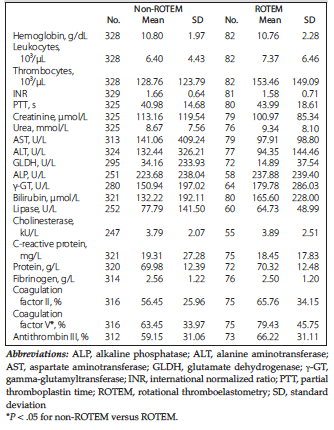
Table 1. Overview of Preoperative Laboratory Values in Groups With and Without Rotational Thromboelastometry Monitoring
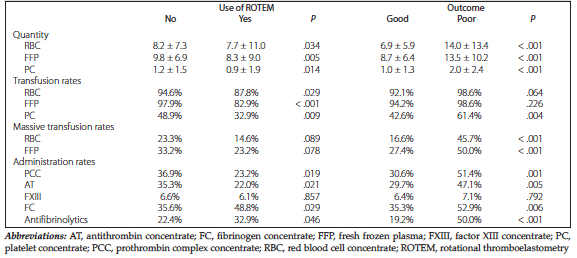
Table 2. Correlations of Intraoperative Blood or Coagulation Product Applications and Use of Rotational Thromboelastometry and Outcome
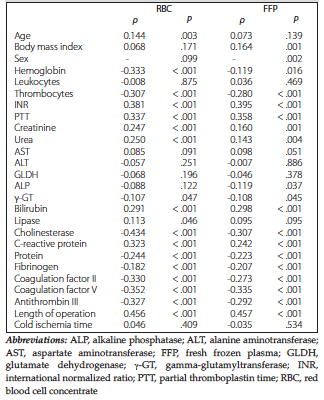
Table 3. Overview of Univariate Correlations of Demographic, Preoperative Laboratory, and Perioperative Variables With Quantitative Blood Product Requirements
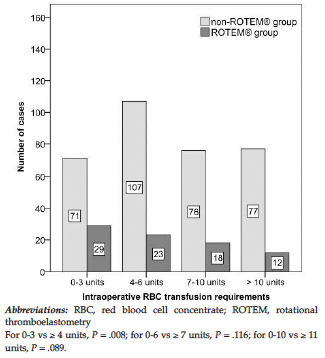
Figure 1. Categorized Red Blood Cell Concentrate Requirements Differentiated According to Use of Rotational Thromboelastometry
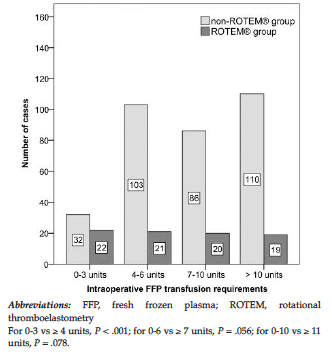
Figure 2. Categorized Fresh Frozen Plasma Requirements Differentiated According to Use of Rotational Thromboelastometry
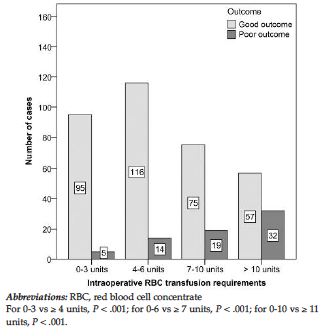
Figure 3. Categorized Red Blood Cell Concentrate Requirements Differentiated According to Outcome
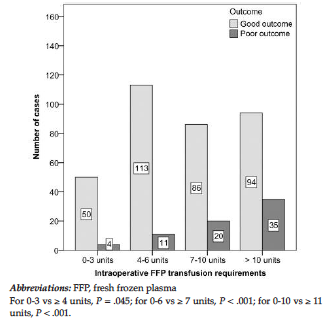
Figure 4. Categorized Fresh Frozen Plasma Requirements Differentiated According to Outcome