Volume: 16 Issue: 2 April 2018
FULL TEXT
Objectives: Neoadjuvant therapies before liver transplantation are a common practice in the management of hepatocellular carcinoma, either in the setting of down staging or as a bridge strategy but sorafenib has been little evaluated.
Materials and Methods: Between 2011 and 2013, 212 LT were performed and we retrospectively reviewed the data on patients who had previously received sorafenib.
Results: Five patients were included. The daily sorafenib dose was 400 mg for a mean duration of 17 months before liver transplantation, and was found to be safe (1 severe asthenia). Three patients received sorafenib as bridge therapy after achieving stable tumor disease within the Milan criteria through transarterial chemoembolization or hepatectomy. None patient displayed any living hepatocellular carcinoma tissue after histological examination. The two remaining patients were treated with sorafenib for palliative purposes, and became eligible for transplant after down staging. No tumor recurrence was observed during the 27-month mean follow-up, whereas 2 patients died (multiorgan dysfunction and cerebral hemorrhage). Post-liver transplantation morbidity attributable to sorafenib was mild and secondary to scarring issues: biliary stenosis (n = 2) and evisceration (n = 1).
Conclusions: These few case reports suggest the potential interest and feasibility of controlled studies to assess the efficacy and safety of sorafenib in neoadjuvant setting for hepatocellular carcinoma.
Key words : Liver transplantation, Neoadjuvant therapy, Sorafenib, Targeted therapy, Hepatocellular carcinoma, Morbidity
Introduction
Hepatocellular carcinoma (HCC) is the most prevalent primary liver cancer, the annual incidence in France being 12.1 males/100 000 and 2.4 females /100 000 in 2012. Hepatocellular carcinoma is the fifth most common cancer worldwide and the third leading cause of cancer-related mortality.1 When feasible, hepatectomy (Hx), liver transplantation (LT), and percutaneous ablation are the only curative treatments.
Until the 1980s, LT was indicated in cases of unresectable HCC. However, the results were poor (5-year survival < 30%2), and in 1989 the US Department of Health and Human Services contraindicated LT in this setting. Since then, thanks to improvements in the selection of recipients, LT has become the optimum treatment for localized HCC, as it addresses both the cancer and the underlying liver disease. Graft shortage has necessitated the introduction of allocation criteria to select patients who might achieve a 5-year survival rate equivalent to that seen after LT for hepatopathy without HCC. The original Milan criteria,3 the expanded version (University of California San Francisco4) or the criteria modified by Duvoux5 are now widely recognized. Since 2007, in France, graft allocation has been based on the Liver Score that incorporates the features of HCC, the Model For End-Stage Liver Disease score6,7 and waiting time on the list (for HCC T2 only). The Alfa score is integrated in the algorithm to select, using alpha-fetoprotein (AFP) levels, patients outside Milan who have a good prognosis, and exclude patients with a poor prognosis despite a tumor that complies with the Milan criteria.
The development of locoregional therapies can down stage large sized or multiple HCCs to render them eligible for LT; this tends to produce a 5-year survival rate that might be comparable to that of HCC patients who have always remained within LT eligibility criteria.8 However, there is general awareness as to a lack of controlled, randomized prospective studies to reinforce this notion. The treatments most frequently evaluated are transarterial chemoembolization (TACE), percutaneous radiofrequency ablation (RFA), and surgical resection before LT. Although down staging theoretically increases the number of recipients that might benefit from LT, it exacerbates the graft shortage as the number of grafts available remains constant. This results in a lengthening of the waiting time that inevitably creates a risk of dropout due to tumor progression,9 and necessitates management while on the list (bridge concept). Current evidence supports the idea that bridging strategies may be appropriate for patients with HCC T2 as defined by United Network for Organ Sharing (one nodule of 2-5 cm or 2 or 3 nodules each ≤ 3 cm) and a likely waiting time of more than 6 months. However, there is no evidence that bridging therapies are of any benefit in patients with HCC T1 (one nodule < 2 cm) or a short waiting time.10
Sorafenib (SOR) is the only systemic therapy that has achieved a significant improvement in the survival rates of HCC patients. The advantages of this targeted therapy were validated in palliative situations as slowing the progression of unresectable HCC (overall median survival time and time to radiologic progression) during a large, phase 3, randomized, double-blind, placebo-controlled trial.11,12 Sorafenib is a multikinase inhibitor with inhibitory activity against Raf-1 serine threonine kinase and vascular endothelial growth factor (VEGF) receptor tyrosine kinases that are involved in tumor growth and angiogenesis. Knowing that HCC is a hypervascular tumor, it can be assumed that SOR may be of potential interest as a neoadjuvant strategy before LT by enabling local control over the size and/or number of lesions or by slowing tumor progression. Because of its antiangiogenic and antiproliferative effects, SOR can be expected to have synergistic effects when combined with other locoregional therapies.13 However, SOR has been shown to exert no adjuvant properties after Hx or RFA (STORM study14), but a significant benefit was demonstrated in combination with TACE during a phase 2 study (SPACE study15), and the phase 3 data are encouraging in the context of two ongoing phase 3 trials.
Although some data are available on the safety and efficacy of SOR as a perioperative treatment of partial Hx in the context of HCC,16,17 few studies have evaluated its usefulness as neoadjuvant therapy in the LT setting. Its effect on local aggressiveness (Edmonson grade, vascular involvement, satellite nodules) remains unclear. In the present study, therefore, our aim was to apply our experience of SOR therapy before LT to down staging or bridge therapy, and we can now report on its tolerability and potential benefits.
Materials and Methods
This retrospective, single-center study of patients with HCC who had received SOR therapy before LT was performed between January 2011 and December 2013. No particular account was taken of the duration or doses of SOR, or whether it was associated, or not, with another preoperative therapy. The decision to prescribe SOR was taken during a multidisciplinary consultation meeting, and its use was managed in accordance with French guidelines.18 However, the initial dose of SOR was usually 400 mg/day (except in patient 5) to obtain better tolerance and thus reduce the risk of having to discontinue its use because of severe adverse events. Sorafenib therapy was accompanied by primary and secondary preventive measures designed to limit skin and digestive toxicity. Indeed, the patients were offered preventive foot care, practical advice on limiting wounds and injuries to the hands and feet and prescribed an application of 10% urea cream several times a day. Antidiarrheal medications were also prescribed if necessary. Other adverse events, including those of a cardiovascular type, were treated as required.
The principal pre-, intra- and postoperative data were collected, including tumor characteristics and information on the SOR therapy (dose, duration, related toxicities). No cases were censored, and the cases were evaluated regardless of the final pathologic analysis of the explant. The computed tomography (CT) scan and magnetic resonance imaging (MRI) findings were reviewed by 2 senior radiologists in our center. Follow-up was ensured until October 1, 2015. A review of the literature on patients transplanted after neoadjuvant SOR therapy was then performed and included all English language publications available on the PubMed website.
Results
During the inclusion period, 618 different patients were presented at the weekly HCC multidisciplinary meetings organized in our center, and 120 of them were treated with SOR. Among these, 5 subsequently benefited from liver transplantation as described below (Table 1).
Case 1
A 40-year-old woman with HCV-related Child-Pugh A6 cirrhosis developed a 22 mm
HCC (junction of segments V and VIII) with an AFP level at 8.4 ng/mL in February
2011. A surgical resection was performed, and histologic examination revealed a
well-differentiated HCC with satellite nodules but devoid of microvascular
invasion. Five months later, two 25-30 mm nodules developed in the remaining
cirrhotic parenchyma with an AFP level at 20 ng/mL (N < 8 ng/mL), thus
fulfilling the noninvasive radiologic criteria for a diagnosis of HCC.19
It was therefore decided that LT would be appropriate. However, because of the
early recurrence of a bifocal HCC during the postresection phase, raising fears
as to the possibility of numerous HCC nodules during the coming months and a
predictably long waiting time on the list before LT, SOR therapy was initiated.
A half dosage of SOR (400 mg per day) was applied to reduce the risks of poor
tolerability that might require withdrawal of the medication. In December 2012,
after 11 months of toxicity-free SOR therapy, the patient's AFP level had fallen
from 20 to 14 ng/mL, the two known HCCs had remained stable in size and no new
HCC nodules had developed either inside or outside the liver; however grade 3
asthenia led us to withdraw SOR until recovery to grade 0 or -1. It was possible
to perform the LT in January 2013. Histologic analysis of the explanted liver
revealed the 2 known tumors (11 and 15 mm, respectively), which were
well-differentiated cholangiocarcinomas and lacking vascular emboli. Everolimus
was administered as post-LT immunosuppressive therapy. Two years after LT, she
presented with skin cancer (superficial cell basal carcinoma) which was
surgically resected. To date (33 months after LT) the patient is alive and free
of any liver tumor recurrence.
Case 2
A 59-year-old man with nonfibrotic liver developed a multifocal HCC that was
mainly located within the right lobe (tumor size up to 9 cm). A right
hepatectomy extending to segment IV and tumorectomy in segment III were
performed in July 2010. Histologic analysis revealed well-differentiated
multifocal HCC. Five months later in December 2010, the patient developed an
intrahepatic multifocal recurrence (more than 10 HCC nodules ranging in size
from 15 mm to 20 mm), with an AFP level < 8 ng/mL. Three courses of TACE were
administered and enabled satisfactory local control, prolonged stable disease,
and normal AFP levels.
It was therefore decided in May 2012 to place the patient on the list for LT. In the hope of reducing the risk of tumor progression while on the LT waiting list, SOR was given using a half dosage (400 mg per day) for the same reasons as in patient 1. After 13 months of toxicity-free SOR therapy, this treatment was discontinued when the patient reached the first position on the LT waiting list in our center. Liver transplantation was performed 2 weeks later in June 2013, during which we had to deal with challenging adhesiolysis because of the patient's surgical history. A small bowel transmural wound was found and immediately sutured. A nonintubated bilio-biliary anastomosis (5 mm diameter) was performed. Histologically, no residual living tumor foci were observed in the explanted liver. At postoperative day 7, peritonitis because of the small bowel perforation occurred and required further surgery and intestinal resection. We observed 2 puncture holes, remote from the initially injured site. At postoperative day 30, biliary and hepatic arterial stenoses occurred and were efficiently treated with iterative radiological biliary drainage and arterial stenting, respectively. To date (28 months after LT) the patient is alive and free of any tumor recurrence.
Case 3
A 50-year-old man was referred to our center for histologically proven
multifocal HCC (more than 10 nodules, each measuring 10-15 mm; AFP = 70 000
ng/mL) developed in compensated (Child-Pugh A6) mixed alcohol- and HCV-related
cirrhosis. For this BCLC-B HCC, TACE was not considered because of the broad
dissemination of the tumors within the liver. Sorafenib therapy was therefore
initiated in February 2009 at a half dose (400 mg per day) because of the severe
grade 3 asthenia present at diagnosis. Strikingly, after 7 months of SOR (in
September 2009), the patient's AFP level had fallen to normal and most of the
hypervascular nodules had disappeared, except for 2 targets that maintained
arterial contrast uptake (wash-in), and a wash-out. After 30 months of
well-tolerated SOR therapy and stability of the 2 residual HCC targets, LT was
performed in September 2011, the SOR having been withdrawn when the patient
reached the first position on the LT waiting list in our center. Histologic
examination of the explanted liver revealed a single 13 mm Edmonson-Steinert
grade-III HCC that was devoid of microvascular embolus. Postoperatively, a
moderate stricture of the biliary anastomosis occurred (and remained untreated),
together with an evisceration in a context of severe coughing because of
pulmonary Legionella infection. Fibrosing cholestatic hepatitis because of early
HCV recurrence on the graft was treated with triple pegylated interferon +
ribavirin + telaprevir therapy. Unfortunately, the lack of a viral response led
to liver decompensation, and acute renal tubular necrosis because of sepsis and
drug-related nephrotoxicity (excessive vancomycin dose) that required
hemodialysis. The patient died 14 months after LT in a context of multiple organ
failure, but no HCC recurrence.
Case 4
A female patient with a history of left nephrectomy and external
radiotherapy at 4 years of age for nephroblastoma developed a large sized (10
cm) HCC on a nonfibrotic liver at the age of 45, with an AFP level at 12 000
ng/mL (Figure 1). A left hepatectomy associated with segment I tumorectomy was
performed in February 2010 and enabled normalization of her AFP level.
Histologic examination revealed an Edmonson-Steinert grade IV HCC, associated in
some areas with features of hepatoblastoma. Multifocal intrahepatic HCC recurred
4 months later with an elevation of the AFP level to 1300 ng/mL. Because of the
patient's history of nephroblastoma and the presence of a hepatoblastoma-like
contingent within the tumor, she was administered hepatoblastoma-adapted
chemotherapy (6 courses of cisplatin +adriamycin combination therapy) that
enabled normalization of AFP level and the disappearance of contrast enhancement
in most of the HCC nodules (an almost complete tumor response according to
mRECIST criteria). However, 2 small-sized targets (15 mm) appeared to retain
faint residual arterial enhancement at their margins. Sorafenib therapy was
initiated at a half dose (400 mg per day) because of grade 3 renal insufficiency
and grade 2 asthenia after chemotherapy. Thanks to a complete disappearance of
arterial uptake obtained 6 months later and the continued normality of AFP
levels, the patient was able to benefit from a split transplant 6 months later
in March 2011. Histologic examination of the explanted liver revealed seven
necrotic nodules without any residual living tumor foci. A primary nonfunction
of the graft, associated with hepatic artery thrombosis, justified an emergency
retransplantation at postoperative day 4. The patient presented with small
bowel perforation at postoperative day 23 which was conservatively managed with
drainage. To date (55 months after LT) the patient is alive and free of any
tumor recurrence.
Case 5
A 68-year-old man was referred to our center for HCC infiltrating the right
liver lobe without any portal invasion, which had developed in a context of
alcoholic cirrhosis (Child-Pugh A5, AFP = 2300 ng/mL) (Figure 2). One TACE
course was administered in July 2011, but because of its inefficacy and
radiologic progression (RECIST criteria) as well as an elevation of the AFP
level up to 8350 ng/mL, SOR therapy (800 mg per day) was initiated. Recurring
grade 2 hand-foot syndrome required a SOR dose reduction to 400 mg per day. The
outcome was favorable, with a normalization of the AFP level and complete
disappearance of the HCC lesions (CT-scan and MRI) in November 2012. Thanks to a
prolonged complete tumor response and normal AFP levels after 26 months of SOR
therapy, LT was performed in November 2013. Histologic examination of the
explanted liver revealed a small cholangiocarcinoma (0.9 cm) without
microvascular emboli or an HCC contingent. No complications occurred during the
early post-LT period, but the patient died 4 months later because of cerebral
hemorrhage favored by an excessive dose of anticoagulant therapy (cardiac
arrhythmia), but was free of any HCC recurrence.
Discussion
Sorafenib has been little evaluated for HCC in the LT setting, and because of this lack of controlled trials and proof of principle, no recommendations for its neoadjuvant or adjuvant use have yet been issued.10,20 We report herein on our experience regarding 5 patients who were treated with SOR before LT, either as a bridge or as a tumor down staging strategy.
In our center, the use of neoadjuvant SOR therapy before LT was marginal because it was only implemented in 5 of the 212 LT patients studied (2.4%). Sorafenib was given to HCC patients who were potentially eligible for LT because they were free of portal or extrahepatic tumor, although not all of them met the Milan criteria at diagnosis. They therefore received SOR for the purpose of either down staging or as a bridge strategy after a complete tumor response after previous therapy.
The strategy of down staging HCC with TACE or RFA before LT to comply with the Milan criteria has never demonstrated its effectiveness on overall and disease-free survival rates post-LT in prospective controlled trials, although several noncontrolled studies have tended to demonstrate a benefit.8 Although SOR can significantly improve survival rates in advanced HCCs,11 no robust data have supported its efficacy in the neo-adjuvant or adjuvant setting for HCC concomitantly with therapies such as RFA, Hx, TACE or LT. Furthermore, the results of randomized controlled phase 3 studies were shown to be negative regarding adjuvant SOR after Hx or RFA during the STORM study (ASCO 2014, unpublished trial). The findings of the randomized phase 2B SPACE trial on adjuvant SOR after TACE tended to be positive in terms of time to progression (ASCO-GI 2012, unpublished trial), but data from ongoing phase 3 trials to assess overall survival parameters are awaited within the next few years. It is however striking that no data are yet available in the setting of LT.
In the LT setting, the effectiveness of SOR as a neoadjuvant therapy is almost unknown because of the lack of controlled trials, the scarcity of reported series, the multiplicity of coadministered therapies (RFA, TACE) on the waiting list, and the absence of systematic pathological analyses of explanted livers. On the LT waiting list, the duration of SOR administration is an important parameter to appraise its potential impact on tumor control and its safety relative to nontumorous liver. In our series, the mean duration of SOR therapy was 17 months (range, 6-30 months), while it was 19 months in published cohorts (range, 3.5-40 months) (Table 2). In our experience, only one patient received SOR as a single neoadjuvant therapy during the 30 months before LT (case 3). Pathological examination of the explanted liver revealed almost complete necrosis of the numerous HCC lesions present (only one viable 13 mm HCC nodule remained).
In the present paper, we also report on 4 other cases treated with both SOR and surgical or interventional radiologic techniques (TACE) before LT. Interestingly, none of these 4 patients harbored any residual and viable HCC foci on the explanted liver, despite their poor initial tumor features. Thus, a combination approach involving SOR and locoregional therapy before LT could be of interest. Other authors have not reported any striking oncological effectiveness of SOR before LT because most of their cases harbored persistent, viable tumor foci.21 Only Saïdi and associates22 (n = 1) and Yoo and associates23 (n = 1) reported a complete necrosis of HCC after neoadjuvant SOR, these patients having received combination therapy with TACE or chemoradiation therapy associated with repeated hepatic arterial infusion chemotherapy. Frenette and associates24 reported maximum tumor sizes/numbers and data on emboli in the explanted liver but without assessing necrosis. Truesdale and associates25 reported 44% of remaining viable tumor in the explanted liver, 90% of their patients having received locoregional therapy associated with SOR (10% of SOR only), while Vagefi and associates26,27 observed 2 viable tumors remaining on native liver. In our series, 80% of patients presented with complete necrosis of HCC foci on the explanted liver (proven histologically as HCC before surgery). As for SOR used as bridge therapy, Frenette and associates24 reported an overall drop-out rate of 20% on the waiting list. In our experience, no patient treated with SOR as a bridge dropped out. However, these sparse data do not allow us to conclude as to the effectiveness of SOR in this setting.
In their systematic review of HCC down staging strategy before LT in patients falling outside the Milan criteria, Gordon-weeks and associates8 reported recurrence rates of between 20% and 35%, but studies with less than 2 years of follow-up were excluded from that analysis. As a general rule, the HCC recurrence rate after LT is around 10%-15% and is dependent on the duration of follow-up (8% at 4 years for Mazzaferro and associates3 and 17% for Chok and associates28 who included very late recurrence > 6 years) and on the patient initial meeting the Milan criteria.29 As demonstrated by Duvoux and associates,5 AFP levels at LT are a major predictor of recurrence. At the time of LT, our patients presented with normal AFP levels (the initial levels in three patients had been > 8000 ng/mL), which may explain the low recurrence rate observed. Fortuitously, we discovered 2 small-sized cholangiocarcinomas without residual HCC in 2 patients (cases 1 and 5). Both of these patients had a pre-LT HCC histologically proven, with elevated AFP and radiologic criteria of HCC (vascular enhancement + washout), without any cholangiocarcinoma portion diagnosed. It could be postulated that these patients initially developed a mixed hepatocholangiocarcinoma, and that although SOR could control the HCC component, it had no or little effect on the cholangiocarcinoma.30,31 To our knowledge, this hypothesis of dissociated response is not supported by any scientific data. Because of the high risk of recurrence,32-34 one patient received prophylactic chemotherapy and is actually alive and recurrence-free after a follow-up of 33 months.
The post-LT HCC recurrence rate after neo-adjuvant SOR therapy has been reported to be between 0 and 25% (3 cases among the 32 reported). This low rate should be weighed against the limited follow-up regarding most of those patients, which ranged from 6 to 24 months. In our series, no patient experienced a recurrence of HCC after a median follow-up of 28 months. This short duration of follow-up thus requires caution when interpreting these good results, which must be kept up to date. However, this is the longest follow-up reported after SOR + LT. Futhermore, SOR was administered to HCC patients with initially poor prognostic factors, and our preliminary results are cause for a degree of optimism. One patient (case 1) presented an extrahepatic cancer during follow-up: a superficial basal cell carcinoma. This kind of skin cancer is common after LT, with a good prognosis, and not attributable to SOR therapy.35
Given the lack of recommendations regarding the use of SOR in a neoadjuvant setting before LT, 80% of the patients in our series, and almost all patients reported in the literature, received at least 1 other treatment associated with SOR. These combined therapies may be a source of confusion regarding tumor control specifically ensured by SOR and also relative to the perioperative morbidity that may result from several cumulative toxicities. The adverse effects of SOR that are classically reported in the literature include diarrhea, fatigue, weight loss, hand-foot skin reaction, and palmoplantar erythrodysesthesia syndrome. Severe and infrequent effects may be myocardial infarction, gastrointestinal perforation, drug-induced hepatitis, high blood pressure and hemorrhage.36 Preoperative tolerance has been reported in published data: 3 series of patients receiving pre-LT SOR therapy reported an incidence of adverse events of between 43% and 73%, with mild severity.22,24,25 Among the 32 cases reported in the literature, 62.5% underwent a dose reduction due to adverse effects, and 3 patients required a discontinuation of this treatment. The adverse effects reported were mainly cutaneous and gastrointestinal disorders, but also renal and hepatocellular insufficiency and hematologic disorders. In our series, 1 patient required a dose reduction (starting dose: 800 mg daily) due to skin toxicity, and the therapy was discontinued in another after 11 months of treatment (severe asthenia). No cases of severe somatic toxicity were reported. Thus, 80% of patients received SOR during the entire pre-LT period, which is one of the higher rates reported. It should be noted that we generally administered one-half the usual dose, despite the absence of a strong scientific rationale for this decision.
During the pre-LT period, SOR may also have indirect positive effects by slowing fibrotic evolution of the native liver (mechanisms mediated through its action on the VEGF receptor/ PDEGF and an inhibitory action on stellate cells37), thus lowering the level of portal hypertension and reducing the development of collateral circulation.38 These preliminary and experimental preclinical data will require further confirmation in humans. If validated, this would be of potential interest in the management of porto-systemic shunts which sometimes require specific perioperative management (embolization, shunt ligation, left renal vein ligation, splenectomy, renoportal anastomosis39-42) to limit the risk of graft hypoperfusion (portal steal syndrome).43-45
Unlike other invasive pre-LT therapies (RFA [adhesiolysis, tumor spreading46], Hx [adhesiolysis], external radiotherapy [challenging pedicle dissection] or TACE [arterial complications]47,48), the administration of SOR had no effect on the surgical procedure, leading to an absence of specific technical concerns. However, postoperative outcomes may be impacted by SOR. Truesdale and associates25 reported 67% of biliary complications (exposure to SOR was found to be an independent predictor of post-LT biliary complications) and 67% of acute rejections within the first month, unlike Frenette and Yoo.23,24 We recorded 2 cases (40%) of biliary stricture, 1 (20%) arterial stenosis, and 1 (20%) evisceration. No rejections were described. Two patients experienced a small bowel fistula, but major risk factors (difficult adhesiolysis and previous irradiation affecting endothelial integrity49) made it difficult to attribute these events to SOR. The pathophysiological assumption of SOR adverse effects would be biliary ischemia caused by SOR-mediated changes to the peribiliary vascular plexus secondary to VEGF inhibition. Indeed, it has been shown that VEGF has a role in cholangiocyte modulation, and SOR appears to promote the apoptosis of human cholangiocytes.50,51 Preventing the risk of biliary complications could be based on the systematic performance of hepaticojejunal anastomosis. The pathophysiology of arterial stenosis/thrombosis (2 patients in our series and 1 case reported by Saidi and associates22) and evisceration could be caused by disruption of the architecture and integrity of the microvasculature, which may result from blocking the signalling pathway of the VEGF receptor. The only case of primary nonfunction (case 4) occurred after a split LT (left lobe, possible small-for-size syndrome) in a context of early arterial thrombosis. This incident was probably multifactorial and its attribution to SOR was not established. Barbier and associates17 recently showed no additional morbidity in patients who underwent partial Hx after SOR, subject to a 7-day treatment-free period before surgery. They confirmed findings in the literature on renal carcinoma that showed that neoadjuvant SOR was not associated with specific morbidity when discontinued at least 1 day before nephrectomy.52,53 In an LT context, and except for living donor-LT, we usually have no control over the timing of surgery and it remains difficult to determine the timing of SOR discontinuation.
Because of the several limitations affecting our series and the published data, it is not possible to recommend or encourage the use of SOR in pre-LT setting. Nonetheless, it appears feasible for LT to be performed after SOR therapy without there being any significant major and additional morbidity. Attention should however be paid to a possible increase in the risk of biliary ischemia after SOR, and this complication requires further investigation. The role of SOR in the entire HCC armamentarium needs to be assessed prospectively by phase 2 cohort study or randomized and controlled trials to evaluate its specific morbidity, mortality, and efficacy. In a time of a rationalization of health care costs, it should also be noted that a cost-benefit analysis (Markov model) revealed that SOR neoadjuvant therapy appeared to be cost-effective in stage T2 HCC patients awaiting LT, particularly when the waiting time exceeded 6 months,54 which is theoretically the average waiting time of such patients according to the algorithm developed by the French Biomedicines Agency.
Conclusions
Our study confirms that a down staging or bridge policy including SOR can procure a high degree of tumor necrosis and low recurrence rates. The optimum timing to discontinue SOR before LT has not yet been established. Subject to a strict selection of potential recipients, this targeted therapy is well tolerated and does not appear to impact post-LT mortality. However, its specific morbidity is not negligible. We can confirm that biliary toxicity appears to be increased, although numerous confounding factors hampered our interpretation. Only prospective randomized studies will be able to clarify the role of SOR, alone or in combination with other locoregional therapies, and its possible efficacy in neo-adjuvant situations. Meanwhile, it is necessary to pursue the assessment of SOR in the LT setting.
References:
- Parkin DM, Bray F, Ferlay J, Pisani P. Global cancer statistics, 2002.
CA Cancer J Clin. 2005;55(2):74-108.
CrossRef - PubMed - Ringe B, Wittekind C, Bechstein WO, Bunzendahl H, Pichlmayr R. The role
of liver transplantation in hepatobiliary malignancy. A retrospective
analysis of 95 patients with particular regard to tumor stage and
recurrence. Ann Surg. 1989;209(1):88-98.
CrossRef - PubMed - Mazzaferro V, Regalia E, Doci R, et al. Liver transplantation for the
treatment of small hepatocellular carcinomas in patients with cirrhosis. N
Engl J Med. 1996;334(11):693-699.
CrossRef - PubMed - Yao FY, Hirose R, LaBerge JM, et al. A prospective study on downstaging
of hepatocellular carcinoma prior to liver transplantation. Liver Transpl.
2005;11(12):1505-1514.
CrossRef - PubMed - Duvoux C, Roudot-Thoraval F, Decaens T, et al. Liver transplantation for
hepatocellular carcinoma: a model including α-fetoprotein improves the
performance of Milan criteria. Gastroenterology. 2012;143(4):986-994.e3.
CrossRef - PubMed - Malinchoc M, Kamath PS, Gordon FD, Peine CJ, Rank J, ter Borg PC. A
model to predict poor survival in patients undergoing transjugular
intrahepatic portosystemic shunts. Hepatology. 2000;31(4):864-871.
CrossRef - PubMed - Merion RM. When is a patient too well and when is a patient too sick for
a liver transplant? Liver Transpl. 2004;10(10 Suppl 2):S69-S73.
CrossRef - PubMed - Gordon-Weeks AN, Snaith A, Petrinic T, Friend PJ, Burls A, Silva MA.
Systematic review of outcome of downstaging hepatocellular cancer before
liver transplantation in patients outside the Milan criteria. Br J Surg.
2011;98(9):1201-1208.
CrossRef - PubMed - Majno P, Lencioni R, Mornex F, Girard N, Poon RT, Cherqui D. Is the
treatment of hepatocellular carcinoma on the waiting list necessary? Liver
Transpl. 2011;17 Suppl 2:S98-S108.
CrossRef - PubMed - European Association For The Study Of The Liver; European Organisation
For Research And Treatment Of Cancer. EASL-EORTC clinical practice
guidelines: management of hepatocellular carcinoma. J Hepatol.
2012;56(4):908-943. Erratum in: J Hepatol. 2012;56(6):1430.
CrossRef - PubMed - Llovet JM, Ricci S, Mazzaferro V; and the SHARP Investigators Study
Group. Sorafenib in advanced hepatocellular carcinoma. N Engl J Med.
2008;359(4):378-390.
CrossRef - PubMed - Cheng AL, Kang YK, Chen Z, et al. Efficacy and safety of sorafenib in
patients in the Asia-Pacific region with advanced hepatocellular carcinoma:
a phase III randomised, double-blind, placebo-controlled trial. Lancet
Oncol. 2009;10(1):25-34.
CrossRef - PubMed - Yu W, Gu K, Yu Z, et al. Sorafenib potentiates irradiation effect in
hepatocellular carcinoma in vitro and in vivo. Cancer Lett.
2013;329(1):109-117.
CrossRef - PubMed - Printz C. Clinical trials of note. Sorafenib as adjuvant treatment in
the prevention of disease recurrence in patients with hepatocellular
carcinoma (HCC) (STORM). Cancer. 2009;115(20):4646.
CrossRef - PubMed - Lencioni R. Chemoembolization in patients with hepatocellular carcinoma.
Liver Cancer. 2012;1(1):41-50.
CrossRef - PubMed - Wang SN, Chuang SC, Lee KT. Efficacy of sorafenib as adjuvant therapy to
prevent early recurrence of hepatocellular carcinoma after curative surgery:
A pilot study. Hepatol Res. 2014;44(5):523-531.
CrossRef - PubMed - Barbier L, Fuks D, Pessaux P, et al. Safety of liver resection for
hepatocellular carcinoma after sorafenib therapy: a multicenter case-matched
study. Ann Surg Oncol. 2013;20(11):3603-3609.
CrossRef - PubMed - Boige V, Barbare JC, Rosmorduc O; Groupe de travail carcinome
hépatocellulaire Prodige-Afef. [Use of sorafenib (Nexavar) in the treatment
of hepatocellular carcinoma: PRODIGE AFEF recommendations]. Gastroenterol
Clin Biol. 2008;32(1 Pt. 1):3-7.
CrossRef - PubMed - Bruix J, Sherman M; American Association for the Study of Liver
Diseases. Management of hepatocellular carcinoma: an update. Hepatology.
2011;53(3):1020-1022.
CrossRef - PubMed - Clavien PA, Lesurtel M, Bossuyt PM; and the OLT for HCC Consensus Group.
Recommendations for liver transplantation for hepatocellular carcinoma: an
international consensus conference report. Lancet Oncol. 2012;13(1):e11-e22.
CrossRef - PubMed - Adair A, Wigmore SJ. Sorafenib for hepatocellular carcinoma before liver
transplantation. Transpl Int. 2013;26(11):e100-e101.
CrossRef - PubMed - Saidi RF, Shah SA, Rawson AP, Grossman S, Piperdi B, Bozorgzadeh A.
Treating hepatocellular carcinoma with sorafenib in liver transplant
patients: an initial experience. Transplant Proc. 2010;42(10):4582-4584.
CrossRef - PubMed - Yoo EJ, Shin HS, Kim SU, et al. Orthotopic liver transplantation after
the combined use of locoregional therapy and sorafenib for advanced
hepatocellular carcinoma. Onco Targets Ther. 2013;6:755-759.
CrossRef - PubMed - Frenette CT, Boktour M, Burroughs SG, et al. Pre-transplant utilization
of sorafenib is not associated with increased complications after liver
transplantation. Transpl Int. 2013;26(7):734-739.
CrossRef - PubMed - Truesdale AE, Caldwell SH, et al. Sorafenib therapy for hepatocellular
carcinoma prior to liver transplant is associated with increased
complications after transplant. Transpl Int. 2011;24(10):991-998.
CrossRef - PubMed - Vagefi PA, Hirose R. Sorafenib combined with locoregional therapy prior
to liver transplantation for hepatocellular carcinoma: an update on a
previous case report. J Gastrointest Cancer. 2013;44(2):246-247.
CrossRef - PubMed - Vagefi PA, Hirose R. Downstaging of hepatocellular carcinoma prior to
liver transplant: is there a role for adjuvant sorafenib in locoregional
therapy? J Gastrointest Cancer. 2010;41(4):217-220.
CrossRef - PubMed - Chok KS, Chan SC, Cheung TT, Chan AC, Fan ST, Lo CM. Late recurrence of
hepatocellular carcinoma after liver transplantation. World J Surg.
2011;35(9):2058-2062.
CrossRef - PubMed - Hanouneh IA, Macaron C, Lopez R, Aucejo F, Zein NN. Rate of tumor growth
predicts recurrence of hepatocellular carcinoma after liver transplantation
in patients beyond Milan or UCSF criteria. Transplant Proc.
2011;43(10):3813-3818.
CrossRef - PubMed - Chakunta HR, Sunderkrishnan R, Kaplan MA, Mostofi R. Cholangiocarcinoma:
treatment with sorafenib extended life expectancy to greater than four
years. J Gastrointest Oncol. 2013;4(4):E30-E32.
PubMed - Bengala C, Bertolini F, Malavasi N, Boni C, Aitini E, Dealis C, Zironi
S, Depenni R, Fontana A, Del Giovane C, Luppi G, Conte P. Sorafenib in
patients with advanced biliary tract carcinoma: a phase II trial. Br J
Cancer. 2010 Jan 5;102(1):68-72.
CrossRef - PubMed - Ali JM, Bonomo L, Brais R, et al. Outcomes and diagnostic challenges
posed by incidental cholangiocarcinoma after liver transplantation.
Transplantation. 2011;91(12):1392-1327.
CrossRef - PubMed - Sapisochin G, Fidelman N, Roberts JP, Yao FY. Mixed hepatocellular
cholangiocarcinoma and intrahepatic cholangiocarcinoma in patients
undergoing transplantation for hepatocellular carcinoma. Liver Transpl.
2011;17(8):934-942.
CrossRef - PubMed - Patkowski W, Stankiewicz R, Grąt M, Krasnodębski M, Kornasiewicz O,
Krawczyk M. Poor outcomes after liver transplantation in patients with
incidental cholangiocarcinoma irrespective of tumor localization. Transplant
Proc. 2014;46(8):2774-2776.
CrossRef - PubMed - Ducroux E, Boillot O, Ocampo MA, et al. Skin cancers after liver
transplantation: retrospective single-center study on 371 recipients.
Transplantation. 2014;98(3):335-340.
CrossRef - PubMed - Je Y, Schutz FA, Choueiri TK. Risk of bleeding with vascular endothelial
growth factor receptor tyrosine-kinase inhibitors sunitinib and sorafenib: a
systematic review and meta-analysis of clinical trials. Lancet Oncol.
2009;10(10):967-974.
CrossRef - PubMed - Mejias M, Garcia-Pras E, Tiani C, Miquel R, Bosch J, Fernandez M.
Beneficial effects of sorafenib on splanchnic, intrahepatic, and
portocollateral circulations in portal hypertensive and cirrhotic rats.
Hepatology. 2009;49(4):1245-1256.
CrossRef - PubMed - Coriat R, Gouya H, Mir O, et al. Reversible decrease of portal venous
flow in cirrhotic patients: a positive side effect of sorafenib. PLoS One.
2011;6(2):e16978.
CrossRef - PubMed - Samimi F, Irish WD, Eghtesad B, Demetris AJ, Starzl TE, Fung JJ. Role of
splenectomy in human liver transplantation under modern-day
immunosuppression. Dig Dis Sci. 1998;43(9):1931-1937.
CrossRef - PubMed - Lee SG, Moon DB, Ahn CS, et al. Ligation of left renal vein for large
spontaneous splenorenal shunt to prevent portal flow steal in adult living
donor liver transplantation. Transpl Int. 2007;20(1):45-50.
CrossRef - PubMed - Azoulay D, Adam R, Castaing D, et al. Liver transplantation with
cavoportal or renoportal anastomosis: a solution in cases of diffuse portal
thrombosis [in French]. Gastroenterol Clin Biol. 2002;26(4):325-330.
PubMed - Golse N, Bucur PO, Faitot F, et al. Spontaneous Splenorenal Shunt in
Liver Transplantation: Results of Left Renal Vein Ligation Versus Renoportal
Anastomosis. Transplantation. 2015;99(12):2576-2585.
CrossRef - PubMed - De Carlis L, Del Favero E, Rondinara G, et al. The role of spontaneous
portosystemic shunts in the course of orthotopic liver transplantation.
Transpl Int. 1992;5(1):9-14.
CrossRef - PubMed - Tallón Aguilar L, Jiménez Riera G, Suárez Artacho G, et al.
Posttransplantation portal thrombosis secondary to splenorenal shunt
persistence. Transplant Proc. 2010;42(8):3169-3170.
CrossRef - PubMed - Braun MM, Bar-Nathan N, Shaharabani E, et al. Postshunt hepatic
encephalopathy in liver transplant recipients. Transplantation.
2009;87(5):734-739.
CrossRef - PubMed - Nicoli N, Casaril A, Abu Hilal M, et al. A case of rapid intrahepatic
dissemination of hepatocellular carcinoma after radiofrequency thermal
ablation. Am J Surg. 2004;188(2):165-167.
CrossRef - PubMed - Goel A, Mehta N, Guy J, et al. Hepatic artery and biliary complications
in liver transplant recipients undergoing pretransplant transarterial
chemoembolization. Liver Transpl. 2014;20(10):1221-1228.
CrossRef - PubMed - Panaro F, Ramos J, Gallix B, et al. Hepatic artery complications
following liver transplantation. Does preoperative chemoembolization impact
the postoperative course? Clin Transplant. 2014;28(5):598-605.
CrossRef - PubMed - Kang HY, Moon SH, Song IH. A unique bleeding-related complication of
sorafenib, a tyrosine kinase inhibitor, in advanced hepatocellular
carcinoma: a case report. J Med Case Rep. 2014;8:72.
CrossRef - PubMed - Gaudio E, Barbaro B, Alvaro D, et al. Vascular endothelial growth factor
stimulates rat cholangiocyte proliferation via an autocrine mechanism.
Gastroenterology. 2006;130(4):1270-1282.
CrossRef - PubMed - Blechacz BR, Smoot RL, Bronk SF, Werneburg NW, Sirica AE, Gores GJ.
Sorafenib inhibits signal transducer and activator of transcription-3
signaling in cholangiocarcinoma cells by activating the phosphatase
shatterproof 2. Hepatology. 2009;50(6):1861-1870.
CrossRef - PubMed - Cowey CL, Amin C, Pruthi RS, et al. Neoadjuvant clinical trial with
sorafenib for patients with stage II or higher renal cell carcinoma. J Clin
Oncol. 2010;28(9):1502-1507.
CrossRef - PubMed - Margulis V, Matin SF, Tannir N, et al. Surgical morbidity associated
with administration of targeted molecular therapies before cytoreductive
nephrectomy or resection of locally recurrent renal cell carcinoma. J Urol.
2008;180(1):94-98.
CrossRef - PubMed - Vitale A, Volk ML, Pastorelli D, et al. Use of sorafenib in patients
with hepatocellular carcinoma before liver transplantation: a cost-benefit
analysis while awaiting data on sorafenib safety. Hepatology.
2010;51(1):165-173.
CrossRef - PubMed

Volume : 16
Issue : 2
Pages : 227 - 236
DOI : 10.6002/ect.2015.0299
From the 1Croix-Rousse University Hospital, Digestive Surgery and
Liver Transplant Department; the 2Croix-Rousse University Hospital,
Hepatology and Gastroenterology Department; and the 3Croix-Rousse
University Hospital, Radiology Department, Lyon, France.
Acknowledgements: The authors declare that they have no sources of
funding for this study, and they have no conflicts of interest to declare.
Nicolas Golse participated in the data collection and in the writing of the
paper. Sylvie Radenne was the joint leader of the project, coordinator of the
work, and participated in correcting the paper. Agnès Rode participated in data
and imaging analyses. Christian Ducerf participated in design of the research
and correction of the paper. Jean-Yves Mabrut participated in design of the
research and correction of the paper. Philippe Merle was the project leader,
coordinator of the work, and corrected the paper.
Corresponding author: Dr. Nicolas Golse, Hôpital de la Croix-Rousse,
Service de chirurgie générale, digestive et de transplantation hépatique, 103
grande rue de la Croix-Rousse, 69317 Lyon cedex 04, France
Phone: +33 4 72 07 11 00
E-mail: nicolasgolse@me.com
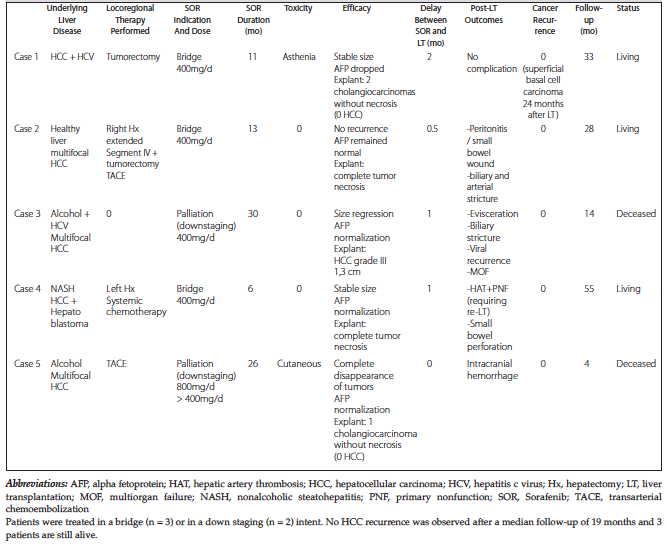
Table 1. Patients Features of Our Cohort
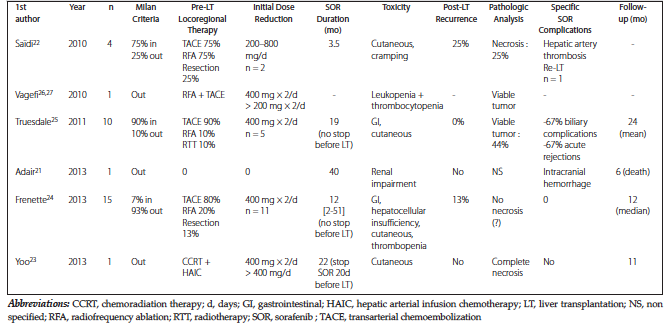
Table 2. Literature Review of pre-LT Sorafenib Treatment
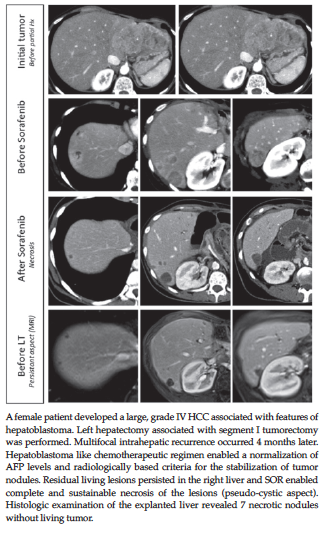
Figure 1. Evolution of HCC Before Liver Transplant, Transverse CT-Scan and MRI Slices (Case 4)
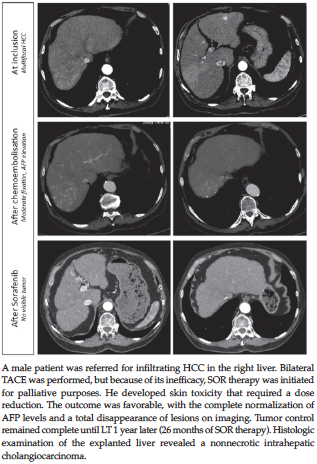
Figure 2. Evolution of HCC Before Liver Transplant, Transverse CT-Scan Slices (Case 5)