Volume: 16 Issue: 1 March 2018 - Supplement - 1
FULL TEXT
Objectives: Cutaneous warts represent a major problem in organ transplant recipients because of their extensive involvement and persistent course. Current therapeutic modalities often fail to achieve a successful response in patients with warts. We experienced a case involving an organ transplant recipient with recalcitrant mosaic warts who presented with complete clearance of lesions in 3 days after thermal spa bathing. Here, we evaluated the efficacy of natural thermal water versus hyperthermic tap water for treatment of recalcitrant hand warts in organ transplant recipients.
Materials and Methods: In this preliminary study, the right hands of 5 organ transplant recipients with hand warts were immersed in thermal water, while the left hands were soaked in tap water at 44°C to 47°C. Treatment involved three 45-minute sessions per week for 1 month. The total number and size of the warts and the hyperkeratosis severity grade were noted.
Results: After 12 sessions, none of the patients exhibited any marked improvement in the size or number of warts, although 3 patients had a slight decrease in their hyperkeratosis severity grade.
Conclusions: Our preliminary data indicate that neither thermal spa water nor hyperthermic tap water is effective for treatment of recalcitrant hand warts in organ transplant recipients. However, new trials using thermal water supplied from different geographical locations should be performed before this observation can be generalized.
Key words : Cutaneous warts, Hyperthermic water treatment, Thermal water, Transplantation
Introduction
Organ transplant recipients (OTRs) undergoing long-term immunosuppressive treatment are highly susceptible to the development of common warts, which remain a significant therapeutic problem in their dermatologic surveillance.1 Human papillomavirus-induced warts are frequently large, widespread, and numerous in this patient population. Moreover, they are considered potential precursors to the development of nonmelanoma skin cancer in OTRs.1,2
Unlike immunocompetent individuals, spontaneous regression of warts is rather rare in OTRs, and current treatment options such as cryotherapy, topical salicylic acid, and 5-fluorouracil often fail to clear the lesions.1 Consequently, new effective therapeutic alternatives are needed.
The current study originated from a 37-year-old female renal transplant recipient with a 2-year history of mosaic warts (Figure 1, left). Numerous treatment modalities including salicylic acid and cryotherapy were applied for 2 years without success. Then, she had gone to a natural thermal spa for vacation, and had a 30-minute thermal bath for 2 days that induced complete clearance of the warts in 3 days. (Figure 1, right). Two possible explanations for the therapeutic effects of thermal bathing were considered: the chemical effect of the thermal water and/or local hyperthermia.
Several studies have investigated the therapeutic efficacy of local hyperthermia for warts.3-6 However, there are no reports on the response of warts to thermal water bathing. Therefore, we evaluated the efficacy and safety of natural thermal spa water versus hyperthermic tap water for the treatment of recalcitrant hand warts in OTRs.
Materials and Methods
Study population
This study included 5 OTRs (2 female, 3 male patients) with recalcitrant hand
warts who were seen at the Dermatology Department of Baskent University in
Ankara, Turkey from January 2012 to April 2012. The mean patient age was 30 ± 9
years (range, 19-43 years), and the mean time since transplant was 71 ± 41
months (range, 42-143 months). The patients' immunosuppressive drugs are shown
in Table 1.
The inclusion criteria were the presence of numerous warts on both hands; failure of response to previous cryotherapy, topical salicylic acid, imiquimod, and 5-fluorouracil; and lack of any treatment within the last month. All participants gave informed consent before study participation.
Study procedure
This preliminary study was designed as a prospective, patient-blinded,
side-by-side comparative clinical trial. Two hydrocollator heating units
(Hydrocollator E-2 Stationary Heating Unit; Chattanooga Group, Hixson, TN, USA)
were used as the hyperthermia device, which provided a water bath with a
temperature that fluctuated from 44°C to 47°C. Thermal water was supplied from a
thermal resort (Patalya Thermal Resort, Kızılcahamam/Ankara, Turkey). This was
not the same spring from which our index patient obtained the spa water and
experienced her cure. The chemical composition of the 2 thermal spa waters could
not be analyzed.
The patients soaked their right hands in the heating unit filled with thermal water, while their left hands were immersed in the other unit filled with tap water. Each treatment session lasted 45 minutes and was performed 3 days per week (every other day) for 4 weeks. Digital pictures of the hands were obtained at every visit. Hyperkeratosis of the lesions (1: mild, 2: moderate, 3: severe) and any change in their number or size were evaluated by visual and photographic assessment. Each patient served as his or her own control during the pre- and posttreatment comparisons.
Adverse effects such as pain, burning, erythema, and bullae formation were self-assessed by each participant using a semiquantitative scale of discomfort (1: mild, 2: moderate, 3: severe).
This study was approved by the Baskent University Institutional Review Board and Ethics Committee (project no. KA11/199) and supported by the Baskent University Research Fund. It was conducted in conformity with the 1975 Helsinki Declaration.
Results
The demographic and clinical details of the OTRs are presented in Table 1. Four participants hadwartson the dorsum of the hands, and 1 had warts on the palmar surface. The duration of the warts ranged from 12 to 96 months with a mean of 50 ± 43 months, whereas the mean number of lesions was 28 ± 21 (range, 12-63). The lesion size varied from 2 to 20 mm, and 3 patients had mostly large-sized warts.
After 12 sessions, none of the warts displayed any marked improvement in size or clearance (Figures 2 and 3). Three of the patients had a slight reduction in their hyperkeratosis grade (Figure 2, right), whereas 2 showed no change (Figure 3, right, Table 1).
Both therapies were well tolerated by all patients. There were no complaints of pain or burning sensation due to hot water, and no serious adverse effects occurred except mild erythema and edema lasting for 30 to 90 minutes after each session.
Discussion
Up to 92% of all OTRs develop viral warts almost 5 years after transplant, and they frequently present with extensive involvement and persistent disease course, creating a therapeutic challenge.1,2,7 After observation of complete clearance of recalcitrant mosaic warts of an OTR in 3 days following 2 thermal baths, the efficacy of thermal spa water and/or hyperthermic tap water was evaluated in this context.
Organ transplant recipients with recalcitrant hand warts were included in this study because it would have been impossible to immerse the feet into the heating units used. The researcher selected patients with both large and/or small lesions with either an extensive or limited distribution to evaluate possible improvement differences. However, excluding slight reduction in the hyperkeratosis of some lesions, none of the warts benefited from either hyperthermic tap or thermal spa water therapy over the 4-week study period. Thus, treatment sessions were discontinued after the 12th session. No delayed improvement was observed upon follow-up.
Thermal water is hot water that emerges from natural thermal springs and is composed of salts, minerals such as sulfur and selenium, and gases such as carbon dioxide.8 Thermal baths have had a curative effect in cases of psoriasis and atopic dermatitis.9,10 Some of the minerals in thermal water have been proposed to have keratolytic, anti-inflammatory, and antiproliferative properties that may play a role in wart regression.8 However, no reports in the literature support this hypothesis. Hyperthermia is defined as exogenous elevation of tissue temperature to 39°C to 48°C. Although the exact mechanism remains uncertain, several reports have described the therapeutic efficacy of hyperthermia for warts.3-6 However, these studies used different devices such as infrared emitting sources, lasers, and thermal patches as sources of heat ranging from 40°C to 50°C.
Only two reports have addressed the efficacy of hot water treatment for warts. The first was a study performed in 1962 involving 15 immunocompetent patients with recalcitrant warts on the feet, hands, or face.11 The patients were treated with water baths at 45°C to 48°C for 30 to 90 minutes once or twice per week for 3 to 8 weeks. Nine participants exhibited either regression or resolution of the warts within 3 months without serious adverse effects.
The second article was a case report published in 1994.12 A 42-year-old man with human immunodeficiency virus infection and psoriasis was undergoing etretinate therapy. The authors applied hot water therapy at 45°C using a whirlpool apparatus to treat the warts on his toes. After notable improvement was achieved on his right foot, the therapy was extended to the left foot, resulting in resolution on both sides. The authors declared that unilateral improvement noted only on the hyperthermia-treated side after the first session proved the independent therapeutic activity of hot water. However, the added effect of etretinate therapy cannot be completely excluded in this case.
The complete clearance of the mosaic warts in our index patient might also be explained by suggestive hypnotic therapy, the particular chemical composition of the thermal water bath, or spontaneous regression of the warts. In terms of hypnosis, she strongly denied that she had any belief that thermal water could treat her warts. The hydrogeology origins, temperatures, and chemical contents differ considerably among thermal waters.8 The water in which she bathed may have possessed different properties that exerted therapeutic activity in her warts. Additionally, these waters have volatile elements such as sulfurous gases that might dissipate with storage, time, or reheating of the water in a clinical setting.8 Moreover, she underwent total body immersion while bathing, which may have a different therapeutic benefit. Finally, spontaneous regression is always a probability in warts, although it is rare in immunosuppressed individuals.1,2,7 However, no treatment-related or spontaneous regression had been observed throughout the 2-year period.
A limitation of the present study is the small sample size and short treatment duration. If encouraging improvements had been obtained, the investigator planned to enroll more patients and extend the treatment course. Other limitations included the use of thermal spa water different from the one that the index patient used, not performing whole-body immersion, and not using the thermal spring water at its source.
In conclusion, our preliminary data do not confirm the previous observations that hot water treatment as a form of local hyperthermia is curative for warts. Furthermore, we revealed that thermal water was not therapeutic in recalcitrant hand warts in OTRs. Nevertheless, new trials using thermal waters originating from different geographic locations should be performed before this observation can be generalized.
References:
- Schmook T, Nindl I, Ulrich C, Meyer T, Sterry W, Stockfleth E. Viral warts in organ transplant recipients: new aspects in therapy. Br J Dermatol. 2003;149(suppl 66):20-24.
CrossRef - PubMed - Krüger-Corcoran D, Stockfleth E, Jürgensen JS, et al. [Human papillomavirus-associated warts in organ transplant recipients. Incidence, risk factors, management.] Hautarzt.2010;61(3):220-229.
CrossRef - PubMed - Huo W, Gao XH, Sun XP, et al. Local hyperthermia at 44 degrees C for the treatment of plantar warts: a randomized, patient-blinded, placebo-controlled trial. J Infect Dis. 2010;201(8):1169-1172.
CrossRef - PubMed - Goldberg DJ, Beckford AN, Mourin A. Verruca vulgaris: novel treatment with a 1064 nm Nd:YAG laser. J Cosmet Laser Ther. 2015;17(2):116-119.
CrossRef - PubMed - Schuller-Levis G, Levis W, Dvoretzky I. Treatment of recalcitrant warts with occlusive warming patches. J Drugs Dermatol. 2014;13(10):1194-1196.
PubMed - Badgwell Doherty C, Doherty SD, Rosen T. Thermotherapy in dermatologic infections. J Am Acad Dermatol.2010;62(6):909-927.
CrossRef - PubMed - Barba A, Tessari G, Boschiero L, Chieregato GC. Renal transplantation and skin diseases: review of the literature and results of a 5-year follow-up of 285 patients. Nephron.1996;73(2):131-136.
CrossRef - PubMed - Matz H, Orion E, Wolf R. Balneotherapy in dermatology. Dermatol Ther. 2003;16(2):132-140.
CrossRef - PubMed - Peroni A, Gisondi P, Zanoni M, Girolomoni G. Balneotherapy for chronic plaque psoriasis at Comano spa in Tretino, Italy. Dermatol Ther. 2008;21(suppl 1):S31-38.
CrossRef - PubMed - Farina S, Gisondi P, Zanoni M, et al. Balneotherapy for atopic dermatitis in children at Comano spa in Tretino, Italy. J Dermatolog Treat. 2011;22(6):366-371.
CrossRef - PubMed - LoCricchio J, Haserick JR. Hot-water treatment for warts. Cleve Clin Q. 1962;29:156-161.
CrossRef - PubMed - Kang S, Fitzpatrick TB. Debilitating verrucae vulgaris in a patient infected with the human immunodeficiency virus. Arch Dermatol. 1994;130(3):294-296.
CrossRef - PubMed
Volume : 16
Issue : 1
Pages : 189 - 193
DOI : 10.6002/ect.TOND-TDTD2017.P59
From the Department of Dermatology, Baskent University Faculty of Medicine
Acknowledgements: This study was funded by the Baskent University Research Fund.
The author has no conflicts of interest to disclose. This work was presented at
the15th Annual SCOPE Meeting, Istanbul, 17-19 May 2012.
Corresponding author: A. Tülin Güleç, Department of Dermatology, Baskent
University Faculty of Medicine, 5. Sokak, No: 48, Bahçelievler, Ankara 06490,
Turkey
Phone: +90 532 786 5081
E-mail: tulinogulec@hotmail.com
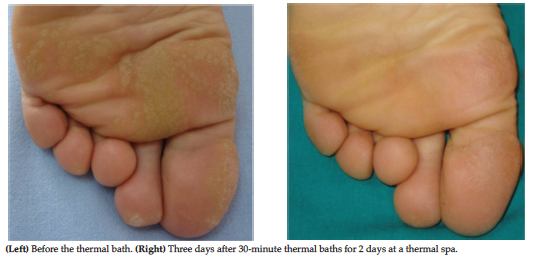
Figure 1. Recalcitrant Mosaic Wart in a Renal Transplant Recipient
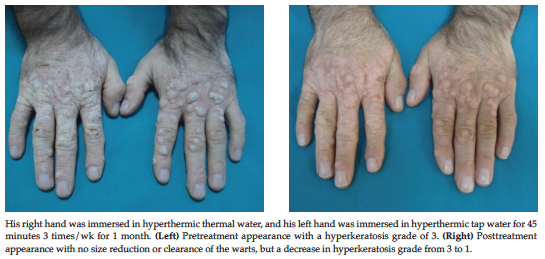
Figure 2. Extensive Warts on the Dorsum of Hands of a Renal Transplant Recipient (Patient 1)
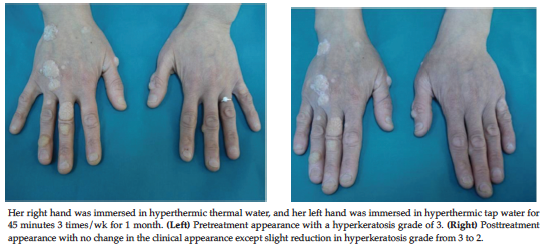
Figure 3. Large Warts on the Dorsum of Hands in a Liver Transplant Recipient (Patient 5)
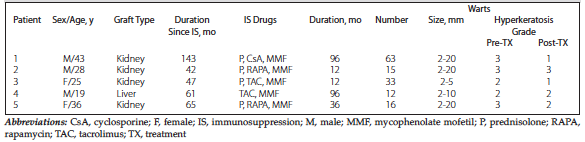
Table 1. Demographic Details and Results of the Organ Transplant Recipients With Hand Warts