Volume: 16 Issue: 1 March 2018 - Supplement - 1
FULL TEXT
Objectives: Pulmonary infections are a significant cause of morbidity and mortality in solid-organ transplant recipients despite enhanced facilities for perioperative care. The aim of this study was to evaluate the demographic characteristics, clinical course, and outcomes of renal transplant recipients with pneumonia.
Materials and Methods: The medical records of all renal transplant recipients from January 2010 to December 2014 were retrospectively reviewed, and patients diagnosed with pneumonia according to Centers for Disease Control and Prevention criteria were evaluated. Pneumonia was classified as community acquired or nosocomial. Patient demographics, microbiologic findings, need for intensive care/mechanical ventilation over the course of treatment, and information about clinical follow-up and mortality were all recorded.
Results: Eighteen (13.4%) of 134 renal transplant recipients had 25 pneumonia episodes within the study period. More than half (56%) of the pneumonia episodes developed within the first 6 months of transplant, whereas 44% developed after 6 months (all > 1 year). Eight cases (32%) were considered nosocomial pneumonia, and 17 (68%) were consi-dered community-acquired pneumonia. Bacteria were the most common cause of pneumonia (28%), and fungi ranked second (8%). No viral or mycobacterial agents were detected. No patients required prolonged mechanical ventilation. No statistically significant difference was found in the need for intensive care or regarding mortality between patients with nosocomial and community-acquired pneumonia. Two patients (11%) died, and all remaining patients recovered.
Conclusions: The present study confirmed that pneumonia after renal transplant is not a rare complication but a significant cause of morbidity. Long-term and close follow-up for pneumonia is necessary after renal transplant.
Key words : Complications, Outcome, Renal transplantation
Introduction
The incidence of pulmonary infection after solid-organ transplant (SOT) has decreased with the development of effective prophylactic strategies and improved immunosuppressive treatment regimens. Nevertheless, lower respiratory tract infection remains a life-threatening complication. Approximately two-thirds of pulmonary infiltrations in this group are infectious.1,2 The incidence of pneumonia in renal transplant recipients reportedly ranges from 8.8% to 20.0%.3-6 The mortality rate in this group ranges from 10% to 30% depending on the type of transplant and study duration.7
Infectious complications vary according to the individual patient's degree of immunosuppression and epidemiologic exposure. Opportunistic infections usually do not occur in the first month after transplant because not all effects of immunosuppression have manifested. Patients waiting for transplant may be colonized with nosocomial microorganisms due to frequent hospital stays, and pulmonary infections in the first month after transplant usually appear as nosocomial pneumonia caused by these micro-organisms. Opportunistic pulmonary infections are predominant in the interim period from the first to the sixth month after transplant. Pneumonia that occurs in the late posttransplant period (ie, the sixth month) is usually community acquired.8,9
In the present study, we aimed to identify pneumonia episodes in renal transplant recipients followed in our center to determine the prevalence, risk factors, cause, and prognosis of pneumonia in this patient population.
Materials and Methods
The medical records of all renal transplant recipients from January 2010 to December 2014 were retro-spectively reviewed. Pneumonia was defined according to Centers for Disease Control and Prevention criteria. Transplant recipients who presented to the hospital with relevant symptoms after transplantation, such as fever, cough, sputum production, chest pain, shortness of breath, and respiratory failure; those with new-onset or progressed pulmonary infiltration on chest radiography accompanied by a physical examination; and those with similar symptoms and signs that occurred during the hospital stay were considered to have pneumonia. Pneumonia was categorized as either nosocomial or community acquired.10 This study was approved by the Baskent University Institutional Review Board (project No. KA16/186) and supported by the Baskent University Research Fund.
The following data were obtained from medical records: patient age; sex; pretransplant risk factors; serology for hepatitis C virus, hepatitis B virus, and cytomegalovirus (CMV); postoperative complications; need for reoperation or dialysis; acute rejection episodes; induction therapies; immunosuppressive treatment regimens; time of pneumonia episodes; isolated microorganisms; need for intensive care and/or mechanical ventilation over the course of the treatment period; complications such as renal failure and acute rejection; clinical outcomes; and mortality.According to the perioperative prophylaxis protocol of our center, cefazolin was administered for 2 days before the procedure. All transplant recipients received trimethoprim/sulfamethoxazole as pro-phylaxis for Pneumocystis jiroveci and valganciclovir as prophylaxis for CMV.
Statistical analysis was performed using the statistical software package SPSS (version 17.0; SPSS Inc., Chicago, IL, USA). Normally distributed con-tinuous variables are presented as mean ± standard deviation (P < .05 in Kolmogorov-Smirnov test or Shapiro-Wilks test; n < 30), and nonnormally distributed continuous variables are presented as the median. Categorical variables between the 2 groups were analyzed with the chi-square test or the Fisher exact test. Values of P < .05 were considered statistically significant.
Results
Of the 134 transplant recipients, 94 (70.1%) were male and 40 (29.9%) were female. The median age was 47 years (range, 18-69 y). Eighteen patients had 25 pneumonia episodes, with a cumulative incidence of 13.4%. Of the 18 patients with pneumonia, 16 (88.8%) were male, the mean age was 42.6 ± 13.6 years, and the mean follow-up was 992 ± 445 days. Demographic characteristics, comorbidities, viral serologic status, immunosuppressive therapy regimens, and post-transplant complications of the patients are listed in Table 1.
More than half (56%) of the pneumonia episodes occurred within the first 6 months after transplant. Those that occurred after 6 months (44%) were diagnosed at or after 1 year. The characteristics of pneumonia episodes in our patients are shown in Table 2. Whereas 68% of pneumonia cases were community acquired, 32% were nosocomial. Bacterial pneumonia was the most prevalent type (28%), followed by fungal pneumonia (8%). Viral or mycobacterial agents were not detected in any of the patients. No microorganism could be isolated in 64% of pneumonia episodes.
The distribution of microorganisms isolated from the patients is shown in Table 3. Polymicrobial cause was not found in any of the patients. In 2 patients who had fungal pneumonia, Aspergillus was determined to be the causative agent based on A. fumigatus growth in sputum culture, galactomannan positivity, and relevant radiologic findings. Both patients responded to antifungal therapy.
We compared the characteristics of pneumonia episodes between patients with nosocomial pneumonia and those with community-acquired pneumonia. The patients were evaluated for infectious agents, complications, the need for intensive care and mechanical ventilation, and mortality. None of the patients required prolonged mechanical ventilation. Two patients (11%) died, and the remaining patients achieved complete remission (Table 4).
Discussion
The risk of infection in SOT recipients is largely associated with immunosuppressive therapies. Although antimicrobial prophylaxis has changed the evolution of infectious complications, lower respiratory tract infections remain a significant source of morbidity.11 In the present study, the incidence of pneumonia in renal transplant recipients was 13.4%, which is consistent with the literature.3-6
Nosocomial and opportunistic infections in SOT recipients are most frequently seen within the first 6 months after transplant. Although late infections are less frequently seen more than 6 months after transplant, they are as serious as those in the early period. High-risk groups for infection include recipients who develop chronic graft malfunction, develop infection in the first 6 months after transplant, or undergo graft-related reoperation.12 A recent study reported that late infections are not rare complications and that close clinical monitoring of risky patients would be beneficial.13 The present study determined that 44% of pneumonia episodes occurred 6 months or more after transplant. Evaluation of patients with late pneumonia (> 1 year) demonstrated that 10 community-acquired pneumonia episodes occurred in 7 patients (40%). Nosocomial pneumonia developed in the late period in 1 patient. This patient had been included in a chronic dialysis program because of loss of graft function, which occurred 1 year after receiving induction therapy comprising posttransplant antithymocyte globulin and pulse methylprednisolone.
Although community-acquired pneumonia is more benign in SOT recipients, higher mortality rates have been reported for nosocomial infections.8 In the present study, complete recovery was observed in all patients except 2 (11%), who died. Comparison of nosocomial pneumonia and community-acquired pneumonia in terms of prognosis and mortality revealed no statistically significant differences between the 2 groups; this finding was attributed to the small number of patients.
The prevalence of tuberculosis is 20 to 74 times higher in SOT recipients than in the general population.14,15 Whereas the prevalence of tuberculosis is 0.5% to 6.4% in low-endemic regions, it is reportedly 15.2% in high-endemic regions.16,17 Active tuberculosis after transplant may occur in association with various factors, such as latent infection in the recipient, latent infection in the donor, contact with patients with active tuberculosis after transplant, or the need for urgent transplant in a patient with active tuberculosis. The degree of immunosuppression and age are also significant factors that enhance the lifetime cumulative risk of infection. Other factors that are likely to influence the incidence, particularly in renal transplant recipients, include baseline use of antithymocyte globulin, chronic renal failure, and the need for hemodialysis.18 Randomized controlled studies indicate that chemoprophylaxis with isoniazid reduces the risk of tuberculosis by 60% to 90% in immunosuppressed individuals.19,20 No patients in the present study were diagnosed with tuberculosis. Although the study was conducted in a region endemic for tuberculosis, this result is likely primarily associated with the small number of patients because no patient had a history of tuberculosis or close contact with tuberculosis and all patients received isoniazid chemoprophylaxis except living renal donor recipients.
The incidence of CMV infections is low in renal transplant recipients because of routine prophylaxis for CMV (< 1%).21 Prophylaxis with co-trimoxazole reduces the risk of P. jiroveci-associated pneumonia by more than 90%.22 Neither P. jiroveci nor CMV was found in any of the present cases. We believe that the prophylaxis was beneficial.
Limitations of the present study include the small number of both overall patients and microorganisms isolated. The small number of agents isolated may be because fiberoptic bronchoscopy, which has a 56.2% diagnostic yield in immunosuppressed patients,23 was performed in only 2 cases. The number of bronchoscopy procedures was low because clinical and radiologic improvements were achieved within 2 to 3 days of treatment in all patients except the 2 who died.
In conclusion, nosocomial or community-acquired pneumonia is not a rare complication in renal trans-plant recipients. Community-acquired pneumonia is more prevalent. There was no statistically significant difference in prognosis or mortality between these 2 groups. Although bacteria are the most common cause of pneumonia, exclusion of other pathogens and close, long-term monitoring are needed because the spectrum of likely pathogens differs between immunosuppressed and immuno-competent patients.
References:
- Kotloff RM, Ahya VN, Crawford SW. Pulmonary complications of solid organ and hematopoietic stem cell transplantation. Am J Respir Crit Care Med. 2004;170(1):22-48.
CrossRef - PubMed - Küpeli E, Eyübo?lu FÖ, Haberal M. Pulmonary infections in transplant recipients. Curr Opin Pulm Med. 2012;18(3):202-212.
CrossRef - PubMed - Hoyo I, Linares L, Cervera C, et al. Epidemiology of pneumonia in kidney transplantation. Transplant Proc. 2010;42(8):2938-2940.
CrossRef - PubMed - Luo W. [Pulmonary infections in renal transplant recipients.] Zhonghua Yi Xue Za Zhi. 1991;71(5):246-248, 18.
- Jha R, Narayan G, Jaleel MA, et al. Pulmonary infections after kidney transplantation. J Assoc Physicians India. 1999;47(8):779-783.
PubMed - Dizdar OS, Ersoy A, Akalin H. Pneumonia after kidney transplant: incidence, risk factors, and mortality. Exp Clin Transplant. 2014;12(3):205-211.
CrossRef - PubMed - Cervera C, Agustí C, Angeles Marcos M, et al. Microbiologic features and outcome of pneumonia in transplanted patients. Diagn Microbiol Infect Dis. 2006;55(1):47-54.
CrossRef - PubMed - Fishman JA. Infection in solid-organ transplant recipients. N Engl J Med. 2007;357(25):2601-2614.
CrossRef - PubMed - Fishman JA, Issa NC. Infection in organ transplantation: risk factors and evolving patterns of infection. Infect Dis Clin North Am. 2010;24(2):273-283.
CrossRef - PubMed - Garner JS, Jarvis WR, Emori TG, Horan TC, Hughes JM. CDC definitions for nosocomial infections, 1988. Am J Infect Control. 1988;16(3):128-140.
CrossRef - PubMed - Hoyo I, Sanclemente G, Cervera C, et al. Opportunistic pulmonary infections in solid organ transplant recipients. Transplant Proc. 2012;44(9):2673-2675.
CrossRef - PubMed - San Juan R, Aguado JM, Lumbreras C, et al. Incidence, clinical characteristics and risk factors of late infection in solid organ transplant recipients: data from the RESITRA study group. Am J Transplant. 2007;7(4):964-971.
CrossRef - PubMed - Cervera C, Fernández-Ruiz M, Valledor A, et al. Epidemiology and risk factors for late infection in solid organ transplant recipients. Transpl Infect Dis. 2011;13(6):598-607.
CrossRef - PubMed - Subramanian A, Dorman S, AST Infectious Diseases Community of Practice. Mycobacterium tuberculosis in solid organ transplant recipients. Am J Transplant. 2009;9:S57-S62.
CrossRef - PubMed - Singh N, Paterson DL. Mycobacterium tuberculosis infection in solid-organ transplant recipients: impact and implications for management. Clin Infect Dis. 1998;27(5):1266-1277.
CrossRef - PubMed - Currie AC, Knight SR, Morris PJ. Tuberculosis in renal transplant recipients: the evidence for prophylaxis. Transplantation. 2010;90(7):695-704.
CrossRef - PubMed - Arslan H, Ergin F, Oner-Eyuboglu F, Akcay S, Karakayali H, Haberal M. Tuberculosis in renal transplant recipients. Transplant Proc. 2003;35(7):2680-2681.
CrossRef - PubMed - Torre-Cisneros J, Doblas A, Aguado JM, et al. Tuberculosis after solid-organ transplant: incidence, risk factors, and clinical characteristics in the RESITRA (Spanish Network of Infection in Transplantation) cohort. Clin Infect Dis. 2009;48(12):1657-1665.
CrossRef - PubMed - Centers for Disease Control and Prevention. The use of preventive therapy for tuberculous infection in the United States. Recommendations of the Advisory Committee for Elimination of Tuberculosis. MMWR Recomm Reports Morb Mortal Wkly Report Recomm Reports. 1990;39(RR-8):9-12.
- International Union Against Tuberculosis Committee on Prophylaxis. Efficacy of various durations of isoniazid preventive therapy for tuberculosis: five years of follow-up in the IUAT trial. Bull World Health Organ. 1982;60(4):555-564.
PubMed - Fortun J, Martin-Davila P, Pascual J, et al. Immunosuppressive therapy and infection after kidney transplantation. Transpl Infect Dis. 2010;12(5):397-405.
CrossRef - PubMed - Soave R. Prophylaxis strategies for solid-organ transplantation. Clin Infect Dis. 2001;33(S1):S26-S31.
CrossRef - PubMed - Jain P, Sandur S, Meli Y, Arroliga AC, Stoller JK, Mehta AC. Role of flexible bronchoscopy in immunocompromised patients with lung infiltrates. Chest. 2004;125(2):712-722
CrossRef - PubMed
Volume : 16
Issue : 1
Pages : 122 - 125
DOI : 10.6002/ect.TOND-TDTD2017.P23
From the Departments of 1Pulmonary Diseases, 2Infectious Diseases, and
3General
Surgery, Baskent University Adana Dr. Turgut Noyan Teaching and Medical Research
Center, Adana, Turkey; and the Departments of 4General Surgery and
5Pulmonary
Diseases, Baskent University Faculty of Medicine, Ankara, Turkey
Acknowledgements: The authors have no sources of funding for this study and have
no conflicts of interest to declare.
Corresponding author: Sibel Kara, Department of Pulmonary Diseases, Baskent
University Adana Dr. Turgut Noyan Teaching and Medical Research Center, Adana,
Turkey
Phone: +90 322 3272727
E-mail: sibelkarasb@hotmail.com
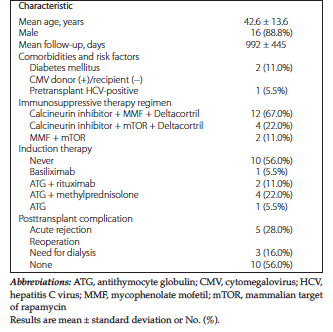
Table 1. Characteristics of Patients with Pneumonia (N = 18)
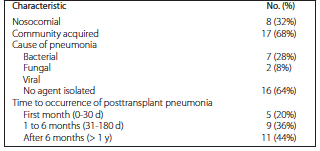
Table 2. Characteristics of Pneumonia Episodes (N = 25)
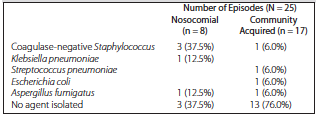
Table 3. Distribution of Isolated Microorganisms
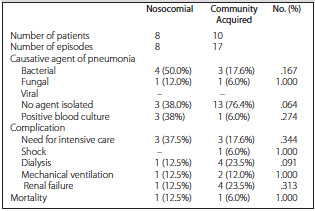
Table 4. Comparison of Pneumonia Episodes