Volume: 16 Issue: 1 February 2018
FULL TEXT
Objectives: Liver transplant is the cornerstone line of treatment for chronic liver diseases; however, the long list of complications and obstacles stand against this operation. Searching for new modalities for treatment of chronic liver illness is a must. In the present research, we aimed to compare the effects of transplant of undifferentiated human mesenchymal stem cells, in vitro differentiated mesenchymal stem cells, and adult hepatocytes in an experimental model of chronic liver failure.
Materials and Methods: Undifferentiated human cord blood mesenchymal stem cells were isolated, pro-pagated, and characterized by morphology, gene expression analysis, and flow cytometry of surface markers and in vitro differentiated into hepatocyte-like cells. Rat hepatocytes were isolated by double perfusion technique. An animal model of chronic liver failure was developed, and undifferentiated human cord blood mesenchymal stem cells, in vitro hepato-genically differentiated mesenchymal stem cells, or freshly isolated rat hepatocytes were transplanted into a CCL4 cirrhotic experimental model. Animals were killed 3 months after transplant, and liver functions and histopathology were assessed.
Results: Compared with the cirrhotic control group, the 3 cell-treated groups showed improved alanine aminotransferase, aspartate aminotransferase, albu-min, and bilirubin levels, with best results shown in the hepatocyte-treated group. Histopathologic exam-ination of the treated groups showed improved fibrosis, with best results obtained in the undif-ferentiated mesenchymal stem cell-treated group.
Conclusions: Both adult hepatocytes and cord blood mesenchymal stem cells proved to be promising candidates for cell-based therapy in liver regeneration on an experimental level. Improved liver function was evident in the hepatocyte-treated group, and fibrosis control was more evident in the undifferentiated mesenchymal stem cell-treated group.
Key words : Cell-mediated therapy, End-stage liver disease
Introduction
Orthotopic liver transplant is an established treatment for patients with end-stage liver disease.1 The shortage of donor organs continues to be the rate-limiting factor for liver transplant throughout the world.2 Hepatocyte transplant is a promising alternative to orthotopic liver transplant to treat chronic liver diseases3 and can also be used as a "bridge" to liver transplant in cases of liver failure.4,5 Hepatocyte transplant has been proposed as a method to support liver function in acute or chronic hepatic insufficiency and as a “cell therapy” for metabolic diseases in the liver.6 Transplant of hepatocytes has been shown to significantly improve or correct prothrombin time, serum albumin and bilirubin levels, and survival in a rat model of terminal end-stage cirrhosis.7,8 In addition, metabolic defects in bilirubin metabolism, albumin secretion, copper excretion, familial intrahepatic cholestasis, and tyrosinemia have been corrected by hepatocyte transplant.8,9
Stem cell therapy is attractive for its potential to support tissue regeneration,as it requires minimally invasive procedures and shows few complications in liver diseases.10,11 Stem cells are capable of differentiating into specialized cell types, including hepatocytes; utilization of these hepatocytes can allow the damaged liver to be regenerated.12 Stem cells originating from various intra- and extrahepatic sources have been investigated for the treatment of hepatic diseases.13,14 There are several potential advantages of using adult stem cells to regenerate tissues, including few ethical concerns, good known biologic behavior, easy accessibility, and low costs.10 One of the promising types of stem cells is mesenchymal stem cells (MSCs), which have been discussed in this context.15 In this study, we compared hepatocytes, undifferentiated MSCs, and in vitro hepatocyte-differentiated MSCs in the treatment of experimentally induced CCl4 liver cirrhosis.
Materials and Methods
Animal model
Six-month-old male Lewis rats weighing ~150 g were used as the donor animal
model, and 3-month-old BALB/c mice weighing ~40 g were used as the recipient
animal model. The animals were given access to rodent chow and water and were
maintained in 12:12-h light/dark cycles. All experiments were carried out in
accordance with the rules and regulations of the Theodor Bilharz Research
Institute Ethical Committee for handling of laboratory animals. Mice were
injected intra-peritoneally with CCl4/corn oil (1:4) emulsion at a dose of 0.5
mL/kg body weight twice weekly for 12 weeks to induce liver cirrhosis.
Cord blood sample collection and isolation of mononuclear cells from cord blood
We followed the procedures outlined previously.16 Human cord blood samples were
collected from full-term donor mothers who had cesarean sections. Signedinformed
written consent was obtained from all donors. Samples were tested for hepatitis
C and B virus and human immunodeficiency virus, and mononuclear cells were
separated by the density gradient cell separation technique using Ficoll
solution. Cells were suspended in Dulbecco’s modified Eagle medium (DMEM) and
counted using a hemocytometer,and viability was determined by mixing equal
volumes of cell suspension with 0.4% trypan blue stain (Invitrogen, Carlsbad,
CA, USA).
Culture, propagation, and characterization of mesenchymal stem cells
Mononuclear cells were seeded in sterile tissue culture flasks at a density of
1x10⁶ cells/cm2 in DMEM supplemented with 30% fetal bovine serum (FBS;
Invitrogen), 1% penicillin/streptomycin (Biochrom, Cambridge, UK), 1%
L-glutamine (Lonza, Basel, Switzerland), and10-7 M dexamethasone
(Sigma-Aldrich, Hamburg, Germany). When cells reached a confluency of 80% to
90%, they were trypsinized according to Litwin and associates.17
Cells were characterized by morphologic changes, flow cytometry analysis of
surface markers (mesenchymal markers CD105/FITC, CD44/FITC, CD90/PE; exclusion
markers CD45/FITC and CD34/FITC), and gene expression by real-time polymerase
chain reaction for Oct4 and Sox2 using QuantiTect SYBR green polymerase chain
reaction (Qiagen, Valencia, CA, USA). For further characterization, MSCs were
allowed to differentiate into osteocytes by culturing them in DMEM supplemented
with mesenchymal cell growth supplement (Lonza), L-glutamine, penicillin,
dexamethasone, ascorbate, and β-glycerophosphate for 2 weeks, with results
confirmed by alizarin red dye at pH 4.2 (Sigma, St. Louis, MO, USA). Cells were
also allowed to differentiate into adipocytes by culturing them in adipogenic
induction medium (supplemented with recombinant human insulin, L-glutamine, rat
MSC FBS, dexamethasone, indomethacin, 3-isobuty-l-methyl-xanthine, and GA-1000)
for 3 days followed by adipogenic maintenance medium (supplemented with
recombinant human insulin, L-glutamine, rat MSC FBS, and GA-1000) for 3 days.
Three cycles of induction and maintenance were carried out for optimal
adipogenic differentiation, and cells were stained with Oil Red O stain.
Hepatogenic differentiation and characterization of differentiated mesenchymal
stem cells
Cells were cultured in hepatogenic differentiation medium I, which consisted of
DMEM supplemented with hepatocyte growth factor (HGF) (1 μL/mL), fibroblast
growth factor-4 (2 μL/mL), endothelial growth factor (2.5 μL/60 mL), 1%
penicillin/-streptomycin, 1% L-glutamine, and 1% FBS. Medium was changed twice
weekly for 2 weeks. Hepatogenic differentiation medium I was replaced after 2
weeks by hepatogenic differentiation medium II, which consisted of DMEM
supplemented with HGF
(1 μL/mL), fibroblast growth factor-4 (2 μL/mL), oncostatin M (24 μL/60 mL),
insulin-transferrin-selenium 4 (5 μL/1 mL), dexamethasone (4 μL/mL), 1%
penicillin/streptomycin, 1% L-glutamine, and 1% FBS. Medium was changed twice
weekly for 2 weeks. Cells were characterized by morphologic changes throughout
the period of differentiation (28 days). Synthetic function of the cells was
assessed by measuring albumin concentration in culture media of the
differentiated cells on days 0, 7, 10, 14, 21, 24, and 28 using the albumin
human enzyme-linked immunosorbent assay kit (Abcam, Cambridge, UK). Execratory
function of the cells was assessed using indocyanine green (ICG) stain and
cytopathologic analysis. The latter was performed by staining cells with
hematoxylin and eosin and periodic acid-Schiff for histopathologic assessment.
Immunoperoxidase staining was also performed using an avidin-biotin complex
immunoperoxidase technique18 with antihuman primary antibodies against albumin
and alpha-fetoprotein (AFP) for identification.
Isolation of hepatocytes
Hepatocytes were isolated from Lewis rat livers by double perfusion technique
according to Wang and associates.19 Cell count was determined using a
hemocytometer, and cell viability was checked by trypan blue stain
(Invitrogen).20 Cells having viability >75% were used for transplant, taking
into consideration that the isolation procedure was carried out on the same day
of transplant.
Animal transplant
Mice were divided into 3 test groups and one pathologic control group. Normal
mice served as normal control. Group 1 was injected intrahepatically with 1 x
106 freshly isolated rat hepatocytes in 0.1 mL phosphate-buffered saline (PBS),
mice in group 2 were injected intrahepatically with 1 x 10⁶ undifferentiated
MSCs in 0.1 mL PBS, and mice in group 3 were injected intrahepatically with 1 x
106 hepatogenically differentiated MSCs in 0.1 mL PBS. Twelve weeks after
transplant, mice were killed, blood samples were collected, and livers were
dissected.
Histopathologic and immunoperoxidase staining of liver specimens
Hepatic specimens were cut into 5-μm-thick sections using a microtome and
stained with hematoxylin and eosin for histopathologic assessment. For
assessment of fibrosis, sections were stained with Masson stain and Sirius red
stain. Automatic Computer Image Analysis System (Zeiss, Oberkochen, Germany) was
used for the quantitation of the collagen content. Image analysis was performed
using the computer software program Axiovision 4.8 (Zeis). The sectional area of
the red-stained fibrous tissue of examined specimens was measured in squared
micrometers in 5 consecutive microscopic fields, at x5 magnification to yield
the fibrotic area (μm2), and fibrotic area percent was then calculated relative
to the total area examined (fibrotic index).
Immunohistochemistry was performed using an avidin-biotin complex immunoperoxidase technique18 with antirat primary antibodies against AFP and Prox1 and antihuman primary antibodies against albumin and AFP. Positive and negative control slides for each marker were included in each session. As a negative control, a liver tissue section was processed as described but with the primary antibody omitted.
Biochemical analyses
Blood samples were obtained after animal death and centrifuged to separate sera.
Serum levels of aspartate aminotransferase (AST), alanine transaminase (ALT),
albumin, and bilirubin were measured and compared with samples obtained from the
pathologic control group.
Results
Animal model preparation
Liver cirrhosis was reached 12 weeks after CCl4 injection, with fibrosis level
of A4F4 according to the METAVIR scoring system. Microscopic examination of
liver sections showed loss of hepatic lobular architecture with severe hydropic
degeneration of the hepatocytes. Portal tracts were thickened and extended with
chronic inflammatory cells and fibrotic tissue. Liver specimens of the deceased
mice also showed formation of small and large regenerating nodules (Figure 1A).
Thirty-six mice were divided into 4 groups: 1 pathologic control and 3 recipient
groups. Eight healthy mice served as normal control.
Culture of mesenchymal stem cells from cord blood
One sample was collected and found negative for hepatitis C and B virus and
human immuno-deficiency virus. Mononuclear cell count was 90 x 106 with
viability of 99%. Mesenchymal stem cell culture was initiated with a cell
concentration of 1 x 10⁶ mononuclear cells/cm2. Classical MSC morphology of
adherent fibroblastoid spindle-shaped cells growing in a monolayer was shown
after 32 days of initial culture. Flow cytometry analysis of the isolated MSCs
revealed positive expression levels of CD90, CD44, and CD105 in 98.2%, 63.4%,
and 84.2% of cell populations, whereas positive expression levels of CD34, CD45,
and HLA-DR were only shown in 0.06%, 1.72%, and 6.5% of cell populations.
Mesenchymal stem cells also showed positive expression for Oct4 and Sox2.
Mesenchymal stem cells were able to differentiate into osteocytes as confirmed
by alizarin red dye at pH 4.2 (Sigma), which visualized red calcium phosphate
precipitates and adipocytes, and as confirmed by Oil Red O staining, which
visualized accumulations of neutral lipid vacuoles in the cytoplasm of the
cells.
Hepatogenic differentiation and characterization of differentiated mesenchymal
stem cells
With the double phase technique, MSCs were transformed into hepatocyte-like
cells in 28 days, as confirmed by morphologic changes, histopathologic studies,
immunoperoxidase staining, and function assessment. Significantly increased
albumin levels in culture media of the differentiated cells from
day 0 (2.3 ng/dL) to day 28 (30.0 ng/dL) were noticed. Functionality of
differentiated cells was confirmed by the ICG staining test. Successful
hepatogenic differentiation was also evidenced by hematoxylin and eosin
staining, which showed characteristic morphology changes into hepatocyte
lineage. Glycogen granules were identified by periodic acid-Schiff stain.
Successful differentiation was confirmed by positive expression of both
AFP and albumin on harvested differentiated cells stained with anti-human
antibodies against both markers.
Transplant results
Mice from the 3 groups and the pathologic control group survived for 3 months
after transplant before they were sacrificed.
Transplant with hepatocytes: histopathologic examination of liver specimens
The hepatocyte-treated group (8 mice) showed regained hepatic lobular
architecture with mild to moderate hydropic degeneration (Figure 1B).
Transplant with hepatocytes: immunoperoxidase staining of liver specimens
Successful engraftment was confirmed by positive expression of rat AFP and Prox1
in 32.5±12.8% and 53.75±13.02% of cells in liver specimens stained with
immunoperoxidase staining (Figures 2B and 3B).
Transplant with hepatocytes: liver fibrosis assessment
The hepatocyte-treated group showed high significant improvement of fibrotic
index (2.13±1.2) compared with the pathologic control group (P < .01) (Figures
4B and 5B).
Transplant with hepatocytes: biochemical analysis
Hepatocyte transplant significantly improved ALT, AST, bilirubin, and albumin
levels compared with the pathologic control, undifferentiated MSC-treated, and
differentiated MSC-treated groups (P < .05). Results for each parameter are
shown in Table 1.
Transplant with undifferentiated mesenchymal
stem cells: histopathologic examination of liver specimens
Histopathologic studies of liver sections of the undifferentiated MSC-treated
group showed regained hepatic lobular architecture with ballooning and mild
hydropic degeneration (Figure 1C).
Transplant with undifferentiated mesenchymal stem cells: immunoperoxidase
staining of liver specimens
Liver specimens of the undifferentiated MSC-treated group stained with
anti-human AFP and albumin immunoperoxidase showed successful engraftment and in
vivo differentiation into hepatocyte-like cells. This was confirmed by positive
expression of AFP and albumin in 47.5±13.88% and 23.75±13.05% of cells (Figures
2C and 6B).
Transplant with undifferentiated mesenchymal stem cells: liver fibrosis
assessment
The undif-ferentiated MSC-treated group showed highly significant improvement of
fibrotic index (1.90±0.6) versus the pathologic control group
(P < .01) (Figures 4C and 5C).
Transplant with undifferentiated mesenchymal stem cells: biochemical analysis
Treatment with undifferentiated MSCs improved ALT, AST, bilirubin, and albumin
levels with high significance compared with that shown in the pathologic control
and differentiated MSC-treated groups (P < .01). Results for each parameter are
shown in Table 1.
Transplant with differentiated mesenchymal stem cells: histopathologic
examination of liver specimens
Mice from the differentiated MSC-treated group showed intact hepatic lobular
architecture with spotty necrosis and mild to moderate hydropic degeneration
(Figure 1D).
Transplant with differentiated mesenchymal stem cells: immunoperoxidase staining
of liver specimens
Positive expression of human AFP and albumin was observed in 20.62 ± 13.21% and
10.62 ± 8.21% of cells of liver specimens in the differentiated MSC-treated
group stained with immunoperoxidase staining. These findings indicate successful
engraftment and in vitro differentiation into hepatocyte-like cells (Figures 2D
and 6C).
Transplant with differentiated mesenchymal stem cells: liver fibrosis assessment
The differentiated MSC-treated group showed highly significant improvement of
fibrotic index (3.1±0.68) versus the pathologic control group (P < .01) (Figures
4D and 5D).
Transplant with differentiated mesenchymal stem cells: biochemical analysis
Mice treated with differentiated cells showed improvements of AST, ALT, albumin,
and bilirubin levels compared with the pathologic control group. Results for
each parameter are shown in Table 1.
Discussion
Chronic liver injury often causes liver fibrosis, cirrhosis, and cancer. Liver cirrhosis has been considered an irreversible disease because it is nearly impossible to reverse the fibrotic changes with conventional treatments.21 However, research has witnessed a marked change in this perspective. Although liver transplant has become standard therapy in the treatment of patients with liver failure, several problems should be considered in their treatment. Other approaches have been proposed, in particular cellular-based procedures. Adult hepato-cytes and stem cells may be used instead of whole organ transplant or integrated within the bioartificial devices to replace the missing synthetic and metabolic liver functions.
The aim of this study was to compare 3 cell-based modalities (hepatocytes, undifferentiated MSCs, and in vitro hepatocyte-differentiated MSCs) in the treatment of experimentally induced CCl4 liver cirrhosis. First, Balb/c mice were injected with CCl4 for 12 weeks to develop liver cirrhosis, which was followed by the preparation of different cell suspensions. Rat hepatocytes were isolated by the double perfusion technique of Seglen, where liver is perfused with isotonic solution and then with collagenase buffer to dissociate cells from live architecture. After cell viability was tested, cells were injected on the same day of isolation. Mesenchymal stem cells were isolated from human cord blood and showed full characterization parameters of MSCs, as also similarly identified previously.21-24 Moreover, gene expression analyses of isolated MSCs revealed the presence of specific pluripotent markers, Oct4 and Sox2, similar to the work of Panepucci and associates,25 Baharvand and associates,26 and Hua and associates.27
Cord blood MSCs were successfully differentiated into hepatocyte-like cells, as shown by their morphologic changes, increasing levels of albumin in culture medium, and positive ICG and periodic acid-Schiff staining tests, as well as through detection of positive hepatocyte markers (AFP and albumin) by immunoperoxidase staining. Similar to our findings, other researchers succeeded in the in vitro differentiation of MSCs to hepatocytes using similar differentiation protocols.22,28,29
Cirrhotic livers of mice were injected with each type of cell individually and analyzed for liver function, architecture, and fibrotic changes 12 weeks later. All 3 lines of cell therapy improved liver function, as shown by increased serum albumin level and decreased AST, ALT, and bilirubin levels. In addition, fibrosis was ameliorated compared with that shown in the pathologic control group. Similar results were reported previously for hepatocyte transplant,3,20 undifferentiated MSC engraftment,30,31 and hepatocyte-differentiated MSC engraftment.32
The hepatocyte-treated group showed the best results regarding improved liver function, followed by the undifferentiated MSC-treated group and finally the in vitro predifferentiated hepatocyte-like cell-treated group. Mou and associates32 reported similar results with injection of undifferentiated and in vitro differentiated menstrual MSCs into splenic pulps of mice subjected to partial hepatectomy.
Our histopathologic results showed the thera-peutic effects of undifferentiated MSCs in improving fibrosis and restoring normal liver architecture. Our results are in agreement with studies that focused on investigating antifibrotic effects on the injured liver in animal models of liver fibrosis.33-36
Several mechanisms have been suggested for MSC-mediated improvements in liver function and cirrhosis severity. Mesenchymal stem cells have been shown to be able to produce matrix metal-loproteinase, an enzyme capable of degrading the extracellular matrix, which alleviates hepatic cirrhosis directly.37 Moreover, it was demonstrated that MSCs were able to produce HGF, which in turn could promote the MSCs to undergo the process of transdifferentiation into parenchymal hepatocyte38 and suppress hepatic stellate cells and transforming growth factor β, the main players in hepatic fibrosis.39 In addition, MSCs might attenuate hepatic fibrosis through suppression of hepatic stellate cells by the secretion of interleukins 6 and 10.34,35
In our study, both the hepatocyte-treated and hepatocyte-differentiated MSC-treated groups suc-ceeded in the amelioration of CCl4-induced fibrosis. In agreement with this observation, Badrawy and associates40 and Nagata and associates,7 using injected rat hepatocytes, found improved liver fibrosis by formation of hepatocyte sheets in a mouse CCl4 liver-injured model. In addition, Piryaei and associates34 reported reductions in pathologic insult of the liver in chronic liver disease using in vitro hepatocyte-differentiated MSCs.
The antifibrotic effect of undifferentiated MSCs could be attributed to the fact that a large number of healthy parenchymal hepatocytes (2-3 x 10¹⁰) are needed to maintain normal function of an adult liver. In severe fibrotic or cirrhotic livers, the number of hepatocytes is significantly reduced,38 and supplying cirrhotic livers with adequate numbers of healthy hepatocytes, from the undifferentiated MSCs with their high proliferation ability, is more likely to restore normal liver function.
Conclusions and recommendations
Human cord blood MSCs were successfully isolated by the density gradient cell
separation technique, propagated, and fully characterized by molecular studies,
flow cytometry, and functional analysis by chemical techniques. We were also
able to dif-ferentiate along the hepatogenic lineage.
We found that the double perfusion technique is successful in isolation of adult rat hepatocytes with high viability percentage. We also succeeded to develop a model of CCl4-induced liver cirrhosis in mice that were transplanted with either type of cells to study their therapeutic potential on liver cirrhosis to improve liver function and restore normal hepatic architecture.
Although there were similarities in the individual group results between our study and previous ones, a comparative study allowed us to highlight the effects of undifferentiated MSCs in treating chronic liver diseases when subjected to the same conditions as the other 2 cellular modalities for therapy. Both adult hepatocytes and cord blood MSCs proved to be promising candidates for cell-based therapy in liver regeneration on an experimental level. Improved liver function was evident in the hepatocyte-treated group, and fibrosis control was more evident in the undifferentiated MSC-treated group. Further studies are recommended on higher animal models for longer periods. Moreover, the use of dual therapeutic cell types (hepatocytes and undifferentiated MSCs), in further experimental trials, are encouraged to allow a simultaneous improvement in both fibrosis and functional activity parameters.
References:
- Feltracco P, Carollo C, Barbieri S, et al. Pain control after liver transplantation surgery. Transplant Proc. 2014;46(7):2300-2307.
CrossRef - PubMed - Cieslar-Pobuda A, Wiechec E. Research on liver regeneration as an answer to the shortage of donors for liver transplantation. Hepatol Res. 2014;44(9):944-946.
CrossRef - PubMed - Moharib M, Hammam O, Salman F, El-naggar M, Sherif S. Transplantation of modified and fresh hepatocyte reduces hepatotoxicity induced by carbon tetrachloride. Life Sci J. 2014;11:641-652.
- Ito M, Nagata H, Miyakawa S, Fox IJ. Review of hepatocyte transplantation. J Hepatobiliary Pancreat Surg. 2009;16(2):97-100.
CrossRef - PubMed - Dhawan A, Puppi J, Hughes RD, Mitry RR. Human hepatocyte transplantation: current experience and future challenges. Nat Rev Gastroenterol Hepatol. 2010;7(5):288-298.
CrossRef - PubMed - Boudechiche L, Tranchart H, Branchereau S, et al. Improvement of hepatocyte transplantation efficiency in the mdr2-/- mouse model by glyceryl trinitrate. Transplantation. 2015;99(1):36-40.
CrossRef - PubMed - Nagata H, Ito M, Cai J, Edge AS, Platt JL, Fox IJ. Treatment of cirrhosis and liver failure in rats by hepatocyte xenotransplantation. Gastroenterology. 2003;124(2):422-431.
CrossRef - PubMed - Soltys KA, Soto-Gutierrez A, Nagaya M, et al. Barriers to the successful treatment of liver disease by hepatocyte transplantation. J Hepatol. 2010;53(4):769-774.
CrossRef - PubMed - Puppi J, Tan N, Mitry RR, et al. Hepatocyte transplantation followed by auxiliary liver transplantation--a novel treatment for ornithine transcarbamylase deficiency. Am J Transplant. 2008;8(2):452-457.
CrossRef - PubMed - Lorenzini S, Gitto S, Grandini E, Andreone P, Bernardi M. Stem cells for end stage liver disease: how far have we got? World J Gastroenterol. 2008;14(29):4593-4599.
CrossRef - PubMed - Larijani B, Esfahani EN, Amini P, et al. Stem cell therapy in treatment of different diseases. Acta Med Iran. 2012;50(2):79-96.
PubMed - Navarro-Alvarez N, Soto-Gutierrez A, Kobayashi N. Stem cell research and therapy for liver disease. Curr Stem Cell Res Ther. 2009;4(2):141-146.
CrossRef - PubMed - Espejel S, Roll GR, McLaughlin KJ, et al. Induced pluripotent stem cell-derived hepatocytes have the functional and proliferative capabilities needed for liver regeneration in mice. J Clin Invest. 2010;120(9):3120-3126.
CrossRef - PubMed - Lazebnik LB, Golovanova EV, Slupskaia VA, Trubitsina IE, Kniazev OV, Shaposhnikova NA. Realities and prospects for the use of cell technologies for the treatment of chronic diffuse liver diseases [in Russian]. Eksp Klin Gastroenterol. 2011(6):3-10.
PubMed - Meier RP, Muller YD, Morel P, Gonelle-Gispert C, Buhler LH. Transplantation of mesenchymal stem cells for the treatment of liver diseases, is there enough evidence? Stem Cell Res. 2013;11(3):1348-1364.
CrossRef - PubMed - Kogler G, Callejas J, Hakenberg P, et al. Hematopoietic transplant potential of unrelated cord blood: critical issues. J Hematother. 1996;5(2):105-116.
CrossRef - PubMed - Litwin J. Standardization of human diploid fibroblast cultivation: trypsinization procedure. Appl Microbiol. 1971;21(2):169-174.
PubMed - Hsu SM, Raine L, Fanger H. Use of avidin-biotin-peroxidase complex (ABC) in immunoperoxidase techniques: a comparison between ABC and unlabeled antibody (PAP) procedures. J Histochem Cytochem. 1981;29(4):577-580.
CrossRef - PubMed - Wang C, Lin C, Young T, et al. Culture and Characterization of Human Hepatocytes Isolated from Hepatitis C Virus Infected Liver: Effect of collagen-coated surface and FBS-supplemented medium. Biochem Eng J. 2006;29:149-156.
CrossRef - Gewartowska M, Olszewski WL. Hepatocyte transplantation-biology and application. Ann Transplant. 2007;12(1):27-36.
PubMed - Kogler G, Sensken S, Airey JA, et al. A new human somatic stem cell from placental cord blood with intrinsic pluripotent differentiation potential. J Exp Med. 2004;200(2):123-135.
CrossRef - PubMed - Lee KD, Kuo TK, Whang-Peng J, et al. In vitro hepatic differentiation of human mesenchymal stem cells. Hepatology. 2004;40(6):1275-1284.
CrossRef - PubMed - Qiao C, Xu W, Zhu W, et al. Human mesenchymal stem cells isolated from the umbilical cord. Cell Biol Int. 2008;32(1):8-15.
CrossRef - PubMed - Prasajak P, Leeanansaksiri W. Mesenchymal stem cells: Current clinical applications and therapeutic potential in liver diseases. J Bone Marrow Res. 2014;2:23-29.
CrossRef - Panepucci RA, Siufi JL, Silva WA, Jr., et al. Comparison of gene expression of umbilical cord vein and bone marrow-derived mesenchymal stem cells. Stem Cells. 2004;22(7):1263-1278.
CrossRef - PubMed - Baharvand H, Totonchi M, Taei A, Seifinejad A, Aghdami N, Salekdeh GH. Human-induced pluripotent stem cells: derivation, propagation, and freezing in serum- and feeder layer-free culture conditions. Methods Mol Biol. 2010;584:425-443.
CrossRef - PubMed - Hua J, Qiu P, Zhu H. Multipotent mesenchymal stem cells (MSCs) from human umbilical cord: Potential differentiation of germ cells. African J Biochem Res. 2011;5:113-123.
- Schwartz RE, Linehan JL, Painschab MS, Hu WS, Verfaillie CM, Kaufman DS. Defined conditions for development of functional hepatic cells from human embryonic stem cells. Stem Cells Dev. 2005;14(6):643-655.
CrossRef - PubMed - Hashemi SM, Soleimani M, Zargarian SS, et al. In vitro differentiation of human cord blood-derived unrestricted somatic stem cells into hepatocyte-like cells on poly(epsilon-caprolactone) nanofiber scaffolds. Cells Tissues Organs. 2009;190(3):135-149.
CrossRef - PubMed - Kuo TK, Hung SP, Chuang CH, et al. Stem cell therapy for liver disease: parameters governing the success of using bone marrow mesenchymal stem cells. Gastroenterology. 2008;134(7):2111-2121, 2121.e1-3.
CrossRef - PubMed - Ismail KE, Greish SM, Elmo’men EA, El-Wazir YM. Effect of human umbilical cord blood stem cells on hepatic regeneration and immune response in liver fibrosis in rats. J Phys Pharmacol Adv. 2015;5:536-549.
CrossRef - Mou XZ, Lin J, Chen JY, et al. Menstrual blood-derived mesenchymal stem cells differentiate into functional hepatocyte-like cells. J Zhejiang Univ Sci B. 2013;14(11):961-972.
CrossRef - PubMed - Piryaei A, Valojerdi MR, Shahsavani M, Baharvand H. Differentiation of bone marrow-derived mesenchymal stem cells into hepatocyte-like cells on nanofibers and their transplantation into a carbon tetrachloride-induced liver fibrosis model. Stem Cell Rev. 2011;7(1):103-118.
CrossRef - PubMed - Suh YG, Kim JK, Byun JS, et al. CD11b(+) Gr1(+) bone marrow cells ameliorate liver fibrosis by producing interleukin-10 in mice. Hepatology. 2012;56(5):1902-1912.
CrossRef - PubMed - Nasir GA, Mohsin S, Khan M, et al. Mesenchymal stem cells and Interleukin-6 attenuate liver fibrosis in mice. J Transl Med. 2013;11:78.
CrossRef - PubMed - Jang YO, Kim MY, Cho MY, Baik SK, Cho YZ, Kwon SO. Effect of bone marrow-derived mesenchymal stem cells on hepatic fibrosis in a thioacetamide-induced cirrhotic rat model. BMC Gastroenterol. 2014;14:198.
CrossRef - PubMed - Meier RP, Mahou R, Morel P, et al. Microencapsulated human mesenchymal stem cells decrease liver fibrosis in mice. J Hepatol. 2015;62(3):634-641.
CrossRef - PubMed - Seki A, Sakai Y, Komura T, et al. Adipose tissue-derived stem cells as a regenerative therapy for a mouse steatohepatitis-induced cirrhosis model. Hepatology. 2013;58(3):1133-1142.
CrossRef - PubMed - Kim D, Dressler GR. Nephrogenic factors promote differentiation of mouse embryonic stem cells into renal epithelia. J Am Soc Nephrol. 2005;16(12):3527-3534.
CrossRef - PubMed - Badrawy T, El Sharawy S, Zalata K. The value of hepatocyte transplantation in the problem of acute liver failure in rats. Egypt J Surg. 2002;21:812-819.

Volume : 16
Issue : 1
Pages : 81 - 89
DOI : 10.6002/ect.2016.0226
From the 1Immunology Department and the 2Pathology Department, Theodor Bilharz
Research Institute, Imbaba, Giza, Egypt; and the 3Clinical and Chemical
Pathology Department, Faculty of Medicine, Cairo University, Cairo, Egypt
Acknowledgements: This work was supported by the Theodor Bilharz Research
Institute (internal projects number 5K and 13K). The authors have no conflicting
financial interests. The authors thank Dr. Hoda Abu Taleb, Lecturer of
Environmental Science, Environmental Research Department, Theodor Bilharz
Research Institute, Giza, Egypt for her help in the work.
Corresponding author: Shimaa Attia Atta, Kornish el nil Street, Theodor Bilharz
Research Institute, Imbaba, Giza, Egypt
Phone: +201006549938
E-mail: attashimaa@yahoo.com
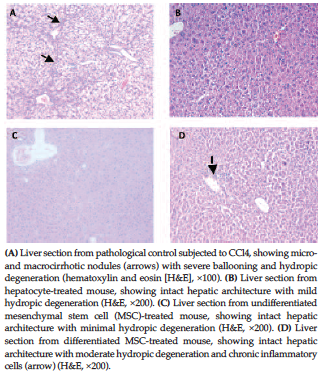
Figure 1. Histopathologic Analysis of Liver Specimens From Different Groups
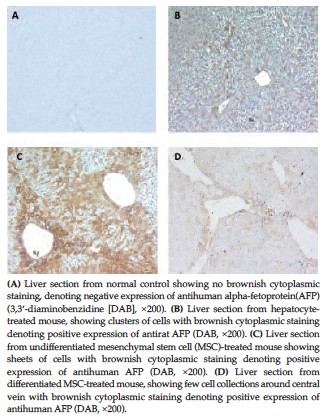
Figure 2. Immunoperoxidase Staining of Liver Specimens From Different Groups Using Anti-Alpha-Fetoprotein Antibody
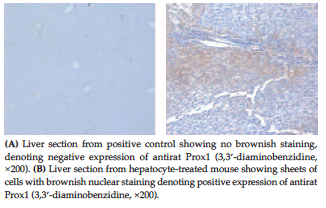
Figure 3. Immunoperoxidase Staining of Liver Specimens From Hepatocyte Treated Group Using Anti-Prox1 Antibody
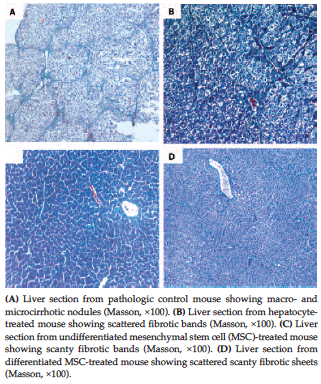
Figure 4. Masson Staining of Liver Specimens From Different Groups
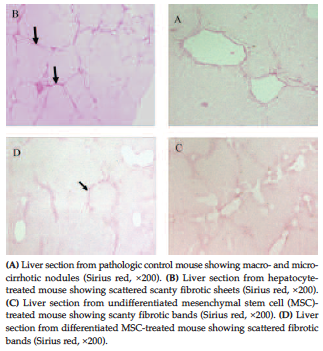
Figure 5. Sirius Red Staining of Liver Specimens From Different Groups
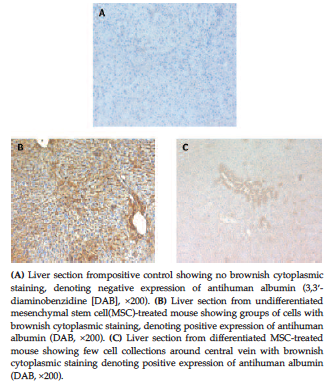
Figure 6. Immunoperoxidase Staining of Liver Specimens From Different Groups Using Anti-Albumin Antibody

Table 1. Mean Values of Aspartate Aminotransferase, Alanine Transaminase, Albumin, and Bilirubin in Sera of Different Groups After Treatment