Volume: 15 Issue: 4 August 2017
FULL TEXT
Objectives: In this study, we evaluated the effects of CXC chemokine receptor type 4 and stromal cell-derived factor 1 signaling in the progression of chronic allograft nephropathy in a rat model.
Materials and Methods: Experimental rats were divided into 3 groups: Lewis-to-Lewis isograft transplant (group A), Fisher 344 rat-to-Lewis allograft transplant with immunosuppressant cyclosporine (group B), and Fisher 344 rat-to-Lewis allograft transplant treated with cyclosporine and the CXC chemokine receptor type 4 antagonist AMD3100 (1 mg/kg/d) (group C). On day 90 after the operation, renal graft function, proteinuria, and histologic Banff score were measured. The expression levels of transforming growth factor β1 and collagen IV were determined by quantitative real-time polymerase chain reaction.
Results: Renal function and urinary protein were increased in allografts of groups B and C compared with isografts of group A. The Banff score was significantly decreased in the AMD3100-treated animals (group C), with renal fibrosis being reduced. In addition, overexpressed levels of transforming growth factor β1 and collagen IV in group B allografts were significantly reduced versus that shown with treatment with the CXC chemokine receptor type 4 antagonist in group C.
Conclusions: Together, these data strongly implicate that CXC chemokine receptor type 4 antagonism alleviated renal interstitial fibrosis in long-term surviving allografts by down-regulating expression of transforming growth factor β1.
Key words : Chronic allograft nephropathy, CXCR4 antagonist, Renal transplantation, Stromal cell-derived factor 1
Introduction
Kidney transplant is the best treatment for patients with end-stage renal failure. The development of chronic allograft nephropathy (CAN) remains a major issue for kidney transplant recipients.1 Therefore, it is necessary to develop interventional strategies to prevent long-term surviving allografts from CAN progression.
The CXC chemokine receptor type 4 (CXCR4) is an alpha-chemokine receptor specific for stromal cell-derived factor 1 (SDF-1); their interaction has a potent chemotactic activity in the trafficking of various bone marrow-derived cells, including lymphocytes, fibrocystoid cells, and CD34-positive stem cells.2 CXCR4 has been shown to be up-regulated in fibrotic renal samples.3 Overexpression of CXCR4 in renal podocytes causes glomerular disease, and blocking CXCR4 improves glomerulonephritis.4 Recent research has shown that CXCR4 antagonism attenuates cardiorenal fibrosis.5 In a unilateral ureteral obstruction rat model, Yuan and associates6 demonstrated that CXCR4 contributes to renal fibrosis via its multiple effectors. Our previous study7 proved that prolonged cold ischemia induced the elevation of leukocyte recruitment associated with the up-regulated expression of the chemokine receptor. Thus, it is worthy to further evaluate the role of the CXCR4/SDF-1 signaling pathway in the progression of chronic allograft disease in rat renal grafts with long cold ischemia.
Fisher 344 rat (F344)-to-Lewis rat kidney transplant was performed, in which cyclosporine was used as the immunosuppressive regimen in this investigation. The CXCR4 antagonist AMD3100 is a drug that is widely used to block the CXCR4 receptor. Accordingly, we investigated the effects of AMD3100 on the development of CAN in a rat model.
Materials and Methods
Animals
Inbred male Lewis rats (RT1) and F344 rats (RT1lvr) weighing 200 to 250 g were
purchased from an experimental animal center (Vital River Laboratory Animal
Technology Co. Ltd., Beijing, China). All animals were maintained under standard
conditions in a specific pathogen-free animal room and were fed standard rodent
chow and water ad libitum. Rat studies were conducted in accordance with the
Guidelines of the Committee on the Care and Use of Laboratory Animals and Good
Laboratory Practice.
Experimental protocol
Orthotopic rat kidney transplant was performed as previously described.7 Donor
kidneys were procured and stored in 4°C Belzer University of Wisconsin solution
for 12 hours until implantation. The renal grafts were implanted into
bilaterally nephrectomized recipients. Renal vessel and ureter anastomoses were
performed end-to-end using 10/0 sutures. The duration of anastomosis was
maintained within 20 minutes. The CXCR4 antagonist AMD3100 (Mozobil, Genzyme
Corporation, Cambridge, MA, USA) and immunosuppressant cyclosporine
(Sigma-Aldrich, San Quentin, CA, USA) were used in the recipient animals.
Rats were randomly divided into the following 3 groups (n = 10). Group A received Lewis-to-Lewis isograft transplant without any treatment, group B received allograft transplant (F344-to-Lewis) with only cyclosporine treatment (10 mg/kg/d), and group C received allograft transplant with cyclosporine and AMD3100 (1 mg/kg/day) until sampling. The animals were killed by exsanguination under general anesthesia on day 90 after transplant. The samples were collected, and graft survival rates were monitored. The renal transplant model was stable, and 50% of rats survived until sampling.
Biochemical analyses
Blood samples were collected, sera were obtained using centrifugation of blood
(3000g for 10 min), and samples were stored at -80°C until assaying. The levels
of serum creatinine, serum urea nitrogen, and urinary protein were measured
using an automatic biochemistry analyzer.
Renal histologic analyses
Kidney grafts were fixed in a 10% formalin solution and embedded with paraffin.
Sections (4 μm thickness) were stained with hematoxylin and eosin or Masson
stain. Pathologists performed the manipulations, and sections were photographed
using a Leica camera (Leica Camera AG, Solms, Germany). The Banff score was
calculated using the quantitative criteria of Banff 09, including the change in
the degree (score 0-3, ranging from mild to severe) of renal glomerular
sclerosis, tubular atrophy, inflammatory infiltration, arteriolar intimal
thickness, and interstitial fibrosis. The total score ranged from 0 to 15.
Values are shown as means ± standard deviation from 5 independent experiments.
Immunohistochemistry assay
Rabbit anti-SDF-1 and CXCR4 (1:200; BD Pharmingen, San Jose, CA, USA) antibodies
were used to detect their expression. The secondary antibody used for
immunostaining was biotin-conjugated antimouse immunoglobulin (1:200; Boster
Biological technology, Wuhan, China). It was used for 30 minutes followed by
horseradish peroxidase-conjugated streptavidin with 3,3′-diaminobenzidine as the
chromogen. The entire process was performed with the use of standard
immunohistochemistry protocols. We analyzed 3,3′-diaminobenzidine staining using
ImageJ software (National Institutes of Health, Bethesda, MD, USA). Ten
representative fields per section were randomly selected by an investigator who
was blinded to the treatment groups. Values were calculated as percentages of
positive cells.
Real-time polymerase chain reaction
Quantitative real-time polymerase chain reaction (PCR) was performed for
transforming growth factor β1 (TGF-β1) and collagen IV mRNA analyses. Kidneys
were surgically removed and homogenized, and RNA was isolated using an RNeasy
mini kit (Qiagen, Shanghai, China). RNA (1 μg) was subsequently transcribed into
cDNA using Iscript (Bio-Rad, Hercules, CA, USA). A 1:10 dilution of this cDNA
was used for quantitative real-time PCR analysis using the iTaq universal SYBR
Green Supermix (Bio-Rad). A Bio-Rad CFX-96 real-time PCR machine was used to
perform the reactions and analyze the cycle time values. The respective cycle
time values were normalized to the Hprt1 coding gene, and values from all
experimental groups were expressed relative to the uninjured kidney or vehicle
control for in vitro studies. Primers for rat TGF-β1 and collagen IV were
purchased from SA Biosciences (Qiagen). The primer sequences for the remaining
genes are as follows: forward 5’-CCTGAGTGGCT GTCTTTTGAC-3’ and reverse
5’-CCTGTATTCCG TCTCCTTGGT-3’ for TGF-β1 (Tgfb1); forward 5’-CGGGTACCCAGGACTCA
TAG-3’ and reverse 5’-GGACCTGCTTCACCCTTTTC-3’ for collagen IV; and forward
5’-CTGGTGCTGAGTATGTCGTG-3’ and reverse 5’-CAG TCTTCTGA GTGGCAGTG-3’ for GAPDH
(Gapdh). The ratios of the TGF-β1 and collagen IV band intensities to the GAPDH
band intensity were used to evaluate relative mRNA expression.
Statistical analyses
Data are expressed as means ± standard deviation. Comparisons between treatment
groups were analyzed using one-way analysis of variance followed by a post hoc
Student Newman-Keuls test using GraphPad Prism 5.0 software (GraphPad, La Jolla,
CA, USA). Significance was analyzed using the log-rank test with SPSS software
(SPSS: an IBM Company, version 17.0, IBM Corporation, Armonk, NY, USA). P < .05
was considered to be statistically significant.
Results
Characteristics and graft function in study animals
Characteristics of the transplant groups are shown in Table 1. There were no
differences in body weight, graft weight, and warm ischemia time between all
groups. Renal function and urinary protein were increased in groups B and C
compared with group A, but there were no significant differences between groups
B and C (Table 1).
Survival rates and histologic assessment
The 90-day survival rate was somewhat higher in group C; however, differences
were not significant among the 3 groups. Pathologic changes in grafts stained
with hematoxylin and eosin and Masson were scored according to Banff 09
standard. The mean score of group B was higher than in group A, which was
significantly reduced by treatment with the CXCR4 antagonist in group B (Figure
1).
Expression of profibrotic genes and CXCR4/SDF-1 axis
Transforming growth factor β1 was overexpressed in group B compared with group
A, and treatment with the CXCR4 antagonist in group C attenuated the mRNA
expression of TGF-β1 in the allografts. The mRNA expression of collagen IV was
also significantly increased in group B compared with group A, an effect that
was suppressed by treatment with the CXCR4 antagonist in group C (Figure 2).
Renal allografts showed a significant increase in SDF-1 and CXCR4 staining in
groups B and C compared with isografts in group A. We also observed that CXCR4
was significantly decreased in group C versus group B (Figure 3), although no
apparent differences in SDF-1 expression were seen between group B and group C.
Discussion
Over the long term, kidney transplant patients gradually develop CAN, which leads to graft loss. Chronic allograft nephropathy is pathologically characterized by glomerulosclerosis, tubular atrophy, and interstitial fibrosis (IF/TA). The mechanism of CAN is complex and involves multiple factors such as ischemia/reperfusion injury and acute and chronic inflammatory responses. Episodes of chronic interstitial lymphocyte infiltration contribute to the progression of IF/TA.
The chemoattracting axis of CXCR4/SDF-1 plays an important role in kidney disease, such as nephritis5 and glomerulonephritis4 via lymphocyte recruitment and subsequent podocyte proliferation. The chemokine receptor CXCR4 has been shown to be overexpressed in IF/TA samples compared with normal kidneys.3 The development of IF/TA was the cumulative result of time-dependent chronic injuries, in which mononuclear cells infiltrate into ischemic tissue via this chemokine axis,8,9 resulting in permanent damage and loss of nephrons.10 The persistent expression of the CXCR4/SDF-1 axis10 in long-term surviving grafts induced the profibrotic cytokine TGF-β1 and fibrotic protein collagen IV, promoting the development and progression of IF/TA. Inhibition of TGF-β in rats resulted in marked improvement of renal fibrosis.11 Consistent with that finding, our results showed that continued treatment with the CXCR4 antagonist inhibited the expression of profibrotic and fibrotic genes and attenuated renal fibrosis.
There is a different effect of SDF-1 expression on renal grafts, based on the degree of kidney damage and the expression level of the CXCR4/SDF-1 axis. In a slightly damaged kidney, the CXCR4/SDF-1 signal facilitates the repair effect of CD34-positive stem cells and preserves microvascular integrity.12 In allografts with severe ischemia/reperfusion-induced injury, the high expression of CXCR4/SDF-1 axis can overcome the repair effect and accelerate the chronic inflammatory process by chemoattracting mononuclear cells.13 This finding also explains the discrepancy in the role of the CXCR4/SDF-1 pathway in the ischemic kidney. Chen and associates showed that augmentation of this pathway attenuated the progression of chronic renal disease in a rat nephrectomy model,12 whereas Gao and associates proved that down-regulated expression of SDF-1 provided a protective effect of allografts in a renal transplant model.10 As we have demonstrated, the CXCR4/SDF-1 axis is up-regulated in allografts, leading to renal fibrosis. This may be because the CXCR4/SDF-1 axis is expressed in multiple immune cells, which could trigger several signaling pathways. To further resolve this discordance, more detailed insights into the molecular mechanisms are essential.
In summary, these data show that CXCR4 antagonism is partially effective in delaying renal fibrosis in long-term surviving allografts. The effect is associated with dampened expression of the profibrotic gene.
References:
- Shrestha BM, Haylor J. Biological pathways and potential targets for prevention and therapy of chronic allograft nephropathy. Biomed Res Int. 2014;2014:482438. Epub 2014 May 27. doi: 10.1155/2014/482438.
CrossRef - PubMed - Charo IF, Ransohoff RM. The many roles of chemokines and chemokine receptors in inflammation. N Engl J Med. 2006;354(6):610-621.
CrossRef - PubMed - Maluf DG, Mas VR, Archer KJ, et al. Molecular pathways involved in loss of kidney graft function with tubular atrophy and interstitial fibrosis. Mol Med. 2008;14(5-6):276-285.
CrossRef - PubMed - Ding M, Cui S, Li C, et al. Loss of the tumor suppressor Vhlh leads to upregulation of Cxcr4 and rapidly progressive glomerulonephritis in mice. Nat Med. 2006;12(9):1081-1087.
CrossRef - PubMed - Chu PY, Zatta A, Kiriazis H, et al. CXCR4 antagonism attenuates the cardiorenal consequences of mineralocorticoid excess. Circ Heart Fail. 2011;4(5):651-658.
CrossRef - PubMed - Yuan A, Lee Y, Choi U, Moeckel G, Karihaloo A. Chemokine receptor Cxcr4 contributes to kidney fibrosis via multiple effectors. Am J Physiol Renal Physiol. 2015;308(5):F459-472.
CrossRef - PubMed - Zou XF, Song B, Duan JH, Hu ZD, Cui ZL, Gu C. Prolonged ischemia elicits acute allograft rejection involved in CXCR3 activation in rat kidney transplants. Transpl Immunol. 2015;33(2):103-109.
CrossRef - PubMed - Libby P, Pober JS. Chronic rejection. Immunity. 2001;14(4):387-397.
CrossRef - PubMed - Libby P, Zhao DX. Allograft arteriosclerosis and immune-driven angiogenesis. Circulation. 2003;107(9):1237-1239.
CrossRef - PubMed - Gao C, Huan J. SDF-1 plays a key role in chronic allograft nephropathy in rats. Transplant Proc. 2008;40(5):1674-1678.
CrossRef - PubMed - Pribylova-Hribova P, Kotsch K, Lodererova A, et al. TGF-beta1 mRNA upregulation influences chronic renal allograft dysfunction. Kidney Int. 2006;69(10):1872-1879.
CrossRef - PubMed - Chen LH, Advani SL, Thai K, et al. SDF-1/CXCR4 signaling preserves microvascular integrity and renal function in chronic kidney disease. PLoS One. 2014;9(3):e92227.
CrossRef - PubMed - Masuda Y, Shimizu A, Mori T, et al. Vascular endothelial growth factor enhances glomerular capillary repair and accelerates resolution of experimentally induced glomerulonephritis. Am J Pathol. 2001;159(2):599-608.
CrossRef - PubMed
Volume : 15
Issue : 4
Pages : 448 - 452
DOI : 10.6002/ect.2016.0071
From the 1Department of General Surgery and the 2Department of Organ
Transplantation, Tianjin First Central Hospital, Tianjin 300192, China; and the
3Traditional Chinese Medicine Library, Tianjin University, Tianjin 300192, China
Acknowledgements: This work was supported by a grant from the Tianjin Municipal
Science and Technology Commission (12JCYBJC33200). The authors have no conflicts
of interest to declare. X.-F. Zou conceived and designed the experiments; Y.-W.
Lu, Z.-L. Cui, and X.-F. Zou performed the experiments; J.-H. Gu and C. Gu
analyzed and interpreted the data; and X.-F. Zou wrote the paper.
Corresponding author: Xun-feng Zou, Department of General Surgery, Tianjin First
Central Hospital, Fu-kang Rd 24, Tianjin 300192, China
Phone: +86 022 23626537
E-mail: zouxunfeng223@sina.com
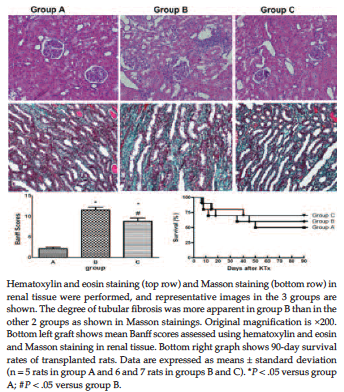
Figure 1. Renal Histopathology and 90-Day Survival Rates
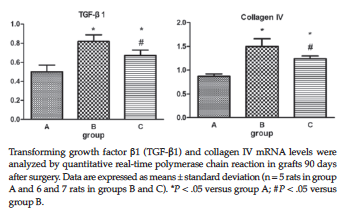
Figure 2. Expression Levels of the Profibrotic and Fibrotic Markers
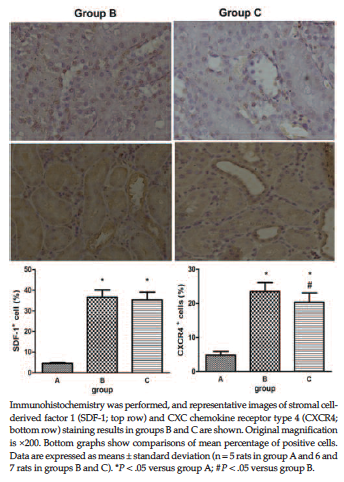
Figure 3. CXC Chemokine Receptor Type 4 and Stromal Cell-Derived Factor 1 Protein Expression in Renal Tubules

Table 1. Operational Parameters and Renal Function of Grafted Rats