Volume: 15 Issue: 4 August 2017
FULL TEXT
Objectives: There are no reports of de novo donor-specific antibody monitoring by a low-cost solid-phase crossmatch assay using donor lysate after renal transplant.
Materials and Methods: We prospectively evaluated 121 complement-dependant cytotoxicity crossmatch-negative living-donor kidney transplant recipients for development of de novo donor-specific antibodies (class I and II HLA) by solid-phase crossmatch Luminex assay after transplant.
Results: Of 121 recipients in our study group, 26 (21.5%) developed de novo donor-specific antibody within 3 months after transplant. Fifteen (58%) of these 26 recipients developed class II de novo donor-specific antibody, 8 patients (30%) developed class I, and 3 (12%) developed both class I and class II. Of the remaining 95 patients (79%) who did not develop de novo donor-specific antibody, 6 (33.3%) had antibody-mediated rejection with glomerulitis (2 with C4d-positive disease). Donor-specific antibody was detected by Luminex solid-phase crossmatch in 18 patients (5 with class I, 11 with class II, and 2 with both class I and II), all with no evidence of clinical rejection. Development of de novo donor-specific antibody detected by solid-phase crossmatch was associated with more acute rejection (31% in de novo donor-specific antibody-positive group versus 19% in the negative group). The positive group had more antibody-mediated rejection (75% of acute rejections), whereas only 33.3% of acute rejections in the negative group were antibody-mediated rejection. Of 12 patients with antibody-mediated rejection, 9 were C4d negative (75%) and were diagnosed by donor-specific antibody positivity detected by solid-phase crossmatch testing and histologic findings. The use of donor lysate in solid-phase crossmatch assays is more economical than the single-antigen bead Luminex assay (per test cost of US $45.20 vs $403.20).
Conclusions: Solid-phase crossmatch testing using donor lysate on a Luminex platform is less expensive and can be used for posttransplant donor-specific monitoring and for diagnosis of antibody-mediated rejection.
Key words : Acute transplant rejection, Antibody-mediated rejection, Sensitivity and specificity, Single antigen bead assay, T-cell mediated rejection
Introduction
Development of donor-specific antibodies (DSA) before or after transplant is indicative of sensitization against the donor and could have an adverse effect on graft survival due to immunologically mediated acute or chronic allograft failure. Anti-HLA DSAs are directed against donor class I and class II major histocompatibility (MHC) complexes. Class I molecules are found on all nucleated cells in the body. Class II MHC expression is observed predominantly on antigen-presenting cells and activated endothelial cells.1 Risk factors for the development of anti-HLA antibodies include multiple transfusions of blood products, previous organ transplant, and multiple pregnancies.2,3 The detection of anti-HLA DSAs in recipients is an important part of the pretransplant evaluation. Anti-HLA DSA screening is used to detect presence or absence of anti-HLA sensitization.4,5 Anti-HLA DSAs can be detected using traditional cell-based techniques like complement-dependent cytotoxicity (CDC) or solid-phase assays.6
Solid-phase assays can be performed with soluble or recombinant HLA antigens bound on dependent microbeads (Luminex multiplex platform; Luminex, Austin, TX, USA).7,8 The advantage of this technique is that it is more sensitive and specific than CDC crossmatch. These assays can detect anti-HLA antibodies below the threshold for a positive CDC crossmatch. This level of sensitivity sometimes makes interpretation difficult because the clinical significance of some of these antibodies that are detected by the single-antigen bead (SAB) technique at low levels remains unclear.9
Various markers for rejection and tolerance have been described.10,11 Detection of de novo DSA by Luminex constitutes an appropriate biomarker to recognize recipients with increased risk of antibody-mediated rejection (ABMR) during the posttransplant period.12,13 When ABMR occurs, outcomes could be predicted by monitoring the DSA level.14,15 Luminex assays for DSA could be used not only for pretransplant rejection risk prediction but also for posttransplant monitoring for development of de novo DSA in solid-organ transplant recipients.16,17
Materials and Methods
This was a prospective study in which 121 living-donor kidney transplant recipients were evaluated posttransplant for development of de novo DSAs against class I and class II HLA antigens by solid-phase crossmatch (SPC) Luminex assay using donor lysate (Lifecodes DSA kit, Immucor, Norcross, GA, USA). All recipients were CDC crossmatch negative at room, warm, and cold temperatures at the time of kidney transplant. Eighty-seven recipients (72%) were given induction with either basiliximab (n = 62) or antithymocyte globulin (n = 25) at the time of kidney transplant.
Separation of peripheral blood lymphocytes from donor’s heparinized blood (3 mL) was done by gently mixing and diluting blood with 3 mL of phosphate-buffered saline (PBS) to make a total volume of 6 mL. Lymphocyte separation medium (3 mL; density of 1.077) was loaded into 15-mL tubes and then overlaid gently with 5 mL of diluted heparinized blood and centrifuged at 2000 revolutions/min for 30 minutes. The buffy coat was carefully pipetted from the plasma-lymphocyte separation medium interface and transferred to another tube. The cells were resuspended in about 4 mL of PBS, mixed gently with a Pasteur pipette, and centrifuged at 1000 revolutions/min for 10 minutes. The supernatant was discarded, and the washing steps were repeated. After the buffy coat was washed twice, the lymphocytes were suspended in 200 to 300 µL of PBS and counted to attain a cell concentration of 2 × 10⁶/μL. The viability was checked by adding 1% trypan blue. These cells were used for CDC crossmatch and for preparation of lysate using lysis buffer for SPC DSA screening on Luminex.
Complement-dependent cytotoxicity crossmatch
Lymphocytes isolated from the donor were incubated with prospective recipient
serum in the presence of rabbit complement to detect CDC antibody.2 We added 1
μL of recipient serum to each well of a Terasaki tray. This was followed by
addition of 1 μL of negative control and 1 μL of positive control. One
microliter of donor cells at a concentration of 2 × 10⁶/μL was added to each
well (with well containing positive control to be dispensed last). The tray was
incubated at 22°C for 30 minutes. Rabbit complement (5 μL) was added to each of
the wells and incubated at 22°C for 60 minutes. After incubation, 5 μL of 4%
eosin dye was added. After 5 minutes, 5 μL of formalin saline was added to fix
the reaction. The plate was read using an inverted phase-contrast microscope
with an ultraviolet light source after 30 minutes. The percentage of dead cells
in each well was noted and scored according to the International
Histocompatibility Workshop scoring system as follows: 0% to 10% cell death was
interpreted as negative, 11% to 20% interpreted as doubtful positive, 21% to 50%
interpreted as weakly positive, 51% to 80% interpreted as positive, and 81% to
100% interpreted as strong positive. Lysis of recipient cells when incubated
with recipient serum indicated presence of autoantibodies.
Solid-phase crossmatch assay for detecting de novo donor-specific antibodies
using donor lysate on Luminex platform
Peripheral blood leukocytes, platelets, spleen cells, and/or lymph node cells
can all be used as donor source material in this assay. Solubilized HLA proteins
were obtained from donor source material after isolated cells were exposed to a
lysing detergent. Cell fragments were removed by centrifugation, with lysate
then available for immediate use or stored for future testing. Capture beads
coated with monoclonal antibodies specific for either class I HLA or class II
HLA antigens allow the user laboratory to create a solid-phase surface (beads)
for specifically capturing donor MHC proteins. Once the beads were coated with
donor-derived antigens, nonbound proteins in the donor lysate were removed by
thorough washing. Beads coated with donor MHC (class I or class II) antigens
could then be used to probe patient sera for the presence or absence of
donor-specific alloantibodies. Because the beads capturing MHC class I proteins
can be separated from the beads capturing MHC class II proteins (each has an
intrinsic fluorescence address that the Luminex assay can readily track), MHC
class specificity can also be easily determined in addition to donor
specificity. This assay system for DSA is a solid-phase testing system
simulating a crossmatch (involving donor cell material and recipient serum
incubation steps) using Luminex technology.
A series of control beads, which are fluorescence separable by the Luminex assay, was used (1) to determine the amount of nonspecific immunoglobulin G binding to the solid matrix beads and (2) to determine that the appropriate secondary antibody was used during each assay. The test kit contained 2 different secondary antibodies: one that binds to human immunoglobulin G and a second used in conjunction with a blend of class-specific monoclonal antibodies. The latter are used to determine (1) the amount of donor MHC class I proteins bound to the class I capture beads and (2) the amount of donor MHC class II proteins bound to the class II capture beads. For preparing lysate, isolated donor lymphocytes were washed with minimal culture medium 2 to 3 times; 100 μL of diluted lysis buffer were added to the pellet. The pellet was vortexed to lyse cells, lysate and bead mix were prepared, and incubation was started for 30 minutes on a shaker at 300 revolutions/min in the dark. After incubation, wash buffer (42 μL/well) was added to the bead-lysate mixture. A filter plate well was prepared, and 55 μL of the above mixture were added to each well of the filter plate along with wash buffer to each well. The plates were mixed, washed 3 times by addition of 250 μL/well of wash buffer, and then aspirated with vacuum manifold. Diluted lysate control reagent was added along with 38 μL/well of diluted specimen, 12 μL/well of patient serum, 12 μL of positive controls to positive control wells, and 12 μL negative controls to negative control wells. After incubation, additional washes, mixing, and aspiration steps, 50 μL of diluted streptavidin phycoerythrin were added to the lysate control reagent wells, with 50 μL of diluted conjugate added to all other wells. Trays were ready for Luminex assays after incubation and additional washes.18
Donor-specific antibody single antigen bead assay on Luminex platform
Patient serum samples were incubated with single HLA class I and class II
antigen beads. The sensitized beads were washed to remove unbound antibody. An
antihuman immunoglobulin G antibody conjugated to phycoerythrin was then added
for incubation, and the test sample was then diluted and analyzed on the Luminex
instrument. The signal intensity from each bead was compared with the signal
intensity of negative control sera and negative control beads included in the
bead mixture to determine whether the serum sample was positive or negative for
bound anti-HLA alloantibody.
Results
Twenty-six recipients (21.5%) of 121 patients in our study group developed de novo DSA within 1 to 3 months after transplant (Table 1). Of these 26 patients, 11 recipients received basiliximab, 9 received antithymocyte globulin induction, and 6 received no induction at the time of transplant. Fifteen recipients (58%) of the 26 de novo DSA-positive recipients developed class II DSA positivity, 8 (30%) developed class I DSA positivity, and 3 (12%) developed both class I and class II DSA positivity after transplant. In the de novo DSA-positive group, 8 recipients (30.7%) developed acute rejection, with 6 (75%) of these patients having evidence of ABMR with glomerulitis (5 C4d-negative, 1 C4d-positive) and 2 patients (25%) with T-cell-mediated acute rejection. All episodes of acute rejection responded to treatment. More acute rejection episodes were antibody mediated in the de novo DSA-positive group (P < .05) than in the de novo DSA-negative group. Of the 95/121 patients (79%) who did not develop de novo DSA, 51 received basiliximab and 16 received antithymocyte globulin induction. In the DSA-negative group (n = 95), 18 recipients (19%) developed acute rejection versus 30.7% of recipients who developed acute rejection in the de novo DSA-positive group. In addition, 6/18 recipients (33.3%) who were de novo DSA negative but developed acute rejection had ABMR with glomerulitis (2 were C4d-positive) and the remaining 12 (66.5%) had T-cell-mediated acute rejection. Episodes of acute rejection in recipients in the de novo DSA negative group were also responsive to treatment. Statistical analyses are shown in Table 1.
Patients who developed de novo DSA had significantly more episodes of ABMR than patients without de novo DSA (P = .01). In the 26 DSA-positive sera samples, SAB and SPC assay results on Luminex platforms were compared with each other. Only 21 of the 26 SPC-positive sera showed de novo DSA positivity by SAB. Both SPC and SAB assays showed good correlation for detecting de novo DSA and acute rejection episodes. Five serum samples positive by SPC assay were negative by SAB assay, with 1 of these 5 cases developing ABMR that could be due to non-HLA antibodies; the other 4 cases (without acute rejection ) could be due to nonspecific positivity. Pearson correlation between these 2 assay methods for detection of de novo DSA and acute rejection episodes showed P = .044 for acute rejection, P = .01 for ABMR, and P = .004 for T-cell-mediated acute rejection. Table 2 shows positivity by class using both assays, acute rejection episodes, T-cell-mediated rejection, and ABMR episodes.
Discussion
Donor-specific antibodies are considered contraindications for renal transplant if indicated by CDC crossmatching. In the late 1960s, CDC crossmatch was developed by Terasaki2 as a standard technique for DSA testing by complement-dependent lymphocytotoxicity crossmatch. The DSAs bind complement and trigger complement activation by a classical pathway that leads to lysis of donor cells and damage to the allografted organ. Complement-dependent lymphocytotoxicity crossmatch can fail to indicate noncomplement-fixing DSA and has lower sensitivity than other tests used to detect DSAs. Complement-dependent cytotoxicity and flow cytometry-based crossmatching assays require fresh donor cells of good quality and viability for each test. There are 2 different types of Luminex-based tests available: the SAB assay and the lysate-based SPC assay, with each assay depending on the source of the molecules coated on the color-coded microspheres. The SAB assay uses beads that are coated with recombinant HLA antigen molecules. Luminex lysate crossmatch (SPC) uses beads coated with antihuman class I and class II HLA antibodies, which capture and isolate HLA molecules from donor lysate (detergent extracted HLA molecules from donor lysate). The SPC assay allows a crossmatch using donor lysate that is easier to preserve than living cells for posttransplant DSA monitoring. The SAB assay allows the specificity of DSA to be defined in a recipient (a virtual crossmatch) by predicting the donor-specific anti-HLA reactivity with high degree of sensitivity. Both of these Luminex-based tests have advantages and disadvantages. For SAB, it is not necessary to store any donor material; however, one needs to do complete HLA typing of donor, including Cw, DQ, and DP typing as well as A, B, and DR typing. This adds significantly to the cost of the SAB assay (in addition, this kit itself is more expensive). The lysate SPC test simulates a crossmatch that involves actual interaction between donor lysate and recipient serum. Theoretically, DSAs directed against any HLA locus should be detected by lysate SPC, without need to do donor HLA typing. Lysate-based crossmatch tests capture natural human antigen and are much less expensive than the SAB assay. In the present study, lysate SPC was used prospectively in a group of living-donor renal transplant recipients for monitoring of development of de novo DSAs.
All of the patients were monitored for development of de novo DSA by lysate-based SPC at 1 to 3 months after transplant and whenever an acute rejection episode was suspected. Various methods used for DSA detection have inherent strengths and limitations; no one test is intended to function in isolation as the single predictor of transplant immunologic risk.15,19 Antibody screening for HLA antibody alone may miss clinically relevant non-HLA antibodies; therefore, cellular-based assays may have a role, as do other novel solid-phase methods. Crossmatch results can identify DSAs, but their correct interpretation for immunologic risk estimate is most predictive of relevant outcomes, when solid-phase assay tests for antibody screening are also concurrently done.20 The complete risk estimate of any donor-recipient pair should also consider the HLA typing and antibody screening methods used for antibody detection.21-23
Sensitive and specific screening for HLA and non-HLA antibodies and accurate crossmatching methodologies should be used to describe immunologic risk profiling of the recipient-donor pair.24 A low level of DSAs may identify patients who would require either more aggressive immunosuppression or closer follow-up. Solid-phase testing for DSA defines the immunologic relevance of cell-based assays in clinical practice and estimates rejection risk, which continues to evolve posttransplant.25,26 Patients who develop de novo DSA can have reduced graft survival. Pretransplant DSAs increase the risk for development of ABMR within 1 year after transplant.27
In the present study, there were more acute rejection episodes that were antibody mediated in association with development of new-onset DSA (with C4d deposition and histologic changes indicative of acute or chronic antibody-mediated vascular injury).28,29 The patient group who were DSA negative also had acute ABMR episodes but at lower numbers than in the DSA-positive group. The SPC assay by Luminex can be used for posttransplant DSA monitoring and is more economical, although there are reports that SPC may have limitations for detection of HLA-DP/DQ antibodies. In our laboratory, lysate-based SPC DSA could detect cases of anti-HLA-DP/DQ antibodies. The use of donor lysate in SPC assays is more economical then the SAB Luminex assay (per test cost of US $45.20 vs $403.20).
The SPC assay performed with donor lysate on Luminex platform could be useful for posttransplant de novo DSA monitoring and ABMR diagnoses and thus could serve as an estimate and indicator for diagnosis of rejection episodes (Table 2). Development of de novo DSA, as detected by SPC, was associated with significantly increased episodes of ABMR in our study (P = .01). However, DSA assay by SAB testing and negative C4d staining in renal allograft biopsy (presence of vascular injury on histology) have been the criterion standard for the diagnosis of ABMR in Banff classification.30,31
The significance of antibodies detected by various solid-phase assays in relation to posttransplant outcomes requires further prospective evaluation. The technique most appropriate to predict the posttransplant outcome is thus far not clear. Our present study showed association between the development of de novo DSA by lysate-based SPC and acute rejection episodes. The cost of both tests analyzed here, their sensitivity, and their specificity are important considerations before choosing an assay system for de novo DSA testing after transplant. Our comparison of the SAB assay on Luminex platform and the lysate SPC crossmatch test shows that their interassay variabilities are similar, with similar capture efficiency. However, the SAB assay has shown higher sensitivity than the lysate-based SPC assay.32
Conclusions
Development of de novo DSA was associated with more acute rejection episodes (31% in the de novo DSA-positive group vs 19% in the de novo DSA-negative group). Patients positive for de novo DSA had more ABMR (75% of acute rejections), whereas 33.3% of acute rejections in patients without de novo DSA had ABMR. Donor-specific antibodies detected by Luminex SPC developed in 18 patients (5 having class I, 11 having class II, and 2 having both class I and II) without any evidence of clinical rejection. These patients would need to be followed to assess the long-term significance of development of DSAs on graft outcome. Positivity for DSAs is associated with C4d deposition and histologic changes in the renal allograft, indicators of acute or chronic ABMR. The significance of de novo DSA development alone without evidence of clinical acute rejection also needs further evaluation through long-term follow-up of these patients. The SPC assay showed good correlation with the SAB assay for detection of de novo DSA. The SPC assay can be used both for posttransplant monitoring and for diagnosis of ABMR. Through detection of de novo DSA, the SPC assay can be used as a biomarker for rejection.
The early detection and the identification of anti-HLA DSAs with a sensitive solid-phase platform allow for better diagnosis of ABMR or mixed forms of allograft rejection in renal transplant, especially in cases with inconclusive histopathology. The routine monitoring of DSA in the posttransplant setting is a predictor of progression to chronic ABMR independent of status of C4d staining of renal allograft.
References:
- Taflin C, Charron D, Glotz D, Mooney N. Immunological function of the endothelial cell within the setting of organ transplantation. Immunol Lett. 2011;139(1-2):1-6.
CrossRef - PubMed - Terasaki PI. Humoral theory of transplantation. Am J Transplant. 2003;3(6):665-673.
CrossRef - PubMed - Zachary AA, Montgomery RA, Jordan SC, Reinsmoen NL, Claas FH, Reed EF. 14th International HLA and Immunogenetics Workshop: report on understanding antibodies in transplantation. Tissue Antigens. 2007;69 Suppl 1:160-173.
CrossRef - PubMed - Mulley WR, Kanellis J. Understanding crossmatch testing in organ transplantation: A case-based guide for the general nephrologist. Nephrology (Carlton). 2011;16(2):125-133.
CrossRef - PubMed - Jackson AM, Zachary AA. The problem of transplanting the sensitized patient: whose problem is it? Front Biosci. 2008;13:1396-1412.
CrossRef - PubMed - Kumbala D, Zhang R. Essential concept of transplant immunology for clinical practice. World J Transplant. 2013;3(4):113-118.
PubMed - Roelen DL, Doxiadis, II, Claas FH. Detection and clinical relevance of donor specific HLA antibodies: a matter of debate. Transpl Int. 2012;25(6):604-610.
CrossRef - PubMed - Haarberg KM, Tambur AR. Detection of donor-specific antibodies in kidney transplantation. Br Med Bull. 2014;110(1):23-34.
CrossRef - PubMed - Mizutani K, Terasaki P, Hamdani E, et al. The importance of anti-HLA-specific antibody strength in monitoring kidney transplant patients. Am J Transplant. 2007;7(4):1027-1031.
CrossRef - PubMed - Salvadori M, Bertoni E. Impact of donor-specific antibodies on the outcomes of kidney graft: Pathophysiology, clinical, therapy. World J Transplant. 2014;4(1):1-17.
CrossRef - PubMed - Everly MJ, Rebellato LM, Ozawa M, et al. Beyond histology: lowering human leukocyte antigen antibody to improve renal allograft survival in acute rejection. Transplantation. 2010;89(8):962-967.
CrossRef - PubMed - Puttarajappa C, Shapiro R, Tan HP. Antibody-mediated rejection in kidney transplantation: a review. J Transplant. 2012;2012:193724.
CrossRef - PubMed - Tait BD, Hudson F, Brewin G, Cantwell L, Holdsworth R. Solid phase HLA antibody detection technology--challenges in interpretation. Tissue Antigens. 2010;76(2):87-95.
CrossRef - PubMed - Everly MJ, Everly JJ, Arend LJ, et al. Reducing de novo donor-specific antibody levels during acute rejection diminishes renal allograft loss. Am J Transplant. 2009;9(5):1063-1071.
CrossRef - PubMed - Reed EF, Rao P, Zhang Z, et al. Comprehensive assessment and standardization of solid phase multiplex-bead arrays for the detection of antibodies to HLA. Am J Transplant. 2013;13(7):1859-1870.
CrossRef - PubMed - Zachary AA, Lucas DP, Detrick B, Leffell MS. Naturally occurring interference in Luminex assays for HLA-specific antibodies: characteristics and resolution. Hum Immunol. 2009;70(7):496-501.
CrossRef - PubMed - Waterboer T, Sehr P, Pawlita M. Suppression of non-specific binding in serological Luminex assays. J Immunol Methods. 2006;309(1-2):200-204.
CrossRef - PubMed - Adams P, DiPaola N. A donor-specific solid-phase immunoassay for the detection of anti-MHC class I and class II alloantibodies using XMapTM (LuminexTM) technology. ASHI Laboratory Manual, 4.2 ed. American Society of Histocompatibility and Immunogenetics, 2007, VI.B.5.1:1-6.
- Colombo MB, Haworth SE, Poli F, et al. Luminex technology for anti-HLA antibody screening: evaluation of performance and of impact on laboratory routine. Cytometry B Clin Cytom. 2007;72(6):465-471.
CrossRef - PubMed - Aubert V, Venetz JP, Pantaleo G, Pascual M. Low levels of human leukocyte antigen donor-specific antibodies detected by solid phase assay before transplantation are frequently clinically irrelevant. Hum Immunol. 2009;70(8):580-583.
CrossRef - PubMed - Moszkowska G, Zielinska H, Zielinski M, et al. Identification of patients with increased immunological risk among potential kidney recipients in the Polish population. Hum Immunol. 2014;75(7):650-655.
CrossRef - PubMed - Tinckam K. Histocompatibility methods. Transplant Rev (Orlando). 2009;23(2):80-93.
CrossRef - PubMed - Seon YK, Bok YH, Jungwon H, Shin YJ, Eun YS, Myoung HP. Evaluation of flow cytometric crossmatch results in comparison with donor-specific antibodies detected by Luminex-PRA tests in organ transplantation patients. J Korean Soc Transplant. 2012;26(2):92-100.
CrossRef - PubMed - Terasaki PI, Ozawa M. Predicting kidney graft failure by HLA antibodies: a prospective trial. Am J Transplant. 2004;4(3):438-443.
CrossRef - PubMed - Pietroni V, Toscano A, Citterio F. Donor-specific antibody in solid organ transplantation: Where are we? Int Trends Immun. 2013;1(4):5-7.
- Schnaidt M, Weinstock C, Jurisic M, Schmid-Horch B, Ender A, Wernet D. HLA antibody specification using single-antigen beads--a technical solution for the prozone effect. Transplantation. 2011;92(5):510-515.
CrossRef - PubMed - Susal C, Dohler B, Opelz G. Presensitized kidney graft recipients with HLA class I and II antibodies are at increased risk for graft failure: a Collaborative Transplant Study report. Hum Immunol. 2009;70(8):569-573.
CrossRef - PubMed - Gebel HM, Bray RA, Nickerson P. Pre-transplant assessment of donor-reactive, HLA-specific antibodies in renal transplantation: contraindication vs. risk. Am J Transplant. 2003;3(12):1488-1500.
CrossRef - PubMed - Singh N, Djamali A, Lorentzen D, et al. Pretransplant donor-specific antibodies detected by single-antigen bead flow cytometry are associated with inferior kidney transplant outcomes. Transplantation. 2010;90(10):1079-1084.
CrossRef - PubMed - Haas M, Sis B, Racusen LC, et al. Banff 2013 meeting report: inclusion of c4d-negative antibody-mediated rejection and antibody-associated arterial lesions. Am J Transplant. 2014;14(2):272-283.
CrossRef - PubMed - Mehrotra S, Sharma RK, Prasad N, et al. The importance of donor-specific anti-HLA antibodies (DSA) identification in renal transplant patients with C4d-negative biopsies. Indian J Transplant. 2015;10:15-21.
CrossRef - Caro-Oleas JL, Gonzalez-Escribano MF, Toro-Llamas S, et al. Donor-specific antibody detection: comparison of single antigen assay and Luminex crossmatches. Tissue Antigens. 2010;76(5):398-403.
CrossRef - PubMed
Volume : 15
Issue : 4
Pages : 394 - 399
DOI : 10.6002/ect.2016.0178
From the Department of Nephrology, Sanjay Gandhi Post Graduate Institute of
Medical Sciences, Lucknow, India
Acknowledgements: This work was supported by grants from Intramural Research
funds from the Sanjay Gandhi Post Graduate Institute of Medical Science,
Lucknow, and Biocon. The authors have no conflicts of interest to declare.
Corresponding author: Raj Kumar Sharma, Department of Nephrology, Sanjay Gandhi
Post Graduate Institute of Medical Sciences, Lucknow, India 226014
Phone: +91 9415026762
E-mail: rksharma@sgpgi.ac.in
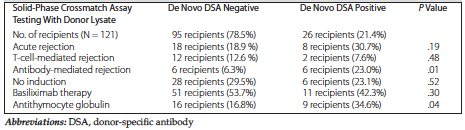
Table 1. Characteristics of the Study Population
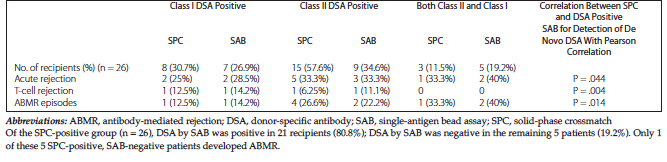
Table 2. De Novo Donor-Specific Anti-HLA Antibodies in 26 Recipients With Solid-Phase Crossmatch-Positive Serum