Volume: 15 Issue: 2 April 2017
FULL TEXT
Objectives: Adaptation of BK polyomavirus with infected host cells may cause rearrangement of the noncoding control region of viral genomic DNA. Archetype, the prearranged transmissible form of the virus, actively replicates in the tubular epithelial cells, whereas isolates with rearranged noncoding control region sequences are found in other parts of the kidney. Clinical observations highlighted the importance of the noncoding control region rearrangements in BK virus-associated nephropathy. Therefore, we evaluated the sequence pattern of the noncoding control region in kidney transplant patients suspected of having BK virus-associated nephropathy.
Materials and Methods: In this single-center, cross-sectional study, 129 kidney transplant patients suspected of having BK virus-associated nephropathy and who were admitted to Namazi Hospital were enrolled for analysis between years 2010 and 2013. Blood samples were collected from each patient. The BK polyomavirus infection was diagnosed using quantitative real-time polymerase chain reaction. The BK polyomavirus-infected patient plasma samples were amplified using in-house nested polymerase chain reaction and sequenced. The contiguous alignment noncoding control region sequences were analyzed with software.
Results: The BK polyomavirus infection was observed in plasma samples of 11 of 129 (8.5%) patients after kidney transplant. Sequence alignments showed that BK polyomavirus noncoding control region sequences in all viral infected patients with BK virus-associated nephropathy showed a complete rearranged algorithm compared with the archetype sequences. The most prevalent noncoding control region sequences were registered in a genetic sequence database (National Institutes of Health). No association was observed between risk factors and BK polyomavirus infection. There were 3 BK polyomavirus-infected patients who simultaneously had active cytomegalovirus infection.
Conclusions: Determination of the rearranged pattern of the noncoding control region sequences in BK polyomavirus isolates from plasma samples may help improve the diagnostic and therapeutic protocols against this viral infection in patients with BK virus-associated nephropathy.
Key words : End-stage renal disease, Viral infection, Genetic variation
Introduction
Human BK polyomavirus is a ubiquitous asymptomatic viral infection in more than 80% human population, primarily introduced in children.1,2 The BK polyomavirus became adapted to immunocompetent hosts by persisting in different organs such as the kidney and is excreted in urine.3,4 The BK polyomavirus can reactivate in immunocompromised subjects, particularly kidney transplant patients.5 This viral infection can cause renal dysfunction such as BK virus-associated nephropathy (BKVAN).6 More than 50% transplant patients who have BK polyomavirus reactive infection experience graft organ loss within 2 to 3 years. Recent studies showed that BK polyomavirus is associated with nephropathy in 8% kidney allograft recipients.7-9 Different studies suggest that prospective monitoring of patients who are at risk for BKVAN may help to identify active infection in those who may have borderline deteriorated kidney function.7,9,10 Control of BK polyomavirus replication and prevention of BKVAN is possible by tapering the dose of immunosuppressive drugs.9,11
Adaptation of BK polyomavirus with infected host cells may lead to rearrangement of the viral genomic region known as noncoding control region (NCCR) or noncoding regulatory region (NCRR).12 The genome of BK polyomavirus consists of the genetically conserved coding region and the hypervariable NCCR (300-500 bp).13 The NCCR of BK polyomavirus genome is an important region involved in regulating gene expression and control of viral life cycle. The origin of replication is located in NCRR, which serves as the binding site for numerous regulatory factors associated with transcription and replication. Replication of the virus begins at origin site of replication (97GAGGCA GAGGCG GCCTCG GCCTC119) in both directions and is completed when the replication forks meet.13 The first sequence of BK polyomavirus NCCR was obtained from virus isolated from urine and brain samples, using a cell culture method as the only technique for viral isolation and propagation.14 This cell culture method for the study of viruses, before DNA sequence analysis, caused changes in the sequence of the NCCR region of BK polyomavirus due to deletion and duplication that adapted the virus to in vitro growth.15,16
The prearranged form of the NCCR, now termed the archetype and predominating in urine, was discovered by a cloning technique and direct polymerase chain reaction (PCR) amplification of the virus in urine samples.16,17 The archetype is the transmissible or infectious form of the virus, and other forms with rearranged NCCR sequences are observed in other tissues such as the brain and kidneys and screened to diagnose polyomavirus infections.13 These results indicated that the archetype form actively replicates in tubular epithelial cells, and the rearranged form is anatomically restricted to other parts of the kidney.13,18 The NCCR of the archetype form, arbitrarily divided into 5 regions including: O (142 bp), P (68 bp), Q (39 bp), and R (63 bp), and S (63 bp).17,19 Archetype isolates contain the full linear complement of regions O, P, Q, R, and S, but the rearranged forms may change by deletion, duplication, or mutation. The BK virus archetype replicates poorly in cell cultures, and rearrangements are necessary for efficient in vitro replication. Deletion or insertion of several binding sites for transcription factors in NCCR help adapt this virus to grow in diverse cell types.13,20 Several clinical observations have shown that NCCR rearrangements are associated with disease, and Boldorini and associates isolated both archetype and rearranged forms of BK polyomavirus in kidney biopsies taken from patients suspected of having BKVAN and allograft rejection.21,22 Different studies highlighted the importance of the NCCR arrangements in BKVAN. It has been shown that evaluation of the rearrangement of the NCCR region in kidney transplant patients may greatly help find the prevalent BK polyomavirus-rearranged genotypes in these patients. These data prompted us to evaluate the prevalence of various NCCR genotypes in plasma samples of BKVAN-suspected kidney transplant patients.
Materials and Methods
Patients and samples
In a single-center cross-sectional study, 129 kidney transplant patients with
rising creatinine level > 1.5 mg/dL, glomerular filtration rate < 30 mL/min/1.73
m2, and nephropathy with clinical symptoms were admitted to the
Namazi Hospital (affiliated with Shiraz University of Medical Sciences, Shiraz,
Iran) and enrolled for analysis between years 2010 and 2013. The study was
approved by the Ethical Committee of Shiraz University of Medical Sciences. The
study protocol conformed to the ethical guidelines of the 1975 Declaration of
Helsinki. A blood sample treated with ethylenediaminetetraacetic acid (EDTA) was
collected from each kidney transplant patient. Donors were selected on the basis
of ABO blood group compatibility and all were negative for crossmatches.
The conditioning regimen used for kidney transplant patients included cyclosporine (5 mg/kg initially; maintenance dosage, 2-2.5 mg/kg), prednisolone (120 mg/d initially, tapering to 10 mg/d), and mycophenolate mofetil (MMF; 1000 mg, twice daily). A possible association between BK polyomavirus infection and risk factors was performed including pathology results, age, sex, and use of MMF, prednisolone, cyclosporine, and creatinine levels.
Viral genome extraction
BK polyomavirus was extracted from plasma using a commercially available
kit (Invisorb Spin Virus DNA Blood Mini Kit, STRATEC Biomedical AG, Birkenfeld,
Germany) and from urine samples using a spin column-based DNA extraction kit
(AccuPrep Genomic DNA kit, Bioneer, Alameda, CA, USA), according to the
instructions from the manufacturers. Extracted viral DNA was stored at -80°C
until molecular tests were performed.
BK polyomavirus quantitative polymerase chain reaction
The BK polyomavirus DNA load had been deter-mined in plasma samples of
studied patients by a quantitative real-time polymerase chain reaction (QRT-PCR)
method using a commercial kit (genesig BKV kit, PrimerDesign Ltd, Southampton,
United Kingdom) according to the manufacturer’s instructions. Real-time PCR
assay for detection of BK polyomavirus was performed (ABI step one plus
real-time thermocycler, Applied Biosystems, Carlsbad, CA, USA).
BK polyomavirus conventional nested polymerase chain reaction
For analysis of the NCCR sequence of the BK polyomavirus-infected patients, an
in-house nested PCR protocol was used. The outer and inner primer sequences were
designed to amplify fragments of a larger zone of the NCCR sequence (Table 1).
The genomic localization, thermocycling condition, and length of PCR products of
amplified polyomavirus genomic DNA was shown in Table 1. The components
of the 2 steps of nested PCR mix were similar and shown in Tables 2 and 3. The
PCR products were analyzed using 2% agarose gel electrophoresis, stained with
ethidium bromide (0.5 μg/mL) and visualized with an ultraviolet
transilluminator. A 100-bp DNA ladder (Fermentas, Waltham, MA, USA) was used in
all gels as a molecular size marker.
Sequence analyses of noncoding control regions
The amplified BK polyomavirus PCR products detected in plasma samples were
extracted and purified from the agarose gel using spin column-based gel
purification kit (AccuPrep, Bioneer) according to the manufacturer’s
instructions and sequenced. The contiguous alignment NCCR sequences were
analyzed with software (DNAMAN, version 4.13, and related software, NCBI,
[National Center for Biotechnology Information], US National Library of
Medicine, Rockville Pike, Bethesda, MD, USA). The studied sequences of BK
polyomavirus-infected patients were compared with archetype (-ww) or
nonrearranged sequence of NCCR and sequences in nonarchetype NCCRs (-rr)
containing major insertion and/or deletion rearrangements (GenBank of NCBI
National Center for Biotechnology Information, US National Library of Medicine,
Rockville Pike, Bethesda, MD, USA).
Active cytomegalovirus infection
Cytomegalovirus antigenemia was evaluated on EDTA-treated blood samples
collected form studied patients using a kit (CMV Brite Turbo kit, IQ Products,
Groningen, The Netherlands) according to the manufacturer's instruction as
previously described.23
Statistical analyses
Statistical analyses of the possible association between risk factors for BK
polyomavirus infection were performed using software (SPSS, Version 15.0, SPSS
Inc., Chicago, IL, USA). P < .05 was considered statistically
significant.
Results
In the 129 studied kidney transplant patients, 76 patients (58.91%) were males and 53 patients (41.09%) were female. The age range of transplant patients was 15 to 68 years (mean, 38.0 ± 0.89 y).
Molecular prevalence of BK polyomavirus infection
The BK polyomavirus infection was observed in 11 of 129 plasma
samples (8.52%) in patients after kidney transplant using QRT-PCR protocol,
including 6 males (54.5%) and 5 females (45.5%). The age range of BK
polyomavirus-infected patients was 20 to 54 years (mean, 38.82 y). Informative
data about BK polyomavirus-infected patients were presented in Table 4.
BK polyomavirus infection and risk factors
All BK polyomavirus-infected patients had elevated creatinine level and used
conditioning regimen including MMF, tacrolimus, and prednisolone. No significant
association was observed between studied risk factors and BK polyomavirus
infection. Cytomegalovirus infection was excluded in these BK
polyomavirus-infected patients who had nephropathy.
Sequence analysis in BK polyomavirus-infected patients
The analysis of the sequence alignments showed that BK polyomavirus NCCR
sequences in BKVAN-suspected kidney transplant patients showed a rearranged
algorithm compared with the archetype sequences. The 3 most prevalent BK
polyomavirus NCCR sequence patterns were observed in BKVAN-suspected kidney
transplant patients and were registered at GenBank with accession numbers
KJ591009, KJ591010, and KJ591011.
There was a large rearrangement in the O arbitrary region, with deletions and mutations in the BK polyomavirus NCCR sequences of patients, that was not comparable with the sequence pattern of archetype strain (Figure 1). The P arbitrary region in BK polyomavirus NCCR sequences of patients had the same pattern with only minor point mutations (Figure 1). The Q arbitrary region in the BK polyomavirus NCCR sequences of patients had a similar pattern but was different from archetype strain according to a codon deletion (230AGT232) and mutations (Figure 1). The R arbitrary region in the BK polyomavirus NCCR sequences of patients was similar but differed from archetype strain only in 2 nucleotide insertions (251GG252) and mutations (Figure 1). The S arbitrary region in BK polyomavirus NCCR sequences of patients showed mutations in 20% of this sequence, with no addition or deletion compared with archetype strain (Figure 1). In comparison of the sequences in the homology tree of 3 BK polyomavirus NCCR sequences of the plasma samples of patients registered with GenBank (Figure 2), homology matrix of studied patient sequences showed > 96% homology among them, but they differed completely from NCCR of archetype documented in GenBank. The matrix homology of these sequences was as follow: KJ591009 and KJ591010 had 96% homology; KJ591011 and KJ591009 with KJ591010 had 87% homology; KJ591009 and KJ591010 with archetype strain had 34% homology; and KJ591011 had 44% homology with archetype NCCR (Figure 2).
Discussion
Association of the BK polyomavirus infection with nephropathy was first reported by Mackenzie and coworkers in 1978.24 The high level of creatinine in kidney allograft recipients, reported from different regions, is the first indication of suspicious involvement of this viral infection in nephropathy, which calls for measuring viral loads in urine and plasma of such patients.9,25,26 The natural history of BK polyomavirus infection and reactivation in kidney transplant patients is poorly understood. However, some evidence indicates that transplant patients with BKVAN had frequent rearrangements in the NCCR genomic region of BK polyomavirus isolated from either circulatory specimens including blood, serum, and plasma or from their urogenital region such as kidney biopsy specimens and urine.27,28 According to Wu and associates, effective immunosuppressive treatment of patients, especially kidney transplant cases, probably leads to unabated viral replication.29 However, it has been confirmed that viral activity is similar to gene expression. The capacity of viral replication and disease progression are affected by different viral factors, which in the case of BK polyomavirus, is exemplified by sequence modifications such as duplication, insertion/deletion, and mutation taking place during virus reactivation. Most modifications in the genomic DNA of BK polyomavirus encompass the NCCR as the origin of virus replication.27,30,31 Rearrangements in this control region may allow the virus to adapt to ongoing changes within the host cell.32 Therefore, this study aimed to evaluate the variations in NCCR sequence of BK polyomavirus in plasma samples of kidney transplant patients suspected of having nephropathy-related symptoms and assess the possible association between sequence variations in NCCR and development of BKVAN.
The NCCR sequence contains the origin of replication and binding sites for numerous regulatory factors involved in transcription and replication. The first NCCR DNA sequences of the BK polyomavirus genome were obtained from viral preparations derived from patient samples.14 The NCCR contained various deletions and duplications that may have arisen during adaptation to growth in vitro. Availability of cloning and PCR-based molecular methods to amplify the NCCR sequences enabled possible diagnosis of the nonrearranged form of the NCCR.15,16,18 This archetype is an infectious form of the BK polyomavirus and predominates with most similar patterns in the brain and kidney-related samples. However, it remains unclear how rearranged and archetype sequences can be observed with variability in different parts and secretions of kidney tissue in patients with BKVAN. This differential pattern of secretion may relate to replication of archetypes in the tubular epithelial cells and rearranged forms of NCCR in other parts of the kidney. The wild-type or archetypal NCCR fragment, divided into O, P, Q, and R regions based on the origin and regulatory binding sites, and region S as the late leader sequence, contains the start codon for agnoprotein. Broekema and coworkers33 classified BK polyomavirus as archetype and rearrangement based on the DNA sequence of NCCR. This pattern facilitates the study and evaluation of NCCR rearrangements. The mechanism and functional significance of BK polyomavirus rearrangements remain unknown. Rearranged versus archetype forms of NCCR in BK polyomavirus replicate efficiently in vitro, suggesting that rearrangements adapt the virus for growth in different cell types.13
In this study, based on the sequencing results, substantial changes including deletions and mutations were detected in the NCCR of BK polyomavirus in plasma samples from patients suspicious of BKVAN. Most studied patients referred with nephropathy-related symptoms and who were positive for BK polyomavirus had a rearranged NCCR sequence. There was a large rearrangement in the O arbitrary region, with deletions and mutations in the BK polyomavirus NCCR sequences of patients that were not comparable with the sequence pattern of archetype strain. The S arbitrary region also had mutations in almost 20% of this sequence, with no addition or deletion compared with the archetypal strain (Figure 1). However, the P, Q, and R arbitrary regions in BK polyomavirus NCCR sequences of patients had the same nucleotide sequence with minor point mutations. The sequences in the homology tree of 3 BK polyomavirus NCCR sequences of patients were registered with GenBank. Homology matrix of studied patient sequences showed more than 96% homology among them, but they differed almost completely with NCCR of archetype documented in GenBank (Figure 2).
Rearranged variants of BK polyomavirus are characterized by duplications, deletions, and mutation in the sequence of these blocks that may potentiate replication of the virus and allow it to grow readily in cell culture. The early and late gene promoters and transcriptional enhancers are present in rearranged variants and located in the O, P, Q, R, and S of the NCCR blocks.19,27,34 The BK polyomavirus archetype can be isolated mainly from healthy individuals or patients, and it currently cannot be grown in cell culture. Rearranged variants are most commonly isolated from some patients with BK polyomavirus especially BKVAN but not easily grown in cell culture.33 Earlier comparisons between patient NCCR sequences showed large change in the sequence of this region, which could be considered as an algorithm for patients who may proceed to nephropathy. This indicated that although 80% kidney graft recipients were positive for BK polyomavirus, only 10% had nephropathy.25,35,36 Therefore, a comparison between BK polyomavirus sequence change with a standard pattern may help predict patients who eventually proceed to nephropathy and can have virus proliferation controlled by changing immunosuppressive regimens or effective dose.5,37
In conclusion, determination and confirmation of the rearrangements that occurred in NCCR sequences of the native isolated BK polyomavirus strains from kidney transplant patients may be helpful to diagnose and treat patients who have BKVAN and help to increase the surveillance of these patients for longer time and better quality of life.
References:
- Chatterjee M, Weyandt TB, Frisque RJ. Identification of archetype and
rearranged forms of BK virus in leukocytes from healthy individuals. J Med
Virol. 2000;60(3):353-362.
CrossRef - PubMed - Knowles WA. The epidemiology of BK virus and the occurrence of antigenic and genomic subtypes. In: Khalili K, Stoner GL, eds. Human polyomaviruses: Molecular and Clinical Perspectives. New York, NY: John Wiley & Sons; 2002:527-559.
- Heritage J, Chesters PM, McCance DJ. The persistence of papovavirus BK DNA
sequences in normal human renal tissue. J Med Virol. 1981;8(2):143-150.
CrossRef - PubMed - Chesters PM, Heritage J, McCance DJ. Persistence of DNA sequences of BK virus
and JC virus in normal human tissues and in diseased tissues. J Infect Dis.
1983;147(4):676-684.
CrossRef - PubMed - Nickeleit V, Mihatsch MJ. polyomavirus nephropathy in native kidneys and
renal allografts: an update on an escalating threat. Transpl Int.
2006;19(12):960-973.
CrossRef - PubMed - de Bruyn G, Limaye AP. BK virus-associated nephropathy in kidney transplant
recipients. Rev Med Virol. 2004;14(3):193-205.
CrossRef - PubMed - Drachenberg CB, Beskow CO, Cangro CB, et al. Human polyoma virus in renal
allograft biopsies: morphological findings and correlation with urine cytology.
Hum Pathol. 1999;30(8):970-977.
CrossRef - PubMed - Drachenberg CB, Papadimitriou JC, Wali R, et al. Improved outcome of polyoma
virus allograft nephropathy with early biopsy. Transplant Proc.
2004;36(3):758-759.
CrossRef - PubMed - Pang XL, Doucette K, LeBlanc B, Cockfield SM, Preiksaitis JK. Monitoring of
polyomavirus BK virus viruria and viremia in renal allograft recipients by use
of a quantitative real-time PCR assay: one-year prospective study. J Clin
Microbiol. 2007;45(11):3568-3573.
CrossRef - PubMed - Binet I, Nickeleit V, Hirsch HH, et al. polyomavirus disease under new
immunosuppressive drugs: a cause of renal graft dysfunction and graft loss.
Transplantation. 1999;67(6):918-922.
CrossRef - PubMed - Brennan DC, Agha I, Bohl DL, et al. Incidence of BK with tacrolimus versus
cyclosporine and impact of preemptive immunosuppression reduction. Am J
Transplant. 2005;5(3):582-594.
CrossRef - PubMed - Rubinstein R, Schoonakker BC, Harley EH. Recurring theme of changes in the
transcriptional control region of BK virus during adaptation to cell culture. J
Virol. 1991;65(3):1600-1604.
PubMed - Cubitt CL, Stoner GL. Molecular genetics of the BK virus. Graft.
2002;5(suppl):S28-S35.
CrossRef - PubMed - Seif I, Khoury G, Dhar R. The genome of human papovavirus BKV. Cell.
1979;18(4):963-977.
CrossRef - PubMed - Rubinstein R, Harley EH. BK virus DNA cloned directly from human urine
confirms an archetypal structure for the transcriptional control region. Virus
Genes. 1989;2(2):157-165.
CrossRef - PubMed - Flaegstad T, Sundsfjord A, Arthur RR, Pedersen M, Traavik T, Subramani S.
Amplification and sequencing of the control regions of BK and JC virus from
human urine by polymerase chain reaction. Virology. 1991;180(2):553-560.
CrossRef - PubMed - Sundsfjord A, Flaegstad T, Flø R, et al. BK and JC viruses in human
immunodeficiency virus type 1-infected persons: prevalence, excretion, viremia,
and viral regulatory regions. J Infect Dis. 1994;169(3):485-490.
CrossRef - PubMed http://www.ncbi.nlm.nih.gov/pubmed/8158020 - Sundsfjord A, Johansen T, Flaegstad T, et al. At least two types of control
regions can be found among naturally occurring BK virus strains. J Virol.
1990;64(8):3864-3871.
PubMed - Markowitz RB, Dynan WS. Binding of cellular proteins to the regulatory
region of BK virus DNA. J Virol. 1988;62(9):3388-3398.
PubMed - Kraus RJ, Shadley L, Mertz JE. Nuclear factor 1 family members mediate
repression of the BK virus late promoter. Virology. 2001;287(1):89-104.
CrossRef - PubMed - Boldorini R, Veggiani C, Turello E, Barco D, Monga G. Are sequence
variations in the BK virus control region essential for the development of polyomavirus nephropathy? Am J Clin Pathol. 2005;124(2):303-312.
CrossRef - PubMed - Boldorini R, Omodeo-Zorini E, Suno A, et al. Molecular characterization and
sequence analysis of polyomavirus strains isolated from needle biopsy specimens
of kidney allograft recipients. Am J Clin Pathol. 2001;116(4):489-494.
CrossRef - PubMed - Saadi MI, Yaghobi R, Karimi MH, Geramizadeh B, Ramzi M, Zakerinia M.
Association of the costimulatory molecule gene polymorphisms and active
cytomegalovirus infection in hematopoietic stem cell transplant patients. Mol
Biol Rep. 2013;40(10):5833-5842.
CrossRef - PubMed - Mackenzie EF, Poulding JM, Harrison PR, Amer B. Human polyoma virus (HPV) -
a significant pathogen in renal transplantation. Proc Eur Dial Transplant Assoc.
1978;15:352-360.
PubMed - Hirsch HH, Knowles W, Dickenmann M, et al. Prospective study of polyomavirus
type BK replication and nephropathy in renal-transplant recipients. N Engl J
Med. 2002;347(7):488-496.
CrossRef - PubMed - Merlino C, Bergallo M, Gribaudo G, et al. polyomavirus BK DNA quantification
assay to evaluate viral load in renal transplant recipients. J Clin Virol.
2003;28(3):265-274.
CrossRef - PubMed - Moens U, Van Ghelue M. Polymorphism in the genome of non-passaged human
polyomavirus BK: implications for cell tropism and the pathological role of the
virus. Virology. 2005;331(2):209-231.
CrossRef - PubMed - Perets TT, Silberstein I, Rubinov J, Sarid R, Mendelson E, Shulman LM. High
frequency and diversity of rearrangements in polyomavirus bk noncoding
regulatory regions cloned from urine and plasma of Israeli renal transplant
patients and evidence for a new genetic subtype. J Clin Microbiol.
2009;47(5):1402-1411.
CrossRef - PubMed - Wu C, Randhawa P, McCauley J. Transplantation: polyomavirus nephropathy and
the risk of specific immunosuppression regimens. ScientificWorldJournal. 2006
Apr 28:512-528.
CrossRef - PubMed - Gosert R, Rinaldo CH, Funk GA, et al. polyomavirus BK with rearranged
noncoding control region emerge in vivo in renal transplant patients and
increase viral replication and cytopathology. J Exp Med. 2008;205(4):841-852.
CrossRef - PubMed - Stoner GL, Alappan R, Jobes DV, Ryschkewitsch CF, Landry ML. BK virus
regulatory region rearrangements in brain and cerebrospinal fluid from a
leukemia patient with tubulointerstitial nephritis and meningoencephalitis. Am J
Kidney Dis. 2002;39(5):1102-1112.
CrossRef - PubMed - Hirsch HH, Steiger J. polyomavirus BK. Lancet Infect Dis.
2003;3(10):611-623.
CrossRef - PubMed - Broekema NM, Abend JR, Bennett SM, Butel JS, Vanchiere JA, Imperiale MJ. A
system for the analysis of BKV non-coding control regions: application to
clinical isolates from an HIV/AIDS patient. Virology. 2010;407(2):368-373.
CrossRef - PubMed - Moens U, Johansen T, Johnsen JI, Seternes OM, Traavik T. Noncoding control
region of naturally occurring BK virus variants: sequence comparison and
functional analysis. Virus Genes. 1995;10(3):261-275.
CrossRef - PubMed - Bressollette-Bodin C, Coste-Burel M, Hourmant M, Sebille V, Andre-Garnier E,
Imbert-Marcille BM. A prospective longitudinal study of BK virus infection in
104 renal transplant recipients. Am J Transplant. 2005;5(8):1926-1933.
CrossRef - PubMed - Comoli P, Binggeli S, Ginevri F, Hirsch HH. polyomavirus-associated
nephropathy: update on BK virus-specific immunity. Transpl Infect Dis.
2006;8(2):86-94.
CrossRef - PubMed - Barraclough KA, Isbel NM, Staatz CE, Johnson DW. BK virus in kidney
transplant recipients: the influence of immunosuppression. J Transplant.
2011;2011:750836.
CrossRef - PubMed

Volume : 15
Issue : 2
Pages : 150 - 156
DOI : 10.6002/ect.2014.0230
From the 1Department of Microbiology, Science and Research Branch,
Islamic Azad University, Fars; 2Shiraz Transplant Research Center,
Shiraz University of Medical Sciences, Shiraz; 3Bacteriology and
Virology Department, School of Medicine, Shiraz University of Medical Sciences,
Shiraz; 4Department of Microbiology, Kazeroon Branch, Islamic Azad
University, Kazeroon; and the 5Shiraz Nephrology Urology Research
Center, Shiraz University of Medical Sciences, Shiraz, Iran
Acknowledgements: The authors have no conflicts of interest to declare.
This study was financially supported by the Shiraz University of Medical
Sciences, Shiraz, Iran.
Corresponding author: Ramin Yaghobi, Shiraz Transplant Research Center,
Namazi Hospital, Shiraz University of Medical Sciences, Shiraz, Iran
Phone: +98 713 647 3954
Fax: +98 713 647 3954
E-mail: rayaviro@yahoo.com

Table 1. Primer Sequences, Genomic Localization, Cycle Profile and Length of Polymerase Chain Reaction Product (Noncoding Control Region)
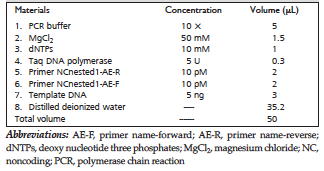
Table 2. Master Mix for First Step Nested Polymerase Chain Reaction
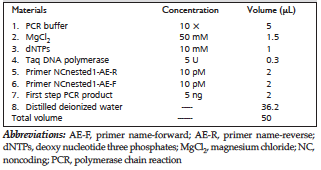
Table 3. Master Mix for Second Step of Nested Polymerase Chain Reaction
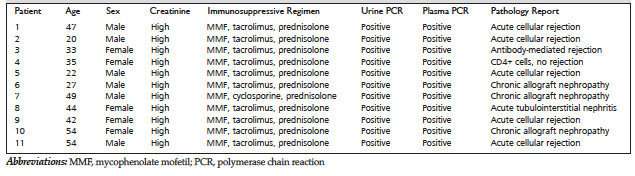
Table 4. Informative Data in BK Polyomavirus-Infected Patients with Nephropathy
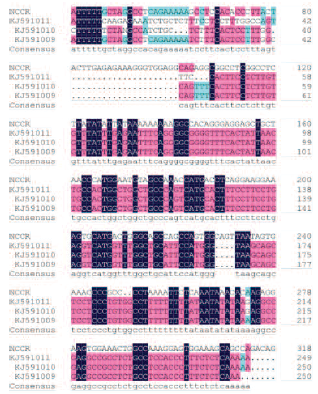
Figure 1. Multiple Sequence Alignments of Noncoding Control Region in Plasma Samples of Kidney Transplant Patients Compared With Archetype
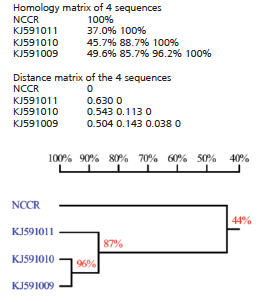
Figure 2. Homology Tree of the 3 Noncoding Control Region Sequences in Plasma Samples of Kidney Transplant Patients Compared with Archetype