Volume: 14 Issue: 5 October 2016
FULL TEXT
Objectives: Although immunosuppressive drugs have been recognized as leading causes of gastrointestinal symptoms after kidney transplant, other widely used medications such as proton-pump inhibitors recently have been implicated. Our aim was to study the effects of chronic proton-pump inhibitor therapy on gastrointestinal symptoms in clinically stable patients late after kidney transplant.
Materials and Methods: The study comprised 100 kidney transplant recipients (66 men and 34 women, mean age of 49 ± 12 y, mean time after transplant of 56 ± 46 mo). All patients completed the Gastrointestinal Symptoms Rating Scale and the Quality of Life Questionnaire SF-8 surveys.
Results: The most commonly reported symptoms included borborygmus
(27%), flatulence (23%), abdominal distension (18%), urgent need of defecation
(17%), and heartburn, acid reflux, and eructation (13%). Proton-pump inhibitors
were chronically used by 50% of patients and sporadically by 33%.
Gastrointestinal Symptoms Rating Scale scores were higher in patients who used
proton-pump inhibitors (mean score of
7.8 ± 5.5 vs 4.6 ± 3.0; P = .013). Total score of items representing diarrhea in
the Gastrointestinal Symptoms Rating Scale (increased passage of stools, loose
stools, urgent need of defecation, incomplete evacuation) was higher in patients
treated with proton-pump inhibitors than in those not treated (2.3 ± 2.2 vs 1.3
± 1.9; P = .04).
Conclusions: Chronic use of proton-pump inhibitors may increase the prevalence of gastrointestinal symptoms, particularly diarrhea, in patients late after kidney transplant.
Key words : Gastrointestinal diseases, Immunosuppression adverse events
Introduction
Gastrointestinal (GI) symptoms are among the most common medical complaints in the general population.1 They usually interfere with most daily activities and thereby may lead to significantly decreased quality of life. Gastrointestinal symptoms are also prevalent in patients with chronic diseases who require long-term pharmacotherapy. Immunosuppressive therapy is associated with a wide range of adverse effects, most often with the GI tract.2-4 Although this relation has been well studied in patients early after kidney transplant, little is known so far about the risk factors, prevalence, pattern, and persistence of GI symptoms in patients in the long term after kidney transplant.
Most studies that have addressed GI symptoms after kidney transplant have focused on the effects of immunosuppressive therapies. Among all available immunosuppressants, mycophenolate mofetil (MMF) has been particularly well investigated with respect to GI adverse effects. Mycophenolate mofetil and enteric-coated mycophenolate sodium, 2 mycophenolate compounds used in immunosuppressive therapy, are hydrolyzed to mycophenolic acid (MPA) by esterases in the gut wall, blood, liver, and tissues.5,6 It was suggested that, in the immediate period after transplant, a conversion of MMF to MPA after its oral administration may reduce the prevalence of GI events such as diarrhea and nausea.7 The antiproliferative actions of MPA that also affect GI epithelial cells lead to disruption of fluid absorption and diarrhea.8 Mycophenolate mofetil, compared with enteric-coated mycophenolate sodium, has an improved bioavailability.6 Mycophenolate sodium may cause less gastric disorders because it is administered as an enteric-coated tablet and is mainly absorbed in the small intestine without being released in the stomach.9
Calcineurin inhibitors are the cornerstone of modern immunosuppressive therapy after solid-organ transplant. Tacrolimus has been associated with an increased risk of diarrhea (odds ratio of 1.7; 95% confidence interval, 1.4-2.0) and constipation (odds ratio of 1.3; 95% confidence interval, 1.1-1.6).2,10 In contrast, another calcineurin inhibitor, cyclosporine, has been found to induce constipation in renal transplant recipients.10 It has been demonstrated that patients who are treated with tacrolimus have more frequent occurrences of diarrhea, dyspepsia, and vomiting compared with patients treated with cyclosporine.10
Relatively little is known about the influence of concomitant medications in patients late after kidney transplant. Gastrointestinal adverse effects may be associated with the use of many common drugs, like antibiotics, antidiabetic medication, and proton-pump inhibitors (PPI). Proton-pump inhibitors when started in the hospital are frequently continued per general practitioner recommendations for an indefinite period of time. In addition, 1 study showed that there was an increase in the incidence of colonization by the commensals from the colon to the relatively sterile upper GI tract in patients receiving PPIs.11 This observation was confirmed by the results of a single study in which PPIs were associated with concurrent disease and incidence of diarrhea and nausea in renal transplant recipients.12 Clostridium difficile-associated diarrhea was also reported with increased use of PPIs.13 Another study showed that severe hypochlorhydria generated by PPI led to bacterial colonization and increased susceptibility to enteric bacterial infection.14 Therefore, in this study, we compared patterns of GI symptoms in clinically stable patients late after kidney transplant treated or not treated with PPIs.
Materials and Methods
This study was cross-sectional and was performed at a single transplant center. The study group included 100 kidney transplant recipients (66 men and 34 women; mean age of 49 ± 12 y, time after kidney transplant of 56 ± 46 mo). All patients received their first kidney graft from a deceased donor. The study protocol was approved by the local ethics committee, and all patients gave informed consent. The patients were asked to respond to the questions included in the Gastrointestinal Symptoms Rating Scale (GSRS) and the Quality of Life Questionnaire SF-8. The surveys were conducted at the time when patients were waiting for a scheduled appointment at our transplant outpatient clinic.
The interviewees were allowed to ask the investigators for help in answering the questions included in the survey. Participation by investigators was limited to reading questions for patients with poor eyesight, clarifying questions, and marking answers chosen by patients. The survey consisted of 3 parts. In addition to the GSRS questionnaire and Quality of Life Questionnaire SF-8, there were 13 supplementary questions.
The GSRS, used to assess the severity and prevalence of respective GI
symptoms, was the main part of the survey. With the consideration that a complex
number of GI disorders could be associated not only with drug effects, only
symptoms that occurred often were taken as significant. The GSRS consists of 15
symptoms and uses 5-point Likert-type scale in which 0 represents an absence of
a given symptom and 4 is linked with frequent occurrence
of the symptom. To evaluate the prevalence of symptoms, the questions followed a
short description of a given symptom, with 5 answers (never, very rarely,
rarely, often, and very often). A higher GSRS score meant prevalence of more
severe and more frequent GI disorders. All questions referred to the last 4
weeks.
Associations between medication use and GI symptoms were separately analyzed for the upper and lower GI tract symptoms because of the differences in pathophysiology and clinical meaning of upper GI symptoms and lower GI symptoms.
All 15 symptoms in the GSRS were assigned to 5 categories: abdominal pain, reflux, indigestion, diarrhea, and constipation. Two items, abdominal pain and sucking sensation, were analyzed together to indicate a clinical syndrome (ie, abdominal pain). Reflux syndrome was also reflected as 2 items of the GSRS: heartburn and acid reflux. Five items from the GSRS (nausea and vomiting, borborygmus, abdominal distention, eructation, and increased flatus) were combined to assess the association between drug use and indigestion. The GSRS items that represented constipation were decreased passage of stools, hard stools,15 and defecation with a feeling of incomplete evacuation of stools.16 The GSRS items representing diarrhea were increased passage of stools,17 loose stools,18 feelings of incomplete evacuation, and urgent need for defecation.19
The Quality of Life Questionnaire SF-8 was used to obtain a subjective assessment of life quality among the patients after kidney transplant. The questionnaire sets out the quality of life in 8 dimensions: physical functioning, physical role, bodily pain, general health, vitality, social functioning, emotional health, and mental health. A higher Quality of Life Questionnaire score equaled a poorer assessment of the quality of life.
In addition to the surveys, patients were asked to provide the following information: sex, age, body mass and height, number of transplant surgeries, and date of transplant. Patients were also asked to list all current medications, in particular immunosuppressive agents, and to choose the drugs that, in their subjective assessment, could have been associated with the GI disorder (if present).
The final part of the survey included questions that reflected issues concerning noncompliance, in particular the omission of drug doses, which could be linked to prevalence of GI symptoms in the patients’ opinion, methods of self-reducing of GI afflictions, and information about possible GI adverse effects given by an attending physician. A change in frequency of a GI disorder after kidney transplant compared with a period before kidney transplant was also considered. A history of any GI disorder that may have appeared in the first month after kidney transplant was not taken into account.
The results of the survey were analyzed with respect to the use of PPI, immunosuppressive agents, and tacrolimus or cyclosporine plasma concentration during the last 6 successive visits. Data on use of immunosuppressive drugs and concomitant therapies including PPI were taken from medical records.
The results of the study are presented as means ± standard deviation, with categorical variables presented as percentage with number of patients. A coefficient of variation was calculated from the variation in a concentration of a given immunosuppressant during the last 6 measurements. We used chi-squared test to estimate frequency of distribution in a sample. The correlations between continuous variables were calculated with Spearman rank correlation or Pearson product moment correlation test, depending on a given variable distribution. Examination of distribution normality of quantitative variables was performed using the Shapiro-Wilks test. Comparisons between groups were performed using t test, Mann-Whitney U test, and Kruskal-Wallis one-way analysis of variance as appropriate. P < .05 was set as significant. Statistical analyses were conducted using Statistica version 10.0PL software (StatSoft, Tulsa, OK, USA).
Results
General characteristics of the study group, including the immunosuppressive regimen and gastroprotective therapies, are shown in Table 1. Prevalence of GI symptoms and their intensity, as assessed by patients in the 5-stage GSRS survey, are presented in Table 2. The most common GI symptom was excessive amount of flatus (ie, borborygmus [stomach rumbles]), reported by 27% of patients. This was followed by flatulence, which occurred in 23% of the study group, and then by abdominal distension, reported by 18% of the examined population. An urgent need to defecate occurred in 17% of kidney transplant recipients. Heartburn and eructation, as symptoms coming from the upper digestive tract, were reported by 13% of patients. Increased passage of stools (12%), decreased passage of stools (10%), and incomplete evacuation (9%) were less prevalent.
Proton-pump inhibitors were chronically used by 50% of patients and sporadically by 33%. Patients treated with PPIs achieved higher mean GSRS score (7.78 ± 5.47 points) than patients who did not take PPIs (4.59 ± 3.02; P = .013). Borborygmus occurred in 30% of patients (15 patients) treated with PPIs. This symptom was not reported by any patient who did not take PPI (P = .004). Likewise, abdominal distention (26% vs 4%; P = .003) and heartburn (12% vs 4%; P = .33) were reported more often in patients on PPI therapy. Patients receiving PPIs had higher GSRS scores for borborygmus (1.00 vs 0.41; P = .003), urgent need of defecation (0.68 vs 0.27; P= .042), and abdominal pain (0.28 vs 0.05; P = .024) than patients without PPI. The sum of items representing diarrhea in the GSRS (increased passage of stools, loose stools, urgent need of defecation, and incomplete evacuation) was significantly higher in PPI-treated patients than in patients not treated with PPIs (2.34 ± 2.21 vs 1.30 ± 1.86; P = .04). No significant differences between groups of patients using or not using PPI were reported in those items representing indigestion (2.68 ± 2.25 vs 1.81 ± 1.71; P = .086) and in items representing abdominal pain (0.58 ± 0.91 vs 0.44 ± 0.64; P = .49). The differences in mean GSRS score in the groups of patients with PPI or without PPI therapy are shown in Table 3. Mean coefficient of variation of calcineurin inhibitor blood concentration tended to be higher in patients on PPI therapy than in those without PPI (0.32 ± 0.315 vs 0.22 ± 0.08; P = .13).
Tacrolimus was taken by 70% of patients and cyclosporine by 26%. Patients treated with tacrolimus reported more intensive GI symptoms than those taking cyclosporine (GSRS score of 7.42 ± 5.36 and 4.64 ± 3.57; P = .02). Neither tacrolimus nor cyclosporine plasma concentration correlated significantly with GSRS score. Mycophenolic acid and MMF were taken by 33% and 51% of patients. Total GSRS score was similar in patients treated with those agents (7.44 ± 5.71 and 6.97 ± 5.66; P = .7).
The most prevalent GI symptom in patients treated with tacrolimus and cyclosporine was borborygmus, which occurred in 29% and 24% of patients. Sucking sensation in the epigastrium (8%) and nausea and vomiting (5%) were only observed in kidney transplant recipients on tacrolimus and not in those who received cyclosporine. Loose stools were only reported in patients who received tacrolimus (11%) but not in those who received cyclosporine.
Borborygmus occurred in 30% of the patients administered MMF and in 21% administered MPA. Flatulence was reported in patients treated with MMF (20%) and MPA (21%). Increased passage of stools (20% vs 6%), loose stools (12% vs 3%), and urgent need to defecate (24% vs 9%) tended to occur more frequently in patients who received MMF versus MPA.
Ninety-three percent of patients evaluated their general condition as at least satisfied. More than half of patients (53%) reported pain, including 12 with GI pain. Up to 25% of patients reported that their pain was of tolerable severity. Severe pain occurred in 12% of patients. As shown in Figure 1, a significant correlation between Quality of Life Questionnaire SF-8 and GSRS score was found only in women (r = 0.57; P < .001). With increasing prevalence of GI symptoms, quality of life decreased. Patients were also divided into 2 categories according to the time after kidney transplant: shorter (n = 48) and longer (n = 50) than 3 years, which was close to the median value of 40 months. No significant differences in the prevalence of GI symptoms were found between these groups (P = .60). We observed no significant differences in prevalence of GI disorders between men and women (P = .28). The relation between prevalence of GI symptoms and emotional problems, as well as physical, social, and daily activities, was also investigated (Figure 2). Our results showed that 53.8% of patients were informed by their attending physician about the increased risk of GI symptoms during immunosuppressive therapy. We also found that 65% of patients felt that the prevalence of GI disorders did not change after kidney transplant, with 25% reporting an increased prevalence and 7% reporting a decreased prevalence. A total of 3% of interviewees did not reply to the question. Gastrointestinal disorders were the cause of a single omission of drug dose in 6% of the study group and repeated omissions also in 6%. Most patients (85%) did not modify the prescribed therapy on their own; 3% of patients did not respond. Differences in total GSRS score between the groups divided by normal weight (body mass index of 18.5-24.99 kg/m2; 49 recipients), overweight (body mass index of 25.0-29.99 kg/m2; 38 recipients), and obesity (body mass index > 30.0 kg/m2; 11 recipients) were not significant (P = .87).
Discussion
Our study has shown that GI symptoms are highly prevalent and persistent among kidney transplant recipients. Many previous studies confirmed that GI symptoms are the most prevalent in the early period after kidney transplant and may adversely affect the quality of life of transplant recipients.2 Despite this confirmation, it was demonstrated that GI symptoms are underdiagnosed by the doctors in the general population as well as in kidney transplant recipients.20,21
In contrast to the early period after transplant, little is known about the patterns, causes, and consequences of GI symptoms in the longer term after kidney transplant in clinically and biochemically stable patients. Although chronic immunosuppressive therapy is undoubtedly a major cause of GI symptoms after kidney transplant, several other commonly used medications may cause GI complaints including diarrhea. Interestingly, these symptoms may also be caused by medications that are primarily used to treat and prevent ulcer disease, such as PPIs. Therefore, in our study, we investigated the relation between a chronic use of PPIs and the occurrence of GI symptoms in patients late after kidney transplant and the potential influence of the type of immunosuppressive regimen on the prevalence of these symptoms.
A significant association between PPI use and diarrhea was reported in a study that was a part of the Observational Study on Drug Use by the Elderly. In that study, the prevalence of diarrhea reached 12.3% in elderly outpatients.22 In our study, per the GSRS, we confirmed a higher prevalence of diarrhea in patients treated with PPI than in patients who did not take PPIs.
One study comparing different PPI agents (lansoprazole, rabeprazole, and omeprazole) showed a class effect (ie, there were no significant differences in the incidence of diarrhea between various PPIs). The prevalence of diarrhea during PPI use reached 3.5% among outpatients in 7 medical centers and 3 primary care physician practices in the Sanin area of western Japan.23 In our study, we did not separately analyze the effects of different PPI agents. We found that patients who chronically used any PPI agent were more likely to develop symptoms of diarrhea such as increased passage of stools, loose stools, need for urgent defecation urgent, and feeling of incomplete evacuation.
Immunosuppressive therapy is universally recognized as the most common cause of GI complications in transplant recipients.24 The use of PPIs may interfere with that effect, but the number of studies that explored such a possibility has been scarce. The results of 1 study that assessed the efficacy of enteric-coated mycophenolate sodium compared with MMF in Chinese renal transplant patients who concomitantly were treated with PPI showed that the MMF group had higher incidence of drug withdrawal because of increased infection rates, lower leukocyte count, and more GI adverse effects than the enteric-coated mycophenolate sodium group. The authors concluded that a combination of enteric-coated mycophenolate sodium and PPIs may result in a different MPA level and may have different clinical effects in kidney transplant recipients.25 Our study revealed that patients treated with MMF were 2 to 3 times more likely to develop increased passage of stools, loose stools, and urgent need of defecation than patients on MPA were. No significant relation between use of MMF or MPA and PPI and the prevalence of GI symptoms was revealed. This relation has been however a subject of controversy, as Teplitsky and associates showed an opposite effect, demonstrating a trend toward reduced diarrhea GSRS scores in stable adult kidney transplant outpatients receiving PPIs. Multivariate analyses of renal transplant patients converted to enteric-coated mycophenolate sodium showed a trend toward an improvement in diarrhea symptoms.4 According to other studies, MMF use was associated with the most frequent and intensive prevalence of GI-related adverse effects.8,26
Other immunosuppressive agents that have been implicated in an increased rate of GI symptoms are calcineurin inhibitors. In the seminal Symphony study,27 it was shown that 33% of patients who received low-dose tacrolimus reported diarrhea compared with 23% of those who received cyclosporine. Our study found a much lower rate, with prevalence of loose stools in 11% of patients who received tacrolimus and 0% of patients who received cyclosporine.
In another study, 541 recipients who had a kidney transplant at least 3 years earlier (median of 60 mo) were divided into 4 groups: continuous tacrolimus or cyclosporine groups and preconversion or postconversion to tacrolimus groups. Tacrolimus with MMF increased the risk of late severe noninfectious diarrhea among renal transplant recipients compared with those treated with cyclosporine plus MMF. No patients suffered from chronic diarrhea in the cyclosporine or preconversion to tacrolimus groups. Rate of diarrhea was 7.3% in the postconversion of cyclosporine > tacrolimus group and 7.4% in the tacrolimus group.28
It has been recently shown that the cause of posttransplant diarrhea is frequently related to infections caused by enteric pathogens. Chronic norovirus-related diarrhea remains a major concern, often leading to MMF discontinuation and thereby to increased rejection.29 Although would be interesting to know whether any interaction has occurred between PPI use and the risk of such enteric pathogens, we were unable to perform such an analysis because a detailed diagnostic of GI infections was not been performed in our patients.
Our study has several limitations, with the most important however being unavoidable in a survey-based study: subjectivity of collected data. A way to eliminate this factor would be to perform detailed diagnostics that could confirm the presence of symptoms and their consequences objectively. A way to assess truthfulness of reported symptoms could involve multiple-repeated surveys in the study group, which could indicate chronic pattern of the disorders. However, on the other hand, patients may “learn” how to respond to the questions contained in a survey, which may lead to deceptive results.
Another issue was the help of authors while answering the questions. On the one hand, this was helpful to patients and may have decreased some unanswered or wrongly understood questions, mostly in elderly patients or those with impaired vision. On the other hand, it could disturb the privacy of interviewees. Consequently, patients may not have answered all of the questions truthfully, especially those involving more embarrassing GI issues.
Unfortunately, we did not thoroughly investigate the dietary habits of our patients. Spicy or fatty food could have caused or worsened many of the GI symptoms. This effect should be taken into account, especially because 2/3 of patients did not report any change in the prevalence of GI symptoms after transplant.
It is noteworthy that only 12% of our kidney transplant patients omitted drug use because of GI symptoms. The population of kidney transplant recipients may be unique in this aspect, as they are regularly informed that the fate of their graft depends on good compliance. This group of patients may have been more highly aware of their health condition and may have had a wide knowledge about the disease, resulting in cautiousness of any factors that could increase risk of graft rejection.
Another important issue is the information given by the attending physician about the increased risk of adverse effects during treatment. Interestingly, such information that is crucial for patient safety was provided to about only 50% of patients. Professional and accurate information provided to patients by their doctors builds mutual trust, which is a prerequisite for successful cooperation.
We found that chronic PPI use was associated with diarrhea in patients long after kidney transplant. Because of our study design, these results were subject to a selection bias because some patients could have been receiving PPIs not only for prophylaxis. We have shown that the pattern of GI symptoms in patients late after kidney transplant depends not only on the choice of the immunosuppressive regimen but is also influenced by a concomitant chronic PPI cotherapy. Patients late after kidney transplant with PPI therapy have a higher risk of diarrhea than those who do not receive PPIs. Proton-pump inhibitors may induce an increase in prevalence of GI symptoms such as borborygmus, abdominal distension, and increased passage of stools in patients late after kidney transplant.
References:
- Koloski NA, Talley NJ, Boyce PM. Epidemiology and health care seeking in
the functional GI disorders: a population-based study. Am J Gastroenterol.
2002;97(9):2290-2299.
CrossRef - PubMed - Ekberg H, Kyllönen L, Madsen S, Grave G, Solbu D, Holdaas H. Increased
prevalence of gastrointestinal symptoms associated with impaired quality of
life in renal transplant recipients. Transplantation. 2007;83(3):282-289.
CrossRef - PubMed - Kleinman L, Faull R, Walker R, et al. Gastrointestinal-specific
patient-reported outcome instruments differentiate between renal transplant
patients with or without GI complications. Tranplant Proc.
2005;37(2):846-849.
CrossRef - PubMed - Teplitsky S, Rosaasen N, Hossain MA, Dyck J, Fox TK, Shoker A.
Prevalence of silent gastrointestinal complications in maintenance renal
transplant population. Saudi J Kidney Dis Transpl. 2010;21(4):628-635.
PubMed - Allison AC, Eugui EM. The design and development of an immunosuppressive
drug, mycophenolate mofetil. Springer Semin Immunopathol.
1993;14(4):353-380.
CrossRef - PubMed - Staatz CE, Tett SE. Clinical pharmacokinetics and pharmacodynamics of
mycophenolate in solid organ transplant recipients. Clin Pharmacokinet.
2007;46(1):13-58.
CrossRef - PubMed - Pescovitz MD, Conti D, Dunn J, et al. Intravenous mycophenolate mofetil:
safety, tolerability and pharmacokinetics. Clin Transplant.
2000;14(3):179-188.
CrossRef - PubMed - Davies NM, Grinyó J, Heading R, Maes B, Meier-Kriesche HU, Oellerich M.
Gastrointestinal side effects of mycophenolic acid in renal transplant
patients: a reappraisal. Nephrol Dial Transplant. 2007;22(9):2440-2448.
CrossRef - PubMed - Budde K, Curtis J, Knoll G, et al. Enteric-coated mycophenolate sodium
can be safely administered in maintenance renal transplant patients: results
of a 1-year study. Am J Transplant. 2004;4(2):237-243.
CrossRef - PubMed - Webster AC, Woodroffe RC, Taylor RS, Chapman JR, Craig JC. Tacrolimus
versus ciclosporin as primary immunosuppression for kidney recipients:
meta-analysis and meta-regression of randomised trial data. BMJ.
2005;331(7520):810.
CrossRef - PubMed - Thorens J, Froehlich F, Schwizer W, et al. Bacterial overgrowth during
treatment with omeprazole compared with cimetidine: A prospective randomised
double blind study. Gut. 1996;39(1):54-59.
CrossRef - PubMed - Reilly JP. Safety profile of the proton-pump inhibitors. Am J Health
Syst Pharm. 1999;56(23 Suppl 4):S11-17.
PubMed - Kim JW, Lee KL, Jeong JB, et al. Proton pump inhibitors as a risk factor
for recurrence of Clostridium-difficile-associated diarrhea. World J
Gastroenterol. 2010;16(28):3573-3577.
CrossRef - PubMed - Bavishi C, Dupont HL. Systemic Review: the use of proton pump inhibitors
and increased susceptibility to enteric infection. Aliment Pharmacol Ther.
2011;34(11-12):1269-1281.
CrossRef - PubMed - Katz S, Downs TD, Cash HR, Grotz RC. Progress in the development of an
index of ADL. Gerontologist. 1970(1);10:20-30.
CrossRef - PubMed - Holt PR. Diarrhea and malabsorption in the elderly. Gastroenterol Clin
North Am. 2001;30(2):427-444.
CrossRef - PubMed - Lawton MP, Brody EM. Assessment of older people: self maintaining and
instrumental activities of daily living. Gerontologist. 1969;9(3):179-186.
CrossRef - PubMed - Svedlund J, Sjödin I, Dotevall G. GSRS--a clinical rating scale for
gastrointestinal symptoms in patients with irritable bowel syndrome and
peptic ulcer disease. Dig Dis Sci. 1988;33(2):129-134.
CrossRef - PubMed - Thomas VS, Rockwood K, McDowell I. Multidimensionality in instrumental
and basic activities of daily living. J Clin Epidemiol. 1998;51(4):315-321.
CrossRef - PubMed - Ponticelli C, Colombo D, Novara M, Basilisco G; Cetra Study Group.
Gastrointestinal symptoms impair quality of life in Italian renal transplant
recipients but are under-recognized by physicians. Transpl Int.
2010;23(11):1126-1134.
CrossRef - PubMed - Ekberg H, Kyllönen L, Madsen S, Grave G, Solbu D, Holdaas H. Clinicians
underestimate gastrointestinal symptoms and overestimate quality of life in
renal transplant recipients: a multinational survey of nephrologists.
Transplantation. 2007;84(8):1052-1054.
CrossRef - PubMed - Pilotto A, Franceschi M, Vitale D, et al. Drug use by the elderly in
general practice: effects on upper gastrointestinal symptoms. Eur J Clin
Pharmacol. 2006;62(1):65-73.
CrossRef - PubMed - Shimura S, Hamamoto N, Yoshino N, et al. Diarrhea caused by proton pump
inhibitor administration: comparisons among lansoprazole, rabeprazole, and
omeprazole. Curr Ther Res Clin Exp. 2012;73(3):112-120.
CrossRef - PubMed - Hardinger KL, Brennan DC, Lowell J, Schnitzler MA. Long-term outcome of
gastrointestinal complications in renal transplant patients treated with
mycophenolate mofetil. Transpl Int. 2004;17(10):609-616.
CrossRef - PubMed - Xu L, Cai M, Shi BY, Li ZL, Li X, Jin HL. A prospective analysis of the
effects of enteric-coated mycophenolate sodium and mycophenolate mofetil
co-medicated with a proton pump inhibitor in kidney transplant recipients at
a single institute in China. Transplant Proc. 2014;46(5):1362-1365..
CrossRef - PubMed - Arns W. Noninfectious gastrointestinal (GI) complications of
mycophenolic acid therapy: a consequence of local GI toxicity? Transplant
Proc. 2007;39(1):88-93.
CrossRef - PubMed - Ekberg H, Bernasconi C, Halloran P, et al. Calcineurin inhibitor
minimization in the Symphony study: observational results 3 years after
transplantation. Am J Transplant. 2009;9:1876-1885.
CrossRef - PubMed - Zhao YJ, Wen JQ, Cheng K, et al. Late, severe, noninfectious diarrhea
after renal transplantation: high-risk factors, therapy, and prognosis.
Transplant Proc. 2013;45:2226-2232.
CrossRef - PubMed - Aulagnon F, Scemla A, DeWolf S, et al. Diarrhea after kidney
transplantation: a new look at a frequent symptom. Transplantation.
2014;98(8):806-816.
CrossRef - PubMed

Volume : 14
Issue : 5
Pages : 503 - 510
DOI : 10.6002/ect.2015.0252
From the Department of Nephrology, Hypertension and Kidney Transplantation,
Medical University of Lodz, Lodz, Poland
Acknowledgements: This study was supported by the Medical University of
Lodz grant No. 503/1-151-02/503-01
Corresponding author: Michał Nowicki, Department of Nephrology,
Hypertension and Kidney Transplantation, Medical University of Lodz, WAM-CSW
University Hospital, Pomorska 251, 92-213 Lodz, Poland
Phone: +48 42 201 4400
E-mail: nefro@wp.pl
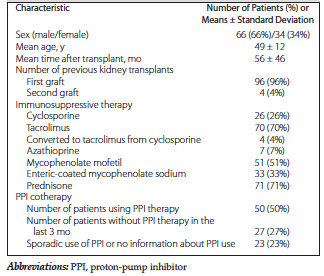
Table 1. Clinical Characteristics of the Study Group (N = 100)
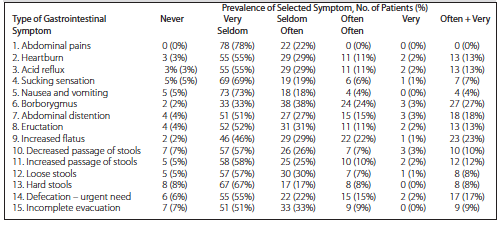
Table 2. Prevalence of Gastrointestinal Symptoms in Patients Late after Kidney Transplant
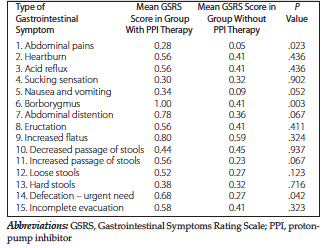
Table 3. Differences Between Gastrointestinal Symptoms Rating Scale Score in Patients Using and Not Using Proton-Pump Inhibitors
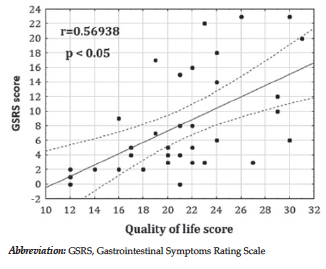
Figure 1. Correlation Between Quality of Life and Gastrointestinal Symptom Intensity in Female Study Patients
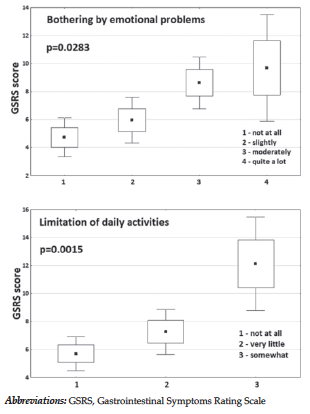
Figure 2. Relation Between Intensity of Gastrointestinal Symptom and Emotional Problem and Limitations of Usual Daily Activity