Volume: 13 Issue: 5 October 2015
FULL TEXT
Objectives: We analyzed different donor charac-teristics to determine those that significantly affect patient and graft outcomes after kidney transplant.
Materials and Methods: We conducted a retro-spective analysis of patients who had received kidney transplants at our institution between 1990 and 2011 from deceased-donors. We tracked this patients until the end of 2014. Using univariate and multivariate analyses, we analyzed the following outcomes: patient status, graft status, chronic allograft nephropathy, and delayed graft function.
Results: In 342 recipients, univariate analysis revealed donor-associated predictors of transplant outcomes. Recipients of kidneys from older donors showed longer time to creatinine normalization (P = .047). We found a partial correlation between donor diagnosis and the number of dialyses after surgery (excluding the effect of donor age), with patients receiving kidneys from donors who had cerebrovascular events having higher risk of delayed graft function (P = .03). Donors with shorter stays in intensive care units resulted in longer graft survival (P = .02), and vasopressor use by donors was associated with delayed graft function in recipients (P = .018). Low serum sodium levels in donors predicted worse survival of recipients and transplants (P = .015 and P = .048). The number of hemodialysis procedures after transplant was correlated with the donor's creatinine level (P = .027). Insufficient daily dieresis of donor predicted worse graft survival (P = .04). Correlation analysis showed that a higher PCO2 level in donors was significantly associated with longer creatinine normalization time after kidney transplant (P = .001). Cox regression analysis detected 2 significant independent pre-dictors of graft outcomes: duration of perfusion of donor kidney (P = .016) and length of intensive care unit stay of donor (P = .032), with improved prognosis associated with longer perfusion time and shorter time in intensive care unit.
Conclusions: The kidney donor has a direct effect on patient life expectancy and renal graft success after transplant.
Key words : Survival analysis, Cox regression, Organ donation, Deceased donor
Introduction
Kidney transplant (KT) is the best method of renal replacement therapy.1-3 Kidney transplant increases patient life expectancy more than peritoneal dialysis and hemodialysis. Kidney transplant provides a higher quality of life for recipients, allowing for optimal levels of medical and social rehabilitation. Kidney transplant is also the preferred method of treatment from an economic point of view.4-6
Despite developments in KT, it remains a serious worldwide problem. At present, every year in the world there are an estimated 69 thousand KT.7 The introduction of cyclosporine in the mid-1980s was a major advancement, leading to 1-year survival rates of more than 90% and graft survival of 80%.8 During the past 20 years, a better understanding of the benefits of combined immunosuppressant drugs coupled with improved organ matching and preservation, as well as chemoprophylaxis of opportunistic infections, have all contributed to a progressive improvement in clinical outcomes. First-time recipients of kidneys from deceased or living donors can now expect 1-year patient and transplant survival to be at least 95% and 90%.9
In 2012, there were 19 084 KT in Europe, with an annual survival rate of 93%.10 The United Kingdom conducts a total of 3257 KT per year,12 and, in 2011, there were 5932 patients with functioning grafts after KT in Russia, with 975 transplants made that year alone.13 In 2013, according to the National Kidney Foundation, there were 16 896 KT in the United States, with 11 163 of KT from deceased donors and 5733 from living donors. Currently, there are 101 170 people waiting for KT in the United States.11
Outcomes after KT depend on many factors, with those associated with the donor playing a large role.14 In a study of approximately 94 000 patients who had undergone KT in the United States between 1988 and 1996,15 outcomes of patients who received kidneys from living and deceased donors were compared. Although numerous data have shown advantages of kidneys from living donors compared with deceased,16 the proportion of deceased-donations prevail.13 Therefore, it is important to continue studying the influence of various factors associated with the deceased-donor on patient and transplant outcomes.
Many authors have studied the effect that age has on KT outcome,17-21 perhaps prompted by the necessity of using elderly donors because of the acute shortage of organs from younger donors. According to NHS Blood and Transplant,11 the mean age of a donor is 51 years old (SD 18); moreover, 15% are older than 70 and 21% are 60 to 69 years old.
Mechanisms of renal tissue damage caused by ischemia-reperfusion injury have been investigated by many researchers22-24 who consider this process as responsible for delayed graft function (DGF).25 Ischemia-reperfusion injury has been shown to be associated with delayed graft dysfunction, especially in cases where acute rejection occurs.26
In the present study, our aim was to determine what factors associated with a deceased-donor kidney affect transplant results and patient outcomes.
Materials and Methods
This was a retrospective analysis of patients who received KT from 1990 to 2011 in the Department of Dialysis and Kidney Transplant, Regional Clinical Hospital No 1, Ekaterinburg, Russia. Data were collected from the hospital archives. All protocols, experimental studies, and clinical trials involving patients had been approved by the ethics committee of the Regional Clinical Hospital No 1, Ekaterinburg before the study began, and the protocols conformed to the ethical guidelines of the 1975 Helsinki Declaration. Written informed consent had been obtained from patients or their guardians to allow future study of their hospital records.
For human leukocyte antigen typing, our hospital used serologic from 1990 to 2001 and molecular genetic methods from 2002 to 2011. Patients who received kidneys from donors who had cardiac deaths were excluded.
The following basic outcomes of KT were studied: (1) patient status, ie, alive or not at the end of the study; (2) graft status, ie, functioned or did not function at the end of the study; (3) chronic allograft nephropathy (CAN) at the end of the study (patients with elevated levels of creatinine); and (4) DGF, ie, patients who required hemodialysis after KT. The severity of DGF was measured by the number hemodialysis procedures after KT.
Statistical analyses
Nonparametric tests of Mann-Whitney and Kruskal-Wallis test were used to compare means. Methods of rank correlation were used for processing data in nominal and ordinal scales.
Because of the specifics of the problem that we were investigated, our analyses included a great number of censored observations. We used Kaplan-Meier estimator and Cox proportional hazards model to examine the effect of donor-associated factors on recipient and graft outcomes.
Our study also included a multivariate logistic regression model to analyze posttransplant mortality, graft loss, and CAN. Forward stepwise selection was used to select risk factors from the list of potential predictors, including age, gender, donor type, and type of KT.
Statistical significance was set at P = .05. Statistical analyses were performed with SPSS software (SPSS: An IBM Company, version 16.0, IBM Corporation, Armonk, NY, USA).
Results
A total of 342 patients were reviewed. Some demographic and clinical characteristics of recipients and donors are presented in Tables 1 to 4. Patient observation times ranged from 1 day to 25 years. The maximum term of dialysis before KT was 162 months.
Univariate analyses
We first conducted a univariate analysis to discover potential donor-associated predictors of KT outcomes. These predictors were used in the multivariate analysis.
Donor age
Correlation analysis showed a statistically significant negative correlation between donor age and life expectancy of patients (Kendall coefficient k = −0.85; P = .046), ie, the younger the donor, the longer the survival of the recipient. There was no significant correlation between donor age and duration of graft functioning. Patients who received kidneys from older donors also had longer time to creatinine nor-malization (Pearson coefficient k = 0.142; P = .047).
Donor gender
We did not detect any significant correlation between donor gender and survival of patients and grafts (P = .276 and P = .414).
Donor diagnosis
To examine whether deceased-donor diagnosis had any effect on KT outcomes, we compared 2 groups of patients: patients who received kidneys from donors who died of head trauma and donors who died of cerebrovascular accident. Results of survival analysis demonstrated that the life expectancy of patients and grafts did not differ significantly in these 2 groups (P = .23 for patients, P = .318 for grafts; Wilcoxon-Gehan).
We did observe a partial correlation between donor diagnosis and the number of dialysis after surgery (excluding the effect of donor age), which showed that patients who received kidneys from the cerebrovascular accident group had a higher risk of DGF (k = 0.185; P = .03).
Length of stay of donor in the intensive care unit
We defined the length of stay of donor in the intensive care unit (ICU) as the time from admission until organs were removed. Recipients were divided into 2 groups: those who received a kidney from a donor with length of stay in the ICU of less than 36 hours and of more than 36 hours. We found no statistically significant differences in patient survival between these 2 groups (P = .497; log rank). However, we did observe a statistically significant correlation between length of stay in the ICU and graft survival. Donors who stayed shorter times in the ICU resulted in recipients with longer survival of the graft (P = .02; Wilcoxon-Gehan).
Vasopressor use
The use of vasopressors by the donor was associated with low diastolic blood pressure (k = −0.130; P = .047), heart rate (k = 0.153; P = .014), duration of hypotension (k = 0.291; P < .001), serum creatinine level (k = 0.284; P < .001), and sodium level (k = 0.14; P = .022) in donors.
Vasopressor use was as a result of hemodynamic depression arising from serious disorders, which could lead to ischemic acute kidney injury (AKI) and subsequently cause DGF. Use of vasopressors was associated with DGF (Kendall k = 0.191, P = .018).
Donor serum sodium level
Low donor serum sodium levels predicted worse survival of recipients and transplants (Kendall k = −0.143; P = .015, and k = −0.116; P = .048).
Donor serum creatinine level
Patients who received a kidney from donors with high creatinine levels more often required hemodialysis after KT. The number of hemodialysis procedures after transplant was correlated with donor creatinine level (Kendall k = 0.152; P = .027). However, we found no correlation between donor creatinine level and patient and graft status.
Daily diuresis of donor
The volume of donor daily urine was significantly associated with transplant status (Kendall k = −0.117; P = .05). Our results suggest, because the coefficient is negative, that low volume of the donor daily diuresis predicts poor graft survival after surgery.
For survival analysis, patients were divided into 2 groups: patients who received kidney from donors with daily diuresis ≤ 2000 mL and > 2000 mL. Graft survival was significantly higher in the second group (P = .014; Wilcoxon-Gehan); therefore, we concluded that donor daily diuresis is a significant predictor of transplant survival. We also found that volume of donor daily diuresis was correlated with recipient sodium level (Pearson k = 0.147; P = .036). However, we did not observe any significant difference in patient survival (P = .191; Wilcoxon-Gehan). Survival rates and curves for grafts are presented in the Table 5 and Figure 1.
PCO2 Levels
Our correlation analysis showed that higher PCO2 was significantly associated with longer term of creatinine normalization after KT (Kendall k = 0.296, P = .001).
Type of organ explantation
Donors were divided into 2 groups, with 132 (64.4%) having single-organ explantation and 73 (35.6%) with multiorgan explantation (liver and/or heart were extracted simultaneously with kidneys). Patient and graft survival rates were significantly higher for the second group (P = .04 and P = .001; Wilcoxon-Gehan). Survival rates of patients and grafts are shown in Tables 6 and 7. The corresponding survival curves for each type of explantation are shown in Figure 2.
Perfusion duration of donor kidney
The perfusion duration for the donor kidney was directly related to the type of organ explantation (k = 0.299; P < .001); that is, it was longer for multiorgan explantation than for single organ. Our correlation analysis showed that longer perfusion time was significantly associated with better survival of patients and grafts (Kendall k = −0.17; P = .016, and k = −0.25; P < .001).
Donor liver dysfunction
It was difficult to detect the reason of the liver dysfunction. It was known that none of the donors had a positive test for viral hepatitis (with antibodies to hepatitis C virus and hepatitis B surface antigen); however, we could not exclude the possible presence of viral hepatitis in donors. It should also be kept in mind that the donor was in a terminal state, which may explain the presence of liver failure in some cases as a part of multiple organ failure.
Results of the survival analysis demonstrated a statistically significant relationship between donor alanine aminotransferase levels and life expectancy of patients and duration of graft function (P = .004 for patients, P = .012 for transplants; Wilcoxon-Gehan).
Time of cold ischemia
Time of cold ischemia was significantly correlated with patient and graft survival (Kendall k = 0.334; P = .001, and k = 0.339; P < .001). Kidneys that had longer time of preservation resulted in worse prognosis for the patient and graft survival after surgery. Our survival analysis showed that patient and kidney outcomes were significantly dependent on graft preservation time (P = .023 and P = .027; Wilcoxon-Gehan).
Multivariate analysis
In the second part of our study, we performed a multivariate analysis, using donor-associated factors to predict KT outcomes.
Our logistic regression analysis revealed one significant independent predictor of outcome for patients, donor sodium level (P = .042), and 2 significant independent predictors of outcome for grafts, type of organ explantation (P = .042) and sodium level (P = .016). Improved graft outcomes were associated with multiorgan explantation and normal sodium level.
Cox-regression analysis detected 2 significant independent predictors of outcome for grafts: perfusion duration of donor kidney (P = .016) and length of stay of donor in ICU (P = .032), with improved prognosis associated with longer perfusion time and shorter ICU time.
The fact that different types of analysis revealed different predictors could be explained by the strong association between perfusion duration and type of organ explantation, sodium levels, and the duration of stay in the ICU. Our results showed that insufficient perfusion leads to poor outcomes. Moreover, a long stay in the ICU leads to dyselectrolytemia and AKI.
Our logistic regression analysis found only one significant independent predictor of outcome for CAN: the duration of perfusion of donor kidney (P = .007). An improved prognosis was associated with longer perfusion time. Our Cox-regression analysis revealed 2 significant independent predictors of outcome for CAN: type of organ explantation (P = .041) and donor age (P = .027). A younger donor resulted in a lower risk of CAN. Multiorgan explantation was also associated with lower risk of CAN.
Discussion
Poor long-term survival of recipients and grafts with older donors can be explained by the phenomenon of replication stress, which increases with age,3 shown by higher incidence of DGF and general decreases in the mass of active nephrons in older donors.15,21 A study on kidney function from deceased elderly donors (aged 55-72 y) demonstrated that the number of functioning glomeruli in their kidneys was markedly decreased compared with 18- to 32-year old donors.18 Rule and associates27 reported a strong association between age and nephrosclerosis even in healthy adults. On the whole, kidneys from older donors should be utilized cautiously.20,28 In our study, donor age was a significant predictor of recipient survival and CAN development.
It is known that patients who spend a long time in the ICU have a higher risk of multiple organ failure, and, typically, potential solid-organ donors are such patients. The many risk factors that exist at the ICU stage for donors, including hypotension, pulmonary disease, liver failure, sepsis, hypovolemia, heart failure, bleach injection, and many medications (for example, ACE inhibitors, vasopressors, amino-glycosides, and NSAIDs), can lead to development of AKI.29-34 Kidney donors could potentially present with all of these risk factors. It should also be mentioned that AKI is relatively common in patients with traumatic brain injury (TBI), with an incidence of 9.2%.35 Our study showed that prolonged donor stay in the ICU is associated with more severe damage of donor kidney, which affects the outcome of transplant.
In a study by Marconi and associates that compared kidney recipients from TBI vs CVA donors,36 mean serum creatinine was significantly lower among the TBI group at 1, 3, 6, 12, and 24 months after transplant (P < .05), with CAN and DGF higher among the CVA group. Recipients from the TBI group showed significantly longer mean survival times than recipients from the CVA group (102.7 ± 3.9 mo vs 94.8 ± 5.6 mo; log rank: P = .04). However, a multivariate analysis did not identify donor diagnosis as an independent risk factor for graft survival or occurrence of CAN. In our study, we also did not find a significant association between donor diagnosis and recipient and graft survival. However, we did observe that recipients who received kidneys from CVA donors had a higher risk of DGF. This can be partly explained by the fact that cerebral atherosclerosis is often combined with renal artery atherosclerosis, which leads to renal arterial stenosis and the development of ischemic nephropathy. The prevalence of renal arterial stenosis is 14% to 24% in patients with cerebrovascular disease.37 In addition, because our results showed that increased an level of donor creatinine is associated with DGF risk but not with long-term negative outcomes of transplant, creatinine levels of deceased-donors may not be an accurate biological marker of renal function. This may be explained by the peculiarities of the agonistic period and resuscitation activities (such as massive infusion and use of vasopressors and diuretics).
Levels of chloride, sodium, and PCO2 combining power decrease with increasing severity of AKI.38 Acute kidney injury is common in patients presenting with hyponatremia and is usually of prerenal origin.39 We found that low sodium levels in donors predicted poor KT outcomes. It may be that hyponatremia is a marker of progressive AKI of donor kidney. Indeed, our multivariate analysis found that sodium level was an independent predictor of KT outcomes; therefore, this parameter should be carefully evaluated when choosing a donor. Low daily diuresis in donors also predicted poor KT outcomes.
Many studies have found that duration of ischemia significantly affects KT outcomes due to the aggravation of the ischemia-reperfusion injury.23,40,41 In a study by Simforoosh and associates42 that compared graft and patient survival among patients who underwent KT from deceased-vs living donors, no significant difference in 1-year graft and patient survival between living and cadaver donor KT was found. It should be noted, however, that kidney removal and recipient transplant were coordinated in a way that cold ischemia time (CIT) was less than 3 hours.42
In our study, long CIT was associated with worse patient and graft survival after surgery. Our mean CIT was 19 hours; this was because many organs were from hospitals far from the transplant center (distance of 300 km). Moreover, many recipients were living a considerable distance from the transplant center (distance of 550 km).
Conclusions
Our univariate analysis identified the following donor-associated predictors of patient and transplant outcomes: donor age, type of organ explantation, perfusion duration, length of stay in the ICU, volume of daily urine, sodium and ALT levels, and cold ischemia time. In our multivariate analysis, we observed the following independent predictors of KT outcomes: (1) for grafts, sodium level, type of organ explantation, length of ICU stay, and perfusion duration; and (2) for CAN, donor age, type of organ explantation, and perfusion duration.
Thus, donor stage in renal transplant directly affects life expectancy of the patient and renal graft outcomes after surgery. Because this study is retrospective, our results should not be considered as the basis for strict clinical recommendations, but future investigations are warranted.
References:
- Danovitch GM. Handbook of Kidney Transplantation. Philadelphia, PA: Lippincott Williams & Wilkins; 2010.
- Weir MR, Lerma EV, eds. Kidney Transplantation: Practical Guide to Management. New York: Springer Science + Business Media; 2014. doi:10.1007/978-1-4939-0342-9.
CrossRef - Ponticelli C. Medical Complications of Kidney Transplantation. London, UK: Informa Healthcare; 2007. doi:10.3109/9780203089903.
CrossRef - Wolfe RA, Ashby VB, Milford EL, et al. Comparison of mortality in all patients on dialysis, patients on dialysis awaiting transplantation, and recipients of a first cadaveric transplant. N Engl J Med. 1999;341(23):1725-1730. doi:10.1056/NEJM199912023412303.
CrossRef - PubMed - Franke GH, Reimer J, Philipp T, Heemann U. Aspects of quality of life through end-stage renal disease. Qual Life Res. 2003;12(2):103-115. doi:10.1023/A:1022238707028
CrossRef - PubMed - Wong G, Howard K, Chapman JR, et al. Comparative survival and economic benefits of deceased donor kidney transplantation and dialysis in people with varying ages and co-morbidities. PLoS One. 2012;7(1):e29591. doi:10.1371/journal.pone.0029591.
CrossRef - PubMed - World Health Organization. Global knowledge base on transplantation. Report of the WHO. http://www.who.int/transplantation/gkt/statistics/en/. Published 2014.
- Clayton P, Excell L, Campbell S, McDonald S, Chadban S. ANZDATA Registry 2010 Report. Australia and New Zealand Dialysis and Transplant Registry. Chapter 8. http://www.anzdata.org.au/anzdata/AnzdataReport/33rdReport/ch08.pdf. Published 2010.
- Garcia-Garcia G, Harden P, Chapman J. The global role of kidney transplantation. Indian J Nephrol. 2012;22(2):77-82. doi:10.4103/0971-4065.97101.
CrossRef - PubMed - European Commission. 4th Journalist Workshop on Organ Donation and Transplantation. Recent Facts and Figures. http://ec.europa.eu/health/blood_tissues_organs/docs/ev_20131007_rd3_en.pdf. Published October 7, 2013.
- NHS Blood and Transplant. Organ Donation and Transplantation. Activity Report 2013/14. https://nhsbtmediaservices.blob.core.windows.net/organ-donation-assets/pdfs/activity_report_2013_14.pdf.
- Bikbov BT, Tomilina NA. Renal replacement therapy for ESRD patients with CAPD and kidney transplantation in Russian Federation, 1998-2011. Report of Russian RRT Registry, part 2. Nephrol Dial. 2014;16(2):92-227.
- National Kidney Foundation. Organ Donation and Transplantation Statistics. https://www.kidney.org/news/newsroom/factsheets/Organ-Donation-and-Transplantation-Stats. Published September 2014.
- Nunes P, Parada B, Pratas J, et al. Cadaveric donor factor variations during a 12-year period: influence on kidney transplant outcomes. Transplant Proc. 2006;38(6):1867-1869. doi:10.1016/j.transproceed.2006.06.058.
CrossRef - PubMed - Hariharan S, Johnson CP, Bresnahan BA, Taranto SE, McIntosh MJ, Stablein D. Improved graft survival after renal transplantation in the United States, 1988 to 1996. N Engl J Med. 2000;342(9):605-612. doi:10.1056/NEJM200003023420901.
CrossRef - PubMed - Koo DD, Welsh KI, McLaren AJ, Roake JA, Morris PJ, Fuggle SV. Cadaver versus living donor kidneys: impact of donor factors on antigen induction before transplantation. Kidney Int. 1999;56(4):1551-1559.
- Abulezz SR. Kidney transplantation from older donors: proceed with caution. Kidney Int. 2010;78(7):637-639. doi:10.1038/ki.2010.224.
CrossRef - PubMed - Tan JC, Busque S, Workeneh B, et al. Effects of aging on glomerular function and number in living kidney donors. Kidney Int. 2010;78(7):686-692. doi:10.1038/ki.2010.128
CrossRef - PubMed - Tan JC, Workeneh B, Busque S, Blouch K, Derby G, Myers BD. Glomerular function, structure, and number in renal allografts from older deceased donors. J Am Soc Nephrol. 2009;20(1):181-188. doi:10.1681/ASN.2008030306.
CrossRef - PubMed - Lim WH, Clayton P, Wong G, et al. Outcomes of kidney transplantation from older living donors. Transplantation. 2013;95(1):106-113. doi:10.1097/TP.0b013e318277b2be
CrossRef - PubMed - Summers DM, Johnson RJ, Hudson A, Collett D, Watson CJ, Bradley JA. Effect of donor age and cold storage time on outcome in recipients of kidneys donated after circulatory death in the UK: a cohort study. Lancet. 2013;381(9868):727-734. doi:10.1016/S0140-6736(12)61685-7.
CrossRef - PubMed - Carden DL, Granger DN. Pathophysiology of ischaemia-reperfusion injury. J Pathol. 2000;190(3):255-266. doi:10.1002/(SICI)1096-9896(200002)190:3<255::AID-PATH526>3.0.CO;2-6.
CrossRef - PubMed - Ditonno P, Impedovo SV, Palazzo S, et al. Effects of ischemia-reperfusion injury in kidney transplantation: risk factors and early and long-term outcomes in a single center. Transplant Proc. 2013;45(7):2641-2644. doi:10.1016/j.transproceed.2013.07.025
CrossRef - PubMed - Nelson PJ. Renal ischemia-reperfusion injury: renal dendritic cells loudly sound the alarm. Kidney Int. 2007;71(7):604-605. doi:10.1038/sj.ki.5002121.
CrossRef - PubMed - Moreso F, Seron D, Gil-Vernet S, et al. Donor age and delayed graft function as predictors of renal allograft survival in rejection-free patients. Nephrol Dial Transplant. 1999;14(4):930-935. doi:10.1093/ndt/14.4.930.
CrossRef - PubMed - Geddes CC, Woo YM, Jardine AG. The impact of delayed graft function on the long-term outcome of renal transplantation. J Nephrol. 2002;15(1):17-21.
PubMed - Rule AD, Amer H, Cornell LD, et al. The association between age and nephrosclerosis on renal biopsy among healthy adults. Ann Intern Med. 2010;152(9):561-567. doi:10.7326/0003-4819-152-9-201005040-00006.
CrossRef - PubMed - Neylan JF, Sayegh MH, Coffman TM, et al. The allocation of cadaver kidneys for transplantation in the United States: consensus and controversy. ASN Transplant Advisory Group. American Society of Nephrology. J Am Soc Nephrol. 1999;10(10):2237-2243.
PubMed - Case J, Khan S, Khalid R, Khan A. Epidemiology of acute kidney injury in the intensive care unit. Crit Care Res Pract. 2013;2013:479730. doi:10.1155/2013/479730.
CrossRef - PubMed - Bagshaw SM, George C, Bellomo R. A comparison of the RIFLE and AKIN criteria for acute kidney injury in critically ill patients. Nephrol Dial Transplant. 2008;23(5):1569-1574. doi:10.1093/ndt/gfn009.
CrossRef - PubMed - Bagshaw SM, George C, Bellomo R. Early acute kidney injury and sepsis: a multicentre evaluation. Crit Care. 2008;12(2):R47. doi:10.1186/cc6863.
CrossRef - PubMed - Silva Junior GB, Daher Ede F, Mota RM, Menezes FA. Risk factors for death among critically ill patients with acute renal failure. Sao Paulo Med J. 2006;124(5):257-263. doi:10.1590/S1516-31802006000500004.
CrossRef - PubMed - Verma A, Vanguri VK, Golla V, Rhyee S, Trainor M, Abramov K. Acute kidney injury due to intravenous bleach injection. J Med Toxicol. 2013;9(1):71-74. doi:10.1007/s13181-012-0259-6.
CrossRef - PubMed - Drawz PE, Miller RT, Sehgal AR. Predicting hospital-acquired acute kidney injury--a case-controlled study. Ren Fail. 2008;30(9):848-855. doi:10.1080/08860220802356515
CrossRef - PubMed - Moore EM, Bellomo R, Nichol A, Harley N, Macisaac C, Cooper DJ. The incidence of acute kidney injury in patients with traumatic brain injury. Ren Fail. 2010;32(9):1060-1065. doi:10.3109/0886022X.2010.510234.
CrossRef - PubMed - Marconi L, Moreira P, Parada B, Bastos C, Roseiro A, Mota A. Donor cause of brain death in renal transplantation: a predictive factor for graft function? Transplant Proc. 2011;43(1):74-76. doi:10.1016/j.transproceed.2010.12.032.
CrossRef - PubMed - Henry M, Henry I, Klonaris C, Polydorou A, Polydorou A, Hugel M. The role of embolic protection devices in renal angioplasty and stenting. Vascular Dis Manage. 2007;4(3):99-111. http://www.vasculardiseasemanagement.com/article/7253.
- Yang F, Zhang L, Wu H, Zou H, Du Y. Clinical analysis of cause, treatment and prognosis in acute kidney injury patients. PLoS One. 2014;9(2):e85214. doi:10.1371/journal.pone.0085214.
CrossRef - PubMed - Adams D, de Jonge R, van der Cammen T, Zietse R, Hoorn EJ. Acute kidney injury in patients presenting with hyponatremia. J Nephrol. 2011;24(6):749-755. doi:10.5301/JN.2011.6410.
CrossRef - PubMed - Sert I, Colak H, Tugmen C, Dogan SM, Karaca C. The effect of cold ischemia time on delayed graft function and acute rejection in kidney transplantation. Saudi J Kidney Dis Transpl. 2014;25(5):960-966. doi:SaudiJKidneyDisTranspl_2014_25_5_960_139865.
CrossRef - PubMed - van der Vliet JA, Warlé MC. The need to reduce cold ischemia time in kidney transplantation. Curr Opin Organ Transplant. 2013;18(2):174-178. doi:10.1097/MOT.0b013e32835e2a08.
CrossRef - PubMed - Simforoosh N, Gooran S, Tabibi A, Bassiri A, Ghraati MR. Cadaver transplantation in recent era: is cadaveric graft survival similar to living kidney transplantation? Int J Organ Transplant Med. 2011;2(4):167-170.
PubMed

Volume : 13
Issue : 5
Pages : 394 - 401
DOI : 10.6002/ect.2015.0056
From the 1Regional Clinical Hospital No 1, Ekaterinburg, Russian Federation; the 2Yekaterinburg Medical Research Center for Prophylaxis and Health Protection of Industrial Workers, Ekaterinburg, Russian Federation; the 3Ural Federal University, Ekaterinburg, Russian Federation; and the 4Institute of Mathematics and Mechanics Ural Branch of the RAS, Ekaterinburg, Russian Federation.
Acknowledgements: This work was supported in part by the Ural Federal University under Program 02.A03.21.0006 on 27.08.2013. The authors have no conflicts of interest to declare.
Corresponding author: Svyatoslav I. Solodushkin, Turgeneva st., 4, room 613, Ekaterinburg, Russian Federation, 620000
Phone: +71 034 3350 7572
Fax: +71 034 3375 9778
E-mail: solodushkin_s@mail.ru
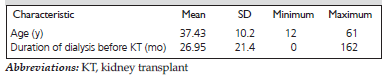
Table 1. Demographic and Clinical Characteristics of Recipients (Interval Scale)
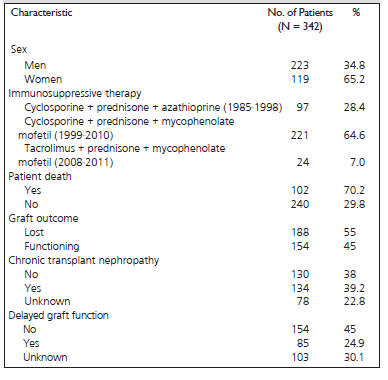
Table 2. Demographic and Clinical Characteristics of Recipients (Nominal Scale)
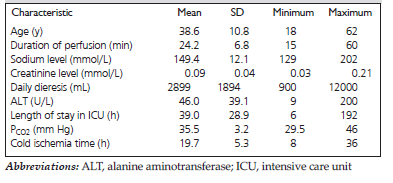
Table 3. Demographic and Clinical Characteristics of Donors (Interval Scale)
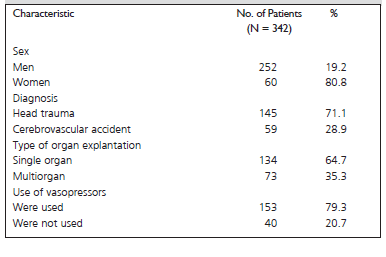
Table 4. Demographic and Clinical Characteristics of Donors (Nominal Scale)
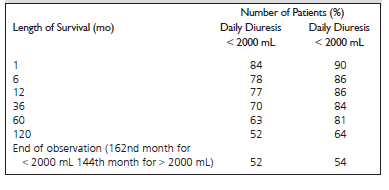
Table 5. Comparison of Patient Survival Rates From Donors With Daily Diuresis < 2000 mL and Daily Diuresis > 2000 mL
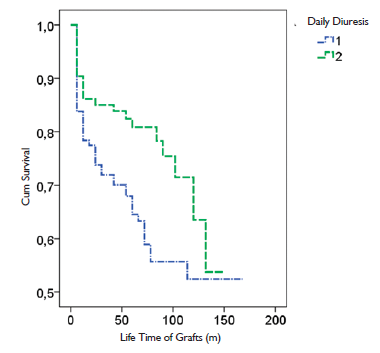
Figure 1. Survival Curves for Grafts With Respect to Daily Diuresis
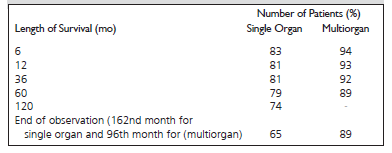
Table 6. Comparison of Patient Survival Rates From Donors With Daily Diuresis < 2000 mL and Daily Diuresis > 2000 mL
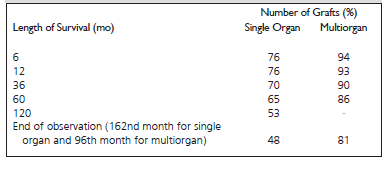
Table 7. Comparison of Graft Survival Rates in From Single-Organ Donors and Multiorgan Donors
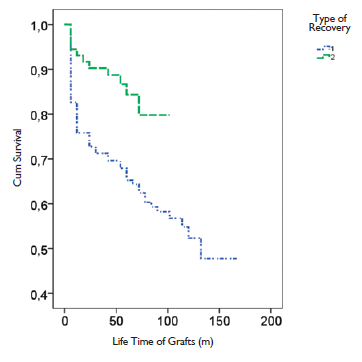
Figure 2. Survival Curves for Grafts With Respect Type of Organ Recovery