Volume: 12 Issue: 3 June 2014
FULL TEXT
Liver retransplant is the only treatment for patients with irreversible graft failure. However, given the severe shortage of organs, there is an ethical question of equity in the distribution of this resource. Liver retransplant is more expensive and is associated with lower patient/graft survival rates than equivalent rates after primary transplant. Both primary nonfunction and hepatic artery thrombosis account for nearly all cases of early liver retransplant. Late indications of liver retransplant-include chronic rejection, biliary complications, or recurrence of primary disease such as hepatitis C, autoimmune hepatitis, and primary sclerosing cholangitis. Donor data are not available when a patient is listed for liver retransplant; therefore, prognostic factors related to the recipient is a more practical way of making the decision to offer liver retransplant is made. In the Model of End-stage Liver Disease era liver retransplant for “late” indications is more complex and selection criteria are more stringent. We review the literature for predictive factors influencing outcome of liver retransplant, especially in those with recurrent disease.
Key words : Liver retransplant, Hepatitis C recurrence, Autoimmune hepatitis recurrence
Introduction
Liver transplant is the only life-saving measure for patients with end-stage liver disease; 5-and 10-year survival rates are estimated to be more than 70% and 65%.1 Unfortunately, a significant proportion of liver recipients (7.6%-19.4%) will have graft loss,1-4 and liver retransplant (reLTx) is their only treatment option.
The decision to offer retransplant is often a difficult clinical dilemma. The reported incidence of retransplant varies between 5% and 22% (Table 1),1,4-13 and as the number of transplants performed using marginal grafts and grafts from non–heart-beating donors is increasing, the incidence of graft loss is also likely to increase; therefore, increasing the need for reLTx in the future.4 Liver retransplant is associated with lower patient and graft survival rates than equivalent rates after primary transplant. The main reasons for poor outcomes after reLTx are infections, septic complications, multiple organ failure,5,6,14,15 and bleeding complications.6,14 The overall 1-, 3-, 5- and 10-year survival rates after the first reLTx are 66%, 61%, 57%, and 47%.1,4,7-10,15-18 Given the shortage of organs available for transplant, there is an ethical question of equity in the distribution of this scarce resource; it practically denies access to patients waiting for their first transplant.8 Liver retransplant also is known to be more expensive and the charges incurred for evaluation, transplant, and 6 months of postoperative care of patients receiving a second transplant or more than 2-fold greater than patients with a single graft.7,9
Timing of liver retransplant: early vs late
There is no widespread agreement on a specific time to delineate early from late
reLTx; early indications for reLTx either may become evident shortly, or within
several weeks after the initial transplant. Early complications account for half
of all patients who need a reLTx.19 Primary nonfunction is the cause
in about 20% to 30% of all cases of reLTx, while vascular reasons, such as
hepatic artery thrombosis (HAT) account for 15% to 31%4,20;
therefore, HAT and primary nonfunction account for nearly all cases of early
reLTx (Table 2).6,21,22
Compared with published data, the proportion of reLTx performed in our center for primary nonfunction was lower (10.7% of patients), this might be because of strict graft selection, procurement, and graft preservation protocols.4 However, the most common indication for reLTx in our center was HAT, accounting for around one third of all patients undergoing first, second, or third reLTx.4 The higher incidence of HAT requiring reLTx in our center possibly reflects our policy to reLTx all HAT patients, as we feel that any other interventional procedure may delay the decision for reLTx and worsen the prognosis.
Technical reasons commonly account for HAT, we did not find any association between the use of arterial conduit and the development of HAT,4 although this is known to be required more frequently with older and marginal donors.14 Some authors state that the increased use of reduced livers such as “split right” grafts with more complex arterial reconstructions might contribute to higher rates of HAT. Nishida and associates23 found that protocol Doppler ultrasonography of the liver graft detects early HAT, and that urgent revascularization can reduce the incidence of graft loss and reLTx in the pediatric population.
Late indications for reLTx are generally seen at least 30 days after primary liver transplant, and these include chronic rejection, biliary complications, or recurrence of the primary disease such as hepatitis C, autoimmune hepatitis, or primary sclerosing cholangitis. Hepatic artery thrombosis and subsequent ischemic cholangiopathy most often start in the early posttransplant period, but can be seen later (Table 2).19,22
Whether the timing of reLTx is correlated to outcome, and whether the risk of death after early reLTx because of initial graft failure are different from that of late reLTx because of disease recurrence, has been addressed by several authors.5,6,8,21 Busuttil and associates,24 reviewed 3200 liver transplants at the University of California, Los Angeles, and concluded that among 13 donor and recipient variables, that retransplant was one of the strongest indicators having a negative effect on survival, and the risk of mortality varied based on the time interval from the primary transplant. The highest death rate and mortality risk ratio for reLTx was between 8 and 30 days from primary grafting.25
The mechanism underlying the lower survival rate associated with reLTx remains to be defined, although multiorgan dysfunction associated with failing grafts appears to contribute to the high perioperative mortality.
Several challenges contribute to the degree of complexity of late reLTx. Organ allocation is usually based on the severity of the patients’ condition, medical comorbidities such as renal failure, coagulopathy, recurrent infection, and the chronic use of immunosuppression contribute to the medical complexity of these patients. In the later posttransplant period, anatomy is often distorted and surgical dissection is made difficult by dense and often vascular adhesions. The presence of vascular collaterals due to portal hypertension or late hepatic artery thrombosis may further complicate operative procedure.18,19
Survival models for liver retransplant
Although some donor and perioperative factors have previously been reported to
predict poor organ prognosis after reLTx,5,9,11,16,17,26 these data
are less applicable when a patient is listed for reLTx; therefore, prognostic
factors related to the recipient seem to be more practical when the decision to
offer reLTx is made. Several authors have attempted to devise risk scores to
predict survival after reLTx (Table 3).1,9,15,17,18,21,22,26-28 The
factors that have been found to significantly affect outcome after reLTx include
donor variables (age and gender), recipient variables (bilirubin, creatinine,
recipient age, preoperative mechanical ventilation and choice of
immunosuppression),9,21 MELD score,28 timing of reLTx,24,25
use of intraoperative blood products,6 and indication for reLTx in
one study.29 The indication for reLTx has not been confirmed as
predictor of prognosis in most studies.6,9 We previously reported
that 1-year patient survival was 45% after second reLTx and 24% after third
reLTx (Table 1).4 Based on these outcomes, if the general rule requiring a 50%
survival rate at 5 years was adhered to, no patients should undergo second or
third reLTx. Similar findings have been reported from Pittsburg and Los Angeles
groups.9,21
The group at the University of California, Los Angeles, established a scoring system (Four Predictive Index Categories: PICIIV) based on 8 variables that could predict recipient and graft survival.22 These variables are (1) intraoperative packed red blood cell transfusion (30 units), (2) prior transplant, (3) interval between prior transplant and reLTx (30 days), (4) ventilator requirement at time of reLTx, (5) donor age (45 years), (6) MELD score (27), (7) serum albumin at time of reLTx (2.5 g/dL), and (8) recipient age (55 years). The first predictive index category (the lowest risk category) had a 5-year patient survival rate and 5-year survival without graft failure of 79% and 65%; while the same survivals were 22% and 19% for the highest risk category, PIC IV. Therefore, authors discourage reLTx for patients in PIC IV.
Because only a few studies have attempted to define parameters of donor organ variables, it is difficult to define which organs should not be used. Caution should be exercised with extended-criteria donors, such as older donors (> 50 y), those with extended hospital stays (> 5 d), and those with a long cold ischemia time (> 8 h).25 In this setting, there might be a place for living-related liver transplant. Living-related liver transplant is an elective, programmable procedure that allows time to prepare the recipient before progressive deterioration; it shortens the wait time, which has been reported as a risk factor for reLTx.1,9,18,26 A 10-year prospective study by Fisher and associates30 demonstrated that patient survival, graft survival, and retransplant rates were not significantly different at 1, 3, and 5 years after transplant. However, the HCV (hepatitis C virus) + living-donor liver transplant patients and graft survivals were 12% to 15% lower at 1 and 3 years, compared with deceased-donor liver transplant patient and graft survivals.
Recurrence of autoimmune diseases after liver transplant
There are 3 main autoimmune liver diseases that can progress to biliary
cirrhosis and ultimately to end-stage liver disease: primary sclerosing
cholangitis, autoimmune hepatitis (AIH), and primary biliary cirrhosis (PBC).
All can be treated by a liver transplant.31 Each of these liver
diseases accounts for 3% to 8% of the indications for liver transplant,
according to the European Liver Transplant Registry.14 Although graft
and recipient survival are excellent at 5 years after transplant (greater than
65% and 75%), autoimmune diseases of the liver can recur.14
The key points are: (1) Autoimmune disease recurrence is based on histologic criteria; however, other features (clinical, radiologic, biochemical, and/or serologic) also may confirm the diagnosis. This highlights the importance of performing protocol liver biopsy despite the absence of other diagnostic features. (2) Currently, there is no convincing evidence that the type of immuno-suppressive therapy might prevent disease recurrence, although its discontinuation may have an effect on recurrence of AIH. And (3) further studies are necessary to determine new risk factors to ensure optimum prevention of a recurrence of autoimmune disorders after a liver transplant.31
Primary sclerosing cholangitis
Recurrence affects 10% to 27% of recipients with 6 months to 5 years (median
interval) between primary transplant and disease recurrence.32-35
Diagnosis of recurrence is challenging and multidisciplinary collaboration
between pathologists, radiologists, surgeons, and hepatologists is required.31
Pathological findings in the event of a recurrence are similar to those
described in native livers with primary sclerosing cholangitis.32,35,36
Diagnostic criteria of recurrent primary sclerosing cholangitis was based on the
Mayo Clinic criteria33 and include the following: A confirmed
diagnosis of primary sclerosing cholangitis before liver transplant; a
cholangiogram showing nonanastomotic biliary strictures with beading and
irregularity occurring at least 3 months after transplant; and a liver biopsy
revealing fibrous cholangitis and/or fibro-obliterative lesions of large bile
ducts. However, other conditions can complicate the diagnosis such as hepatic
artery thrombosis/stenosis, chronic ductopenic rejection, humoral rejection due
to ABO incompatibility, preservation injury and anastomotic or nonanastomotic
stricturing before 3 months after primary liver transplant.31
Risk factors for recurrent primary sclerosing cholangitis
Different studies have identified some factors, including recipient age,36
male gender,34 donor-recipient gender mismatch,35
coexistent inflammatory bowel disease, the presence of an intact colon after
liver transplant,34 cytomegalovirus infection,36
recurrent acute cellular rejection,36 steroid-resistant acute
cellular rejection,36 maintenance of corticosteroid therapy,37
and the presence of cholangiocarcinoma before liver transplant38
(Table 4). In summary, although the mechanism of recurrence remains unknown,
recent data argue for an association of recurrence with rejection and steroid
therapy.31 Solutions to these problems could be found if the
pathogenesis of primary sclerosing cholangitis recurrence were better
understood. The efficacy of ursodeoxycholic acid has not yet been demonstrated.31
However, many questions remain unanswered regarding medical therapies that can
be used to prevent or treat recurrence.
Primary biliary cirrhosis
Decompensation affects 26% of patients within 10 years of diagnosis.39
However, overall recurrence rates range from 0% to 50%.40-42
Histologic findings are the criterion standard in PBC recurrence, including bile
duct destruction by a florid lesion called an epithelioid granuloma, first
reported by Neuberger and associates.40 Histologic criteria
considered to be PBC-like include lymphocyte cholangitis, ductular
proliferation, lymphocytic aggregates, breaks in the basement membranes of bile
ducts, copper-associated protein in the absence of cholestasis, and a paucity of
bile ducts.41,42 The presence of plasma cells in the portal
infiltrate is an early marker of PBC recurrence. Interestingly, Van de Water and
associates43 used a monoclonal antibody directed to the E2 subunit of
the pyruvate dehydrogenase complex and apical biliary epithelial antigen finding
that apical staining was the earliest marker for disease recurrence.
Risk factors for recurrent primary biliary cirrhosis
There are insufficient or conflicting evidence from different studies on the
effect of risk factors for recurrent PBC, such as increased donor or recipient
age, increased cold and warm ischemia times, immunosuppressive regimen used.31,44
Morioka and associates45 reported that a fewer number of HLA-A,
HLA-B, and HLA-DR mismatches between the donor and recipient was an independent
risk factor for disease recurrence.
Treatment of recurrent primary biliary cirrhosis
Ursodeoxycholic acid did not influence patient or graft survival; however, most
clinicians recommend starting ursodeoxycholic acid therapy once diagnosis of
recurrent PBC is established.31 There is also no evidence supporting
the use of corticosteroid therapy to prevent and/or treat recurrent PBC.31
Autoimmune hepatitis
Recurrence of AIH in the liver allograft has been supported by the findings of
several studies.46 Pathological findings seem to be the most
appropriate diagnostic markers. Normal biochemical liver tests, gamma globulin
levels in the normal range, and an absence of anti tissue antibodies may mask
the recurrence of liver disease in the liver graft, further emphasizing the
importance of a late protocol biopsy.31 The criteria used to diagnose
recurrent AIH after a liver transplant must include varying combinations of
biochemical changes (elevated serum aminotransferase levels and
hypergamma-globulinemia), histologic features, and corticosteroid dependency.31
Risk factors for recurrent autoimmune hepatitis
There are contradictory results from several studies, and recipient and/or donor
HLA-DR3 phenotype is not confirmed as a risk factor for disease recurrence.31,46
Treatment of recurrent autoimmune hepatitis
Recurrent AIH responds well on escalating immuno-suppressive therapy. A higher
dose of steroid therapy, or in combination with change of immuno-suppressive
regimen, is recommended.
Hepatitis C virus recurrence after liver transplant
Hepatitis C virus-induced liver cirrhosis is the most common indication for
liver transplant. Recurrence of HCV after transplant is nearly universal leading
to progressive liver disease, with graft loss that may require reLTx in some.
Hepatitis C virus infection of the allograft occurs at the time of transplant,
with HCV RNA detectable in the first postoperative week.47 By the end
of the first year after transplant, HCV RNA levels are 10- to 20-fold greater
than pretransplant levels.48 In approximately 75% of recipients,
histologic features of recurrence will appear during the first 6 months after
transplant.49 Therefore, protocol biopsy at one year has been
recommended to predict subsequent fibrosis progression.48 By the
fifth postoperative year, up to 30% have progressed to cirrhosis49;
however, only 4% to 7% of recipients will develop cholestatic hepatitis C, an
accelerated course of liver damage associated with high levels of virus.47
Initial reports on poor outcomes associated with reLTx for recurrent HCV and the suggestion that viral reinfection may negatively influence the prognosis of repeat transplanted livers questioned the wisdom of the procedure; however, subsequent studies have shown that outcomes for recipients with HCV infection are generally comparable to those for other indications for liver transplant.9,50 The question arises whether reLTx outcomes in recipients with recurrent disease are inferior to those for reLTx performed in non-HCV patients.51
There are no uniform guidelines for listing HCV recipients for reLTx. However, the most common reasons for not relisting were early recurrent HCV after the initial transplant and/or renal dysfunction.20 Recently, there is a growing evidence that the use interferon-free regimens of potent oral antiviral agents (eg, daclatasvir and sofosbuvir) even early after transplant offer great promise to the many HCV patients worldwide who are experiencing reduced quality of life and survival because of recurrent infection.52 Fontana and associates53 describe as case of the first use of an interferon-free all-oral regimen—sofosbuvir (an HCV polymerase inhibitor) and daclatasvir (an HCV NS5A replication complex inhibitor)—in a liver transplant recipient with severe recurrent HCV genotype 1b after 6 months posttransplant.
Risk factors of hepatitis C virus recurrence
Recipient risk factors
Recipient risk factors (eg, viral genotype, recipient age, gender, HLA type, and
ethnicity) are not modifiable and cannot be used to predetermine eligibility of
patients for liver transplant.47 However, histologic evidence of
recurrence within the first year posttransplant and peak bilirubin level at the
time of initial disease recurrence may predict graft survival.51 It
is well recognized that development of fibrosing cholestatic HCV is a major risk
factor for severe recurrent disease after repeat transplant with a negative
effect on posttransplant survival.20,54 However, reLTx should not be
withheld from these patients under the presumption that they will lose their
second allograft as quickly as they did the first, as the timing of HCV
recurrence after an initial liver transplant is not predictive of the timing of
viral reinfection after reLTx.55
Donor risk factors
Donor factors are potentially selectable and are of particular interest.
Advancing donor age is associated with more rapid and severe histologic
progression of fibrosis and allograft failure.54 Recurrence of HCV
does not seem to be affected by the use of living-donor organs, when compared to
deceased-donor organs.56 Posttransplant cytomegalovirus infection has
been associated with increased severity of recurrence.54
Lines of management
Immunosuppression therapy
Slow tapering of corticosteroids after transplant had been reported to be
associated with a reduced severity of HCV recurrence and fibrosis progression,
in contrast with more-rapid or abrupt decreases in corticosteroid doses.57,58
There is no compelling evidence that avoiding steroids in the early
postoperative period results in improved long-term outcomes; however, a recent
meta-analysis noted a potential decrease in risk of HCV recurrence and
cytomegalovirus infection.59 Pulsed steroid treatment for acute
cellular rejection was found, not only to be associated with transient 1- to
2-log increases in HCV RNA levels60; but also, increased mortality
and graft loss in this subset of recipients.61
In a prospective randomized controlled study of 495 recipients with HCV infection, no difference was seen in the histologic recurrence rate of hepatitis C at 12 months after transplant between patients receiving cyclosporine versus tacrolimus.62 A meta-analysis of studies comparing the 2 calcineurin inhibitors found a patient and graft survival benefit associated with tacrolimus as maintenance immunosuppression.63 Conversely, some reports have shown that cyclosporine may have an inhibitory effect on HCV replication that requires concomitant administration of interferon64; however, a prospective, randomized, pilot study revealed no significant difference in sustained viral response compared with those who received tacrolimus.65 The impact of mycophenolate mofetil on recurrence of HCV appears to be neutral or beneficial to long-term outcomes.66
Although monoclonal antibodies anti-CD25 of interleukin-2 receptor of T-lymphocytes have been successfully used as alternatives in HCV transplant recipients as induction therapy in a steroid-free regimen, studies have failed to demonstrate any significant benefit for HCV recurrence, fibrosis progression, or survival after 1 to 2 years’ follow-up.67
Antiviral therapy
Patients with higher pretransplant HCV RNA titers experienced worse patient and
graft survival rates than recipients with lower pretransplant HCV RNA titers.68
Genotype 1, absence of early viral response, male gender, high baseline viral
load, and insulin resistance are factors associated with poor response to
antiviral therapy.47 Further studies have shown that a serum HCV RNA
level is the most important predictor of successful response during a course of
antiviral therapy before transplant.69 Early prophylactic treatment
during the postoperative period seems to be acceptably tolerable but of poor
effectiveness.70
Randomized controlled trials have shown improvement in fibrosis score in treated versus untreated recipients with HCV recurrence.71 It also has been shown that graft survival was significantly higher among patients who received antiviral treatment, regardless of sustained viral response6 months after treatment.72 Other prospective studies,73,74 have shown that rapid HCV clearance during therapy also is a key predictor of sustained viral response. The PROTECT study showed that sustained viral response was higher among patients with rapid viral response (who cleared HCV within 4 weeks) compared with those without rapid viral response (83.3% vs 25.7%; P = .0098), and among patients with complete early viral response those who achieved viral clearance within 12 weeks compared with those without complete early viral response (66.7% vs. 1.8%; P < .0001).75 The emergence of new antiviral agents include protease inhibitors, polymerase inhibitors, immune modulators, cyclophilin inhibitors, ribavirin analogues, will greatly contribute to the development of more effective treatment strategies against chronic HCV infection. Also, development of novel immuno-suppression strategies, including the use of steroid-free regimens, may potentially improve long-term outcomes in HCV transplant recipients. Direct-acting antiviral agents against HCV are classified into several categories: (1) HCV NS3/4A protease inhibitors, (2) HCV NS5B polymerase inhibitors, and (3) HCV NS5A inhibitors. Some direct-acting antiviral agents are potent inhibitors independently of HCV genotypes. The all-oral combination of daclatasvir plus sofosbuvir, with or without ribavirin, leads to higher sustained viral response rates in treatment-naive patients chronically infected with HCV genotypes 1, 2, and 3. Interferon-sparing combinations might be used in all patients who cannot use interferon (eg, subjects with decompensated cirrhosis or low platelet counts).52
Strategies to minimize the effect of HCV infection
Watt and associates47 have suggested some strategies to minimize the
effect of HCV infection after primary liver transplant. This may include
modification of pretransplant risk factors (eg, the avoidance of donors older
than 65 years), avoidance of prolonged warm ischemia (> 90 min), early diagnosis
and treatment of cytomegalovirus infection, antiviral therapy (if pretransplant
MELD score is lower than 17), and antiviral therapy using a low initial dosage
(if MELD score is greater than 17) with ribavirin adjustment for glomerular
filtration rate. Posttransplant risk factors such as use of tacrolimus for
maintenance therapy, minimization of immuno-suppression (especially
T-cell–depleting therapies), and pulsed steroid treatment for acute cellular
rejection—patients should be offered treatment with peginterferon and ribavirin
as soon as histologic evidence of recurrence of HCV is apparent. Other
considerations include protocol liver biopsy at 2-year intervals regardless of
biochemical profile (as long as the fibrosis stage is not > 2), using HCV
RNA-positive donors if no abnormal fibrosis exists, antiviral treatment for 48
weeks regardless of genotype, cytomegalovirus prophylaxis unless both
donor and recipient are IgG negative, and changing to cyclosporine when starting
antiviral therapy to make use of cyclophilin inhibition effect.
Better survival has been reported in recipients with HCV recurrence and lower MELD scores20; therefore, should these patients be allocated additional MELD points to improve outcomes after reLTx? It is difficult to answer this question because reLTx has a 20% lower patient survival20; implementation of such a policy could potentially reduce overall transplant survival. However, many believe that survival after reLTx should be in worst case scenario equivalent to the lowest survival after primary transplant. Therefore, recipients who are older and have severe renal dysfunction and a high MELD score (> 30) are poor candidates for reLTx, regardless of HCV infection. Recurrent HCV in isolation is not a contraindication for reLTx. Rather, all variables should be used to evaluate potential candidates.20
In conclusion, although much debate is centered on predictors of survival after reLTx for recurrent disease, the current organ allocation system, which is strongly biased toward disease severity, may contribute to the poor outcomes after reLTx, especially for those with disease recurrence.
References:
- Azoulay D, Linhares MM, Huguet E, et al. Decision for retransplantation
of the liver: an experience- and cost-based analysis. Ann Surg.
2002;236(6):713-721; discussion 721.
CrossRef - PubMed - Bramhall SR, Minford E, Gunson B, Buckels JA. Liver transplantation in
the UK. World J Gastroenterol. 2001;7(5):602-611.
PubMed - Jain A, Reyes J, Kashyap R, et al. Long-term survival after liver
transplantation in 4,000 consecutive patients at a single center. Ann Surg.
2000;232(4):490-500.
CrossRef - PubMed - Marudanayagam R, Shanmugam V, Sandhu B, et al. Liver retransplantation
in adults: a single-centre, 25-year experience. HPB (Oxford).
2010;12(3):217-224.
CrossRef - PubMed - Wong T, Devlin J, Rolando N, Heaton N, Williams R. Clinical
characteristics affecting the outcome of liver retransplantation.
Transplantation. 1997;64(6):878-882.
CrossRef - PubMed - Facciuto M, Heidt D, Guarrera J, et al. Retransplantation for late liver
graft failure: predictors of mortality. Liver Transpl. 2000;6(2):174-179.
CrossRef - PubMed - D'Alessandro AM, Ploeg RJ, Knechtle SJ, et al. Retransplantation of the
liver--a seven-year experience. Transplantation. 1993;55(5):1083-1087.
CrossRef - PubMed - Powelson JA, Cosimi AB, Lewis WD, et al. Hepatic retransplantation in
New England--a regional experience and survival model. Transplantation.
1993;55(4):802-806.
CrossRef - PubMed - Markmann JF, Markowitz JS, Yersiz H, et al. Long-term survival after
retransplantation of the liver. Ann Surg. 1997;226(4):408-418; discussion
418-420.
CrossRef - PubMed - Mora NP, Klintmalm GB, Cofer JB, et al. Results after liver
retransplantation (RETx): a comparative study between "elective" vs
"nonelective" RETx. Transplant Proc. 1990;22(4):1509-1511.
PubMed - Morel P, Rilo HL, Tzakis AG, Todo S, Gordon RD, Starzl TE. Liver
retransplantation in adults: overall results and determinant factors
affecting the outcome. Transplant Proc. 1991;23(6):3029-3031.
PubMed - Kumar N, Wall WJ, Grant DR, et al. Liver retransplantation. Transplant
Proc. 1999;31(1-2):541-542.
CrossRef - PubMed - Yoong KF, Gunson BK, Buckels JA, McMaster P, Mayer AD. Repeat orthotopic
liver transplantation in the 1990s: is it justified? Transpl Int.
1998;11(suppl 1):S221-S223.
CrossRef - PubMed - Adam R, McMaster P, O'Grady JG, et al. Evolution of liver
transplantation in Europe: report of the European Liver Transplant Registry.
Liver Transpl. 2003;9(12):1231-1243.
CrossRef - PubMed - Yao FY, Saab S, Bass NM, et al. Prediction of survival after liver
retransplantation for late graft failure based on preoperative prognostic
scores. Hepatology. 2004;39(1):230-238.
CrossRef - PubMed - Doyle HR, Marino IR, Jabbour N, et al. Early death or retransplantation
in adults after orthotopic liver transplantation. Can outcome be predicted?
Transplantation. 1994;57(7):1028-1036.
CrossRef - PubMed - Markmann JF, Gornbein J, Markowitz JS, et al. A simple model to estimate
survival after retransplantation of the liver. Transplantation.
1999;67(3):422-430.
CrossRef -> PubMed - Kim WR, Wiesner RH, Poterucha JJ, et al. Hepatic retransplantation in
cholestatic liver disease: impact of the interval to retransplantation on
survival and resource utilization. Hepatology. 1999;30(2):395-400.
CrossRef - PubMed - Yoo PS, Umman V, Rodriguez-Davalos MI, Emre SH. Retransplantation of the
liver: review of current literature for decision making and technical
considerations. Transplant Proc. 2013;45(3):854-859.
CrossRef - PubMed - McCashland T, Watt K, Lyden E, et al. Retransplantation for hepatitis C:
results of a U.S. multicenter retransplant study. Liver Transpl.
2007;13(9):1246-1253.
CrossRef - PubMed - Doyle HR, Morelli F, McMichael J, et al. Hepatic Retransplantation--an
analysis of risk factors associated with outcome. Transplantation.
1996;61(10):1499-1505.
CrossRef - PubMed - Hong JC, Kaldas FM, Kositamongkol P, et al. Predictive index for
long-term survival after retransplantation of the liver in adult recipients:
analysis of a 26-year experience in a single center. Ann Surg.
2011;254(3):444-448; discussion 448-449.
CrossRef - PubMed - Nishida S, Kato T, Levi D, et al. Effect of protocol Doppler
ultrasonography and urgent revascularization on early hepatic artery
thrombosis after pediatric liver transplantation. Arch Surg.
2002;137(11):1279-1283.
CrossRef - PubMed - Busuttil RW, Farmer DG, Yersiz H, et al. Analysis of long-term outcomes
of 3200 liver transplantations over two decades: a single-center experience.
Ann Surg. 2005;241(6):905-916; discussion 916-918.
CrossRef - PubMed - Zimmerman MA, Ghobrial RM. When shouldn't we retransplant? Liver
Transpl. 2005;(11 suppl 2):S14-S20.
CrossRef - PubMed - Rosen HR, Madden JP, Martin P. A model to predict survival following
liver retransplantation. Hepatology. 1999;29(2):365-370.
CrossRef - PubMed - Ghobrial RM, Gornbein J, Steadman R, et al. Pretransplant model to
predict posttransplant survival in liver transplant patients. Ann Surg.
2002;236(3):315-322; discussion 322-323.
CrossRef - PubMed - Rosen HR, Prieto M, Casanovas-Taltavull T, et al. Validation and
refinement of survival models for liver retransplantation. Hepatology.
2003;38(2):460-469.
CrossRef - PubMed - Postma R, Haagsma EB, Peeters PM, van den Berg AP, Slooff MJ.
Retransplantation of the liver in adults: outcome and predictive factors for
survival. Transpl Int. 2004;17(5):234-240.
CrossRef - PubMed 7 - Fisher RA, Cotterell AH, Maluf DG, et al. Adult living donor versus
deceased donor liver transplantation: a 10-year prospective single center
experience. Ann Hepatol. 2009;8(4):298-307.
PubMed - Duclos-Vallee JC, Sebagh M. Recurrence of autoimmune disease, primary
sclerosing cholangitis, primary biliary cirrhosis, and autoimmune hepatitis
after liver transplantation. Liver Transpl. 2009;15(suppl 2):S25-S34.
CrossRef - PubMed - Graziadei IW. Recurrence of primary sclerosing cholangitis after liver
transplantation. Liver Transpl. 2002;8(7):575-581.
CrossRef - PubMed - Graziadei IW, Wiesner RH, Marotta PJ, et al. Long-term results of
patients undergoing liver transplantation for primary sclerosing
cholangitis. Hepatology. 1999;30(5):1121-1127.
CrossRef - PubMed - Vera A, Moledina S, Gunson B, et al. Risk factors for recurrence of
primary sclerosing cholangitis of liver allograft. Lancet.
2002;360(9349):1943-1944.
CrossRef - PubMed - Khettry U, Keaveny A, Goldar-Najafi A, et al. Liver transplantation for
primary sclerosing cholangitis: a long-term clinicopathologic study. Hum
Pathol. 2003;34(11):1127-1136.
CrossRef - PubMed - Jeyarajah DR, Netto GJ, Lee SP, et al. Recurrent primary sclerosing
cholangitis after orthotopic liver transplantation: is chronic rejection
part of the disease process? Transplantation. 1998;66(10):1300-1306.
CrossRef - PubMed - Cholongitas E, Shusang V, Papatheodoridis GV, et al. Risk factors for
recurrence of primary sclerosing cholangitis after liver transplantation.
Liver Transpl. 2008;14(2):138-143.
CrossRef - PubMed - Campsen J, Zimmerman MA, Trotter JF, et al. Clinically recurrent primary
sclerosing cholangitis following liver transplantation: a time course. Liver
Transpl. 2008;14(2):181-185.
CrossRef - PubMed - Tinmouth J, Tomlinson G, Heathcote EJ, Lilly L. Benefit of
transplantation in primary biliary cirrhosis between 1985-1997.
Transplantation. 2002;73(2):224-227.
CrossRef - PubMed - Neuberger J, Portmann B, Macdougall BR, Calne RY, Williams R. Recurrence
of primary biliary cirrhosis after liver transplantation. N Engl J Med.
1982;306(1):1-4.
CrossRef - PubMed - Polson RJ, Portmann B, Neuberger J, Calne RY, Williams R. Evidence for
disease recurrence after liver transplantation for primary biliary
cirrhosis. Clinical and histologic follow-up studies. Gastroenterology.
1989;97(3):715-725.
PubMed - Neuberger J, Gunson B, Hubscher S, Nightingale P. Immunosuppression
affects the rate of recurrent primary biliary cirrhosis after liver
transplantation. Liver Transpl. 2004;10(4):488-491.
CrossRef - PubMed - Van de Water J, Gerson LB, Ferrell LD, et al. Immunohistochemical
evidence of disease recurrence after liver transplantation for primary
biliary cirrhosis. Hepatology. 1996;24(5):1079-1084.
CrossRef - PubMed - Guy JE, Qian P, Lowell JA, Peters MG. Recurrent primary biliary
cirrhosis: peritransplant factors and ursodeoxycholic acid treatment
post-liver transplant. Liver Transpl. 2005;11(10):1252-1257.
CrossRef - PubMed - Morioka D, Egawa H, Kasahara M, et al. Impact of human leukocyte antigen
mismatching on outcomes of living donor liver transplantation for primary
biliary cirrhosis. Liver Transpl. 2007;13(1):80-90.
CrossRef - PubMed - Duclos-Vallée JC, Sebagh M, Rifai K, et al. A 10 year follow up study of
patients transplanted for autoimmune hepatitis: histological recurrence
precedes clinical and biochemical recurrence. Gut. 2003;52(6):893-897.
CrossRef - PubMed - Watt K, Veldt B, Charlton M. A practical guide to the management of HCV
infection following liver transplantation. Am J Transplant.
2009;9(8):1707-1713.
CrossRef - PubMed - Sreekumar R, Gonzalez-Koch A, Maor-Kendler Y, et al. Early
identification of recipients with progressive histologic recurrence of
hepatitis C after liver transplantation. Hepatology. 2000;32(5):1125-1130.
CrossRef - PubMed - Neumann UP, Berg T, Bahra M, et al. Fibrosis progression after liver
transplantation in patients with recurrent hepatitis C. J Hepatol.
2004;41(5):830-836.
CrossRef - PubMed - Rosen HR, Martin P. Hepatitis C infection in patients undergoing liver
retransplantation. Transplantation. 1998;66(12):1612-1616.
CrossRef - PubMed - Ghobrial RM. Retransplantation for recurrent hepatitis C. Liver Transpl.
2002;8(10 suppl 1):S38-S43.
CrossRef - PubMed - Kanda T, Yokosuka O, Omata M. Treatment of hepatitis C virus infection
in the future. Clin Transl Med. 2013;2(1):9.
CrossRef - PubMed - Fontana RJ, Hughes EA, Bifano M, et al. Sofosbuvir and daclatasvir
combination therapy in a liver transplant recipient with severe recurrent
cholestatic hepatitis C. Am J Transplant. 2013;13(6):1601-1605.
CrossRef - PubMed - Wiesner RH, Sorrell M, Villamil F; International Liver Transplantation
Society Expert Panel. Report of the first International Liver
Transplantation Society expert panel consensus conference on liver
transplantation and hepatitis C. Liver Transpl. 2003;9(11):S1-S9.
CrossRef - PubMed - Carmiel-Haggai M, Fiel MI, Gaddipati HC, et al. Recurrent hepatitis C
after retransplantation: factors affecting graft and patient outcome. Liver
Transpl. 2005;11(12):1567-1573.
CrossRef - PubMed - Shiffman ML, Stravitz RT, Contos MJ, et al. Histologic recurrence of
chronic hepatitis C virus in patients after living donor and deceased donor
liver transplantation. Liver Transpl. 2004;10(10):1248-1255.
CrossRef - PubMed - Berenguer M, Aguilera V, Prieto M, et al. Significant improvement in the
outcome of HCV-infected transplant recipients by avoiding rapid steroid
tapering and potent induction immunosuppression. J Hepatol.
2006;44(4):717-722.
CrossRef - PubMed - Vivarelli M, Burra P, La Barba G, et al. Influence of steroids on HCV
recurrence after liver transplantation: A prospective study. J Hepatol.
2007;47(6):793-798.
CrossRef - PubMed - Segev DL, Sozio SM, Shin EJ, et al. Steroid avoidance in liver
transplantation: meta-analysis and meta-regression of randomized trials.
Liver Transpl. 2008;14(4):512-525.
CrossRef - PubMed - Gane EJ, Naoumov NV, Qian KP, et al. A longitudinal analysis of
hepatitis C virus replication following liver transplantation.
Gastroenterology. 1996;110(1):167-177.
CrossRef - PubMed - Charlton M, Seaberg E. Impact of immunosuppression and acute rejection
on recurrence of hepatitis C: results of the National Institute of Diabetes
and Digestive and Kidney Diseases Liver Transplantation Database. Liver
Transpl Surg. 1999;5(4 suppl 1):S107-S114.
PubMed - Levy G, Grazi GL, Sanjuan F, et al. 12-month follow-up analysis of a
multicenter, randomized, prospective trial in de novo liver transplant
recipients (LIS2T) comparing cyclosporine microemulsion (C2 monitoring) and
tacrolimus. Liver Transpl. 2006;12(10):1464-1472.
CrossRef - PubMed - McAlister VC, Haddad E, Renouf E, Malthaner RA, Kjaer MS, Gluud LL.
Cyclosporin versus tacrolimus as primary immunosuppressant after liver
transplantation: a meta-analysis. Am J Transplant. 2006;6(7):1578-1585.
CrossRef - PubMed - Firpi RJ, Zhu H, Morelli G, et al. Cyclosporine suppresses hepatitis C
virus in vitro and increases the chance of a sustained virological response
after liver transplantation. Liver Transpl. 2006;12(1):51-57.
CrossRef - PubMed - Firpi RJ, Soldevila-Pico C, Morelli GG, et al. The use of cyclosporine
for recurrent hepatitis C after liver transplant: a randomized pilot study.
Dig Dis Sci. 2010;55(1):196-203.
CrossRef - PubMed - Wiesner R, Rabkin J, Klintmalm G, et al. A randomized double-blind
comparative study of mycophenolate mofetil and azathioprine in combination
with cyclosporine and corticosteroids in primary liver transplant
recipients. Liver Transpl. 2001;7(5):442-450.
CrossRef - PubMed - Kato T, Gaynor JJ, Yoshida H, et al. Randomized trial of steroid-free
induction versus corticosteroid maintenance among orthotopic liver
transplant recipients with hepatitis C virus: impact on hepatic fibrosis
progression at one year. Transplantation. 2007;84(7):829-835.
CrossRef - PubMed - Charlton M, Seaberg E, Wiesner R, et al. Predictors of patient and graft
survival following liver transplantation for hepatitis C. Hepatology.
1998;28(3):823-830.
CrossRef - PubMed - Ferenci P, Fried MW, Shiffman ML, et al. Predicting sustained
virological responses in chronic hepatitis C patients treated with
peginterferon alfa-2a (40 KD)/ribavirin. J Hepatol. 2005;43(3):425-433.
CrossRef - PubMed - Chalasani N, Manzarbeitia C, Ferenci P, et al. Peginterferon alfa-2a for
hepatitis C after liver transplantation: two randomized, controlled trials.
Hepatology. 2005;41(2):289-298. Erratum in: Hepatology. 2005;42(2):506.
CrossRef - PubMed - Samuel D, Bizollon T, Feray C, et al. Interferon-alpha 2b plus ribavirin
in patients with chronic hepatitis C after liver transplantation: a
randomized study. Gastroenterology. 2003;124(3):642-650.
CrossRef - PubMed - Veldt BJ, Poterucha JJ, Watt KD, et al. Impact of pegylated interferon
and ribavirin treatment on graft survival in liver transplant patients with
recurrent hepatitis C infection. Am J Transplant. 2008;8(11):2426-2433.
CrossRef - PubMed - Bizollon T, Pradat P, Mabrut JY, et al. Histological benefit of
retreatment by pegylated interferon alfa-2b and ribavirin in patients with
recurrent hepatitis C virus infection posttransplantation. Am J Transplant.
2007;7(2):448-453.
CrossRef - PubMed - Nair S, Lipscomb J, Eason J. Efficacy of interferon based antiviral
therapy for recurrent hepatitis C in patients who received steroid free
immunosuppression for liver transplantation. Transplantation.
2008;86(3):418-422.
CrossRef - PubMed - Gordon FD, Kwo P, Ghalib R, et al. Peginterferon-α-2b and ribavirin for
hepatitis C recurrence postorthotopic liver transplantation. J Clin
Gastroenterol. 2012;46(8):700-708.
CrossRef - PubMed

Volume : 12
Issue : 3
Pages : 175 - 183
DOI : 10.6002/ect.2014.0005
From the Liver Unit, Queen Elizabeth Hospital, Birmingham, United Kingdom
Acknowledgements: The authors have no conflicts of interest to declare,
nor did they receive any funding for this study.
Corresponding author: Simon R. Bramhall, MD, FRCS Consultant HPB & Liver
Transplant Surgeon, The Liver Unit, Queen Elizabeth Hospital, Nuffield House 3rd
Floor, Edgbaston, Birmingham, B15 2TH, United Kingdom
Phone: +44 (0) 797 627 8549
Fax: + 44 (0) 121 414 1833
E-mail:
Simon.Bramhall@uhb.nhs.uk
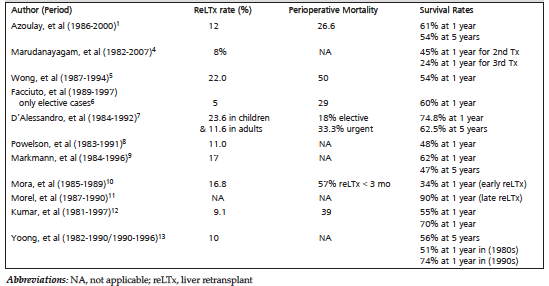
Table 1. Rate, Perioperative Mortality, and Overall Graft Survival Rates of Liver Retransplant in Series of More Than 30 Retransplants
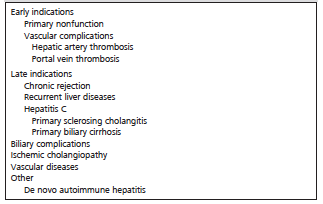
Table 2. Common Indications for Liver Retransplant
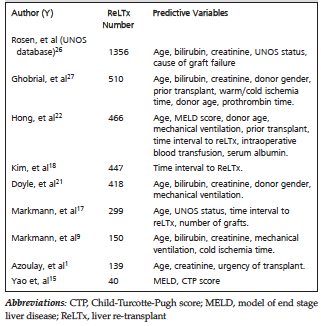
Table 3. Predictive Models of Survival after Liver Retransplant
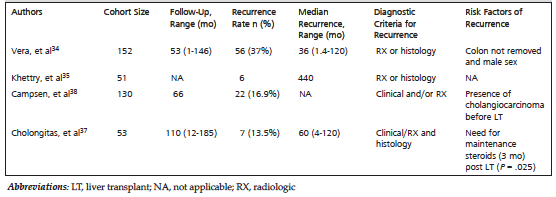
Table 4. Series of Recurrent Primary Sclerosing Cholangitis after Liver Transplant