Volume: 11 Issue: 2 April 2013
FULL TEXT
After graduating from high school in my birthplace hometown of LeMars, Iowa, I had a stint in the Navy (1944-1945), earned a B.A. degree in 1947 from Westminster College (Missouri), and completed 2 years of medical school at Northwestern University (1947-1949). I then dropped out to do research in neurophysiology under the inspiring tutelage of Horace W. Magoun, first at Northwestern and subsequently at the new UCLA Medical School. With Northwestern MD, and PhD degrees, I served a 1-year internship at Johns Hopkins Hospital before doing a full time 18-month study of complete heart block, a frequent complication with the first human open heart operations. The experiments involved creation of a canine model of heart block and treatment of its adverse consequences with repetitive low voltage ventricular stimulation (the first epicardial pace-making).
The Experimental Transplant Models
After returning to surgical resident duties (1954-1959), discussions about the liver’s double blood supply prompted my spare-time development of canine abdominal organ transplant models. The question was whether hormone- and nutrient-rich portal blood was important for optimum total body metabolism and liver health specifically. This had been an unresolved subject for nearly 80 years because of the confusing literature on portacaval shunt (Eck’s fistula). The canine auxiliary liver transplant model described in 1955 by C. Stuart Welch at Albany Medical College epitomized the controversy. While leaving the blood supply of the native liver intact, Welch arterialized the extra liver (an allograft) but provided its portal inflow with systemic venous return from the lower part of the body (Figure 1). The dramatic shrinkage of the transplanted liver was attributed to rejection. My alternative explanation was that the allograft had been deprived of liver-supporting (hepatotrophic) factors in the portal blood.
To test the hypothesis, I developed 2 more procedures during 1958-19599. One was liver replacement (Figure 2),1 In the other, the liver and all of the other intra-abdominal organs were removed and replaced with a multivisceral allograft (Figure 3).2 The 3 models in combination generated parallel avenues of research. The first concerned the metabolic cross-regulation of the different abdominal organs, with particular reference to the importance of their relative anatomic positions. By demonstrating that endogenous insulin and other molecules in portal blood play a crucial role in the control of liver size, ultrastructure, function, and the capacity for regeneration,3 the hepatotrophic research contributed importantly to the scientific base of liver transplantation while filling in present and future gaps throughout hepatology and regenerative medicine.
Human Organ Transplantation
However, the use of the transplant operations to treat human liver diseases was the dominant theme from 1958 onward. Unbeknownst to me, 1958 also marked the start of similar efforts by Francis D. Moore at the Peter Bent Brigham Hospital in Boston (“The Brigham”). At the time, the only evidence that rejection might be avoidable came from the epochal 1953 experiments of Rupert Billingham, Leslie Brent and Peter Medawar in which allogeneic spleen cells were transplanted into immunologically immature mice. This model presaged bone marrow transplantation in immunodeficient humans. In a second model that heralded clinical bone marrow transplantation for a wide range of other indications, J.M. Main and R.T. Prehn reduced the immune responsiveness of adult mice with irradiation before transplanting donor lymphoid cells. In both mouse models, animals permanently bearing donor cells (donor leukocyte chimerism) could accept other tissues from the same donor but from no other donor (donor-specific tolerance).
The feasibility of the mouse tolerance models depended on a close match of murine donor and recipient tissue (histocompatibility) antigens. Otherwise, the donor cells were either rejected or caused graft-versus-host disease (GVHD). Because 15 years passed before enough human (HLA) antigens were discovered to permit donor-recipient matching, clinical bone marrow transplantation was not accomplished until 1968. In contrast, kidney allografts were successfully transplanted in 7 sublethally-irradiated human recipients within the 1959-1962 time frame of my liver model development, without tissue matching and in the ostensible absence of donor leukocytes (Table 1). These patients were rare exceptions to the usual outcome of rejection and patient death. However, they made the concept of human liver replacement seem less remote.
In the next step, a non-irradiated kidney recipient of Joseph Murray at The Brigham achieved graft function for 17 months under daily treatment with azathioprine, a drug whose preclinical testing had been done by Roy Calne (with Murray) and Charles Zukoski (with David Hume in Richmond, Virginia). Enthusiasm for such pharmacologic immunosuppression waned when the case was an isolated success. By then (early 1962), we had obtained a supply of azathioprine for evaluation alone or with other agents. When treatment was stopped at 100 days in dogs that had survived this long, many of the liver recipients (Figure 4) and an occasional kidney recipient did not reject their grafts. Although rare, these precious dogs contributed to the confidence with which our human kidney and liver programs were launched in that order at the University of Colorado. However, more substantive reassurance came from reproducible observations in dogs that had not been apparent under the testing conditions in other labs.
The Denver dog findings were used to design clinical protocols. In human recipients of kidneys from living donors, daily azathioprine was started several weeks before transplantation, adding prednisone afterwards only to treat the rejections that almost invariably occurred. The incremental use of drugs exposed 2 features of the immune system that were generalizable to all kinds of transplanted organs. These features made up the title of a report in the October 1963 issue of Surgery, Gynecology, & Obstetrics (now Journal of the American College of Surgeons) of the world’s first series of repetitively successful kidney transplantations: The reversal of rejection in human renal homografts with subsequent development of homograft tolerance. Tolerance was inferred from a declining need for treatment after rejection reversal. For example, the third patient (Figure 5) now is the world’s longest surviving kidney allograft recipient at 49.5 years and has been immunosuppression-free for the last quarter century.
When the series was inaugurated in 1962, Murray’s long-standing kidney transplant program at The Brigham was the only clinically active one in America. Guided by freely-shared Colorado data, David Hume started a third clinical program at the Medical College of Virginia (now Virginia Commonwealth University), also with azathioprine and prednisone. During the next 2 years, nearly 50 renal centers were founded in the United States or were gearing up while similar events occurred in Europe. Development of new centers was facilitated by the 1964 textbook, Experience in Renal Transplantation, based on our laboratory experiments and human cases.
Swept up by the momentum of our kidney successes, we attempted 5 human liver replacements between March and October 1963, using the same immunosuppression but with foreshortened pretreatment.4 Maximum survival was 23 days. All but one of the hepatic grafts functioned throughout and had little evidence at autopsy of rejection or of preservation injury. Instead, death was caused by infections at multiple sites. In the lung, these were associated with pulmonary emboli that formed in and migrated from the veno-venous bypasses that had been an essential component of the canine liver operation. After single failed attempts in Boston (by Moore) and Paris, all human liver transplant activity ceased worldwide until the summer of 1967. The procedure had come to be perceived as too difficult to ever be tried again.
During the moratorium, problems that contributed to the 1963 failures were
addressed: control of blood coagulation, improved organ preservation, infection
containment, and avoidance when possible of veno-venous bypasses. To improve
immunosuppression, antilymphocyte globulin (ALG) was refined from the serum of
horses immunized against human lymphoid cells for use as an adjunct to
azathioprine and prednisone. Equally important, liver graft availability was
enhanced by evolving acceptance of brain death. Beginning in July, 1967,
multiple examples of > 1-year liver recipient survival were produced (Figure 6)
with the triple immunosuppression regimen of azathioprine, prednisone, and ALG.5
In the next 2 years, there were enough successes to publish a 1969 companion textbook for my 1964 kidney book, entitled Experience in Hepatic Transplantation.6 By then, the first successful human heart (Capetown and Palo Alto) and pancreas transplantations (Minneapolis) had been recorded, using the 3-drug immunosuppression. However, a dozen more years passed before the promise of liver and other kinds of non-renal transplantation was fulfilled. Nevertheless, 4 European liver centers were founded during this interval: first in 1968 by Roy Calne (Cambridge), followed successively in the 1970s by Henri Bismuth (Paris), Rudolf Pichlmayr (Hannover), and Rudi Krom (Gronigen). Much of the framework of liver transplantation in place today was developed by the trans-Atlantic alliance of the 5 centers. All the while, the continued existence of brave forerunner liver recipients kept hope alive. The world’s longest survivor, a child with biliary atresia, has now borne her transplanted liver for 42.7 years (Figure 7).
Most of the indications for transplant candidacy were obvious, including inheritable disorders with a known liver-based biochemical explanation: eg Wilson’s disease. The acid test of liver transplantation ultimately helped elucidate the mechanisms or pathophysiology of less well-understood inborn errors: eg alpha-1-antitrypsin deficiency, glycogen storage disorders, and hyperlipoproteinemia. However, liver transplantation continued to bear the label “feasible but impractical” until the advent of cyclosporine. In 1979, Roy Calne reported its use in 34 transplant patients who included 2 liver recipients. Cyclosporine was far more potent than azathioprine. However, its side effects caused its near abandonment until we combined it with prednisone in our original 2-drug algorithm.
Kidney recipients were the first to benefit from the cyclosporine-prednisone regimen. Close behind, 11 of our first 12 liver recipients treated during 1979-1980 survived > 1-year.7 In December 1980, I moved from Colorado to Pittsburgh where efficacy of the treatment was established for other transplanted vital organs. In December 1981, the promising developments were reported to C. Everett Koop, the United States Surgeon General. With personal and sustained encouragement of President Ronald Reagan, Koop initiated steps leading to a Consensus Development Conference for liver transplantation that would include input from the 4 European centers.
The conclusion of the consensus committee on June 23, 1983, was that liver transplantation had become a “clinical service” rather than an experimental procedure. The resulting world-wide stampede to develop liver transplant centers was even more dramatic than that of kidney transplantation 2 decades earlier. Only 6 years later, a 17-page article divided between the October 12 and October 19, 1989 issues of the New England Journal of Medicine began with the following statement: “The conceptual appeal of liver transplantation is so great that the procedure may come to mind as a last resort for virtually every patient with lethal hepatic disease.”
Meanwhile, we had set in motion preclinical studies of tacrolimus in Pittsburgh8 that led to its substitution for cyclosporine and fast-track FDA approval. With tacrolimus, there were further improvements in survival with liver (Figure 8) and ultimately all kinds of organ transplantation. In addition, tacrolimus elevated the liver-inclusive multivisceral transplant procedures developed more than 3 decades earlier in dogs to the status of “clinical service.” The world’s longest surviving multivisceral recipient, now a school teacher, is 22 years post-transplantation (Figure 9).
The Exegesis of Alloengraftment
A connection between organ alloengraftment and the mouse models of acquired tolerance was made in 1992 with our discovery of a small multilineage population of donor leukocytes (microchimerism) in our liver, kidney, and other long-surviving organ recipients. Organ engraftment was explained by the “. . . spread of the transplanted organ’s lymphoid and dendritic cells through vascular routes to host lymphoid tissues . . . [with induction of] “. . . responses of coexisting donor and recipient immune cells, each to the other, causing reciprocal clonal expansion, followed by peripheral clonal deletion”9 (Figure 10). In this view, organ transplantation was a form of donor leukocyte chimerism-dependent tolerance, the completeness of which could be inferred from the amount required of maintenance immunosuppression.
Contemporaneously, Rolf Zinkernagel in Zurich formally proved that the specific T cell response against noncytopathic microparasites could be exhausted and deleted, and invoked clonal deletion and “immune ignorance” as the seminal mechanisms of the tolerance to intracellular pathogens that manifests clinically as disease carrier states (eg hepatitis). Immune ignorance referred to antigen whose presence is not recognized if it fails to reach host lymphoid organs; it was first described in the context of transplantation in 1967 by Clyde Barker and Rupert Billingham. With the premise that donor leukocytes and intracellular pathogens were mobile antigen equivalents that could induce clonal activation, exhaustion, and deletion, Zinkernagel and I described a spectrum of transplantation scenarios from outright rejection to durable tolerance and their infection analogues.10
Our generalizable conclusion was that “. . . migration and localization of antigen govern the immunologic responsiveness or unresponsiveness against infections, tumors, or self and against xenografts and allografts.” In this view, all immunologic outcomes are determined by the balance reached between the quantity of antigen with access to host lymphoid organs and the number of antigen-specific T cells induced at these lymphoid sites. Moreover, the fundamental role of transplant immunosuppression (irradiation, drugs, antilymphoid antibodies) was to tilt and maintain a balance favoring donor leukocyte supremacy. With this insight, it has been possible to analyze what has been and what might be accomplished in reducing or eliminating the need for life time immunosuppression of transplant recipients.
Consilience*
It was postulated by the 19th century English philosopher, W. Whewell, and recently by E.O. Wilson (Knopf Publishing, Inc. 1998) that all observations, facts, and principles could be explained in all disciplines (consilience) with a small number of simple laws. Numerous observations with liver transplantation were inconsistent with previous dogmas in immunology, metabolism, and other fields. Consilience could be achieved with 4 laws. Two have become aphorisms. “Timing is everything” applies to all events in nature including the factors that determine immunologic outcomes. “Form follows function” was proposed in 1896 by the architect, Louis Sullivan who argued that every facet of nature “. . . seeks and takes on its forms in an accord perfectly responsive to its needs.” This concept has been validated at many levels, including the morphogenesis of the immune system and other studies in the budding field of structural biology. The following 2 additional laws complete the picture: “Function follows migration” and “Relocation dictates outcome.” While exemplified in immunology by the migration and localization of antigen, laws 3 and 4 also are generalizable throughout nature.
References:
- Starzl TE, Kaupp HA Jr, Brock DR, Lazarus RE, Johnson RV. Reconstructive
problems in canine liver homotransplantation with special reference to the
postoperative role of hepatic venous flow. Surg Gynecol Obstet.
1960;111:733-743.
PubMed - Starzl TE, Kaupp HA Jr, Brock DR, Butz GW Jr, Linman JW.
Homotransplantation of multiple visceral organs. Am J Surg.
1962;103:219-229.
CrossRef - PubMed - Starzl TE, Francavilla A, Halgrimson CG, et al. The origin, hormonal
nature, and action of hepatotrophic substances in portal venous blood. Surg
Gynecol Obstet. 1973;137(2):179-199.
PubMed - Starzl TE, Marchioro TL, Von Kaulla KN, Hermann G, Brittain RS, Waddell
WR. Homotransplantation of the liver in humans. Surg Gynecol Obstet.
1963;117:659-676.
PubMed - Starzl TE, Groth CG, Brettschneider L, et al. Orthotopic
homotransplantation of the human liver. Ann Surg. 1968(3);168:392-415.
CrossRef - PubMed - Starzl TE. Experience in Hepatic Transplantation. WB Saunders Company, Philadelphia, PA, 1969. Pp: 1-553.
- Starzl TE, Klintmalm GB, Porter KA, Iwatsuki S, Schröter GP. Liver
transplantation with use of cyclosporin A and prednisone. N Engl J Med.
1981;305:266-269.
CrossRef - PubMed - Starzl TE, Todo S, Fung J, Demetris AJ, Venkataramman R, Jain A. FK 506
for human liver, kidney and pancreas transplantation. Lancet.
1989;2(8670):1000-1004.
CrossRef - PubMed - Starzl TE, Demetris AJ, Murase N, Ildstad S, Ricordi C, Trucco M. Cell
migration, chimerism, and graft acceptance. Lancet.
1992;339(8809):1579-1582.
CrossRef - PubMed - Starzl TE, Zinkernagel R. Antigen localization and migration in immunity
and tolerance. New Engl J Med. 1998;339(26):1905-1913.
CrossRef - PubMed

Volume : 11
Issue : 2
Pages : 87 - 92
DOI : 10.6002/ect.2013.ecte2
From the Thomas E. Starzl Transplantation Institute, University of
Pittsburgh, School of Medicine, Pittsburgh, PA, USA
Acknowledgements: This essay was originally published in Nature Medicine,
2012, Volume 18 (10): 1489-1492, and has been reproduced here by kind permission
of the author and the publishers of Nature Medicine.
Corresponding author: Thomas Starzl, MD, PhD, Professor of Surgery,
University of Pittsburgh, Thomas E. Starzl Transplantation Institute, UPMC
Montefiore 7th Floor, South 3549 5th Ave., Pittsburgh, PA, USA
Phone: +1 412 647 5800
Fax: +1 412 624 2010
E-mail: mangantl@upmc.edu
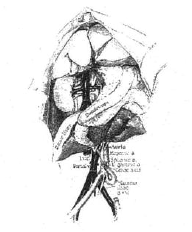
Figure 1. Welch’s Auxiliary Liver Transplantation in Dogs
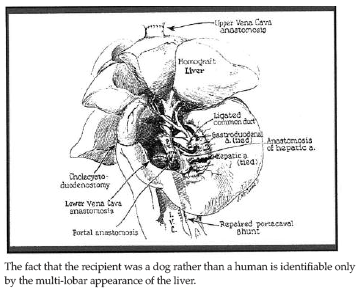
Figure 2. Complete Liver Replacement in the Dog
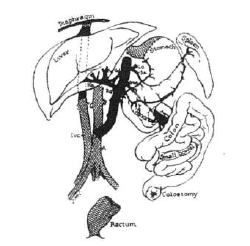
Figure 3. Organs (Not Shaded) of a Multivisceral Graft
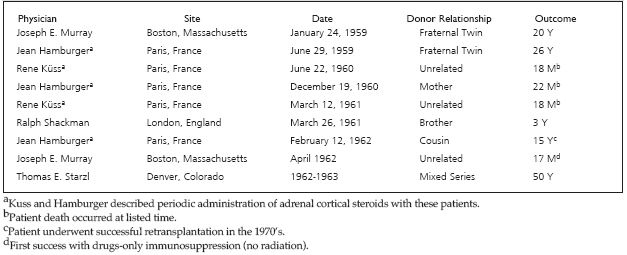
Table 1. Characteristics of the First Successful Transplantations of Kidney Allografts with > 6 Months Survival as of March 1963
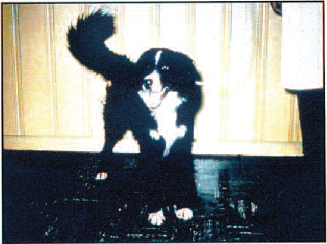
Figure 4. Liver Recipient 13 Years After Treatment for 100 Days With Azathioprine
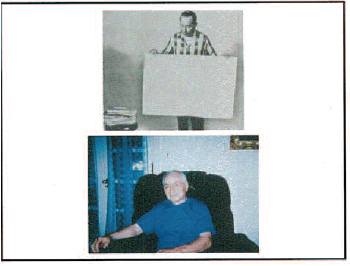
Figure 5. World’s Longest Surviving Renal Allograft Recipient at Ages 37 and 86 Years
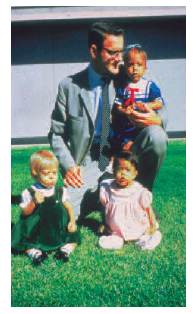
Figure 6. The Swedish Surgeon, Carl Groth, With 3 Long-Surviving Liver Recipients in Denver During 1967
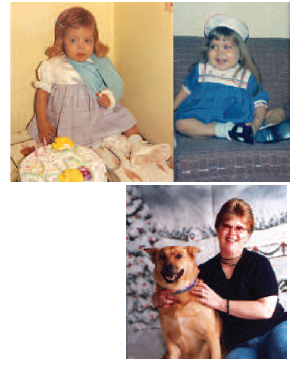
Figure 7. World’s Longest Surviving Liver Recipient: Before (Left) and 42.7 Years After Transplantation
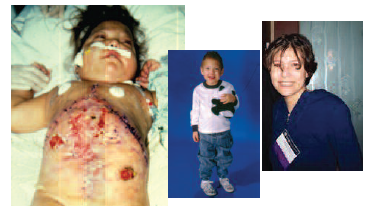
Figure 8. Multivisceral Transplant Recipient in 3 Stages of Life
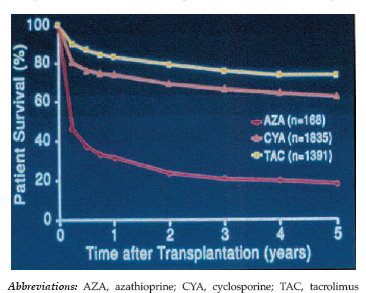
Figure 9. Stepwise Immunosuppression-Associated Improvements in Liver Transplant Survival. The Same Subsequently Occurred With Other Organs
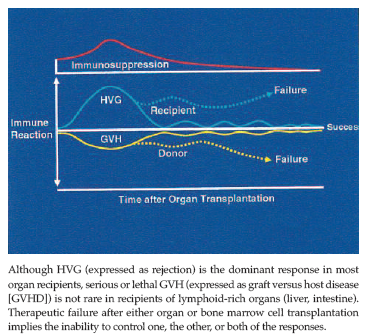
Figure 10. The Kinetics of Immunosuppression-Aided Exhaustion and Deletion of the Contemporaneous Host Versus Graft (HVG, Upright Curve) and Graft Versus Host (GVH, Inverted Curve) Responses in Organ Recipients Following Migration of the Graft’s Passenger Leukocytes